
Disclaimer

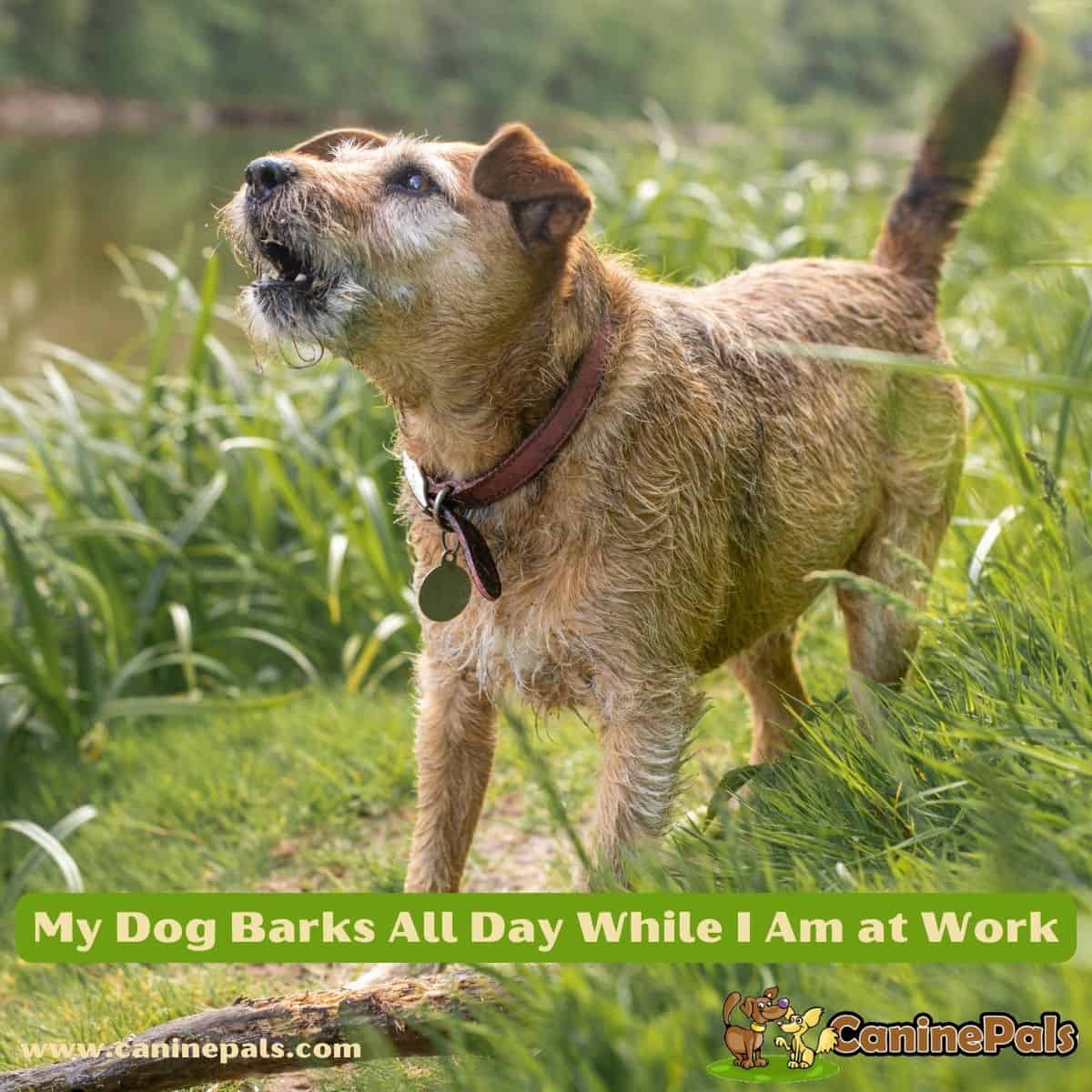
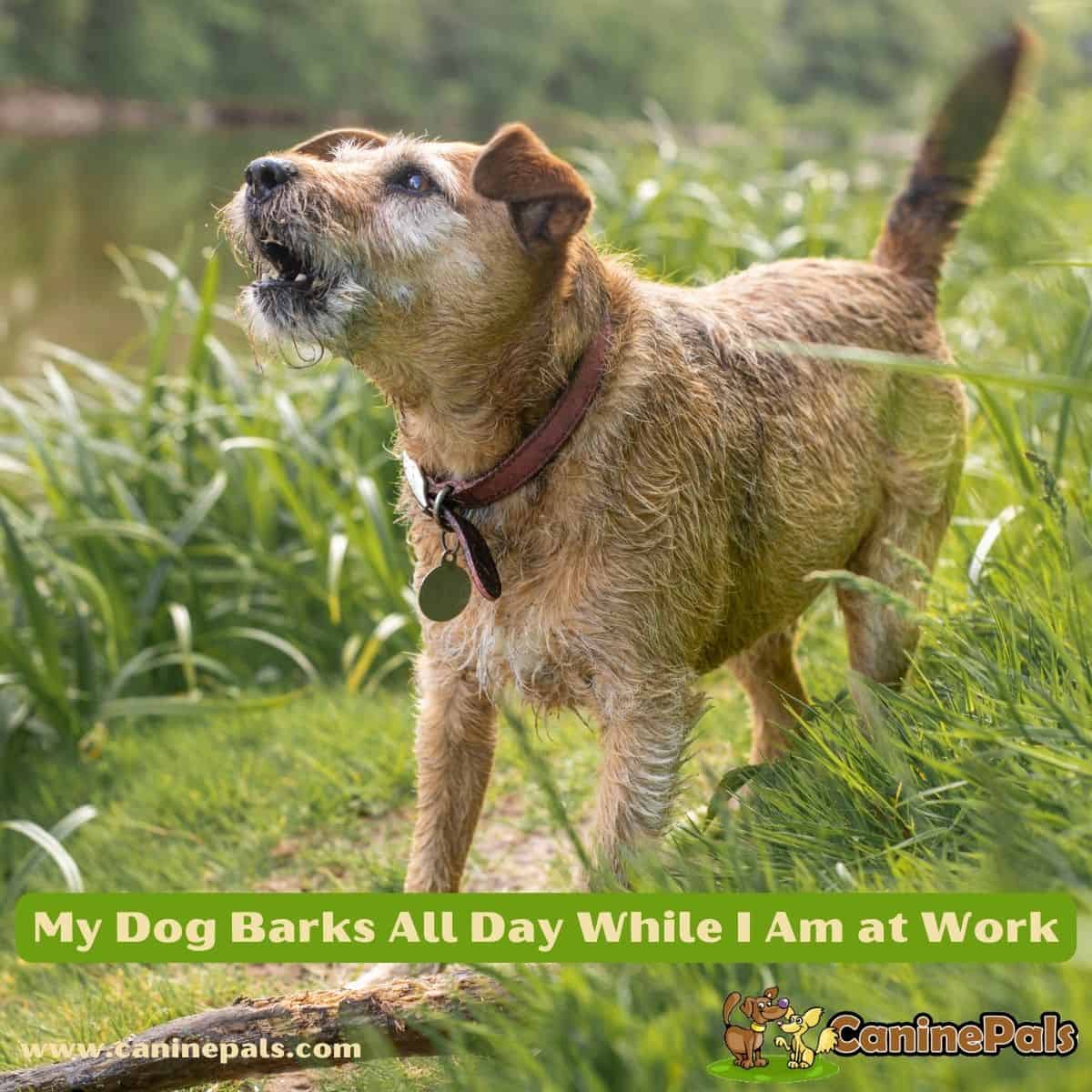
My Dog Barks All Day While I Am at Work

My Dog Barks All Day While I Am at Work-Try These Expert Tips!

Is your pup howling when you’re away? Don’t fret – it’s often possible to get to the heart of why they bark and train them to stay peaceful with some care and effort.

Unraveling this puzzle takes a bit of time but can be done – so don’t give up on helping Fido find his chill!

Is your pup driving you crazy with incessant barking when you’re away for the day? As an owner, it can be hard to leave them alone and hope they won’t misbehave! Do you complain, “my dog barks all day while I am at work?

Check out this guide from Canine Pals for the best tips and tricks to stop your pup from constantly barking throughout the day while home alone.

Your neighbor tells you that your dog barks all day while you’re at work. You won’t want to believe him…at first. You know that if you were home and a dog barked all day, you wouldn’t like it either. One large aspect of being a conscientious owner of a dog is to make sure the way he behaves doesn’t negatively affect other people.

You know you can’t stay home from work and don’t want to be evicted. You also don’t want unhappy neighbors. However, you must stop your dog barking immediately, so what can you do?
My Dog Barks All Day While I Am at Work

How To Stop Barking Dog When Left Alone

The first step is to identify the trigger for his barking:

Why Do Dogs Bark When Left Alone?

  • The puppy might be bored.
  • The dog may hear or see things or people outside.
  • He may be anxious and suffering from separation anxiety.
  • Some dogs struggle with feelings of abandonment.
  • Your dog may require exercise or even a toilet break.
  • Maybe there has been a recent change in his life, such as moving to a new home or changing his schedule.

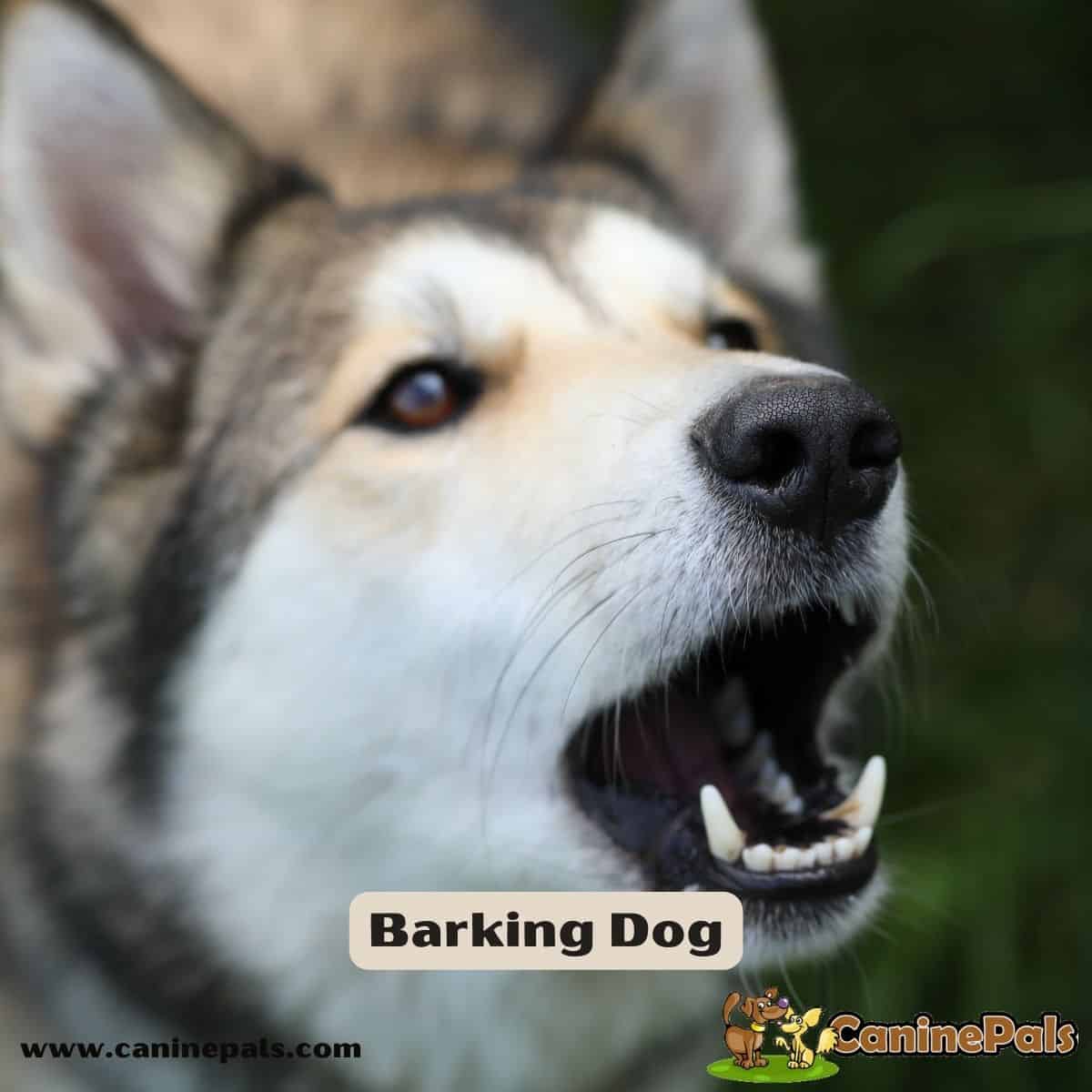
Is your dog barking all day while you are at work? This could be a sign of distress or boredom. Dogs bark to communicate, and when they are left alone, they can become anxious or lonely and start barking to try to get attention.

When it comes to dogs barking when left alone, the reasons can be varied. Dogs might bark simply out of boredom or loneliness, as this is a natural way to express their feelings.

They may also bark if they are anxious or scared due to being left alone in an unfamiliar environment. Additionally, some dogs will bark if they try to communicate with what they perceive as another pet or person in the home. Some dog breeds, such as the Basenji, do not bark but yodel instead.

Fortunately, some steps can be taken to prevent your dog from barking when left alone. For example, providing plenty of toys and activities entertains the dog and reduces stress and anxiety.
Barking Dog
Barking Dog

How To Stop a Dog From Barking When Left Alone- The Top Tips

  • Begin with regular exercise. If your dog is young and energetic, he’s probably not getting enough exercise. Don’t underestimate how much exercise he needs. Two 30-minute walks each day won’t be enough to tire him out. Some dog breeds need plenty of vigorous exercise for around two hours every day! Get up earlier each morning and take him for a long walk. That’s good exercise for both of you and once he’s tired, he’ll likely have naps during the day. Exercise isn’t just great for your pup’s physical health – it can also help create a deep connection between you and them. A regular workout routine boosts their sense of security when they are left alone, making solo time easier for both of you!
  • Locate a good dog walker who will come to your home and walk your dog around lunchtime to break the monotonous feeling of being alone every day.
  • Although it can be expensive, doggie daycare is a possibility. Your pet will be happy to be with other animals and ready to sleep once you take him home. It’s cheaper than moving house or fixing the damage a bored dog may cause.
  • Let a pet sitter take care of your pup while you’re away. Not only can they watch over your canine companion, but their presence also helps to subdue any excessive barking and ensure peace in the household!
  • Spend more time training him. It will have to be when you’re at home. Working with him to stimulate both body and mind, you’ll build a stronger bond with your beloved pet. The training will help to make his life a better quality one.
  • Decrease what he can see outside. While people hate being unable to look outside, dogs try everything possible to get to what they see. If it’s “out of sight, out of mind,” your dog won’t try to bark or get out because he can’t see anything.
  • Leave the TV on or play music for your dog to listen to. There are special CDs made for this very reason.
  • Give him lots of things to keep him occupied. Food puzzle toys are ideal. They have kibble or other treats inside, and your dog can be kept busy for hours. Ensure the toy can’t get stuck under furniture, or he may start demolishing things to get at it.
  • If you have a fenced garden, never leave him outside. He may consider your home his territory and guard it with his barking, trying to scare people away. Create a play area inside full of toys to keep him happy.
  • Is barking something new he’s doing? As dogs get older, they may have some loss of hearing and/or sight. Their mental acuity may diminish, and anxiety may kick in. While he won’t need as much physical exercise, many other tips may still help. Ensure his bed is soft and cozy.
  • If your dog gets sufficient exercise and stimulation and nothing stops the barking, perhaps the issue is separation anxiety. This isn’t an easy problem to fix.
  • Don’t make lots of noise when you leave and return. Leave for short periods and increase the time gradually as he adjusts. Place one of your unwashed shirts on his bed. The scent can make him feel more secure.
  • Crate Training: Give your pup some solo time while you’re still at home – create a cozy corner or pop them in the crate for some relaxation. With some patience and dedication, your pup will soon be comfortable spending time in their crate. This can help them get used to being alone so they’re better prepared for when you need to leave the house.
  • Give your pup a fur-ever friend by getting another canine companion! For dog owners looking to provide their pup an extra dose of love and companionship, having a canine buddy around is the perfect solution! Having another dog in the house can often prevent any negative behaviors due to loneliness. Finding a playmate for your dog can benefit their physical and mental well-being. Make sure you choose a pup that is the right size, energy level, and temperament so they get along harmoniously!
  • Your vet can give you anti-anxiety medication or other calming products to help. Treating your pup’s anxiety can be tricky. Fortunately, supplements are a helpful way to ease their worries! From CBD derived from hemp plants, relaxing chamomile, and calming L-theanine found in green tea leaves – there is no shortage of soothing ingredients that may be just the right fit for Fido. Pick wisely, though – each dog has different needs for finding blissful serenity!
  • Find a professional dog trainer. A great trainer can help you and your pup achieve peace – teaching them to be quieter when alone! These results are possible through the use of behavior modification, along with positive reinforcement. With their expert aid, harmony in your home is within reach.
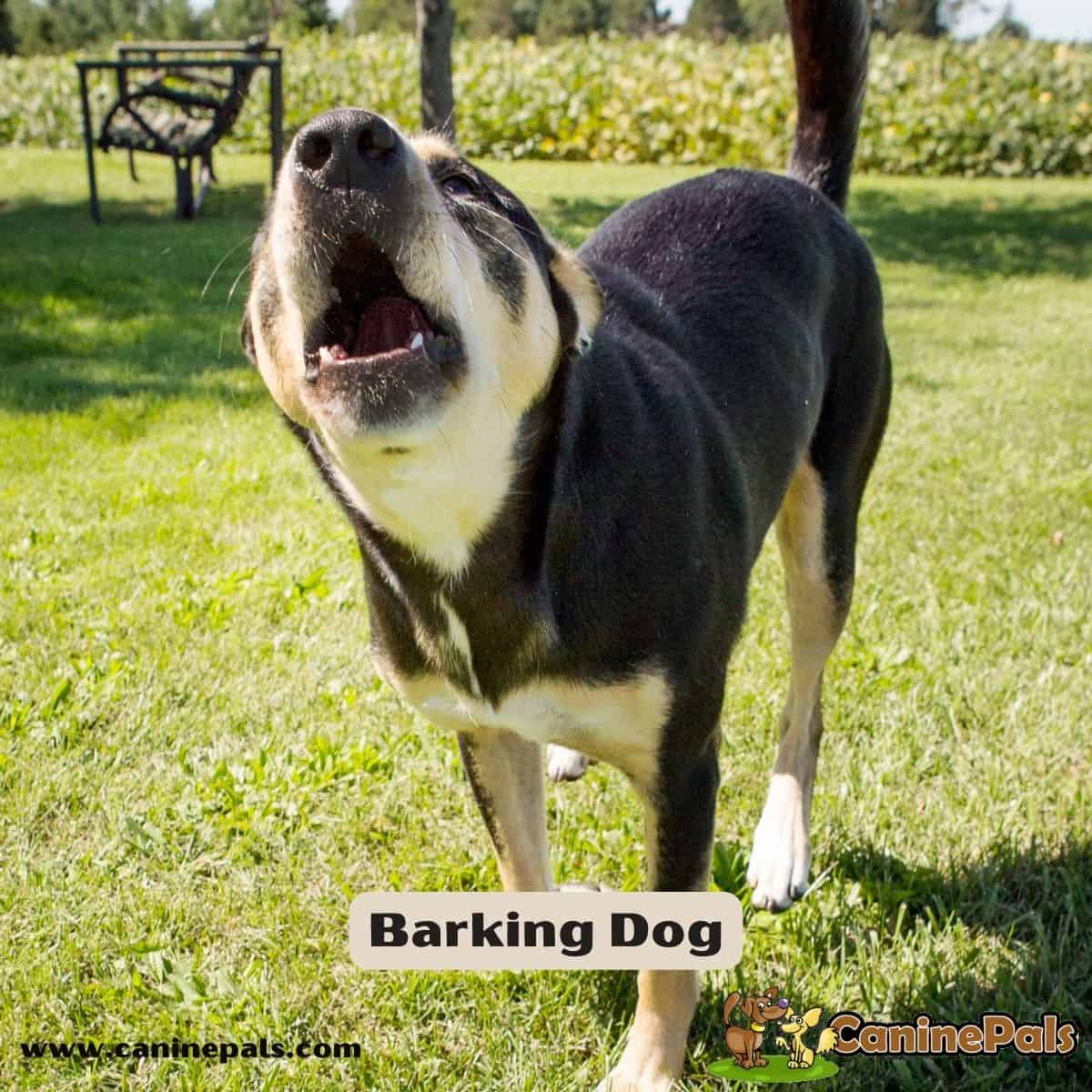
Barking Dog
Barking Dog

Can a Dog Get Sick From Barking and Howling?

Excessive barking and howling can indicate mental or physical health issues in dogs. Pay attention to your pup’s vocalizing habits, as too much could indicate underlying severe problems.

Dogs bark and howl for various reasons, such as play, boredom, fear, or aggression. When these behaviors become excessive, it could signal that something else is wrong with the pup.

Excessive barking or howling may indicate depression, anxiety, pain, or illness. If your pup is displaying these behaviors more than normal, it would be wise to have them examined by a veterinarian to determine if there is any medical cause behind their behavior.
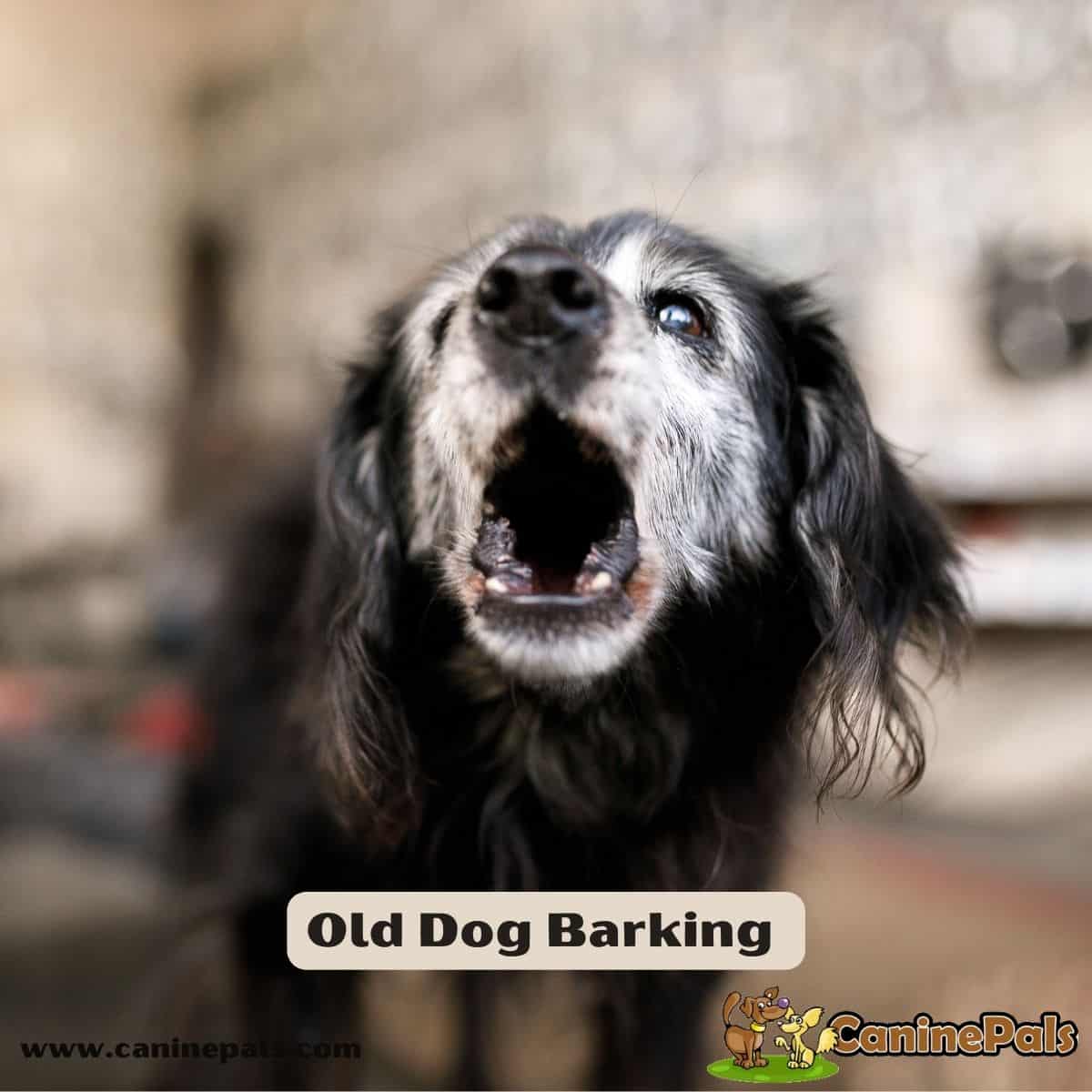
Old Dog Barking
Old Dog Barking

Are There Laws Against Barking Dogs?

Could your pup’s persistent barking lead to a legal violation? It may be possible. If their vocalizations are overly loud and disruptive, you might be in breach of the noise ordinance. Also, if the excessive yapping is causing distress for those living nearby, it could even count as nuisance behavior punishable by law.

Violating either of these ordinances may have serious repercussions, including hefty fines or other penalties. In extreme cases, dog owners risk losing a beloved pet could be a potential outcome.

Taking control of your pup’s nuisance barking is just as crucial for their well-being – and yours! Invest in a solution that works best for you both.
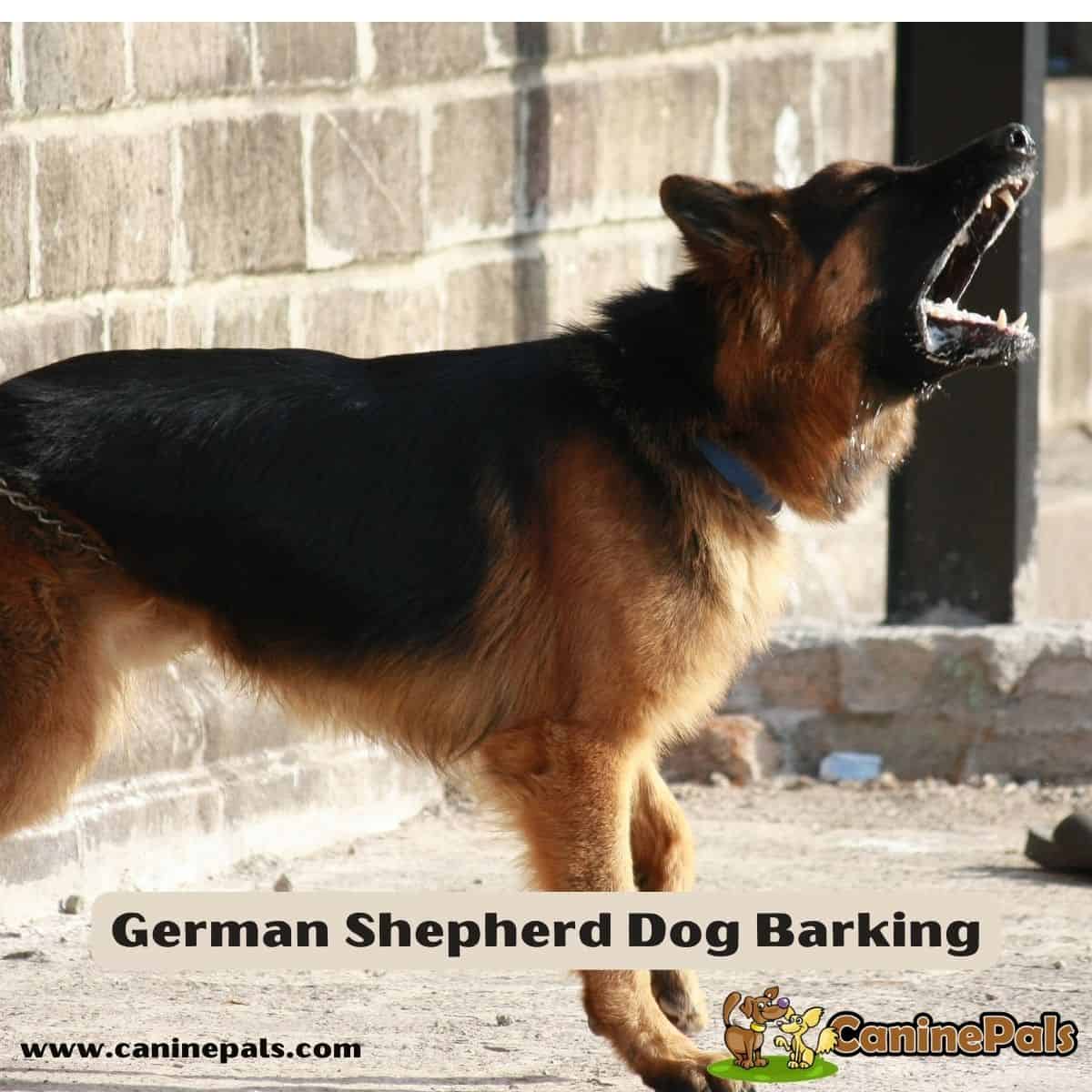
German Shepherd Dog Barking

How To Stop Dog Barking When Left Alone Conclusion

By following the steps highlighted in this article, you should be on your way to helping your pup adjust to being left alone more confidently. Remember that it is normal for dogs to bark when they’re nervous around new people or left alone at home.

With persistence and dedication, you can start training your dog to relax while waiting for its owner’s return. It takes time, but with patience and follow-through, controlling your pup’s barking can soon become more accessible and more natural.

Additionally, reaching out to animal behavior specialists may help give you additional suggestions for your dog. Try some of these tips; they will make a huge difference!

Copyright Caninepals.Com. All Rights Reserved.
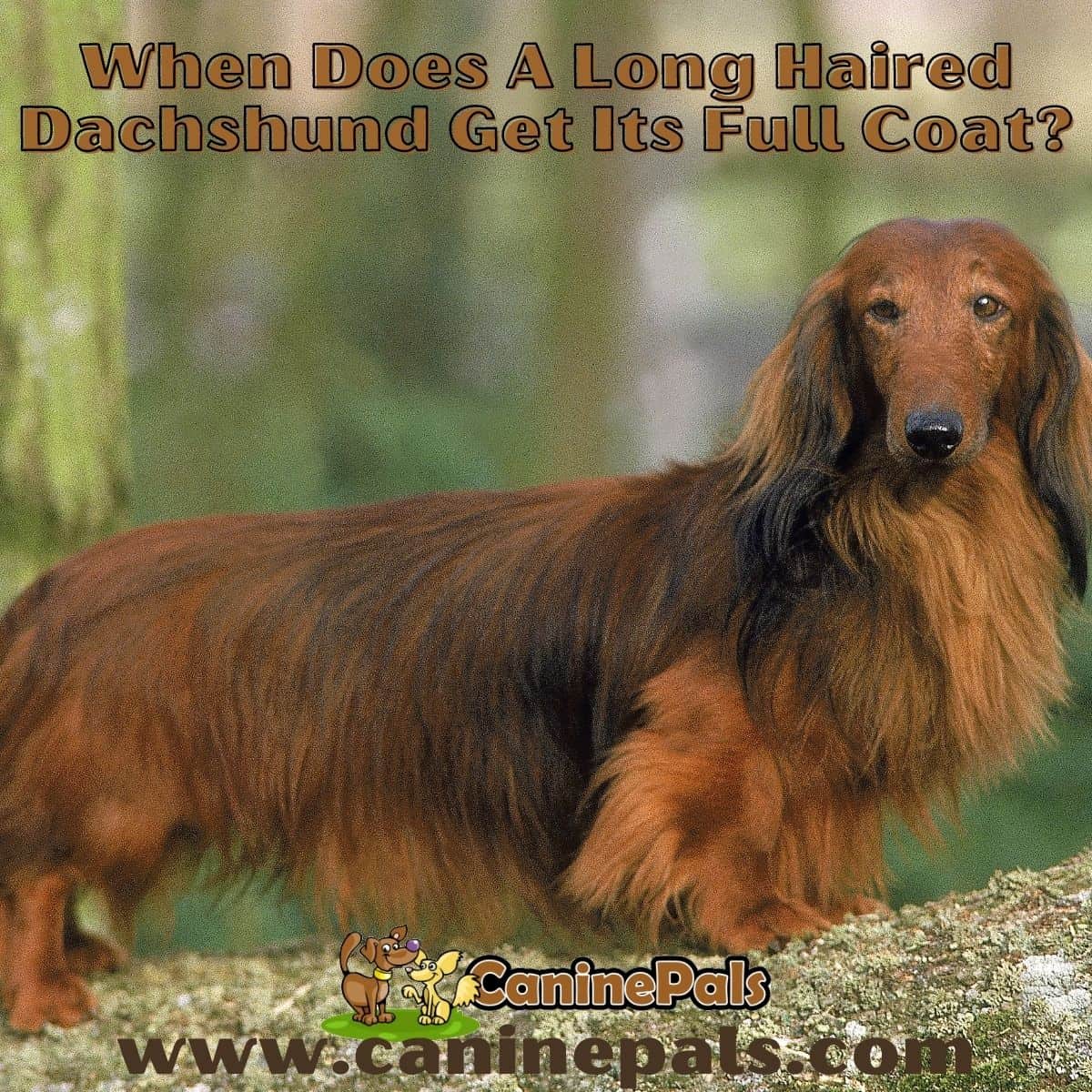
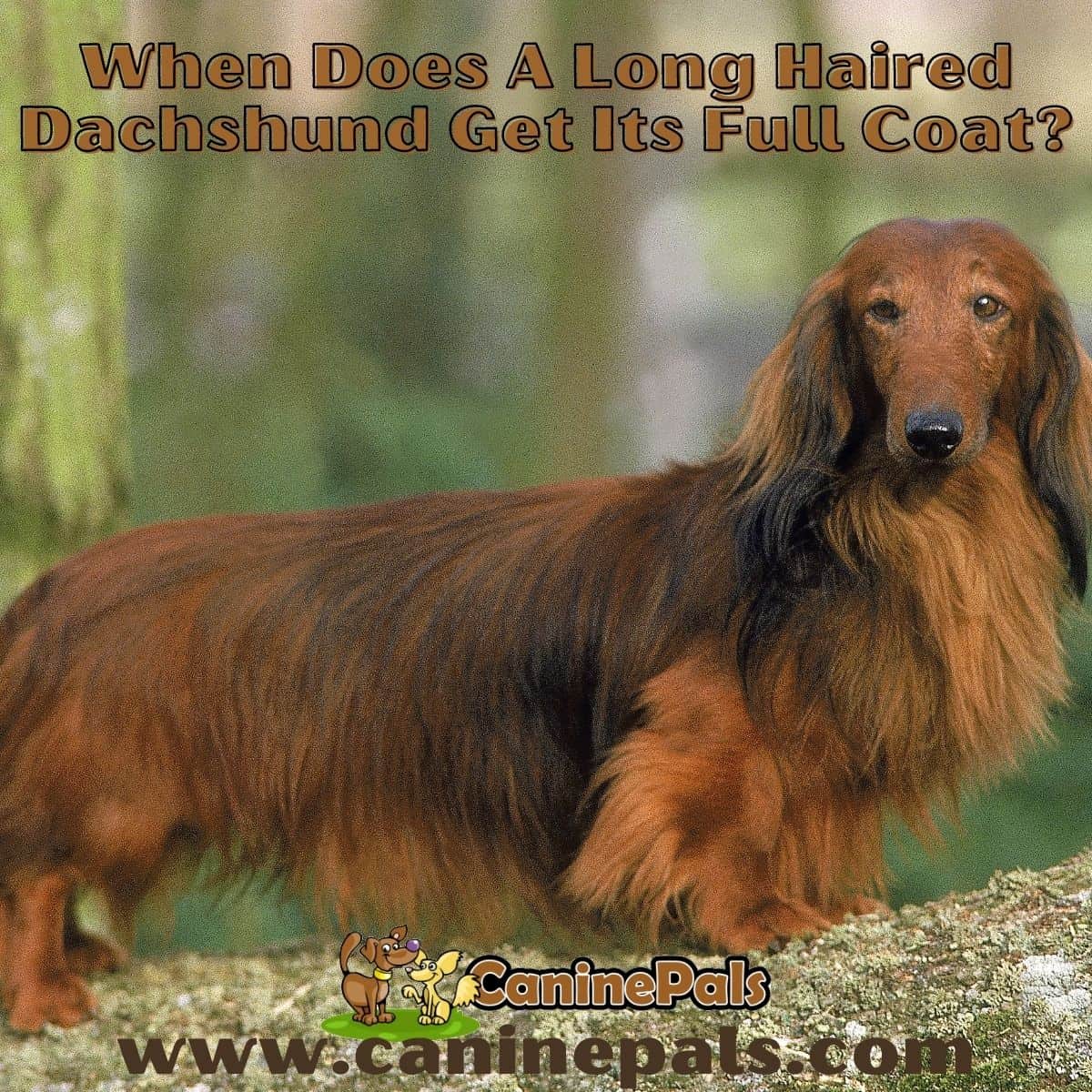
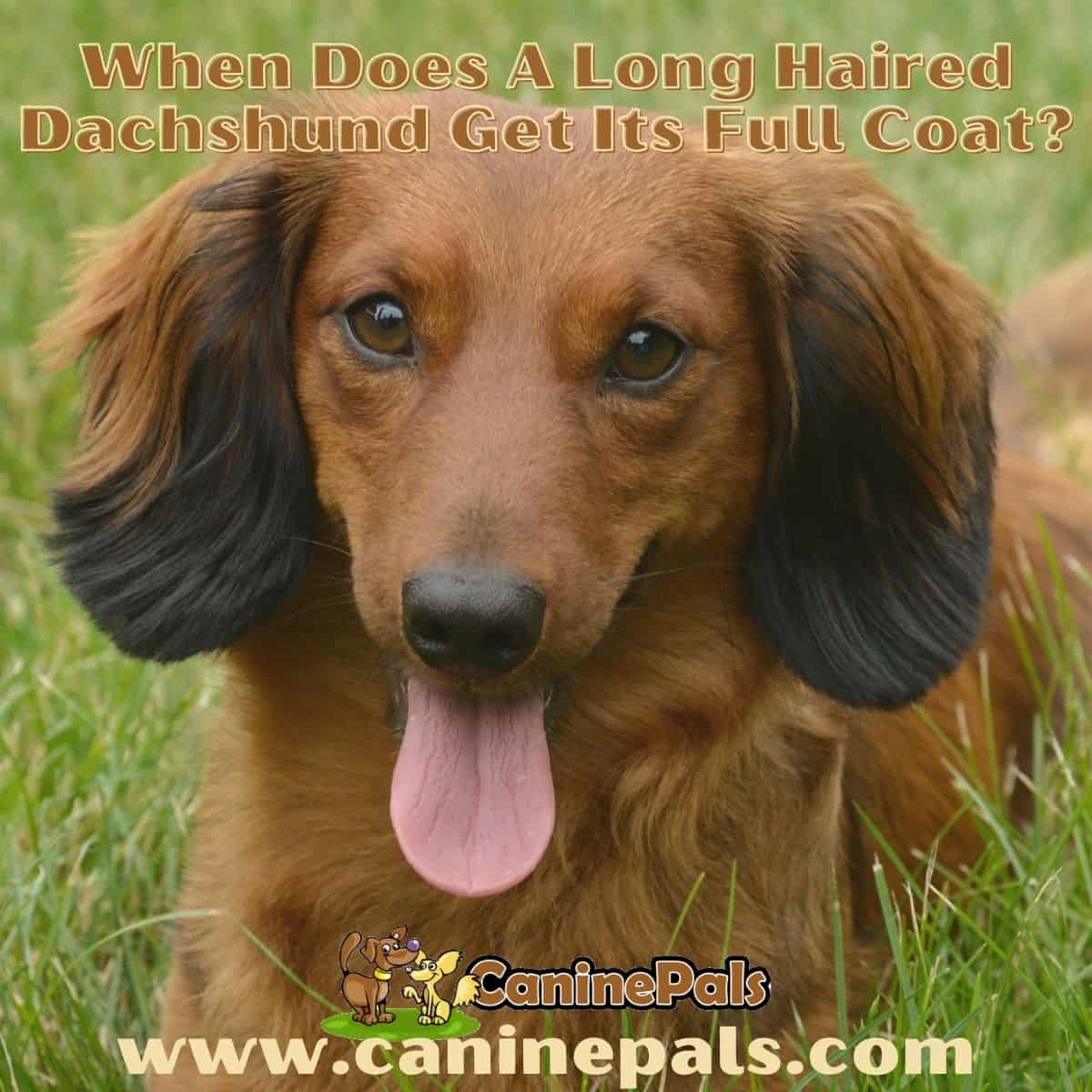
When does a long-haired dachshund get its full coat?

When Does A Long Haired Dachshund Get Its Full Coat?

Do you find Dachshund’s long, sleeky, and wavy hair adorable? Want to know more about their coat? Let’s explore when a long-haired dachshund gets its full coat.

Long-haired Dachshunds, on average, take 18 months to 12 years to develop their full coat, depending on their bloodlines.

Long-haired Dachshunds have been a famous dog breed since their origin in Germany in the 16th century. They are intelligent dogs with curious and a bit stubborn temperaments. Their soft and wavy hair, among other genetic traits, is their most attractive feature. You can see those shiny fringes, making it a super adorable pet in your family.

Dachshunds are 12 to 14 inches tall dogs with medium fur lengths, which you’ll see in varying tones from cream to black. Referring to their long wavy hair, they are frequent and require grooming.

Most new owners are concerned about when a long-haired Dachshund gets its full coat. If you are one of those who have recently adopted one, this article is for you.

How To Tell If A Dachshund Puppy Is Long Haired? 

If you are willing to adopt a long-haired Dachshund puppy but can’t distinguish between the breeds, here’s how to tell if a dog is long-haired. They have varying forms of hair lengths and fur colors. First, you need to observe the hair texture. Long-hair Dachshunds have wavy textured hair and fluffy fur. Also, their skin is visible through the fur on the back or stomach.

Another way to know if a puppy is a long-haired Dachshund is to know its parent’s breed. If both of a puppy’s parents are long-haired Dachshunds, chances are higher for your puppy to be like its parents.

Hair growth and texture can be observed when a Dachshund puppy is one month old. By observing it at four weeks of age, you can predict whether your Dachshund’s fur length will be short, medium, or long. If your newly adopted pup has long hair, it may develop into a full-grown long-haired dachshund. Moreover, the Dachshund breed possesses four types of fur:

  • Smooth – It is sleek, short in length, easy to care for, and the most common type of fur.
  • Wired hair is dense and needs daily brushing because mats and ticks can colonize.
  • Long Hair – The hair shaft is long and flowing and requires attentive grooming, which is not difficult to manage because of the soft and plush texture.
  • No Coat – Dachshunds also come without fur. Such Dachshunds are known as Dapple because they have unique patterns all over. Their grooming is hassle-free due to the absence of shedding.

The hair fully grows at three to six months of puppy age. Trimming a puppy’s hair before they are fully grown can put the developing skin of your puppy under stress.

When does a long-haired dachshund get its full coat?

What Does A Long-Haired Dachshund’s Hair Look Like?

Dachshunds are similar in structure, given that their hair length is their distinguishing feature. A long-haired Dachshund coat has visibly long and denser hair on the puppy’s ears, tail, legs, and skirts. In addition, long-haired Dachshunds have solid colors such as black, red, cream, and isabella. Coat color combinations, such as black and tan, and chocolate and tan, come with patterns like dapple or piebald.

Dachshund Fur FAQ

  • Long-haired Dachshunds have been a famous breed since origin in Germany in the 16th century; they are intelligent and have curious, stubborn temperaments.
  • Long-haired Dachshund puppies can be identified by their long, thick hair on their ears and fringe regions at four weeks old.
  • They have wavy hair and come in varying fur colors and lengths.
  • Hair growth of Long-haired Dachshunds can be observed when puppies are one month old; they take 18 months to 12 years to develop their full coat.
  • Long-haired Dachshunds get their full coat by the age of 2.
  • Observing the hair texture, knowing parents’ breeds, and predicting fur length at four weeks can help determine if a puppy is long-haired.
  • Long-haired dogs need daily brushing, bathing once a month or three, and frequent trimming for proper grooming.
  • They shed heavily when the season changes from winter to spring, spring to summer, and after female dachshunds’ regular heat cycles.
  • Training puppies with positive reinforcement makes them easier to groom and train.

Shedding In A Dachshund Dog

Dachshunds shed because of their dense coat, and shedding in a Dachshund may take weeks to a few months. Usually, a Dachshund develops its full coat in 3 months, and little shedding is expected after this interval.

The long coat of a Dachshund starts getting thinner when it reaches puberty, growth hormones being the greatest triggers. When a Dachshund puppy ages one month, its coat is rapidly growing. However, the growth process doesn’t last long until the puppy comes to a solid diet.

At the age of six to eight months, there is 50% growth of a Dachshund’s fur, which groups to 25% at the age of one to two years. A Dachshund dog’s coat grows thicker with age but is the densest puberty.

How To Groom A Long-Haired Dachshund

Whether you are about to be a long-haired Dachshund parent or have recently adopted one, you must know that it needs attentive grooming, and a routine should be set for the “fur care.” Training your puppy to sit still while brushing, bathing, and trimming is better because it can be too difficult with an untrained, long-haired dog. Your new furry guest may not like you touching its paws at the start, but daily lessons and attention can make it feel comfortable.

Grooming a newly adopted old dachshund can be challenging because it might not like new hands grooming it. So, take baby steps on a daily basis to put your dachshund at ease. Then, you can groom your long-haired Dachshund dog by brushing, bathing, and trimming.

Brushing

Being a long-haired dog, a dachshund’s fur will likely get entangled and matted more frequently. So, it is understood that you need quick brushing daily, which will help limit the shedding process and save your home surfaces from extra fur too. However, they don’t need a bath too often; it is enough to bathe them once a month or three. This is because of the hair’s sleek texture.

It would be best if you watched where the direction hair grows and brush following the direction. This will easily detangle the hair and facilitate blood flow—brush by starting at the head and descending the tail by detangling the top and undercoat.

Picking the right brush is also essential in caring for a long-haired Dachshund’s fur. All brushes are not for every kind of fur. First, use a slicker brush to remove all the mats, dead hair, and tangles. Then, continue brushing by switching to a bristle brush.

This will get your dog a smooth and shiny texture of hair. You can also use a pin brush and get an adorable fluffy look by teasing the hair in the opposite direction. Put a sheet on the surface below wherever you are brushing your dog because of heavy shedding while brushing.

As brushing the long, wavy hair can be challenging, divide hair into sections using sectioning clips. Then, brush each divided section by removing the clips individually so the detangling procedure remains gentle to your canine.

Bathing

Although a Dachshund’s coat doesn’t need frequent baths and is essential to grooming, you can’t ignore it. Long-haired Dachshunds need a bath within three months unless they seem dirty. Make sure you bathe your dachshund with lukewarm water.

Use a fragrance-free dog shampoo and conditioner to avoid skin reactions and make your pooch smooth and easily manageable.

Trimming

Long-haired dachshunds need frequent trimming of their fur. The fringes region requires the most frequent trimming. This includes the region around the ears and feet. Trimming makes brushing easier for you, for which you need a pair of scissors with which you need to trim a small quantity of fur at a time.

History Of Long Haired Dachshund

At the time of the origin of long-haired Dachshund dogs, there was a cross-breeding done with some long-haired dogs with a Dachshund dog. It is believed that the long-haired dog used in the Dachshund breeding was a small spaniel. The small spaniel was dominant from the pair who introduced the long-haired gene in this breed.

The breeders in those times adored those doggie faces with the sleeks of long and wavy hair, and they started keeping this breed. As the cross-breeding of a Dachshund was made with a spaniel, the temperament of a spaniel is observable, usually in short-haired to wire-haired dachshund breeds.

Temperament Of A Long-Haired Dachshund

Long-haired Dachshunds are joyous, stubborn, curious, intelligent, treat loving and energetic dogs, and stay determined. They dig and jump a lot to keep them engaged whenever left alone.

Dachshund comes from one long-haired dachshund parent, and both short-haired dachshund parents have different temperaments. Long-haired dachshunds are calm, easily obey commands, and make good family companions.

Pros

  • They are loyal to the family.
  • They are of a spaniel nature.
  • They are intelligent so they can be easily trained.
  • They are affectionate pets.
  • They are adorable due to their short height and long wavy hair.

Cons

  • Long-haired Dachshunds need attentive grooming.
  • They can be too stubborn at times.
  • Heavy shedding, especially with the changing seasons and hormonal shifts.
  • They may smell bad if not groomed properly.
  • Can dig up your entire backyard if left alone.


Long-haired dachshunds are easier to train than the other breeds because of their spaniel origin, who love to please their owner. Whichever the coat type is, the Dachshund breed is stubborn. In the case of long-haired Dachshunds, they show stubbornness when they want something and can’t get it.

Therefore, it is favorable for a dachshund parent to start training it at a young age with positive reinforcement so that its grooming and temperament building may become less challenging for you. One pro tip here is that Dachshunds are big fans of FOOD! Just give them a treat and see them obeying you.

When does a long-haired dachshund get its full coat?

FAQs

Q. When do long-haired dachshunds get their full coat?

Getting a long-haired dachshund coat depends upon the breed’s bloodline, food intake, and coat care. When a long-haired dachshund completes its one year, it starts losing its fur, which then grows again into the adult coat. They develop fully-grown coats by the age of 2 years.

Q. Do long-haired dachshunds shed?

Long-haired dachshunds are likely to shed due to long hair shafts and dense fur. You’ll observe heavy shedding in your dachshund when the season changes from winter to spring and then spring to summer. Female dachshunds lose their fur after their regular heat cycles.

Q. How to tell if a dachshund puppy is long-haired?

The easiest way to know a dachshund’s breed is to know its parent’s breed. For example, if both parents are long-haired, your puppy is a long-haired dachshund. A breeder learns about the hair type of his dachshund when it reaches four weeks and starts getting long, thick hair on its ears and fringe regions.

Q. Does the hair type of long-haired dachshunds determine their stubbornness?

Hair type does not necessarily define to what extent a dachshund will be stubborn. However, long-haired Dachshunds have been seen as calmer than short-haired dachshunds. Stubbornness is a trait of this breed, whether it’s a short, long, or medium-haired dachshund.

Q. Is the long-haired dachshund the right pet to keep?

Dachshunds are easy-going dogs who love playing and obeying their owner. However, if you can’t spend time on routine grooming or dog shedding bothers you, they might not be the right choice. Moreover, they tend to get a dog smell if you increase the bathing gaps. So, if you can do attentive pet grooming, you should go for a long-haired Dachshund dog.

When Do Long-haired Dachshunds Hair Grow Conclusion

Ultimately, this breed has determined hunting capability and a remarkable drive to get their prey. Coming in short and standard sizes with varying colors and patterns, all Dachshunds are cute dogs. The lifespan of a long-haired Dachshund is between 12 to 15 years on average.

With super excitability towards playing, these small human pals come in smooth, wired, long, and coatless fur.

Dachshunds would not get tired of playing with toys and enjoying treats. But they can be stubborn at times. However, you can make them obey you by positive reinforcements such as consistently giving repetitive commands.

Your long-haired Dachshund Doxie will need more attention because its long hair demands daily brushing and frequent trimming. So if you adore a long-haired Dachshund Doxie to the extent that you can dedicate some time grooming it, you must adopt one!

Copyright CaninePals.Com. All Rights Reserved.
References and Further Reading:

[1] American Kennel Club, Dachshund Information.


Bloodhound Colors

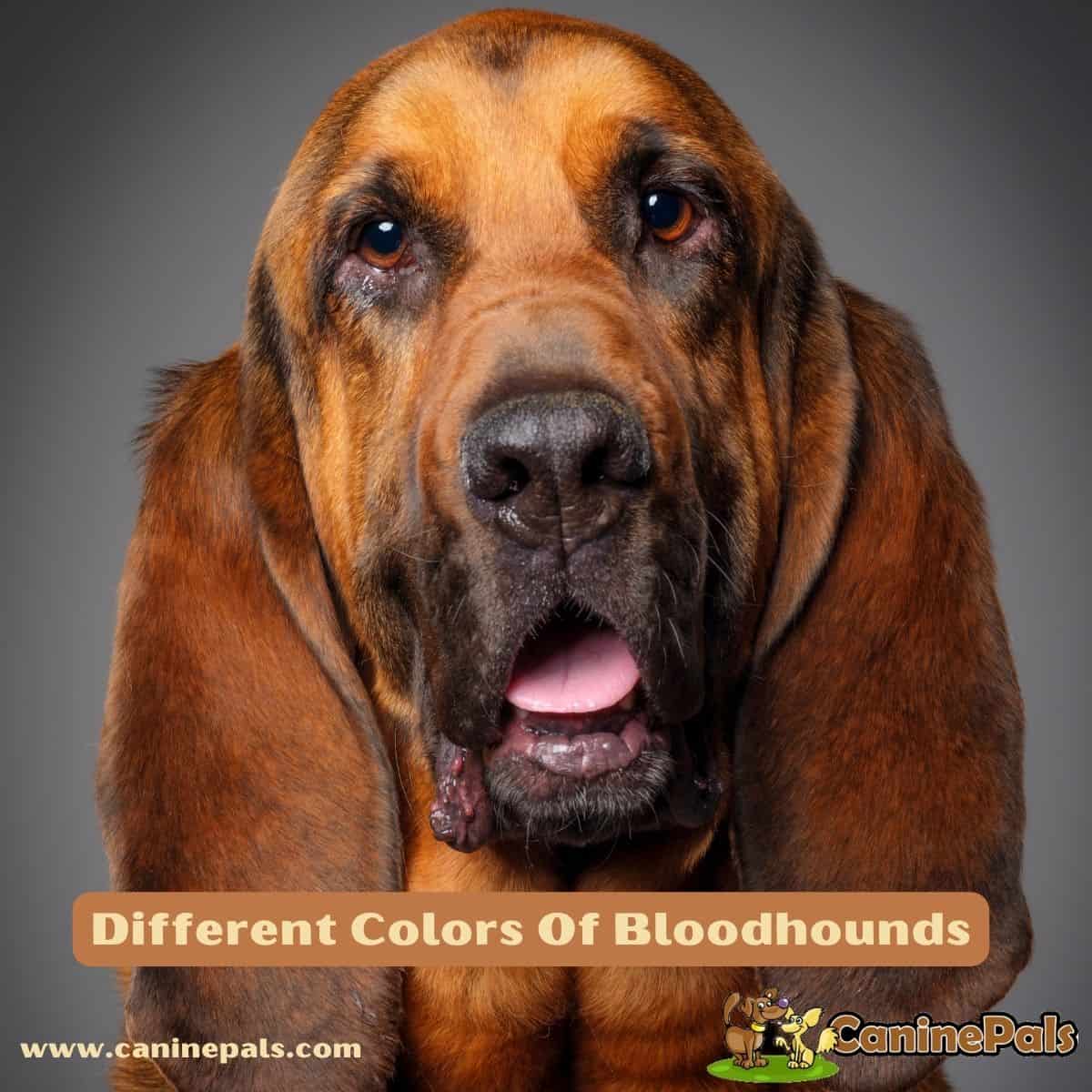
Different Colors Of Bloodhounds – All You Need to Know.

Bloodhound dogs are descendants of noble ancestors. They are calm and loving dogs with varying coat shades. You can learn about the different colors Of Bloodhounds in this article.

Do you remember the old-school TV show character – The Droopy Dog? The features of a bloodhound dog breed inspired the character. Bloodhounds are physically large and strong dogs with calm and affectionate temperaments.

They are also known as St. Hubert hounds due to their splendid scenting ability. The scent-hunting breed of these dogs is derived from the St. Hubert stain. Law enforcement departments have used them as scent trail dogs during rescue operations.

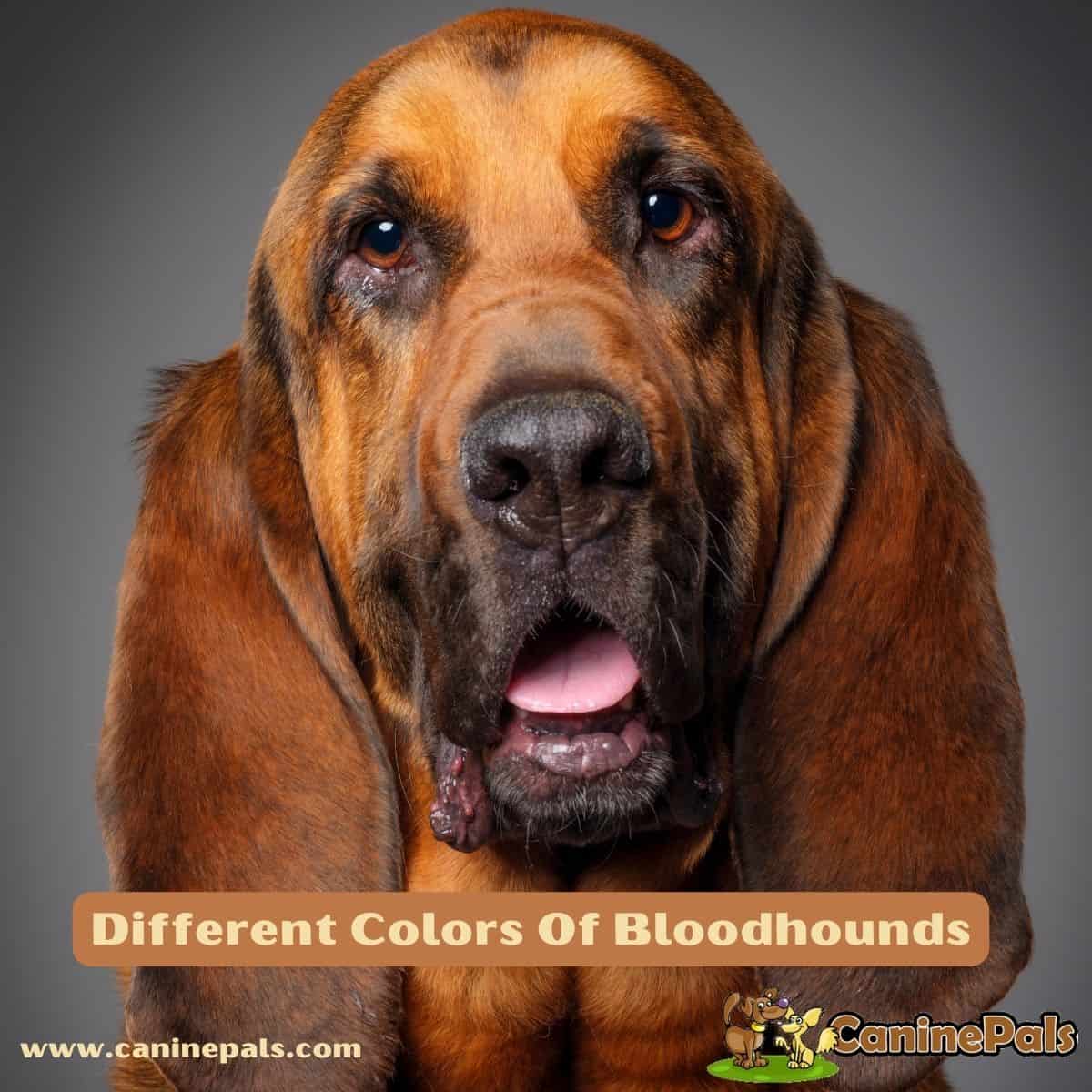
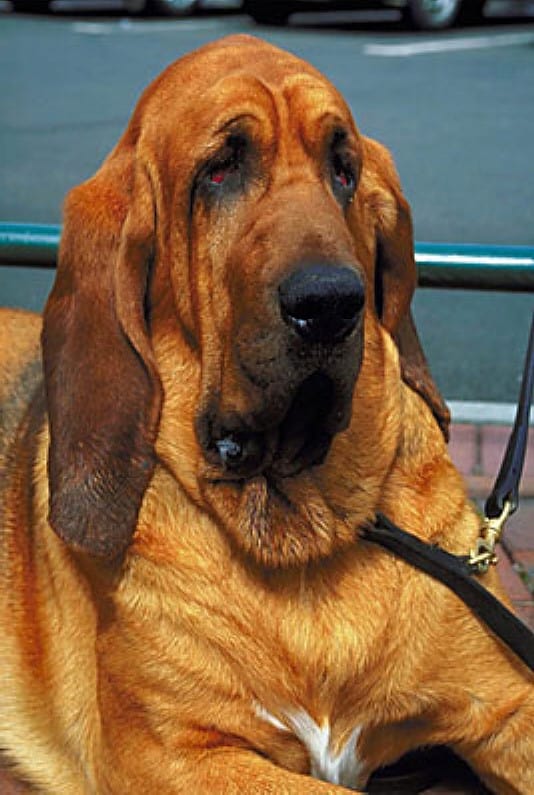
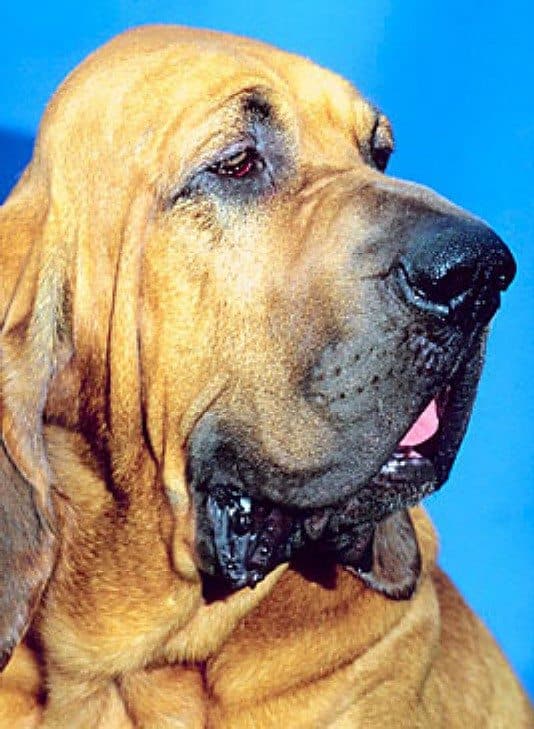
The typical average weight of a bloodhound varies from 80 to 110 pounds with 23 to 27 inches of height. With short hair, drooping ears, deep folds in loose skin, wrinkled faces, and coats varying from the tones of black & tan to brown & red – bloodhounds are being used as police dogs due to their incredible sense of smell. When bloodhounds are on the scent, they follow their noses by dragging on the ground,

This guide will cover all you need to know about these scent hounds: bloodhound dog breed, history, personality traits, and physical appearance, including different colors of bloodhounds. But, first, let’s discover the aspects of this adorable dog.

Different Colors Of Bloodhounds

History Of Bloodhounds

The Bloodhound appeared in Europe well before the Crusades. Two strains were brought from Constantinople, white and black. They have been in America for over 100 years and immensely helped the police force, to the extent that evidence they discover is accepted in court.

This scent hound breed was known to discover and trace the tracks of animals from the first century A.D., which have now evolved as Bloodhounds. The early bloodhounds were called the Saint Hubert Hounds in the 7th century as the Saint Hubert of Belgium perfected this breed along with his monks.

A conqueror named William carried many bloodhounds with him when he arrived in England in 1066. That is why modern bloodhounds are known to have a noble history because they are derived from breeds belonging to royalty.

By the 16th century, this breed became a means to track deer for recreational purposes, and this practice evolved to track down missing people by law enforcement departments.

Bloodhounds were preferred to track missing people because they do not tear off their target after finding them due to their affectionate nature. Their nature could be why the poet Humphrey de Bohun used the name “Bloodhound” (pure blood) for these dogs in his poem for the first time in history.

Bloodhound Colors
Bloodhound Colors

Temperament Of Bloodhounds

Bloodhounds love to mingle with their family members as they are affectionate and playful. They look dizzy due to their droopy eyes but love being around kids and sharing their playful energy. Training adult dogs can be prolonged because they are naturally independent and stubborn. But their patience and mild manners conquer their persistent personality trait.

Socializing Ability

Bloodhounds have good socializing abilities, i.e., they quickly make friends with other dogs and small dogs and are tolerant towards kids. However, they are determined and may not obey your commands at times. For example, if a bloodhound has sensed a scent, he will follow it with complete determination without paying attention to his master’s command.

This breed can perform expressive whining and howling, an exciting aspect of their personality. In addition, they are dignified, docile, easy to make companions love to wander, and are good at reward training, friendly to strangers but bark up when they get excited.

Factors Affecting Temperament

Inheritance, training methods, and social habitat are the factors that affect their temperament. For example, too shy or playful breeds are difficult to train as their determined mind exceeds their instruction-following ability. So, a bloodhound puppy can be developed into an active, obedient, and gentle family pet.

Recognized Bloodhound Colors Patterns and Appearance

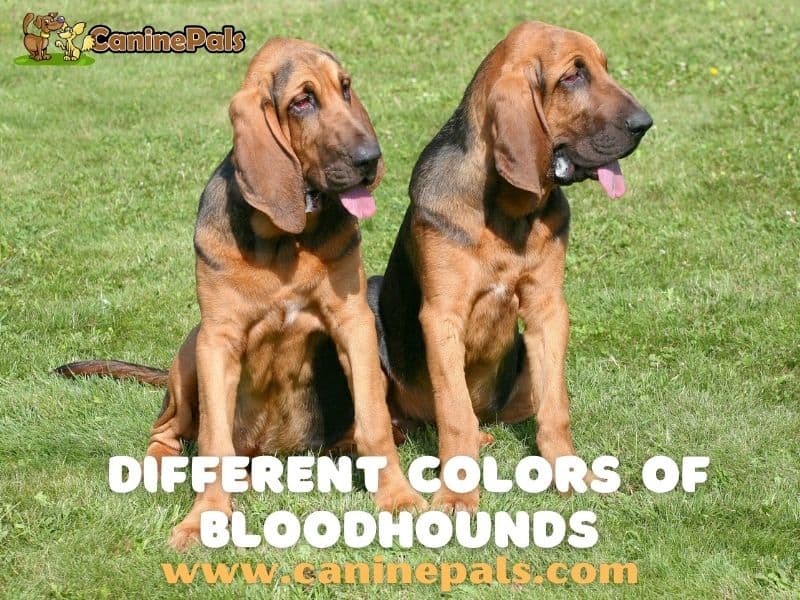
Bloodhounds typically stand 23 to 27 inches tall. However, males range from 90 to 110 pounds in weight, and females are between 80 to 100 pounds. With short and smooth coats, you will come across three different colors of bloodhounds:

  • Black & tan
  • Liver & tan
  • Red

A speck of white can be seen on the chest, feet, and tail tip in significant strains. These Bloodhound coat color patterns are recognized as the following types:

  • Blankets or Full coats
  • Liver-pigmented
  • Black-pigmented
  • Saddle (predominantly black with little red)

Blanket and saddle types are seen in black and tan and liver and tan dogs. At the same time, red bloodhound breeds are seen in black-pigmented and liver-pigmented types (regarded as black bloodhound and liver bloodhound, respectively).

The variations in recognized Bloodhound colors, liver and tan, black and tan, and light to dark red, are determined by alterations in the black and brown genes. Black nose, black eye rims & paw pads will be seen in a Bloodhound if he inherits the black variant dominantly.

Different Colors Of Bloodhounds

Which Habitat Does A Bloodhound Require?

Keeping a Blooded hound is challenging for Bloodhound owners. Because they are slow learners due to their determined nature, a bloodhound can be clumsy during adolescence and may follow unusual scents fearlessly. They also tend to chew things that smell different or bless their nose.

Following are the habitats of bloodhounds that you need to consider before keeping them:

  • They can chew car seats, remotes, batteries, and towels because these articles smell different.
  • A bloodhound ignores the caregiver on trails and outdoors if he smells an exciting scent. So roaming with a bloodhound requires a dog leash.
  • They need good exercise. The typical lifespan of a bloodhound is ten years. If you get a puppy, you need to work on its activity, which promises a better quality of life.
  • Long trail walks along with a leash are an essential part of their training so that they may develop a habit of listening to their guardian and develop required dependency. Also, bloodhounds tend to gain weight quickly. This makes walking a necessary health aspect for them.
  • A calorie-restricted & balanced diet should be fed to a bloodhound as they are prone to get obese.
  • Apartments are not a good place for this large breed. However, if you keep them in an apartment, taking them out daily to play is a good idea.

How To Groom A Bloodhound?

Following are the essential measures to groom your adult or puppy Bloodhound based on their wrinkled face, large body, drooping ears, and thick coat:

  • Since the coat of the bloodhound is tight and thick, they shed moderately. So brushing them once a week aids in removing debris and dead hair.
  • Bloodhound has wrinkles on its face and neck, which should be cleaned and dried regularly. As dirt and germs may reside and cause infection.
  • Brushing should be done with a tool such as a rubber hound mitt. Bloodhounds seasonally shed hair, and sometimes you need a shedding blade to remove excess hair in the shedding season.
  • The upper part of the lips drools in bloodhounds. So the mouth should be thoroughly cleaned after meals.
  • The long ears of a bloodhound become home to dust and bacteria. So cleaning them once a week is necessary.
Different colors of bloodhounds

Is Bloodhound A Good Dog To Keep?

Bloodhounds are reliable companions and make great house pets because of their calm, loving, and good nature. They have a docile personality trait which is suitable for many dog lovers. Keeping a Bloodhound means you must keep them going with physical activities so they do not become lazy, and you keep finding them resting on the couch.

A home with children is a perfect place to keep a bloodhound; these dogs are kind to humans. Although they are difficult to train to their independent personality trait, their calm nature and controlled temperament make them easy to handle and be with.

Puppy training is best to start early rather than late as an adolescent, so puppy bloodhounds develop into obedient adults through early intervention. This breed possesses good energy, no matter how lazy they seem by their droopy eyes. They are always willing to play with and be around their family members.

Some Facts About Bloodhounds

Here are some interesting facts about this dog breed:

  • We know that bloodhounds are great at tracking. But they were not named upon this ability. Instead, their ancestors went through noble acts of purity.
  • The bloodhounds are trained to track missing humans and follow long trials by detectives and law enforcement agencies. They can follow the scents from miles away with very close accuracy.
  • This dog breed can follow a scent even from 130 miles away. They have a tremendous smelling ability, but you should never test them without a leash.
  • Bloodhounds can smell 300 hour-old scents and follow it on the track. This is an incredible and distinctive characteristic of this dog breed.
  • The resting heart rate of a bloodhound is from 70 to 120 beats per minute which shows 40 times more capacity than a human heart rate of 70 to 80 beats per minute.
  • These dogs don’t bark. They howl and produce a very different sound from their chest, called Bay.
  • The coat of bloodhounds quickly gets greasy. They have a smooth texture on their fur to survive in the wild. Even though they are slippery and have not been cleaned for a long time, they still can actively follow a smell with incredible energy.
  • Bloodhounds got extreme popularity after their portrayal in TV, and dog shows in the Victorian era. Since then, they have been great human companions and favorite dogs of many dog lovers.
  • They consume four to eight cups of dry dog food daily in two divided meals.
  • Bloodhounds have a habit of chewing. They may chew your household items, such as furniture and mattresses. Please do not keep them alone in the house outside their crate.
  • They may sometimes develop anxious behaviors as they get bored quickly and crave attention.
  • Exercise for 15 minutes a day is enough for bloodhound puppies. However, you can take them for long walks.
Different Colors Of Bloodhounds
Black and Tan Bloodhound Puppy

FAQs

Q. How smart are Bloodhounds?

Bloodhounds are an obedient and intelligent breed. Their smartness is known mainly due to their efficient scenting and tracking abilities.

Q. Do Bloodhounds make a good pet?

This breed is a great family pet. They are docile, playful, tolerable, and affectionate, especially towards kids. However, they need good exercise to stay energetic.

Q. Bloodhounds belong to which breed?

Hubert – a French monk of the 7th century, kept their ancestors for hunting purposes who were later named Saint Hubert hounds and evolved as Bloodhounds.

Q. What is the lifespan of Bloodhounds?

Bloodhounds can live from 10 to 12 years.

Q. What are the personality traits of bloodhounds?

They are calm, loving, and docile but independent and determined simultaneously. They follow attractive scents passionately, irrespective of their guardian’s command.

Q. How to play with a Bloodhound?

Take a ball with which your dog usually plays. Mark it and after applying a scent to the ball. Mix it with the other unscented balls and let your bloodhound dog find it passionately. This would be an excellent time for your dog to embrace its nature.

Q. What temperament do bloodhounds have?

They are calm but stubborn, affectionate but independent, and gentle towards family members and strangers.

Q. Do bloodhound dogs shed?

Bloodhound dogs shed moderately. Most of the shedding is seen seasonally during autumn and spring. The dense and short coat can be cleaned with a bristle brush once weekly to deal with bloodhound shedding.

Q. What colors do bloodhound dogs have?

Bloodhounds have three tones of color with a white patch on the feet, neck, or tail. The different colors of bloodhounds are Black & tan, Liver & tan, and varying shades of red.

Conclusion

Lastly, this is about the bloodhound breed born with incredible scenting ability and attractive personality traits. If you want to keep a bloodhound as your companion, follow a guide specifying its personality traits and training considerations.

The Bloodhound is a dog who will take charge if you let him. So you need to maintain your authority while giving him all the love and attention you can. He’s very affectionate and needs to be groomed regularly to feel, look, and smell good.

So, out of these different colors of bloodhounds, which color would you like in your bloodhound?

Copyright CaninePals.com. All Rights Reserved.

References and Further Reading:

[1] American Kennel Club, Bloodhound Information.

Bloodhound
Bloodhound
Bloodhound
Bloodhound
How to buy a puppy online safely.

How to Buy a Puppy Online Safely: Buying a Puppy Online Tips

The internet is a wonderful, informative place, but it can be full of pitfalls. One such pitfall is the sale of puppies online. If you’re looking for a perfect puppy but can’t find one in your local shelter or breed rescue organization, you might be tempted to buy a new one online.

So when buying a puppy from a website, make sure it’s reputable and safe. This article will take you through some tips on buying a puppy online safely and how to avoid online scammers.

This how-to buy a online puppy guide was created for anyone who wants to ensure they get a healthy pup with all their shots from a reputable breeder.

Best Place to Buy a Puppy Online

How do you find good dog breeders on the internet? Most people who want to buy a puppy spend time searching online.

That’s fine as long as you understand that the bad breeders aren’t using ads on supermarket walls or in cheap places any longer. They know how to find and attract buyers.

Buying a puppy online can be an exciting experience. Many websites sell pets, but it is essential to research and know what you’re getting into before purchasing. Unfortunately, scammers have found the internet is a great place to find easy targets.

Contact your local breed club to find a reputable dog breeder and seek referrals from trustworthy members. If the local breed club has no members with pups available, you can try checking out the dog breeder’s online websites.

How to Buy a Puppy Online Safely

Buying Puppies Safely Online

How to tell if a breeder is a good breeder on the internet. It’s essential that, as a new pet owner, you should do proper research. Sure, it may seem confusing because the bad breeders will tell you many of the same things as the good ones.

How to Tell if a Breeder is a Good Breeder Check List:

  1. Responsible dog breeder will have their website to show off their dogs and the feats they have achieved. Bad breeders only use sites to show off and sell puppies.

Best breeder websites are usually full of pictures of their dogs doing everything. Field breeders will show their dogs holding a duck or on point.

Flyball breeders will show their dogs action photos. There could also be some great photos with their family or some candid ones, but it’s evident that the breeder is focused on more than pets.

A bad breeder’s website will only have photos of the dogs sitting down, or the absolute worst photos are of female dogs when they’re pregnant or nursing (hanging low).

If you see a photo of a dog behind a wire, that’s a glaringly obvious red flag, especially if you don’t see any shots without a wire. If the dogs are dirty, that’s also a bad sign.

A responsible breeder often shows casual shots, but the dogs pictured will be clean, washed, blown, and nicely stacked. Their formal shots are winning photos.

The best dog breeders don’t use headings such as “dams,” “sires,” “Mommies,” or “Daddies.” They might use “Females” and “Males,” but the dogs are never shown to be puppy producers. They’re shown on the website and highlighted for their abilities and accomplishments, regardless of whether it’s in the agility ring, the field, or the show ring.

Having puppies is an important aspect but certainly not the main focus of their website.

  1. Honest dog breeders know and use the right language for their specific breed. Bad or careless breeders try to use the right language but invariably get it wrong. The good breeders describe a female dog as “typey and square, the chocolate-colored female has a lovely open side gait and runs true down and back again. The careless breeders will say, “She’s got a nice stride” or “he’s burly and big.”

Reputable dog breeders will use such words as side gait, typey, sweep (in a Cardigan, it means a long dog who’s beautifully put together and well balanced), down and back, rear, front, balanced, conformed, and socialized.

Bad breeders like stride, burly, big, thick, confirmation, acclimated, back, and front legs. They’ll love using silly phrases like domestic breeding, relationship stature, and being trained in socialization. One ad said they breed using the biggest available bloodlines.

  1. Good dog breeders never try to highlight the superficial aspects of their dogs. They don’t complain about the puppy’s color, markings, or attributes that make it worth buying. They never breed undersized or oversized dogs. They try to choose average-sized dogs where possible. This is because under/over-sized dogs face many health problems, so you must consider their size when buying.
How to Buy a Puppy Online Safely

Reputable breeders never brag about coat lengths, unusual colors, ear shape, or eye color, or use “rare” when describing their dog. These breeders have enough trouble finding high-quality dogs in typical colors. They’re hardly ever attracted to lower-quality dogs in rare colors.  Suppose a good breeder does have a puppy with odd-colored eyes, hair, or coat type. In that case, it’s usually sold to somebody as a pet on limited kennel club registration instead of being sold at a higher price as a rarity.

  1.  Good breeders rarely sell a single puppy prior to eight weeks of age. Bad breeders sell puppies as soon as possible. Sadly, bad breeders never try to match the puppies with their owners. Before the puppies have reached an age where they can be graded, they are usually sold. So they’re matched solely based on color because it’s the only element possible to use prior to the age of seven to eight weeks. Never buy from a breeder who uses color as the only determining factor.
  2. “Runt” or “the pick of the litter” are phrases never used by good breeders; only bad breeders ever use these expressions. Phrases such as a “show pick” or “small at birth” are fine, but the other two are derogatory and only bad breeders use them. It’s also a myth that a runt is found in each litter.

Puppies who start small soon grow up to match other puppies in their litter and may end up as the best show dogs of the litter. If a puppy is sick and can’t grow normally, it must never be sold as a pet.

Regarding “pick of the litter,” this is irrelevant if you’re buying a pet. The breeders who use this phrase are simply trying to get you to buy the puppy. If you hear it, ask what they mean by it. Most people will say it refers to color, markings, or something else superficial. They have no bearing on what it takes to make a puppy a good show dog.

The word “throwback” should also ring alarm bells if you hear it. Those bad breeders use this to make excuses for a puppy that doesn’t look like a purebred and is ugly. “Seventy-pound Dane?” “Throwback?” “Both are stupid terms.

  1. Good breeders don’t list their dog’s weight except as an incidental, whereas bad breeders write it under the dog’s name in bold to try to impress with the size of their dog (big or small). Reputable breeders don’t use this ploy as they breed to a standard. You’ll know their dogs fall into a specific range. Bad breeders try to go down or up from that standard level, often producing 1 kg Yorkies or 45 kg Labradors. They focus on a specific weight as being highly desirable. It’s yet another way they’re selling based on superficial attributes, not the basic soundness of the puppy.
Buying a Puppy Online Tips

Think about buying your puppy with your eyes shut. Do you have plenty of information? Can you get enough accurate information from the website to make an educated buying decision? Or has that breeder only given you basic information such as eye color, color, type of coat, and other information?

  1. Bad breeders sell puppies as long as they’re cute. Once they become ‘ugly,’ they stop selling the dogs. Good breeders don’t ever drop the cost of an older puppy. The price is often increased. The better breeders sell dogs whose maturity gives them extra value. They’ll often sell retired older dogs for a small amount of money to cover desexing costs, but you won’t ever see them dropping the cost of a puppy to get him off their premises. 
  2. Responsible breeders possess an innate sense of where in the breed their dogs fit. They can discuss dogs in the pedigrees with clear knowledge, even if they have never seen or owned them. They won’t talk about  the dogs having “pretty colors” or as being “nice pets.” You’ll hear them talk about how a grandsire is a top herding dog or another one that has multiple show titles. They’ll understand the main health issues faced by the breed. They’ll discuss the uniqueness of the challenges facing owners, breeders, exhibitors, and trainers of such a breed.

You should be overjoyed to have your dog for his whole life, and your breeder should provide support gained from experience if you have any problems. There should be a feeling of value unrelated to the dog’s “cuteness” factor, and you should come away with your puppy feeling like he’s the best breed available at the time.

If a dog breeder can’t provide these things, don’t buy from him. Don’t buy a dog if you don’t care about the correct breed type or health problems. Rescue one instead.

Buying a puppy Online Tips
Buying a Puppy Online Tips

Avoiding Online Puppy Scams

Online puppy scams are not only common, but they can also have devastating impacts. With so many people accessing the internet for their transactions and information needs, from checking email to shopping online – it’s easy to get lulled into complacency about how safe we are in this electronic age.

But no matter where you go or what device comes up next on your screen: beware! Here is some advice that will help ensure you can avoid online puppy scams:

Carefully Check all Advertisements

Be careful when looking for a new pup. Many websites try to bait you into thinking they can deliver your perfect pet, but don’t be fooled by these scams.

Double-check every ad carefully and ensure everything described sounds correct before clicking away – this includes what breeders say about their dogs’ behavior, how much it will cost, contact information, and the breeder’s location. Scammers often make obvious spelling errors, and any obvious spelling errors are red flags.

Make Sure the Puppies Available Exist

Scammers are experts in grabbing photos of purebred puppies from the web and claiming them as their own. Thus, if a breeder says they can send you pictures of available litter, ask for personalized photographs or videos instead. Ask for a picture of your new puppy next to a newspaper dated the day they were born, so there’s proof that these puppies are real.

Check the Breeder’s Website Carefully

One of the telltale signs that a breeder’s website is fake is if they use http:// in place of https://. This means it isn’t secured and may be trying to scam people!

Another thing you can do, as well, would be to check out their domain age (or how long it’s been active). Most puppy scammers set up an authentic-looking site with information about themselves on the website; however–their establishment date didn’t match when the web address was live for certain domains, so keep your eyes peeled here too.

Is the Puppy is Priced Below Market Value?

Research the average price of the breed you are after and compare it to the breeder’s quote. If it is too good to be true, it might be a strategy to lure innocent pet lovers like yourself.
No reputable breeder would offer their litter at a very low price because they have invested time and effort in producing those pups.

If they claim that they are connected to a specific canine organization and have been selling cheap dogs for quite some time, then give that organization a call to confirm their reputation.

Avoid Breeders Who Want To Close the Sale Immediately

If the breeder tells you a lot of reasons why they should get their pup ASAP before it’s even old enough to be sold, something is suspect. Buying from a reputable, ethical breeder can take some time and might seem frustratingly slow at times!  So if this person promises that everything will go smoothly as long as you pay them immediately, cancel your order.

Buying a Puppy Online Tips

Contact Their Veterinarian

Scammers won’t be able to connect you with a vet, but they will give out fake phone numbers. Check the physical address of any veterinarian and make contact yourself.

If it sounds too good to be true, there’s probably nothing legitimate about these individuals. Proactively verify everything before doing business with anyone online.

Ask for AKC Breeder Registration Details

A scammer would do everything for you to fall into their trap. They’d associate themselves with the most esteemed and respected groups just to sound believable, like a member of the AKC, National Breed Club, or animal shelters.

Once he says that his dogs are from these associations, take advantage by verifying this information yourself – ask people at these locations if what he told is true before making any commitments.

Ask for a Scanned Copy of the Vaccination Certificates

Ask for copies of the pup’s vaccination certificates and worming records to ensure that the puppy has received appropriate veterinary treatment. Proof of worming and vaccination will also prove the puppy exists.

Request Copies of the Parents Kennel Club Paperwork

If you want to ensure that the pup comes from a legitimate breeder, ask for copies of their parents’ kennel club paperwork.

Check the Puppy’s Sales Contract and Guarantee

It is essential to read the sales contract and guarantee before signing. Make sure you understand what each page says and that your needs have been met with the puppy agreement, such as microchipping data or registration requirements for breeding/showing purposes. I recommend thoroughly reviewing every aspect because otherwise, there may be unforeseen consequences later.

Another Red Flag are Emails Containing Poor Grammar

Scammers often prefer communicating via email instead of contacting you via Skype, Zoom, and other similar apps that allow video calling. This is already a red flag because it means they are not interested in talking with potential buyers.

Another thing that should put puppy buyers off immediately if they make mistakes when typing their messages or have errors such as spelling is grammar. A reputable breeder would never do this since communication includes detail-oriented work for those who want information!

Never Pay With Western Union

Make sure to pay for your new puppy with PayPal or a credit card. Check out the bank details before you deposit funds. Never use Western Union as a payment method for a puppy.

How to buy a puppy online safely.

How to Buy a Puppy Online Safely Conclusion

You should know the risks and red flags when buying a puppy online. Make sure to research and find out everything possible about the breeder. The more information you have before making this big decision, you will be better off.

Ensuring your new puppy has been well cared for and socialized from birth with humans, and other animals is vital. You can also ask questions about health care information or any medications they may have received before coming into your home.

We hope this post has provided the information you need to know to find a reputable dog breeder, avoid puppy scams and buy a puppy online safely.

Copyright  CaninePals.Com. All rights reserved.

References and Further Reading:
[1] Denise Leo “Tips on Choosing the Perfect Canine Companion”.
[2] AKC “American Kennel Club”.


What is a Backyard Breeder?

What is a Backyard Breeder? Find Out the Facts

Are you considering buying a puppy? If so, it’s essential to understand the different types of breeders. One type you may come across is known as a backyard breeder.

But what is a backyard breeder exactly, and should they be avoided? In this article, we’ll give you the facts about these breeders and their practices so that you can make an informed decision when choosing where to buy your pup.

If you’re looking to purchase a puppy, it’s essential to know the difference between backyard and reputable breeders. The term “backyard breeder” is often derogatory, but what does it mean? Backyard breeders decide to breed their pets for profit or many other reasons.

Members of the public seem confused when defining a backyard breeder, inasmuch as to say that they regard such breeders as “bad” only if the dogs are being neglected and that many live in appalling conditions. The good news is that this isn’t always the situation.

What is a Backyard Breeder?

What is a Backyard Breeder?

A person who breeds their pet dogs for a profit with little to no knowledge about canine genetics or animal welfare is a backyard breeder. These people are a big reason why there are so many homeless animals in shelters and needlessly killed yearly, as they don’t always spay or neuter their animals.

The puppies often have health problems from poor backyard breeding practices. A backyard breeder will breed their pets to make money without any thought for the health or quality of their animals.

On the other hand, a responsible breeder has been involved in the dog world for years, usually belongs to a national breed club, and is knowledgeable about genetics and responsible breeding practices. As a result, most pets from these sellers will end up batting the local animal shelter because they can’t be adopted.

Backyard breeding can describe a family member or friend who chooses to breed their dog. They shower the dog with all the love they can, feed her well, exercise her and ensure the vet is a prominent figure in the dog’s life when needed, including during the pregnancy and birthing periods. However, does this make backyard breeding ok? NO! It’s far from being ok.

Even if you have two same dog breed purebreds, you must do many other things apart from simply owning healthy dogs. Ethical breeders with years of experience will never develop unpredictable crossbreeds. They’ll match two dogs (one male and one female) with solid lines and have undergone a barrage of health tests that match the particular breed.

For example, Great Danes need elbow and hip tests as they’re designated problems in the breed.

They won’t produce multiple litters from a single female. They’ve been involved in breeding puppies that match the breed’s conformation. Temperament is also a governing factor when it comes to selecting a pair.

Responsible Breeders vs. Backyard Breeders Quick Facts

  • Backyard breeders decide to breed their pets for profit or other reasons without much knowledge about canine genetics or animal welfare.
  • Responsible breeders have been involved in the dog world for years, usually belong to a national breed club, and are knowledgeable about genetics and responsible breeding practices.
  • Backyard breeder puppies often have health problems from poor backyard breeding practices, while those from reputable sources will be healthy due to rigorous testing and better genetic match-ups.
  • There are ten differences between backyard breeders vs. reputable breeders, including allowing puppies to be sold before eight weeks old; not being able to visit puppy parents; not encouraging contact after the sale is made; simultaneously breeding two or more breeds of dogs; no neuter/spay contract provided; always having puppies available for sale, etc.
  • To get a new puppy, you must educate yourself on what makes these two breeding practices different to obtain a healthy quality puppy.

If You Want a Pet Puppy and Not a Dog for Shows, is This Important?

Because you have conducted plenty of research into different breeds to determine which is most suited to you and your lifestyle, check the dog has the right physical traits and temperament that you expect and that you also know enough to consider health risks that may be involved.

If you don’t care about the breed you choose, pay a visit to your local dog shelter and decide which dog deserves to be rescued and brought into a new, loving home and help save his life at the same time.

I’ll explain how different it can be in layman’s terms:
If you were offered a pair of Nike shoes for only $50 and accepted and were given a cheap knock-off shoe instead, would it still be the same? While they may appear the same, will they have the same high standard of workmanship? Will they last as long as a genuine Nike shoe? Are you given the same high-quality assurances, and are they rigorous testing to rule out health problems?

The answer is: You don’t know, and I don’t know because I have no idea what materials were used to make the shoes. Why did I do it? The exact reason for most things; is to profit from the transaction.

Puppies can also be knock-offs that help the sellers make money. If you don’t mind what brand you have, adopt a dog from a shelter. You must share this information to help make others aware of the severe problem caused by backyard breeders.

10 Differences between backyard breeder vs reputable breeder
10 Differences Between Backyard breeder vs Reputable Breeder

Whether you buy a puppy through any breeder or take home a rescued dog, it’s your choice. I struggle to listen to the slogan – “adopt, don’t shop!” People have their preferences. Our culture needs to be more open-minded and let people make the right decisions for their families.

Sadly, however, not all breeders are responsible, so shelters are full. If you cannot continue caring for the dog, tell the breeder, or he may tell you to return the dog to him. If you go through a breeder, the options listed below can help you recognize the differences between a backyard breeder and a reputable breeder.

10 Differences Between Backyard Breeder vs. Reputable Breeder

1. Breeders permit puppies to be sold to buyers prior to eight weeks old. They’ll claim it’s fine because they’re weaned off the mother. FALSE!!!

No circumstances allow a puppy to leave home early, and some breeders refuse until the puppies are ten weeks of age as an added precaution.
The puppies learn much from their siblings and mother at this crucial time. If this doesn’t happen, it will be very likely that behavior and social skills may be of low quality.

2. You won’t be permitted to visit the puppy’s parents.

Any responsible breeder would be extremely happy to give you access to parents that will produce the litter you can eventually choose from and take ownership of such a bundle of joy. If the father is housed elsewhere) the breeder will have photos and can explain more about him, including his personality and lineage.

You’ll learn more about the puppy when you meet the parents because they should have a similar behavior style. You’ll know your puppy’s appearance once he’s an adult. What sort of temperament does he have? Can you manage an adult version?

Once the litter has been born, you should be able to visit again to see how the litter and mother behave. The breeder will take care of a lot of the socializing process before you take your puppy home.

3. You’re not encouraged to maintain contact.

Some backyard breeders dislike being visited as they don’t care about much except the money.

Genuine dog breeders will love their dogs and puppies and will also have input into how you care for them when you take a puppy home. The dog breeder is like an uncle to the dogs and puppies, so he naturally wants to hear how they’re going, and one aspect of that is offering lifelong assistance when required.

The dog breeder will appreciate new photos as your puppy grows in age and physical shape. Stories of their life are also something a breeder would enjoy hearing. They will also love seeing pictures and hearing stories as your puppy grows. The breeder will want to maintain a great relationship with you.

10 Differences between Reputable Breeders and Backyard Breeders

4. You’re not asked any questions about yourself and the home where the new puppy will live.

Responsible breeders want to keep in touch. They should ask questions to ensure the puppy is going to a good home with a loving family. Remember that you’re “auditioning him” to see if he meets your standards, BUT he’s also doing the same to you. The breeder can usually give you an information packet to help you quickly learn more about the puppy.

5. A breeder is simultaneously breeding two or more dog breeds.

A responsible breeder should focus on a single breed to do the dog and himself the best job possible. A genuine breeder’s goal is to improve the breed. This is quite complex. For example, the Great Pyrenees is much more than fluffy and large.
If a breeder wants to pair dogs for breeding purposes, they must consider the parents’ traits and how they could affect the puppies.

6. A breeder won’t provide you with a neuter/spay contract.

Only a small number of people have the qualifications to breed. A responsible breeder will provide a Limited Contract for registration and a deadline date the end date for having your dog neutered.

Breeders will be very finicky about issuing a complete registration for a puppy. Generally, the fully registered puppy will be given to a responsible, known breeder.

7. There are ALWAYS puppies for sale.

The majority of legitimate dog breeders write a waiting list of potential buyers for the puppies. They only breed once sufficient people are keen to buy most of a litter once they’re born. The breeder is keen to provide good homes for the puppies when they’re ready, so the list starts before any puppies are born.

8. You’re not given a contract.

The contract in question must do a few things:

  •  Must state that the dog is in good health.
  •  Breeder’s expectations of the new owner.
  •  New owner’s expectations of the breeder.
  •  Each breed has numerous tests that the breeder MUST have completed PRIOR to breeding any dogs.
  •  E.g., large dogs must need their hips tested because this sort of problem is a natural occurrence in large dogs.
  •  You must be provided with a written copy of the results of all tests carried out.
  •  It must say if there’s a problem and you can no longer look after your puppy, he should be returned to that breeder because no responsible breeder permits any of their previously owned dogs to get sent to a rescue/shelter.

9. A breeder is not remotely active in dog clubs specific to the breed and does not participate at dog shows.

Breeders always want more education about their dogs/puppies, and being active in dog breed clubs is a specific method. If a breeder is a member of one or more clubs, it’s clear he’s keen to increase his knowledge about his breed. Dog breeders who are active exhibitors at dog shows and have champion dogs have a strong knowledge of their chosen breed and commitment.

10. Why the list?

These items are beneficial if you plan on approaching a dog breeder. Know what questions you should be asking.

what is a backyard breeder
What is a backyard breeder?

Reputable Quality Breeders Quick Facts

  • Responsible dog breeders agree to adhere to a strict code of ethics and standards such as the ones set by the American Kennel Club (AKC). They have extensive knowledge of their chosen breed’s characteristics, traits, and potential health problems.
  • Responsible dog breeders place their puppies in their chosen homes after screening potential owners, and they provide the necessary information about their puppies’ health, diet, exercise, and training.
  • Most responsible breeders often hold on to puppies from a litter for show or breeding purposes and keep in touch with puppy owners throughout the dog’s life.
  • Reputable Breeders usually are members of their national breed-specific clubs and breed-specific rescue groups.
What is a Backyard Breeder?

Why are Backyard Breeders Bad?

Backyard breeders are often considered bad because they breed their pet dogs without knowledge of correct breeding practices, the breed standard, potential health issues, and the quality of their breeding dogs. It seems like these “breeders” only have one goal in mind: making money off the puppies and selling as many as possible.

If a breeder is guilty of one or more pointers, that’s not an absolute that he’s a lousy breeder, but they’re signs to watch for. Are there other indicators you keep an eye out for when deciding which breeders to follow through with? Backyard breeding dogs do not produce quality puppies.

Preservation hobby breeders breed the best puppies. Preservation hobby breeders are usually also members of their national breed-specific club.

Conclusion: What is a Backyard Breeder?

As a new dog owner, you want to ensure your puppy is healthy and happy. In order for this to happen, you need to know the difference between backyard breeders and responsible breeders.
Suppose you’re looking into getting a new puppy or already have one at home.

You must educate yourself on what makes these two breeding practices different to obtain a healthy, quality puppy.

Backyard breeders do not have the appropriate knowledge of genetics and breeding practices. They may be inexperienced, they may be unethical, or they may lack a good understanding of correct breeding practices.

If you’re looking for a new pet that’s lots of fun but doesn’t cost as much money in the long run (and has all sorts of other benefits!), check out adopting from your local shelter.

Copyright CaninePals.Com. All Rights Reserved.
References and Further Reading:
American Kennel Club.
English Kennel Club.
Australian National Kennel Council.

12 Best DIY Dog Training Methods

12 Best DIY Dog Training Methods: Dog Training List

Why not give DIY dog training a go? It’s an easy way to get the hang of things, and maybe you can make your pup more well-trained in no time at all without the help of a professional dog trainer. It is essential to commence the positive reinforcement training process with your puppy as soon as possible.

Regardless of what kind of pup you own, a dog training program is essential. Your puppy needs it to learn basic commands, how to bark at the mailman, and sit when they’re told so that one day soon, he can be a good citizen.

The time for getting started on proper obedience has never been riper; with today’s technology-heavy lifestyle, many rely heavily upon their pets as working partners or even therapy animals.

Proper socialization and proper behavior are among the basics for all dogs, but it’s especially vital in puppies who have not yet learned how society works. If you’re ready to get started on this journey with Fido, then be sure to check out our blog post.

DIY Dog Training Quick Facts

  • DIY dog training is an easy and effective way to help your pup become a well-trained companion.
  • Training should be positive, upbeat, and enjoyable for you and your pup.
  • Basic obedience training commands like “sit” or “stay” are essential for all dogs.
  • Positive reinforcement using treats or praise can motivate good behavior in dogs during training sessions that should remain short but frequent.
  • Teaching complex tasks such as walking off the leash will require draining some energy beforehand to set themselves up for success when they respond correctly with rewards given within half a second of the command being issued.
  • End each session on a positive note by rewarding him with something he enjoys, such as food, petting, or attention, so that he understands the link between good behavior and reward before moving on to more complicated aspects of puppy training, which also involve shaping his responses into what you expect from him over time while gradually weaning them off food treats until they obey without needing them at all times even if there are distractions around tempting them away from obeying you!
DIY Dog Training
DIY Dog Training

DIY Dog Training List

Fun Dog Training Program

Training must be enjoyable for your dog and also for you. If you’re not in a good mood, don’t bother because your dog will know. Sessions should only be a short time so your dog will remain motivated.

Don’t reward him if he doesn’t respond properly when you give a command several times. Then try again but use an easier command. Go back to the more challenging task a bit later.

Always finish the training positively. Give a command you already know he will always obey. Then reward him for doing it well and finish commands such as “release” or “free.” Don’t use ordinary words like “okay.”

You and your dog should feel like you have achieved something at the session’s end.

Teaching Dog Basic Obedience Commands

All dogs should know the most basic of obedience commands. You can add: stop it, leave it, enough, leave it, or cease. Remember that a dog is less motivated as the tasks grow more complicated.

Your success rate will depend on how sophisticated the command is and how motivated your dog will be to respond. Look at it from your dog’s point of view. Is it more appealing to chase that squirrel or return to you? Understanding this will greatly improve your patience and the level of success you reach.

Dog training techniques should never contain any punishment or negative elements of training. You can’t hit, hang, chain jerk, yell, and never use an electric shock. Every training period should be positive, happy, and upbeat, and reward your dog for things he does well. PUNISHMENT is NOT the opposite of reward; it’s NO reward.

Ignore wrong responses from your dog, and if he fails to respond, he gets no rewards. Positive reinforcement is the only way to train dogs. Most dogs are keen to make their owners happy and to receive valued resources such as food, toys, and attention.

Positive Reinforcement Training

The biggest reward you give your dog must be one he gets for doing well during training. If the reward is food, it’s better to train prior to his meal and not after he has eaten.

If you use petting, praise, and other elements of your focus as rewards, have a positive reinforcement training session when your dog craves your attention. An example would be if you just got home from work.

Dog walking rules can include on and off-leash behaviors. If you plan complicated aspects of training, such as him not being on the leash and you use the “down-stay” command, ensure you have already given him moderate exercise to drain some of his energy. Then it will be easier to make him stay in a reclining position and avoid setting yourself up for failure in the early training stages.

Good Treats to Give Dog When Training

Using food as a reward will work if it’s your dog’s favorite food. Dogs motivated by food will perform better than if it isn’t used. Freeze-dried liver and small bits of cheese are usually favorites, but you know your dog, so choose his favorites. You aim to be strong as you motivate your pet to obey all commands so he gets a delicious treat.

If food treats are used, they MUST be very small, about the size of the fingernail of your smallest finger. The food’s texture should be easy to digest, not need chewing and not crumble so it won’t make a mess.

If any of these things happen, your dog’s attention will be distracted as he licks up every crumb he can find. Never use large foods as treats because they take much longer to consume, and concentration is lost.

Puppy Training Treats

Details of some of the better puppy training treats available on Amazon:

12 Best DIY Dog Training Methods

Dog Training With Treats vs. Praise

If you intend to vocalize praise for a reward, do it in a singsong tone of voice instead of using a treat, as this is very pleasant for dogs. Make sure your voice is enthusiastic because that lifts the dog’s mood. If you pat him, choose the best options he likes. This includes tummy rubs, parting the dog behind his ears, and gently stroking his face.

Note: Most dogs dislike patting their heads, so find out if this describes your dog.

It would be best if you timed the reward for the best advantage. If your dog has done as you wanted, reward him within half a second of that command, so your dog understands the link between good behavior and the reward for doing so.

12 Best DIY Dog Training Methods

Using Dog Training Commands

When choosing a word, only say it once. Examples include: off, out, quiet, sit, leave it, down, and quiet. A dog can remember your command for approx two minutes before forgetting it. Short words are ideal for most commands.

There’s only one command with three words. The first is your dog’s name. As an example, his name is ROVER. Then you’ll say a one or two-word command—for example, ROVER. Then you say the name or another syllable. For example, Rover! Then “SIT.”

Put the leash on your dog and get his focus, so he’s looking right at you while you’re looking right at him. Then use an action word such as SIT.

A dog that’s not trained very well may slowly sit and, when he does, quickly reward him with praise…Say, GOOD BOY, ROVER. Also, remember to say it with all your heart and in a high tone whilst simultaneously rewarding him.

If a dog hasn’t been trained, you’ll need to help him sit by holding a snack above him and making him sit before he gets it. Praise him and give him the food if you’re successful with this. If he doesn’t sit, you may have to put extra tension on his collar or push his rump down.

Once your dog is doing what you want more than 85% of the time while training him in a quiet environment, the next stage should commence. This is where you shape his behavior toward the response you expect from him. You may reward him for sitting faster…say within 3 seconds, then 2 seconds, and finally 1 second or straightaway.

 Choose the positive reinforcement reward before issuing the command. Another option is to give him positive reinforcement rewards if he sits for more definite, longer periods so he can’t just touch his rear to the ground to win the treat. Make sure he’s firmly sitting before giving him any reward, and you can slowly make the time length between when he sits and when he’s rewarded for that.

Work on gradually boosting the time your dog must stay in an SIT-STAY position, and he can relax for a minute while you’re five feet from him. Slowly increase the time gap from the sitting to the rewarding when he has achieved each goal successfully 5-10 times. If you use long sitting periods, the reward can be given intermittently during this time (at least during his training period.)

 Use easy words such as STEADY or EASY to teach him to associate exercise with relaxation. You should also use a release command which can be RELEASE or FREE, because these will let the dog know when he has done what you wanted for enough time.

It’s important to vary the basic commands you use during any training period and keep the sessions short but have lots of them. Dogs learn better during short training times that are regular as compared to longer, infrequent sessions.

After he has learned some useful basic obedience commands during the continuous rewarding schedule (i.e., where he gets rewarded each time he does what is asked of him), it’s time not to reward him all the time.

Start with twice out of each three training sessions and then every third period of training. Then it would be best if you only rewarded him occasionally. That’s how he gets weaned off food treats and will stop your dog from only obeying when he gets a treat. Remember that it’s still vital to praise your dog every time he does what’s asked of him, regardless of whether other rewards are to be given.

12 Best DIY Dog Training Methods

How to Get a Dog to Obey

To succeed in dog training, your dog must understand you are the leader of his pack. This means giving your dog clear, consistent commands that it understands and can follow without confusion or hesitation. When teaching a dog new commands, please keep it simple and then layer on more complex tricks.

When teaching the basics of dog obedience, like sitting down or staying calm, try using food as motivation by rewarding him with tidbits from your hand when doing well during these exercises.

After puppy training has been successfully achieved in quiet environments, it’s time to carry out more training in places with numerous distractions.

Keep puppy training in the yard, using his leash, but slowly making it longer and eventually not using it at all, but he still obeys you without having his leash on. Training in busy environments is a good idea because it will test your control when he’s distracted.

The ideal scenario is to have your dog obey you always without needing the leash, even if distractions may be tempting. Essential rules for dog owners include always ending a dog training session with something positive. Then your dog will come to expect that to happen.

This level of your dog’s training will work, but it will take a lot of time and hard work from you and your beloved pet. This is certainly a worthy objective.

12 Best DIY Dog Training Methods

DIY Dog Training Guidelines Conclusion

So now you know the basics of DIY dog training and, hopefully, understand why it is so important. CaninePals wants to help you be successful with your new pup by providing helpful information that will make a difference in how well-trained your puppy is.

With these tips, we hope this process will go as smoothly as possible for you and your furry friend! If you need more advice or guidance at any point during this process, please reach out; our team would love to provide whatever support we can. Good luck on your journey toward becoming an expert dog trainer yourself!

Copyright CaninePals.Com. All Rights Reserved.

References and Further Reading:
American Kennel Club.
English Kennel Club.
Australian National Kennel Council.

Reputable Breeder Checklist

The Complete Reputable Breeder Checklist

I am a dog owner and have researched all the different things to look for in a reputable breeder. But, first, you must find one responsible, has good breeding practices, and offers health guarantees for their puppies.

Check out this post to learn more about how to spot a breeder who is ethical and caring. I hope this article helps puppy buyers decide where to buy or adopt their next pet.

When deciding which dog breeder to buy a pet from, you first need to figure out what breed of dog you want. Once that decision has been made, it’s time to start looking for breeders specializing in those breeds and having high-quality dogs.

Ever wonder what it takes to be a good dog breeder? A responsible, reputable breeder will only breed the healthiest dogs, breed to the breed standard, and screen for genetic defects. They will also prove their dogs at dog shows before breeding.

The best way to find a healthy, well-bred purebred puppy is by researching different breeds and specific breeders before making any decisions. So, whether buying your first dog or getting ready to bring a new puppy into the family, make sure you know what’s really important when picking the perfect pup.

what to look for in a reputable dog breeder
What to look for in a reputable dog breeder.

How Do You Know if a Breeder is Reputable?

There are many things to look for when deciding what breed of dog to buy, but one crucial factor is the breeder’s reputation. A good breeder will care about their dogs and puppies, ensuring they socialize with people and other animals from an early age.

They should also be able to answer any questions about your new pet or give sound advice on how to take care of it.

Here are some traits that make a good breeder:

A reputable breeder will meet with potential buyers in person before selling them a purebred puppy. They’ll also provide information about vaccinations, registration papers, and medical history from birth.

Things you need to look for when assessing a potential dog breeder:

  • Do they have papers proving the pedigree?
  • Having one or more parents with health clearances.
  • What health guarantees do the breeder offer?
  • Is their breeding area clean and well-maintained?
  • How many litters a year do they produce per animal?
  • Are all animals registered with either AKC( American Kennel Club) or CKC (Canadian Kennel Club)? If not, why not?
  • Does the breeder offer life-long support after adoption?
How to Find a Reputable Dog Breeder

How to Find Responsible Dog Breeders

Responsible breeders know that buying a puppy is an important decision, and they want their clients to be happy with their purchase. Therefore, they will not sell the pup unless we feel confident in its health and temperament.

Another critical consideration for the breeder is the suitability of the purchaser. Responsible breeders don’t just take the money – they vet the potential new home before letting puppies go to new homes.

Good dog breeders won’t sell their puppies to the first person with cash. Too often, unsuspecting people buy from puppy mills and end up paying a high price for an unhealthy or wrongfully-bred animal that their environment may have mentally scarred before coming into your life.

How to Find a Reputable Dog Breeder

Reputable Breeder Checklist

  • Reputable breeders will show you all areas where their puppies and breeding dogs spend time. Those spaces are clean, spacious, and well-maintained! The animals appear healthy-looking with a lively temperament that doesn’t shy away from visitors; they’re happy to see new faces.
  • A responsible breeder is more than willing to show you their dogs and the areas in which they spend time. These are clean spaces with plenty of room for puppies or adult animals.
    Responsible breeders keep their breeding dogs as any good owner would: not crowded, dirty, or continually confined to cages. They will house their dogs in accommodation that meets the needs of each particular breed; for example, most small dog breeds are kept inside the home.
  • Good breeders are happy to provide insights on how you can best care for your new puppy. They’re available before and after purchase.
  • Responsible breeders will provide references from other families who have purchased one of their puppies.
  • A good dog breeder will have a strong relationship with one or more local veterinarians and can show you individual records for your puppy’s health.
  • Reputable breeders are committed to producing healthy, happy puppies. Breed-specific problems can be addressed with documented proof of genetic testing and proper evaluation by qualified professionals in an effort to eliminate these genetic diseases from future generations.
  • Good dog breeders are usually actively involved with their national breed clubs. They also compete with the dogs in confirmation events, obedience trials, tracking and agility trials, or other performance events.
  • Dog breeders should provide you with a written sales contract and health guarantee to ensure both parties know what is expected.
  • A responsible breeder knows what they are doing. They don’t always have puppies but may keep a list of interested people for future litters or refer you to other knowledgeable breeders or breed clubs.
  • Good breeders meet their dogs’ psychological and physical needs by providing toys, socialization, and exercise.
  • A reputable breeder ensures their puppies go to good homes.
  • Unless the puppy is a show dog, you must sign a contract to have your puppy spayed and neutered.
  • The written contract also states that if you cannot keep the dog, it must be returned to the breeder.
  • Reputable breeders are committed to the welfare of their dogs. They only have one or two breeds and usually breed sparingly.

Dog Breeder Comparison Chart

Traits

Backyard breeder

Puppy Mill

Commercial Breeder

Hobby Breeder

Reputable Breeder

Has a particular goal for breeding

To create puppies

To earn money

To keep up with demand

To improve 

the breed

To create an easily recognized type to leave a legacy

Is a member and works with a breed club

May pretend to be a member

Usually blocked from joining breed clubs

Has plenty of business contacts

An active member of their breed club

Is usually an extremely active long-time member of their breed club

Has a minimum of one mentor

Works on their own without any guidance

Doesn’t want to improve the breed so has no need for a mentor

Doesn’t focus on any one breed and has no interest in breeding quality or improving the breed

Welcomes knowledge

Is often a breed mentor who runs seminars and writes books and articles

Understands how to breed to meet the standard

Often has no knowledge of the breed at all

Uses any stock that’s available

Focuses on the dogs and their overall look

Aims for perfection

Helps with the definition and development of a breed

Involved with trials, shows, and rescues

Only rescues dogs to build breeding stock. Doesn’t go to trials or shows

Usually sells to brokers & pet shops. Does not need to promote their kennel

Does not need to promote their kennel as commercial breeders often do not sell directly to the public

Competes in trials and shows to confirm breeding worth

Writes breed articles, conducts seminars, and is happy to mentor serious hobbyist breeders. Sometimes acts as a judge

Knowledge of the breed’s history

May supply insufficient or fake information

No real knowledge. Often supplies information taken from the internet

No interest in the history of dog breeds

Studies all the time

Influences the breed for numerous decades

Sells pets complete with a neuter & spay contract. Maintains contact with buyers

Happy to supply so-called “breeding” documents at a higher cost

Often creates documents through unrecognized “registries”

All pups are sold with full breeding rights

Registers all puppies and methodically keeps in contact with buyers

Registers pet quality puppies on  limited register. Show and breed dogs are always recorded on the main register. Regularly keeps in contact with buyers.

Keeps up with health issues affecting the breed and offers detailed guarantees

Ignores most health problems. Avoids trials and shows 

Monitoring health is not needed as they mostly sell to pet shops and brokers

Meets the State’s minimum legal standards

Exceeds the minimum standards

Takes responsibility for each puppy born. Runs a strong support system

Genetic testing

It’s rarely done and, only when it’s necessary to impress consumers

It’s rarely done and only when required by a buyer. May supply papers to prove the dog’s worth

Rarely done  may give  paperwork to “keep the peace”

Prioritizes intensive testing

Sponsors seminars and clinics

Breeding records

Focuses mainly on the phenotype and isn’t unfamiliar with the genotype

Supplies pet shops & brokers. Records are not available

Auctioned off in lots. Records aren’t available

Regularly monitors all puppies bred

Bases their breeding program on research and data

Maintains a sterile, clean environment

Conditions vary, depending on income

Attempts to keep minimum standards

Cleanest commercial environment. Regular State inspections

Raised at home and well-loved and cared for

Often messy but is healthy and always stimulated mentally

Length of breed involvement

Unreal expectations; loses confidence quickly

Will keep going providing money is being made

Depends on just how popular a breed is at the time

In it for life and fully committed for the long term

Long-term involvement and commitment to the chosen breed

How to Find a Reputable Dog Breeder

Where to Find a Good Dog Breeder

Most reputable breeders are usually involved in dog sports, so you should attend your closest show and talk to them about their dogs. Another avenue for finding good ones would be contacting the American Kennel Club or local breed clubs with members actively breeding dogs and asking if they recommend breeders. These people can give more information on who they recommend.

Once you locate a potential dog breeder, please get to know them. You’ll need this person’s help for your pup to be happy and healthy with no health problems, so don’t hesitate to ask questions.

Dog breeders want lifelong homes filled with love like any good friend would give their best buddy. This means they will have queries about what kind of home you can provide for the new addition.

It can feel intimidating at first, but by getting acquainted beforehand, both parties walk away feeling clear about the situation and what to expect from each other.

Reputable Breeder Checklist

Reputable Dog Breeder Checklist Conclusion

Choosing a reputable purebred dog breeder is important for any new pet owner. There are many things to consider, but some of the most important ones include what type of breed you want and where they will live.

When looking for a purebred dog, remember that one in four dogs at shelters across America has some form of pedigree. However, the registration papers may not be available – but if it’s just going to be your pet and not show or breed them, consider adopting shelter dogs from either breed-specific rescue groups online or a local shelter.

Adopting a dog is a fantastic way to show your love for them, but they must be the right fit before you do that. Unfortunately, many dogs lose their home through no fault of their own.

If this post has helped you figure out which qualities, in particular, make up your perfect pup’s family, please let us know! We would love to keep helping people find their best friend on four paws by suggesting more articles like these every week.

Copyright CaninePals.Com. All Rights Reserved.

Cane Corso Colors

Full and Complete Details about Cane Corso Colors

The Cane Corsos, also known as Italian Mastiffs, are athletic, agile, energetic, and powerful dogs that are gentle and affectionate with their family. They stand out wherever they go, and you can’t even walk down the street without drawing stares and having people ask to pet them. 

Corsos certainly make a statement, and there’s no doubt about that! Their distinctiveness can extend to their remarkable coat colors as well.

Picking a color for your Cane Corso can be one of the first big decisions! We’re going to take a look at different Cane Corso colors and the differences in each. 

Quick Facts About Cane Corso Colors

  • Cane Corsos come in seven officially recognized colors: black, black brindle, gray, gray brindle, fawn, red, and chestnut brindle.
  • Black Corsos have a deep coat that shines in the sunlight and is ideal for show dogs or watchdogs.
  • The other colors range from cream to brownish tan, with various masking shades around their eyes.
  • There are also unofficial Cane Corso colors such as blue/gray (dilute black pigment), chocolate/liver (solid brown version of a black Corso), and Isabella/tawny which is not considered an official color by AKC due to its recessive genes causing it to be prone to diseases.
  • Puppies can change color over time, but they won’t turn into a completely different color on the opposite end of the spectrum than what they were born with – just subtle changes like darkening or lightening occur over time as markings shrink or expand slightly when reaching maturity age.
  • Ultimately, no ‘best’ Cane Corso color is solely about personal preference! Health & temperament should always remain a top priority when considering adopting one.
Cane Corso Colors
Cane Corso Colors

What Colors Do Cane Corsos Come In?

Why settle for just one color type of Cane Corso when you can have several?

While Cane Corsos come in various colors and patterns, only seven breed colors are officially recognized by the American Kennel Club (AKC). These colors are black, black brindle, gray, gray brindle, fawn, red, and chestnut brindle.

Take a look at the Cane Corso color chart: 


Coat Color AKC Accepted? 
Black Yes
Black Brindle Yes
Gray Yes
Gray Brindle Yes
Fawn Yes
Red Yes
Chestnut Brindle Yes
Isabella No
Chocolate/ Liver No
Formentino No

Let’s look at each coat color in more depth: 

Black 

You might think that this coat color of Cane Corsos would be boring, but these dogs have such deep, rich coats that they’re incredibly striking. These are stunning dogs, plain and simple. Other notable features of a black Cane Corsos are their black nose and brown eyes. They tend to have more airy undercoats compared with brindles or fawns.

Black color is produced through one of the two pigments in dogs, called eumelanin. A healthy black coat will shimmer brilliantly in direct sunlight. So, this coat color is particularly useful for show dogs as it helps to accentuate the Corso’s impressive musculature. Black Corso’s intimidating appearance will also make it an ideal watchdog.

Black Brindle 

Brindle black Corsos are known for their brown or red base and their brindle “tiger stripes,” which are black. This is a normal coloration for Corsos and doesn’t indicate any genetic anomaly.

Black Brindle Corsos have the longest life span among other breed colors. They were often used for hunting and described as tiger-striped dogs with huge jaws. In Italy, this coloration is referred to as ‘tigrato.’ 

Gray 

Gray Corsos get their coat color from the recessive dilute gene(d), which inhibits the eumelanin production in a Corso’s coat. The dilute(d) recessive gene in Corsos will dilute black pigment to gray. The gray color is produced when Corso parents carry this dilute gene and pass it on to their offspring. Many breeders also call the gray shade ‘blue.’

The gray coat color is highly sought after and prized by many Corso lovers. Gray Corso puppies may lighten or darken as they mature.

Gray Brindle 

They have a brown base color, like the black brindle, and their stripes are grayish or blue. Their coat patterns appear blotchy at times but appear stunning like other Corso puppies. Gray brindle Corsos rarely have any brindling on the tips of their muzzles. These dogs have a longer life expectancy than their solid-colored cousins.

Fawn 

Fawn Corsos are very popular due to their striking appearance. Fawn Corso coats range from cream to brownish tan. Any shade of fawn, from light cream to brownish tan, is acceptable by AKC. 

Fawn is a gorgeous color that extends almost across the dog’s entire body. Most fawn Corsos have a black or gray mask, which means the coloring around their face is much darker than the rest of their body. The black or gray mask doesn’t go beyond their eyes. Some white markings on the throat, chin, chest, or pasterns are also acceptable.

Red 

The Red Cane Corso coat is developed through the pigment called pheomelanin. This red pigment concentration varies through different genetic pathways and results in an array of red shades.

Some Corsos have a deep mahogany shade, while others possess a pale champagne color. Red Corsos have a black or gray mask around their eyes, which are highly pigmented on their muzzles. Some red Cane Corso puppies are born with a black or blue saddle mark which fades as they mature.

Chestnut Brindle 

The chestnut brindle Corsos are another striped dog variety but are not as common as the black and gray brindle. This is because they can be challenging to breed. 
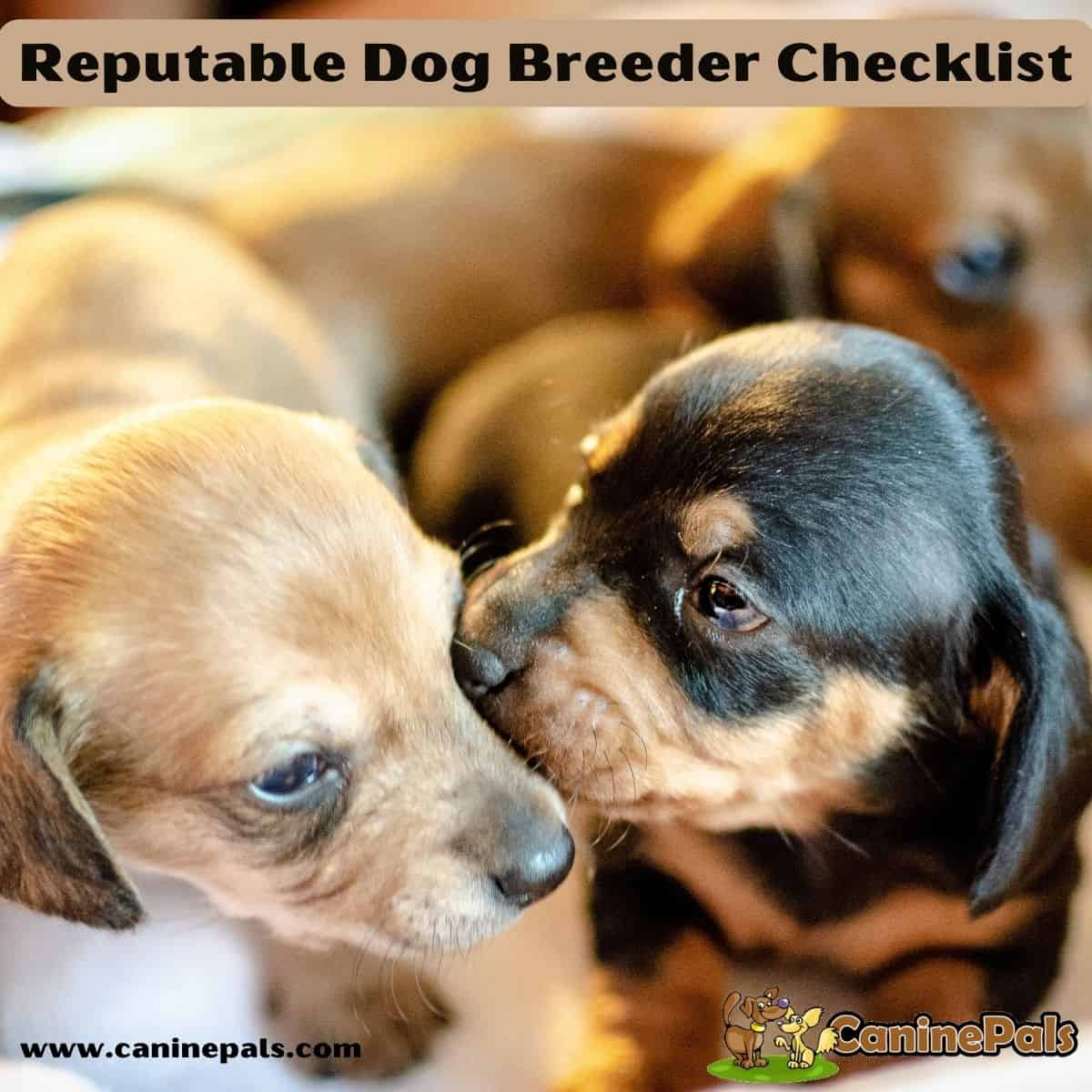
Chestnut brindle Corsos have a brown or red tone for their base, and their stripes are saturated reddish-brown. The stripes can vary from light to heavy and are sometimes difficult to distinguish from the black brindle. In dim lighting, they almost appear like a black brindles. However, the difference is very much visible in natural light.

Do Blue Cane Corsos Exist? 

According to AKC, the blue Cane Corso doesn’t exist. Instead of using blue to label a dilute of black pigment, they named the coat color gray. 

Some breeders and pet owners address their Corso with a steely-gray tone as blue Cane Corso. Blue and gray are used interchangeably by most Corso lovers. Perhaps it’s simply because blue sounds more exotic and exciting than gray. Gray Corsos also have a dilute gene that causes them to appear gray instead of black.

Cane Corso Puppies
Cane Corso Puppies

What Is The Rarest Cane Corso Color?

In addition to the seven officially recognized Cane Corso coat colors, there are several unofficial colors. However, the ones above are the only official Cane Corso colors.

Most of the other potential shades are gorgeous and mishmashes the official colors. These coat colors are uncommon because they are a result of recessive genes. They don’t indicate crossbreeding, as they can occur without genetic manipulation.

  • Blue Fawn/ Formentino  

A dilution of the fawn coloration, the Formentino Corso has a carbon-colored coat with a blue or gray nose and mask in addition to gray patches over his shoulders and back. They have unusual light-colored eyes too. Formentino Corsos have a lower life expectancy of 8 years and are prone to skin conditions.

  • Chocolate/ Liver 

These dogs have a solid chocolate or liver base color and look like the brown version of a black Cane Corso. Chocolate Corsos have a pinkish tone around their eyes and nose. They usually have green hazel eyes, which gives them a striking appearance. 

  • Isabella/ Tawny 

Isabella, tawny, or lilac coat is highly sought after but is considered a severe fault in Cane Corsos. They have a pinkish tinge to their noses, lips, and eyelids and often have green hazel eyes like the chocolate Corso. Tawny Corsos are more susceptible to diseases, such as Color Dilution Alopecia which can cause hair loss and skin irritation.

Brindle-Cane-Corso
Brindle-Cane-Corso

Why Do Corsos Have Many Different Coat Colors? 

Two types of pigments determine the color of Cane Corsos. The dark pigment is called “Eumelanin,” and the light pigment is called “Phaeomelanin.” These two pigments create all different color variations.

Eumelanin’s default color is black and codes for the black color spectrum. It can turn brown, gray, and pale brown when diluted. When modified, Phaeomelanin produces red, orange, gold, cream, tan, and other colors. Eumelanin is responsible for the color of the Cane Corso’s coat, eyes, and nose. Meanwhile, phaeomelanin only affects the Corso’s coat color.
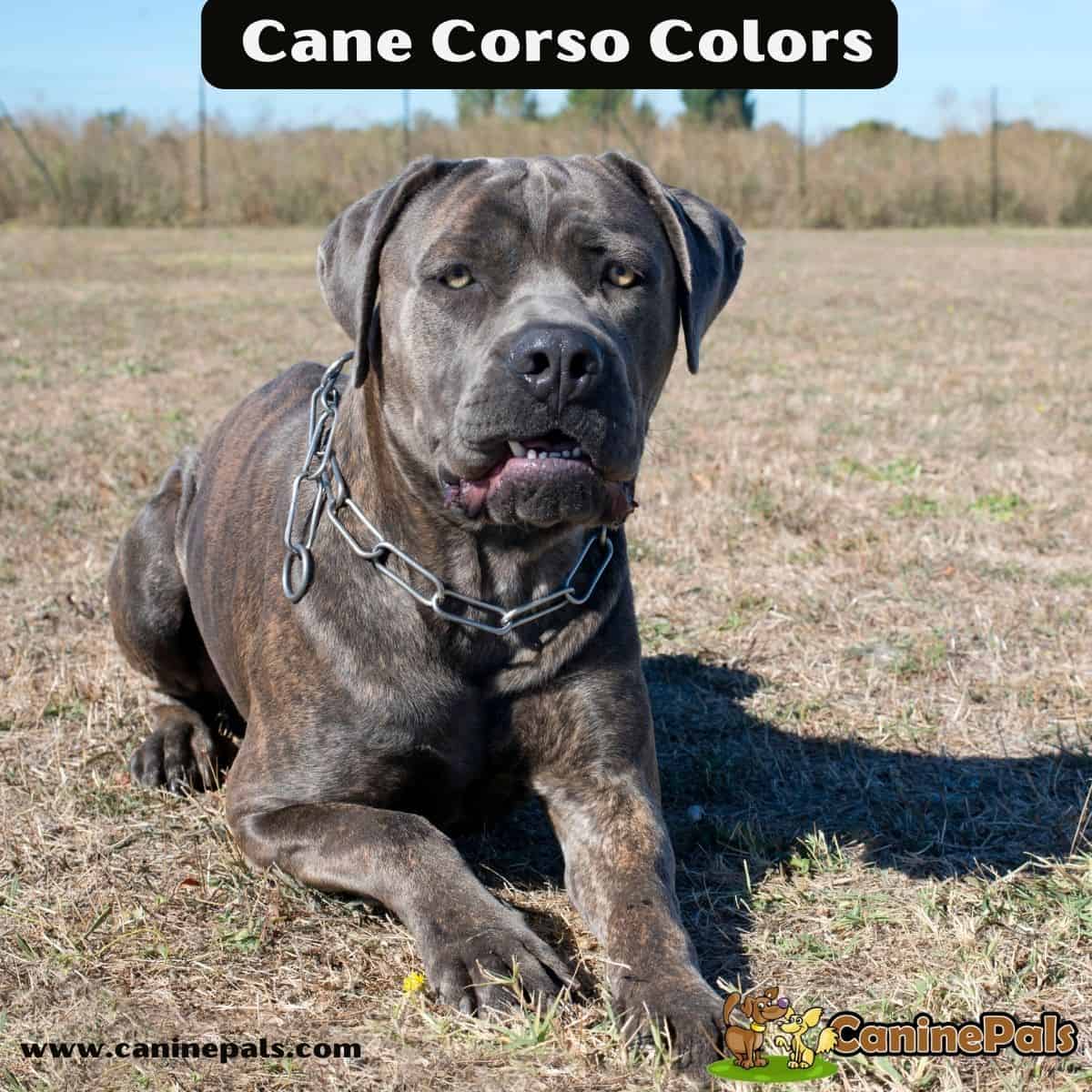
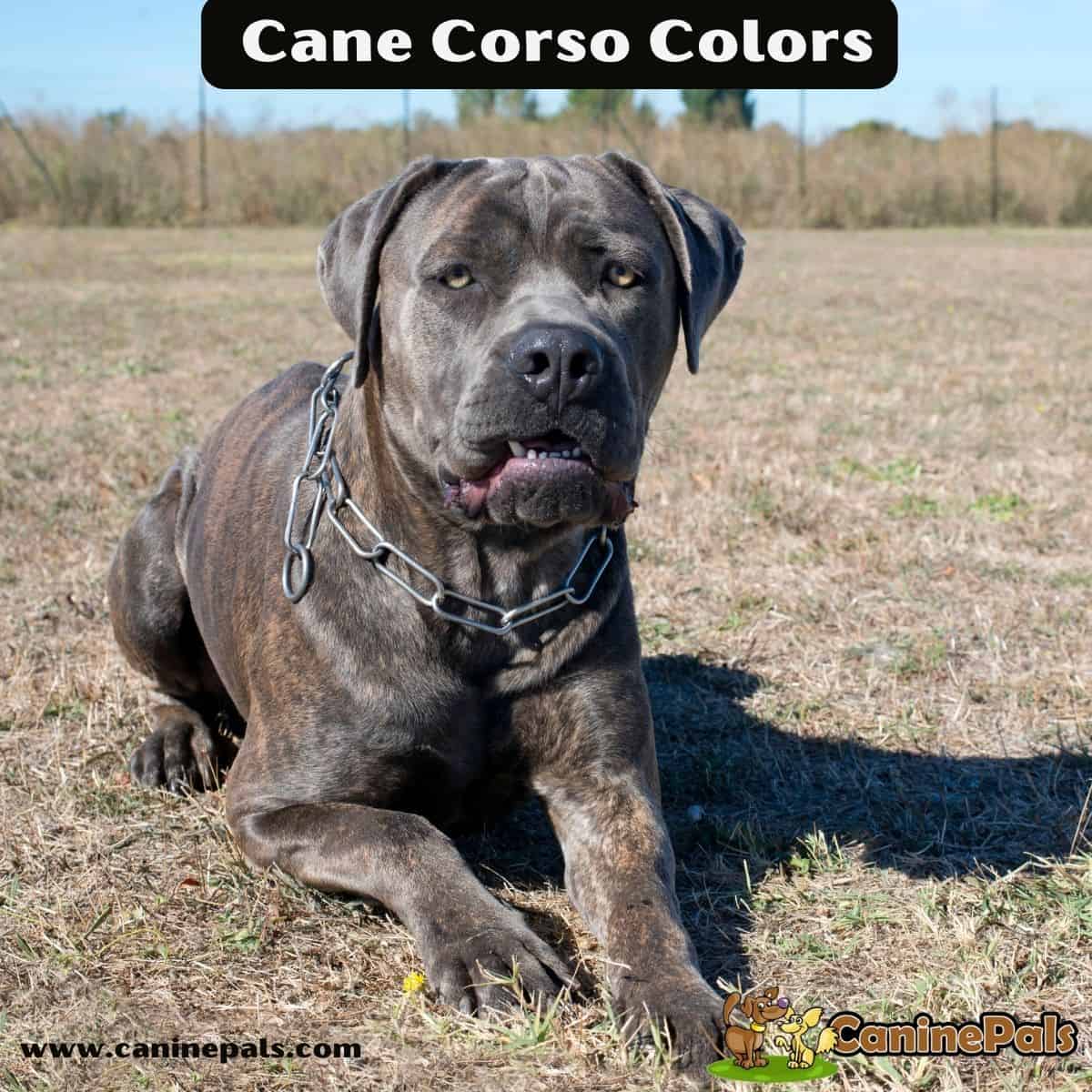
Can Cane Corso Puppies Change Color?

Yes, like many dog breeds, Corso puppies can mature to have different colored coats from the ones they were born with. You’ll see the most significant change in their coats in the first year of life. The changes in their color are subtle, and they won’t turn into color on the opposite end of the spectrum.

Cane Corso puppies born light gray may develop a darker gray coat as they age. However, a black Corso can’t suddenly become fawn or red-colored. Also, when puppies mature, their markings may shrink or expand. 

Black Cane Corso
Black Cane Corso

What Is The Best Cane Corso Color?

There is no ‘best’ Cane Corso color – it’s solely a matter of personal preference! No matter what color or pattern their coats are, Cane Corsos are remarkably stunning and regal creatures. While the AKC will tell you that there are only seven legitimate Cane Corso colors, we believe all Corsos are beautiful and equally deserving of love! 

Final thoughts: Cane Corso Colors 

There’s much more to owning a Cane Corso than just coat color. Adopting a pup shouldn’t be done just on the basis of coat color. While you may have a personal preference for one color over another, the overall health and temperament of the dog are far more important to consider than its color alone. 

Regardless of your Cane Corso’s coloration, your pet will be full of life and positivity, and they’re bound to bring you and your family happiness and laughter for many years.

I hope that you found this article informative. Please feel free to leave comments below with any outstanding questions that you may have!
References and Further Reading:

[1] American Kennel Club, Cane Corso Dog Information.