My name is Denise Leo, and I hail from Australia. My journey with dogs, especially with the delightful Pomeranian breed, has been a lifelong passion extending over 50 years.
I have had the honor of breeding and exhibiting close to 100 Pomeranian Champions, dedicating many years to the intricate art of dog training across various disciplines.
Beyond the show ring, my experience stretches to the pastoral fields as both a Dairy Farmer and Beef Cattle Breeder, where working with dogs of all breeds has been an integral part of my daily life. This diverse exposure has deepened my understanding and appreciation for these incredible animals.
I firmly believe that dogs are the most extraordinary beings in our universe, capable of offering us unconditional love that surpasses even their own self-interest. The countless wonderful dogs that have shared my life over the years have not only brought immense joy and companionship but have also profoundly enriched my existence in ways I could never have imagined. About us page
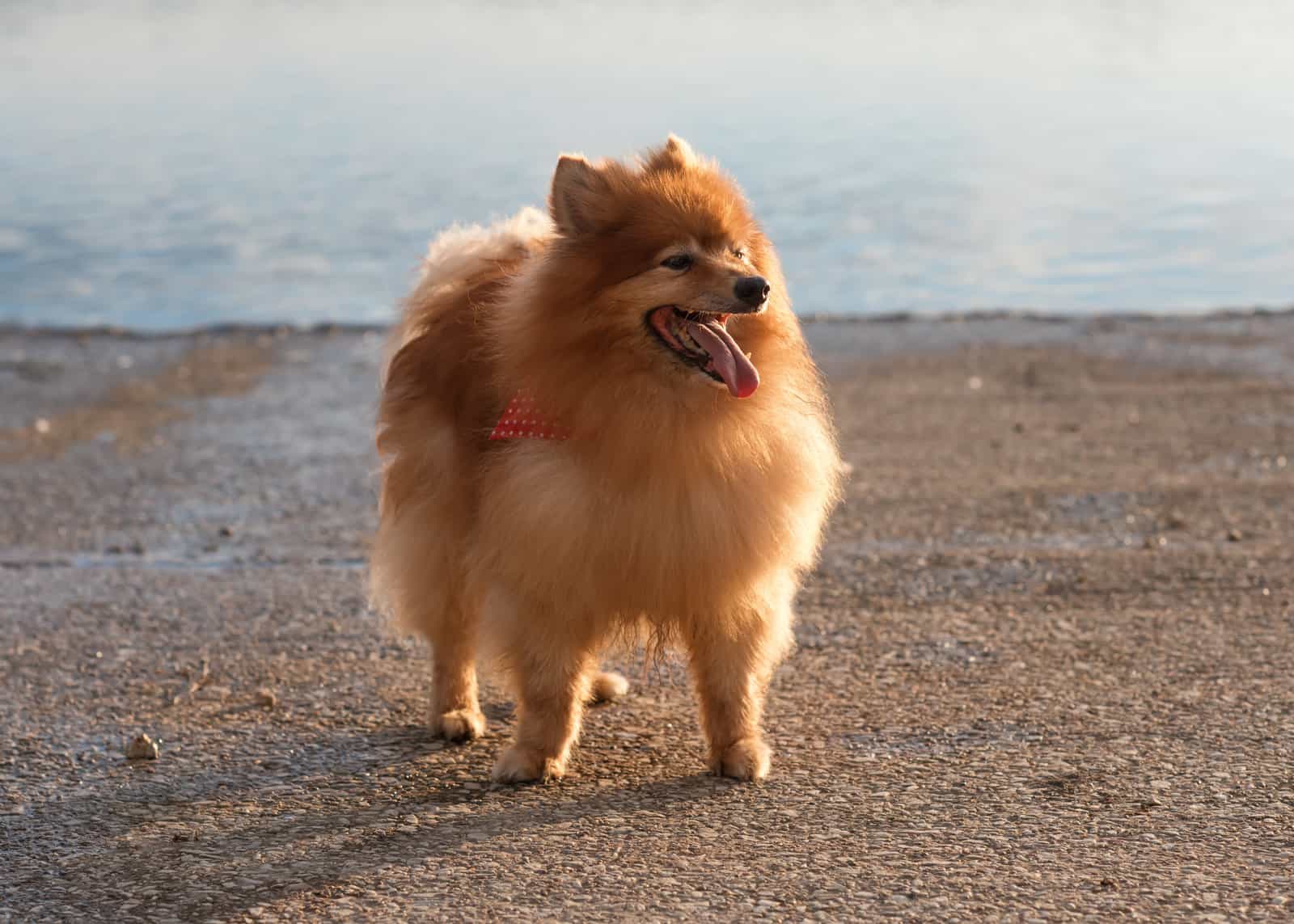
Pomeranians are known for their small size and adorable appearance but also have unique behavior traits that make them stand out as a dog breed. Understanding Pomeranian behavior is vital for pet owners to provide proper care and training for their furry friends.
In this article, I will explore the behavior of Pomeranians based on insights from experts in the field. Discover how to understand and tackle common behavioral issues with your Pomeranian. Get the tips you need for a happy, healthy pup from the experts at Canine Pals.
Pomeranian Behavior Explained
Pomeranians are generally friendly, outgoing, and playful. They are known to be lively and energetic and love to be the center of attention. Pomeranians are also intelligent dogs and can be trained to perform various tasks, such as agility training or obedience training. However, like all breeds, Pomeranians have unique behavior traits to consider when adopting one.
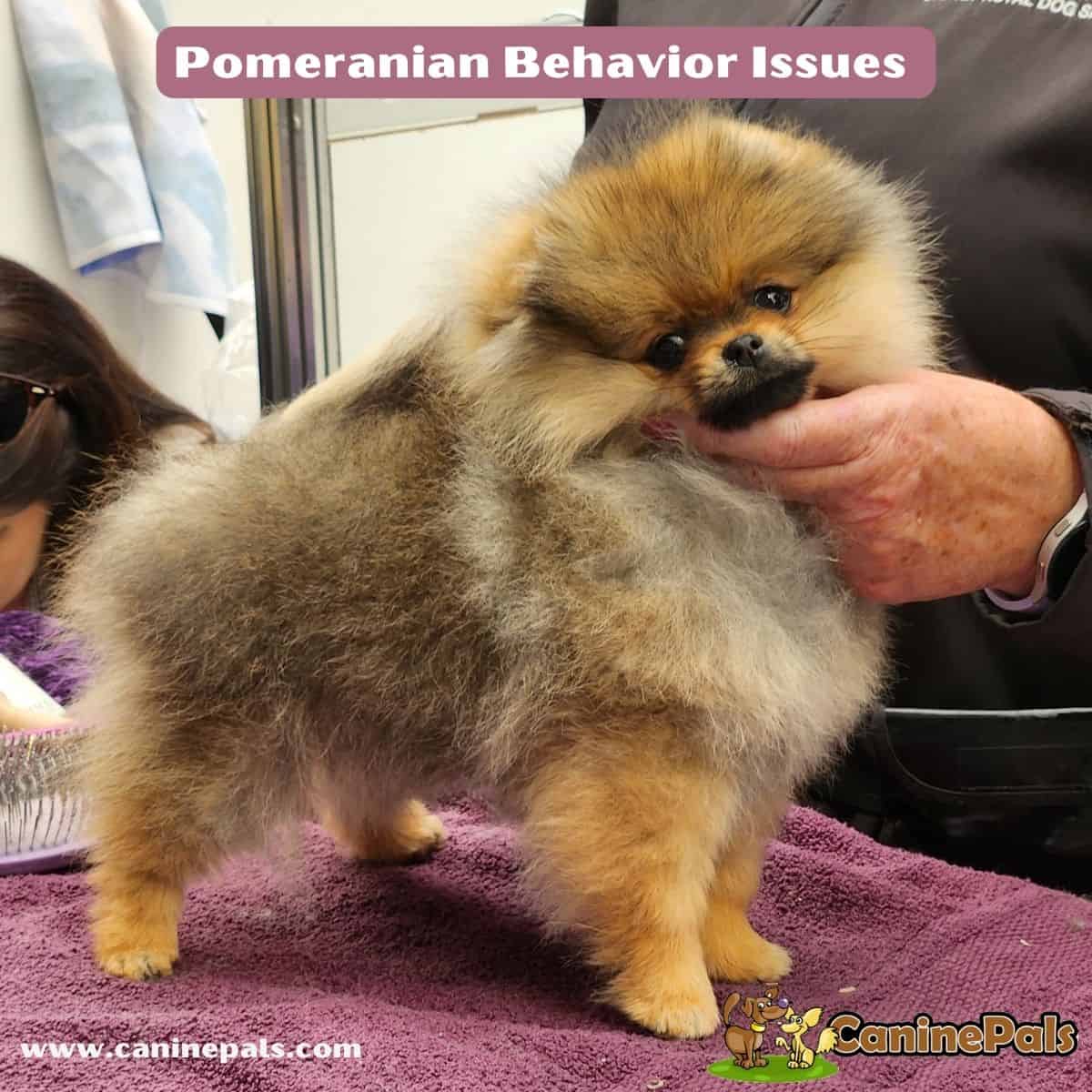
Pomeranian Behavior Issues
Pomeranian Behavior Traits
Pomeranian Temperament: Pomeranian dogs have a bold, confident temperament that can make them fearless and protective. They are generally affectionate with their owners but may be wary of strangers. Pomeranians are known to be prone to separation anxiety, which can cause destructive behavior if left alone for long periods.
Socialization: Socialization is essential to raising a Pomeranian, and they need to be exposed to different people, animals, and environments to prevent fear or aggression. Early socialization can help Pomeranians become well-adjusted, friendly dogs.
Exercise: Pomeranians are active little dogs that require daily exercise to keep them healthy and happy. Short walks, playtime, and indoor games are great ways to keep them entertained and stimulated. However, they are also prone to weight gain, so monitoring their food intake and exercise levels is essential.
Training: Pomeranians are intelligent dogs eager to please, making them relatively easy to train. Owners should use positive reinforcement techniques, such as treats and praise, to work well with Pomeranians. However, they can sometimes be stubborn, so consistent training is necessary.
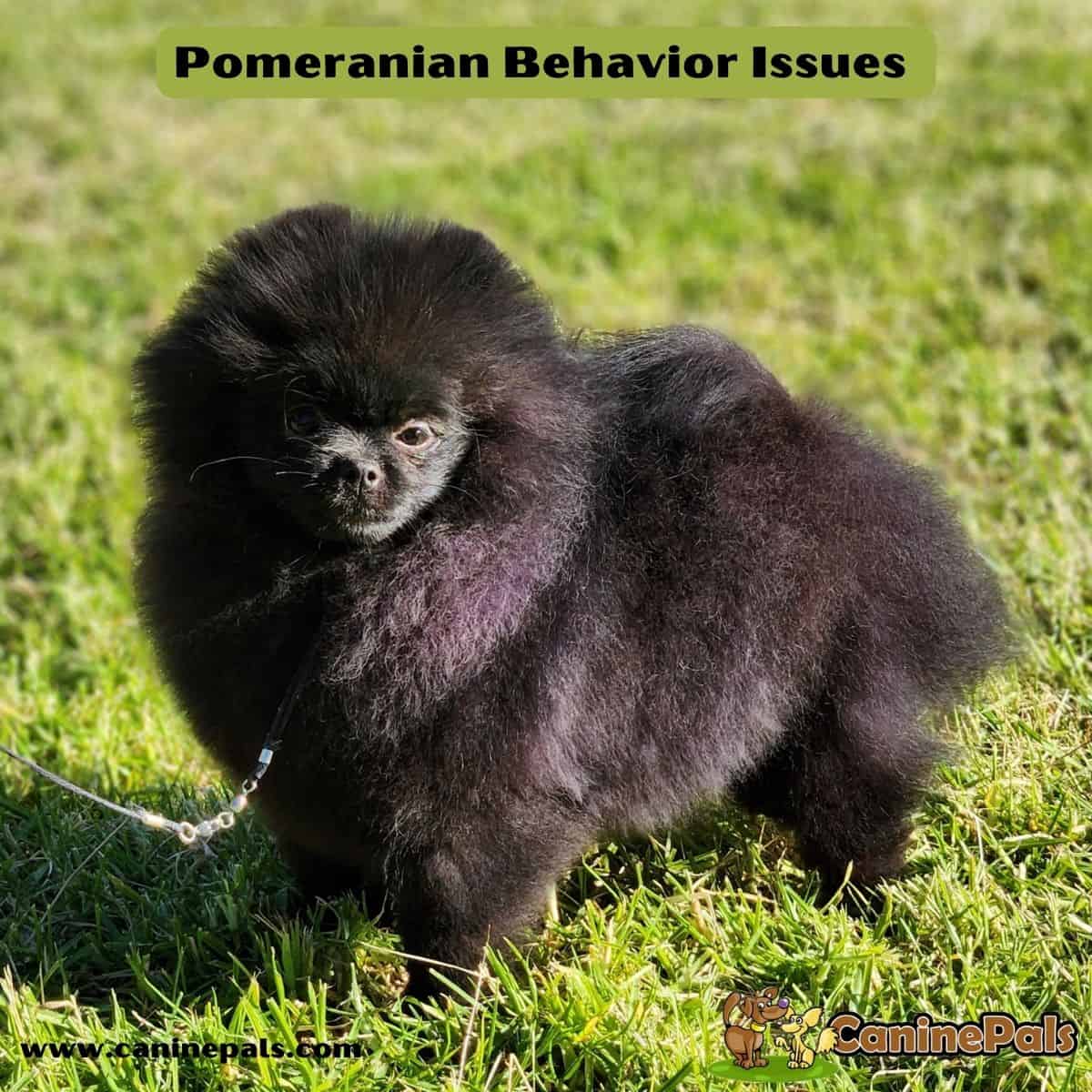
Pomeranian puppy
Toy Breed Dog Stereotypes
Don’t let Pomeranian dog breed stereotypes fool you. Claims that all toy breed dogs are ‘snappy’ and ‘yappy’ are invalid. Remembering each dog has a unique personality and behavior is important.
Factors determining temperament include instincts, the breeder’s socialization techniques, and the owner’s environment. With proper introductions to the outside world, any Pomeranian can behave accordingly.
In addition, with proper care and training, the behavior of a Pomeranian can be very calm and friendly. Negative behaviors such as nipping, growling, barking, and biting often result from improper hierarchy and poor training. You can ensure a Pomeranian will not develop these behaviors with good training.
Common Pomeranian Behavioral Issues
Sleeping Issues
If you’re a Pom owner, you know these little dogs are generally energetic. However, sudden lethargy or weakness could indicate a health problem or a significant environmental change. It’s essential to watch for these signs in your furry friend.
On the other hand, healthy Pomeranians can have bursts of activity followed by much-needed naps. If you’re curious about your Pom’s sleeping habits or are considering bringing one into your home, check out the Pomeranian sleep patterns guide.
Teething and Chewing Issues
Dealing with a teething pup or an older Pomeranian’s chewing habit can be challenging. The intense itching and discomfort during teething leads to compulsive chewing. And chewing habits may develop in Poms of any age for different reasons.
Coprophagia: When Dogs Eat Poop
This behavior problem isn’t just gross to witness – it can also have negative health consequences for dogs. While many dogs eat their own feces, some may also consume the waste of other canines or even cats.
Separation Anxiety
Separation anxiety is a common challenge experienced by dogs, including toy dog breeds like the Pomeranian, bred to be lap dog companions. It refers to the difficulties puppies or dogs face when left alone, leading to feelings of isolation and loneliness.
Barking
Barking is a natural behavior for most dogs, but excessive barking can be frustrating for pet owners, especially if they own a Pomeranian dog breed that tends to bark more frequently. Although this breed is known for being overly stimulated by visitors and other dogs, some Pomeranians may bark for no apparent reason, causing stress and annoyance for their owners.
Eating Issues
Does your Pomeranian have a picky eating habit? Here are some possible scenarios: rapid eating, hiding food, refusing kibble, being selective with only eating chicken, requiring hand-feeding, and demanding your presence during mealtime.
Begging For Food
If you own a Pomeranian, you may have noticed that they tend to beg for food. However, the most effective way to curb this behavior is by giving them treats only during scheduled meal times and avoiding rewarding them with food or attention when they beg. Following this simple strategy, you can train your Pomeranian to be well-behaved and avoid overfeeding them.
Guarding Food
If you’re a pet owner, food guarding can be a concern you should address. But don’t worry, there are some simple steps you can take to avoid any problems.
Start by giving smaller food portions and incorporating treats into their meals.
Try feeding them one piece of kibble at a time to increase engagement and prevent food aggression.
And remember, only remove the food bowl if you’re offering something better in return.
These easy tips will ensure your pet’s safety and promote healthy eating habits.
Owners of small dogs, like the Pomeranian, will need to put in more effort to potty train them. Small dogs have small bladders and must go more frequently than larger dogs. However, don’t worry! With consistent effort and vigilance, you can successfully house-train your pup.
Here are some tips:
Take your dog outside to their designated potty area every one to two hours, especially in the morning, after meals, and before bed.
If your pup is still young and has little control, take them out right after they wake up and after meals.
Keep an eye out for signs your Pomeranian needs to go potty and try to prevent accidents.
When your puppy quickly takes care of business outside, make sure to give them lots of praise and a reward before returning indoors. Over time, your pup will understand that going out is for potty breaks. With patience and dedication, you and your furry friend will soon be potty-training pros.
Shyness
Although Pomeranians can experience shyness, teaching them to be confident is still possible. It’s important to show your dog there’s no need to be afraid. Here are some helpful tips to get started:
Don’t give attention to your dog’s fear or comfort them when they’re timid.
Celebrate and praise your pup when they show courage and learn something new.
To ensure your Pomeranian is adaptable and comfortable in different environments, socialize with various people and animals.
By socializing with your dog, you can help them overcome their shyness and build confidence.
Pomeranian Behavior Summary
Behavior Trait
Description
Temperament
Confident, bold, affectionate with owners, wary of strangers, prone to separation anxiety
Socialization
Important to prevent fear or aggression toward people or animals
Exercise
Active dogs that require daily exercise to prevent weight gain
Training
Intelligent and eager to please, respond well to positive reinforcement techniques
Pomeranian Behavior Advice from Breed Experts
Denise Leo from Dochlaggie Pomeranians says, “Pomeranians are outgoing, friendly dogs that make great companions. Poms are very intelligent and eager to please, making them easy to train.”
The American Kennel Club states that “Pomeranians are active dogs that require regular exercise to prevent obesity and to keep them mentally stimulated. Short walks, indoor games, and playtime are great ways to entertain them.”
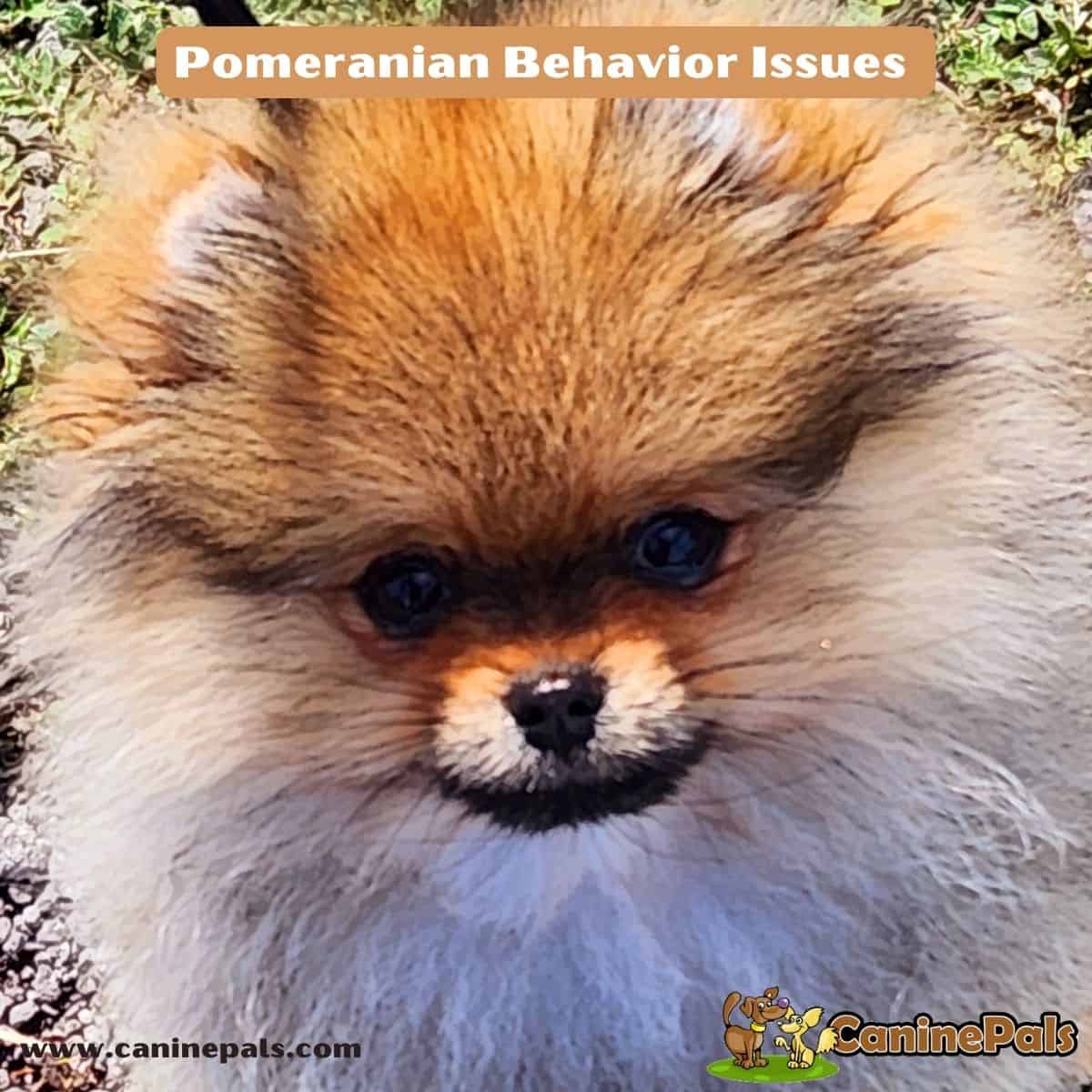
Pomeranian puppy
Pomeranian Behavior Issues Conclusion:
In conclusion, Pomeranians are friendly, outgoing dogs with unique behavior traits that make them an excellent choice for a pet. Understanding their temperament, socialization needs, exercise requirements, and training methods is essential for providing proper care and training. With regular exercise, socialization, and training, Pomeranians can be well-adjusted, happy pets that bring joy to their owners’ lives.
Pomeranians are a beloved breed among dog lovers, known for their fluffy appearance and affectionate personalities. However, for individuals with allergies, owning a dog can be challenging.
In this article, I will explore whether Pomeranians are hypoallergenic and provide insights from two experts in the field: Denise Leo from Dochlaggie Pomeranians and Pomeranian Headquarters.
Are Pomeranians Hypoallergenic?
Unfortunately, Pomeranians are not hypoallergenic. If you’re an allergy sufferer considering a Pomeranian as a pet, it’s essential to know that they shed their coat, especially during the spring and fall.
Pomeranians have a thick double coat, which means they shed quite a bit. This shedding can lead to allergens in the dog’s environment, causing allergies in sensitive individuals. While no dog breed is truly hypoallergenic, some breeds may produce fewer allergens than others.
Denise Leo: “Pomeranians are not hypoallergenic, but regular grooming can help manage shedding and reduce the amount of allergens present in the environment.
Pomeranian Headquarters: “Individuals with allergies may consider allergy shots or other treatments to manage their symptoms if they wish to adopt a Pomeranian.“
Denise Leo, Dochlaggie Pomeranian Dogs
Denise Leo, a Pomeranian breeder and owner of Dochlaggie Pomeranian dogs, confirms that Pomeranians are not hypoallergenic dog breed. She notes that Pomeranians shed quite a bit, which can lead to environmental allergens.
Denise Leo advises individuals with allergies to spend time with Pomeranians before adopting to ensure they do not have an allergic reaction. Denise Leo also suggests that regular grooming can help manage shedding in Pomeranians, reducing the amount of allergens present in the environment.
She recommends brushing the dog’s coat at least twice weekly with a pin brush, slicker brush, and metal comb to remove loose hair and prevent matting. Additionally, she advises providing the dog with a healthy diet and plenty of exercise to promote overall good health.
Pomeranian Headquarters
Pomeranian Headquarters, a resource for all things Pomeranian, also confirms that Pomeranians are not hypoallergenic. They note that Pomeranians have a thick double coat that sheds heavily twice a year.
During these times, they recommend more frequent grooming and using a de-shedding tool to remove shedding fur and reduce the number of allergens in the environment. Pomeranian Headquarters advises individuals with allergies to spend time with Pomeranians before adopting to ensure they do not have an allergic reaction.
They suggest that individuals with allergies may consider allergy shots or other treatments to manage their symptoms if they wish to adopt a Pomeranian.
Are Pomeranians Hypoallergenic Dogs or Not?
What are Hypoallergenic Dogs?
It helps to understand what the word hypoallergenic means. People with dog allergies are allergic to a protein in pet dander or dead skin cells, and dander often attaches itself to loose hair.
Facts about Hypoallergenic Dog Breeds: Debunking Myths
Many people believe that hypoallergenic dogs cause zero allergic reactions. However, according to the American Kennel Club, this is a common misconception. While certain breeds are less likely to trigger dog allergies, there is no such thing as a 100% hypoallergenic dog.
For those with allergies looking for a furry companion, there are allergy-friendly breeds such as Bichon Frise, Chinese Crested, American Hairless Terrier, Spanish Water Dog, Poodle, Schnauzer, Maltese, and Irish Water Spaniel.
What Causes Allergic Reaction to Dogs?
Did you know that dog hair is not the only thing that triggers allergies? While some dogs may have fluffy coats, others are entirely hairless. So, what causes allergic reactions to dogs? The answer is pet dander – flaky dead skin cells found in animal hair but not visible to the human eye.
Sadly, pet dander is a leading allergen and can even cause severe allergies. It’s essential to note that there is no direct correlation between potential dog hair and dander.
Just because a dog is hairy doesn’t mean it will lead to allergies, and a hairless dog doesn’t necessarily mean it’s a hypoallergenic dog breed.
Picture this scenario: You come home with an adorable Pomeranian companion but soon discover you have dog allergies. It’s a frustrating situation to face.
To ensure you can handle having one as a companion, spend time with different Pomeranians beforehand. Spending time with a Pom dog will help you make an informed choice and avoid unwanted reactions. Severe allergy sufferers should consider exploring different dog breeds for a more comfortable living experience.
Pomeranian dog
How Much Do Pomeranians Shed?
The Pomeranian dog, ranked 24th on the AKC’s (American Kennel Club) list of most popular dog breeds in 2021, is famous for its distinctive puffy fur coat. This unique feature is what makes them a desirable breed to pet lovers.
However, with this beautiful appearance comes a challenge. The Pomeranian has a double coat consisting of an outer coat and an undercoat. While the outer fur helps to keep them cool, the undercoat keeps them warm in winter.
As with other double-coated dogs, Pomeranians “blow their coats” twice a year, in spring, autumn, or early winter. During these periods, they shed a lot of hair, and dog owners may need to vacuum more frequently to manage all the loose fur.
Managing Pomeranian Shedding
Pomeranian owners should groom their dogs regularly to reduce the amount of dog hair that falls off. Other causes of excess shedding include conditions like stress, poor nutrition, parasites, and hormonal issues.
Ensure you see your veterinarian immediately if you suspect any of these conditions.
Investing in a few air filters can also help minimize the amount of hair and pet dander circulating in your home. Lastly, proper nutrition is essential. Make sure you pick quality food that will help maintain your dog’s overall health. With these tips, you can still enjoy the company of your Pomeranian without suffering from allergies.
Denise Leo’s Advice on Managing Pomeranian Shedding
Grooming
Diet
Exercise
Brush coat twice a week with a slicker brush and metal comb
Provide a balanced diet rich in protein, vitamins, and minerals
Provide regular exercise to reduce stress levels
Regular baths with a good-quality shampoo
Pomeranian Headquarters’ Advice on Managing Pomeranian Shedding
Grooming
Allergies
Brush coat frequently with the de-shedding tool during the shedding season
Spend time with Pomeranians before adopting to ensure no allergic reaction
Regular grooming can reduce the amount of allergens present in the environment
Consider allergy shots or other treatments to manage symptoms
Pomeranian Dog
Final Thoughts: Are Pomeranians Hypoallergenic?
In conclusion, Pomeranian dogs are not hypoallergenic due to their thick double coat and shedding habits. However, with proper grooming and care, the number of allergens in the environment can be reduced.
Experts like Denise Leo from Dochlaggie Pomeranians and Pomeranian Headquarters recommend spending time with Pomeranians before adopting to ensure no allergic reaction and managing shedding through regular grooming, a healthy diet, and exercise.
You’re not alone if you’re considering getting a Havanese dog but are concerned about allergies. Havanese dogs are known for their hypoallergenic properties, which make them a great choice for people with allergies.
However, as with any dog breed, it’s essential to research to ensure that a Havanese fits you and your lifestyle. In this blog post, we’ll explore if the Havanese are hypoallergenic dogs as well the personality traits of Havanese dogs according to the Havanese Club of America and the American Kennel Club.
We’ll also delve into what makes Havanese dogs hypoallergenic and provide tips for caring for your new furry friend.
The Havanese dog is known for their outgoing and friendly personalities, which make them great family pets. This dog breed is also intelligent and very easy to train, and This makes the breed a popular choice for obedience competitions.
According to the American Havanese Club, dogs are known for being “lively, playful, and affectionate.” This little dog is also known for their loyalty and adaptability, which makes them an excellent fit for families with children.
Also, Havanese dogs are hypoallergenic, producing fewer allergens than other dog breeds. This makes the Havanese an excellent choice for people with allergies who still want to own a dog.
Are Havanese Hypoallergenic?
The Havanese Dog According To The Breed Experts
The Havanese Club of America is a breed club dedicated to promoting the herd and providing information to Havanese owners and breeders. According to the American Havanese Club, Havanese dogs are “sweet and affectionate” personalities. This dog breed is also known for its extraordinary intelligence and trainability, making it easy to train.
Additionally, Havanese dogs are known for being adaptable, which makes them an ideal fit for families with children. They are also known for being a hypoallergenic dog breed, which makes them an excellent choice for people with allergies.
The American Kennel Club is a national organization promoting purebred dogs and responsible dog ownership. According to the American Kennel Club, Havanese dogs are known for their “gentle and affectionate” personalities.
They are also known for being intelligent and very easy to train, which makes them a great fit for obedience competitions. Additionally, Havanese dogs are known for being adaptable, which makes them a perfect fit for families with children. They are also hypoallergenic, which makes them an excellent choice for people with allergies.
Havanese Dog
Is The Havanese Dog Hypoallergenic?
Regarding hypoallergenic properties, Havanese dogs are often recommended for people with allergies. While no dog breed is completely hypoallergenic, Havanese dogs are considered a good option for those with allergies because they have hair rather than fur, which produces less dander.
However, it’s important to note that individual reactions to dogs can vary, so spending time with a Havanese before bringing one into your home is always a good idea.
Havanese Dog
What Makes Havanese Dogs Hypoallergenic?
Havanese dogs are hypoallergenic because they produce fewer allergens than other dog breeds. This is because they have hair instead of fur, which means they shed less and produce fewer allergens.
Also, Havanese dogs have silky coats, producing less dander. Dander is a common allergen that dogs produce, and it can cause extreme allergic reactions in people with allergies.
It is essential to remember that no dog breed is completely hypoallergenic, and some people with allergies may still experience symptoms when exposed to Havanese dogs.
Havanese dogs are often recommended for people who suffer from allergies because they have hair rather than fur, which produces less dander.
Havanese dogs produce fewer allergens than many other breeds, making them an excellent choice for people with allergies. However, it’s important to note that individual reactions to dogs can vary, so spending time with a Havanese before bringing one into your home is always a good idea.
To further understand the hypoallergenic properties of Havanese dogs, the table below compares them to other popular hypoallergenic dogs:
If you’re considering getting a Havanese dog, there are some essential things to keep in mind:
Providing your Havanese with plenty of exercise and mental stimulation is essential. This can include daily walks, playtime, and training sessions.
Havanese dogs require regular grooming to keep their coats healthy and tangles-free. This can include brushing, bathing, and trimming their hair.
Keep your Havanese healthy by feeding them two meals a day of one-half to one cup of dry dog food. Avoid free-feeding to prevent weight gain, which can lead to serious health issues and shorten their lifespan. If your dog gains weight, talk to your veterinarian to adjust their feeding and exercise schedules based on age, weight, and activity level.
Basic training is essential for your Havanese, just like any other dog. These intelligent and attentive pups are quick learners, so take advantage of the opportunity to contribute to their happiness and teach them good manners that make them well-behaved family members.
Havanese Dog
The Conclusion to Are Havanese Hypoallergenic?
Many people, who have allergies to specific breeds of dogs, look for a hypoallergenic dog breed that won’t trigger allergic reactions. The Havanese is an excellent choice because it is low shedders and does not carry the proteins in its fur that other dogs might.
If you are looking for a loving companion, the Havanese is one of the toy dogs to consider.
Not only does this dog breed bring companionship into your home, but it also brings fun. Havanese puppies are intelligent, gentle, easy to train, and affectionate with everyone around them.
They also tolerate young children and other pets, making them perfect four-legged friends. Even if you have pet allergies, consider an allergy test first, as the Havanese can be a good choice on your journey of finding the perfect four-legged friend.
In conclusion, the Havanese puppy is an excellent option for those looking for a hypoallergenic canine companion. Not only is the Havanese hypoallergenic, but they are also incredibly lovable and loyal pets.
Their intelligence and good nature make them perfect playmates for children and adults. Aside from some extra grooming requirements, owning a Havanese is similar to any other type of small dog breed.
The Havanese breed comes in a variety of coat colors and patterns. They love spending time with their owners, going on walks, playing sports like flyball, doing agility training, and performing tricks. This breed is indeed an exceptional one that will make every day brighter with its unique beauty and social nature.
If you’ve been searching for a pup that won’t trigger your allergies but will provide endless love and companionship, the Havanese may be the ideal breed for you!
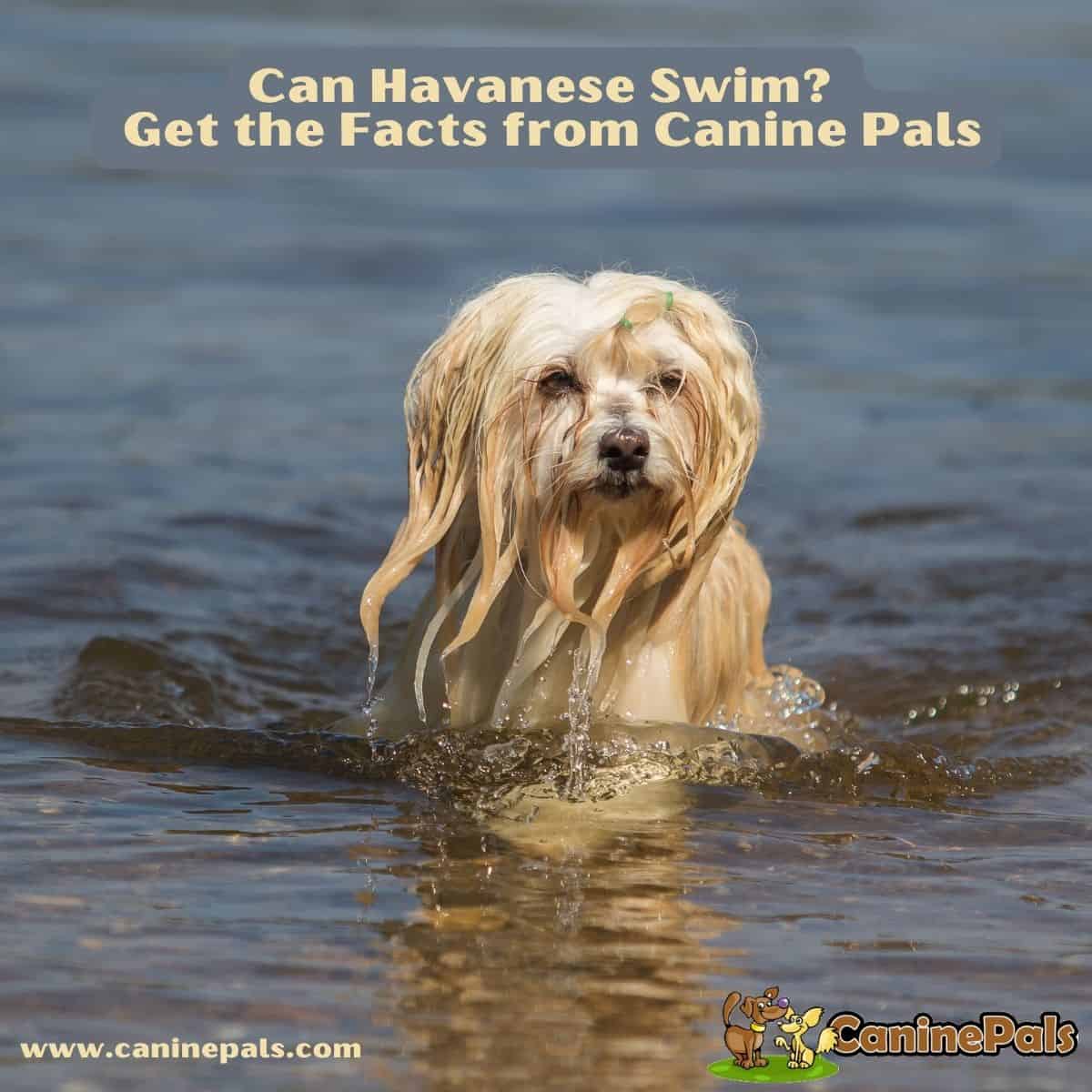
In this article, we will delve into: “Can Havanese dogs swim?” and provide expert insights from two personalities, the American Havanese Club and the American Kennel Club.
The answer to “Can Havanese dogs swim?” is a bit complicated. While Havanese dogs are known for their agility and love for water, they are not natural swimmers.
According to the American Havanese Club, “Havanese dogs may enjoy wading in shallow water, but they are not bred for swimming and can easily become exhausted.”
The American Kennel Club also states, “Some Havanese may be good swimmers, but it is not a common trait of the breed.”
Can Havanese Swim? | Get the Facts from Canine Pals
Havanese Breed Overview
Havanese dogs are a small breed of dog that originated in Cuba. They are often called the “Havana Silk Dog” due to their long, silky hair. These dogs are typically between 8-11 inches tall.
They have large, dark, almond-shaped eyes that exude a cheerful expression. The Havanese breed comes in various colors, including white, black, chocolate, silver, and cream.
One of the distinctive features of the Havanese dog is its luxurious coat. This breed has a long, silky-to-touch coat.
Some owners and breeders say their fur is hypoallergenic and sheds very little, making them a good choice for people with allergies. However, because of their long coat, they require regular grooming to prevent matting.
Havanese dogs are known for their friendly and outgoing personalities. They are very affectionate and playful and make great family pets.
The Havanese are also highly trainable and are sometimes used as therapy dogs due to their gentle nature. Havanese dogs love attention and thrive on being around people, making them wonderful companions for children and adults.
The Havanese breed has a rich history that dates back to the 16th century. The Havanese dog is believed to have been brought to Cuba by Spanish settlers, where they were bred as companion dogs for wealthy families.
Over time, this dog breed became popular with the working class and was used as a companion. In the 1900s, the breed was nearly extinct due to political unrest in Cuba, but a few dedicated breeders saved the breed from extinction.
Today, Havanese dogs are recognized by the American Kennel Club and are popular as show dogs and family pets. They are an intelligent, friendly breed with a charming personality and a gorgeous coat, making them an excellent addition to any family.
According to the American Havanese Club, dogs are generally not known for their swimming abilities. While some Havanese may enjoy the water and may even be able to swim short distances, they are not a dog breed typically associated with swimming. This is because of their size and non-water-repellent coat, which can make swimming more difficult.
The AKC echoes this sentiment, stating that Havanese dogs are generally good with water but not natural swimmers. The AKC recommends that Havanese dogs be supervised around water, as they may not be able to stay afloat for extended periods and can tire quickly.
That being said, a few factors can affect a Havanese dog’s ability to swim. The first is their temperament and personality. Some Havanese dogs may naturally enjoy the water and be more confident swimmers than others.
The second factor is training. With proper training and socialization, some Havanese dogs can learn to enjoy the water and even become skilled swimmers. It is important to note that swimming should always be done under supervision to prevent accidents.
Havanese puppy
Factors that Affect a Havanese Dog’s Ability to Swim
Factor
Description
Body Type
Havanese dogs have small bodies with short legs, making it difficult to stay afloat.
Health Conditions
Certain health conditions, such as respiratory problems, can affect a Havanese dog’s ability to swim.
Experience
Exposure to water and swimming at a young age can improve a Havanese dog’s ability to swim.
Havanese puppy
Precautions for Havanese Dogs and Water Activities
When engaging in water activities with your Havanese dog, it is essential to take safety measures to prevent accidents and ensure your dog’s safety. Here are these safety tips to keep in mind:
Use a life jacket: Even if your Havanese is a confident swimmer, it is still a good idea to use a doggie life jacket. A doggie life jacket can help keep your dog afloat in case they become tired or disoriented.
Stay within arm’s reach: Always keep your Havanese within arm’s reach when swimming or playing in the water. This will allow you to quickly intervene if your dog starts to struggle or becomes tired.
Avoid strong currents and rough waves: Strong currents and rough waves can be dangerous for dogs, especially toy dog breeds like the Havanese. Stick to calm waters and avoid areas with strong currents or rough waves.
When training your Havanese to swim, patience and positive reinforcement are key. Here are some training tips to help your Havanese become a confident swimmer:
Start in shallow water: Begin by introducing your Havanese to shallow water where they can touch the bottom with their feet, which will help them feel more confident in the water.
Use positive reinforcement: Reward your Havanese with treats and praise when they enter the water and start to swim, which will help them associate the water with positive experiences.
Take it slow: Take your time with the process. Allow your Havanese to progress at their own pace, and always end training sessions positively.
By training your Havanese to swim and following safety measures when engaging in water activities, you can ensure that your furry friend has a safe and fun time in the water.
Other Water Activities for Havanese Dogs
If your Havanese dog is not comfortable swimming or you prefer to engage in water activities that do not involve swimming, there are still plenty of alternatives you can explore. Here are a few ideas:
Water play: Havanese dogs often enjoy playing in the water, even if they don’t necessarily want to swim. You can fill up a kid’s swimming pool or use a sprinkler to create a fun water play area for your dog.
Dock jumping involves having your dog jump off a dock into the water. While this can be a more advanced activity, some Havanese dogs may enjoy the thrill of jumping into the water.
Canoeing or boating: Havanese puppies and dogs can also enjoy rides in canoes or boats if they are adequately secured, wear a life jacket, and are supervised.
Havanese dog
Conclusion to Can Havanese Swim?
In summary, while Havanese puppies and adult dogs are not known for their swimming abilities, there are always exceptions to the rule. With proper training, swimming lessons and supervision, some Havanese dogs can learn to enjoy the water and become confident swimmers.
As with any dog breed, it is vital for Havanese owners to know their dog’s abilities and limitations and always to take safety precautions when around water.
When engaging in water-related activities with your Havanese, always remember their safety and their limitations. Not all Havanese dogs will enjoy every activity, so paying attention to your dog’s body language and behavior is essential to ensure they are comfortable and happy.
By exploring alternative water activities, you can still enjoy time with your furry friend while keeping them safe and happy.
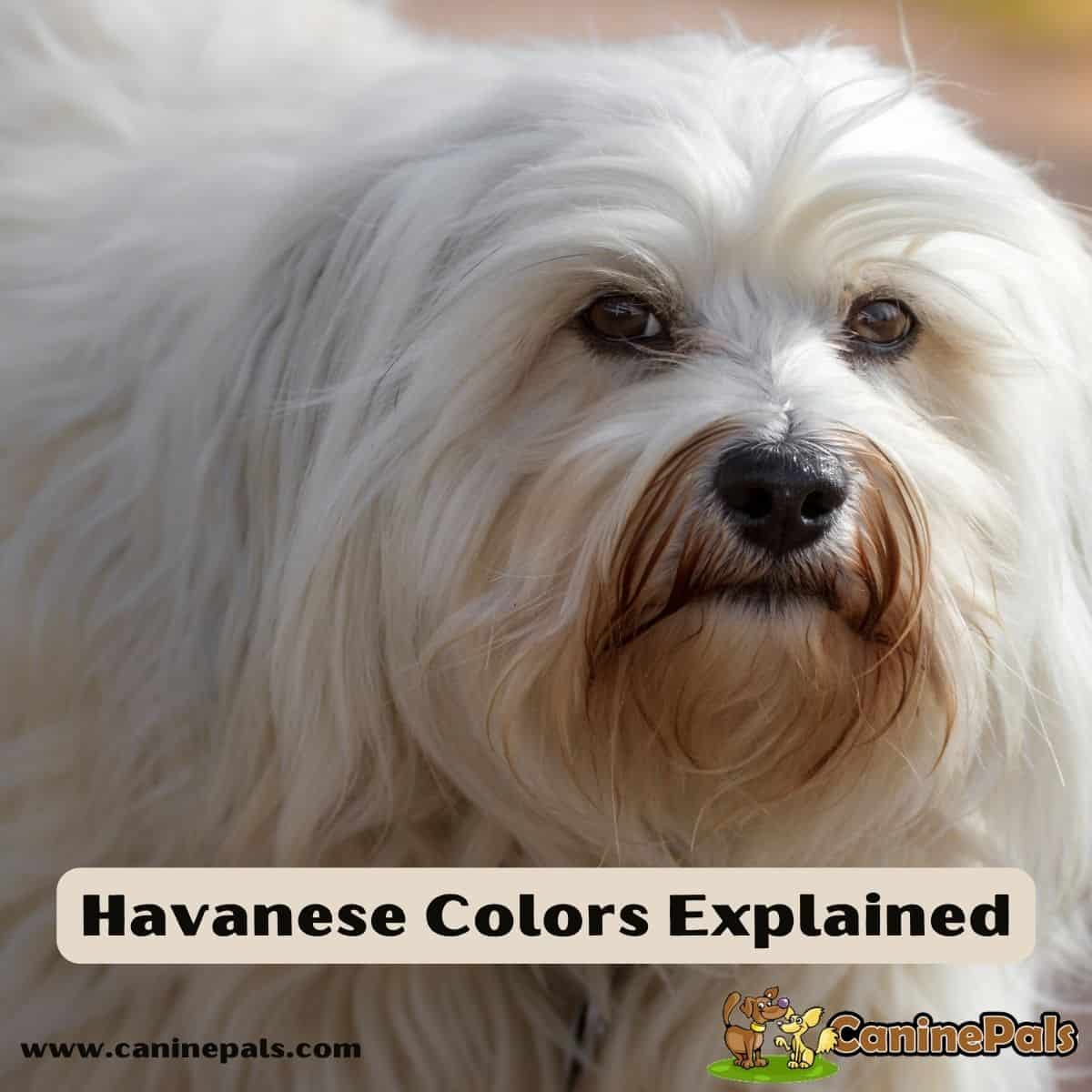
Many dog owners today pick their puppy based on their tastes and preference. Havanese colors come in a remarkable array of shades and patterns.
If you are trying to decide what color Havanese to bring into your home, read about the different Havanese colors.
About Havanese Dogs
Havanese are cheerful little dogs that are neither fragile nor overdone. They’re small, sturdy dogs of immense charm that is known for their intelligence and easy-going nature.
The Havanese dog breed is funny dogs with a sweet and friendly temperament. These companion dogs usually get along with everyone. They are full of energy and have a zest for life.
Havanese are small, sturdy dogs that are friendly, energetic and full of life.
The AKC recognizes 16 different colors and eight types of markings or patterns for Havanese.
Among the most popular colors are black, black & silver, black & tan, chocolate, cream, fawn, gold, red and red brindle.
White markings, tan points and cream markings are some common color markings seen in Havanese.
Havanese puppies often change color as they develop and can be difficult to identify at birth.
Black is the most popular color of Havanese overall.
Let’s have a look at the important stats that you need to know about Havanese:
What Havanese Colors Are Officially Recognized By The AKC?
Havanese dogs are popular for having diverse coat color patterns and combinations. You’d be surprised just how colorful the Havanese is. While Havanese can come in almost every color, there are only 16 that are approved by AKC ( American Kennel Club).
You can use these 16 colors and color combinations when registering your Havanese with a kennel club. Also, there are eight further types of markings or patterns.
The diverse markings and colors of the Havanese are just one reason they’re so popular among households. Let’s start exploring these glamorous colors.
What Are The Best Havanese Colors?
The vibrant world of Havanese color is full of striking hues and unique combinations. From the classic blues, blacks, creams, and whites recognized by the AKC ( American Kennel Club) to fanciful fawns, chocolate golds, or brindles – these dogs can come in a spectrum ranging from subtle shades to bold statements, sometimes even with two colors at once like majestic red sable or striking black-and silver!
Havanese Colors and Markings
Color
Standard Color or Not
White
Yes
Black
Yes
Black Brindle
Yes
Blue
Blue Brindle
Chocolate
Yes
Cream
Yes
Fawn
Yes
Gold
Yes
Gold Brindle
Yes
Gold Sable
Yes
Red
Yes
Red Sable
Yes
Red Brindle
Yes
Silver
Yes
Silver Brindle
Yes
Black & Tan
Yes
Black & Silver
Yes
Fawn Brindle
Fawn Sable
Chocolate Sable
Chocolate Brindle
Black & Tan Brindle
Black & Silver Brindle
Silver Sable
Whichever colored Havanese you choose to get, I can assure you that you will have a best friend that will make your days much better and happier.
Black
Black Havanese are among the most common and popular dogs. They have a deep, black color with a glossy shine. Solid colored dark black Havanese dogs should have all black fur from head to toe and tail.
Most black Havanese will also have some brown, white, or silver color on them. Strictly speaking, the black Havanese should not have markings in any other color anywhere on their body. They don’t change color even as they grow older, unlike most other Havanese color variations.
Black & Silver
Black and silver are among the most eclectic color combinations in the Havanese dogs. For the most part, black and silver Havanese dogs have a mainly black coat with silver markings, usually on the face and paws. In some cases, the black and silver fur appear mixed all over the body for a dark, ashy aesthetic.
Black & Tan
Black and tan Havanese dogs are unique and beautiful but rare. Black is the predominant color in this case and appears on most parts of the head, torso, limbs, and entire tail. The tan markings are limited mainly to the face on the muzzle and over the eyes. The tan fur may also appear on the neck, fore-chest, and paws.
Chocolate
Havanese chocolate dog’s coat color can vary from a very light Café Au Lait color to a very dark chocolate color. Chocolate Havanese dogs must retain at least a 1-inch patch of chocolate hair. The chocolate shades in Havanese can stay the way it was at birth, lighten up, or get darker over the years.
Cream
Cream Havanese can range from an off-white color to a light tan color. The coat can also have golden undertones. Cream Havanese can also have patches of various shades of cream. Their coat can lighten as the puppy ages until it appears almost white.
Fawn
Fawn Havanese are light brown to dark blonde. They can have patches of white or dark brown as well. Lighter hair is often present on the chest and stomach, while darker hair is on the head, back, and ears.
Gold
The color manifests in vivid and gleaming forms before developing into a more subtle shade. Gold color can range from a sandy brown to an apricot color. The back, head, neck, and ears are often a dark shade of tan. Some Havanese will lose their gold color as it fades away with age.
Red
While technically considered red, these Havanese look orange in the light. Red Havanese can have orange to dark reddish-brown coats, with reddish-to-brown tones. They can also have patches of white and light brown. The red color is mostly visible in puppies as Havanese coats change color as they age.
Red Brindle
A Red Brindle Havanese looks like they have black stripes on a red coat. They’re often described as tiger-striped, but brindle Havanese doesn’t look much like tigers. Havanese born with a Red Brindle coat pattern carries a particular recessive gene.
Red Sable
Sable Havanese dogs have dark tip markings on lighter red fur. The sable markings do not always appear uniformly over the entire coat. In some Havanese dogs, the sable tip markings may spare some parts of the coat.
Silver
Listed by the AKC as an acceptable color for Havanese, silver can range from a soft gray to a dark smoky color. They’re born with dark hair, but it lightens as they get older.
Silver Havanese are generally pale in appearance but have a silvery sheen to their coats. They have black pads, eye rims, lips, and a black nose. Some Havanese born black “transition to a more silver color coat” as they age.
White
Solid white coats do exist, but sometimes other shades creep in. White Havanese can be pure white or have patches of varying shades of white. The nose will still be black on a white Havanese.
Black Brindle
You can easily recognize a black brindle Havanese by their black base coat having irregular light fawn streaks all over their body. Depending on the mixture of black and fawn hairs, these Havanese can range from very dark to light. They usually have a black nose and dark-colored eyes.
Silver Brindle
The combination of a silver and brindle coat is quite rare, but it can occur. The silver brindle pattern features shades of silver as the base color with black stripes on top. Both parents have to carry a brindle gene to get a brindle puppy. The brindle pattern may cover the whole body or be on the colored part of the dog.
Gold Brindle
The gold brindle pattern typically features shades of gold as the base color with black stripes on top. The coloring can vary considerably, depending on other coat genes that are present.
Gold Sable
These coats are distinguished by darker tipping on a lighter gold-colored undercoat. The dark patches appear on the lighter part of the dog’s fur. The sable points are not always all over the coat. In some cases, sable markings may appear on only certain parts of the Havanese coat. When a Gold Sable Havanese is a puppy, he can have dark patches, but as he grows up, those patches slowly fade and are not so noticeable.
Purebred Havanese Puppy
Havanese Markings
Let’s take a look at the many color markings on Havanese.
White Markings
Tan Points
Cream Markings
Parti-Color
Silver Markings
Irish Pied
Silver Points
Parti Belton
Havanese colors can change while they’re growing up, so it can be hard to tell what coat color the Havanese dog will be when they reach adulthood.
Havanese Puppy
Do Havanese Puppies Change Color?
Havanese dogs are born with a coat of soft fluff and only start to lose this puppy coat once they reach 6 to 12 months of age. As they begin to develop their mature coat, their coloration may change. This change is either darkening or lightening, depending on their genetic makeup.
Solid black-and-white coats are less likely to change, but most other colors will have some change. Brindles and sables are the most likely to fade or lighten. This is due to each dog’s specific genes.
Because Havanese change color as they develop, identifying a Havanese correct color at birth can be extremely challenging. Oftentimes if the parent has a coat that has changed color, their offspring will too.
What Is The Most Popular Color Havanese?
Black Havanese is the most popular color of Havanese. The black color gives them a silky, glossy shine that everyone is crazy about. Also, the white Havanese, along with silver and cream, is very popular among Havanese.
Havanese Dog Price
Conclusion
The diversity of rich colors and patterns makes Havanese the canine equivalent of a box of chocolates when it comes to the best Havanese color, that will be a personal choice.
Regardless of the color of Havanese you choose, you’ll end up with a loving four-legged companion who will stay by your side and bring you years of happiness and companionship.
Hope you enjoyed reading this article! If you have any comments, please do let us know. We would be happy to hear from you.
Copyright CaninePals.Com. All Rights Reserved.
Wild dogs grow up in dog packs and become socialized virtually when born. A dog interacts with others and learns body language and verbal cues. The pack has strong boundaries, and the puppies soon understand the strong leaders of the pack or they get discarded.
Domestic dogs start to socialize when they’re in the litter and after coming into contact with people. That early socialization period lasts four to 12 weeks, during which a dog has social skills permanently imprinted, and each interaction with people or dogs is a positive one.
When an owner brings home an adult dog, it’s essential to learn how much he has been socialized (or not). His early contact with you will be an indicator. Does he behave aggressively or is he fearful? Does he warn you with raised hackles or does he back off as you approach?
When you walk him, is he nervous around other sights and sounds? Is he shy when near other dogs and/or people? If you notice any of these signals, he probably wasn’t properly socialized. The good news is that you can do it for him.
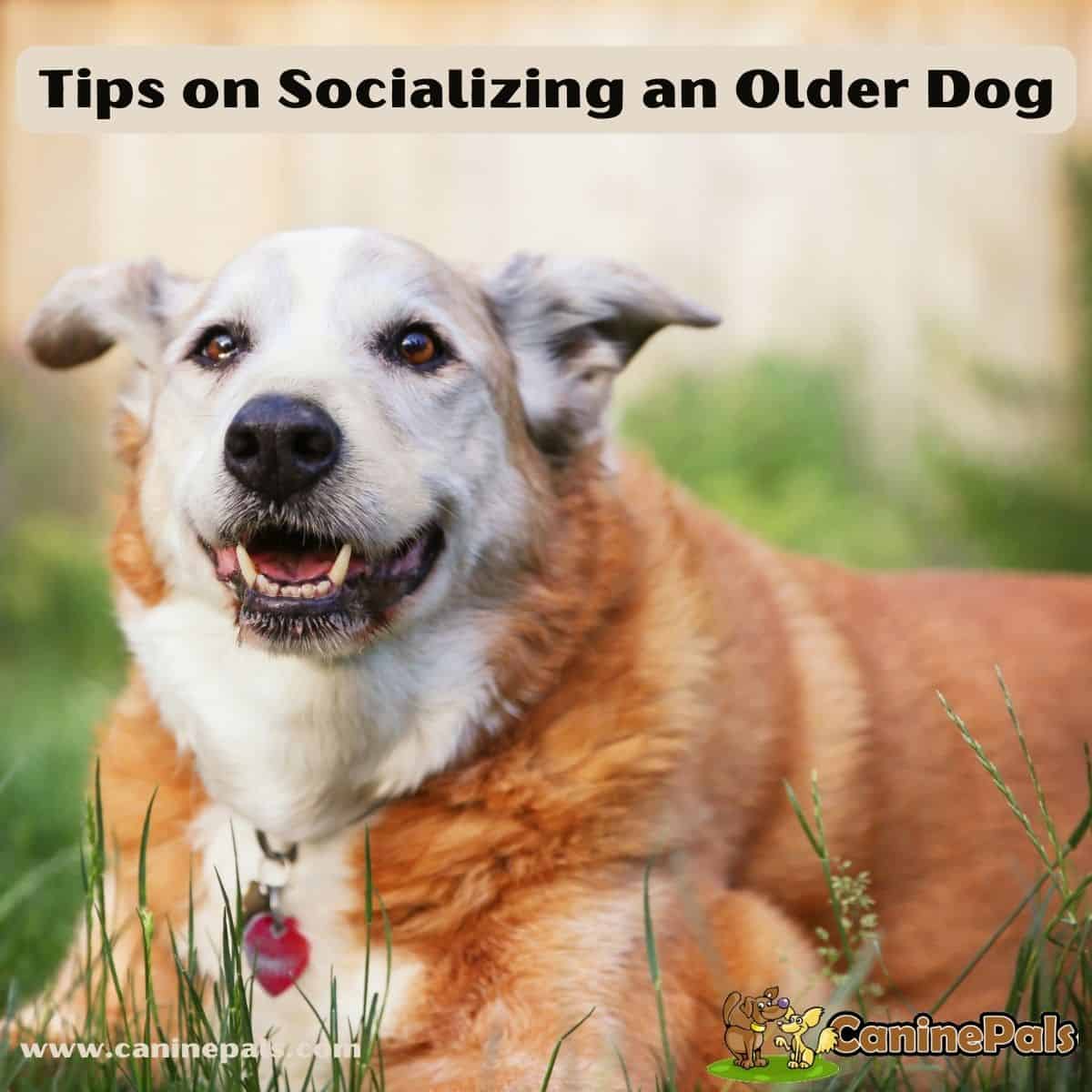
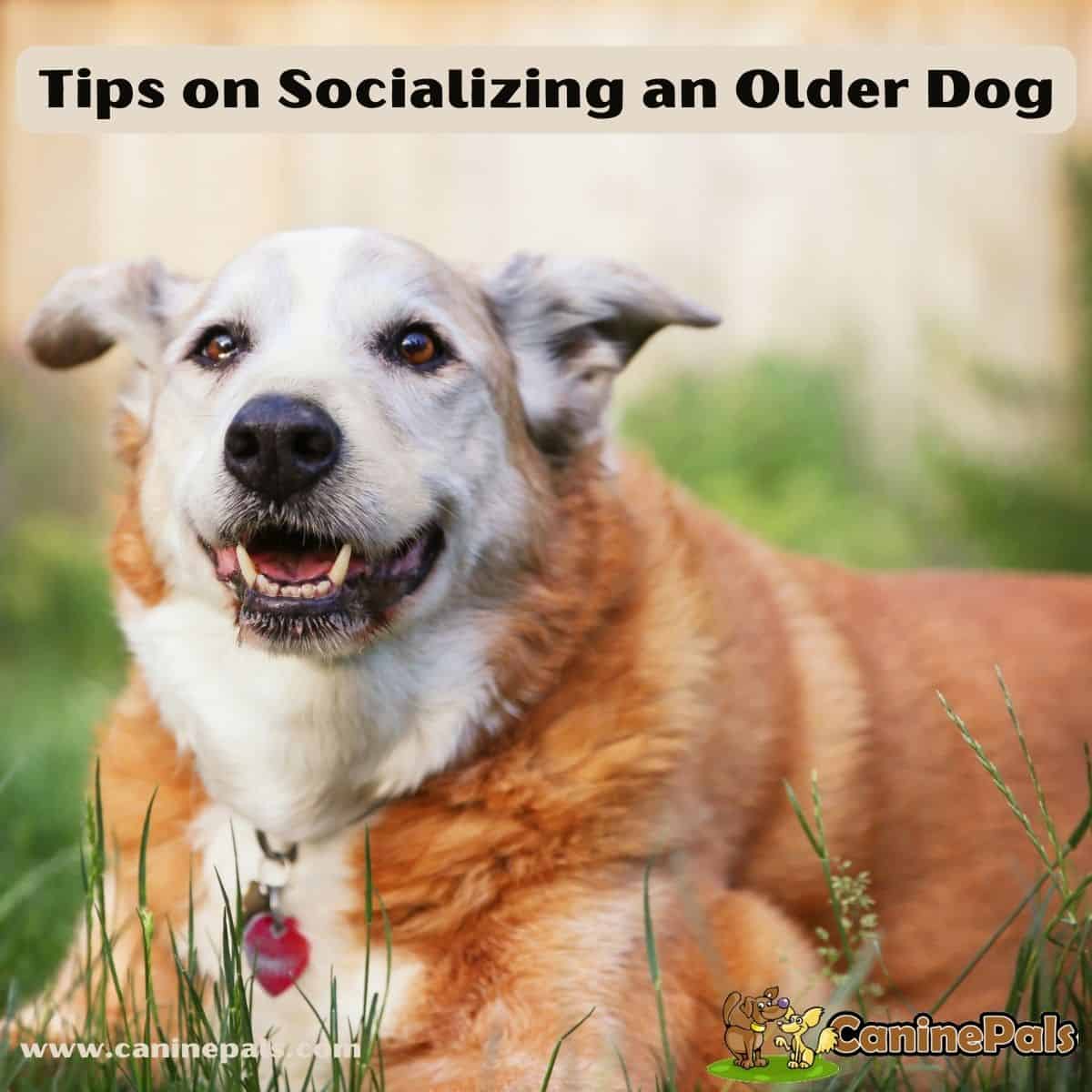
Tips on Socializing an Older Dog
Do I need to Socialize My Senior Dog?
For some dogs, the opportunity to experience socialization only arrives once it’s too late.
Without proper exposure during their puppy days – between seven weeks and four months old – many woofs are left struggling with a lack of essential skills like communication or interacting well with others once they enter their new homes as adults.
Even if these lessons have been learned before, sustained repetition and continuation throughout everyday life is necessary for those same skills to be recovered forever due to isolation. Does their behavior indicate they need to brush up on their social skills?
Signs like fearfulness or aggression towards people and animals, cowering as you approach, nervousness when out for a walk, being shy around other dogs/people, and overly excited reactions are telltale clues that it’s time to start the process of socializing your adult pup.
Signs Your Senior Dog Requires Socialization Include:
Does your adult dog seem uneasy when around people or other animals?
Do they back away when strangers approach?
Raise their hackles (hair on the back)?
Get overly excited and cause anxiety in others?
These are all telltale signs that it’s time to start socializing! It may be intimidating at first, but with patience and dedication, you can create an enjoyable bonding experience for you and your fur child. Let’s explore how we can make this happen!
Older Dog
Benefits of Socializing Your Older Dog
Socializing your adult dog is one of the most valuable gifts you can give them. Doing so will make their life brighter, more comfortable, and more relaxed than ever!
There are many additional advantages to consider:
You’ll feel secure knowing they won’t run away due to stress at the sound or sight of strangers; adding a new dog (or pet) becomes easier with socialization. Even introducing children into the family down the line proves simpler if proper steps have been taken prior!
It pays off for furry friends and owners alike when dogs get along – remember this doggone important factor.
Older Dog
How To Socialize An Older Dog
Socializing an older dog doesn’t have to be a challenge! We have tips to give your pup new experiences and open up their world. With patience, love, and positive reinforcement – you can help them become more confident in social situations of all kinds!
Teaching an older pup the ropes of socialization requires patience and consistency – like a marathon, not a sprint. As you work through introductions to new people or environments, keep in mind that progress takes time; it’s best to go at the pooch’s own pace!
How to Socialize an Old Dog Top Tips:
Every Dog Needs Some Breathing Room!
Socialization for dogs is key, but letting strangers get too close can be frightening and overwhelming. Show your furry friend that you’ve got their back by gradually introducing them to new people at a pace where they feel comfortable. Take the time today – it’s never too late – and watch as little paw steps turn into confidence & joy in no time!
Take Your Senior Dog On Walks
New experiences can be beneficial for adult dogs. Frequent walks provide opportunities to become familiar with different sights, sounds, and smells and meet friendly humans and animals along the way!
To ensure a positive experience when encountering something new, redirect your pooch’s attention if they are barking or acting out. Changing direction will help them cool off so that you can continue your enjoyable walk.
Why not gather your closest companions and warmly welcome them in an environment tailored to suit your pup? Let the pooch take all the time they need for sniffing around, exploring, and deciding whether these guests can be trusted – if there’s no approach from their side, don’t hesitate to share some delectable treats as proof of friendly intentions. With everyone on board with staying calm, positive vibes will fill the atmosphere, ensuring happy moments for all!
Expose Your Senior Dog to New Experiences
Expand your pup’s horizons and give them an eye-opening experience by introducing something new. Find a friend to don the most fashionable hats or lure in a skateboarder for some slick tricks—whatever gets Fido interested!
Need help finding volunteers? That’s okay; open up their world from afar with safe perspectives, like watching other dogs playing at the park when you remain 100 feet away (but still close enough to get plenty of treats!).
Allow Your Dog To Set The Pace
Let curiosity be your dog’s guide! Help them safely explore the unknown by standing beside them and giving encouragement through treats. Allow your dog to take their time as they investigate, moving forward leisurely while keeping an eye on any signs of distress from getting too close.
Instead of bombarding your pup with multiple unfamiliar situations, focus on introducing them to just one new experience at a time. Keeping the number of unknowns minimal for your canine companion can help create an environment that’s less intimidating and more enjoyable.
Don’t push it if your canine companion seems agitated or scared.
Visit Dog Parks
Dogs love socializing, and a local dog park is a perfect place! However, your four-legged friend may be too anxious or old to dive into that excitement immediately.
Make their first introduction positive and stress-free by taking things slow – walk around the park’s perimeter and let them watch from afar until they feel more comfortable.
Gradually approach closer as you give treats when your pup reacts in a friendly way; however, move back again if showing any signs of aggression or nervousness. Don’t worry about having one bad experience either; with patience, frequent visits can turn even a scaredy cat pooch into an excited regular at doggie central!
Keep a Positive Outlook
Regarding managing your senior dog in tense or unfamiliar situations, attitude is everything. Your pooch mirrors how you feel, so remain composed and self-assured even when they seem anxious.
Avoid rewarding any scared behavior with cuddles as this will only encourage fearfulness – show your older dog there’s no need for alarm by staying calm!
So take charge – set an example for them by appearing unfazed no matter the situation. Lead on bravely, and they won’t have anything to worry about; after all – when we feel secure, so will they!
Dog Calming Aids
Give your pup some much-needed relief with calming aids! These specially designed products can drastically reduce stress and help keep Fido happy. Make sure to check in with the vet first, though—it’s always best to be safe regarding our furry friends’ health.
Obtain Professional Help
Are you struggling to train your pup? Consider seeking help from an experienced canine coach or taking them to a doggie daycare for some socialization and guidance.
Older Dog
15 Tips for Socializing an Older Dog with Other Dogs
Take your dog out to observe.
• Visit a dog park but only sit or stand at the entrance. Don’t enter.
• Let him watch other dogs and see how they behave.
• Whenever a dog approaches you, give your dog a treat. This helps create a positive relationship with other canines.
• If your dog becomes aggressive when watching other dogs, move him away and slowly move back once he is calm.
Resist tugging while walking.
While you’re taking him for a walk, another dog may cross his field of vision, so try to resist yelling and don’t jerk his lead. This will only create a negative experience. Distract your dog with a toy or yummy treat. Command him to watch you and praise him lavishly when he does.
Attend obedience class.
Dog obedience class is a terrific method for socializing your adult dog even before you have play dates and/or park visits. He’ll learn new commands, and he’ll often be distracted. Talk to the trainer about the problem and she’ll assist you in making introductions to other dogs in that class in a slower manner. It’s also good because that’s a safe place to do it.
If he runs and hides, don’t chase and drag him out of his hiding place. Ignore him instead. Do something that will entice him to come out. Fry some bacon or play with his favorite toy. Dogs are naturally curious and social and you’ll find that he’ll quickly get bored from being alone and will come running. Give him a little bacon as a reward for coming out.
Act casually.
For example, if your teenager comes into the kitchen with a massive pimple on his nose, ignore it and pretend there’s nothing wrong. Act the same way with your dog; pretend his behavior isn’t a big deal and, that way, you’ll form a much calmer environment. Don’t make a fuss if he dashes through your legs to greet the postman at the front door.
Introduce your dog to new people SLOWLY.
Only introduce a single person to your dog per week. When they first meet your dog, ensure they have a pocket full of treats and give one to your dog while talking in a slow, happy, encouraging voice. Never use a high-pitched voice because that will only get him excited. Your dog needs to be on his leash and don’t make him go near the new person. Allow him time to do so.
The key to socializing any adult dog is that each experience should be positive and good, using treats and praise to help it work the way you want. This isn’t the right time or place for corrections, making him feel more nervous. Eventually, your new pet will finally relax and acknowledge his new home and outside environments, and he’ll finally be a treasured family member.
Senior Dog
Socializing an Older Dog Conclusion
Socializing an older dog can be daunting, but the rewards for dog owners of having a happy and confident companion are well worth it! Through lots of repetition and consistency, provide your pup with calm and loving reassurance as they adjust to new situations.
By following the tips outlined in this post, like exposing him to different kinds of people and situations in a positive way, providing regular play, exercise, and training opportunities with reinforcement of correct behaviors, and using rewards-based methods to interact with your senior dog, you can nurture his social skills regardless of his age.
Establishing yourself as a trusted leader is also highly important. With patience and consistency, you’ll be able to help your older dog become more comfortable with human contact and get him out of his shell to find joy in social environments.
Most importantly — don’t forget to shower him with love! When given a chance and proper guidance, he may eventually surprise you with how quickly he adapts to new people and places.
Are you considering bringing a puppy into your family? Choosing the right dog breed is a crucial decision, as it can have lasting effects on both the owners and their canine companions.
Choosing the right puppy for your home can be tricky as every breed has unique positive and negative attributes. Fortunately, by researching different breeds’ temperaments and activity levels, families can quickly narrow down their options to find that perfect four-legged fit!
To help simplify this process, we’ve compiled a comprehensive guide designed to provide insight into what breeds may be best for families seeking a well-suited pet for kids, elderly relatives, and other living situations.
Read on to learn why some breeds might work better than others when looking for an addition to your family!
This article will give you helpful advice on finding the best family dog breed, choosing the best dog for family situations, and the right dog for your lifestyle.
This article will answer your questions:
What is a good dog for your family?
What is the best family dog breed?
How to choose a puppy that’s right for you.
How to choose the best puppy for your family situation.
How to choose the right dog breed for my family.
How to find the right dog for your lifestyle.
What is the best breed of dog for family situations?
What is The Best Breed of Dog for Family Situations?
What is The Best Family Dog Breed
A dog can be a wonderful addition to any family. When deciding which dog breed is right for you, it’s essential to consider the size and energy level so that everyone in your household will be happy with their new furry friend.
You’ll also need to consider how big or small space you have available at home – some dog breeds are too large! It may seem like choosing from this list would require an expert, but luckily there are plenty of resources online where anyone could learn about all these different types and find one perfect for them.
Do you know what sort of dog you want? You need to find the best dog for my family situation. The worst thing you can do is buy a puppy, get him settled into his new home, and then discover he doesn’t suit you or your lifestyle, so you’re forced to find another home for him.
This may be heartbreaking for you, your family, and your puppy, too, as he has probably become somewhat used to you and his new environment. Sadly, many puppies find their way into Animal Welfare facilities.
Pembroke corgi puppies
10 Best Family Dogs
Worldwide, there are more than 400 breeds of dogs. So which one is right for your family? If you have small children playing with the dog or running around it a lot, try to find a smaller dog breed, such as Pembroke Welsh Corgi or Papillon.
Breeds like Border Collies would be good because they love exercise and playing catch. Sensitive animals should probably avoid large home-alone periods, too, so make sure everyone agrees on what animal is best suited before making any final decision.
Do your homework thoroughly and view every possible outcome that may occur directly from your choice to buy a puppy. Then you should be able to choose the ideal dog for you. The dog will become an integral part of your life and your family.
Picking the perfect pup for your family can be a challenge! We’ve narrowed down 10 of our favorite furry friends to make it easier – from energetic Golden Retrievers to loyal German Shepherds; these are some of the best dog breeds for families and kids.
1. Labrador Retriever
Labrador retriever dog
Known for its intelligence and laidback demeanor, the Labrador Retriever has been America’s favorite dog for years.
Versatile in nature with a remarkable aptitude to please their owners, these pups enjoy demonstrating their multifaceted talents from hunting to dock diving – even obedience competitions! Encouraging quality time spent between you and your dog is just one of the many reasons Labradors are so beloved.
Personality: Incredibly friendly, active, and full of energy. Energy Level: Labs are lively and unafraid of expressing their enthusiasm! Good with Children: Labs make great playmates with children when supervised. Good with Other Dogs: get along famously with furry friends if introduced in a controlled environment. Shedding: Regular brushing is necessary. Grooming: Regular brushing is required. Trainability: They have an impressive eagerness to please, making them easily trainable and a pleasure for their owners. Height: 22.5-24.5 inches (male), 21.5-23.5 inches (female). Weight: 65-80 pounds (male), 55-70 pounds (female). Life Expectancy: 10-12 years. Barking Level: Barking at medium levels throughout their lifetime.
2. Golden Retriever
Golden Retriever puppy
Once bred for hunting in upland and waterfowl, Golden Retrievers have proven their versatility, intelligence, and amicable personality to become one of the world’s most beloved breeds. They are now highly successful across various competitions, from sporting events to affectionate family companionship.
Personality: Golden Retrievers are known for their intelligence, friendliness, and devotion.
Energy Level: These active dogs require daily exercise to stay healthy and happy.
Good with Children: They get along splendidly with kids.
Good with other Dogs: Yes
Shedding: Shedding is a seasonal occurrence.
Grooming: Only occasional grooming should be necessary.
Trainability: Very easy to train due to being eager to please.
Bulldogs are beloved by kids and adults alike. This unique pup is an ideal companion, with its wrinkly smile sure to brighten anyone’s day. As loyal friends suited for any environment – urban or rural – these dogs will be your family’s perfect playmate!
Personality: Bulldogs are calm, courageous, and friendly pups with a noble demeanor.
Energy Level: Though they don’t require intensive exercise, regular walks to stretch their legs is essential.
Good with Children: Friendly by nature towards children.
Good with other Dogs: They do fine around other dogs.
Shedding: Seasonal shedding.
Grooming: Weekly grooming sessions are required.
Trainability: Training is easy due to their responsiveness.
Height: 14-15 inches.
Weight: 50 pounds (male), 40 pounds (female).
Life Expectancy: This is short, only 8-10 years.
Barking Level: They bark surprisingly quietly, so they won’t disturb your peace.
4. Beagle
Beagle Pros and Cons
The Beagle – is beloved for its small size, playful nature, and low-maintenance coat. While the breed’s true origin remains a mystery, one thing is certain: these smart pups make wonderful four-legged friends.
Personality: The Beagle is a merry, friendly, and curious pup.
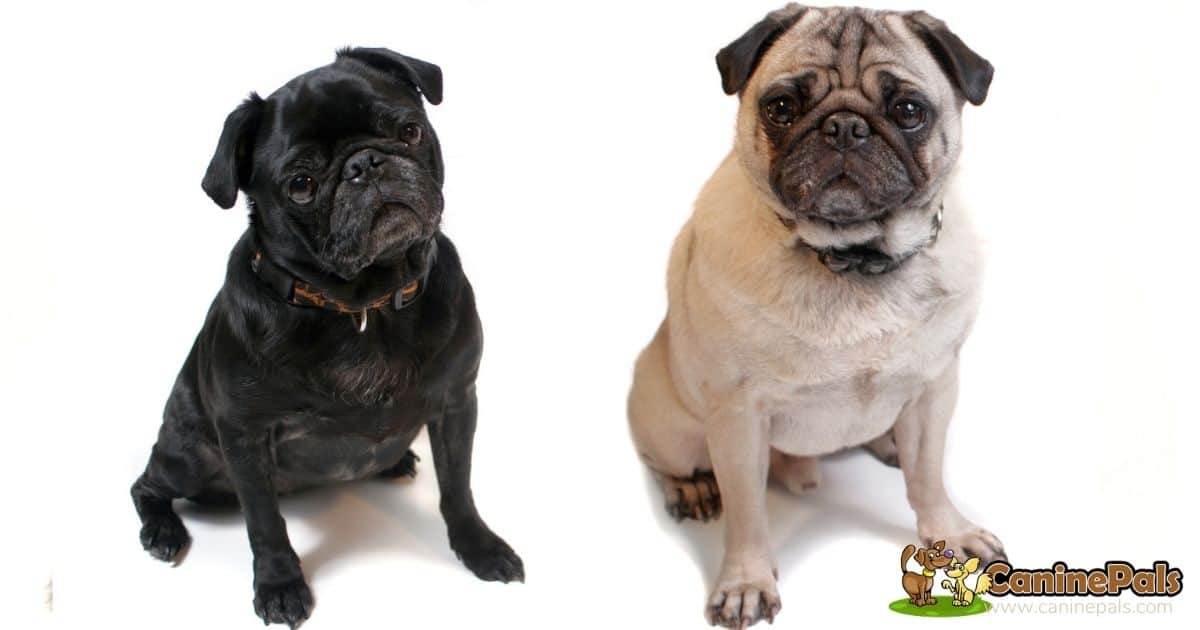
The Polaroid-worthy Pug packs a plethora of pup into their petite pooch package. With an infectious air and big, bold personality that’s hard to resist – especially for kids! – this little dog loves spending time with family above all else and is content wherever you call home.
Multum in parvo ( which translates roughly to a lot of dog in a small space)? More like multum in amore!
Personality: Pugs are charming, lovable companions known for their even temperaments and mischievous personalities.
Energy Level: These lively little dogs have a moderate energy level which can be met with regular exercise.
Good with Children: They do best when supervised around young children.
Good with Other Dogs: Usually get along well with other pets.
Shedding: Shedding can occur regularly throughout the year.
Grooming: Grooming is relatively straightforward but must include regular washing of wrinkle areas.
Trainability: Despite being rather agreeable in training sessions, Pug owners should always provide consistent leadership and correction when needed.
Height: 10-13 inches.
Weight: 14-18 pounds.
Life Expectancy: This is 13-15 years.
Barking Level: They tend to bark if necessary.
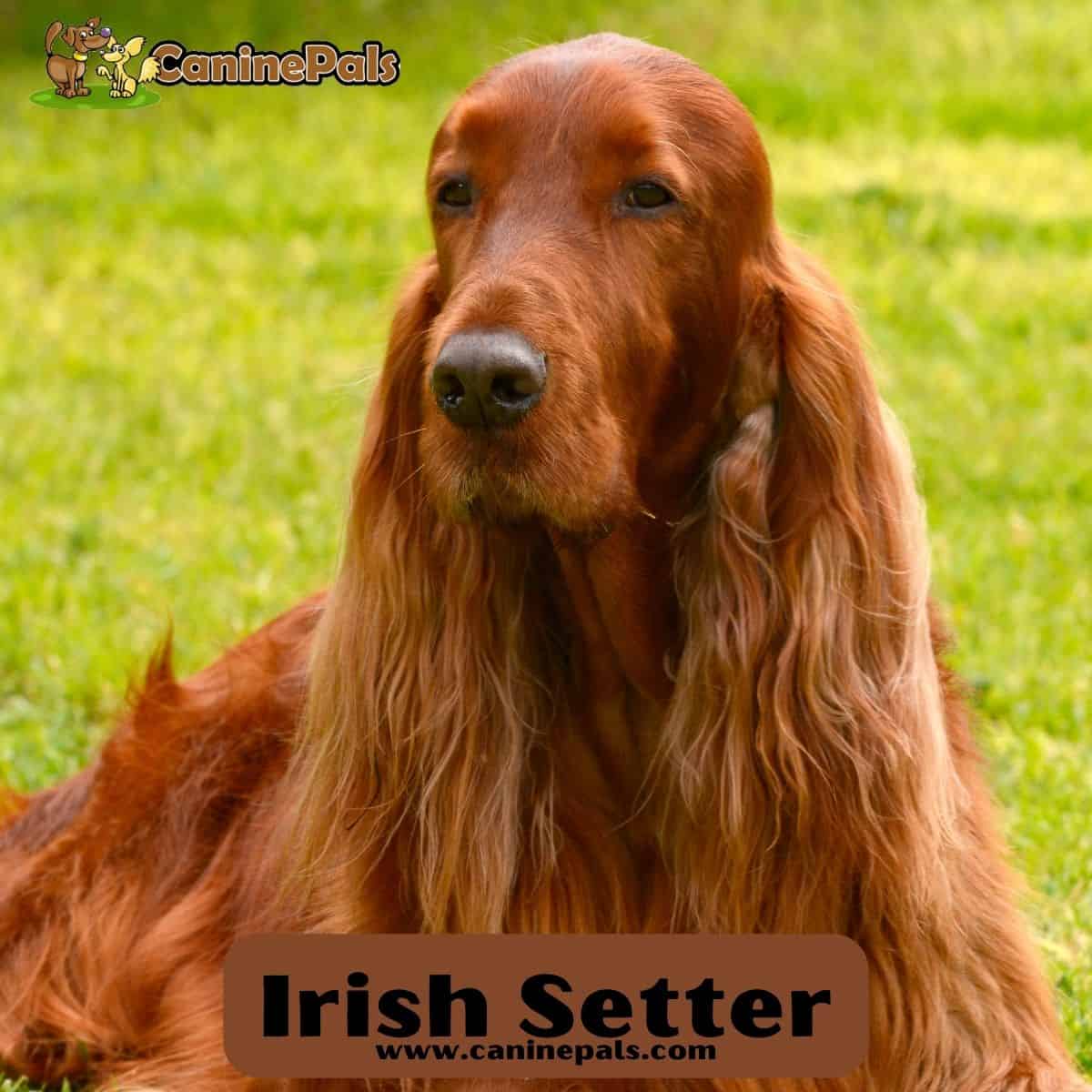
6. Irish Setter
Irish Setter
The ever-energetic Irish Setter, whose friendly visage is likely familiar from the likes of Big Red, emerged in popularity during the 1700s. Perfect for active households and always eager to explore outdoors – these outgoing four-legged friends make excellent companions for families on the move!
Personality: The Irish Setter is a happy-go-lucky, sweet pooch with abundant energy! Energy Level: Irish Setters are active pooches who love to run. Good with Children: This four-legged friend loves interacting with children. Good with other Dogs: Yes. Shedding: Seasonal shedding. Grooming: Weekly grooming is required. Trainability: These intelligent pups respond well to training thanks in part to the breed’s eagerness-to-please personality, making them easier than many hounds in obedience work. Height: 27 inches (male), 25 inches (female). Weight: Typically weighing in at 70 pounds for males or 60 pounds for females. Life Expectancy: Approximately 12-15 years Barking Level: Will bark when necessary or feeling threatened.
7. Brussels Griffon
Brussels Griffon
The Brussels Griffon is an energetic and intelligent companion with a fearless spirit. Perfect for small living spaces, they love to be engaged through playtime and mental stimulation. If you give them plenty of opportunities to stretch their legs, this pup will bring joy to your home!
Energy Level: The Brussels Griffon may be small in size, but they are full of energy and spirit!
Good with Children: Children should be supervised around them.
Grooming: Requires weekly grooming for maximum benefits.
Trainability: Training comes naturally.
Height: 7-10 inches.
Weight: 8-10 pounds.
Life Expectancy: Average life expectancy between 12-15 years.
Barking Level: Barks When Necessary.
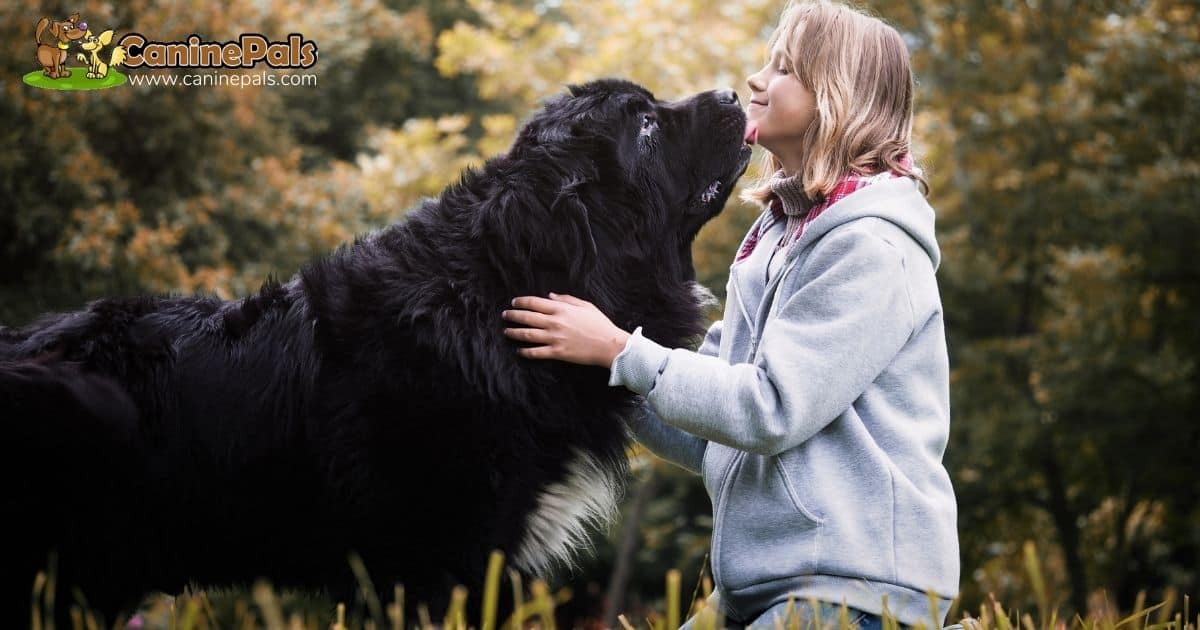
8. Newfoundland
Newfoundland Dog and Children
Newfoundlands stand out for their loyal, compassionate, and intelligent nature. They are eager to help with tasks on command but can also act independently during rescue operations. Above all, they make great family pets due to their sweet disposition, which never fails to charm!
Personality: Newfoundland dogs possess a sweet, patient, devoted nature – making them excellent companions. Energy Level: They are quite active and need plenty of room to run around. Good with Children: Newfs get along great with children. Good with Other Dogs: Yes. Shedding: Newfs are seasonal shedders. Grooming: Require Weekly brushing. Trainability: Training these gentle giants is also made easy due to an eagerness to learn new things. Height: Despite their large size (height of up to 28 inches in males & 26 inches in females. Weight Ranges: from 130-150 pounds for males and 100-120 pounds for females). Life Expectancy: On average, they live 9-10 years. Barking Level: Keen barkers if necessary.
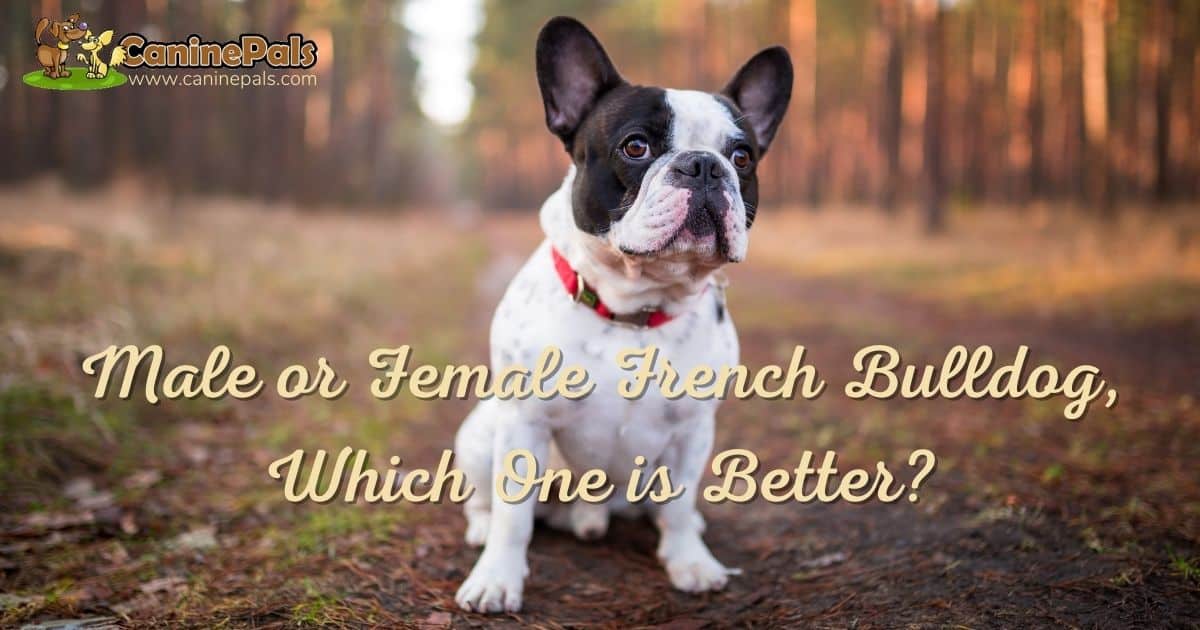
9. French Bulldog
Male or Female French Bulldog?
French Bulldogs are a perfect pup for urbanites and families alike. Boasting a pleasant temperament, they’re highly trainable – perfect companions to show off at the park or on your neighborhood streets!
Personality: French Bulldogs are the perfect companion – fun-loving, bright, and adaptable.
Energy Level: They’re content to relax in your lap rather than going full speed ahead but still need regular exercise to stay fit.
Good with Children: Playful with kids of all ages.
Good with other Dogs: Well-mannered around other furry friends.
Shedding: Their seasonal shedding is minimal.
Grooming: Occasional grooming will do just fine.
Trainability: An easy breed for training.
Height: 11-13 inches.
Weight: under 28 pounds.
Life Expectancy: 10-12 years.
Barking Level: Low.
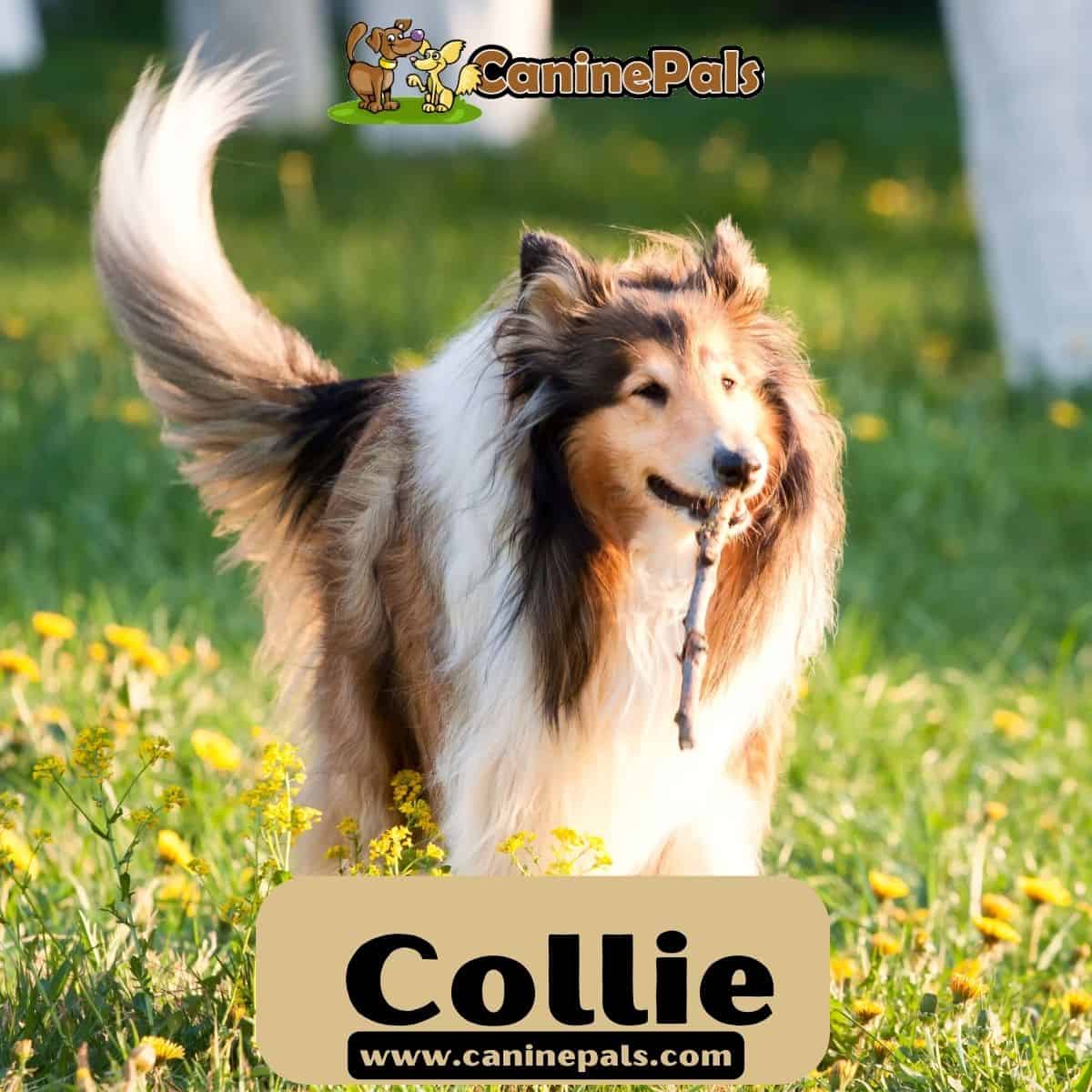
10. Collie
Collie Dog
Collies are the perfect choice for an active family! These fantastic dogs boast legendary herding instincts and will always be loyal companions with their generous nature. They’ve got tons of energy to keep up with your activities, too – these furry friends ensure you never miss a beat.
Personality: Collies are a loyal and graceful breed — perfect for families who prefer an active pup.
Energy Level: They have plenty of energy to run around but can easily settle down at home with their owners too!
Good with Children: They get along great with kids.
Good with Other Dogs: With supervision.
Shedding: Seasonal shedding.
Grooming: Weekly grooming is required.
Trainability: Collies respond very well to training.
Height: Collies tend to stand 24-26 inches tall (males) and 22-24″ high (females).
Weight: Males weigh between 60 – 75 pounds, while females usually tip the scale from 50 – 65 lbs.
Life Expectancy: 12-14 years.
Barking Level: Enthusiastic barkers.
Selecting the Right Breed for The Family Dog
The following factors must be analyzed fully before you make that ultimate purchase and will assist you in choosing the perfect good dog. You must find out what dog breed is right for the family dog before the purchase and how to make good dog matches with your family.
Are You Able to Have Your Dog Fully Enclosed?
Check every inch of the space where you’ll keep your dog when you’re out or when he goes out for exercise. All fencing must be tightly secured. This includes the bottom of the fencing because some dogs can burrow their way under almost any type of fence. Check that he can’t jump over it, squeeze between the gate fittings or fence palings, or squeeze between any wires that are part of the fencing.
Can You Give Your Dog Enough Exercise?
You need to spend quality time with your beloved dog, and exercise is part of that time. Dogs vary as to the amount of exercise needed. If your dog wants a walk every day, that may motivate you to do the same. It’s great exercise physically, and it can calm you mentally at the same time. Life doesn’t always go to plan, but if your dog is kept cooped up often, it’s grossly unfair of you to buy him in the first place.
Dog people will naturally talk to other dog people as they walk in public places. This can mean you’ll make more friends and feel as though this daily commitment greatly benefits you and your four-legged friend.
Dog Coat Care
Owning a dog isn’t just feeding and exercising him. It also means caring for his coat on a regular basis. The grooming process can help strengthen the bond between your beloved pet and you. Numerous problems can occur if you don’t do this regularly.
Here are a few examples:
Your fluffy, cute puppy can turn into a real mess if he’s not groomed on a regular basis. Breeds with short coats can molt and their hair seems to go everywhere, including your carpet, furniture, clothes, and even your bed if he spends time in bed with you.
A professional dog groomer salon can be costly. Finding a reliable, caring groomer can be difficult to locate and even harder to get an appointment. Professional groomers rarely try to comb the knots out of matted hair that’s quite long.
They tend to cut the coat off right down to the skin. Once it starts growing back (like a carpet), it’s nearly impossible to comb. In between those times, you can either cover your pet in a rug similar to the ones used on horses or leave his skin open to the weather, and then he can get sunburnt in the hotter weather and wet and cold in the lower temperatures.
Choosing the Right Dog
So it’s wise to choose a dog breed with a coat you know how to look after. Ensure you have plenty of time to learn how best to look after it. If your new pet is a cross-breed, it may be complete guesswork trying to decide the type of coat he has. On the other hand, there are copious amounts of information available regarding purebreds that you can learn.
Do you Know Your Dog Local Laws?
If you reside in a city, it’s essential to check the local laws governing dogs and the location of on-leash and off-leash areas where your dog can be exercised. If you wish to buy a big dog, there may be restrictions on where he can and can’t be exercised.
In many local councils, you have to get your dog registered (in a similar way to how you pay rates. If you’re a renter or live in a retirement village or unit, check with the people running the place you live about what rules are in place regarding whether you can have a dog.
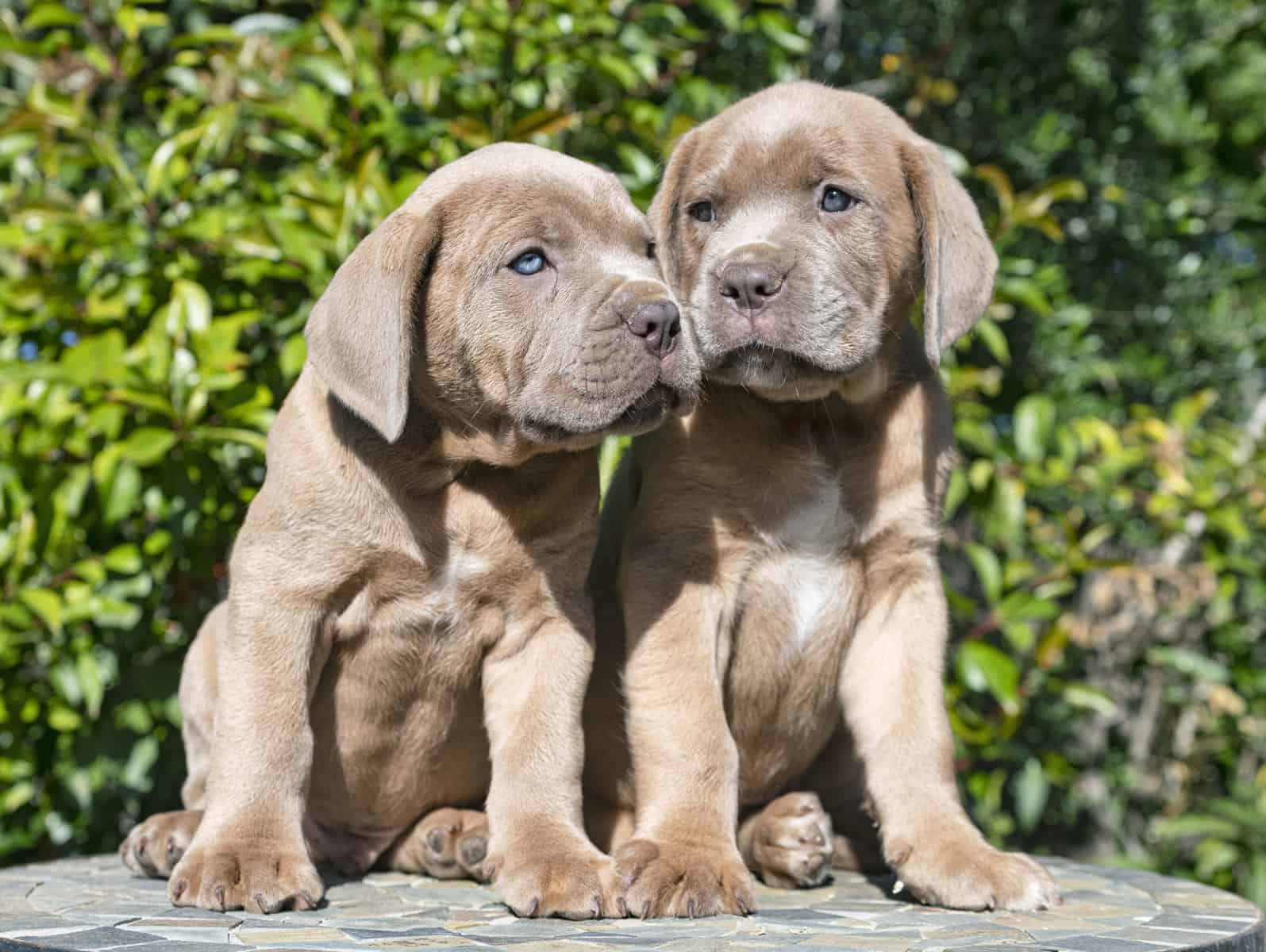
Cane Corso puppies
How to Find The Right Breed of Dog for My Family?
If children grow up having a dog living in their home, it should be pleasurable for the dog and the children. If children grow up without pets, a lifetime of experiences is missed. However, there are certain safety elements to consider.
First off, particularly if the children are small, remember dogs are actually pack animals. Most dogs don’t see children in the same way as adults. A dog could attempt to treat the child as part of a pack and try to dominate him/her, which may include biting.
If you buy a dog for a family with children, you must be “the boss” 100% of the time, and this means you never leave the dog alone with a child. A helpful solution is having a small dog cage where he can go to escape the child if you’re not home. The dog will get used to the concept of “his space,” and the child learns that their dog can sometimes prefer to be left alone and that he does have feelings.
By creating and abiding by these rules, introducing a new dog to the family will be a great learning experience and fun for everyone.
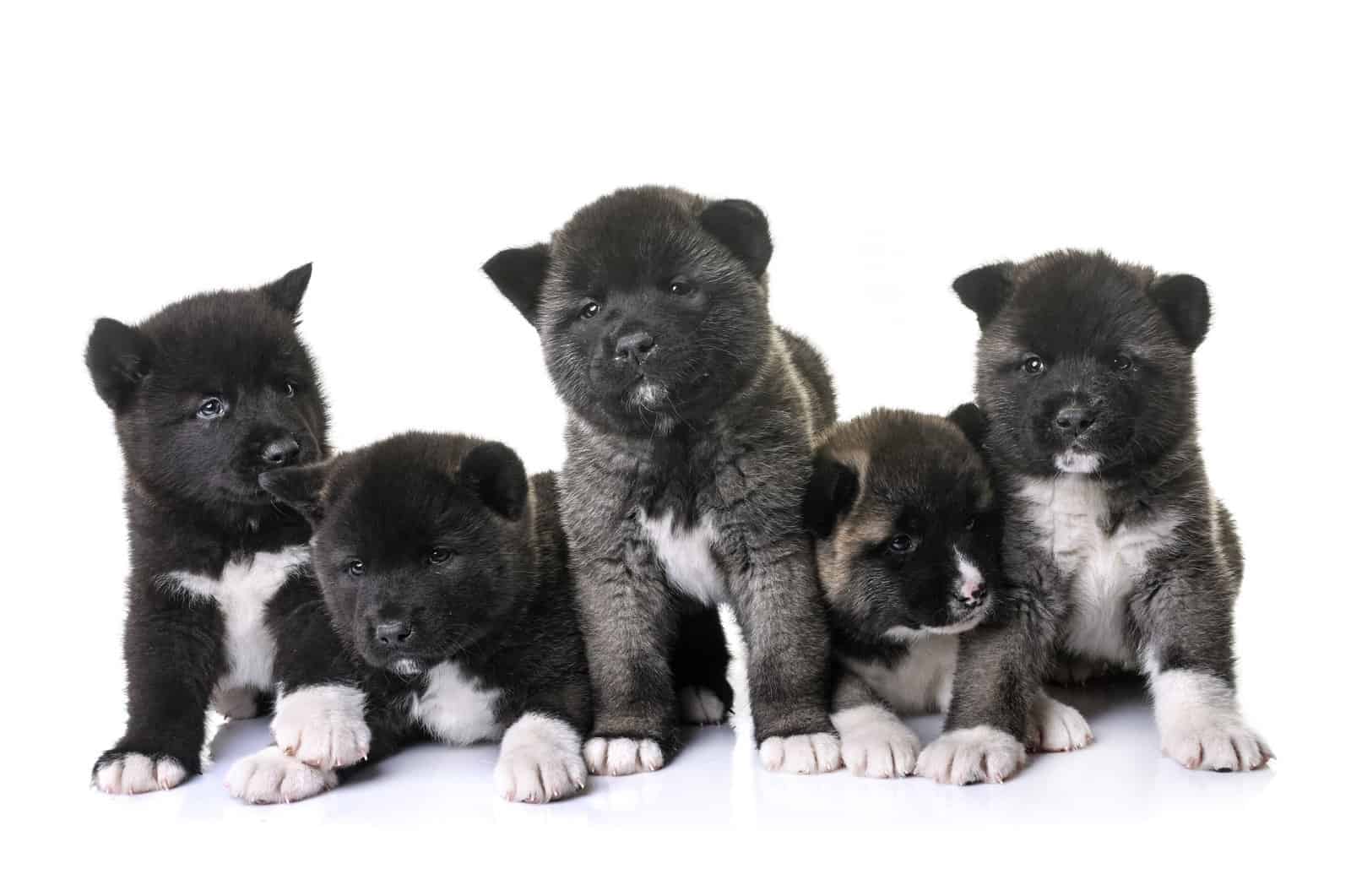
Akita Puppies
What’s Your Lifestyle?
Choosing a large retriever is not the best idea if you’re a single person in a tiny apartment on the third floor. However, if you love running and want someone who can keep up with you OR if you have many kids who will enjoy playing with a dog, the bigger dog can be worthwhile.
What is The Best Breed of Dog for Family Situations Conclusion
All in all, when it comes to finding the best dog breed for family situations, there is no one-size-fits-all answer. Every family has different needs, so it’s essential to consider those when deciding.
With that said, some breeds are more suitable for families than others. Dog breeds such as Labrador Retrievers and Golden Retrievers are loyal and patient—qualities that make them perfect additions to any family dynamic.
On the other hand, smaller breeds like Poodles and Maltese are intelligent and affectionate, making them excellent companions in most homes.
No matter which dog breed you choose, having a dog can be an enriching experience and bring joy to your life for years to come! So take the time to research and decide which pup would suit you best.
To find the ideal dog breed, you need to evaluate a dog’s compatibility with your children, exercise needs, assertiveness, and friendliness before buying a dog of any kind. You’re not merely buying a dog. You’re buying a new family member, someone to care for, play with, feed, pat and enjoy as part of your family. So choose your pet wisely.
Are you worried about your Long-Haired Dachshund shedding too much around the house? Learn more about this popular myth and how to manage it with a few effective tips.
Long Haired Dachshunds are a beloved breed of dog known for their unique appearance and loving personality. They have sleek, elegant, and slightly wavy coats. While they are often kept as companion animals and are well-loved by their owners, shedding is one concern that potential owners may have.
In this article, we will explore the topic of shedding in Long Haired Dachshunds, including whether or not they shed, how much they shed, and what factors can affect their shedding. We will also provide tips on how to shed and keep your Long Haired Dachshund’s coat healthy and shiny.
Do Long-Haired Dachshunds Shed?
Do Long-Haired Dachshunds Shed a Lot?
Long-haired Dachshunds are the biggest shedders out of the three Dachshund varieties. They have a dense double coat and shed more prominently in spring and autumn. The hair is longer, more obvious, and easier to spot on the floor or couch. However, with proper grooming and a healthy diet, shedding can be managed to keep your Long Haired Dachshund’s coat healthy and shiny.
Do Long-Haired Dachshunds Shed More Than short-haired Dachshunds?
Regardless of the coat length, all Dachshunds will shed to some extent, and regular grooming is important to help manage to shed and keep your dog’s coat healthy. Long-haired Dachshunds have a longer and thicker coat, which means there is more dog hair to shed. However, the amount of shedding can vary between individual dogs and may also depend on age, health, diet, and grooming habits.
Reasons Which Affect Long-Haired Dachshund Shedding
There are several reasons why a long-haired Dachshund may shed more or less than usual, including:
Age: Younger dogs may shed more than adult dogs as they go through their puppy coat to adult coat transition. Also, shedding can increase as dogs age and their coats thins out.
Diet: A healthy diet is important for maintaining a healthy coat and reducing shedding. Dogs need a balanced diet that provides essential nutrients, vitamins, and fatty acids. If a dog’s diet lacks essential nutrients, it can lead to dry, brittle hair that is more prone to shedding.
Health: Certain health conditions, such as allergies or skin infections, can cause excessive shedding. Dogs with an underactive thyroid gland may also experience increased shedding. Regular vet check-ups can help to identify any underlying health issues.
Environment: Environmental factors can also affect shedding in dogs. Changes in temperature or humidity can cause dogs to shed more than usual, as can seasonal changes.
Stress: Excessive shedding in Long haired Dachshunds may be a sign of stress. Long-haired Dachshunds may get stressed because of loud noises, environmental change, separation anxiety, or when introducing new pets into your home. Dogs may also shed more than usual if exposed to stress or anxiety.
Grooming: Regular grooming, including brushing and bathing, can help to manage shedding by removing loose hair and keeping the coat healthy. Poor grooming results in excessive shedding. Also, over-bathing can strip the coat of natural oils and worsen shedding.
Genetics: Some dogs may shed more than others due to their genetics and inherited traits from their parents. Long-haired Dachshunds are bred to have a thick, long coat, which means they may naturally shed more than other breeds or coat types.
Ticks and Fleas:Fleas, ticks, or parasites may also result in noticeably high Long haired Dachshunds shedding.
Hormonal Changes: Hormonal swings in female Long haired Dachshunds affect how they shed, and you might not be able to control it. Hormonal imbalance may happen due to pregnancy, recent spaying or neutering, or female Long haired Dachshund going into heat.
Dachshund owners need to be aware that all dogs shed, and some shedding is normal for all dog breeds, and it’s impossible to stop shedding completely. However, by identifying any underlying issues and practicing good grooming habits, you can help to manage to shed and keep your long-haired Dachshund’s coat healthy and shiny.
Do Long-Haired Dachshunds Shed
At What Age Do Long-Haired Dachshunds Start Shedding?
Young Long-haired Dachshund puppies have a single coat that is very soft and short. All Long haired Dachshund puppies enter a phase of relatively fast transition where the puppy coat sheds off and is replaced by the elegant adult coat.
Long-haired Dachshunds sheds their puppy coats at the age of 4 to 5 months. At this age, Long haired Dachshunds will get rid of the old puppy coat to develop the longer double-layered coat. So, for a short period, their fur may look light and uneven. The adult Long haired Dachshund has a very dense undercoat and an outer coat of long hair.
Do Long-Haired Dachshunds Shed?
How Do I Stop Long-Haired Dachshund Shedding?
It’s impossible to completely stop a long-haired Dachshund from shedding, as shedding is a natural process that helps remove old or damaged hair and keep the coat healthy. However, there are a few things you can do to minimize shedding and keep your dog’s coat looking healthy:
Regular Grooming: Regular grooming can help remove loose hair before it falls around your home. Brush your Dachshund’s coat at least once or twice a week to help remove any loose hair and prevent mats from forming.
High-quality Diet: Feeding your Dachshund a high-quality diet can help to promote a healthy coat and reduce shedding. Look for dog food rich in protein and essential fatty acids, such as omega-3 and omega-6, which help nourish the skin and coat.
Bathing: Bathing your Dachshund once every two months can help to remove any loose hair and prevent mats from forming. However, over-bathing can dry out the skin and make shedding worse, so be sure to use a gentle dog shampoo and avoid bathing too frequently.
Keep Your Home Clean: Vacuuming regularly and using lint rollers can help to remove any loose hair that your Dachshund may shed around your home. It’s also a good idea to wash your dog’s bedding and toys regularly to keep them free from hair.
Regular Vet Checkups: Take your Long-haired Dachshund to the vet regularly to prevent skin diseases and rule out the possibility of any other underlying condition. While all dogs shed, excessive shedding could be a symptom of an allergy or underlying health issue. Your vet can also guide you on what diet to feed your Long-haired Dachshund that can keep the coat healthy and reduce shedding.
Do Long-Haired Dachshunds Shed?
Grooming Task
Frequency
Grooming Tool
Purpose
Brushing
At least once or twice per week
A slicker brush or pin brush
Removes loose hair, prevents matting, and distributes natural oils throughout the coat.
Bathing
As needed
Dog-specific shampoo and conditioner
Removes dirt and debris, reduces dander, and promotes a healthy coat.
Coat Trimming
Every 8-10 weeks
Scissors or electric clippers
Reduces the length of the coat to prevent matting and reduce shedding.
Diet
A high-quality, balanced diet
N/A
Provides essential nutrients to support a healthy coat and skin.
Remember that some shedding is normal for all dogs, so it’s essential to be patient and consistent with your grooming routine to keep your long-haired Dachshund’s coat healthy and reduce shedding as much as possible. It’s essential to consult your vet and professional groomer for additional advice and guidance on maintaining your long-haired Dachshund’s coat and reducing shedding.
Which Type of Dachshund Sheds The Least?
All three types of Dachshunds shed to some extent, but generally speaking, the wire-haired Dachshund tends to shed the least. Their coat is uniformly tighter, wired, and thicker than the other two types.
This can help to trap shedding hair and prevent it from falling out as easily. However, it’s worth noting that no dog breed is completely non-shedding. Wire-haired Dachshunds will still require regular grooming to keep their coat healthy and clean.
Dachshund Coat Type
Shedding Level
Coat Care
Smooth
Moderate
Regular brushing with a bristle brush or rubber grooming mitt. Bathing as needed.
Long-haired
Moderate
Regular brushing with a slicker brush to prevent matting. Bathing as needed.
Wirehaired
Low to Moderate
Regular brushing with a wire slicker brush to remove loose hair and prevent matting. Trimming as needed.
Can I Shave My Long-Haired Dachshund?
While it is possible to shave a long-haired Dachshund, it is generally not recommended. Long-haired Dachshunds have a double coat that protects them from the sun, heat, and cold. The undercoat provides insulation, while the topcoat helps to repel water and prevent dirt and debris from getting trapped in the coat. Shaving a long-haired Dachshund can disrupt the natural balance of the coat and make the dog more susceptible to sunburn, heat stroke, and cold weather.
Additionally, shaving a long-haired Dachshund can cause the coat to grow back unevenly or not at all. These dogs also have delicate skin prone to dryness and irritation, and shaving can worsen these problems.
Do Long-Haired Dachshunds Shed?
Final Thoughts
Dachshunds are intelligent and lively dogs with a playful spirit. They make loyal, charming, and devoted companions who interact well with family members. If you’re going to share your house with a Long Haired Dachshund, you’ll need to deal with a lot of dog hair in your house.
Long-haired Dachshunds have thicker and longer coats than short-haired Dachshunds, which means they may naturally shed more. However, by practicing good grooming habits, such as regular brushing and bathing, and providing a healthy diet, shedding can be managed to keep your dog’s coat healthy and shiny.