

Disclaimer

Why Are Dachshunds So Long?

Why Are Dachshunds So Long? The Science Behind Their Unique Body Shape

Dachshunds are a unique dog breed well-known for their long bodies and short legs. This physical characteristic has often fascinated many people who wonder why dachshunds are so long in the first place. The answer lies in the breed’s history and purpose.

Dachshunds were originally bred in Germany in the 16th century to hunt badgers and other burrowing animals. Their long, flexible spines allowed them to navigate through narrow tunnels in pursuit of their prey easily.
Over time, breeders selectively bred dachshunds to have longer bodies and shorter legs, making them even more effective at their job.

Today, Dachshunds are still used for hunting but are popular pets worldwide. However, their unique physical characteristics can also lead to specific health issues, so owners need to be aware of these risks.

Why Are Dachshunds So Long?

Why Are Wiener Dogs So Long?

Dachshunds are known for their unique long and low body shape, which makes them stand out among other dog breeds. The reason why these dogs are so long is due to a genetic condition called chondrodysplasia. This condition affects the growth of bones and cartilage, resulting in shorter legs and a longer body.

Dachshunds were initially bred to track and hunt small, underground creatures. Such as rabbits, badgers, and foxes. Their long, flexible spine allowed them to navigate narrow tunnels to retrieve their prey and return it to their owners. This is why they are also known as “wiener dogs” or “sausage dogs.”

Selective breeding over time has also contributed to the Dachshund’s long body shape. Breeders have selected certain physical traits, including a longer body and shorter legs, to create the ideal hunting dog, resulting in the modern Dachshund we know today.

While the Dachshund’s long body may be cute and distinctive, it can also lead to health problems such as back issues. It is essential to ensure that Dachshunds maintain a healthy weight and receive proper exercise and care to prevent these issues.

Dachshunds are so long due to genetic factors and selective breeding for their original purpose as hunting dogs. Their long body shape is a defining characteristic of the breed, but taking care of their health is essential to prevent potential issues.

Physical Characteristics

Dachshunds are known for their unique physical characteristics, which make them stand out from other dog breeds. These characteristics include their long bodies, short legs, and distinctive coat and colors.

Body Shape

One of the most distinctive features of Dachshunds is their long bodies, which make them look almost stretched out. This body shape results from selective breeding, as dachshunds were initially bred to hunt burrowing animals like badgers and rabbits. Their long, flexible spines allowed them to wiggle in and out of narrow tunnels to retrieve their prey and return it to their owners.

Dachshunds are also known for their short legs, another adaptation for their hunting role. Their legs are strong and muscular, allowing them to dig and burrow quickly. However, this body shape can also lead to health problems, such as back issues and joint pain, so taking care when lifting or carrying Dachshunds is essential.

Coat and Colors

Dachshunds, or as people love to call them, Sausage Dogs, have distinctive coats in various colors and patterns and can have short, smooth, long, silky, or wire-haired coats. The most common colors are red, black, and tan, and chocolate and tan, but they can also come in dappled, brindle, and other patterns.

Grooming requirements for Dachshunds depend on their coat type. Smooth-coated Dachshunds require minimal grooming, while long-haired and wire-haired Dachshunds need more attention to keep their coats healthy and shiny. Regular brushing and bathing can keep their coats in excellent condition and reduce shedding.

Overall, the physical characteristics of Dachshunds make them a unique and beloved dog breed. Their long bodies and short legs may have been bred for a specific purpose, but they also make them stand out from other dogs. With correct care and attention, Dachshunds can live long, happy lives and bring much joy to their owners.
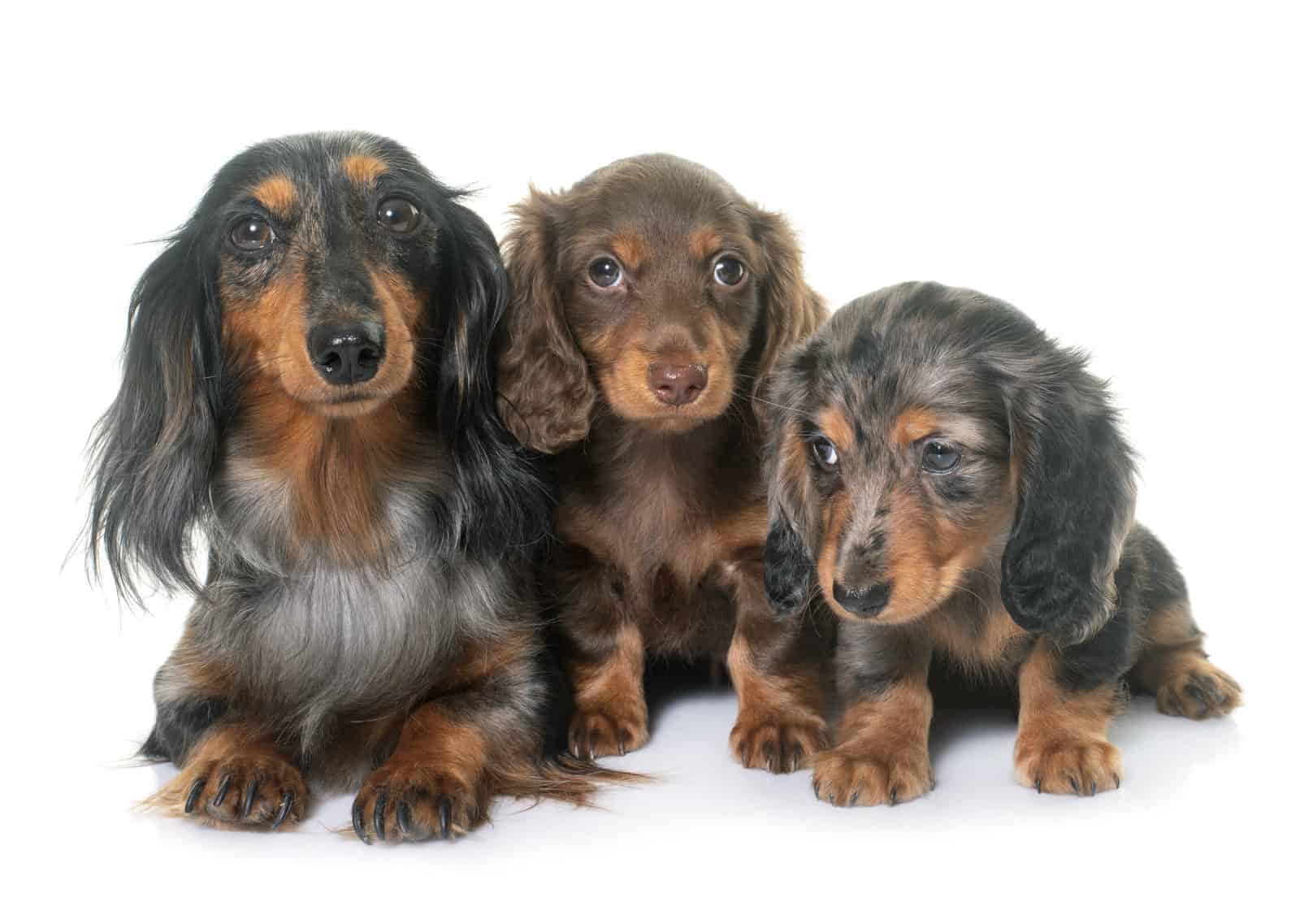
Three Dachshunds
Three Dachshunds

Hunting Origins

History

The Dachshund is a German breed that originated in the 17th century. They were bred specifically for hunting badgers, sometimes called “the badger dog.” The Dachshund’s long, narrow body was ideal for burrow hunting, where badgers and other small animals often make their homes.

Over time, the Dachshund became popular with hunters for their ability to track and chase other types of prey, such as rabbits and other burrowing animals. Their keen sense of smell made them excellent hunting dogs, and their small size made them ideal for hunting in tight spaces.

Hunting Techniques

Dachshunds were trained to hunt in a specific way. They were taught to follow a scent, using their powerful sense of smell to track their prey. 

Once they found the target, they would chase it into its den or burrow. The Dachshund’s long, narrow body allowed them to fit into tight spaces, using their powerful jaws to catch and kill their prey.

Dachshunds were also trained to work in packs, working together to flush out prey and corner it. This made them even more effective hunters, as they could work together to take down larger prey.

Overall, the Dachshund’s hunting origins have played a significant role in shaping the Dachshund breed. Their long, narrow bodies and powerful sense of smell make them excellent hunting dogs, and their ability to work in packs has made them effective at taking down larger prey. While they are no longer used as hunting dogs as much as they once were, their hunting instincts and abilities remain strong.

Health Risks

Dachshunds are known for their unique elongated body shape, which can lead to certain health risks. Dachshund owners must be aware of these risks and take steps to prevent them.

Intervertebral Disk Disease (IVDD)

One of the most common health risks associated with dachshunds is Intervertebral Disk Disease (IVDD). This back problem occurs when the disks between the vertebrae in the spine become compressed or herniated. Dachshunds are particularly prone to this condition due to their long spine and short legs.

IVDD can cause pain, paralysis, and in severe cases, even death. Dachshund owners need to take preventative measures to reduce the risk of IVDD, such as avoiding activities that put excessive strain on the back, maintaining a healthy weight, and providing proper support for the back when carrying or lifting the dog.

Dwarfism Trait

Dachshunds are also prone to a gene mutation that causes dwarfism, which can lead to several health issues. This condition can cause skeletal abnormalities, including short legs and a long body, which can stress the spine and joints.

Dwarfism can also lead to other health problems, such as respiratory, dental, and skin conditions. Dachshund owners should be aware of these risks and take steps to prevent or manage them, such as providing proper dental care and regular check-ups with a veterinarian.

Gum Disease

Dachshunds are also prone to gum disease, leading to tooth loss, infections, and other health problems. This is due to the shape of their jaw and teeth, making it challenging to keep them clean.

Dachshund owners should prevent gum disease by providing regular dental care, such as brushing their teeth and providing dental chews or toys. Regular check-ups with a veterinarian can also help to catch and treat gum disease early.

Arthritis

Finally, Dachshunds are prone to arthritis, which can cause pain, stiffness, and mobility issues. This is due to the stress that their long body shape puts on their joints over time.

Dachshund owners can help to prevent or manage arthritis by providing proper nutrition, maintaining a healthy weight, and providing regular exercise. A veterinarian may also recommend supplements and medications to help manage arthritis symptoms.

Dachshunds require special care due to their unique body shape and genetic predispositions. By being aware of these health risks and taking preventative measures, dachshund owners can help to ensure that their furry friends live long, healthy lives.

Personality and Training

Lively and Agile

Dachshunds are known for their lively and agile personalities, and they are full of energy and love to play. They are also very intelligent and quick learners, and these traits make them great family pets.

Selective Breeding

The long body of the Dachshund is a result of selective breeding. Originally bred as badger hunters, dachshunds needed to be able to dig into burrows and chase their prey. 

Over time, DOG breeders selectively bred Dachshunds with longer and longer bodies to improve their ability to hunt. Today, Dachshunds come in two sizes and three coat types: standard-size shorthair, long-haired, and wirehaired.

Training

Training a Dachshund requires patience and consistency. They can be stubborn sometimes, but they can be trained to do just about anything with the right approach. 

Positive reinforcement is essential to success when training a Dachshund. They respond well to treats and praise and love to please their owners.

Dachshunds have a powerful prey drive, so it’s essential to socialize them early on. They should be exposed to animals, different people, and different environments to help them develop into well-rounded dogs. 

They are also scent hounds, so interesting smells may easily distract them. Keeping them on a leash when walking or playing outside is essential.

Dachshunds are loving and loyal companions with a unique personalities and history. With correct training and socialization, they can make wonderful family pets.
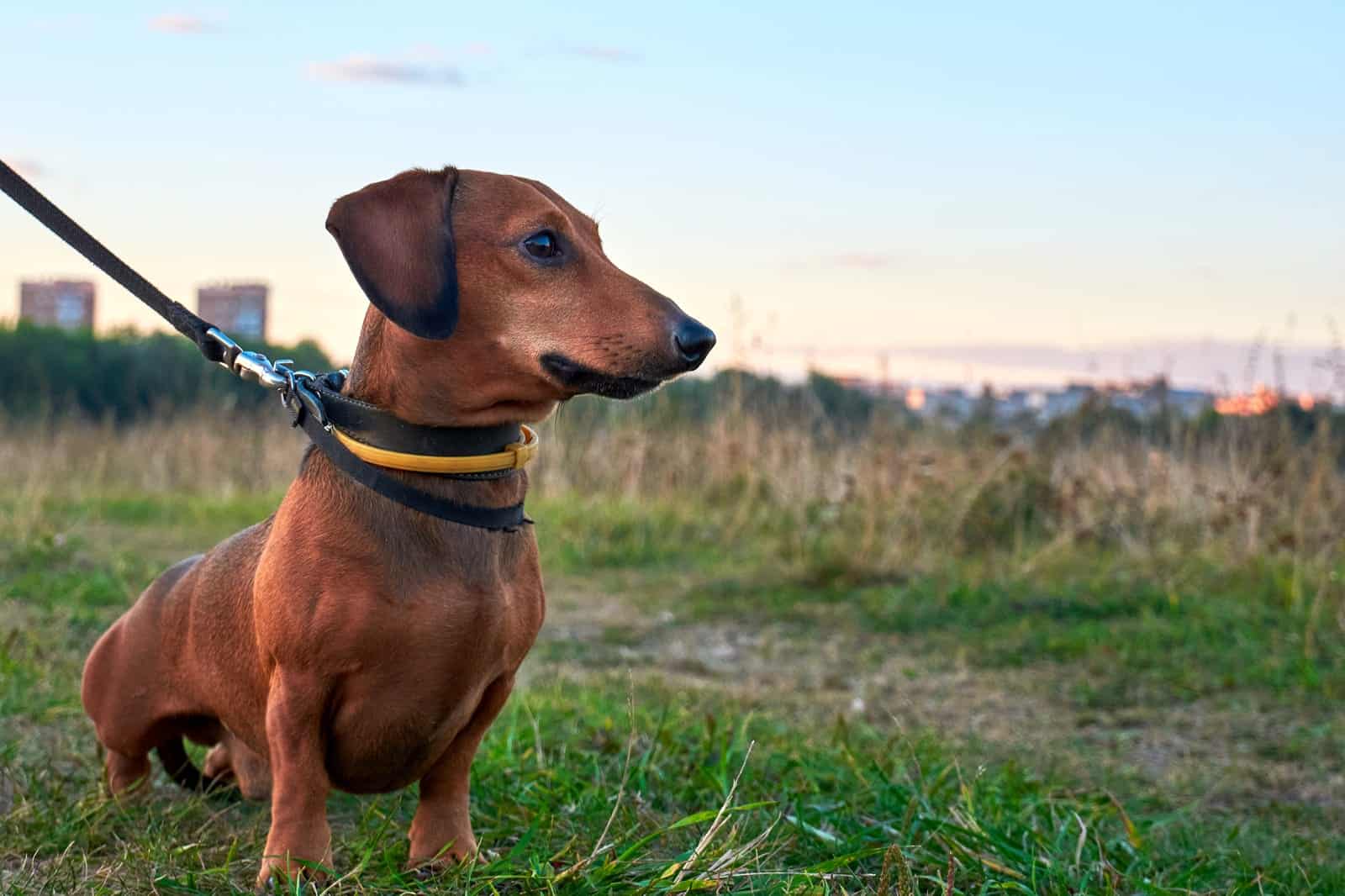
Miniature Dachshund On A Walk

Conclusion

In conclusion, the reason why Dachshunds are so long is due to their breeding history. They were initially bred to hunt badgers, and their long, narrow bodies allowed them to fit into the narrow burrows of these animals.

This unique body shape was achieved through selective breeding that favored dogs with shorter legs and longer bodies.

Despite their unusual appearance, Dachshunds are a beloved breed with a loyal following. They are known for their intelligence and affectionate nature.

However, it’s important to note that their long bodies can make them more susceptible to specific health issues, such as back problems.

If you’re considering adding a Dachshund to your family, it’s essential to research and ensure you’re prepared to provide them with the care and attention they need. This includes regular exercise, a healthy diet, and regular visits to the vet.

Dachshunds are a unique and fascinating breed with a rich history and loyal following. Their unusual body shape may be the subject of curiosity and amusement. Still, it’s important to remember that they are, first and foremost, beloved pets that deserve our love and care.

Copyright CaninePals.Com. All Rights Reserved.

References and Further Reading:
[1] American Kennel Club, Dachshund Information.

Are Pomeranians Good with Kids?

Are Pomeranians Good with Kids? A Comprehensive Guide

Are you looking to create a joyful family atmosphere with both kids and a furry friend? The right dog breed makes all the difference. Discover if the Pomeranian is the right choice for your household. Get all the answers you need to make an informed decision.

As a Pomeranian owner, I understand the importance of finding a furry friend that is a good fit for your family. One question often arises when considering Pomeranians as a family pet is whether they are good with kids.

The answer is not a simple no or a yes, as it depends on various factors, such as the children’s age and behavior, the dog’s training and socialization, and overall compatibility. According to the expert team at Pomeranian Headquarters:

“Pomeranians can be great with children, but parents of young children should consider purchasing an older puppy.”

Pomeranians are known for their energetic and playful nature, which can make them fun companions for older kids. Pomeranians require a lot of maintenance, including daily brushing to prevent shedding, learning tricks to keep them mentally stimulated, and regular exercise to keep them healthy and happy.

Investigating the pros and cons and making an informed decision is essential when considering a Pomeranian as a family pet. While they can be loving and protective companions, they also require the proper training and positive relationship.

Pomeranians can make great therapy or guard dogs, just as they did for Queen Victoria in the 19th century. Ultimately, the decision to bring a Pomeranian into your family should be made with careful consideration and a commitment to providing a healthy and happy home for your furry friend.

Are Pomeranians Good with Kids?

Are Pomeranians Good With Kids? Learn The Facts

  • Pomeranians are known for being lively and friendly companions.
  • When considering a Pomeranian as a family pet, it’s essential to consider if they are good with kids.
  • Pomeranian size is vital for kids – they are small and fragile but can still be excellent pets.
  • Toddlers may not understand the respect a pet Pomeranian demands, which can potentially harm them.
  • Children require supervision during interactions with Pomeranian puppies, and young children may scare them.
  • It is unwise to leave small children alone with a Pomeranian, as the difference in size can lead to injuries.
  • All children under ten must sit on the floor while playing with or holding a Pomeranian puppy.
  • Pomeranians and small children can have beautiful relationships, but Pomeranians can react defensively if threatened.
  • Teaching children how to behave around dogs, in general, can reduce the risk of aggressive behavior from Pomeranians.
Pomeranians and Children

Pomeranians and Children: Why Pomeranians are NOT Good with Young Children

As a dog enthusiast, I have often been asked whether Pomeranians are good with kids. After researching and speaking with the expert team at Pomeranian Headquarters, I can confidently say that Pomeranians can be great family dogs.

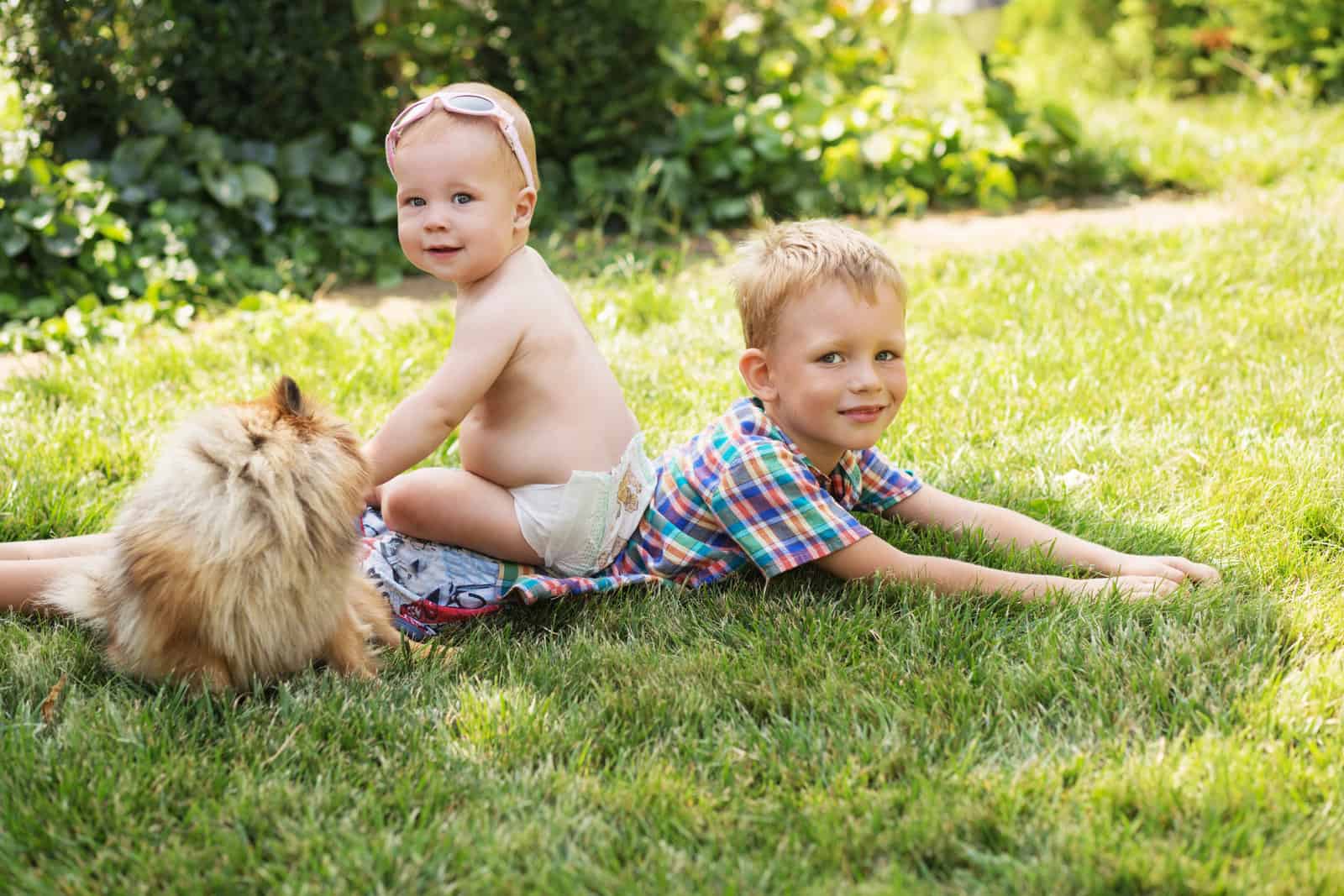
Still, there are some critical factors to consider. Firstly, it’s important to note that Pomeranians are a small breed, which means they can be easily injured by young children who may not understand how to interact with them appropriately.

The Pomeranian Headquarters team warns that:

Because Pomeranian dogs are fragile, it’s not recommended that you get a baby puppy as a pet if young children are part of your family. Instead, consider an older Pomeranian puppy over six months, and show breeders sometimes have older puppies available for good homes.

When Children are taught how to interact with Pomeranians appropriately, the Pomeranian breed is known for their friendly and affectionate personalities, and they can be great at helping children develop their social skills. They are also playful and energetic, making them great playmates for kids.

It’s important to note that Pomeranian dogs can have some drawbacks regarding their interactions with young children. Pomeranians are not as tolerant of rough play or pulling on their tails or fur as other breeds may be, and they can become aggressive if they feel threatened or uncomfortable.

Supervising children when playing with Pomeranian dogs and teaching them how to interact with them appropriately is essential. Pomeranians can be great family dogs, but it’s essential to consider their small size and potential for injury when interacting with young children.

If you have children under ten, consider purchasing an older puppy. When older children are taught how to interact with Pomeranian puppies appropriately, Pomeranians can make great companions and playmates.

Best Dog for Toddlers

Are you looking for the perfect four-legged friend for your little one? Look no further for the right dog breed!

Not only can dogs be great companions for adults, but under supervision, they can also make excellent playmates for toddlers. It’s crucial to supervise your dog around babies and toddlers.

Some dogs may have difficulty recognizing that your child is a tiny human, so it’s essential to be vigilant. Keep your loved ones safe by being present during interactions between your dog and children.

So, what are the best dog breeds for families with toddlers? Keep reading to find out:

Good Dog Breeds For Families

  • Labrador Retriever: Known for their friendly and gentle nature, Labrador Retrievers are excellent family dogs. They are patient, loyal, and great with children.
  • Golden Retriever: Similar to Labradors, Golden Retrievers are friendly, intelligent, and great with kids. They have a calm and patient temperament, making them suitable for families.
  • Beagle: Beagles are small to medium-sized dogs that are friendly, curious, and good with children. They have a lot of energy and require regular exercise and mental stimulation.
  • Cavalier King Charles Spaniel: These small and affectionate dogs are known for their gentle and friendly nature. Cavaliers are great with kids and adapt well to various living environments.
  • Boxer: Boxers are playful and energetic dogs that form strong bonds with their families. They are generally good with children and can be protective, making them excellent family companions.
  • Bernese Mountain Dog: Despite their large size, Bernese Mountain Dogs are gentle giants. They are friendly, patient, and great with children. They require regular exercise and grooming.
  • Boston Terrier: Boston Terriers are small, friendly, family pets. They are known for their affectionate and playful nature and get along well with children.
  • Shetland Sheepdog: Shelties are intelligent and trainable dogs that are good with kids. They are loyal and energetic and excel in various dog sports and activities.
  • Soft-Coated Wheaten Terrier: Wheatens are medium-sized dogs with a friendly and affectionate temperament. They are good with children and can adapt well to family life.
  • Whippet: Whippets are gentle and quiet dogs well-suited for families. They have a calm and laid-back nature and are generally good with children.

Individual dog temperament can vary, so spending time with a specific breed or dog is essential to ensure it fits your family’s lifestyle and preferences.

Are Pomeranians Good Family Dogs?

As a dog lover, I understand the importance of finding the right furry friend for your family. Pomeranians are among the most popular small dog breeds, but are they good family dogs? According to the expert team at Pomeranian Headquarters:

Pomeranians are excellent family dogs for families with older children.

However, they can be a great addition to any family with proper care. Pomeranians are social dogs and enjoy being around people.

They have a lot of energy and love to play, making them an excellent choice for families with children. They also have a knack for learning tricks and can be a fun companion for older kids. It’s important to note that Pomeranians may not be the right fit for every family.

Additionally, Pomeranians require much attention and may become destructive or bark if left alone for long periods. They require regular grooming and attention but can be a fun and loyal companion for families with older children.

Are Pomeranians Good with Other Pets?

As a Pomeranian owner and enthusiast, I have found that Pomeranians are generally good with other pets, including cats and dogs. However, as with any pet, it is essential to introduce them properly and set boundaries to ensure everyone gets along and respects each other’s space.

According to the expert team at Pomeranian Headquarters:

“Pomeranians are generally fine with other pets and are known for their amiability.”

Male Pomeranians can often run and play together with little or no bickering. However, some Poms can be bossy and may attempt to chase strange dogs, regardless of size. Supervising your Pomeranian around other pets is essential until you are confident they will get along.

Is a Pomeranian a Good Dog?

As a dog lover and owner, Pomeranians are a great dog breed. They are energetic, loyal, and protective of their owners.

But are they good family dogs? One of the benefits of owning a Pomeranian is their empathetic nature.

They are great at sensing their owner’s emotions and are always there to offer comfort and support. However, they do require a lot of maintenance due to their furry coats. A Pomeranian may not be the best choice if you or a family member has allergies, and the breed is known to shed and can cause allergies to flare up.

However, a Pomeranian can make a great furry friend if allergies are not a concern. Pomeranians are generally healthy dogs that are great pets for families with older children or adults.

Regular brushing is necessary to keep their coats healthy and shiny. They are loyal, protective, and empathetic, making them excellent therapy dogs.

However, they may not be the best choice for families with small children or those people with allergies. Overall, Pomeranians are a great breed of dog that can make an excellent addition to many family situations.

Are Pomeranians Good With Kids?

Conclusion

From my experience breeding Pomeranians over many decades and after researching and analyzing the information available, I can confidently say that Pomeranians can make great family pets and are generally good with older kids.

However, it is essential to note that every dog is unique, and certain factors can affect how well a Pomeranian will get along with children.

According to the expert team at Pomeranian Headquarters: 

Supervising interactions between children and Pomeranians is crucial, especially for younger children who may not know how to handle a small dog properly. It is also vital to teach children how to approach and interact with dogs gently and respectfully.”

Additionally, it is recommended to socialize Pomeranians with kids from a young age to help them become comfortable and familiar with children. This can include exposing them to different age groups and behaviors of children in a controlled and safe environment.

Overall, while Pomeranians can be great with older kids, it is crucial to approach the relationship with caution and care. By following proper training and socialization techniques, Pomeranians can make wonderful family pets that bring joy and companionship to children and adults.

Copyright CaninePals.Com. All Rights Reserved.

References and Further Reading:
  1. Official Standard of the Pomeranian (AKC). American Kennel Club, 2011.
  2. Official English Kennel Club Pomeranian Breed Standard, 2017.
  3.  Kimbering Pomeranians “1891-1991”.
  4.  Denise Leo, The Pomeranian Handbook.
  5.  L.Ives, Show Pomeranians.
  6.  L.Ziegler Spirer & H.F. Spirer, This is the Pomeranian.
  7. FEDERATION CYNOLOGIQUE INTERNATIONALE (FCI) German Spitz, including Keeshond and Pomeranian Breed Standards. PDF file.

The Pomeranian Handbook by Denise Leo

Do Pomeranians Bark a Lot?

Digging Deeper: Do Pomeranians Bark a Lot?

Pomeranians are a small and fluffy dog breed that has become very popular. With their adorable appearance and friendly demeanor, it’s no wonder many people are drawn to them.

However, many potential owners wonder if Pomeranians bark a lot.

We consulted with experts who shared their advice on whether Pomeranians tend to bark excessively. Find out their insights on this common question!

Expert Advice: Do Pomeranians Bark Excessively?

According to breed expert and author of “The Pomeranian Handbook,” Denise Leo of Dochlaggie Pomeranians, Pomeranians are known to be vocal dogs. She explains:

“Pomeranians are a breed that likes to communicate with other dogs and their owners through barking. Some owners may see this as a negative trait; others appreciate that their Pomeranian is always willing to let them know their feelings.

Pomeranian Headquarters also notes that excessive barking can be a problem in this breed, especially if they are not adequately trained. However, the Pom Headquarters team also mentions that:

“Pomeranians can learn when it is appropriate to bark and when it’s not with the proper training and socialization. It’s important to note that dogs are different, and some Pomeranians may bark more than others.”
Do Pomeranians Bark a Lot?

Pomeranian Temperament and Barking

Pomeranian Personality

Pomeranians are known for their lively and outgoing personalities. According to Pomeranian expert Denise Leo of Dochlaggie Pomeranians, they are “intelligent, curious, and affectionate.” They are also fiercely loyal to their owners and strongly desire to please them. However, their small size and delicate nature make them easily frightened or overwhelmed.

Pomeranian Barking

One of the most common behavior challenges with Pomeranians is excessive barking. Pomeranian Headquarters states,

“Pomeranians are known to be vocal dogs, and they bark for various reasons. They may bark to demand attention, express excitement, or alert their owners to potential danger. Excessive barking can be a nuisance and indicate underlying anxiety or behavioral issues.”

To address Pomeranian barking, it is essential to understand the root cause. Denise Leo notes that:

“barking is a natural form of communication for dogs, but it can become problematic if it is excessive or inappropriate.

Some possible reasons for excessive barking in Pomeranians include:

  • Separation anxiety: Pomeranians may bark excessively when left alone or separated from their owners.
  • Attention-seeking behavior: Pomeranians may bark to demand attention or treats from their owners.
  • Fear or anxiety: Pomeranians may bark when they feel threatened or scared.
  • Lack of exercise or stimulation: Pomeranians may bark out of boredom or frustration.

It is vital to provide proper training and socialization to address Pomeranian barking. This may include teaching the “quiet” command, giving plenty of exercise and mental stimulation, and addressing underlying anxiety or behavioral issues. As Pomeranian Headquarters notes,

“With the right training and socialization, your Pom can learn when it’s appropriate to bark and when it isn’t.”

Why Do Pomeranians Bark?

Pomeranians are known for their excessive barking, which can be a nuisance to their owners and those around them. However, it is essential to understand why Pomeranians bark and how to address the issue.

Communication

One of the main reasons why Pomeranians bark is to communicate with their owners and other animals. According to Denise Leo of Dochlaggie Pomeranians,

“Pomeranians are a vocal breed and use barking to express their feelings. They may bark to get attention, express excitement, or warn of danger.”

Protection

Pomeranians were initially bred as sled dogs and used as watchdogs, so barking is natural when they perceive a threat. They may bark at strangers, other animals, sudden noises, or even unfamiliar objects. Pomeranian Headquarters notes:

 “Pomeranians have a solid protective instinct and will bark to alert their owners of perceived danger.”

Excitement

Pomeranians are energetic and playful dogs, and they may bark out of excitement during playtime or when greeting their owners. They may also bark when they hear familiar sounds, such as the doorbell or a car pulling into the driveway.

Boredom

Pomeranians are intelligent dogs that require mental stimulation. They may bark out of frustration when bored or not getting enough exercise. Pomeranian Headquarters advises that

 “if a Pomeranian is not getting enough attention or exercise, he may bark excessively to release pent-up energy.”

Separation Anxiety

Pomeranians are known for their attachment to their owners and may bark when left alone. This is a sign of separation anxiety, which can be addressed with training and socialization. Denise Leo recommends that:

“Pomeranians should be trained to be comfortable with alone time from a young age to prevent separation anxiety.”

Pomeranians bark for various reasons, including communication, protection, excitement, boredom, and separation anxiety. Owners must understand why their Pomeranian is barking and address the underlying issue. Pomeranians can learn to bark appropriately and be great companions with proper socialization and training.

Do Pomeranians Bark a Lot?

Training Your Pomeranian Not to Bark

Pomeranians are known to be vocal dogs, and excessive barking can be a problem for the dog and its owner. Fortunately, proper training can teach your Pomeranian not to bark excessively.

Socialization

Socialization is an essential aspect of training your Pomeranian not to bark. According to Denise Leo of Dochlaggie Pomeranians, 

“Socialization is key to having a well-behaved Pomeranian. By exposing your Pomeranian to different people, animals, and environments, you can help them become more comfortable and less likely to bark excessively.”

Positive Reinforcement

Positive reinforcement involves rewarding your Pomeranian for good behavior. When your Pomeranian is quiet, reward them with treats, praise, or playtime; this will help them learn that quiet is good.

Exercise

Exercise is essential for a healthy and happy Pomeranian. A tired and sleepy dog is less likely to bark excessively. Pomeranian Headquarters recommends,

Providing your Pomeranian with daily exercise will help him burn off energy and reduce his need to bark.

Attention

Pomeranians are social dogs and require attention from their owners. If your Pomeranian is barking excessively, it may be a sign that they are not receiving enough attention. Spend time playing with your Pomeranian, taking them for walks, and engaging in other activities they enjoy.

Solutions

If your Pomeranian continues to bark excessively despite your efforts to train them, there are several solutions you can try. One solution is to use a bark collar, which emits a harmless spray or sound when your Pomeranian barks.

Another solution is to consult a professional dog trainer who can provide additional guidance and support. Training your Pomeranian puppy not to bark excessively requires patience, consistency, and a willingness to try different methods.

By socializing your dog, using positive reinforcement, providing exercise and attention, and exploring solutions such as bark collars or professional training, you can help your Pomeranian puppy become a well-behaved and happy companion.

Pomeranians and Other Dogs

Pomeranians are known for their friendly and outgoing personalities, but how do they interact with other dogs? Things to remember when introducing your Pomeranian to other dogs.

Greeting Other Dogs

When meeting new dogs, Pomeranians may initially be hesitant or bark to show excitement. Supervising their interactions is essential to avoid becoming too aggressive or territorial. According to breed expert Denise Leo of Dochlaggie Pomeranians, 

“Pomeranians are generally friendly with other dogs but can be territorial and aggressive if they feel threatened. It is important to introduce them to new dogs slowly and in a controlled environment.”

Playing with Other Dogs

Pomeranians have a playful nature and enjoy interacting with other dogs. However, they may play rough or become possessive of toys or treats. Pomeranian Headquarters advises, 

“Supervision is key when Pomeranians are playing with other dogs. It is important to teach them to share toys and treats and to intervene if they become too rough or aggressive.”

It is also essential to remember that Pomeranians are a small breed and may be easily injured by larger dogs. Always supervise their interactions and ensure they play with dogs of a similar size and temperament.

Pomeranians can get along well with other dogs with proper socialization and training. Monitoring their interactions and intervening to ensure they remain safe and happy is vital.

Pomeranians and Cats

Pomeranians are known for their friendly and outgoing nature and can get along quite well with cats. However, it is vital to introduce them properly and give them time to adjust to each other. According to breed expert and author Denise Leo of Dochlaggie Pomeranians,

“Pomeranians can get along with cats if raised with them from a young age.”

This means that if a Pomeranian and a cat are introduced to each other when they are both young, they are more likely to form a bond and play together. However, if a Pomeranian and a cat are introduced to each other when they are older, they may also not get along.” Pomeranian Headquarters advises that,

“Supervising interactions between a Pomeranian and a cat is important until you are confident that they can play together safely.”

It is essential to note that not all Pomeranians will get along with cats. According to Pomeranian Headquarters,

“some Pomeranians have a high prey drive and may see cats as something to chase. In these cases, it is best to keep the Pomeranian and the cat separated.”

Pomeranians and cats usually get along well if introduced correctly and given time to adjust. Supervising their interactions is crucial, especially if they are not raised together from a young age.

Do Pomeranians Bark a Lot?

Pomeranians and Guests

Pomeranians are known for their friendly and outgoing nature but can also be very protective of their owners. When guests come to visit, Pomeranians may bark to alert their owners of the presence of strangers. However, not all barks are the same, and it’s essential to understand what your Pomeranian is trying to communicate.

Warning Barks

According to Pomeranian expert Denise Leo of Dochlaggie Pomeranians, 

“Pomeranians may bark to warn their owners when someone comes to the door. These warning barks may sound sharp and urgent, and they may be accompanied by growling or other signs of aggression.”

Taking their concerns seriously is essential if your Pomeranian is barking as a warning. Pomeranians are small dogs, and they may feel threatened by larger guests. Try to reassure your Pomeranian that everything is okay, but also be mindful of their concerns.

Excited Barks

Pomeranians are also known for their high energy levels, and they may bark out of excitement when guests visit. These barks may sound more playful and less urgent than warning barks, and jumping or other signs of excitement may accompany them. According to Pomeranian Headquarters, 

“Pomeranians may bark excitedly because they love attention and want to play with their guests. If your Pomeranian is barking out of excitement, giving them plenty of attention and playtime is important to help them burn off their energy.”

Loud Barks

Finally, some Pomeranians may bark more loudly than others. According to Pomeranian expert Denise Leo, 

“Pomeranians are known for their loud and piercing bark, which can be heard from a distance.”

If your Pomeranian is barking loudly, it’s essential to discover what your dog is trying to communicate. They may be trying to warn you of a potential threat, or they may be excited to see their guests.  Try to read your Pomeranian’s body language and respond accordingly.

Pomeranians may bark when guests visit, but not all barks are alike. By understanding the different barks and their meaning, you can better communicate with your Pomeranian and ensure they feel safe and comfortable around guests.

Pomeranians as Watchdogs

Pomeranians are known for their small size and cute appearance but are also excellent watchdogs. They are alert and protective of their owners, making them wonderful guard dogs. According to Denise Leo of Dochlaggie Pomeranians,

“Pomeranians are very protective of their families and make excellent watchdogs. They are vigilant little dogs and bark at anything that seems not right. This trait makes them an excellent alarm system for their owners.”

Despite their small size, Pomeranians have a loud and piercing bark that can be heard from a distance, making them an effective deterrent for potential intruders. Pomeranian Headquarters adds that

“Pomeranians are known to be fearless and will not hesitate to protect their owners, even if it means putting themselves in harm’s way.”

As watchdogs, Pomeranians are loyal and loving companions and provide a sense of security to their owners. Pomeranians are excellent watchdogs due to their protective nature, alertness, and loud bark. They make wonderful guard dogs and alarm systems for their owners.

Do Pomeranians Bark a Lot?

Pomeranian Health Problems and Barking

Pomeranians are generally healthy dogs, but like all breeds, they are prone to specific health problems. These health problems can affect their behavior, including their barking habits.  Denise Leo, a Pomeranian breeder and author, explains that,

 “Pomeranians are prone to dental issues, leading to pain and discomfort. This can cause a Pomeranian to bark excessively.”

Sick Pomeranians

When a Pomeranian is sick, it may bark more than usual, and this is because they are trying to communicate its discomfort or pain.  According to Pomeranian Headquarters,

 “If your Pomeranian is barking excessively and you notice any other symptoms such as lack of appetite, it’s essential to take them for a vet check to rule out any underlying health issues.”

Body Language

Pomeranians use their body language to communicate, and Pom barking is often a part of that communication. If a Pomeranian is barking and its tail is up, it may be excited or happy.  However, if their tail is down and they are barking, they may be anxious or scared. Understanding your Pomeranian’s body language can help you address any barking habits they may have.

Double Coat

Pomeranians have a very thick double coat that requires regular grooming. If their fur is not maintained correctly, it can lead to skin irritation and discomfort. This can cause a Pomeranian to bark excessively.  According to Denise Leo, 

“Pomeranians with matted or tangled hair may bark excessively due to discomfort.”

Pomeranian health problems can affect their barking habits. It’s essential to understand your Pomeranian’s body language and take them to the vet if you notice any changes in their behavior. Regular grooming can also help prevent skin irritation and discomfort that can cause excessive barking.

Do Pomeranians Bark a Lot?

Conclusion

In conclusion, Pomeranians are known to bark a lot, a common trait of most small dog breeds. According to breed expert and author Denise Leo of Dochlaggie Pomeranians,

“Pomeranians are very vocal and can bark excessively if not trained and socialized correctly. However, this does not mean they cannot make great pets with correct training and socialization.”

Pomeranians are used as therapy dogs, and their high-pitched barks and yapping can help alert their owners to potential danger or visitors. Pomeranians come in various colors, including white and black, and they are known for their small stature, playful nature, and affectionate personalities.

As lap dogs, Pomeranians are sensitive and thrive on attention from their owners. They are known for growling, licking, and using scent to communicate. However, they can also become scared or frustrated, leading to excessive barking. Training and socializing them early is essential to prevent this behavior. The American Kennel Club describes Pomeranians as

“lively, bold, and inquisitive,”

They make excellent companions for those who put in the time and effort to train and care for them properly. According to Pomeranian Headquarters,

“Pomeranians are a happy and friendly breed that loves to be around people and other pets.”

In summary, while Poms bark a lot, it is a common breed trait and can be managed with proper training and socialization. They are playful, affectionate and make excellent lap dogs. Denise Leo says,

With the right training, socialization, and love, Pomeranians can be wonderful pets for owners looking for a loyal and loving companion.

Copyright CaninePals.Com. All Rights Reserved. References and Further Reading:
  1. Official Standard of the Pomeranian (AKC). American Kennel Club, 2011.
  2. Official English Kennel Club Pomeranian Breed Standard, 2017.
  3.  Kimbering Pomeranians “1891-1991”.
  4.  Denise Leo, The Pomeranian Handbook.
  5.  L.Ives, Show Pomeranians.
  6.  L.Ziegler Spirer & H.F. Spirer, This is the Pomeranian.
  7. FEDERATION CYNOLOGIQUE INTERNATIONALE (FCI) German Spitz, including Keeshond and Pomeranian Breed Standards. PDF file.

The Pomeranian Handbook by Denise Leo

Do Rottweilers Drool?

Do Rottweilers Drool? The Truth About This Question

Excessive drooling in Rottweilers can be a sign of a health issue or injury, so keeping an eye on your dog’s drooling habits is essential. While some drooling is normal, if you notice a sudden increase or your dog is drooling excessively, the best action is to consult a veterinarian to rule out any underlying health issues.

Training and proper breeding can also affect a Rottweiler’s drooling habits. Responsible breeders will take steps to breed healthier dogs and minimize excessive drooling. Training can also help reduce drooling in Rottweilers, as they can learn to control their habits in certain situations.

Do Rottweilers Drool?

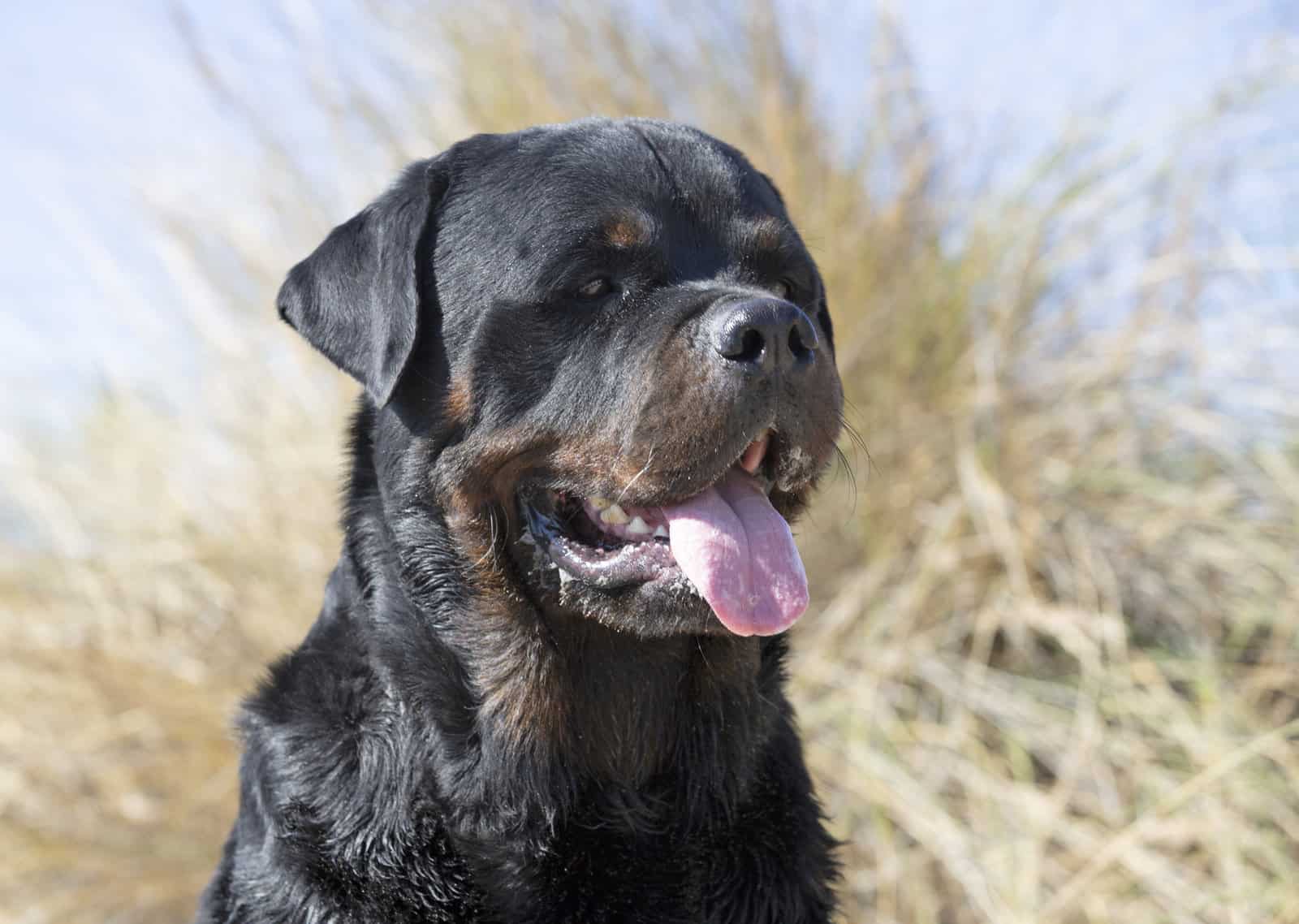
Rottweilers are known for their large, jowly jaws, and some people wonder if this breed drools excessively. The answer is yes, Rottweilers do drool, but not all Rottweilers drool the same amount. In this section, we will explore the causes of drooling, health issues associated with excessive drooling, and training methods to control drooling.

As a Rottweiler owner, you might be familiar with their characteristic drooling. It’s a natural and expected response to various triggers such as heat, excitement, fear, or anxiety.

While it may be unsightly and uncomfortable, especially if you’re on the receiving end of a slobbery kiss, rest assured that there is a logical explanation for this behavior. Drooling is a common feature of this dog breed.

Do Rottweilers Drool?

Summary: Do Rottweilers Drool?

  • Rottweilers do drool, but not all Rottweilers drool the same amount.
  • Excessive drooling can be a sign of a health issue or injury, so it’s essential to monitor your dog’s drooling habits and consult a veterinarian if you notice a sudden increase or excessive drooling.
  • Training and proper breeding can also affect a Rottweiler’s drooling habits, and responsible breeders will take steps to breed healthier dogs and minimize excessive drooling.
    Causes of Rottweiler drooling include the unique shape of their head and jaw, hunger, excitement, anxiety, and health issues such as dental problems, mouth injuries, nausea, and poisoning.
  • Training methods to control Rottweiler drooling include teaching the “leave it” command, using a drool bib, and regular dental care.
  •  Rottweilers are generally healthy, but prone to specific health issues like dental problems, gum diseases, and respiratory diseases that can cause excessive drooling.
  • Dental problems include periodontal disease which can lead to tooth loss, dental chews and regular check-ups with a veterinarian can prevent and treat dental issues.
  • Gum diseases include gingivitis, which can cause tooth loss and bone damage, regular dental care and check-ups with a veterinarian can prevent and treat gum diseases.
  • Respiratory diseases can cause excessive drooling, keeping their environment clean and free from irritants can prevent respiratory problems, and regular veterinary check-ups can help identify and treat respiratory issues early on.

Causes of Rottweiler Drooling

Dog drool for many reasons, but Rottweilers have a unique head and jaw shape that can contribute to drooling, and their jowly jaws and lips can make drooling more prominent and messy. Additionally, Rottweilers with bigger heads, shorter muzzles, and more jowls tend to drool more.

Drooling can also be a sign of hunger, excitement, or anxiety. Rottweilers may drool when they see food, toys, or their owners. Some dogs may also drool excessively when they are nervous or stressed.

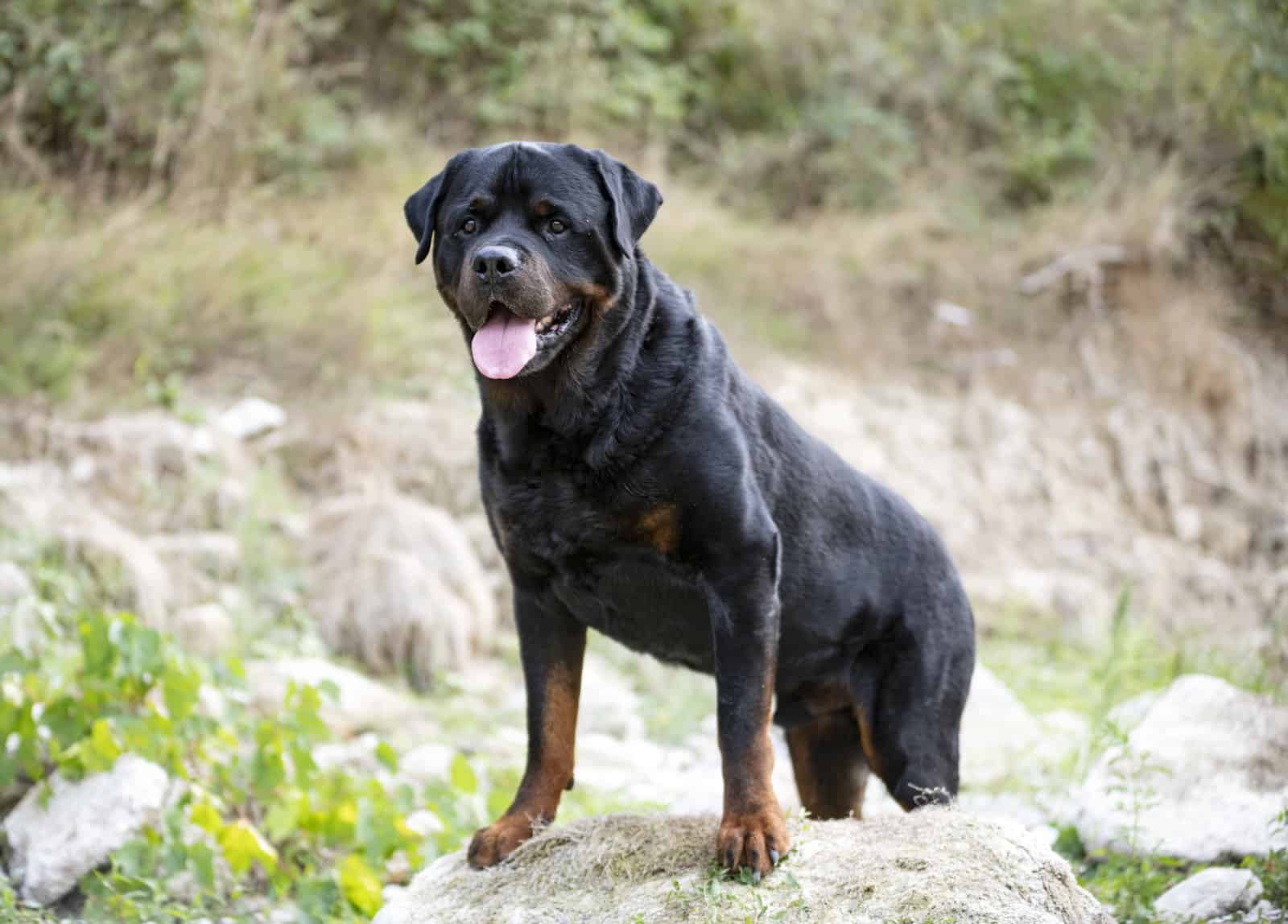
Rottweiler
Rottweiler

Health Issues Associated with Excessive Rottweiler Drooling

While drooling is normal for Rottweilers, excessive drooling can be a sign of health issues. Some health issues that can cause excessive drooling include:

  • Dental problems: Rottweilers may drool excessively if they have dental issues such as gum disease, tooth decay, or abscesses.
  • Mouth injuries: Injuries to the mouth, tongue, or teeth can cause excessive drooling.
  • Nausea and digestive issues: Rottweilers with digestive problems or nausea may drool excessively.
  • Poisoning: Ingesting toxic substances can cause excessive drooling in dogs.

If a Rottweiler is drooling excessively and there is no apparent cause, taking them for a veterinarian check-up is vital.

Training to Control Rottie Drooling

While eliminating drooling in Rottweilers may not be possible, some training methods can help control it. These include:

  • Teaching the “leave it” command can redirect a Rottweiler’s attention away from things that may cause them to drool excessively.
  • Using a drool bib: A drool bib can catch excess drool and prevent it from getting on furniture or clothing.
  • Regular dental care: Regular dental care can help prevent dental issues that may cause excessive drooling.

Rottweiler owners need to know that these dogs do drool, but not all Rottweilers drool excessively. While drooling is normal behavior, excessive drooling can be a sign of health issues and should be addressed by a veterinarian. There are also training methods that can help control drooling in Rottweilers.

Health Issues in Rottweilers

Rottweilers are generally healthy dogs, but like all breeds, they are prone to specific health issues. In addition to drooling, Rottweilers may also suffer from dental problems, gum diseases, and respiratory diseases.

Dental Problems

Dental problems are a common health issue in Rottweilers. These dogs are prone to developing periodontal disease, a bacterial infection affecting the gums and the bones supporting the teeth. 

Periodontal disease can lead to severe tooth loss and other health problems if left untreated. Providing dental chews and toys to help clean their teeth is essential to prevent dental issues in Rottweilers. Check-ups with your veterinarian can also identify and treat dental problems early on.

Gum Disease

Gum diseases are another common health issue in Rottweilers. These dogs are prone to developing gingivitis, a form of gum disease that causes bleeding and inflammation of the gums. 

If left untreated, gingivitis usually progresses to severe periodontitis, leading to tooth loss and other health problems.

Providing them with a healthy diet and dental care is essential to prevent gum diseases in Rottweilers. This includes brushing their teeth regularly and providing them with dental chews and toys to help clean them. Check-ups with a veterinarian can also identify and treat gum diseases early on.

Respiratory Diseases

Respiratory diseases are another health issue that can affect Rottweilers. These dogs are prone to developing sinus infections, throat infections, and other respiratory problems that can cause them to drool excessively. 

In some cases, Rottweilers may also develop esophagus problems, such as esophagitis or esophageal ulcers, which can cause them to drool and have difficulty swallowing.

To prevent respiratory diseases in Rottweilers, keeping their environment clean and free from irritants that can cause respiratory problems is essential. Again, regular veterinary check-ups can also help identify and treat respiratory issues early on.

Rottweilers are generally healthy dogs, but like all dog breeds, they are prone to specific health issues. Dental problems, gum diseases, and respiratory diseases are common health issues in Rottweilers that can cause them to drool excessively. Regular veterinary dental care and checkups can help prevent and treat these health issues in Rottweilers.

Common Health Issues in Large Dogs

Large dogs like Rottweilers are prone to specific health issues that can cause discomfort and even become life-threatening if left untreated. 

Some of the common health issues that large dog breeds, including Rottweilers, may experience:

Bloat

Bloat is also known as gastric dilatation-volvulus (GDV). It is a severe condition that can occur in large dogs. It happens when the stomach fills with gas and twists, cutting off the blood supply to the stomach and other organs. This can cause the dog’s blood pressure to drop and, if not treated immediately, can result in death.

Symptoms of bloat include restlessness, pacing, drooling, and an enlarged abdomen. If you suspect your Rottweiler is experiencing bloat, seek veterinary care immediately.

Infections

Large dogs, like Rottweilers, are also prone to infections, including skin infections, ear infections, and respiratory infections. Bacteria, viruses, or fungi can cause infections and can cause discomfort, and pain for your Rottweiler.

To prevent infections, ensure your Rottweiler is up-to-date on vaccinations and clean their living area. If you suspect your Rottweiler has an infection, seek veterinary care immediately.

Injury

Large dogs, like Rottweilers, are also prone to injury, including sprains, strains, and fractures. Injuries can be caused by accidents or overexertion and can cause pain and discomfort for your Rottweiler.

To prevent injuries, ensure your Rottweiler gets enough exercise and avoid activities that could cause harm. If your Rottweiler does experience an injury, seek veterinary care immediately.

Discomfort

Large dogs like Rottweilers are also prone to discomfort, including joint pain, arthritis, and hip dysplasia. Discomfort can be caused by genetics or overuse and can cause pain and discomfort for your Rottweiler.

Ensure your Rottweiler gets enough exercise and maintains a healthy weight to prevent discomfort. If your Rottweiler does experience discomfort, seek veterinary care immediately.

Large dogs, including Rottweilers, are prone to specific health issues that can cause discomfort and even become life-threatening if left untreated. Taking preventative measures and seeking veterinary care immediately is essential if you suspect your Rottweiler is experiencing these common health problems.

Male Rottweiler
Male Rottweiler

Training and Socialization for Rottweilers

Rottweilers are a breed of dog that requires proper training and socialization to prevent aggressive and dominant behavior. The following subsections discuss some critical aspects of training and socialization for Rottweilers.

Aggressive Behavior

Rottweilers can display aggressive behavior if they are not adequately trained and socialized. This can be a severe problem, especially if the dog is not adequately controlled.

Rottweilers are generally confident and independent dogs, sometimes leading to aggressive behavior towards other dogs or people. It is essential to address any aggressive behavior early on to prevent it from becoming a severe issue.

Guarding and Dominance

Rottweilers are known for their guarding instincts, which can sometimes lead to dominant behavior. Establishing yourself as the pack leader early on is essential to prevent dominance issues. 

Rottweilers can be trained to be excellent guard dogs, but it is crucial to ensure they are correctly socialized and trained to prevent aggressive behavior toward strangers.

Socialization and Training

Socialization is an essential aspect of training for Rottweilers. Exposing the dog to various people, animals, and situations is important to prevent any aggressive or fearful behavior. Rottweilers should be socialized from a young age to ensure they are comfortable around other dogs and people.

Training should be positive and consistent, using reward-based methods to reinforce good behavior. Rottweilers are intelligent dogs and respond well to training, but it is essential to be patient and consistent to achieve the desired results.

Training and socialization are vital for Rottweilers to prevent aggressive and dominant behavior. Owners should establish themselves as pack leaders and use positive reinforcement to train their dogs. Socialization from a young age is also vital to ensure the dog is comfortable around other dogs and people.

Traveling with Rottweilers

Traveling with Rottweilers can be an exciting and fun experience for you and your furry friend. Make sure you’re ready for anything by being fully prepared for any potential issues during travel. Here are some tips for traveling with Rottweilers.

Car Sickness

Some Rottweilers may experience car sickness during travel. Symptoms of car sickness in dogs include drooling, vomiting, and restlessness. To prevent car sickness, it is recommended to feed your Rottweiler a light meal a few hours before travel and to avoid feeding them while in the car. Additionally, providing your Rottweiler puppy with plenty of fresh air and taking frequent breaks for exercise and bathroom breaks is vital.

Medications

Medication may be necessary to prevent car sickness in Rottweilers, and it is crucial to seek advice from your veterinarian before giving your Rottweiler any medication. Common medicines used to avoid car sickness in dogs include Dramamine and Cerenia, and these medications should only be given under the guidance of a veterinarian.

Treatments

In addition to medications, other treatments can help prevent car sickness in Rottweilers. Some natural remedies include ginger, chamomile, and lavender, which can be given as treats or oils. It is essential to consult with your veterinarian before giving your Rottweiler any natural remedies.

Overall, traveling with Rottweilers can be an enjoyable experience. By being prepared and taking the necessary precautions, you can ensure a safe and comfortable trip for you and your furry friend.

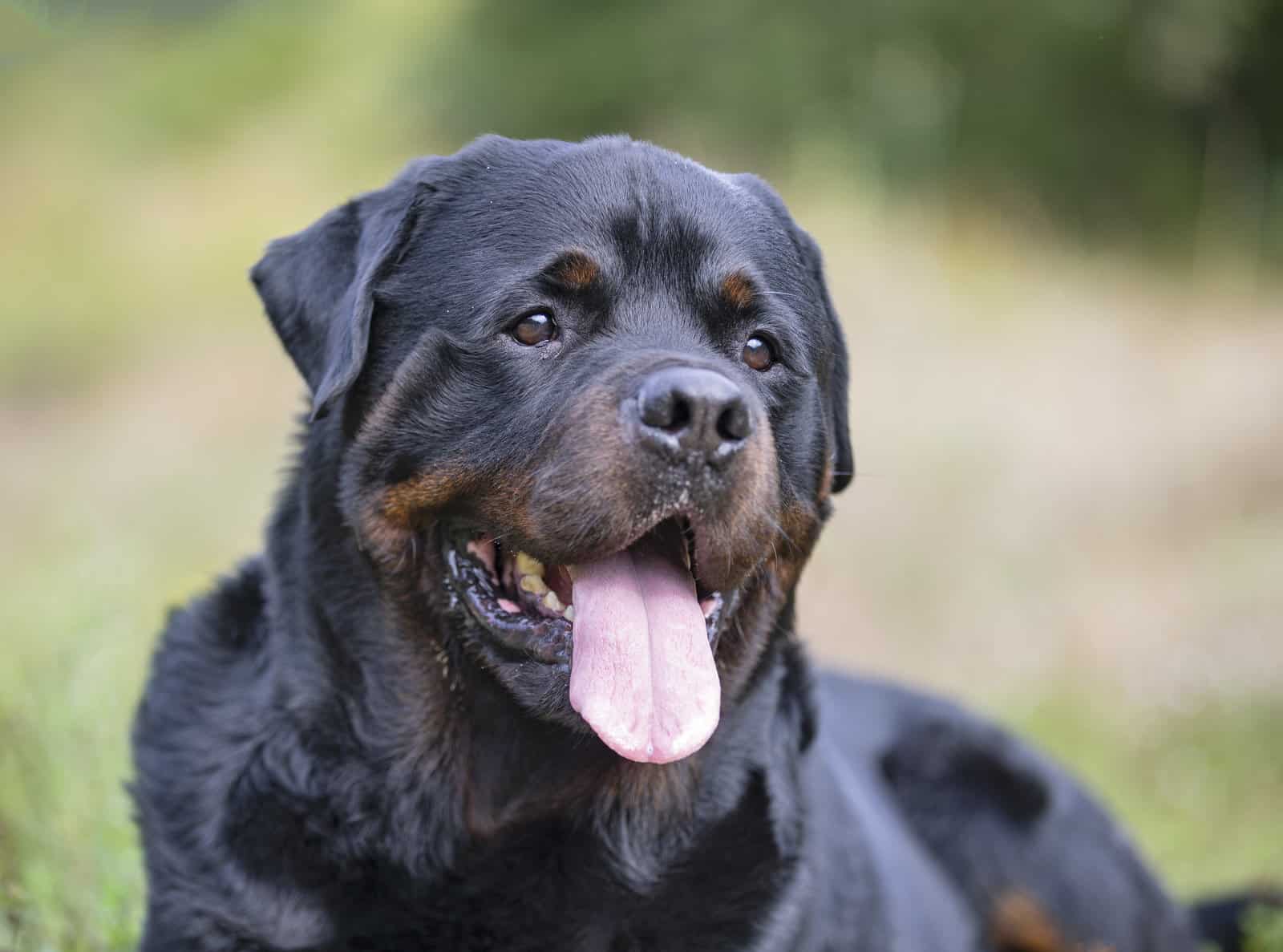
Rottweiler
Rottweiler

Do Rottweilers Drool: Conclusion

In conclusion, it is clear that Rottweilers do drool, but the amount and frequency vary from dog to dog. Factors such as breed, gender, and health can affect how much a Rottweiler does drooling. While some Rottweilers may drool more than others, drooling can indicate an underlying health issue.

It is important for Rottweiler owners to keep an eye on their dog’s drooling habits and seek veterinary attention if they notice any sudden changes. Loose lips, throat infections, hypersalivation, and heatstroke are some health problems that can cause excessive drooling in Rottweilers.

Additionally, Rottweiler breeders should be aware of the potential for drooling in their dogs and inform potential owners of this trait. It is vital for owners to understand that Rottweilers are not the only dog breed that drools. Other dog breeds such as Saint Bernards, Newfoundlands, and any other large dog breed with a big head and skin folds also drool.

Owners can do a few things to manage drooling in Rottweilers. Keeping the dog cool and hydrated can help reduce drooling due to heatstroke while addressing gastrointestinal upset and hunger can also help. Regular dental check-ups and cleaning can also help reduce drooling caused by oral health issues.

While drooling may be a common trait in Rotties,  Rottweiler owners must understand the potential causes and seek veterinary attention if necessary. With proper care and attention, Rottweilers can live happy, healthy lives without excessive drooling.
Copyright CaninePals.Com. All Rights Reserved.

References and Further Reading:
[1] American Kennel Club, Rottweiler Information.

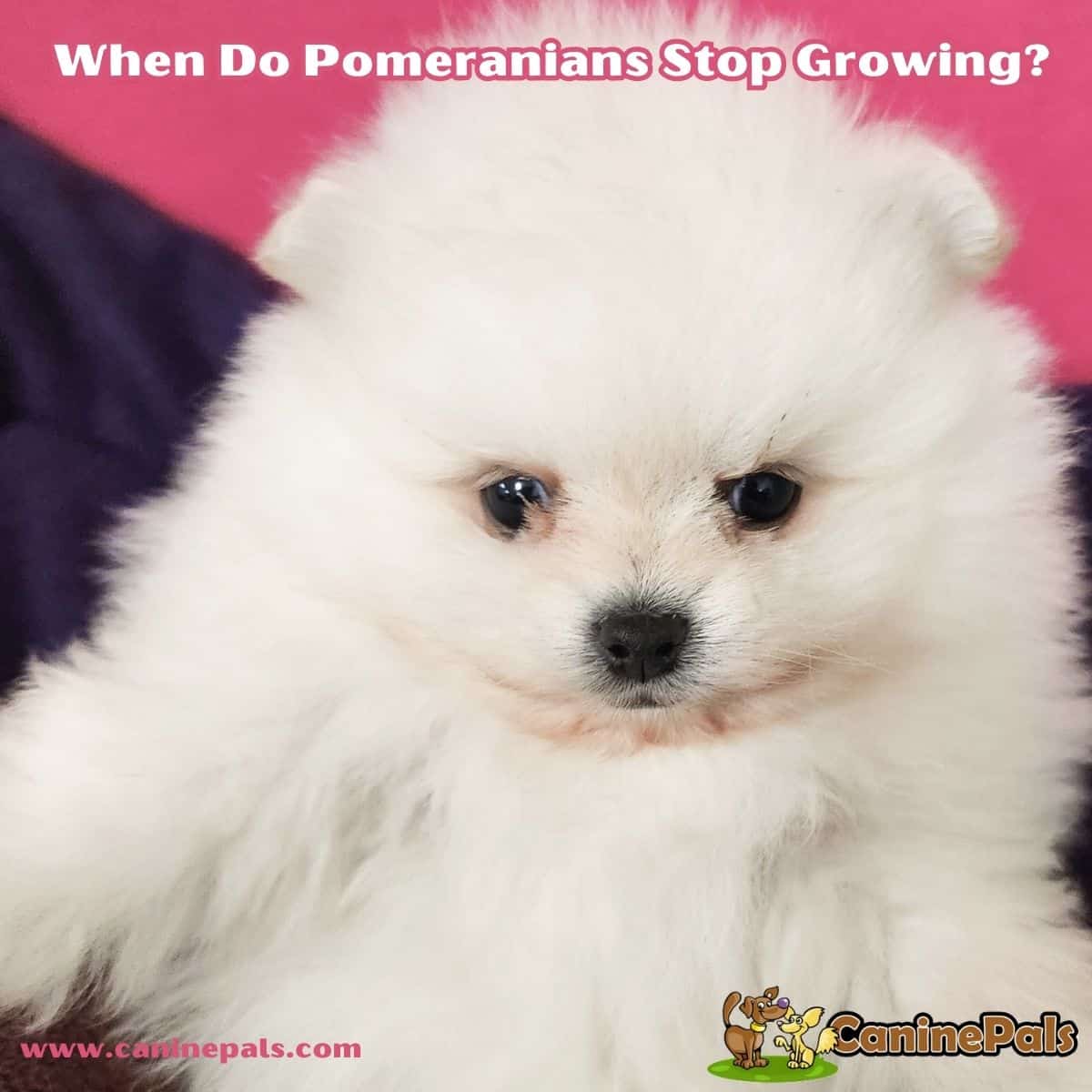
When Do Pomeranians Stop Growing?

When Do Pomeranians Stop Growing? A Guide to Understanding a Pom’s Growth Cycle

Pomeranians are a popular breed of toy dogs known for their lively personality, small size, and big fluffy coats. As with all dogs, Pomeranians go through a growth phase before reaching their full size. But when do Pomeranians stop growing? Curious about when Pomeranians reach their full size?

Learn all about the growth stages of Pomeranians and find out when these adorable dogs stop growing. Get valuable insights and expert tips to understand your Pomeranian’s development and ensure optimal care.

According to various sources, Pomeranians usually stop growing after 12 months. However, some Poms may continue to grow until they are 18-20 months old. Most of the growth for young Pomeranians occurs during the first year.

The growth rate of Pomeranians can vary depending on several factors such as genetics, environment, and diet. Pomeranian owners must understand when their pets will reach their full size, as it can affect their nutrition and exercise needs.

In this article, we will explore the growth patterns of Pomeranians and provide a comprehensive guide to help owners determine when their Poms will stop growing. To provide expert insights on when Pomeranians stop growing, we have gathered quotes from two renowned experts: Denise Leo from Dochlaggie Pomeranians and the team at Pomeranian Headquarters.

Let’s explore their perspectives on this important aspect of Pomeranian development. Denise Leo, Dochlaggie Pomeranians: According to Denise Leo, a reputable Pomeranian breeder and expert at Dochlaggie Pomeranians, she shares her insights on the growth patterns of Pomeranians:

“Typically, Pomeranians reach their full height by the time they are six to eight months old. However, their bodies continue to fill out and develop until they are 12 to 18 months old. It’s important to note that each Pomeranian is unique, and individual growth rates can vary.”

Pomeranian Headquarters: The team at Pomeranian Headquarters, a trusted source of information for Pomeranian enthusiasts, adds their perspective on when Pomeranians stop growing:

“Pomeranians generally reach their full height between six and eight months of age. However, their weight and overall body development may change until they reach around one year old. It’s essential to provide proper nutrition, exercise, and veterinary care during this period to support healthy growth.”
When Do Pomeranians Stop Growing?

Factors that Affect Pomeranian Growth

Pomeranians are small and adorable canines loved by many, and their size and cuteness are why they are so popular. However, many factors can affect their growth, such as genetics, nutrition, and environment. In this section, we will explore these factors in more detail.

Genetics

Genetics is one of the most influential factors that affect Pomeranian growth. The parents’ size is a good indicator of how big the puppy will grow, and if the parents are small, the puppy will likely be small as well. However, genetics is not the only factor determining the Pomeranian’s size; other factors such as nutrition, environment, and activity level also play a role.

Nutrition

Nutrition is another critical factor that affects Pomeranian growth. A well-balanced diet high in protein, fats, and other essential nutrients is crucial for their development. Pomeranians need a diet specifically formulated for their breed to ensure they get the right amount of nutrients they need.  Overfeeding, insufficient food, or poor quality food can affect their growth and overall health.

Environment

The environment in which the Pomeranian lives can also affect their growth. A clean and safe environment is essential for their growth and development. Pomeranians that live in dirty and unsafe environments are more likely to develop health problems that can affect their growth. 

Additionally, the activity level of the Pomeranian can also affect their development. Pomeranians that are over-exercised may have slower growth rates than those more active. Factors such as genetics, nutrition, and environment can affect Pomeranian growth.

A well-balanced diet, a clean and safe environment, and enough physical activity can help the Pomeranian grow to its full potential. It is essential to monitor their growth and consult with a veterinarian if there are any concerns about their growth rate.

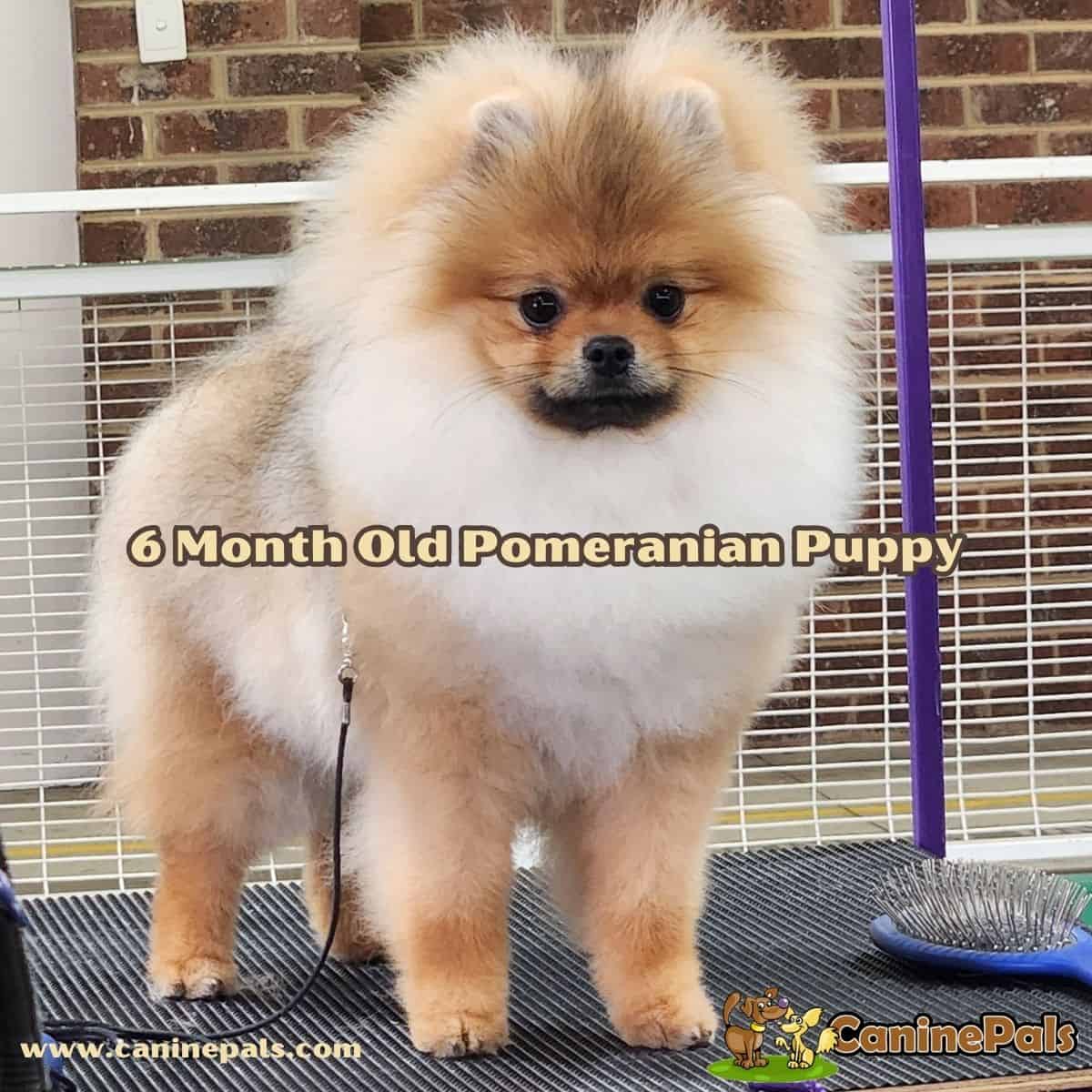
6 Month Old Pomeranian Puppy

Stages of Pomeranian Growth

Pomeranians are tiny, adorable dogs that have captured the hearts of many. They are known for their fox-like faces, small size, and fluffy coats. Like all dogs, Pomeranians go through different stages of growth and development throughout their lives. In this section, we will explore the various stages of Pomeranian growth.

Puppy Growth

Pomeranian puppies are born weighing only a few ounces. They are tiny and helpless, relying on their mother for everything. Pomeranian pups spend most of their time sleeping and nursing during the first few weeks of life. As each day passes and they grow, they become more active and curious about their surroundings.

There are seven acknowledged Pomeranian puppy growth stages: 

  • Stage one: which is from 0 to 3 weeks. 
  • Stage two: which is from 3 to 7 weeks. 
  • Stage three: which is from 7 to 12 weeks.
  • Stage four: which is from 12 to 17 weeks.
  • Stage five: is from 17 to 40 weeks.
  • Stage six: is from 40 to 52 weeks.
  • Stage seven: which is one year and older.

Adolescence

During adolescence, Pomeranians experience growth spurts and may gain weight quickly. Monitoring their weight and ensuring they are not becoming overweight is essential. Pomeranians may also go through a phase where they lose some puppy fur and grow in their adult coats. Their muscles begin to develop, and they look more like full-grown Pomeranians.

Adult Growth

Pomeranians typically stop growing after 12 months, but some may continue to mature until 18. The majority of their growth occurs during the 0 to 12-month period.  For some Pomeranians, growth may continue into the 18- or 20-month period, but this growth tends to be confined to smaller puppies Poms.

Senior Pomeranian

As Pomeranians enter their senior years, they may begin to lose muscle mass and weight. Their appearance may change, and they may become less active. It is vital to monitor their weight and ensure they are not losing too much weight. Senior Pomeranians may also experience health issues, such as arthritis and dental problems.

Pomeranian growth is a fascinating process that involves different stages of development. Pomeranians undergo many changes, from their tiny puppy to their full-grown adult stage. Monitoring their weight and ensuring they are healthy throughout their lives is essential.

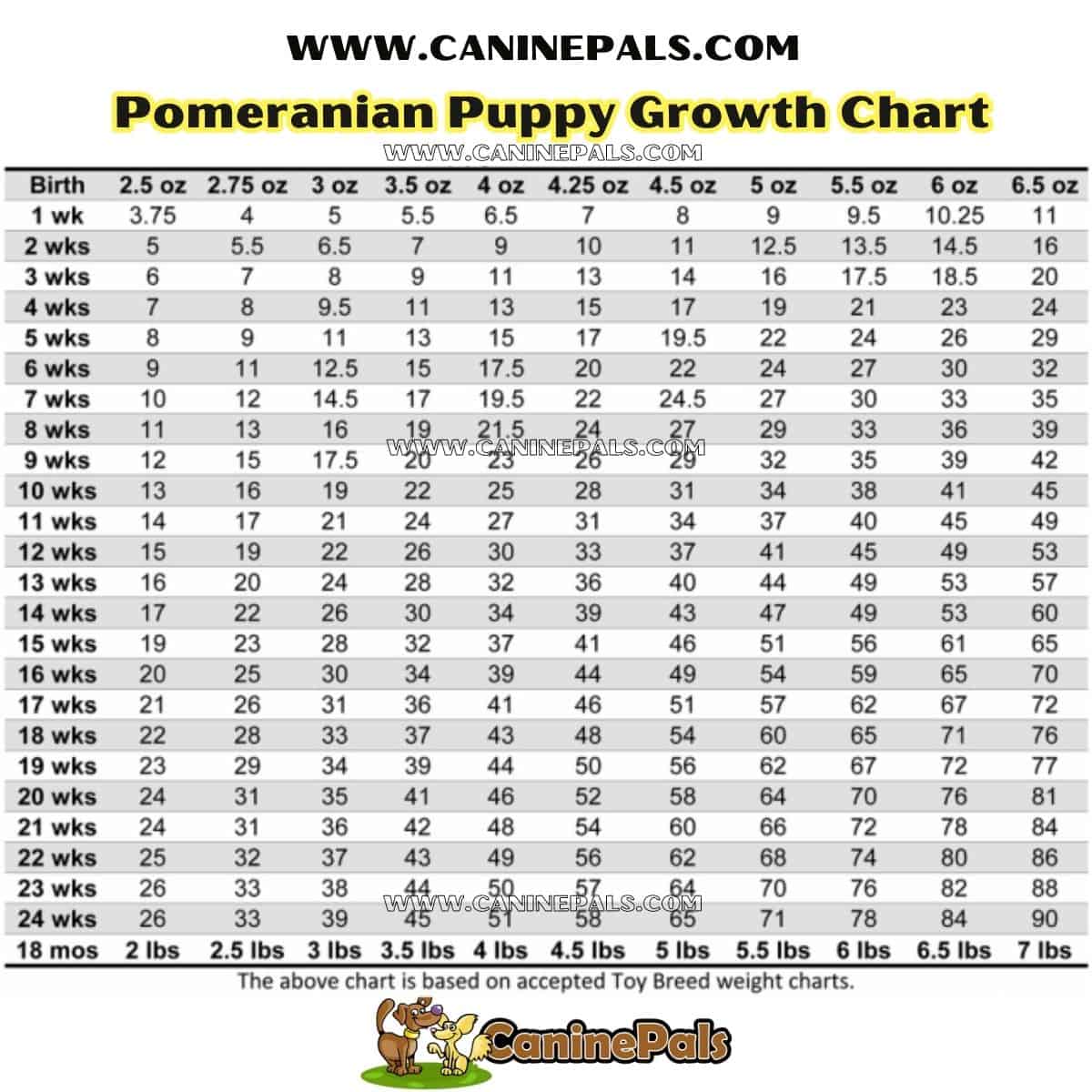
Pomeranian Growth Chart

Learn about Pom puppy growth with our Pomeranian growth chart. Male and female Pomeranians grow at the same rate, so you can easily predict your puppy’s adult weight based on weekly growth since birth.

Use our chart to estimate your Pom’s size based on its current weight and age group. Don’t worry if your pup is slightly ahead or behind the estimates; all puppies grow at their own rate.

What matters most is that your Pomeranian puppy is healthy. If you have any questions or concerns, always consult with your vet.

Pomeranian Growth Chart

When Are Pomeranians Full Grown: Understanding the Growth Process

As a proud Pomeranian owner, you may be wondering when your furry friend will reach their full size and maturity. The growth process of Pomeranians is an intriguing and essential aspect to consider.

Like many other dog breeds, Pomeranians go through a series of growth stages. Generally, Pomeranian puppies reach their full height when they are six to eight months old.

However, it’s important to note that the development and maturation of their bodies may continue until they are around 12 to 18 months old. Pomeranians will gradually fill out and develop their adult body shape during this time.

Supporting Pomeranian Growth

Pomeranians are a small dog breed that requires proper care and attention to grow healthy and strong. Here are some ways to support their growth:

Exercise and Training

Regular exercise and training are essential for Pomeranian growth. Pomeranian puppies need daily exercise to keep their muscles strong and to prevent obesity.  Owners should provide Pomeranians opportunities to run, play, and explore. Training is also essential for Pomeranian growth, and proper exercise can help prevent behavioral problems and ensure that the dog grows up to be a well-behaved and obedient adult.

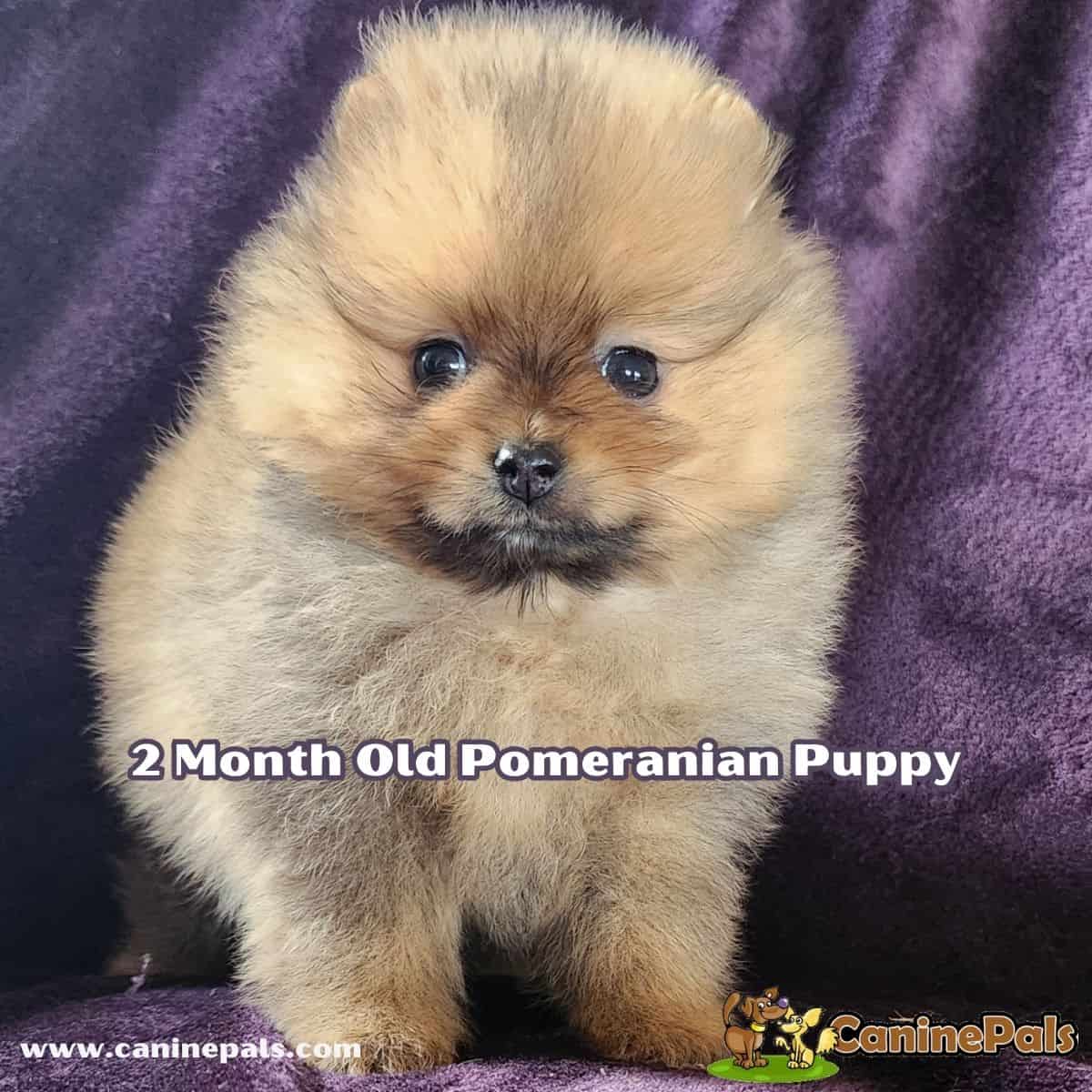
2 month old Pomeranian puppy

Vet Care

Regular vet care is crucial for Pomeranian growth. Owners should take their Pomeranians to the vet for regular check-ups, vaccinations, and preventative care. Pomeranians are prone to certain health conditions, such as hypoglycemia, stunted growth, and weight gain. Regular vet care can help detect and prevent these conditions before they become serious.

Socialization

Socialization is essential for Pomeranian growth. Owners should expose their Pomeranians to various animals, people, and environments to help them become well-adjusted and confident adults. 

Socialization can also help prevent behavioral problems and ensure the dog becomes a friendly and sociable companion. Supporting Pomeranian growth requires a combination of exercise, training, vet care, and socialization.

Owners can help ensure their dogs become healthy and happy adults by providing Pomeranians with the proper care and attention.

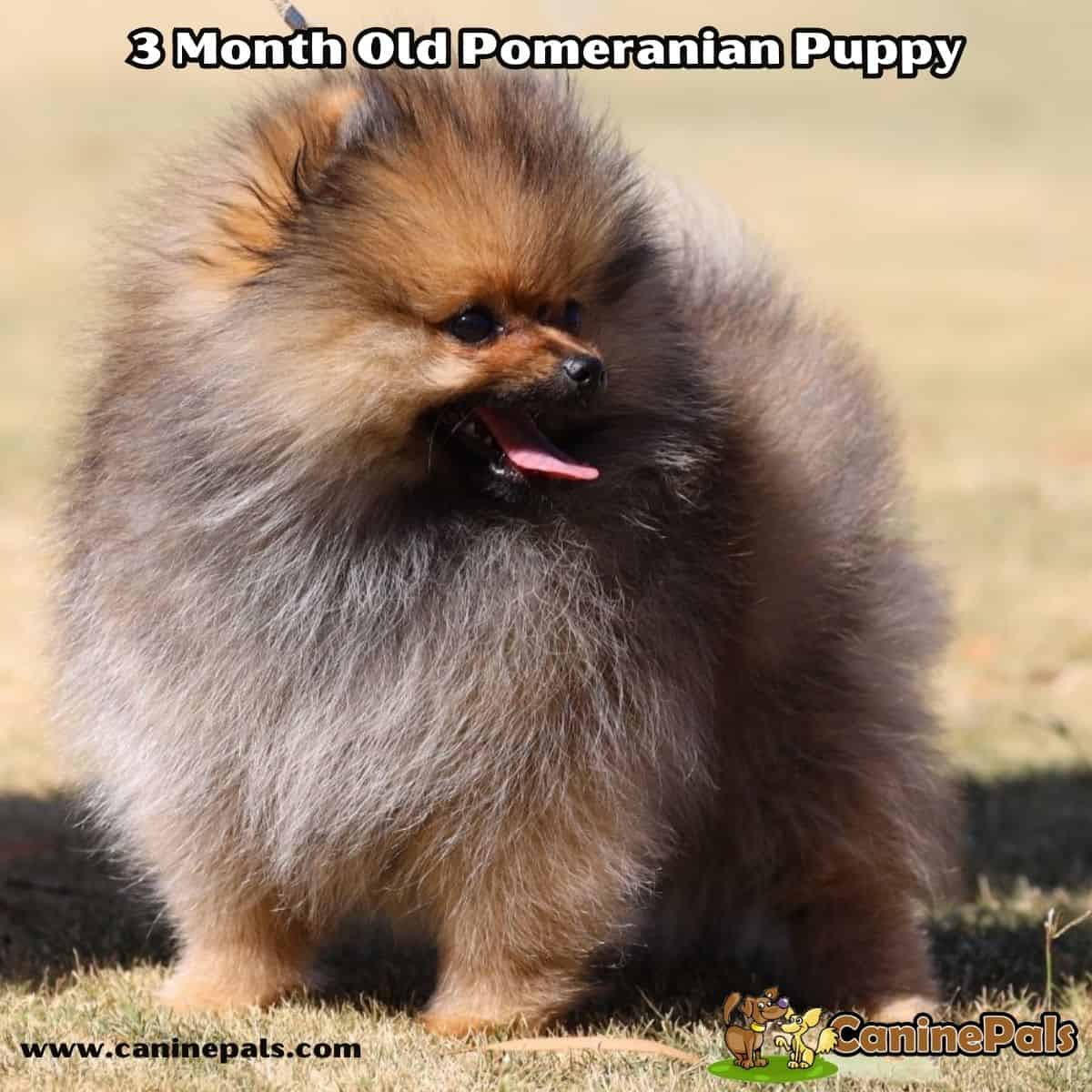
3 Month Old Pomeranian Puppy

Conclusion: When Do Pomeranians Stop Growing?

Overall, Pomeranians are the perfect pet for those looking for a small and spunky companion. Pomeranians won’t reach their full size until they are between one and two years old. Even after growth is completed, Pomeranians require frequent exercise and mental stimulation to keep up with their high energy levels.

While this breed may be more challenging to train than other breeds, it’s worth the challenge! This breed is known for its loyal and fearless personalities. Also, Pomeranians can adapt to any living situation if they get plenty of attention.

With these characteristics, it’s no wonder why Pomeranians have become such popular pets amongst many households!

Copyright CaninePals.Com. All Rights Reserved.

References and Further Reading:
  1. Official Standard of the Pomeranian (AKC). American Kennel Club, 2011.
  2. Official English Kennel Club Pomeranian Breed Standard, 2017.
  3.  Kimbering Pomeranians “1891-1991”.
  4.  Denise Leo, The Pomeranian Handbook.
  5.  L.Ives, Show Pomeranians.
  6.  L.Ziegler Spirer & H.F. Spirer, This is the Pomeranian.
  7. FEDERATION CYNOLOGIQUE INTERNATIONALE (FCI) German Spitz, including Keeshond and Pomeranian Breed Standards. PDF file.

The Pomeranian Handbook by Denise Leo

Does the Havanese Shed?

Does the Havanese Shed? Find Out Now with Canine Pals

Are you considering getting a Havanese dog? As with any dog breed, it’s vital to research before committing to a furry friend.

One common question potential Havanese owners have is whether or not these dogs shed. In this blog post, we’ll explore the shedding tendencies of Havanese dogs and what experts have to say about the topic.

Do Havanese Shed?

Havanese dogs shed, but it’s not as noticeable as other dog breeds. According to the American Havanese Club, the breed is considered a “low-shedding” dog breed.

Havanese dogs have a double coat, with a soft, downy undercoat and a longer, silky topcoat. The Havanese does shed, but not as much as other dog breeds, and their shedding is generally not as noticeable.

Havanese dogs are relatively low-shedding but require regular grooming to keep their coat healthy and prevent matting. The good news is that their fur is reasonably easy to maintain with daily brushing and regular bathing.

The Havanese breed is definitely on the lower end of the spectrum regarding shedding. However, it’s essential to remember that all dogs shed to some degree, and regular grooming is vital to keep shedding under control.

Does the Havanese Shed?

Havanese Dog Coat Explained

The American Kennel Club is the oldest purebred dog registry in the United States. According to the AKC’s breed standard for Havanese dogs, on the coat section

“Coat: Silky to the touch, the coat is soft and light in texture in both outer and undercoat,
although the outer coat carries slightly more weight. The coat is long, abundant and wavy. It
stands off the body slightly, but flows with movement. An ideal coat will permit the natural lines
of the dog to be seen. Puppy coat may be shorter and have a softer texture than adult coat. A
single, flat, frizzy or curly coat should be faulted. A coarse, wiry coat is a disqualification. A
short, smooth coat with or without furnishings is a disqualification. The coat may be corded.
Corded coats will naturally separate into wavy sections in young dogs and will in time develop
into cords. Adult corded dogs will be completely covered with a full coat of tassel-like cords. “

To help illustrate the coat characteristics of Havanese dogs, we’ve created a table outlining the breed standard for coat appearance:

Coat Characteristic Description
Texture Silky
Length Long, but not excessively so
Undercoat Soft and light in texture, not woolly or dense
Color Any color or combination of colors is acceptable

Do Havanese Have a Double Coat?

Yes, Havanese dogs have a double coat. Their double coat comprises a soft, downy undercoat and a longer, silky topcoat. The undercoat provides insulation and helps regulate the dog’s body temperature, while the topcoat is a protective layer against the elements. The combination of these two coats gives Havanese dogs a distinct appearance and contributes to their overall charm.

The undercoat of a Havanese is typically lighter in color and has a soft, silky texture compared to the topcoat. It helps keep the dog warm in colder temperatures and provides extra protection. On the other hand, the top coat is longer and silkier, giving the Havanese its signature flowing and glamorous look. It helps repel water and dirt, keeping the dog’s skin and undercoat dry and clean.

Maintaining the double coat of a Havanese requires regular grooming. Daily brushing is essential to prevent matting and tangling, as well as to remove loose hair.

Trimming the hair around the ears, paws, and tail is also necessary to maintain a neat appearance. It’s important to note that while the Havanese has a double coat, their shedding is generally minimal compared to other breeds, making them a good choice for individuals with allergies or sensitivities to dog hair.

Havanese Grooming Tips

To keep your Havanese looking their best, grooming their long, soft, and silky coat daily is essential. Using a soft brush or comb while your pup sits on your lap will prevent mats and tangles.

If you’re short on time, consider a shorter trim. The corners of their eyes should be gently cleaned daily to prevent tear-staining, and their ears should be checked regularly for excess wax or debris. Keep them clean and happy with occasional baths as needed.

The AKC recommends using a slicker brush and metal comb for grooming and advises against using scissors to trim the coat, which can result in an uneven appearance. They also recommend bathing Havanese dogs every 3-4 weeks.

“The long, soft, and silky coat of the Havanese needs to be groomed daily to be kept free of mats and tangles. This can be done by gently running a comb or soft brush over the dog while he is on your lap. Pet owners often choose to have their dog’s coat clipped to a short trim to reduce grooming time. The Havanese should also be bathed occasionally as needed. The corners of the eyes should be gently cleaned daily to prevent tear-stain of the lighter-colored hair in the area. Check the ears often to remove excess wax or accumulated debris, and wipe out the inside of the ear-flap with a slightly moistened gauze or paper towel.”

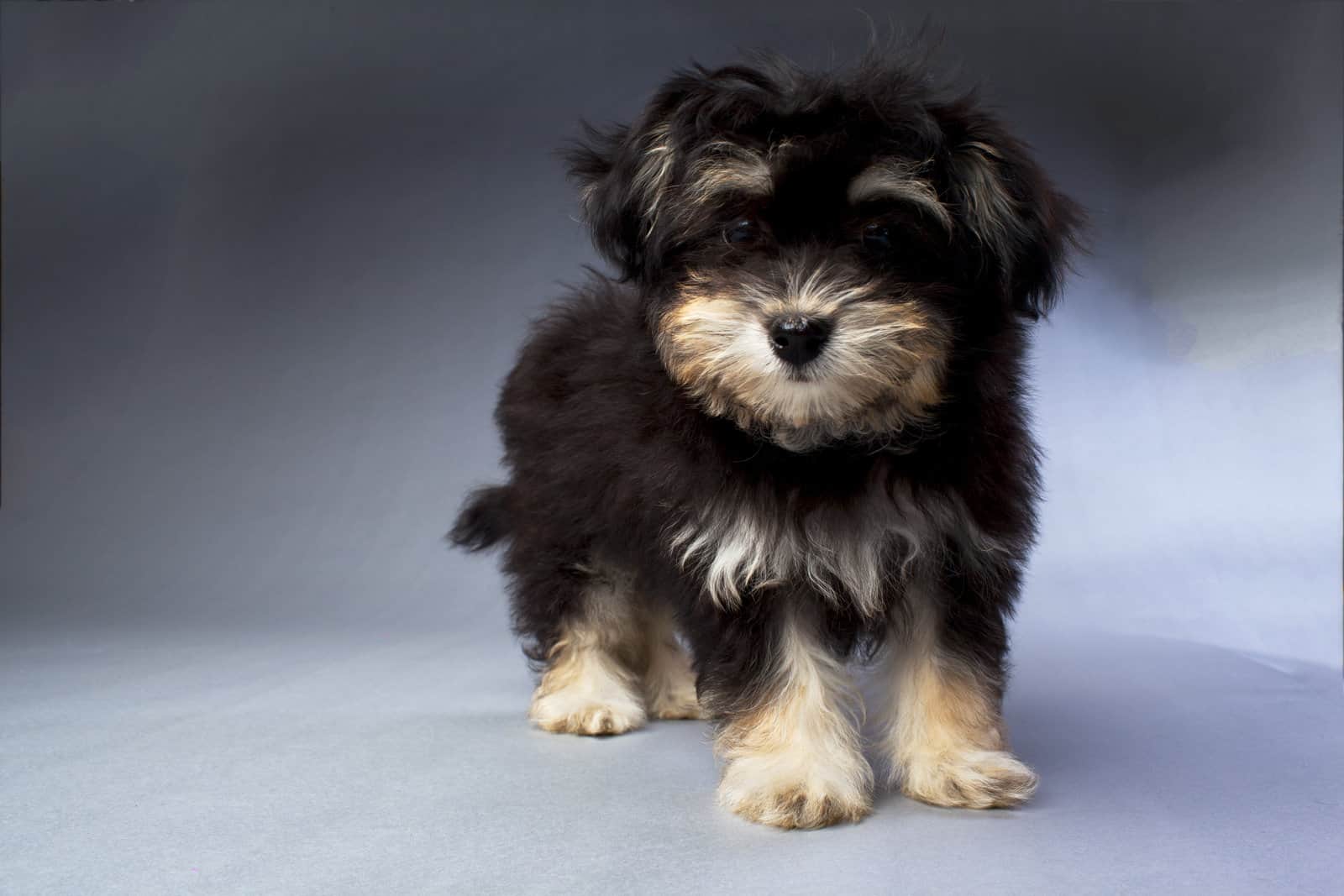
Havanese puppy
Havanese puppy

Conclusion: Does the Havanese Shed?

In conclusion, while Havanese dogs do shed, they are considered a low-shedding breed. Regular grooming is key to keeping shedding under control and maintaining the health of their coat. As with any breed, it’s important to research and consult with experts before committing to a new furry friend to ensure that their needs and grooming requirements align with your lifestyle.

To learn more about Havanese shedding and grooming, you can visit the websites of the American Havanese Club (www.havanese.org) and the American Kennel Club (www.akc.org). These resources provide valuable information on the breed’s characteristics, grooming tips, and responsible dog ownership.

Adopting a Havanese or any other breed is a long-term commitment, and it’s essential to consider factors beyond shedding, such as exercise needs, temperament, and compatibility with your family and living situation. By doing thorough research and understanding the breed’s needs, you can make a well-informed decision and ensure a happy and healthy life for you and your Havanese companion.

Copyright CaninePals.Com. All Rights Reserved.

References and Further Reading:

[1] American Kennel Club, Havanese Information.
[2] Havanese Rescue Inc.
[3] American Havanese Club

Are Pomeranians Aggressive?

Are Pomeranians Aggressive? Expert Insights and Facts You Need to Know

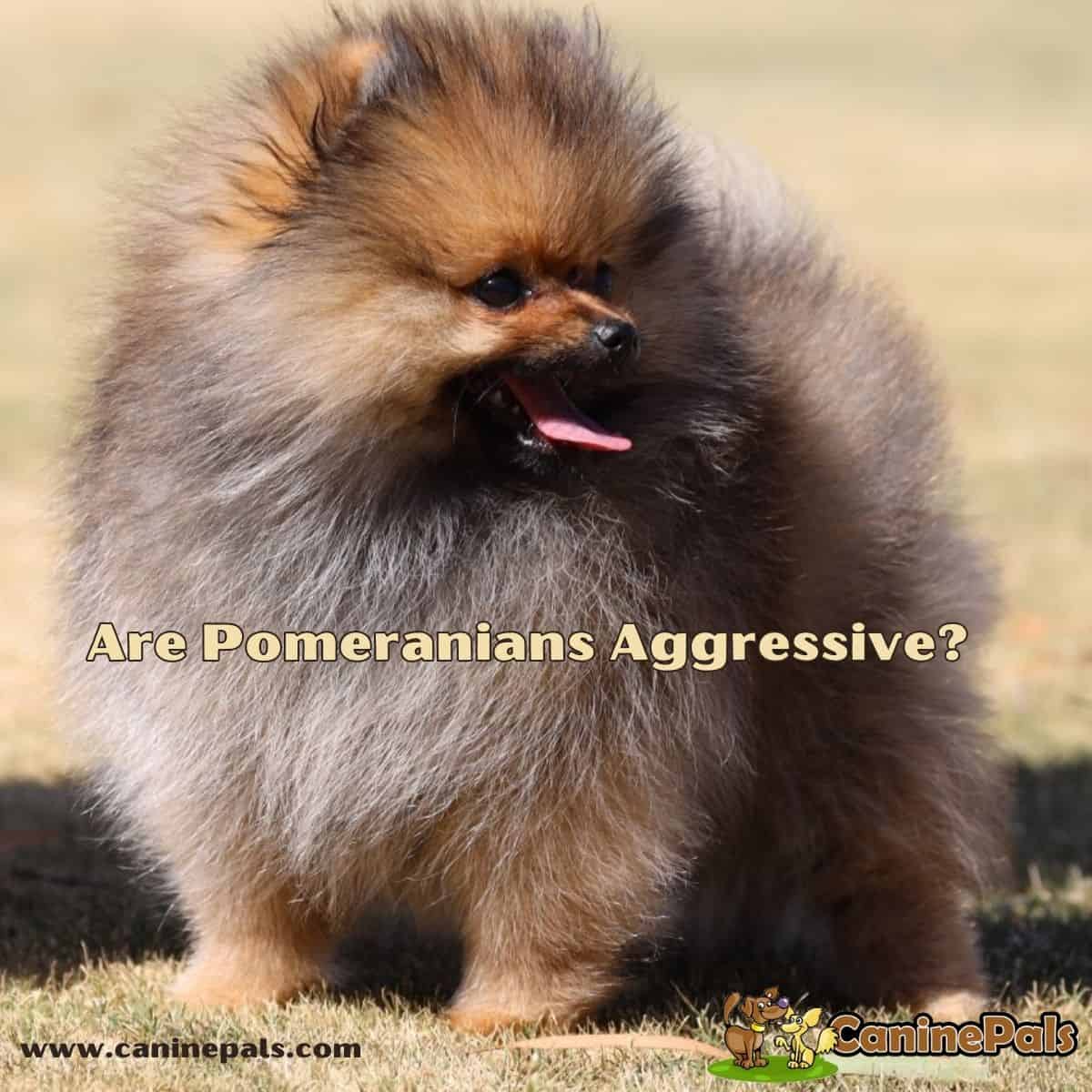
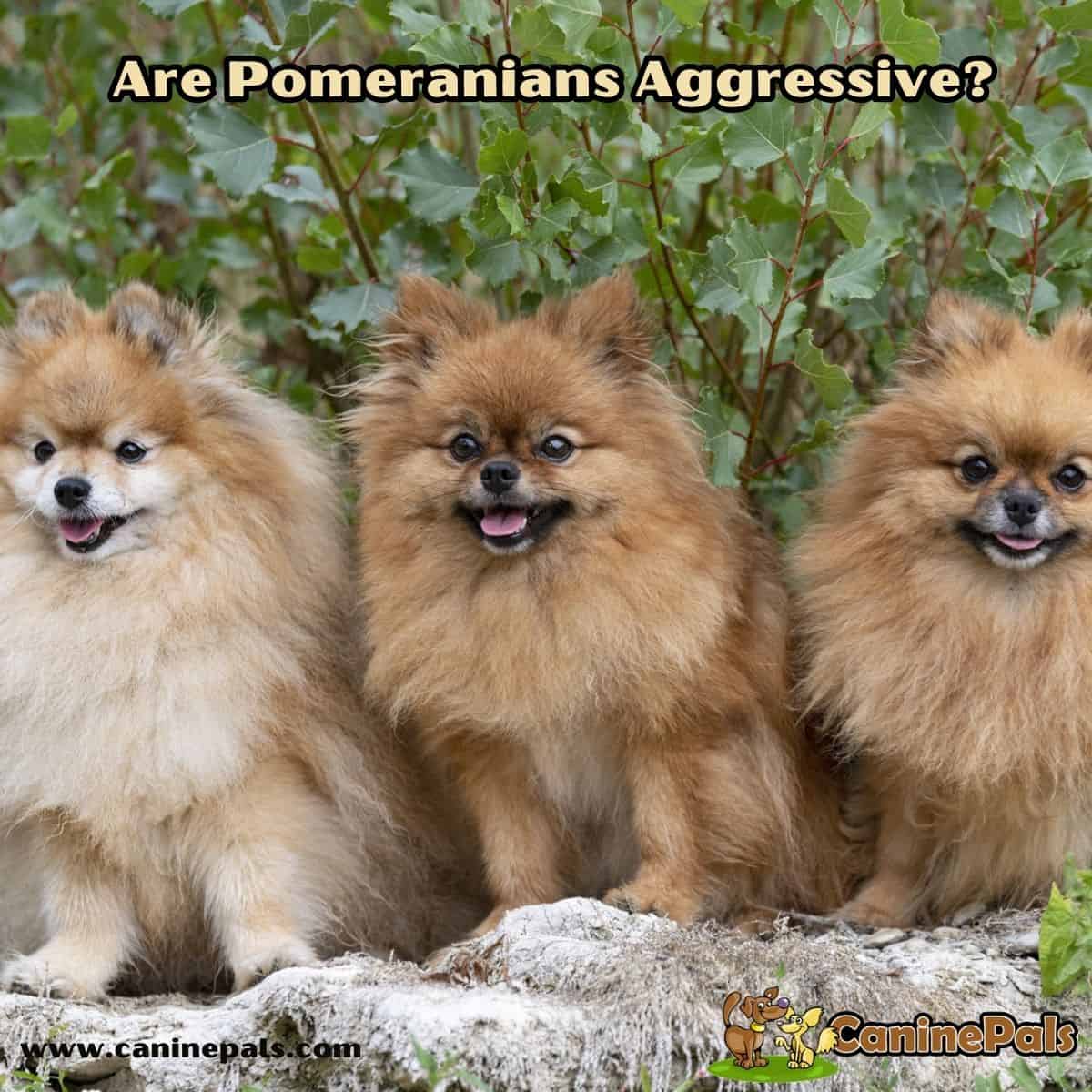
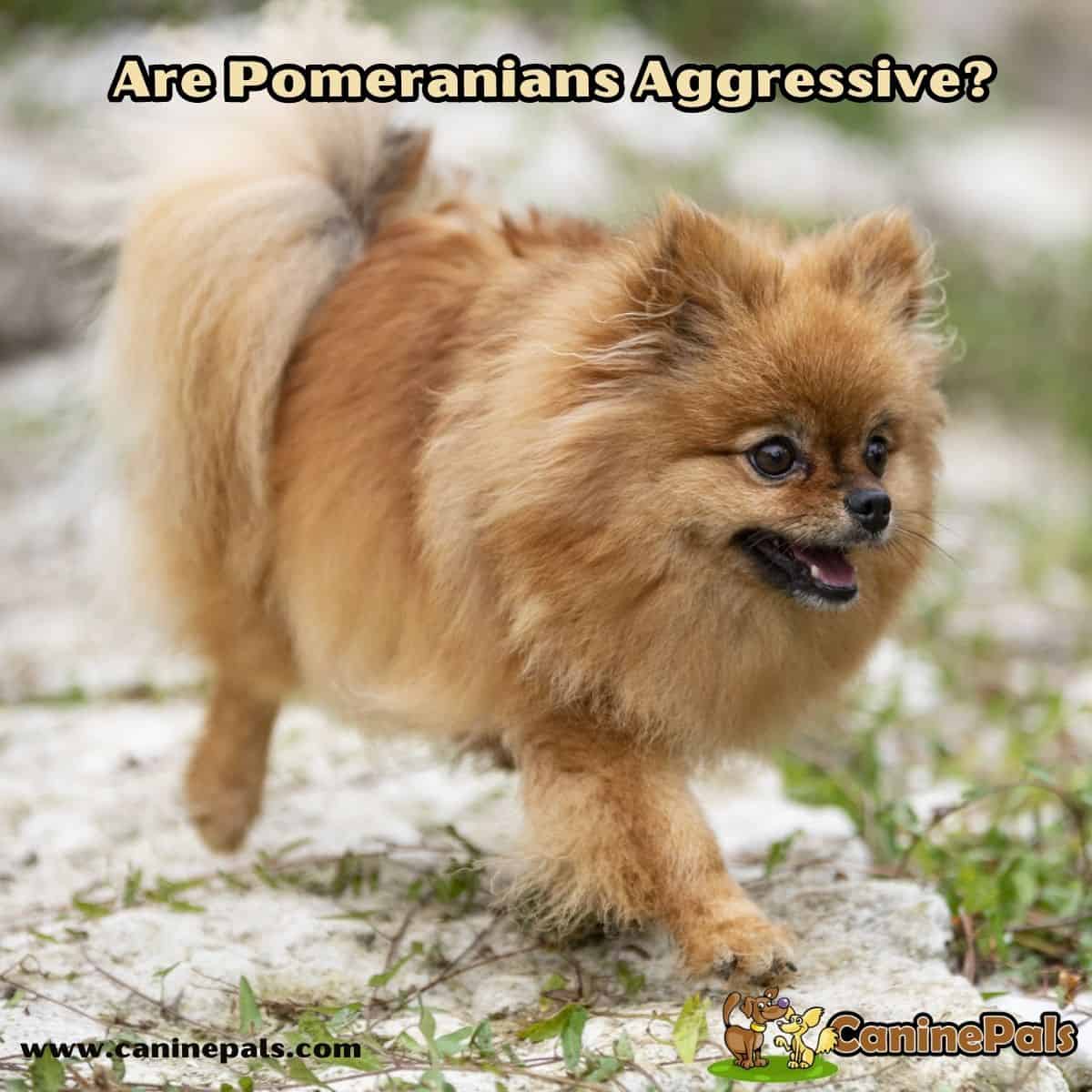
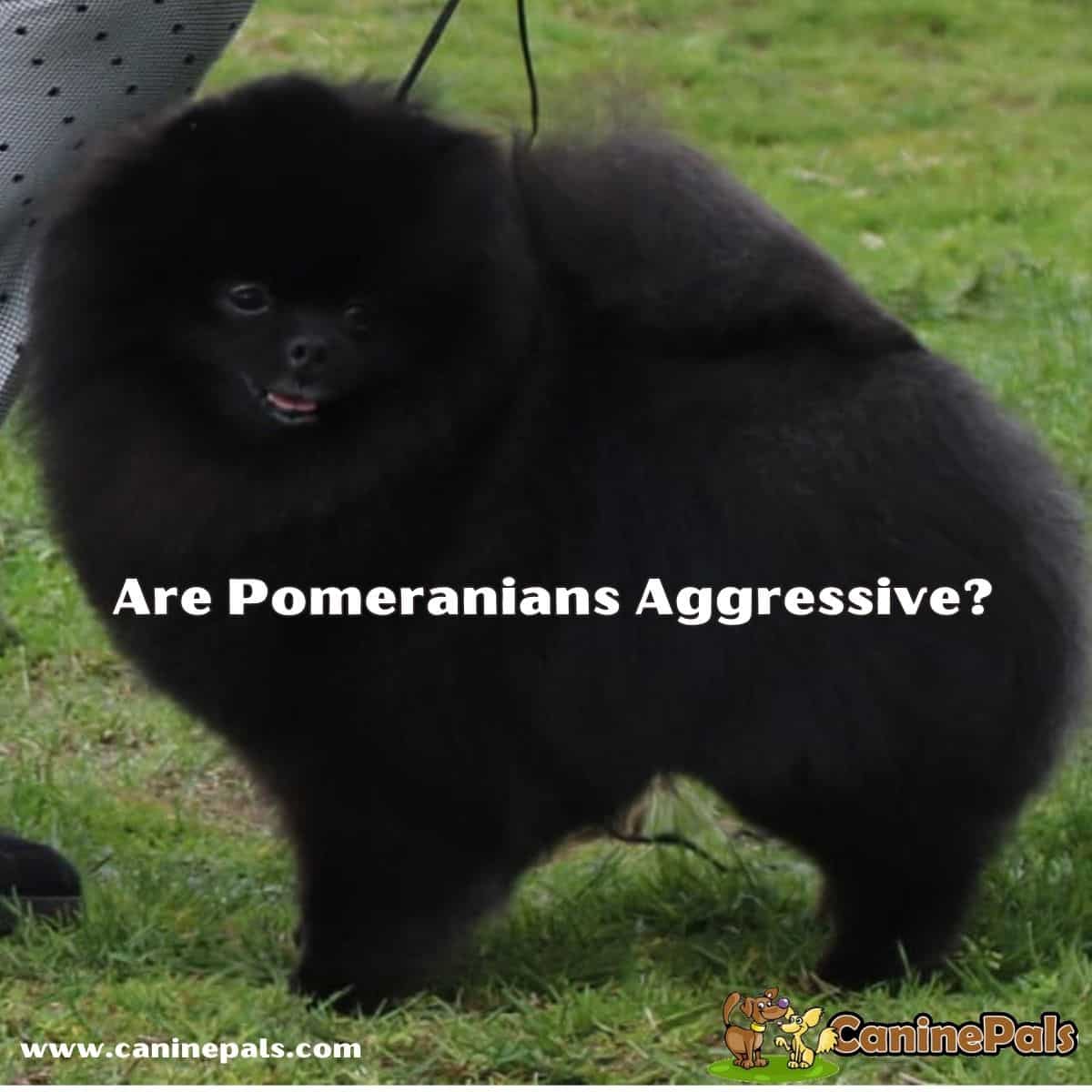
Pomeranians are small, fluffy, and adorable dogs that make great companions. However, some people wonder if these dogs are aggressive. The answer is complex, depending on various factors, such as the dog’s personality, socialization, training, and health issues.

According to breed experts, Pomeranians are not known for being aggressive. Denise Leo, a Pomeranian breeder and author of “The Pomeranian Handbook,” says, “Pomeranians are companion dogs that thrive on attention and affection and make excellent watchdogs. However, like any dog breed, Pomeranians can exhibit aggressive behavior if they are not properly socialized or trained.

Some signs of aggression in Pomeranians include growling, barking, nipping, biting, and being possessive of food or toys. Addressing any aggressive behavior early is essential to prevent it from escalating.

Positive reinforcement training, such as ignoring bad behavior and rewarding good behavior, can effectively curb aggressive tendencies. Consulting a behaviorist can also help understand and address the root cause of the aggression.

Are Pomeranians Aggressive?

Understanding Pomeranian Behavior

Temperament

Pomeranians are known for their bold and confident personalities. They are intelligent, active, and love to be around people. They are also known for being lap dogs and have a strong guarding instinct.

According to Denise Leo, a Pomeranian breeder, and author, Pomeranians are “extremely loyal, affectionate, and devoted to their owners.”

Socialization

Early socialization is crucial for Pomeranians to develop friendly behavior towards strangers and other dog breeds. The breed tends to be wary of strangers and exhibits aggression if they must be correctly socialized. 

Socialization should start at a young age and continue throughout their lives. The American Kennel Club recommends exposing Pomeranians to different sounds, smells, and environments to help them become well-adjusted and confident dogs.

Aggression Types

Pomeranians can exhibit different types of aggression, including dog aggression, fear aggression, and separation anxiety. Dog aggression can result from a lack of socialization or guarding instincts.  Fear aggression can be exhibited towards strangers or in new environments. Separation anxiety can cause destructive behavior and excessive barking.

Breed Personality Table

Personality Traits Description
Loyal Pomeranians are extremely loyal to their owners.
Affectionate They love to be around people and crave attention.
Confident Pomeranians have a confident and bold personality.
Guarding Instincts They have a strong guarding instinct and can be protective of their owners.
Wary of Strangers Pomeranians can be wary of strangers and require early socialization.
Lap Dogs They are known for being lap dogs and love to cuddle.
Are Pomeranians Aggressive

Signs of Aggression in Pomeranians

Pomeranians are generally known for their friendly and outgoing personalities. However, like any other breed, they can display aggressive behavior under certain circumstances. Pet owners need to recognize the signs of aggression in their Pomeranians to prevent potential harm to themselves, their pets, or others.

Barking and Growling

Barking and growling are common behaviors in Pomeranians but can also be signs of aggression. If Pomeranian bark or growls excessively, especially in response to strangers or other animals, it may display aggressive behavior. Aggressive tendencies can be a result of fear, anxiety, or territoriality.

Biting and Nipping

Biting and nipping are more severe signs of aggression in Pomeranians. Pomeranians may bite or nip when they feel threatened or uncomfortable. This behavior can be a result of fear, anxiety, or pain.

It’s essential to address this behavior immediately to prevent potential harm to others.

Anxiety and Fear

Anxiety and fear can also lead to aggressive behavior in Pomeranians. If a Pomeranian feels threatened or uncomfortable, it may display aggressive behavior as a defense mechanism. This behavior can result from a lack of socialization or past traumatic experiences.

Resource Guarding

Resource guarding is another form of aggression in Pomeranians. Pomeranians may become possessive over their food, toys, or other possessions and display aggressive behavior when others approach or try to take their possessions.

This behavior can be a result of a lack of training or socialization.

According to breed expert Denise Leo “Pomeranians are known for their lively personalities and affectionate nature. However, they can display aggressive behavior under certain circumstances. Pet owners must recognize the signs of aggression in their Pomeranians and address the behavior immediately”.

Breed Personality 

  • Friendly: Pomeranians are known for their friendly and outgoing personalities.
  • Lively: Pomeranians are active and playful dogs.
  • Affectionate: Pomeranians love to be around their owners and crave attention.
  • Intelligent: Pomeranians are quick learners and respond well to positive reinforcement training.
  • Alert: Pomeranians always look for potential threats and bark to warn their owners.

Pomeranians can display aggressive behavior under certain circumstances. Pet owners must recognize the signs of aggression in their Pomeranians and address the behavior immediately. With proper training and socialization, Pomeranians can be friendly and well-behaved pets.

Are Pomeranians Aggressive?

Training and Socializing Pomeranians

Pomeranians are intelligent and active dogs that require proper training and socialization to prevent aggressive behavior. Training your Pomeranian will help you establish a good relationship with your pet and ensure your furry companion is well-behaved and happy. This section will discuss the different aspects of training and socializing Pomeranians.

Obedience Training

Obedience training is essential for Pomeranians as it helps establish a proper hierarchy between the owner and the pet. Establishing yourself as alpha is necessary, meaning you are the leader, and your Pomeranian should respect and obey you. You can achieve this by using positive reinforcement techniques such as reward-based training.

Reward-Based Training

Reward-based training is an effective method of training Pomeranians. This method involves rewarding your pet for good behavior, such as following commands or performing tricks. Rewards can be in the form of dog treats, toys, or praise. This method helps reinforce good behavior and encourages your Pomeranian to repeat it.

Socializing with People

Pomeranians are companion dogs and love to interact with their owners and other people. Socializing your Pomeranian with people from a young age is essential to prevent aggressive behavior towards strangers. 

Socializing with people involves exposing your Pomeranian to different people in different situations. You can introduce your Pomeranian puppy  to family members, friends, and neighbors. Gradually, you can expose your pet to new people in different environments.

Socializing with Other Dogs

Socializing with other dogs is also vital for Pomeranians, and it helps them learn how to interact with other dogs and prevents aggressive behavior toward other dogs. You can start by introducing your Pomeranian to other dogs in a controlled environment, such as an indoor canine playpen.

It is essential to supervise the interactions and ensure that they are positive. You may need to consult a behaviorist if your Pomeranian displays aggressive behavior towards other dogs.

Breed Personality

According to Denise Leo, a Pomeranian breeder, and author, “Pomeranians are intelligent, active, and alert dogs. They are also affectionate and very loyal to their owners”. 

Breed Personality Summary

  • Intelligent: Pomeranians are quick learners and can be trained to perform various tricks and commands.
  • Active: Pomeranians are energetic dogs that require regular exercise and playtime.
  • Affectionate: Pomeranians are known for their affectionate nature and love to cuddle with their owners.
  • Loyal: Pomeranians are loyal to their owners and love to be around them.
  • Extroverted: Pomeranians are outgoing dogs that love to interact with people and other dogs.
  • Playful: Pomeranians are playful and love to play with toys and games.
  • Confident: Pomeranians are confident dogs that are not easily intimidated.

Time-Out Area

If your Pomeranian displays aggressive behavior, you can use a time-out area to calm them down. A time-out area can be designated in your home where your Pomeranian is isolated for a short time.

This can be a crate or a small room where your pet can calm down. It is essential to avoid using the time-out area as a punishment and to ensure that your Pomeranian understands why they are being isolated.

Dog owners must understand that training and socializing Pomeranians is essential to prevent aggressive behavior and ensure your furry companion is well-behaved and happy. By using positive reinforcement techniques and exposing your Pomeranian puppy to different people and situations, you can help your pet become a well-adjusted and confident dog.

Preventing Aggression in Pomeranians

Pomeranians are small dogs with big personalities. While generally friendly and affectionate, they can become aggressive if not properly socialized or trained.  Tips for preventing aggression in Pomeranians.

Health Issues

It is essential to keep your Pomeranian healthy to prevent any underlying health issues that may cause aggression. According to Pomeranian breed expert Denise Leo, “A healthy Pomeranian is a happy Pomeranian.” Regular visits to the vet, a healthy diet, and exercise can help prevent any health issues that may cause aggression.

Teething and Pain

Pomeranians, like all dogs, go through a teething phase. During this time, they may be more prone to chewing and biting. Providing your Pomeranian with appropriate chew toys can help alleviate any discomfort and prevent them from biting or chewing on inappropriate objects. Additionally, if your Pomeranian is in pain, they may become more aggressive. It is essential to address any pain or discomfort promptly.

Proper Play and Roughhousing

Pomeranians are playful dogs, but establishing boundaries is vital to prevent aggressive behavior. According to the American Pomeranian Club, “Pomeranians will be happy to play with their owners, but they should not be encouraged to play roughly.” Encouraging appropriate play and discouraging roughhousing can help prevent any aggressive behavior.

Avoiding Triggers

Pomeranians may become aggressive if they feel threatened or scared. It is crucial to avoid any triggers that may cause your Pomeranian to become aggressive. For example, if your Pomeranian is afraid of loud noises, keeping them away from noisy environments is essential. Properly socializing your Pomeranian is important to prevent fear or aggression towards other dogs or people.

Breed Personality

Pomeranians are confident, friendly, and affectionate dogs. Pom dogs are known for their playful personalities and love to be around people. However, they can become aggressive if not properly socialized or trained. Establishing boundaries and preventing any triggers that may cause your Pomeranian to become aggressive is essential.

Breed Personality Summary

Preventing aggression in Pomeranians requires proper socialization, training, and care. Addressing any underlying health issues, avoiding triggers, and establishing appropriate boundaries can help prevent aggressive behavior in your Pomeranian.

Dealing with Aggression in Pomeranians

Pomeranians are generally not aggressive dogs; like any breed, they can exhibit aggressive behavior. Understanding the reasons behind the aggression and how to deal with it effectively is vital. This section will discuss some ways to handle aggression in Pomeranians.

Time-Out

One of the best and most effective techniques to deal with aggression in Pomeranians is to give them a time-out. This means separating the dog from whatever is causing the aggression. For example, if your Pomeranian is aggressive towards other dogs, you can separate them and give them some alone time, which will help them calm down and reduce their aggression.

Behavior Modification

Behavior modification is another effective way to deal with aggression in Pomeranians. This involves changing the dog’s behavior through positive reinforcement. For example, if your Pomeranian is aggressive towards strangers, you can reward them when they exhibit calm behavior around strangers. This will help them learn that calm behavior is rewarded, and aggression is not.

Working with a Professional Dog Trainer

If your Pomeranian’s aggression is severe or you cannot handle it alone, working with a professional behaviorist or trainer is crucial. These people can help you identify the root cause of the aggression and develop a plan to deal with it effectively.  A professional dog trainer or behaviorist can also teach you how to modify your Pomeranian’s behavior and provide ongoing support.

According to Denise Leo, a Pomeranian expert and breeder, “Pomeranians are generally confident and outgoing dogs. They are intelligent and independent thinkers that love doing things their way. However, these dogs can become aggressive if they feel threatened or uneasy”. 

To better understand the personality of Pomeranians, here is a breed personality summary:

  • Confident: Pomeranians are generally confident dogs that are not easily intimidated.
  • Outgoing: Pomeranians are outgoing and enjoy being around people.
  • Intelligent: Pomeranians are intelligent dogs that are quick learners.
  • Independent: Pomeranians are independent thinkers that like to do things their way.
  • Protective: Pomeranians can be protective of their owners and may exhibit territorial behavior.

Dealing with aggression in Pomeranians requires patience, consistency, and understanding. Using time-outs, behavior modification, and working with a professional, you can effectively manage your Pomeranian’s aggression and help them become well-behaved and happy companions.

Are Pomeranians Aggressive?

Conclusion to Are Pomeranians Aggressive?

In conclusion, Pomeranians are not inherently aggressive dogs. However, like any other breed, they can become aggressive if not properly trained and socialized.

It is important to note that aggression in Pomeranians can also be a symptom of an underlying medical condition or pain, and owners should always consult a veterinarian if their dog displays sudden aggression.

Training and proper socialization and training from an early age can significantly reduce the likelihood of aggressive behavior in Pomeranians. This includes exposing them to environments, animals, and people to help them feel comfortable and confident.

Positive reinforcement training methods, such as rewarding good behavior, can also prevent aggression. It is also essential for owners to understand the triggers that can cause aggression in Pomeranians, such as feeling threatened or overwhelmed.

Owners can help prevent their dogs from becoming aggressive by identifying, avoiding, or managing these triggers. Overall, Pomeranians can make excellent pets with their playful and affectionate personalities.

With proper training and socialization, dog owners can help ensure their Pomeranian remains happy and well-behaved.

Copyright CaninePals.Com. All Rights Reserved.

References and Further Reading:
  1. Official Standard of the Pomeranian (AKC). American Kennel Club, 2011.
  2. Official English Kennel Club Pomeranian Breed Standard, 2017.
  3.  Kimbering Pomeranians “1891-1991”.
  4.  Denise Leo, The Pomeranian Handbook.
  5.  L.Ives, Show Pomeranians.
  6.  L.Ziegler Spirer & H.F. Spirer, This is the Pomeranian.
  7. FEDERATION CYNOLOGIQUE INTERNATIONALE (FCI) German Spitz, including Keeshond and Pomeranian Breed Standards. PDF file.

The Pomeranian Handbook by Denise Leo

Are Pomskies Hypoallergenic?

Are Pomskies Hypoallergenic Dogs? The Myth Revealed

Pomskies are a relatively new dog that has gained popularity in recent years. They are not purebred dogs but a cross between Pomeranians and Siberian Huskies, resulting in a small to medium-sized dog with a thick, double coat.

However, many dog lovers wonder if Pomskies are hypoallergenic, making them a good choice for those with allergies. While some breeders may advertise Pomskies as hypoallergenic, this is inaccurate.

The Pomsky is not a hypoallergenic dog breed, as it tends to shed quite a bit. Its thick, double coat means it sheds its undercoat yearly, resulting in dander and hair tufts. This shedding period can be hefty in the warmer months, making it a poor choice for those with dog allergies.

It is important to note that while Pomskies may not be hypoallergenic, some people with mild allergies may still be able to live with them. However, those with acute allergies should avoid pomskies altogether. Spending time with a pomsky before bringing one home is always a good idea to see how your allergies react to them.

Are Pomskies Hypoallergenic?
Pomsky Puppy

What are Pomskies?

Pomskies have swiftly become a favored hybrid dog breed, capturing hearts with their unique blend of Pomeranian and Siberian Husky traits. These small to medium-sized dogs boast a friendly personality and a fluffy coat, embodying the best of both worlds from their parent breeds. Depending on their genetic makeup, some may lean towards a Pomeranian’s features, while others might resemble a Siberian Husky more closely. Their distinctive, double-coated fur necessitates regular grooming to maintain their appearance and health.

This breed’s genetics are inherently unpredictable, underscoring the necessity of choosing a reputable breeder. Responsible breeders focus on the health and temperament of their dogs, ensuring the puppies are stunning, robust, and well-behaved. This commitment to breeding standards is crucial for the well-being of pomsky puppies and helps foster their integration as adored family members.

One intriguing aspect of pomsky breeding is the use of artificial insemination to manage the size difference between the husky and Pomeranian parents. This careful approach guarantees the safety of both the mother and the offspring, highlighting the breeders’ dedication to the dogs’ health. Knowledgeable about both parent breeds’ health and genetics, these breeders aim to create pomskies that are aesthetically pleasing but also happy, healthy, and temperamentally sound.

Pomskies inherit their husky parent’s thick coat and lively personality, while their size is more manageable, akin to the Pomeranian. This makes them adaptable to various living situations, from spacious houses with yards to cozy apartments. Prospective owners, however, should be ready for the grooming demands and the vibrant energy these dogs bring, traits inherited from their parent breeds.

The allure of pomskies goes beyond their looks, making it essential for those interested in adding a pomsky to their family to seek out responsible breeders. These breeders are transparent about the breeding process and are deeply committed to ensuring the dogs find loving homes where they can thrive. By selecting a reputable breeder, families can welcome a pomsky into their lives, confident that they are getting a healthy, joyful, and well-adjusted new member ready to provide companionship and joy.

Pomeranian Ancestry

Pomeranians are a toy breed that originated in Germany. They are known for their small size and fluffy coats, which can come in various colors. Pomeranians are also known for their friendly and playful personalities, which make them popular pets.

Pomeranian
Pomeranian

Siberian Husky Ancestry

Siberian Huskies are a large breed that originated in Siberia. They are known for their thick, double-coated fur, which helps them stay warm in cold weather. Siberian Huskies are also known for their friendly and outgoing personalities, which make them great family pets.

Siberian Huskies are a large breed that originated in Siberia. They are known for their thick, double-coated fur, which helps them stay warm in cold weather. Siberian Huskies are also known for their friendly and outgoing personalities, which make them great family pets.

Siberian Husky
Siberian Husky

Are Pomskies Hypoallergenic Dogs?

Pomskies are an adorable designer breed that crosses the Pomeranian and a Siberian Husky. They are known for their fluffy, cute appearance and playful personalities. However, one of the most common questions that potential Pomsky owners ask is whether or not these dogs are hypoallergenic.

Understanding Allergies

Before diving into whether Pomskies is a hypoallergenic dog breed, it is essential to understand what allergies are and how they can be triggered. Allergies occur when the immune system reacts to a substance it perceives as harmful.

These substances are called allergens, including pollen, dust mites, and pet dander. When someone with allergies comes into contact with airborne pet allergens, the immune system produces antibodies, which cause allergy symptoms like sneezing, runny nose, and itchy eyes.

Pomsky Coat and Shedding

Pomskies have a double coat, meaning they have a soft undercoat and a longer, coarser outer coat. This double coat helps to protect them from the cold, but it also means that they shed quite a bit. During shedding season, which usually occurs twice a year, Pomskies will shed their undercoat, which can result in tufts of hair and dander around the house.

Managing Allergies

While Pomskies are not hypoallergenic, there are steps that you can take to manage allergies if you are considering getting one of these dogs. One essential thing to do is to groom your Pomsky regularly. Brushing your dog’s coat can help remove loose hair and dander and reduce airborne pet allergens in your home. It is also a good idea to bathe your Pomsky regularly to keep their coat clean and healthy.

Another way to manage allergies is to pay attention to your Pomsky’s nutrition. A healthy diet can help keep your dog’s skin and coat in good condition, reducing shedding and dander. Consider vaccinating your Pomsky against common allergens, like dust mites and pollen.

Choose a different dog breed if anyone in your household has severe allergies. While no dog is entirely hypoallergenic, some species, like Poodles and Bichon Frise, are less likely to trigger allergic reactions.

You can take steps to manage allergy symptoms if you are considering getting one of these dogs. By grooming your Pomsky regularly, paying attention to their nutrition, and considering alternative breeds if necessary, you can enjoy the company of a fluffy, playful Pomsky without suffering from allergic reactions.

Pomsky Characteristics

Pomsky dogs are a new mixed breed dog that has gained popularity recently. These are a cross between a Pomeranian and a Siberian Husky, resulting in a small to medium-sized dog with a thick coat and a friendly personality. In this section, I will discuss the many interesting characteristics of the Pomsky dog.

Size and Weight

Pomskies are a small to medium-sized breed. They usually stand around 10 to 15 inches tall at the shoulder and weigh between 20 and 30 pounds. However, their size can vary depending on the size of their parents.

Coat Color and Texture

Pomskies can come in various coat colors, including black, white, gray, brown, and red. Their coat is typically a thick, fluffy double coat that sheds twice a year. The coat texture can vary from soft and silky to coarse and wiry.

Temperament and Personality

Pomskies are well known for their friendly and outgoing personalities. They are intelligent, playful, and affectionate dogs that love attention from their owners. They are also known for their loyalty and make great family pets. However, they can be prone to separation anxiety if left alone for long periods.

Exercise and Stimulation

Pomskies require regular exercise and stimulation to keep them happy and healthy. These dogs enjoy going for walks and playing games with their owners. They are also intelligent dogs that benefit from mental stimulation, such as training and puzzle toys.

Health and Life Span

Pomskies are usually very healthy dogs but can be prone to specific health issues.

These include allergies, skin problems, patellar luxation, hip dysplasia, collapsing trachea, epilepsy, and heart disease. They also require regular dental care to prevent dental problems. The average life span of a Pomsky is around 12 to 15 years.

In conclusion, Pomskies are a unique and lovable breed that makes excellent family pets. They require regular exercise, stimulation, proper dental care, and attention to their health needs. Their size, coat color, and texture vary, but their friendly and outgoing personalities are constant.

Caring for Your Pomsky

The Pomsky is a playful and active breed that requires correct care to maintain health and happiness.

Tips on how to care for your Pomsky:

Feeding and Nutrition

Pomskies require a well-balanced diet that includes protein, carbohydrates, and fat. It is recommended that you feed your Pomsky high-quality dog food specifically designed for small to medium-sized breeds.

 Follow the package’s feeding guidelines to avoid overfeeding or underfeeding your Pomsky. Additionally, it is essential to provide fresh water at all times.

Grooming and Bathing

The Pomsky has a thick, double coat that requires weekly grooming to prevent matting and tangling. Brush your Pomsky’s fur at least twice weekly using a pin brush, slicker brush, and comb. 

It is also recommended to bathe your Pomsky every 1-2 months using a mild dog shampoo. However, do not bathe your Pomsky too frequently; it can remove natural oils from their coat and cause dry skin.

Cleaning and Maintenance

Like the Pomeranian, Pomskies can be prone to dental issues, so brushing their teeth often using a dog toothbrush and toothpaste is essential. Additionally, check your Pomsky’s ears weekly for signs of infection or irritation. Trim your Pomsky’s nails every 4-6 weeks to prevent them from getting too long and causing discomfort.

Exercise and Playtime

Pomskies are active dogs that require daily exercise to remain healthy and happy. Take your Pomsky for daily walks or runs, and provide toys and games for them to play with indoors and outdoors. 

Outdoor activities such as hiking and swimming can also be great for Pomskies. Caring for a Pomsky requires a commitment to their health and happiness.

Proper feeding, grooming, cleaning, maintenance, exercise, and playtime are all essential for a happy and healthy Pomsky. It is important to note that Pomskies can be expensive to care for, so budget accordingly.

Siberian Husky and Pomeranian

Final Thoughts: Are Pomskies Hypoallergenic Dogs?

In conclusion, Pomskies are a unique hybrid breed that combines the best traits of both Pomeranians and Siberian Huskies. While they may not be hypoallergenic, they are an excellent choice for families looking for a friendly and playful companion.

Even though they are a smaller breed and designer breed, they may still cause allergic reactions in people sensitive to dog allergens.

It is important to note that allergies to dogs are caused by proteins found in their saliva, urine, and dander, which are shed through their skin. Pomskies have a thick double coat, which they shed frequently, releasing these allergens into the air.

While these dogs do not shed as much as larger breeds like Labrador Retrievers or Miniature Schnauzers, they still require regular grooming to keep their coats healthy and reduce shedding.

Pomskies are intelligent dogs that require stimulation and exercise to stay healthy and happy. They are good apartment dogs and can be great companions for families with small children.

However, there may be better choices for people with severe allergies or those living in small spaces without access to dog parks or hiking trails.

While the American Kennel Club does not recognize Pomskies, they are generally healthy dogs that can live past 14 years with proper care. However, they can be expensive to purchase and maintain, so it is essential to consider the cost before committing to owning one.

Overall, Pomskies are unique and adorable designer dogs that can make great pets for the right people. While they may not be a hypoallergenic dog breed, they are still popular with owners who take the effort and time to care for them properly.

Copyright CaninePals.Com. All Rights Reserved.

Are Pomskies Hypoallergenic Dogs?