
Disclaimer

basset hound

Dog Ear Infections

Symptoms, Prevention and Treatment
Dog Ear Infections
If your dog whines and scratches his ears fiercely, sometimes causing them to become red raw, it may be due to an ear infection; something that’s common in dogs.

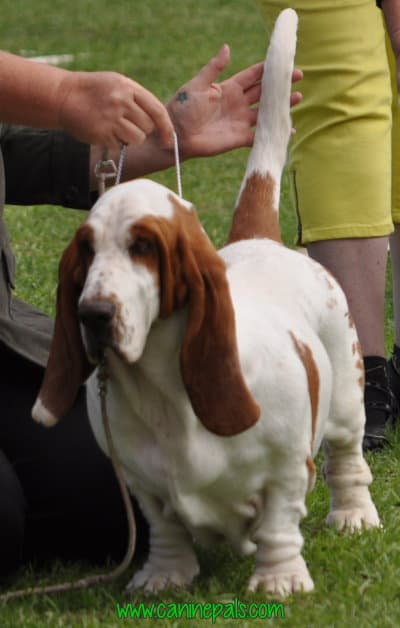
There are three major types of ear infections, all starting with the word “otitis” (meaning inflammation): internal, media and externa. Each type affects a different part of the dog’s ear. Ear infections are very common in dog breeds with big floppy ears such as Cocker Spaniels and Basset Hounds.

Approximately 20% of dogs have one or more ear infections at some point in their lives. There are ways you can decrease the severity and incidents of ear infections, which can affect one or both ears at the same time.

Interna and media are the types that affect the inner and middle ear passage and often are caused by an infection that starts in the outer part of the ear.

Externa refers to the outer ear. Inflammation can affect the cells that line the outer part of the ear passage.

Dog Ear Infection Symptoms:

There are many possible symptoms a dog may exhibit if an ear infection exists. Due to the extreme sensitivity of a dog’s ear canal, some symptoms are very obvious. Symptoms include:

• Shaking of the head.
• Scaly skin.
• Whining.
• Pawing at the ear.
• Odours.
• A smelly, dark discharge.
• Itchiness.
• Swelling and redness.

How do dogs get infections in their ear(s)?

A dog’s ear passage is in an “L” shape and more vertical than that of a human ear. The shape causes a certain degree of fluid retention as a result, thereby increasing the likelihood of ear infections happening.

Ear infections can be caused by many things including:

Mites (less frequent in adult dogs than puppies).
• Viruses.
• Bacteria.
• Fungus/yeast.
• Reactions to drugs.
• Thyroid disorders.
• Moisture (a good breeding ground for yeast and bacteria).
• Build-up of wax.
• Autoimmune disease.
• Injuries.
• Encephalitis.
• Meningitis.
• Excessive cleaning.
• Foreign matter.
Parasites.
• Tumours.
• Hormone issues.
• Plant material.
• Diseases of the endocrine system (for example, diabetes).
• Allergies (50% of dogs with skin problems and 80% of dogs with food allergies will have ear infections at some point).

Advanced cases of ear problems can be extremely serious and may cause facial paralysis, deafness, vestibular disease (poor coordination, dizziness, circling and head tilting). Prevention, early diagnosis and treatment are crucial in avoiding ear problems becoming worse.

Your vet needs to precisely diagnose the ear infection.

Dog Ear InfectionsAs soon as you notice any problems with your dog’s ears, you must visit the vet as a matter of urgency. Ear problems may be very painful and can spread and get worse quickly. Don’t attempt to treat such problems yourself.

Provide your vet with as complete a history of your pet as possible. If you’re seeing your regular vet, he’ll have the history already. However, if you visit an emergency hospital or vet you haven’t seen before, he won’t know anything until you give him the relevant information. Ear infections can hit at any time of day or night. Your dog may wake in the middle of the night, scratching his ear violently and whining loudly. So get him straight to the vet or hospital.

Information you’ll need to give your vet:

• Duration of, and type of, symptoms.
• What food you have given your dog.
• If he’s on medications for any reason.
• How often you clean his ears.
• If he has allergies or other health issues.
• Any previous ear infections (when, what type and how were they treated)?
• Recent activities such as a groomer’s session, a bath, swimming or walking in a dog park.
• If you have trimmed his ear hair.

The vet will need to examine your dog’s ears. He may use sedation if the ears are too sore to be handled. Even if one ear is the problem, he’ll always check both anyway.

His exam would generally include:
• Visually looking for any symptoms such as redness, rawness, inflammation, crustiness, blood or other oozing matter or anything else that shouldn’t be there.
• A gentle ear massage to test pain levels.
• Tissue cultures and examination.
• Biopsy and/or x-rays (in more severe and chronic cases).
• Using an Otoscope. This looks into the ear to see if foreign objects, waxy build-up, ear mites or damage exists.

Treatments.

It’s only after an exam is done that a vet can decide on the best treatment plan. Usually he’ll clean both ears properly and prescribe either oral or topical medication that you’ll keep on using at home. He’ll also usually prescribe painkillers to help reduce inflammation.

You’ll need to take him back to the vet to be checked again within the following week or so, to ensure the ears are healing or have healed. You’ll need to keep a close eye on his ears until they’re fully healthy.

Easy cases can be settled within 10-30 days. However, some may become chronic and other times it might be months before the ears come good.

Do everything your vet tells you to do, without any detours, or your beloved pet may suffer more, have the same problem again or it may last longer. Use all of the medication, even if the ears look ok half way through the treatment.

Tips to help you prevent your dog from having ear infections.

Dog Ear InfectionsPrevention is the best medicine. Learn the right way to clean your pet’s ears. If moisture causes his problems, ensure you dry his ears fully after he has had a swim and avoid water getting in his ears while bathing him.

Here’s a good way to clean your pet’s ears.
Fill his ear canal with a special cleaning solution. Massage the outer part of the vertical ear canal. Wipe it dry and clean with absorbent gauze. Avoid cotton and paper towels as they can leave fibres in the ear which can cause irritation.
Be aware that dogs would normally scratch their ears or shake their head after you have applied the cleaning solution so let him do it.

Cotton buds can be used to clean the ear’s folds but never slide them inside the canal or you may push debris in deeper and it can end up being in a clump. It may even rupture the ear drum itself.

When cleaning your pet’s ears, have some treats handy, especially if he’s being good and keeping still. Praise him for being a good dog and perhaps do something fun with him afterwards.

Part of caring for your dog is managing his overall health, and that includes his ears. It’s important to have a good vet because you can rely on him for help if your dog needs him. Prevention is always best, although it’s not always possible.

Copyright CaninePals.Com. All Rights Reserved.

dog puppy

Preparing Your Dog for a New Baby

 Preparing Your Dog for a New BabyCongratulations! A human baby is on its way. You’re probably flat out preparing, buying nappies and other necessities and also setting up the nursery. Unless you’ve had one or more children, a baby care class might be wise too. However, even with all this happening, you must also prepare your pet for this major life change.

Your dog will know something is happening. The pregnant mother will have changes in scent and body, as well as behaviour. Even if you’re adopting or have a surrogate mother, the energy in the house will change and your dog will know it.

Your dog won’t know exactly what’s happening or what’s required of him. The more preparation work you can do with your pet today, the easier it will be for the family once the baby has arrived. These pointers should help.

Get professional help for problem behaviour changes. If your dog is aggressive, that needs to be curbed immediately. Fear and/or separation anxiety may creep in and they still need to be handled. Maximise your time prior to the new arrival when time will be a real premium.

Reinforce limitations, boundaries and rules. Maybe you get a bit lazy over behaviour issues. That was ok then but now it’s not. Small irritations must be addressed so your dog knows they’re no longer acceptable. Be consistent and clear about your expectations of your pet.

Set up safe dog-free baby areas.
Your dog will be banned from the nursery and won’t be allowed to jump up on baby’s playpen. Include those areas in your boundary list. Put your baby’s items out and warn your pet that he must stay off them.

Be wary of excitable behaviour.
Dogs get excited easily, especially around new things and people. Something small now may be serious later so you need to ignore his hyperactive times and reward him when he’s calm.

Establish a new routine.
The care of a baby will drain every drop of energy from your body, especially in the first few months. It will get a bit easier after that but the work won’t stop. This means you’ll have less time for your pets and their routine will also be affected. Get them used to as much as you can before baby is born. Then it will seem a bit easier for you and them. If you have others walking your dogs, start them doing that now.

Buy a jogging stroller or baby carrier.
If you want to walk your dog, get some exercise yourself and bring baby with you, these can help. Practice before baby is added to the mix. Take the stroller or carriage and your dog for walks so he gets used to the added extras.

Get a recording of a baby crying.
Find a track of a baby crying and play it as loud as you can whilst doing your chores. Obviously it’s not the real thing but it will help both you and your beloved pet adjust to the endless noise. You may discover issues your dog has with that sound and can address it before it becomes real.

Expose your pet to children and other babies. Preparing Your Dog for a New Baby
Provided it’s safe, get your pet used to the smells and energies of other babies and children. Seek advice from other parents and children about their experiences and how to teach your dog how to handle different scenarios. You might find some issues you didn’t expect because dogs act very differently to children than to adults.

Begin today.
Some things might be hard to do if you have bouts of nausea as you cope with end stages of pregnancy. Less energy won’t help either. However, the moment baby is born, it gets even harder so begin today and you’ll be thankful you did. If you don’t retrain your pet, you may face the upsetting task of having to find him a new home if he and baby can’t live together.

Be positive about your pet and your baby enjoying life together. Despite the tips here being about preventing potential problems, there will be some amazing moments between your new baby and your beloved pet, both of whom you love equally in different ways.

Your dog may surprise you at how fast he accepts baby as part of the pack. As baby ages, their bond will strengthen. Dogs have an uncanny way of being in tune with the people they live with. Pregnancy is a monumental time in your life and your dog will instinctively sense it. However, he won’t know exactly what’s happening until it happens and even then, it will take some adjusting.

Tips to prepare your dog for the new baby’s arrival.

Leadership should be your focus. You have nine months to handle most problems, anticipate other issues that may occur and iron out unwanted behaviours. You’re the lack leader. If you want help, hire a professional. You’ll realise just how vital the work you put in prior to giving birth will be once baby is home and you see your beloved pet is calm and well-behaved.

Be wary of your own energy levels. Pregnancy doesn’t only affect the mother. Everyone is affected, whether human or animal. You may feel tired, excited, worried, stressed, exhausted and a whole gamut of emotions, many of which your dog will copy.

Claim your baby’s smell. Bring home from hospital something that smells like the baby, for example, a burp cloth. Set boundaries and help your dog get used to the scent. Let him sniff it from a distance first. You’re establishing that it’s your item but you’re giving him permission to sniff it. “This belongs to me and you must obey my rules when you’re around this scent.” This helps to set up a process of creating respect for your baby.

Establish nursery boundaries. Start with off-limit boundaries. Train your pet to understand there’s an invisible barrier around the nursery and unless you allow it, he can’t enter. After a while, you might let him smell things in the room, while you’re watching. Do this a few ties even before you bring home your baby. You choose when it’s time to leave the room. Your pet will learn that the baby’s room belongs to the leader of the pack and is to be respected all the time.

Manage the first introduction perfectly. First take him on as long a walk as he can handle so he runs out of energy. Before entering the house, wait on the doorstep to ensure he’s in a calm, submissive mood. The moment you both go inside, he’ll smell a new, somewhat familiar, scent. The person who is holding baby must be calm. Let your dog smell the baby but from a distance. Don’t bring him too close yet. Eventually you can let him get closer (if he’s behaving). This process teaches him that the baby is another pack leader and needs to be respected.

 Preparing Your Dog for a New BabyTeach your baby. Once baby gets into the exploratory phase, you need to supervise all contact between dog and baby. Baby should be taught not to pull his tail or ears and not to annoy him. Mutual respect lessons can begin as early as you want. There are thousands of cases of children provoking peaceful dogs accidentally because they had been unsupervised or hadn’t been properly taught right from wrong.

Don’t ignore your beloved pet. It’s easy to focus on the new baby. While your dog doesn’t need to be held and patted every second, he still needs food and water and regular exercise, as well as playtime. He still needs to see you as his leader. These things will ensure he feels secure and will enable him to relax now the family has a new addition.

Forget about the breed. Don’t falsely assume that your dog will behave in a certain way because of his breed. Establish your leadership and manage his behaviour and you should have no problems.

Your child’s safety has to come first. If you spend time on your own and/or with a professional and you’re not 100% confident that your baby will be safe with the dog around, then you’ll need to find your dog a new home, sad as that may be.

Copyright CaninePals.Com. All Rights Reserved.
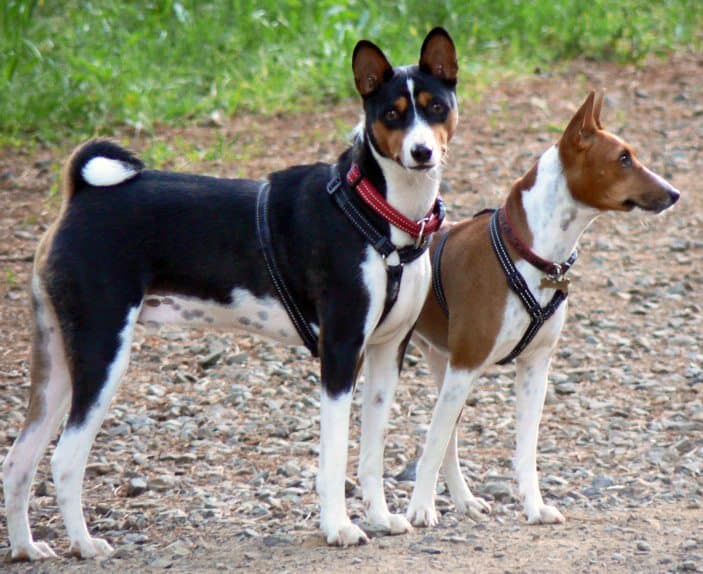
Basenji dogs

Tips To Stop Dogs Jumping On People

Stop Dogs Jumping On PeopleDogs absolutely love to jump on people. They’re excited, especially if you have been out all day and arrive home. Constant jumping can become annoying to you and any visitors you may have so here are some tips to help stop it happening.

Your first thought will most likely be to tell him off in a loud voice. You may also push him off but these actions often have the reverse effect, encouraging your dog to keep on jumping.

Dogs are extremely affectionate and close contact is the only way they know to demonstrate that affection. When you’re angry, he will usually try harder to show others he’s your friend.

A dog’s most powerful ability is smell. It’s hundreds of times more accurate than humans. As a puppy, his first eight months will be spent sniffing and investigating everything, whether it’s other animals, you and your family or guests. They smell everything possible, without fear of rejection.

The most powerful scents that humans project come from their mouths and genital areas. Everyone who encounters dogs, whether their own or other people’s dogs, will have had their genital region sniffed multiple times. Puppies stand on hind legs to get close and end up sniffing your mouth.

A dog may feel anxious and know that if he jumps up, you would probably pick him up, thus making him feel more secure and calming him down.

Negative attention is also a form of attention so when you focus on your pet, even if it’s to tell him off, he’s happy because your focus is on him again.

Training tips. If your dog jumps up, simply ignore him because that’s the only way he’ll learn. Don’t make eye contact with your pet and never speak until all paws are firmly on the floor. Then you can praise him, calmly and affectionately, while you pat him.

Turn your back on your jumping dog. Stay that way until he stops jumping. Then you need to turn around and pat him, while praising him.

Dogs learn very fast. They’ll learn that jumping does nothing but planting their feet on the ground gives them lots of attention and treats. So they remain quiet and well-behaved until they get the attention they so desperately crave.

Another tip is to always greet your pet calmly so you don’t entice him to become excited and active. This behaviour doesn’t encourage your dog to jump or get more excited than he should.

If you don’t stop your puppy from jumping up when he wants to, he will learn that jumping is an acceptable behaviour. Then jumping will carry on into adulthood when puppy has grown into a big heavy dog and one jump could push you to the floor. So you encourage bad behaviour and you can’t get angry if you’re not disciplining him properly.

While your beloved pet is a treasured member of your family, jumping up on people should be discouraged. Train him now and it will be easier down the track. Jumping or not jumping isn’t the end of the world. Just stop him doing it.

Copyright CaninePals.Com. All Righst Reserved.

caninepals

Chinook Dog

The Chinook dog was developed as a sled dog in the United States. His function was sled dog races and drafting. He was bred to mix the speed of lighter sled dogs and the strength of freighting dogs.

He’s a very athletic dog with a hard body. He has great rear extension and forward reach in his endless gait. He has an impressive look, black eye markings, dark almond eyes and an aquiline muzzle. His ears sit in various different positions and his coat is a close fitting fawn colour. His saber tail is generally displayed as a graceful sickle curve.

The male Chinook is significantly different from the female of the species. The female has a feminine look and needs to be judged on equal footing with the males. This dog should be presented without trimmings and in a natural condition.

This breed is a family dog that demonstrates lots of affection and is keen to please. He’s playful, versatile, easy to train and loves children. He loves lots of regular exercise including daily walks and other activities including: hiking, backpacking, jogging and a sport called skijoring (a winter sport where a dog pulls someone behind him who’s on skis. He loves a fenced in yard so he can play when you’re busy.

He’s NOT a good guard dog as he has poor protective instincts. His thick double coat is a seasonal shedder so he must have regular washing and brushing to minimise shedding.

A Chinook puppy needs to socialise to help boost his confidence. This includes taking him to a puppy class.

Nutrition and feeding.

What and how much and how often you feed your adult dog depends on numerous factors. You’ll need to create the right formula designed to meet his ever-changing, individual digestive needs as he grows older. Numerous dog food manufacturers have created breed-specific formulae for all sizes and breeds.

The Chinook usually lives between 11-13 years. You’ll decide what to feed him but you should consult your vet and/or breeder to learn what and how much to feed you’re your dog, as a puppy and as an adult. He should have access to plenty of fresh, clean, drinking water whenever he needs it.

Coat and grooming.

This breed’s double thick coat will shed hair according to the seasons so regular brushing and bathing can minimise this. Use a decent slicker brush during the season for shedding. Nails should be regularly trimmed by using either a grinder or nail clipper to help avoid cracking, splitting and overgrowing. Ears must get a regular check-up so debris and wax stands zero chance of building up and possibly causing infections. Chinook teeth must be regularly brushed to keep them clean.

Chinook and Health.

As with all dog breeds, a Chinook may have health problems such as: eye disease, hip dysplasia or patellar subluxation. Having said that, the good news is that most Chinooks are very healthy.

Colour: The Chinook has a general tawny colour but it ranges from a deep reddish-gold colour through to a pale honey shade. This is a Chinook’s distinguishing characteristic. A diluted tawny colour and the dilated pigments around the eye rims, on the pads of his feet and on his lips and nose. While this is acceptable, it’s certainly not ideal.

It’s highly desirable that the muzzle and ear colouring is a darker shade than that of the dog’s body. It runs from a darker tawny to a shade of black; some black shading is very much preferred.

In the inner corner of both eyes, it’s highly desirable that there’s a black apostrophe- shaped mark. It’s acceptable for there to be symmetrical pale to gold or white markings on the cheeks, underside, breeches, chest and throat. Any other white marks aren’t acceptable. This includes: scarves, socks and blazes.

The Chinook must be a tawny colour, as other colours are a disqualification.
Ideal measurements are as follows:
Females= 22-24 inches. Males= 24-26 inches.

Copyright CaninePals.Com. All Rights Reserved.
dog

Russian Black Terrier

Russian Black Terrier

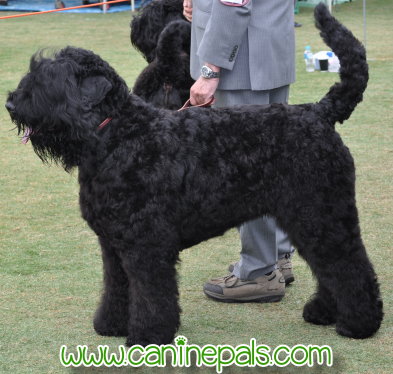
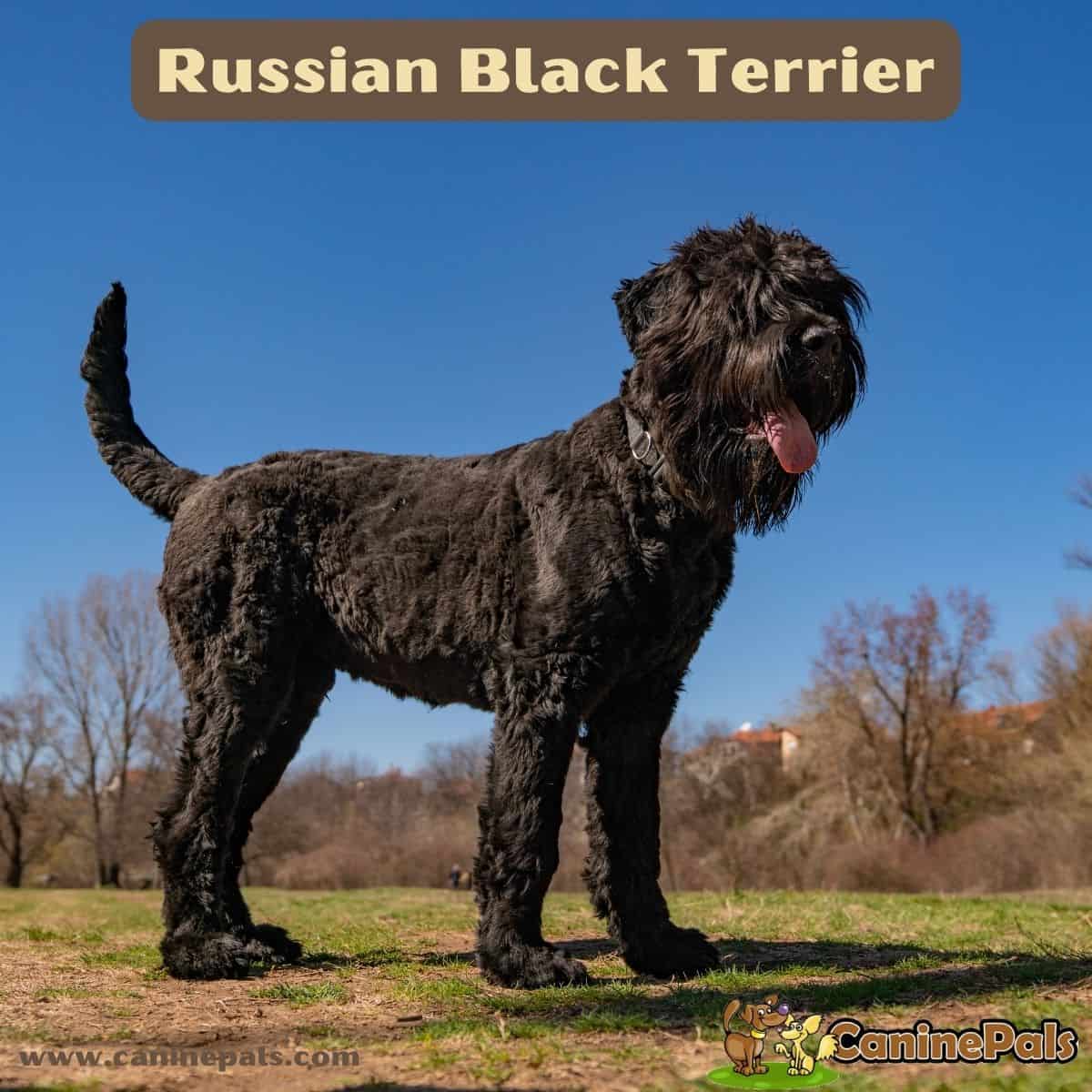
The Russian Black Terrier is powerful and robust, with highly developed muscles and large bones. He’s of proportionate build and balanced structure, a little longer than tall in his withers.

Bitches usually aren’t as muscled or substantial in size but this may be dependent on environment and lineage.

Colour: The gums, nose, and eyes have a dark color and he’s a black dog with only a few grey or white hairs.

Height: Males are 66-72 cm measured at the withers. Females are 64-70 cm measured at the withers.

Coat: The rough outer hairs are thick and have a softer undercoat. The muzzle should have a bearded lower lip and a brushy, rough mustache on the top. The eyebrows should be bristled and tough as well.

Russian Black Terrier History

In the early 1950s, Russia started developing a protection and guard dog for its army. The government-owned Red Star Kennel, is the location chosen for this purpose. The goal was to make a big, highly-spirited military dog with an even temperament. The dog should be keen to work and easily able to cope with the radical climates of Russia.

The main breeds that were used in the developmental process were the: Giant Schnauzer and Rottweiler (for working ability and even temperament), Newfoundland (for coat and size) and the Airedale (for his spirit). In the early times, other dogs were also used, among them were several terriers that no longer exist. These other breeds included: East European Shepherd, Caucasian Ovcharka, and Great Dane. By the 1970s, the main dogs that were combined to create the Black Russian Terrier were firmly established.

In 2001, the first Russian Terriers were brought into Australia. These were the: Zornoi James Bond (“Stryka”) from Finland and the Best Guard Deniza (“Zaya”) from Russia via Finland. These dogs were chosen for their working lines and even-natured temperament by Ross and Dot Sweeney.

These dogs and their various progeny proved successful in numerous roles such as agility, tracking, obedience, and conformation showing. Several dogs were determined to be ideal for later work as therapy dogs.

Russian Black Terrier Temperament

The Black Russian Terrier isn’t known to have a dominating nature but can be stubborn or wilful and has proved to have great intelligence. They have a strong, well-balanced characters but aren’t ideal for everyone.

This breed can be aloof around strangers and if not socialized early in life, may not tolerate anyone outside their family handling them in any way. They’re courageous, lively, reliable and confident dogs.

They usually tolerate other dogs unless they feel threatened and then they go on the defense. Having a long memory, they’ll recall previous incidents with other dogs and with specific people.

This breed has been developed to be an excellent protection and guard dog. He’s easy to train and thrives on stimulation. In Europe, he’s used for sledding and herding in addition to protection work.

They enjoy living with families but dislike boarding kennels, being kept in garages or outside, or not being allowed human contact for lengthy time periods.
They take a while to mature, both behaviourally and physically; the females are slightly faster than the males in these areas.

Due to their temperament and size, they’re not regarded as typical pet. As true guard dogs, they should have experienced owners with previous knowledge of these types of breeds. However, in the ideal household, they’ll flourish and will tolerate other animals as well as children.

Copyright. CaninePals.Com. All Rights Reserved.
pomeranian dog

What To Feed Your Senior Dog

What To Feed Your Senior DogWhen do you think of your dog as being senior? A vet will say this is when a dog is in the last third of their life expectancy. A poodle generally lives to 15 years and becomes a senior at age 10. A golden retriever has a life expectancy of 13 years so he’s a senior at 8-9 years old.

However, these facts don’t always ring true because dogs can die earlier or later than predicted. Your dog may have health issues such as partial hearing or sight loss. Other dogs may become clumsier than usual, sometimes for the above reasons but they may have bone or muscle issues. If you notice any odd behaviour in your dog, take him to the vet for a check-up.

As your dog ages, he’ll become less active because his energy levels have decreased. You may have to reduce the volume of food you give him to prevent weight gain in his older years. You may wish to buy special diet food made especially for senior dogs. Ask your vet before trying such food as some of the foods have a lot of protein and you can’t give more protein to your dog if he has renal failure.

As a dog gets older, the risk of constipation is higher. His digestive system and stomach aren’t as efficient as they were when he was younger. Ensure there’s lots of fibre in his diet (3% – 5%). Make sure he drinks lots of water because that helps with constipation as well. Watch him when he is doing potty to see if it’s easy or hard to do. If it’s harder, talk to the vet about what you can do to ease the problem.

As dogs become seniors, many are more prone to arthritis. Your dog needs daily supplements to help prevent this. Golden Retrievers are notorious dogs for developing hip joint and arthritis issues as they grow older. Keep his joints healthy so your dog can move around freely. Vets generally suggest a supplement containing chondroitin and glucosamine as these help with arthritis.

Vitamins help because as your dog ages, he can’t absorb as many electrolytes and vitamins and so they get lost. Many senior dogs eat less food so they don’t get sufficient nutrients. Your dog also needs lots of essential fatty acids that also help with the side effects of arthritis.

Owners of senior dogs often have problems with feeding their dogs. The dog will stop eating suddenly and the owner rings the vet desperately seeking advice. It may be a sign of something more serious BUT it’s usually a result of the dog’s mouth and teeth. As a dog grows older, his teeth also age and he may have difficulty chewing food in the way he did as a youngster. Moisten his kibble, or use smaller pieces. Moisten other food with water to soften it for him to eat easier.

Older dogs may stop liking foods they used to love. Try different things. Warm his food. Add boiled eggs or broth and chicken. Your vet may allow you to give him a small amount of bacon dripping or hamburger grease for moisture and flavour.

As your dog grows older, he deserves the best food you can find for him. Don’t be stingy in that aspect of his care. Many people use the BARF (bones and raw food) diet because it’s easier to chew raw food and the vegetables are generally pureed.
This diet has loads of nutrients and sometimes gives your dog some of his old energy.

Other benefits include: helping prevent weight gain and easing arthritis symptoms common in many seniors. However, not every senior will like the BARF diet so you can just try it and see because the benefits greatly outweigh the possibility he may not like eating it so you have nothing to lose.

Some owners give their senior dog more table scraps because they feel a little guilty that he won’t be around for too much longer and so they’re happy to indulge him for his remaining years. The idea may be fine but it may trigger extra problems your dog may not have yet.

Watching a beloved dog age is tough. Giving him the best possible diet to help him enjoy his senior years is one way to make him feel more comfortable.

Copyright Caninepals.Com. All Rights Reserved


American, Eskimo, Dog

Foods That Are Harmful For Dogs

There are many foods that humans eat with perfect safety, BUT if the same food is fed to dogs, it could poison them. Admittedly, it can be tough when you’re enjoying a slice of delicious chocolate cake while your dog is drooling at your feet but refuses to give in and offer a little to him.

While such foods may cause you to gain weight, your beloved pet could suffer due to a momentary lapse in judgment on your part. Here are some of the foods dogs must never be allowed to eat.

The list includes chocolate, coffee, tea, caffeine, onions, avocado, garlic, alcohol, grapes, macadamia and other types of nuts, fruit seeds, yeast, raw eggs, dough, wild mushrooms, xylitol, fat trimmings, salt, cooked bones, and some human medications.

Avocados are top of this list because they carry a fungicidal toxin (persin) that’s harmless to humans but can be dangerous for dogs. Pepsin exists in avocado plants’ fruit, bark, seeds, and leaves, so be very careful if you grow them at home.

Alcohol is far from being the ideal liquid to keep people hydrated. It’s not good for dogs, either. The effect it has on a person’s liver and brain also happens to dogs, but the effects happen much faster. A very small amount of alcohol in a dog can cause diarrhea, vomiting, depression, and poor coordination. In worse cases, it can affect breathing, may send a dog into a coma, and may even prove fatal.

Garlic also sits high on this same list. Garlic is controversial. Some say not to feed dogs with it, and others say you can. So it’s a personal choice, but it’s best to err on caution.

Onions are bad, regardless of the form they’re in when consumed. They can destroy red blood cells within the circulation system, causing hemolytic anemia. Some forms of baby powder even contain ground-up onions, so read labels properly. Onions may cause vomiting, anemia, a dull coat, breathing trouble, anorexia, and perhaps kidney problems.

It’s unclear how much should be consumed before it causes major problems, but it’s more likely that the effect will be cumulative. So, if your dog ate a small amount once or twice, it’s unlikely to cause any harm.

Tea, coffee, and other forms of caffeine can cause restlessness, muscle tremors, fits, bleeding, and heart palpitations, and if enough is consumed, it may prove fatal. There’s caffeine in chocolate and certain medications so your dog can’t have ANY!

Raisins, sultanas, currants, and grapes are all poisonous to dogs. They can cause permanent kidney problems and may even be fatal. Give your 20-pound dog four raisins, etc., and he’ll become ill.

Symptoms may include lethargy, vomiting, abdominal pain, loss of appetite, depression, and reduced urinary output. Symptoms may take up to 24 hours to manifest but can occur as soon as 4-5 hours after consumption.

If consumed, nuts such as pecans, pistachios, and almonds are dangerous for dogs. Macadamia nuts appear to be the worst nut of all. They can cause serious side effects, and death may result if the feeding continues.

Even a few raw or roasted macadamias may cause weakness, muscle tremors, fever, vomiting, and an increased heart rate. Adding chocolate to any nut magnifies the problems immensely. Symptoms may take 24 hours but could appear within 6 hours.

Pistachios are high in fat and can trigger an upset stomach. Over time, consumption of these nuts can cause pancreatitis to develop.

Black walnuts have been known to upset a dog’s stomach and even cause an obstruction if swallowed whole. Moldy black walnuts are more harmful. They have toxins made by a fungus, loss of control over muscles, and vomiting.

Japanese and English walnuts have a mold that releases a dangerous tremorgenic mycotoxin that can cause seizures and muscle tremors in dogs. Pecans and hickory nuts follow the black walnut pattern.

Hickory nuts and walnuts can vary in the symptoms they cause a dog. Fresh nuts aren’t as dangerous as moldy nuts. Dogs love almonds but can’t have them because they can upset a dog’s stomach. Moldy hickory nuts also contain tremorgenic mycotoxin.

Chocolate is delicious, but all forms are bad for your beloved dog. White chocolate causes the same issues as normal chocolate. Unsweetened baking and Dark chocolate are the most toxic of all chocolate varieties. 2 ounces of baking chocolate can poison a 20-pound dog. It would take 20 ounces of normal milk chocolate to cause the same damage.

Theobromine is the toxic component of this tempting crowd-pleaser. If your pet is given any at all, symptoms include tremors, diarrhea, vomiting, increased thirst, abnormal heartbeat, coma, and possibly death.

Cherries, persimmons, plums, apple seeds, and peaches aren’t harmful to dogs as far as the fruit goes. The pits or seeds cause these fruits to be included in this list. Small dogs will often eat pits. These contain a known toxic agent harmful to people as well as dogs. The agent is cyanide. It may block the dog’s intestines if that’s not bad enough. Dogs can eat apples as long as the fruit has been cored first.

Raw eggs appeal to dogs but must be cooked before they can eat them. There are two reasons why they need cooking.

  1. There’s a high risk of E.coli or Salmonella bacteria causing food poisoning.
  2. A specific enzyme within the raw eggs hinders the dog’s ability to absorb a

particular vitamin B. Skin and coat problems may occur if raw eggs are fed over a long period.

Yeast dough must be left to rise in a place where the dog can’t get to it. If a dog eats some of the rising dough, it will keep rising inside his tiny stomach. The dough will inevitably stretch the skin and cause intense pain…and the dough may ferment in the dog’s stomach and cause alcohol poisoning.

Xylitol is a chemical sweetener manufacturers often use in sugarless gum, mouthwashes, toothpaste, and certain medications. It’s also an ingredient in lots of safe baked goods for humans to eat. Xylitol raises insulin levels and can cause hypoglycemia. Symptoms dogs may have after consuming this chemical include lethargy, vomiting, bad coordination, seizures, and perhaps liver failure.

Wild Mushrooms grow in the wild and can also grow in people’s backyards. Humans know to sample things before fully eating them. Dogs have an overwhelming curiosity to try anything they see.

The toxins contained in wild mushrooms can cause severe damage to the brain, kidneys, liver, and other organs if consumed. Symptoms include seizures, vomiting, coma, and death. People should check their yards regularly to eliminate any mushrooms that start growing.

Bones and fat trimmings are well-loved by dogs but aren’t good for you or your beloved dog. This is the uncooked or cooked fat people have trimmed off meat because they didn’t want it. Too much of this can cause pancreatitis.

Cooked bones are the most harmful for dogs. They may splinter or break while being chewed, and this can cause lacerations, cuts, and other similar problems in the mouth and digestive wall. They can cause choking or obstructions. Fish bones cause no problems if uncooked, so using them in raw diets is normal.

Salt can cause extreme thirst and excess urinary output for your dog if he has too much salt in his food. If a dog’s salt intake is high, it’s possible to contract sodium ion poisoning. Symptoms include diarrhea, vomiting, fever, tremors, and seizures, and may sometimes prove fatal. Think twice before letting your dog have salty food of any type.

Iron tablets are good for humans but may be dangerous for dogs. Some people believe it’s fine to feed their dogs the same foods as their children without first checking if they are safe for dogs.

There are lots of drugs that are OK for dogs as well as people. However, others may cause severe symptoms, and so should be avoided. Iron tablets for people may cause damage to the intestines and stomach wall, thereby poisonous to your kidneys and liver.

Ok, vitamins aren’t food. However, some might argue about that. This was included in the list of foods considered toxic to dogs…to see if you could catch this “error.”

It is more about medications that are fine for people and ones you can give a dog. Prevention is much cheaper than a more expensive cure. Increase your knowledge of foods that are bad for dogs, and your home will be less likely to be harmful for your dog because he won’t be able to get at anything dangerous.

Events can happen in a split second.

What’s your first move if you think your dog has eaten something poisonous to him?

Keep your vet and 24-hour emergency vet hospital details close by so you can ring when you realize you need urgent help.

Disclaimer: The Content is not a substitute for professional veterinarian advice, diagnosis, or treatment. Always seek the advice of your veterinarian with any questions you may have regarding your dog’s medical condition. Never disregard professional advice or delay seeking it because of something you have read on ANY website.

Copyright Caninepals.Com. All Rights Reserved.


How Much Do Dogs Sleep

How Much Do Dogs Sleep?

Does it appear that your dog sleeps all day and night, barely waking for food and a potty break? When do dogs sleep you ask, as your dog’s appears to sleep all night and nap all day?

Keep reading to learn about dog sleeping habits and find the answer to your question “How Much Do Dogs Sleep?”

Dogs sleep very differently to people and not just in the way they physically sprawl out. Their frequency and duration elements are very different so let’s look at these in detail.

How Much Sleep Do Dogs Sleep a Day?

How much do dogs sleep on average? The short version is “it depends.” People have a general pattern of being awake for 10-12 hours and then sleep for 8+ hours during the night. Dogs don’t have a standard routine of sleep.

How Long Do Dogs Sleep?

How much do dogs sleep in 24 hours? They nap numerous times through the day. Your dog will wake up anytime food is available, and this includes snacks and treats as well as his main meal.

He’ll wake up to go for a walk, to bark at people at the door, to scare the postman, and so the list goes on, and then he’ll inevitably have another nap.

How Dogs Sleep?

Research suggests that when a dog sleeps, as little as 10% is spent in REM sleep. This is the active period when he also dreams.

People spend 20-25% of their sleep time in REM sleep. The reason for the big difference is that dogs sleep in shorter bursts so there’s less chance of them achieving REM sleep.

How Much Do Dogs Sleep

Dogs don’t need the same amount of deep sleep that people do. This means they need to nap more often to ensure they have sufficient rest.

How Much Do Dogs Sleep In a Day?

What time do dogs sleep? If you add it all together, a dog can sleep anywhere between 12 and 18 hours each day.

The range is big because certain elements will affect how much sleep they get and at what end of the range they’ll generally be in.

These elements include:

Is it Normal For Puppies to Sleep a Lot? How Much Do Puppies Sleep?

Why puppies sleep more than adult dogs. Puppies sleep a lot, as they have shorter battery lives and when they’re awake, they run around a lot and literally end up exhausted so they need to sleep to recharge themselves. Quality sleep time for puppies is necessary for the pup’s development and growth.

How Many Hours Per Day Do Puppies Sleep?

Puppies are babies and babies require lots of sleep. Puppies generally require 18 to 20 hours of sleep per day. Puppies sleep a lot and play a lot.

How Much Do Adult Dogs Sleep?

How much do older dogs sleep? Do old dogs sleep a lot? Senior dogs also sleep more. Because they’re older, they need extra energy to do the things that they could easily do when they were younger. As with puppies, they have to recharge more frequently.

Level of Dog’s Activity

Very active dog breeds don’t sleep as much as low active dog breeds. One reason is that they have extra energy and are more active for a larger part of the day than the dogs who lead lazy, sedentary lifestyles. Working dogs, such as search and rescue, police and service dogs, work for a large part of each day and sleep less.

Companion dogs and dogs that are home on their own for most of the day may sleep more often because they’re bored. If this is your dog, learn how to keep him mentally and physically active.

Dog’s Diet

If your dog’s diet is lacking in quality, it will slow him down in two ways. Firstly, he doesn’t receive enough nutrients to make him energised so he becomes quite lethargic. Secondly, low quality food has fillers and some hard to digest ingredients.

Compare this to yourself after a big meal. You feel like a nap because your body is pushing extra energy into your digestive system because of the additional workload.

Your dog’s systems have to focus on digesting the tough foods and that leaves less energy for playtime. It’s crucial to learn about what goes into the food you choose for your dog.

Larger breeds Sleep More Than Smaller Dog Breeds

For example, Newfoundlands and St. Bernards will sleep up to 18 hours per day. These dogs are great for apartments because their energy is low and they can live in the smaller spaces, providing you walk them regularly.

How Much Should Dogs Sleep?

Learn how much sleep is regarded as normal for your particular dog. Then you’ll notice if your dog just wants to sleep too much or your dog is sleeping more than normal and can work out what is wrong. It may be a dietary change, lack of exercise, sickness or something else. If necessary, contact your vet for advice or an examination of your dog.

It’s a good idea to get a sense for how much sleep is normal for your dog. Then if you notice a sudden change in dog sleeping habits, you’ll know something is going on. A change in dog daily sleep may be as a result of a food alteration, needing more exercise, a change in life cycle, or something wrong internally.

If you notice a sudden change, take a look at what may be causing it and call your vet if needed. Research reveals that dogs sleep a bit like people do, with the same cycles, and this includes a certain amount of REM sleep.

How we know this, is due to the fact that that research has been done to compare a human’s sleeping brainwaves and a dog’s sleeping brainwaves. So we can assume that dogs do dream.

What Sort Of Dreams Do Dogs Have?

What Are Their Dreams About?

It’s hard to know what dogs actually dream about because you can’t ask them to tell you. People sometimes think about dreams when they’re awake. So it’s natural to think that dogs can also dream about the things that happen to them.

Watch Your Dog Sleep

Do you ever watch or listen to your dog while he’s asleep? His whimpers might be sounds of him barking at the postman. When his paws twitch, he may be dreaming of happily roaming through the local park. Even though the body is semi-paralysed while he sleeps, you can see small indicators of what he may be dreaming about.

Modern research supports this theory. An article in Psychology Today tells of research conducted with rats to work out what occurred when they were sleeping. They ran in mazes during their waking hours, while monitors measured the activities in their brain while in the different sections.

While they slept, their brains were also monitored and the results were exactly the same as when they were running in the mazes when they were awake.

This proved that the rats were reliving their daytime activities while they were asleep. Dogs have a higher level of brain function than the rats have. Therefore, it’s very likely that if the rats have the capacity to dream about their daily lives during dreams, then they dogs could as well.

Can Dogs have Nightmares?

You can’t know for certain if your dog has night mares. However, it’s logical to assume that if he experiences a stressful event during the day, that stress and fear can easily continue into the dreams. If you believe your dog is experiencing a nightmare, don’t wake him up. Dreams occur during the deep REM cycle, the same cycle that enables you to rest the most.

If you wake your dog while this is happening, you’ll disturb his rest and hell most likely be confused as well. If he has ongoing nightmares, use Rescue Remedy or something similar to ease his anxieties and stress.

If you believe your dog has vivid dreams, you’re most likely correct. Dogs do have dreams and it’s probably about their daytime activities. When you see your dog having a dream, think about what he may have experienced during that day to learn what his dreams might be about.

Final Thoughts on How Much Should Dogs Sleep?

So the answer to how much sleep a dog will get varies enormously according to size, age, diet and exercise regime, but it will usually be 12-18 hours per day.

Copyright CaninePals.Com. All Rights Reserved.