
Disclaimer

American Staffordshire Terrier Traits

Get to Know the American Staffordshire Terrier Traits

Learn about the American Staffordshire Terrier’s unique traits and characteristics for a friendly, practical, authoritative guide to owning one of these lovable canines.

Are you considering adding an American Staffordshire Terrier to your family? This dog breed is becoming increasingly popular thanks to its friendly and affectionate nature. But it’s important to be aware of all aspects – good and bad – when deciding whether this breed is right for you.

In this blog post, we’ll explore the traits of the American Staffordshire Terrier, from how they interact with other dogs and people to their unique exercise requirements and trainability. With practical advice along the way, we aim to provide you with enough information about these loyal dogs so that you can make an informed decision on whether an ‘Amstaff’ is a suitable choice for you.

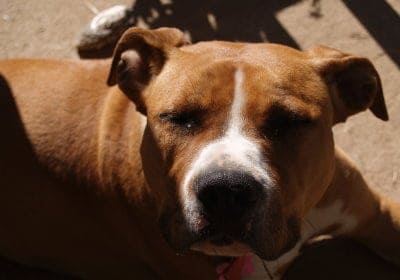
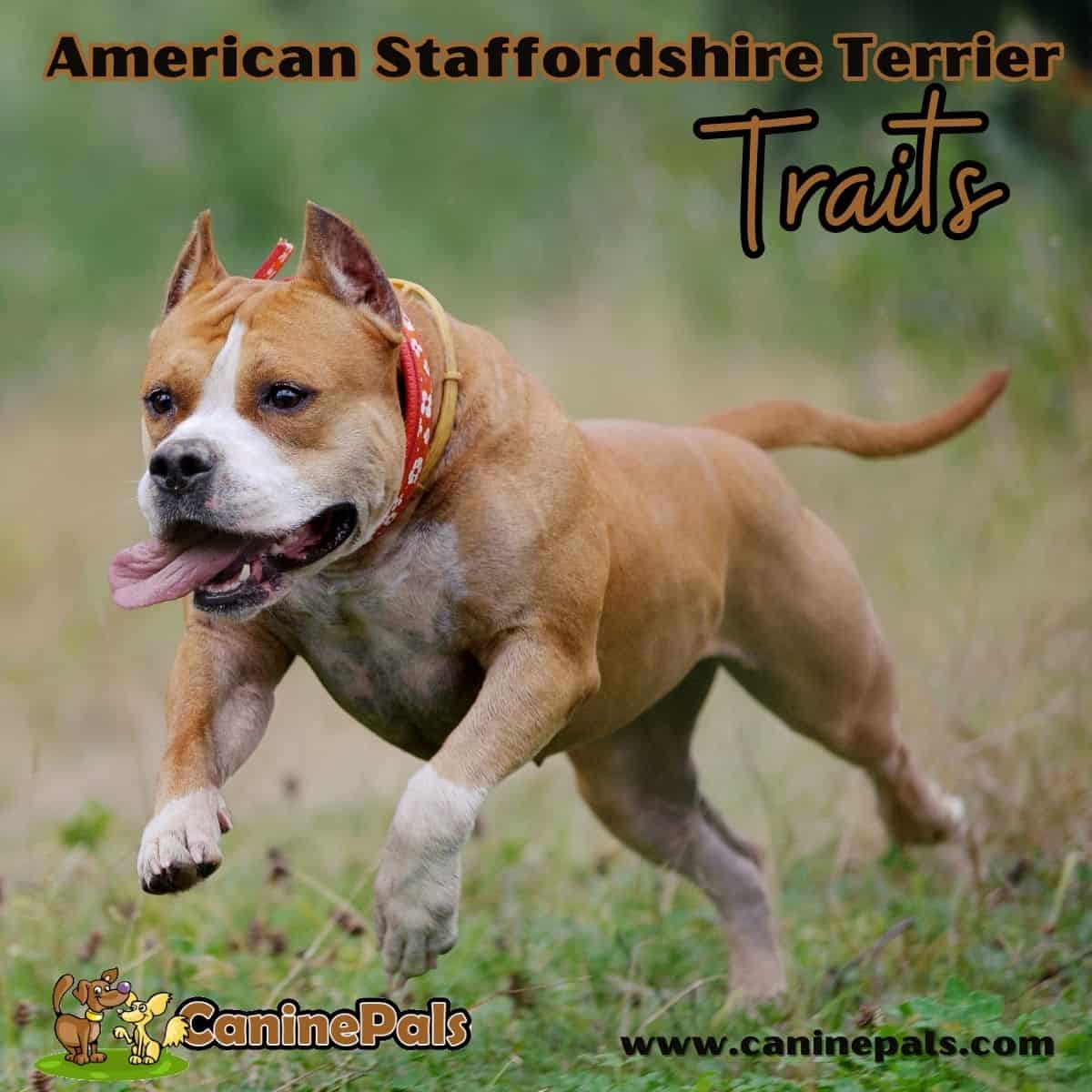
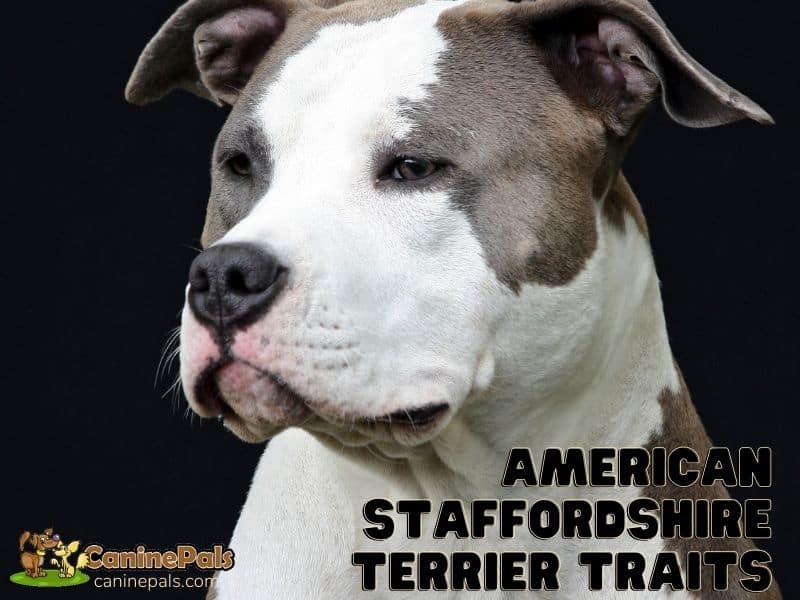
The defining American Staffordshire Terrier traits are an agile muscular build, strongly defined cheekbones, broad shoulders, medium height, round eyes, and attentive appearance.

These traits set American Staffordshire Terrier apart from all the other dog breeds. Popularly known as Amstaffs, American Staffordshire Terriers are the darling of keen dog owners who themselves are known as Amstaffers.

This article will be all about American Staffordshire Terrier’s outstanding traits. So, brace yourself for all that is yet to come.

The American Staffordshire Terrier is intelligent and athletic, so he’s suitable for dog sports, including agility, obedience, conformation, and tracking. You can recognize him by his powerful head and stocky body. His coat is short and can be any color. It can be patched, solid, or parti-colored. This dog used to be known as a Pit Dog, a Half and Half or a Bull-and-Terrier dog before the English decided this was a better name in the early 19th century.

This dog loves being with people and is very loyal. He’s also friendly but will protect the household from trouble when necessary. His coat is easy to maintain but needs regular training and exercise. His height is 17-19 inches tall.

History of American Staffordshire Terrier

American Staffordshire Terrier originally hails from England. This dog breed was raised for a specific purpose. In the eighteenth and nineteenth centuries, Englishmen were fond of blood sports. These included dog fights, turning a pack of dogs loose on a stacked bear or a bull. In those days, spectators were fond of blood sports. They used to bet on the outcome to make money.

Those days of grisly blood sports are long gone. But the blood sports gave us an outstanding breed – our American Staffordshire terrier.

The now-extinct breeds, such as White English Terrier and Black-and-Tan Terrier, are thought to be alive in the American Staffordshire, and the latter is supposed to carry the former’s gene pool. Nevertheless, American Staffordshire Terriers are certainly a cross between Bulldogs and Terrier breeds.

The dog was introduced to the US in the mid-eighteenth century, where it was loved and used as farm help or to hunt down wild boars.
American Staffordshire Terrier Traits

American Staffordshire Terrier Traits

People are concerned about this dog breed because of their lineage and history. But worry not, for we will present in detail all the necessary traits of Staffordshire Terrier in considerable detail.

American Staffordshire Terrier Appearance

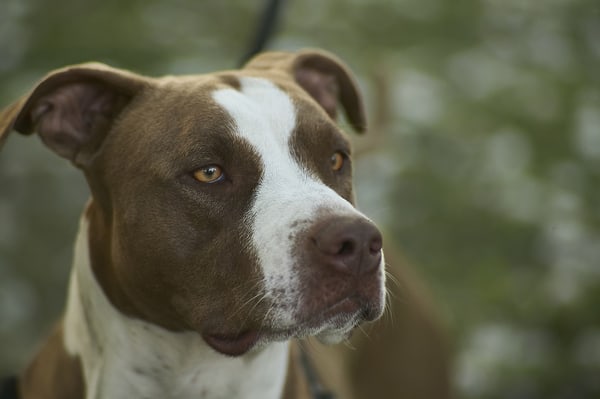
The Staffordshire Terrier is a muscular dog that is strong for its size. They look agile and active. The face’s bone structure is well-defined, and the overall appearance is attractive. The jaws are strong, and the eyes round. Sometimes you would see their cute puppy dog face while looking at the humans. At other times, they would appear the master of the ring when at large.

Size

American Staffordshire Terrier is a medium-sized dog ranging from 17 to 19 inches in height. The height of the male dog is an inch longer than the female dog’s. The weight ranges from as low as 40 pounds to as high as 70 pounds. Female dogs are relatively smarter than their male counterparts.

The exact height and weight range of American Staffordshire Terriers, according to the American Kennel Club (AKC), is given below in the table.

Male Female
Height 18 – 19 inches 17 – 18 inches
Weight 55 – 70 pounds 40 – 55 pounds

American Staffordshire Terrier Personality

The appearance leads to a perceived notion that American Staffordshire Terrier personalities are aggressive. But the reality is completely different.

Is American Staffordshire Terrier a Good Family Dog

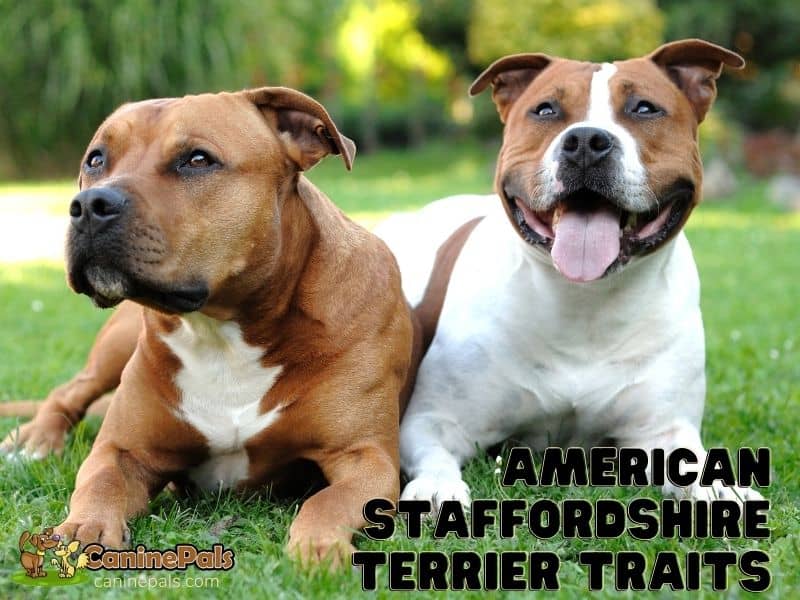
The most important concern about any dog is whether it is a good family dog. In that regard, you can completely trust AmStaff. It is a well-behaved family dog.

The Terrier is fond of humans and loves nothing more than to be useful to humans. It is a happy family dog through and through. It loves to play around. In an outdoor setting, it is in full action, such as in the backyard or lawn. It is loyal to its owners and loves to be around them.

AmStaff is generally good with children but tends to be relatively overprotective. Hence, it is highly advised that the dog should be allowed to bond with the children but not without supervision. These dogs are also very gentle and friendly towards strangers and mingle well with them.
American Staffordshire Terrier Traits

Is American Staffordshire Terrier Considered an Aggressive Breed

AmStaff has a past of being a dog employed in blood sports. The appearance, size, and personality display certain features that make Staffordshire Terriers a relatively aggressive breed. AmStaff has a reputation for being the guard dog. Stubby, the most notable of these guard dogs, earned the rank of Sergeant and decorations in World War I. Some dog owners have reportedly claimed that Terriers are a good judge of human intentions and can satisfactorily perform guard duties.

Considering these characteristics, AmStaff can come as an aggressive dog. But if this dog starts training early, the aggression is taken from its personality. It turns out to be a pretty well-tamed dog if it finds a trainer that can handle its physical demands.

Terrier is an intense dog and likes to stay busy. AmStaff would pull, dig, chew, and occasionally bark when bored. Sometimes AmStaff becomes a pain to handle while walking because they would pull the walker along with them. So, it is extremely necessary not to let the dog take charge.

Also, they may not be as friendly towards other dogs as they are to humans.  These dogs respond well to training but can be stubborn to forceful methods. So, it is highly advised that they be trained in an understanding manner.

Overall, American Staffordshire Terrier is not an aggressive breed if trained and handled well.

If we were, to sum up all the American Staffordshire Terrier personality traits, we would say that they are loyal and friendly, loveable and loving, kind to children but a bit overprotective, and responsive to training.

The table below summarizes the personality and traits of the American Staffordshire Terrier. The more the score out of five, the better this dog is.

Personality Traits Score out of Five
Jogging Partner Three
Lap Dog One
Good with children Two
Warm weather Three
Cold weather Three
Grooming requirements One
Shedding Three
Barking Two
Ease of training Four

AKC Breed Standards for American Staffordshire Terrier

American Kennel Club (AKC) describes official breed standards for American Staffordshire Terriers. These standards are described below in detail.

  • Head: The head is medium length with a broad skull and very pronounced cheek muscles. Ears, either cropped or uncropped, are set high. Eyes are dark and round, laying low down in the skull and set far apart from each other.
  • Neck: This dog’s neck is heavy with a slight arch, tapering from the shoulders to the back of the skull. The neck is of medium length with no loose skin.
  • Shoulders: The shoulders of this dog are agile and muscular. The shoulder blades are wide and sloping.
  • Back: The back of the dog is fairly short. It is slightly sloping from withers to rump with a gentle short slope at the rump to the base of the tail. Loins are slightly tucked.
  • Body: The dog’s chest is deep and broad, with forelegs fairly wide apart to permit full chest development. The dog has well-sprung ribs that are deep in the rear.
  • Tail: It has a relatively short tail in comparison to the size of the body. The tail is neither curled nor held back, and neither is docked.
  • Legs: The dog’s Front legs are straight with large and round bones. There is no bend in the front legs. The muscles in the hind legs are strong. Feet are of moderate size and compact, allowing them to easily carry the body’s weight and be agile simultaneously.
  • Gait: The gait of this dog must be springy but should be without a roll or pace.
  • Coat: The coat is short that largely remains close to the body. It is glossy and relatively stiff to the touch.
  • Color: The dog can be of any color. Over 80 percent of the dogs are white, black, and tan.

American Staffordshire Terrier vs. American Pit Bull Terrier (APBT)

AmStaff and APBT are so similar that it gets difficult to find any difference between them. These terriers were first bred in the British Isles and brought into America.

Apparently, APBT is smaller and leaner in size and form than AmStaff. The height of AmStaff ranges from 17 to 19 inches, with an approximate weight of 50 pounds. On the other hand, APBT reaches a height of 18 to 22 inches with a weight of 30 to 60 pounds.

Another apparent difference is that AmStaff has a short, dense, and soft coat, whereas APBT has a shiny, thick, and short coat. Whereas the two breeds may look identically similar, they also are similar regarding loyalty, devotion to the owner, and intelligence.

However, it is generally observed that AmStaff is friendlier and behaves well with the children compared to APBT, and that is why AmStaff is the darling of dog owners who want to keep a family dog as a pet.
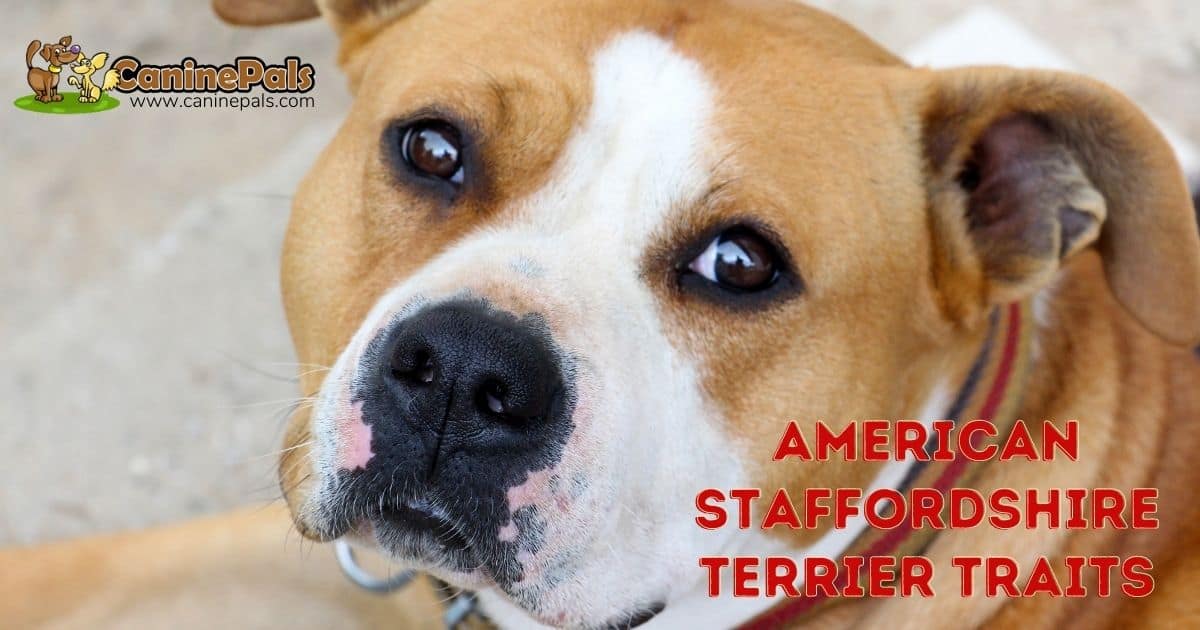
American Staffordshire Terrier Traits

American Staffordshire Terrier Growth Stages

The American Staffordshire Terrier passes through various stages of development before it finally becomes a loveable adult dog. Here we will discuss the growth stages in the life of an AmStaff.

  • The neonatal Period characterizes the time from birth to 12 days. The puppy is unable to hear and cannot see. It needs to stay close to its mother for nutrition and protection.
  • The Transitional Period starts from the 13 days after birth and lasts until the 20th day. The eyes open, the smell develops, and the puppy can finally see.
  • The Awareness Period begins on the 20th day after birth. It needs to stay close to its mother. It starts becoming aware of its surroundings and knows everything around it. It is a very crucial stage for the puppy.
  • Canine Socialization begins on the 21st day and lasts until the 49th day. This is when it gets to know that he is a dog. The specific dog characteristics start forming inside its mind, such as biting, chasing, chewing, and barking. During this time, the puppy requires plenty of play time with their mother.
  • Human Socialization starts in the 7th week and lasts until the 12th week is over. At this point, it knows that it is a dog, but as regards human interactions, its slate is clean. The puppy should be removed from the mother. It is when the most rapid learning occurs and prepares it as a family-loving dog.
  • Fear Imprint Period. This period is a part of human socialization. The timing of this period is between the 8th and 11th week. If a puppy is exposed to any fear, it will likely stay with it for the rest of its life. A good trainer would allow the puppy to stay happy during this time. The training should be fun and playful.
  • Maturity does not come immediately. It would not come until the puppy is one year old. It has passed through several stages during this time. The most significant is the shedding of puppy teeth and the growth of adult teeth.

The Life Expectancy of American Staffordshire Terrier

American Staffordshire Terrier is a healthy dog. The life expectancy of the American Staffordshire Terrier is approximately 12 years. During the life of the dog, it may contract several diseases. The incidence of the disease depends upon the genetic makeup of the ancestors. Some dogs are more vulnerable than others.

Here we will discuss some of the diseases that may affect and cut short the lifespan of your beloved dog. American Staffordshire Terriers are more likely to develop dental problems. Starting from the buildup of plaque and tartar, it ultimately ends up bleeding, aching gums, and decayed teeth.

The dog can catch bacterial and viral infections. These are the same infections that any dog can get. The most notable of these include parvo, rabies, and distemper. Other than that, it can be attacked by parasites. Parasites can cause pain, discomfort, restlessness, and, in severe cases, may even lead to death.

Obesity is another serious health risk. It occurs when the dog cannot get enough physical exertion. Obesity is the mother of many other diseases. With obesity comes joint problems, heart problems, and digestive disorders.

Knee cap dislocation and ligament tearing are two badly damaging knee diseases common to AmStaffs. Whereas AmStaffs are expected to live for 12 years, the same is not the case for their near cousins.

The life expectancy of American Staffordshire Bull Terriers is between 12 to 16 years which makes them living longer years than AmStaff.
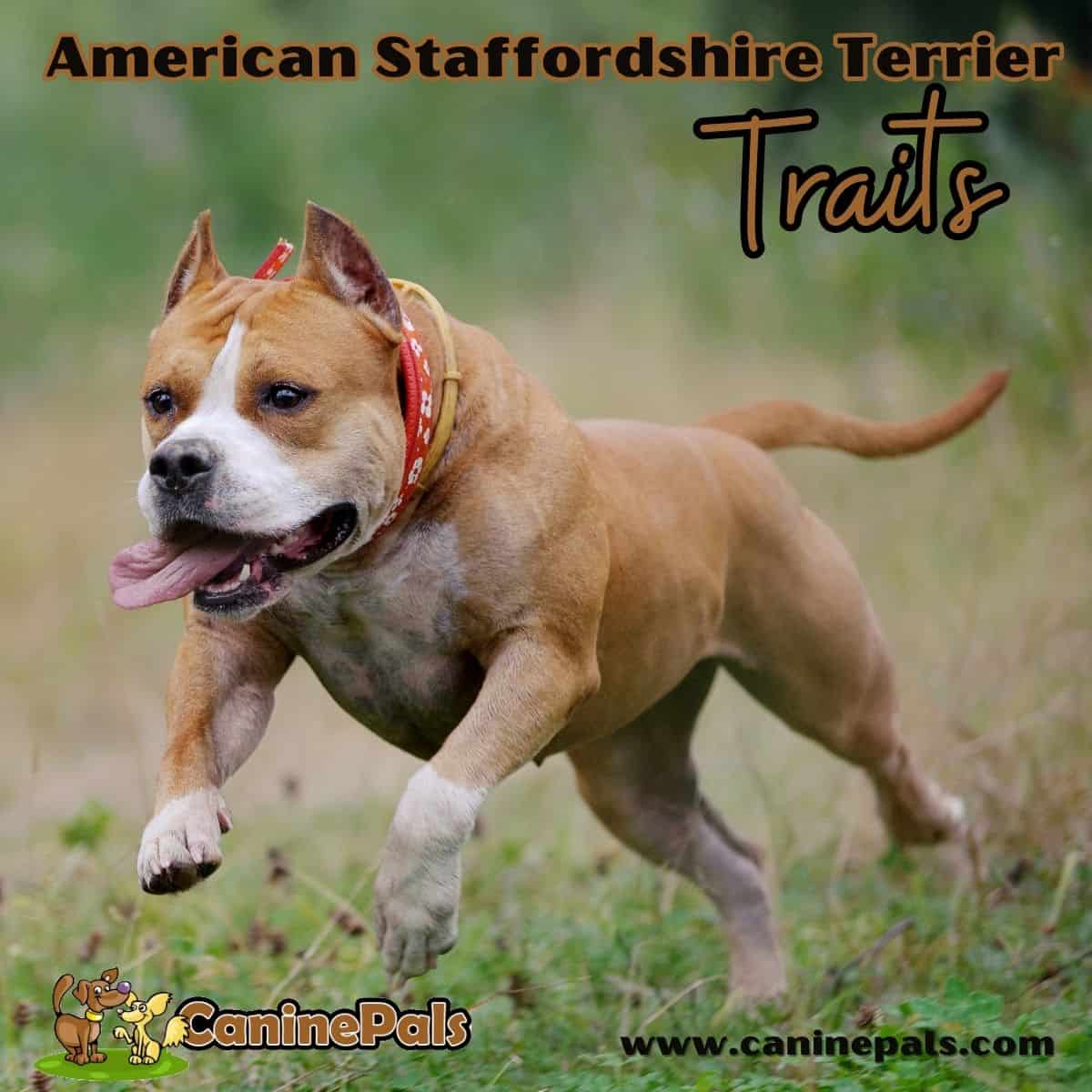
American Staffordshire Terrier Traits

Summing up American Staffordshire Terrier Traits 

American Staffordshire Terrier is an amazing dog to keep as a pet. It originated in the British Isles, brought to America in the mid-eighteenth century. The Staffordshire Terrier is a celebrated family dog that is lovable and friendly.

The AmStaff is full of energy, and if proper care is taken of its physical and emotional needs, the dog becomes your best friend. It is a medium-sized agile, muscular dog best known for its guard duties. Other members of its near family are the English Bull Terrier and American Pitbull Terrier. With a life expectancy of 12 years, American Staffordshire Terrier is the darling of family dogs.

Copyright CaninePals.Com. All Rights Reserved.

References and Further Reading:

[1] American Kennel Club, American Staffordshire Terrier Information.
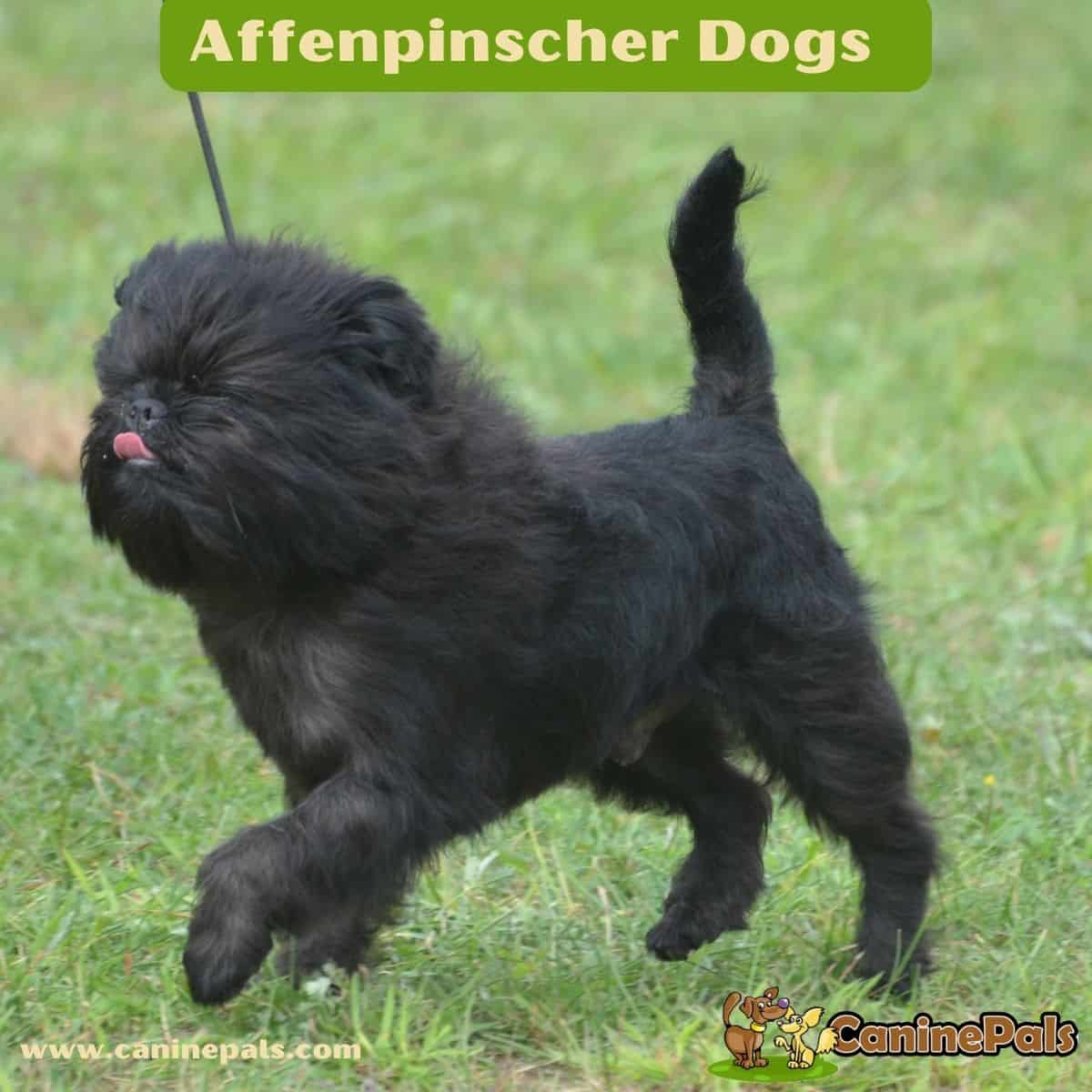
Affenpinscher Dogs

Affenpinscher Dogs: Everything About This Toy Breed

Do you want a small dog but you live in an area full of rodents and you are scared that they may harm your compact fur-baby? Worry No More!! And get an Affenpinscher as soon as possible.

The small and stout toy Affenpinscher dog breed will not only keep you on your toes due to its high energy level but will also be your crime partner in hunting rodents. The cherry on top is their desire to please their owner so they may kill your kitchen mice and surprise you often. Their cute appearance has earned them the name of monkey dogs.

If you are wondering how Affenpinscher dogs can wipe out rodents with their cramped bodies and teensy paws? Well, keep scrolling and you will know everything about the origin, characteristics, traits, and full profile of these monkey terriers aka the Affenpinscher dogs.

The Affenpinscher History

The Affenpinscher dog breed history and origin date back to the 17th century. They are said to have originated in Germany where they were named after German Affe (ape, monkeys) due to their monkey-like facial expressions and features to some extent.  They are often called monkey dogs. Their body is also covered with a rough and thick coat similar to that of monkeys.

The Affenpinscher is among the oldest toy dogs, first appearing in France, Germany, and Munich where they gained the nickname “little dog with a mustache or the mustached little devil.” In the 17th century, these dogs were often kept on farms, in stables, or in shops where they were trained to seek out rats and mice. They were also great companions in people’s homes.

Affenpinscher dogs
Affenpinscher dogs

Affenpinscher dogs were bred mainly to kill rodents from houses, stables, and shops but their hunting and chasing ability made them great partners for warriors during World War I, and they were then named Monkey-terriers.

Over time people also bred them because of their companionship and affectionate personality. They are super protective around their owners which is why they make a very good pets for older people. In 2013, an Affenpinscher dog named Joe bagged the title of Best in the Show at Westminster Kennel Club in New York City after which the Affenpinscher breed got popular worldwide.

Most Affenpinschers tend to be super jumpy, active, and high-spirited, they do not really appreciate rough play and small children. Affenpinscher dogs are believed to like adult company and make very loyal partners.

Let’s Have a Look At Some Vital Stats of the Affenpinscher Dog Breed:

Stats

Description

Dog Breed Group

Toy Group 

Popularity

148 out of 197 dog breeds

Temperament

Loyal, curious and amusing toy dog

Average Height

9 to 11.5 inches

Weight Range

7 to 10  pounds 

Grooming Needs

Low

Exercise Requirements

Low

Other Names

Monkey Dog

Life Expectancy

12-15 years

Affenpinscher Dog
Affenpinscher Dog

Affenpinscher Dog Breed Information Profile

The Affenpinscher has a cheeky, fun-loving personality and is quite intelligent. They’re great as pets as long as children know how to best handle them. Because they’re small, they can be kept in a flat or small house just as easily as a big one.

They can get most of their exercise from playing indoors but they also do enjoy going for an outside walk. You must comb and brush their wiry coat twice a week and give them a trim twice each year. This dog will vary between 9 and 11.5 inches high from the shoulder point.

You may love to get an Affenpinscher if you want a fur-ball who would roam around you without hurting your privacy because Affenpinscher dogs are known for their ability to understand their owner’s personality and reflect in the best possible way, provided you also respect their personal space.

Affenpinscher Temperament:

These dogs are a little bit reserved and require freedom when it comes to snuggling and playing. Once the trust establishes, Affenpinscher dogs become the most friendly, compassionate, and bouncy partners. So if you plan to buy an Affenpinscher, the trick for great rapport building is to let it be the boss and decide when to play or cuddle initially.

Their overall energy level is slightly on the higher extreme but their attention span is relatively shorter and they easily get bored therefore Affenpinscher dogs need a consistent change in stimulus and you may have to arrange an array of indoor activities as well as outdoor strolls.

Your Affenpinscher would want you to take it for daily walks religiously for they are very social and like to mingle around. Sitting at home is just not their thing so if you are an introvert, getting an Affenpinscher might be an ideal solution for you. Your Affey will force you to take walks which will increase your social circle as well. Win-win.

Affenpinscher Type:

Most Affenpinscher dogs are purebred therefore they are a rare breed and you will have to locate an American Kennel Club reputable breeder for a pup. Sometimes Affenpinscher is available at adoption centers as well so if you want this tiny but muscular monkey-terrier toy dog at a lesser price then you may check nearby adoption centers first.

Affenpinscher Size:

Affenpinscher dogs are popular one of toy breeds, smaller in size ranging from 9-12 inches in height, and weighing between 6.5-9 pounds (3-4 kg), similar to the size of a two or three months old baby. Out of all compact dogs, the Affenpinschers are the most stubborn and strong breed. They may look sturdy but they are not delicate at all, rather known to be well-built and powerful dogs.

Affenpinscher Color:

Their heavy coats usually have a rough look with a wiry texture and they can be found in different colors like black, beige, black & tan, grey, and red out of which a black & tan coat is the most popular, and red or beige is rare.

Average Affenpinscher Litter Size:

The average litter size of American Kennel Club Affenpinscher puppies ranges from 1 – 3 puppies. Very up to 5 puppies can be born because they are smaller dogs.

Affenpinscher Care:

Affenpinschers though have a very thick medium to short coat but they are not heavy shedders, provided you take good care of their coat. You may need to daily comb their hair with a metal comb in order to avoid lice, fleas, and ticks. Overall they are not very uptight when it comes to grooming and require minimal effort.

Their ears and nose tend to hair buildup so you may need to do some plucking here and there a couple of times a week and you are good to go.

These fun-loving witty creatures are hypoallergenic which is a plus, but you may need proper vet checkups at least twice a year for vaccination and medical profile maintenance.

Trainability:

The sweet little fur-balls are highly trainable and intelligent dogs. You may need to properly train them if you have children in the house or have other pets because Affenpinschers are very fearless and prone to attack cats or other dogs, even larger dogs. They do not attack children but may act snappy around them.

Affenpinscher Cost:

An average Affenpinscher puppy costs between 1800 to 2500 USD, depending upon the quality of the pup and the reputation of the breeder. It is recommended to always buy from authentic breeders to demolish the backyard breeding culture.

You may also add shipping charges to the total cost in case you buy the puppy from a breeder who does not live in the same city. You may think if the high cost is worth it at all. Well, it definitely is.

You will instantly fall in love with the cutest little monkey-faced rare breed, the Affenpinscher dog and later the personality and intelligence combination packed in its teeny tiny body will make you praise your decision to get one, forever.

Affenpinscher Dogs
Affenpinscher Dogs

Affenpinscher Health Issues

It is a popular belief that Affenpinscher’s health problems are very common and they may not be a good choice as a pet which is only a myth and not at all true. Affenpinschers are overall generally healthy dogs requiring minimal support and maintenance for optimal growth.

They do have a genetic predisposition towards certain ailments which does not mean that your dog will likely have health issues rather it is susceptible to those health problems and may develop them only due to lack of care.

You may want to know those Affenpinscher’s health issues beforehand so give these problems a thorough read to be watchful of the enemies.

Obesity:

Weight gain and obesity are serious problems in Affenpinscher dogs. If you decide to get one or already have one, you need to be very careful regarding their diet and what goes inside your Affenpinscher’s food bowl.

Like every other dog, Affenpinschers also love meaty feasts, be it chicken, lamb, or beef; however, you cannot always serve them meat bowls due to high calories and the kibble needs to be a mixture of meat with vegetables, fresh fruits, and fibers. Their metabolism rate tends to be slower which is why more fiber and fewer carbs are ideal for them. Otherwise, your dog may suffer from digestive ailments along with obesity.

Treats should also be given in moderation and you may look for organic substitutes or homemade baked goodies for making treats for your precious Affenpinscher baby.

Periodontal diseases:

The accumulation of tartar on teeth in Affenpinschers is another major problem that leads to multiple health issues such as kidney failure, tooth loss, pyorrhea, gingivitis, poor hygiene, and heart issues. Periodontal diseases decrease the lifespan of a dog and are a serious threat to the overall dog’s health.

Proper care should be provided for your Affenpinscher’s oral health and you are supposed to brush its teeth regularly without skipping even a single day. It may sound exhausting but will save your pup from future ailments that can prove to be fatal.

Orthopedic complaints:

Bone and joint issues are one of the most common Affenpinscher health problems. They are inherently prone to develop hip dysplasia in which hip joints are formed improperly, further leading to arthritis and stiff bones.

Affenpinscher puppies are also susceptible to patellar luxation (kneecap slips out) and a degenerative disease called Legg-Calve-Perthes which causes issues with the hip joint. You need to immediately call your pup’s vet in case your pup has difficulty moving its hind legs. Their bones are also prone to fracture especially during six to nine months of age therefore be watchful of their activities.

Obesity adds to the bone ailments of Affenpinscher so never skip routine walks and take good care of your dog’s food intake for maximum health benefits.

Eye Problems:

Affenpinschers are also vulnerable to a degree of eye ailments. The genetic predisposition includes diseases like;

  • Distichiasis (extra hair growth inside the eyelid)
  • Persistent Pupillary Membrane disorder (extra tissue growth on iris)
  • Corneal dystrophy (extra layer of crystal deposits on the cornea)
  • Progressive Retinal Atrophy (genetical blindness)
  • Cataract (abnormal opaqueness of eye lenses)
  • Others (glaucoma, corneal ulcers, tear duct, dry eye)

Proper visits to vets and ophthalmologists are highly recommended to curb eye problems as soon as the symptoms may appear and for the prevention of inherent disorders.

Allergies and infections:

Skin allergy in dogs is called atopy and causes serious discomfort. Swimming in an unhygienic pool, exposure to the moldy environment, pollen, and dust particles in some cases make the Affenpinscher’s skin itch badly and they vigorously rub their skin.

Proper bathing and combing their hair may prevent skin allergies and infections. The earwax build-up also leads to serious infections and ear-drum damage so be careful and clean your dog’s ear often.

To further avoid diseases like rabies, parvo, and tick fever, keep your Affey’s vaccinations up to the mark.

Cryptorchidism:

Often in male Affenpinschers, the testicles do not descend into the scrotum which increases the risk of cancer. If you find any such problem in your pup, immediately contact a vet and get his testicles removed before it turns into a life-threatening disease.

Affenpinscher Dogs
Affenpinscher Dogs

How to Prevent Affenpinscher Health Problems

The importance of routine exercise, proper care, and regular veterinary checkups cannot be emphasized enough for the sake of a happier, healthier, and super-fit Affenpinscher dog.

Follow these guidelines and your Affey may not encounter health issues ever;

  • Brush your dog’s coat every week. Use a metal comb and hand-pick the fleas. In the case of ticks, use a medicated spray as per the instruction of the vet.
  • Regularly brush your dog’s teeth to avoid periodontal diseases. Oral health is very crucial for Affenpinscher’s optimal growth and development.
  • Ear cleaning is also recommended on a weekly basis. You can hire professional help for this purpose.
  • Affenpinscher is a highly energetic and fun-loving dog so you may need to incorporate lots of indoor activities. In case of boredom, they start exploring around which causes accidents like bone fractures or hip slips.
  • Control your dog’s portion size and serve a balanced diet to avoid obesity
  • Seek help from professional nutritionists and ask them to give you a customized diet plan for your dog according to its age, size, and daily activity
  • Routine walks and indoor exercises are a must. You may also invest in a dog’s treadmill to combine play and workouts for maximum results.
  • Save your dog from discomfort and invest in vaccinations.
  • Immediately report to the vet if you notice abnormal discharges from eyes and ears, excessive scratching of the skin, bone stiffness, difficulty in lying down, behavioral changes, change in appetite, or aggression.
Affenpinscher Dog
Affenpinscher Dog

Final Verdict on Affenpinscher Dogs:

One of the cutest toy breeds, is a small dog with a life expectancy of 12-14 years. Affenpinscher dogs are generally healthy dogs. Tiny but witty creatures filled with love and loyalty. They make great companions for adults and are full of personality which adds to their beauty. An Affenpinscher’s monkey-like face possesses a unique expression and comic-like seriousness that instantly catches everyone’s attention and it is hard to resist one, the mustached little devil.

Copyright CaninePals.Com. All Rights Reserved.

References and Further Reading:

[1] American Kennel Club, Affenpinscher Information.
Older Dog Crate Training

How To Crate Train An Older Dog

Maybe you have just obtained a rescue dog, or inherited and older dog from a family member. As a new owner of an older dog, your first question will be can you crate train an older dog? I can assure you crate training an older dog is just as easy to train as a puppy. The crate training for older dogs tips in this article will work just as well for crate training an older rescue dog.

How Do You Crate Train an Older Dog?

Crate training is a very effective method for training a dog not to make messes in the house. It works because dogs hate soiling themselves in the same place where they sleep. A crate provides your dog with a place where he won’t want to make a mess. Once you have shown him where NOT to go, it becomes easier to show him where he’s allowed to do potty. This applies equally well to puppies and older dogs. It’s actually a good method for crate training an older dog.

7 Simple Tips for Crate Training an Older Dog

1. Choose the Right Crate

His crate must be big enough for him to stand up, lay down and move around in. However, it shouldn’t be too big or he’ll sleep in one section and mess the other. This prevents him from learning where not to make a mess.

If possible, select a crate with a divider because you can then customise it to meet your dog’s size, have a door that doesn’t take up as much space and it’s very portable.

2. Make Sure the Crate is a Safe Place

This is simple because dogs feel secure in small places. For example, he may hide under a bed or behind a couch if he’s scared. Put a soft bed inside and also one of your old shirts that hasn’t been washed. This gives him your smell so he gets used to you.

Leave the crate open whenever you’re home so your dog may come and go as he wishes. Whenever you buy a new toy or have a treat for him, give it to him in the crate. That reinforces positive actions. Don’t use his crate for any form of punishment or you negate its positive side.

3. Set Fair Expectations

Even though an adult dog has the capacity to hold it for a couple of hours, he may never have been taught to do that. Begin with one hour and gradually increase it. If you can’t do that yourself, get a friend or neighbour to let him out periodically. If necessary, hire a dig-sitter or walker.

4. Set a Routine

Dogs are habitual animals. When you want to teach him to go outside to do potty, set up a routine that both encourages and rewards that exact behaviour. Feed him at the same times each day instead of leaving food out all the time. Take him outside straight after each meal, first thing each morning, last thing at night and the moment you open his crate. Make up a command such as “go potty!” If he does so, praise him.

5. Watch your Dog Closely

During the house-training period, he should be in his crate or within your eyesight at all times. Understand his signs that show you when he wants to go: sniffing for a spot, walking in circles or squatting. When you see a sign, take him out straightaway and use your command.

If he starts to go inside, make a loud sound such as “Ah!” or clap your hands loudly. That will startle him and usually make him stop momentarily. Take him out right at that moment. Use the command and reward him if he goes. That trains him to know that inside is not the place to go potty but outside is.

6. Manage Accidents Appropriately

It’s natural that there will be accidents, especially in the early stages. The trick is to correct them at the time.

Dogs have short term memory. That’s when their behaviour needs to be corrected. If you find a mess after it has happened, don’t rub his nose in it as he won’t know why you’re doing that. It actually affects training in a negative manner. He’ll link fear with you instead of his mess.

Older Dog Crate Training

Use a cleaner that breaks the mess down so it will stop future accidents. If a dog smells a spot where he has gone before, he’s more likely to go there again. That’s not good, whether it’s inside or outside. Some cleaners simply mask the smell. You need an enzyme-based cleaner that chemically breaks it down so your dog can’t smell it later.

7. Consistency and Patience

New habits take time. If you give your dog patience and remain consistent in your own behaviour, it will be easier to train him to know what you expect from him.

Crate Training for Older Dogs Final Thoughts

That’s it – 7 tips to crate train your older dog. Use these tips and you’ll soon have a well-trained dog who will only go potty outside.


Copyright Caninepals.Com. All Rights reserved.

Cocker Spaniel and Rottweiler

Canine Hypothyroidism Information

Can dogs get thyroid problems? Unfortunately the answer is yes, dogs and thyroid issues are common. If your dog seems sluggish and has a puffy-looking appearance, it may mean he has problems with his thyroid.

What is Hypothyroidism in Dogs?

The thyroid gland produces various hormones including T3 (liothyronine) and T4 (levothyroxine) that help to maintain a normal metabolism canine hypothyroidism occurs when there’s a deficiency of the thyroid hormone.

Hypothyroidism happens to people as well as dogs. The thyroid hormone (also called thyroxine) affects virtually all organs in the body. The deficiency happens generally when your dog’s immune system destroys his thyroid gland. More than 95% of all cases occur as a result of the destruction of this important gland. This vital gland sits just under the throat. The technical name for this problem is autoimmune hypothyroidism in dogs.

Sometimes the gland simply wastes away with no known cause. This condition may be present when the puppy is born, in which case it can lead to a type of dwarfism. Cats may also face this problem but it’s much rarer. It may happen if the cat has been treated for hyperthyroidism with too high a dose of medication. Dwarfism is extremely rare in cats.
Risk Factors, Signs and Symptoms of Hypothyroidism in Dogs

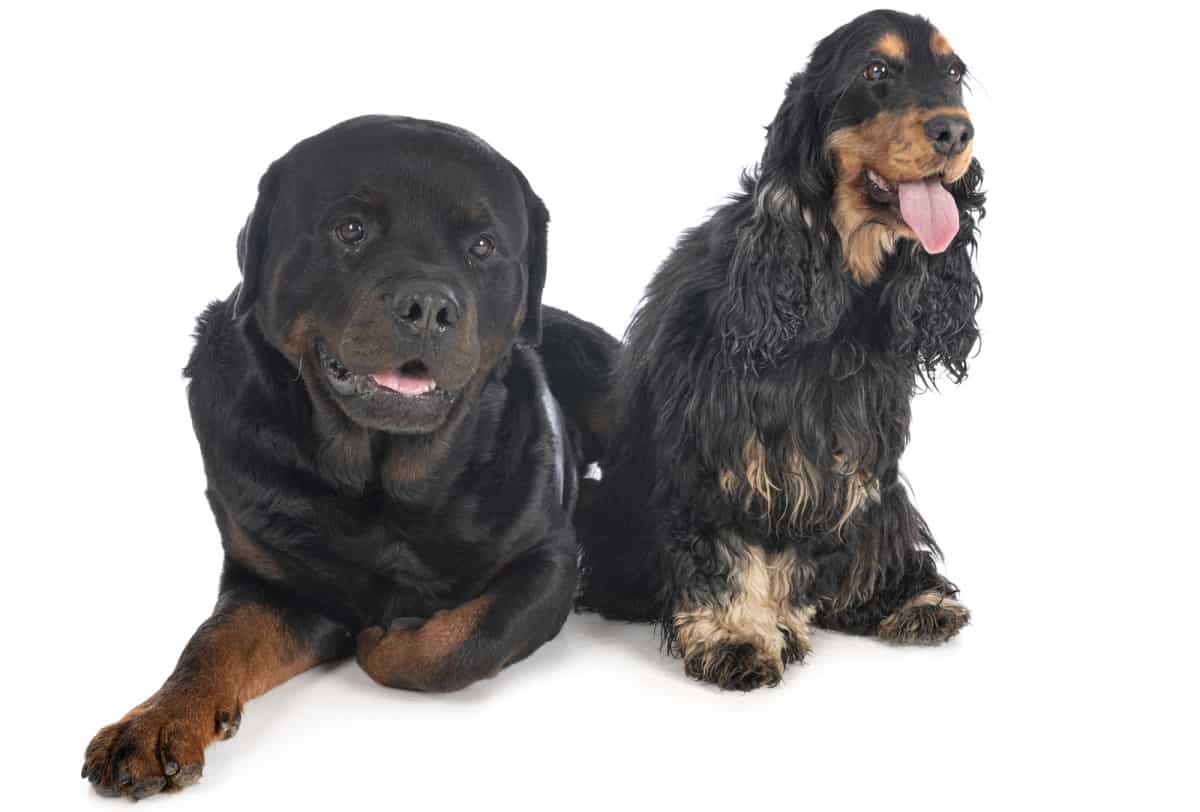
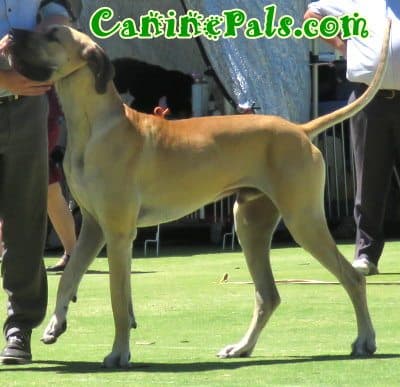
Dogs who are middle-aged are in a much higher risk category for autoimmune hypothyroidism. Females are twice as likely to contract this problem. This problem can affect all breeds of dogs but there are many breeds in a higher risk group and these include: Old English Sheepdogs, Pomeranians, Airedales, Chows, Boxers, Dachshunds, Poodles, Bulldogs, Shetland Sheepdogs, Labrador Retrievers, Golden Retrievers, Dobermans, Cocker Spaniels, Great Danes, Irish Setters and Miniature Schnauzers.

Toy or miniature breeds are in a low risk category for hypothyroidism. No specific breed of dog (or gender) has been linked to the dwarfish form of hypothyroidism. Dogs that suffer from this type are smaller than others in their litter and have short legs and larger heads. They tend to keep their puppy hair as well.

Dog Breeders shouldn’t breed dogs that have any type of canine hypothyroidism because there is a strong possibility the condition is be hereditary.

Dog Hypothyroidism Symptoms Checklist

The first sign of this problem is usually loss of hair on the tail, trunk and on the back legs. Other signs of hypothyroidism in dogs include:

  •  Constipation.
  •  Lethargy.
  •  Gaining weight without eating more than normal.
  •  Flaky or dark skin.
  • Dog thyroid hair loss, generally on his sides and/or tail, and no itchiness as a result.
  •  Vomiting.
  •  A change in his voice.
  •  Dragging his feet or toes that knuckle under.
  •  Brittle, dry hair-coat.
  •  Poor regrowth of hair after being shaved.
  •  Muscle and nerve problems including facial paralysis.
  •  Recurring ear and toenail infections.
  •  Recurring skin infections (often causing itchiness).
  •  Seizures. There is often a link between hypothyroidism and seizures in dogs.
  •  Diarrhea.
  •  Greasy skin.
  •  Tilting of the head.
  •  Anxiety.
  •  Skin odor.
  •  More aggressive behavior.
  •  Joint swelling and pain.
  •  Intolerance to cold weather.
  •  Problems with reproduction in females that haven’t been spayed. E.g. irregular or absent heat cycles.
  •  Females may fail to become pregnant, or if they do, they may have a small litter or they may even miscarry. False pregnancies are also common.
  •  Males may have a reduced libido and a low sperm count.

This is a long list of canine hypothyroidism symptoms and it’s impossible to know what ones your dog may have without closely monitoring him regularly. There may only be a few symptoms or a lot. Canine hypothyroidism symptoms may be caused by something entirely different to hypothyroidism.

Cocker Spaniel and Rottweiler

Canine Hypothyroidism InformationTo officially diagnose your dog’s condition, the vet needs to carry out a full physical exam of your dog. He may see things you missed, such as: dry eyes, slowed reflexes, deposits in the corneas of his eyes, a reduced heartbeat and a lower than usual body temperature.

The vet will keep an open mind while examining your dog because there are other medical issues that can cause similar symptoms. Sex hormone tumors and Cushing’s syndrome can cause non-itchy loss of hair. A heart abnormality or Addison’s disease may cause weakness, lethargy and a slow heartbeat.

The vet will take some blood samples to test and see the levels of the thyroid stimulating hormone (TSH) and thyroxine (T4). If readings are not within normal parameters, your dog might have a high TSH reading, a low T4 reading, high cholesterol and mild anemia. He’ll also rule out any other factors that can cause false low readings of T4.

Canine Hypothyroidism Treatment

There’s currently no known way to prevent hypothyroidism. However, treatment usually causes positive results and produces the normal thyroid range for dogs.

Thyroid Support for Dogs

Your dog may need to have a pill form of thyroid supplementation (synthetic L-thyroxine) twice daily for the rest of his life. Your vet would usually take another blood sample 6-8 hours after your dog has been given his first pill. The dose may not be high enough and hyperthyroidism symptoms may start to manifest themselves. These may include: an increase in appetite and thirst, more frequent urination, nervousness and panting. Once the dose is adjusted, these symptoms quickly disappear.

Your vet will continue to monitor your pet’s levels of thyroxine within the first 6-8 weeks of starting the treatment and then a few weeks after that, just in case the dose isn’t right. Then he’ll need a check-up 1-2 times per year in case the dose needs to be changed.

After a week of treatment, your dog’s energy will come bouncing back. His skin will improve and within the first couple of months, he’ll lose a little weight and his hair will grow back to what it was prior to these issues. Dogs who receive treatment for hypothyroidism will lead a normal, healthy life, as long as the treatment continues.

Disclaimer: The Content is not intended to be a substitute for professional veterinarian advice, diagnosis, or treatment. Always seek the advice of your veterinarian with any questions you may have regarding the medical condition of your dog. Never disregard professional advice or delay in seeking it because of something you have read on ANY website.

Copyright CaninePals.Com. All Rights Reserved.

Canine Hypothyroidism Information
Chinese Crested Dog - Powder Puff Variety

Guide To Dog Ownership Costs. How Much do Puppies Cost?

The true cost of owning a dog is a huge financial and emotional commitment. You don’t get a dog and, in a week’s time, return him to the shelter. Buying your new pet is just the first step in your pet ownership story.

This guide explains exactly how much do puppies cost and covers various expenses that you’ll probably encounter at some stage in your pet’s life. It also explains how to care for your puppy, how to plan ahead for potential expenses and how to afford a dog on a budget. Your new puppy is a lifetime financial commitment.

Cost to Raise a Puppy

The expenses that are required when you bring that cute little puppy home fall into two categories:

  • You have the initial costs including the purchase price, training and vaccinations, etc.
  • Then you face the ongoing costs that include: food, bowls for food and water, all bedding and a place to sleep, vet visits for everything from minor issues to major life-threatening problems and much more.

Terrier Puppy
Terrier Puppy

If you add up everything in both categories, it will enable you to roughly calculate how much money your little ball of fur will cost you from now until death do you part.

How Much a Year Does a Dog Cost?

Even if you ignore the biggest expense of fencing in your backyard, other needs such as: vet costs for new puppy, vaccines, food, training, toys, heartworm prevention can all add up to more than $700 on their own. Add in food ($340 pa), teeth care ($140-$380 p.a.) and grooming ($60 for each visit), you end up with a bill more than $1000 per year, excluding health problems that may occur at any time.

How Much Money Does a Puppy Cost?

The purchase or adoption price is the first cost you need to pay. Buying a dog from a breeder can be hard. The fee can vary according to how much demand there is for that breed.

How much does it cost to get a puppy from a breeder? You’ll find that breeders who are reputable will offer competitive (yet fair) prices for their pets while backyard breeders generally charge a higher price so they can make a decent profit. Avoid buying from such breeders because they don’t treat their animals with the respect and care that they deserve

It’s unwise to buy a pet from a backyard breeder because everything they do is focused on making money and NOT caring for whatever animals they have at any time. Backyard breeders have a nasty habit of getting their puppies from puppy mills and various other places that are highly unethical.

Staffordshire Bull Terrier

There are plenty of genuine resources you can access to learn the differences between good quality breeders and those who do the bare minimum for their animals.

Legitimate breeders fully understand their breeds and will readily give you contact info for satisfied customers. The unscrupulous backyard breeders try to sell their dogs to anybody with money.

“Adoption fees” is an umbrella term for costs associated with finally being able to bring your new puppy home. The majority of rescue homes and shelters will ensure the dogs are microchipped, and provide heartworm care and all other health-related care that’s necessary. Sometimes they will neuter or spay the dogs.

These fees can be more than $800 but most shelters don’t ask for that much and $500 is a more realistic amount; remember each puppy or dog is an individual, so costs will vary.

Overall Dog Ownership Costs

Different animals vary but dogs do incur a great deal of expense so unless you’re willing to pay for everything he needs, then don’t buy a dog in the first place. Dogs need to be brushed each day or a few times a week…and this depends on the type of dog and his coat. If he’s highly energetic and gets dirty all the time, this will be a more time-consuming chore. The extra energy may mean more injuries as well so professional training can help reduce these incidents.

Puppy
Puppy

Generally speaking, owning a cat is cheaper than a dog. Consider your current lifestyle before making your final decision.
how Much Does Adopting a Dog Cost?

If you adopt a dog living in a legal shelter, you’ll know he has been looked after, and this includes vaccinations for typical dog issues such as: distemper, parvo and kennel cough. Any other urgent medical needs will also be sorted out. The adoption fee you pay generally covers most of these expenses including transport, food and the medical care provided.

Lots of kind people adopt from shelters because the majority of dogs have come from puppy mills or have been abandoned. The adoption process is great because it gives the dog a second chance of living a high quality life.

How Much Does It Cost To Adopt a Puppy?

how much does a shelter dog cost? Adoption costs anywhere from $250 for a mixed breed dog to $1500 for a purebred dog. Despite the fees appearing to be high, the money covers expenses incurred by caring for the dog you adopt so you directly benefit in the long term. The money you pay is often nowhere near the amount spent to look after your dog while he’s in the shelter.

Buying a Dog From a Pet Shop

People who want to get a pet for the first time generally go to a pet shop, despite many warnings not to do so. Most shops, especially the small ones, buy their dogs from breeders who have lots of dogs and puppies. These breeders have one clear focus: making as much money as possible instead of actually caring for the dogs they have.

Animals in a pet shop are often in a higher risk category for many health problems than the dogs you can get from shelters or registered show breeders. The unscrupulous high-volume breeders generally confine their dogs to small cages, sometimes for years, only letting them out for short periods of exercise each day. This is done so the genders are kept separate until they’re needed for mating.

Basenji - an African dog.
Basenji – an African dog.

The Best Friends Animal Society is dedicated to ensuring dogs are treated properly, regardless of where they are. They outline the way puppy mills and pet stores work and how new owners can fight back where needed. Cost of getting a dog from a pet shop can cost you over $1000, but the fact you pay good money doesn’t mean you get a dog that has been properly cared for. Pet shops don’t desex dogs or treat any health problems.

Buying a Dog From a Breeder

The best way to get a dog is to go through a legitimate, show breeder, especially if you’re after a particular breed. Breeders that are licensed regularly inspect their facilities to ensure dogs are cared for as best as possible in all situations. They’re highly ethical from the start, and this never falters.

If you want a purebred, a show breeder is the ideal person to buy from. If you’re keen to compete in shows, you’ll probably have to get papers and a dog from a breeder so you can register with the AKC.

Buying a dog from a breeder generally means he doesn’t have bad traits anymore. Health problems are minimal as he has been cared for properly. There has been a lot of selective breeding so your dog will have traits such as: loyalty, obedience, friendliness and so on. It’s important to understand that if you buy a dog from a breeder, you’ll likely spend more than $2000 but it’s worth it in the long run.
Dog Veterinary Costs

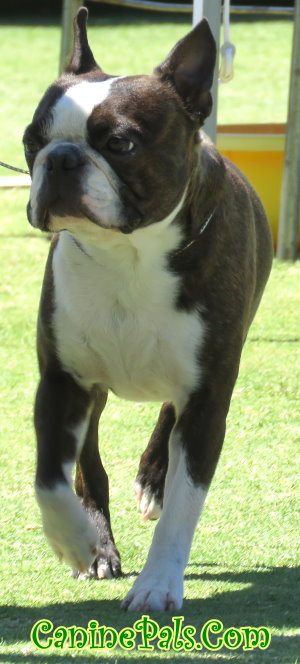
Some dog breeds are prone to specific health troubles more so than others. One example is bulldogs and pugs, as well as other flat-nosed dogs, where they have ongoing respiratory problems and snore rather loudly (and is actually a breathing problem). German Shepherds are notorious for hip dysplasia and eczema.

A handy rule is that any dog that has been bred to look in a particular style will have health problems. For example, the King Charles Cavalier Spaniel often has injuries to the brain because the skull has been bred so it’s almost too small for the dog’s brain. English Bulldogs have skin issues and joint troubles.

How Much Are Vet Visits For a Puppy?

Vet costs for new puppy owners explained. The vet fees for new puppy owners are often the most costly part of owning a puppy and even simple issues can be costly at times, leaving you with big bills. Before you buy a puppy, you need to understand various medical issues. He’ll need numerous medical tasks attended to. Here are some of the common issues:

How Much Do Puppy Vaccinations Cost?

Within the first year of life, puppies must have vaccines and some must be repeated at certain intervals. The list includes: rabies, parvovirus, distemper, Lyme disease, hepatitis, kennel cough, coronavirus, leptospirosis, heartworms and parainfluenza. Each vaccination will cost $60-$120 and rabies is $35-$100.

Collie Dog
Collie Dog

Cost of Flea and Tick Prevention For Dogs

Getting rid of fleas is essential for your dog and for you as well. If your dog has fleas, he’s quite miserable and the tiny things can carry numerous hazardous diseases. There are a few ways to treat fleas. The overall yearly cost isn’t high. A shampoo is approx $40. A pill costs approx $150 and the most popular one is an insecticide that can be as much as $200 per year.

Heartworm Control for Dogs Cost

Heartworms are responsible for killing a large number of dogs every year; this fact is sad because most of those dogs could have been saved. Heartworm is one of the most serious health aspects of owning any dog. They’re hard to treat but easy to prevent. Prevention medication costs approx $30 each month, whereas the cost of treatment begins at $800.

Ear and Dog Dental Care Cost

Dogs have big ears and they’re sensitive, partly due to the way they’re structured. The majority of problems aren’t serious, but they can sometimes be painful or even severely painful.

Your dog’s teeth needs care and treatment in much the same way that you do, for the same reasons. They can get a buildup of tartar and plaque and that can weaken the enamel, cause gum disease and other problems as well. The cost of caring for his teeth and ears is approx $40 combined BUT if he needs particular dental treatments, you could end up spending in excess of $1000. Low cost veterinary dental treatment is hard to locate.

Dog Desexing Costs

If you buy a dog from a shelter, he’ll most likely have been desexed. If you have to cover the cost yourself, know that it will cost approx $200 and is well worth it.

Dog Grooming Costs

Cavalier King Charles Spaniel

Some consider grooming as a luxury, not essential, and that only show dogs should be groomed. However, all dogs need grooming because it ensures they’re both comfortable and clean. It’s also a method for detecting health problems earlier so they can be treated quickly to avoid major issues happening when they’re older.

Grooming may be easy or difficult to afford and that largely depends on your new dog’s breed. Long-haired varieties need a lot more grooming than breeds with short hair. However, if you can do the grooming yourself, you’ll save lots of money. If you brush your dog’s hair each day and trim his nails when necessary, could save $50 per month.

Dog Nail Clipping Price

Your dog’s nails need trimming regularly but it’s a very delicate procedure. If you cut too short, an injury may occur and your dog will feel pain and bleed in the sore spot.

Nobody wants to deliberately harm their dog. The good news is that it only costs approx $10 to have them trimmed professionally or, if you know exactly how to do it, you can save money. Ask somebody in the house to assist you by holding your dog’s paw and petting him to calm him.

Costs of Dog Grooming

Unless your dog loves to be washed, you’ll know how hard it is to catch your dog if he runs around the house, dripping wet and possibly still covered in soap so he may slip out of your arms. If you pay somebody to bathe him and trim his nails and coat.

Collie Dog
Collie Dog

Dog grooming cost will vary from $30-$90 and is well worth it because the professional will have a good set up, making his job easier.

Trimming his coat stops any mats forming and bathing keeps him clean and healthy, while stopping him from stinking up your home.

Cost of Feeding a Dog

Many people joke that teenagers can eat their parents out of house and home. However, if you own a large dog, he may always be hungry and will eat everything you give him and still want more. Most types of dog food are okay but it’s wise to do the necessary research before buying him any food. Then select the healthiest food options, despite the price tag.

An article that appeared in 2010 in the New York Times discusses various food types that are low and high quality and the discovery that the initial five ingredients existed in all food types. The reason is that all dog foods have satisfy essential guidelines prior to any sales happening.

The principal difference between premium and non-premium foods is that normal food has more meat, poultry and grains, and filler from byproducts of fish. It certainly doesn’t allow you to relax your responsibilities when it comes to using good quality food

Over the years, lots of dog foods have been recalled (seven in 2017 alone), due to low quality products. One serious example bought from a pet shop was recalled due to pieces of metal in the food.

Normal dog food is often also known as “nutrition food.” One serve of pellets must have all nutrients a dog needs to remain healthy, mentally and physically, as long as the dog is on a healthy diet.

Premium food also has the same nutritional requirements, but they comes from a different source. Some labels claim to have no synthetic chemicals and is completely natural. Normal food will cost you approx $120 each year and a premium food diet may cost you as much as $500. Dogs with health problems may need particular diets so that can increase overall costs.

Dog Training Costs

You have two choices when it comes to training: pay a professional to do it or do it yourself. If this isn’t your first dog, you’ll probably feel comfortable training him yourself providing he’s not a hard breed to train. If this IS your first dog, it’s probably best to pay a trained professional because you won’t have to tolerate bad behavior and other issues down the track. These may include legal costs if he bites someone. Always ask for a dog training price list.

Private Puppy Classes Cost

In a one-on-one session, a trainer can help correct negative behaviors or any other problems. A one hour cost can be $30 – $180 and, again, it’s cheaper if you have a puppy.

Black Pomeranian Puppy

Group Puppy Classes Cost

You can train your dog alongside other dogs and gain a few benefits. He’ll learn how to listen and the socialization aspect will really help him. The cost of group training sessions is $40 – $200 or higher. It’s cheaper if you have a puppy to train.

Premium Dog Training Costs

This is where your puppy is sent to puppy boarding school for 2-4 weeks and get hours of individual training each day. It’s the best type of training, especially if your puppy or dog is difficult to handle. However, this type of dog training costs can be $950 to $3000 and more, depending on how long your dog stays at the school because each dog progresses differently.

Essential Equipment for Dogs

There’s only a small list of essentials your dog needs: a leash, bowls for water and food, and a crate or something else your dog can call “home.” You could regard everything else as luxuries. If you need to make changes such as fencing off your front and back yards, this can cost over $1000.

Bowls, a leash and toys are generally cheap as well. If you need a crate, the size of your dog will determine how big it should be, and you could spend $250 or more.

Other Optional Dog Ownership Costs

No matter how well you plan, life can throw you curveballs. You may travel for work and can‘t take your dog along with you. You may be forced to work later than usual for a few nights in a row. It’s during these times when your dog needs extra help. Hiring a dog walker will help him eliminate excess energy. A 30 minute walk may cost you $22. If you need to place him in a boarding kennel so he gets the care you can’t provide temporarily, it may cost $25-$45 each night.

Copyright CaninePals.Com

What is the true cost of owning a dog?

dog

Dog Wash and Grooming Tips

Some pet owners refuse to groom their dog because every time they attempt to do so, it turns into a nightmare with both the dog and themselves losing confidence and feeling stressed. Many owners appreciate that their pet needs to be groomed and so they take him to a professional groomer, praying that they’ll work a miracle and groom the dog without poor behavior getting in the way.

Most dog owners return later and, when they see their precious pet, they’re devastated because the best the groomer could do was half the job they were being paid to do. They’re told to take their dog home, even though he’s only half clipped and isn’t combed at all. The groomer says it’s the owner’s responsibility.

The fact is that pets hate being groomed. Dogs love swimming in rivers and playing in mud puddles but become petrified when they see the bath being filled. Cats love being petted all day long but the moment their owner picks up a brush, they’re out the door and up a tree.

Owners must realize that if they can’t wash or brush their pet at home, the groomer has no chance of being able to do so. A professional groomer can make your dog look good BUT he can’t train your dog and nor should he be expected to.

The simplest method for teaching your dog that grooming is fun and enjoyable is to start doing it when he’s very young. Puppies will naturally squirm at first but because they’re small, they’re easier to manage. The bigger they get, the harder it can be to groom them because when they do move around, it can take all your strength to keep them calm and still. Puppies and kittens squirm because they love being with you. Brush and wash them early on and they’ll begin associating those tasks with some fun time with you.

Time must be spent on their ears as well. This includes playing, stroking and cleaning. If you do that from a young age, it will be much easier for both you and your vet to care for their ears as they get older.

Pet owners know that when it comes to nail trimming, it’s a very difficult task. You won’t have to trim nails of your kitten or puppy but still spend time playing with his feet so he gets used to that type of handling for when it’s time to start trimming. Do it early on in their life and it will be much simpler to do later on.

Once grooming is finished, give your pet some treats and play with him. Soon he’ll learn that if he sits still, he’ll be able to play with you and have treats faster.

Home Doggie Grooming Tips

1. Prepare all your Supplies and Equipment

Get your comb and grooming brush, ear cleaner, styptic powder and nail clippers. Then add bath towels and shampoo. Get everything you need beforehand because you can’t leave your dog alone while you’re grooming and bathing him because he can easily hurt himself if he struggles to escape. His short attention span may restrict the amount of time you can spend with him doing these tasks.

2.Secure your Dog

Get a tub that will keep him secure while you control him. Small dogs can be washed in a rubber bin or in a sink. You need a rubber surface or mat for his feet. Secure him with the use of a grooming lead, not a normal collar, and ensure it won’t strangle him if he struggles. If he bites, have a muzzle ready.

3. Clean his Ears

Have cotton balls and a dog ear-cleaning solution. Keep him secure and check his ears to see if there’s any redness or irritating marks. Softly drop a few drops of the solution into the ear flap and down the canal. Don’t push the applicator too deep. Damp cotton balls should be used to get rid of discharge or debris from within the ear flap.

4. Trim your Pet’s Nails

Get a good pair of nail clippers and styptic powder. Take each paw and lightly push the pad to extend the nail. If the nails are white, you’ll see the quick or section with the blood vessels. Softly cut a tiny piece of the tip of the nail at a 45 degree angle. If the nails are dark, snip tiny snips until you see a black dot appear in the centre of the nail. That’s the quick and is to be avoided. If you do cut the quick and draw blood, blot the blood. Put styptic powder on the nail to stop the blood. If he has dewclaws, they must also be trimmed.

5. Brush your Dog’s Coat to Get Rid of Mats and Debris

Every dog needs this because it helps boost circulation, gets rid of debris and decreases shedding. Brush down to his skin as you look for ticks, scrapes and cuts. If he has two coats, brush them both. If you do find mats on his legs or behind his ears, get rid of them by using a slicker brush with slanted, short metal bristles. Don’t pull the mat because it won’t move and it will only hurt your dog.

6. Wash your Dog Properly

Run warm water (never hot water) across his back, body and the back of his head. Apply some of the shampoo and softly massage it through his whole body, avoiding the front of his head. Cover his eyes and nose while rinsing the front of his head and then rinse the rest of his body from top to bottom. If he’s very dirty, do this process twice.

7.Thoroughly Dry Him

Pat him down with towels instead of rubbing which may cause matting and tangling of his coat. Then use a dryer on a low setting but don’t point it at his face. Make sure it doesn’t get too hot or it can damage his skin. Make sure your dog is 100% dry before he’s allowed outside if it’s cold weather.

Items You Will Require for Grooming

  • Grooming comb/brush/s/slicker brush.
  • Styptic powder/canine nail clippers.
  • Pet shampoo/pet ear cleaner.
  • Rubber bin or tub for small dogs and rubber mat.
  • Muzzle/grooming lead.
  • Cotton balls/dryer/towels

Dog wash and Grooming Conclusion

If your day is a bad one, regardless of the reason, don‘t groom your pet. He’ll sense your negative vibes and the task will be much harder to accomplish. He’ll feel trapped while sitting in your lap. Instead, play with him, without making him feel trapped. You’ll still give him your undivided attention and you’ll find it’s therapeutic for you both. It’s a win-win situation.

Ensure you make every grooming session with your pet a positive one and you’ll find that the sessions become easier and faster and you’ll enjoy them as well.

Copyright CaninePals.Com. All Rights Reserved.


Why Dogs Get Cancer

How to Avoid Cancer in Dogs

Why Dogs Get CancerDog Cancer Survival Guide

How to avoid cancer in dogs. Providing your dog with a healthy lifestyle will assist him to live a long, happy and healthy life free from cancer.
The number one cause of death in the canine world is cancer. Approx. one in every three dogs (33%) will contract cancer at some point in their lives. Sadly, this figure is the same in humans. There are many varied types of cancer cells in dogs and they mimic human cancer cells. The most common cancerous cells in dogs are the mast cell tumors.
As with humans, there’s a lot of research into canine cancer and, despite there not being a cure for all types right now, the best way to tackle cancer is through prevention. Typical causes of canine cancers include diet, exercise, genetics, environment, lifestyle and many other factors that aren’t as common (for example – being deprived of daylight) or the more controversial aspects (such as vaccines).
There are also certain indirect causes of cancer and these include separation anxiety disorder and various other mental health disorders. These are usually followed by poor appetite, an unhealthy amount of weight loss, and lethargy.

Why Dogs Get Cancer?

Genetics History and Pedigree

Why Dogs Get Cancer, dogs Cancer, Dog cancer prevention Before making a puppy/dog buying decision, it’s essential that you carefully study the pedigrees of the litters on your short list. Although cancer won’t be obvious within the pedigree, you can talk to breeders or owners and ask relevant questions.
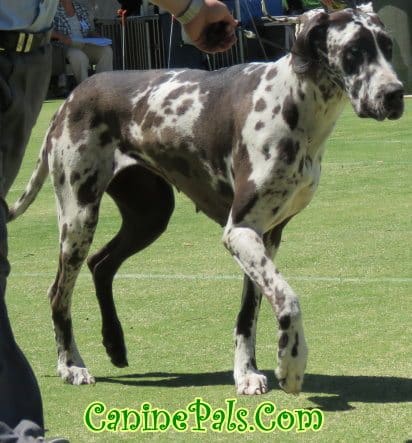
People can contract cancer due to their genetic history, and this also applies to canines. While cancer is certainly the number one dog killer, specific breeds are more prone to the disease. Great Danes, Rottweilers, and Labrador Retrievers are much more likely than Beagles, Dachshunds and Border Collies.
Research shows that smaller dog breeds are less likely to develop cancer than larger breeds. Great Danes and St. Bernards have the greatest risk of contracting more serious types of cancer such as Osteosarcoma (bone cancer) which, sadly,
has a very poor prognosis.
Despite these comparisons and some dogs being more or less likely than others when it comes to developing cancer, no dog breed is 100% safe because cancer has such a complex, unpredictable nature. The reverse is also true. Just because your dog is a Great Dane or Saint Bernard, it doesn’t guarantee he’ll develop cancer of any type or, if he does, it may not kill him. If you’re really desperate to defy the odds, do your thorough research before making your purchase.

Don’t Over-Vaccinate

Dogs cancer, Why dogs get cancerResearch has revealed the fact that if dogs are over-vaccinated for viruses including Distemper (CPD), Canine Parvovirus (CPV) and Canine Adenovirus (CAV), it’s increasing their risk for contracting cancer. Lots of owners still keep vaccinating their dogs well into old age but is it essential to do so? It’s necessary to understand that vaccines are believed to immunize dogs for many years and even for the entire life of the dog in question.
Currently there’s insufficient proof to know that vaccinations are vital to keep dogs healthy. Many doses come in a one size fits all, so the same dosage that a Chihuahua is given is also applied to a Great Dane. It’s ridiculous to expect both dogs to benefit the same due to their widely different sizes.
Cancer in Dogs, why dogs get cancerLinks have been discovered between cancers such as leukemia and lymphoma and dogs being over-vaccinated. There have also been correlations to other health problems such as anemia, allergies and seizures. Negative effects of having too many vaccinations aren’t always immediately obvious. It can take months or years or after a few vaccinations.
Concerns are growing regarding how much education regarding vaccine side effects is being provided to vets. Because of this, you must assume as much responsibility as you can when it comes to learning everything that can possibly affect the health of your dog. After all, you have your dog 24/7, whereas the vet has to care for a lot of different dogs with a wide variety of problems.
This is similar in the human world when you see your GP. You should learn and know enough to ask questions to get the best treatment for yourself (and your dog).
Do your research into whether your dog needs vaccinations and boosters or not. Remember, his immune system isn’t a toy to be played with. If you’re too cautious, you could cause him more harm than good.

Neutering and Spaying.

why dogs get cancer, Neutering and spaying of dogsNeutering and spaying of dogs have positives and negatives when it comes to the prevention of cancer:
Female dogs:
Spaying decreases the risk of mammary cancer a great deal, particularly if it’s done after the first heat.
• If it’s never done or if she’s spayed after her fifth heat, these scenarios provide the greatest chance of mammary cancer.
• If she’s spayed, uterine and ovarian cancers are eliminated because the ovaries and uterus are removed.
Male dogs:
Male Cancer in Dogs, why dogs get cancer• If a male dog is neutered (testicles removed), testicular cancer isn’t possible.
• It’s also a decreased chance of contracting prostate cancer (because there’s usually a connection to testosterone), although there needs to be more proof of this.
Even if dogs have been neutered or spayed to decrease or eliminate some forms of cancer, there are others to which a dog may be genetically disposed of. If your dog has been “fixed,” there’s an increased risk of lymphoma, mast cell tumors and hemangiosarcoma. When making decisions regarding what’s best for your dog’s overall health, avoid solely basing it on the cancer risk factor.

A Healthy Diet

Cancer treatment with Food, Cancer in Dogs, why dogs get cancerAs it is in the world of human beings, there have been lots of claims, reports and articles about the best canine cancer diet. What foods to eat and avoid to prevent cancer. Because there’s no solid evidence, it’s difficult to know what’s true and what’s not. However, it can’t hurt to listen to food experts and add some of their ideas to your dog’s meals. If he ends up being healthier as a result, then that’s positive news.
If you don’t want your dog to develop cancer, look at the foods you already give him. Processed foods, poor quality treats and unhealthy dog supplements may all have a negative effect on your dog’s metabolic processes, making it easier to contract cancer. These types of foods also link to overweight and obese dogs, making his risk of contracting cancer increase exponentially.

Dog Cancer Diet

This is a list of some of the best foods that can help prevent cancer in dogs (and are best consumed in small amounts):
• Blueberries – have ellagic acid that blocks the metabolic paths that can lead to causing cancer
• Pumpkin – has lots of beta-carotene and that decreases the growth of cancer and eliminates other substances that can cause cancer.
• Apples – are described as being an antiangiogenic food that can stop existing blood cells from creating new ones. Once a tumor begins growing, it needs the new blood vessels or it will be oxygen-starved and unable to get nutrients so it can’t survive.
• Turmeric – has curcumin, an antioxidant that hinders the growth of tumors.
• Coconut oil – has fatty acids that’s great for the health of your dog’s skin and can kill pre-cancerous lesions and protect against some cancer-causing bacteria.
If your budget can handle it, feed your beloved pet a diet of homemade food (cooked or raw) instead of canned or dry food. Nutrition is much more bioavailable and the nutritional profile is much higher. However, homemade dog food is generally more inconvenient and expensive to maintain.

Increase Exercise

canine cancer, Cancer in Dogs, why dogs get cancerA dog obviously can’t live a sedentary lifestyle. While certain breeds require more exercise than others, it’s still vital that your dog has at least 30-60 minutes of exercise every day.
Exercise will assist your pet in keeping his weight in a healthy range instead of becoming obese and increasing his risk of cancer (as is the case in people). It also helps his metabolism keep on working properly, maintaining proper functionality of vital organs, etc. This includes his heart rate, brain functions and breathing ability.
Other benefits your dog gets as a result of exercising include: more efficient elimination of body toxins, a strong immune system and lower levels of stress, etc.
In simple terms, the life quality of your dog is far higher if he gets regular exercise, and he’ll be less vulnerable to health problems of all types.
Taking your dog for regular walks has other benefits: it strengthens the bond between you, enabling you to read his body signs if his health isn’t in tip top shape. You also get good health as a result of walking all the time. To avoid you both getting bored of the same routine, vary where you walk and what you do. Hiking, walking along the beach, swimming (if he likes it), and newer locations all play a part in making exercise fun for both of you. Change the intensity and run, walk, jog, etc., will make it more enjoyable.

Avoid The Majority Of Supplements.

shetland sheepdog, Cancer in Dogs, why dogs get cancerSupplements can help give your dog all the essential nutrients he needs, as part of a well-planned, healthy diet. However, the supplements must be the correct ones. There are chews and treats that say they contain minerals and vitamins but are high in carbs, usually the simple, unhealthy type, to reduce the price and make it worse as an addition to your dog’s diet. Sadly, these unhealthy products are used by tumor cells that become full of cancer as they thrive. You wind up feeding the cancer instead of your dog.
Supplements of a high quality (e.g. fish oils) aren’t a magical cure for cancer and they can’t guarantee your dog won’t develop cancer. However, they do help make your pet healthy overall, so it’s not all bad news.
Buy natural snacks that are full of protein and one-ingredient treats as well. Always read the ingredients list on all dog food products before you make any purchases. Food for dogs and people say one thing on the front of the container but generally have a lot of bad addititions in the ingredients list (often in microscopic writing).
A diet high in protein will ensure your pet will maintain good muscles, repair and grow as healthy and strong as possible. If he develops cancer, he’s in the best position to defeat it. Studies have concluded that feeding him omega-3 fatty acids (from fish oils) strengthen his immune system and can hinder the growth of cancerous tumors.

Environment.

dog cancerBecause most people lead very chaotic lifestyles, it can be simple to overlook certain parts of your dog’s routine. E.g. you might walk him along a concrete footpath beside a busy, polluted road instead of walking to a dog park because it’s easier to do.
It’s far from being the healthiest choice to make for your pet. He may be inhaling all the car emissions from cars zooming by. It’s impossible to know how he’s affected by this and it’s troubling.
Pesticides are dangerous to dogs if used in your garden or anywhere on the path you walk your dog. Dogs inhaling pesticides has been identified as an increase in cases of lymphoma in dogs. Don’t take your beloved pet anywhere he may be exposed to exhaust emissions or pesticides. Instead, visit parks and green spaces that aren’t farms and avoid heavy traffic roads.
There are also harmful things inside. For example, if you’re a smoker or use cleaning products that are harmful for your dog. Your dog can’t speak English to remind you these are bad habits that cause him harm so you need to think like a dog. If you do or use something that can pollute your pet’s lungs, STOP DOING IT!!

Daylight.

dog cancerYou would hate it if you were forced to remain inside every day so never assume that your pet thinks differently. Dogs were created by Mother Nature and they absolutely love running, sniffing, foraging and exploring everywhere they can visit.
When you adopt or purchase a puppy or dog, you take full responsibility for his life, including what he eats, how regularly he gets to go outside, and the state of his health. Never be complacent!
Although daylight hasn’t actually been shown to stop cancer directly, it does help, and also contributes to your beloved pet’s overall state of health. Unfiltered, natural daylight provides your dog with lots of health benefits. For example, it gets the crucial metabolic pathways going, of which some are hormonal.
Daylight triggers your pet’s circadian rhythm, which has responsibility for many things including:
• Regeneration of cells.
• Production of hormones.
• Brainwave activity patterns.
• Important biological processes.
To maximize benefits, your dog should have exposure to changing sunlight. For example: take him out in the early morning, around lunchtime and at sunset. If you can’t do all three because of work or other commitments, he should be taken outside at least once so he doesn’t experience being alone in complete blackness while it’s daytime. If he’s home alone, keep blinds and curtains open. If your schedule is too rigid, perhaps pay somebody to take your pet for walks during daylight hours.
Daylight is an element that will affect your dog’s moods. He’ll feel calmer and relaxed if he can spend lots of time outside; maybe you have seen how happy he is when he’s interacting with nature. The sun is very powerful, even when it’s Winter. Allow your dog to be a dog!

Stress, Depression, and Frustration.

To the uninitiated, it may seem ridiculous but how your dog feels emotionally may be directly linked to the level of risk of cancer. A dog’s immune system can be weakened if he’s suffering from emotional stress, making him more likely to develop diseases such as cancer.
Dogs are sentient, intelligent animals intensely sensitive to of any negativity within their immediate area. Some say dogs have enough intelligence that they can empathize with the emotions of people. This is the reason why you need to be careful of what you say to your family and your pets. Avoid exposing your pet to intense negative emotions and if you’re yelling at somebody else, think of him as you may be stressing him out.
Your dog can become depressed and/or frustrated if you don’t walk him enough.
Dogs don’t watch TV or read books but they can get bored. Physiologically, dogs
Were made to spend time outside, enjoying nature. Yes, they do enjoy snuggling up with you each evening, they need to be stimulated by playing and walking and the benefits associated with sunlight (as mentioned previously).
It would be ridiculous to purchase a dog and believe his life commences when you arrive home from work. If you’re concerned about him being on his own for the whole day, think about hiring someone to play and/or walk him during the day time.

Decrease Your Use Of Tick and Flea Products.

dog cancerMany dog tick and flea products allegedly contain carcinogenic insecticides various
carcinogenic insecticides such as tetrachlorvinphos. These are believed to cause cancer. Many typical tick and flea collars also contain these toxic substances in harmful amounts and can be fatal if absorbed by the dog’s skin or ingested orally.
Most modern flea products now have higher margins of safety since this discovery. They’ll use natural insecticides (e.g. deltamethrin) that are much safer for people and canines. Homeopathic flea and tick collars rely on all natural ingredients, including peppermint and lemongrass, instead of toxic chemicals. Always choose the safest product when buying anything for your dog.
When you deal with products that have the potential to enter your pet’s digestive tract or bloodstream, always take every precaution. Read labels properly and, if unsure about anything, Google them or talk to an expert.
The same applies with products for cats. Ensure nothing you use for your cat can hurt your dog in any way. Each animal is physiologically different so what might be perfectly safe for your cat but it’s possibly lethal for your dog, and vice versa.
Providing your dog with a healthy lifestyle will assist him live a long, happy and healthy life free from cancer.

Copyright Caninepals.Com. All Rights Reserved.

Great Dane

Why your Dog Marks and How to Stop this Behavior

stop your dog markingIf your beloved canine has a bad habit of marking, you’re probably quite frustrated. However, it’s a problem that can be fixed with a bit of effort on your part. You can start by reading through this article in its entirety because you’ll need to follow all the steps if you’re to eradicate this problem.

What is Dog Marking?

If your dog needs to urinate, he’ll empty his bladder in a natural act.
Marking, on the other hand, is different. Your dog:
• Will spray tiny amounts of his urine, not vent his whole bladder.
• Despite being housetrained and never leaving any little piles in the home, will still spray small amounts of his pee.
• Will mark items in your home such as legs of tables, entrances to the house, the entrance to your bedroom and, in extreme cases, your bed itself.

Important facts about Dog Marking:

Male dogs mark more often than females.
• Neutered dogs can still mark but they won’t do it as often as dogs that haven’t been neutered.
• From a technical point of view, marking isn’t a case of your dog not being housebroken properly. Even if a dog has been properly housetrained, he may still leave his mark inside your home.

Other forms of behavior you may think are marking habits:

Your dog may keep marking, regardless of what you do to stop it, because he has a different problem you don’t know about. You’ll never solve your dog’s marking problem until your vet conducts a full assessment to determine what else might be happening:

• Not completely housebroken. This issue is the main problem that gets misdiagnosed as marking. He may poo and pee each time you go outside with him but this won’t mean he’s fully trained.
• If your timing is perfect, he could simply be letting go wherever he ends up standing and that may very well be in the spot you have selected as his bathroom space.
• This is simply convenient, coincidence and good timing, also not true indications that he knows how to follow your rules. He’s just a dog who is following you wherever you go (i.e. outside and to the bathroom).
stop your dog markingIf you think he’s confused about the rules for housebreaking, not for marking, perhaps he needs to receive further training.

Health issues.

There are numerous reasons why a dog may not be able to control his bladder. Here are just a few: bladder stones, bladder infection, kidney stones, kidney infection, urinary tract infection (UTI) and diabetes.

A dog may mark for many reasons:

If your vet has already told you that your dog has no health reasons for marking, and you’re positive he comprehends the housebreaking rules, it’s time to focus on what else may cause marking:

Not understanding the structure of the hierarchy.

• This is the number one cause of marking. The hierarchy is the leadership balance within the home. A dog doesn’t believe everybody is equal. There must be a leader (Alpha) of his family (pack) within the home (den). Everybody else is a follower (Beta) and the leader is always followed. That’s the way a dog’s world works.
• When a canine believes he’s the Alpha, that’s a reason for him to hold his so-called title by marking. If he suspects an Alpha role is vacant, he could mark in order to become the new Alpha.

• As a human, you’ll assume you’re the pack leader because of everything you do to care for your dog. However, the dog may see things differently. Even if you have a toy dog (and there’s obviously a huge difference in size), your dog won’t just assume you’re the leader.

• If a dog believes his humans are inferior to him, he’ll likely mark the territory, following established standard dog rules.

• Looking at it from a different angle, some dogs have a powerful belief that they’re the Alpha and one aspect of that role is to protect everyone within their home (human and canine alike). To protect them, he’ll claim his territory and tell possible trespassers that I’m here to guard this home and all who live here. Stay away!”
• To reinforce this, he’ll mark parts of the home deemed important such as entrances and potential vertical items.
• He might mark the bedroom entrance and even the bed itself. A lot of owners get upset if their pet pees on the bed. They think he’s “being spiteful” or “getting back at them” for something. The truth is that he’s marking to protect his human follower from intruders so, in an obscure way, it could be regarded as a compliment.

• A dog may even pee on your leg if you’re standing still or on your foot if you’re seated. However, this is clearly when the dog is confused about the correct hierarchy guidelines.

• If you’re cuddling your dog and he urinates in your lap, it may be because of a health problem directly weakening his bladder, because he’s highly stressed, or in extremely rare situations when he has a genuine desire to get to his bathroom.

A need to compete with other creatures.

stop your dog markingIf a home has the correct hierarchy, people are Alphas and the dog is the Beta.
If there’s more than one dog, they’ll all be betas BUT there will still be a canine Alpha. If a dog doesn’t know who the Alpha really is, several dogs may fight for the right, and they often use marking as a tool in their arsenal.

Making it obvious that they’re sexually available.

• Territorial marking can be one strong reason why dogs that haven’t been neutered will mark more often than those who have been fixed.
• Un-neutered males have powerful urges to start mating. Their strong sense of smell means un-fixed female dogs can be noticed from as far as three miles away.
• This means the dog over the fence, one up the road, or even a dog that’s unseen may still cause your male dog to mark his territory. When it comes to females that haven’t been spayed, their heat cycle arrives and hormones increase, causing their mating urge to intensify.

Steps to take to stop your dog from marking.

• It’s important to understand that these tips should only be used if all health problems and other possible causes have been eliminated by you and your vet:

• If not already done, consider having your dog spayed or neutered because that will stop him marking and making him do everything in his power to announce himself to all potential mates.
• Thoroughly clean any area that your dog has marked. Use a good quality enzyme-destroying formula to eliminate the microscopic particles in the urine so nothing is left. Soap and water isn’t effective because it may cause your dog to mark the area to mask that smell, which remains long after the attempt to clean with soap has happened.

• Block possible sightlines to other dogs such as fencing off your yard at the front and back to avoid your dog seeing other neighborhood dogs and any that may be going past your home. Inside, close curtains if you can, especially at the front where digs going by may be visible.

• Watch your pet and, if you suspect he’s about to cock his leg, distract him by calling his name, loudly clapping your hands, or tossing a ball or toy at him. Then take him directly outside to his bathroom area. If he does pee pee outside, praise him and give him a small reward to acknowledge good behavior.

• If you’re unable to watch him, or keep him inside when you go to work, keep him comfortable in a pen or behind a gated area.

• Re-assess the dog’s hierarchy and make sure that it’s right. If it’s incorrect, you can improve it in a few ways.
1. Don’t give him anything to eat unless he obeys the “sit” command.
2. People must go in and out of the house first.
3. Ensure he obeys the “heel” command.

Behavioral marking patterns when you have two or more dogs:

stop your dog markingDogs may mark because they’re trying to establish the canine leader:
Until the Alpha dog is determined, there will always be some sort of battle going on. If both think they’re the Alpha, it will help you know who is trying harder to be the Alpha Dog.

After you know, you’ll be able to help your dogs by doing everything for your Alpha dog first. At meal time, feed your Alpha first. If you give them treats, you’ll give the Alpha a treat first. At walking time, put the leash and harness on your Alpha first. Following these steps helps your dogs appreciate that you (as the human leader of the “pack,”) comprehend that strong “pack hierarchy.”

It’s also critical that your Beta dog(s) feel just as loved and important as your Alpha. It’s not negative to NOT be an Alpha. You’ll decrease the stress felt by all of your dogs if they know where they stand in the pack. You should always follow the steps necessary (as mentioned previously) to stop your dog(s) from marking.

Copyright Caninepals.Com. All Rights Reserved.