

Disclaimer

Do Yorkies Like to Be Cuddled?

Do Yorkies Like to Be Cuddled? Expert Answers and Tips

Yorkshire Terriers, or Yorkies, are a small but mighty dog breed. They are known for their feisty personalities, playful nature, and loyalty to their owners. But do Yorkies like to be cuddled? This is a question that many Yorkie owners ask, and the answer is a resounding yes.

Yorkies love to cuddle with their owners for a variety of reasons. Firstly, they are incredibly affectionate dogs and enjoy spending time with their humans. They are also very loyal and thrive on attention and affection from their owners. Yorkies are known for their small size, which makes them perfect lap dogs, and they love nothing more than snuggling up with their owners in bed or on the couch.

So why do Yorkies like to cuddle? There are many reasons why these little dogs enjoy being close to their owners. For one, cuddling releases feel-good hormones like oxytocin, which helps to strengthen the bond between dog and owner. Cuddling also helps reduce stress and anxiety in the dog and the human, making cuddling a beneficial activity for everyone involved.

Key Takeaways

  • Yorkies love to cuddle with their owners and are very affectionate dogs.
  • Yorkies love cuddling.
  • Cuddling helps to strengthen the bond between dog and owner and reduces stress and anxiety.
  • Yorkshire Terriers are small lap dogs that enjoy cuddling up with their owners in bed or on the couch.

Do Yorkies Like to Be Cuddled?

Why Do Yorkies Like to Cuddle?

Yorkies are known for being affectionate lapdogs that love to cuddle with their owners. There are several reasons why Yorkies enjoy cuddling, and understanding these reasons can help strengthen the bond between the owner and their dog.

One reason why Yorkies, like to cuddle is because of their love for warmth. These small dogs have a high metabolism and a low body fat percentage, which means they can easily get cold. Cuddling with their owners gives them the warmth they need to feel comfortable and cozy.

Another reason why Yorkies enjoy cuddling is because it helps them bond with their owners. Dogs are social creatures that thrive on human attention and interaction.

Cuddling is a way for them to show affection and receive comfort and love. It also helps them feel secure and safe, which is important for their well-being.

Yorkies are also known for being affectionate and cuddly by nature. They are bred to be companion dogs and strongly desire to be close to their owners. Cuddling is a way for them to show their love and affection and to receive attention and affection in return.

Finally, cuddling can also help Yorkies feel more relaxed and comfortable. These dogs can be prone to anxiety and stress, and cuddling can help them feel more at ease. It can also help them feel more grounded and connected to their owners, which can help reduce their anxiety and stress levels.

Overall, Yorkies enjoy cuddling for various reasons, including their love for warmth, desire for human interaction and attention, affectionate nature and need for comfort and security.

Understanding these reasons can help owners strengthen their bond with their furry friends and give them the love and affection they need to thrive.

Yorkshire Terrier
Yorkshire Terrier

Are Yorkshire Terriers Friendly?

As companion dogs, Yorkshire Terriers or “Yorkies,” as they are affectionately known, are recognized for their characteristic charm and affectionate demeanor. In their interactions with their owners and family members, these small, personable dogs display an admirable degree of loyalty and friendliness, making them a beloved pet choice across the globe.

Yorkies are famous for their enduring devotion to their owners, and their small size often belies a heart full of love and affection. Their naturally friendly nature means they generally interact well with humans, displaying a level of friendliness that can be genuinely heartwarming. These traits make them ideal companions, particularly for families, single owners, and older people.

However, Yorkshire Terriers can be somewhat apprehensive or reserved when it comes to encounters with strangers. While their suspicion is typically a manifestation of their instinct to protect their family, it can sometimes be misinterpreted as unfriendliness.

It’s important to note that this caution is part of their breed characteristics, not an indication of an unsociable disposition.
Despite their wariness around unfamiliar faces, Yorkshire Terriers have the potential to become more comfortable in diverse social situations with appropriate training and socialization.

It is advisable to introduce them to various people, environments, and experiences early in their life. This exposure can help them develop a more balanced and friendly demeanor toward strangers and decrease their natural inclination toward wariness.

Moreover, training them to behave appropriately around new individuals, especially children, is important. This not only facilitates better interactions but also ensures the safety of both parties. Training should be positive and reward-based, fostering a more open and friendly attitude in the dog without causing undue stress.

Yorkshire Terriers are indeed friendly canines that wear their hearts on their sleeves. While they may sometimes appear reserved or standoffish towards strangers, proper socialization and training can teach them to be comfortable and more accepting of new people and experiences. Their loving and affectionate nature towards their owners and family members affirms their status as a genuinely friendly and sociable breed.

Are Yorkies Clingy?

Yorkshire Terriers are among the most popular toy breeds, often considered one-person dogs. Yorkies are known to be cuddlers and love to be held close to their humans.

They are very affectionate and enjoy sleeping on the bed with their owners. They are also known to bark at strangers and can be anxious if left alone for too long.

Training is important for Yorkie puppies to develop good behavior and social skills. Obedience training can help them learn to trust their owners and build a strong bond. Socialization is also important for Yorkies to learn how to interact with other dogs and humans.

Yorkies need regular exercise to burn off their energy. They should be taken for walks and allowed to run and play. However, they are also fragile and should be carried when necessary to avoid injury.

Grooming is important for Yorkies to keep their coats tangle-free and healthy. They should be brushed regularly and given baths as needed. Yorkies are also known to be prone to dental problems, so regular teeth cleaning is important.

Separation anxiety can be a problem for Yorkies if they are left alone for too long. They may become anxious and bark excessively. Providing toys and treats can help keep them occupied and reduce their anxiety.

Yorkshire Terriers
Yorkshire Terriers

Frequently Asked Questions

Do Yorkies get attached to one person?

Yes, Yorkies are known to form strong attachments to their owners. These small dogs thrive on human companionship. They often have a favorite person in the household and prefer to spend most of their time with them.

Do Yorkies like to sleep with you?

Many Yorkies enjoy sleeping with their owners and cuddling up in bed. They are small dogs and often feel more secure and comfortable when close to their owners. However, it is important to establish boundaries and provide a comfortable sleeping space for your Yorkie to prevent any behavioral issues.

Why are Yorkies not cuddly?

While Yorkies are generally affectionate dogs, some may not enjoy cuddling as much as others. This could be due to their personality or past experiences. It is important to respect your Yorkie’s boundaries and not force them to cuddle if they are uncomfortable.

What do Yorkies love the most?

Yorkies are playful and energetic dogs that love to spend time with their owners. Yorkies enjoy going on walks, playing fetch, and learning new tricks. They also love attention and affection from their owners.

Do Yorkies like to be kissed?

Some Yorkies may enjoy being kissed and cuddled, while others may not. Reading your Yorkie’s body language and respecting their boundaries is important. Some dogs may become anxious or uncomfortable with too much physical contact.

Do Yorkies like to swim?

While some Yorkies may enjoy swimming, it is not a natural activity for them. They are small dogs and may struggle to stay afloat in deep water. Supervising your Yorkie around water is important, and providing them with a life jacket if necessary.

Conclusion

In conclusion, while Yorkies are usually small and love being close to their special humans, every pup is unique regarding how much cuddling they enjoy. It’s important to get to know your particular Yorkshire Terrier and pay attention to the signs they share about whether they like being cuddled.

Once you understand your pup’s preferences, you can cuddle and bond meaningfully with them. Showing that same affection consistently will make your dog feel even more secure and appreciated–both with you and within the rest of their environment. With all the love, attention, and respect a Yorkshire Terrier needs, both parties can walk away from each cuddle session feeling contented and close.

Copyright Caninepals.Com. All Rights Reserved.

References and Further Reading:

[1] American Kennel Club, Yorkshire Terrier Information.

Are Yorkies Smart?

Are Yorkies Smart? A Look at Their Intelligence Levels

Yorkshire Terriers, also known as Yorkies, are a popular toy dog breed that has captured the hearts of many pet lovers worldwide. One of the most commonly asked questions about Yorkies is whether they are smart dogs. The answer is yes. Yorkies are intelligent dogs that are quick learners and have great memory skills.

Yorkies are known for their high level of intelligence, which is why they excel in learning new tricks and obedience training. Despite their small size, they have a big personality and a lot of energy, which makes them great companions for families with children. However, like any other dog breed, each Yorkshire terrier has a personality and temperament that can affect intelligence and trainability.

Key Takeaways

  • Yorkies are intelligent dogs that excel in obedience training and learning new tricks.
  • Yorkshire Terriers have great memory and are quick learners, making them great companions for families with children.
  • Each Yorkie has a personality and temperament that can affect intelligence and trainability.
Are Yorkies Smart?
Are Yorkies Smart?

How Smart Are Yorkies?

Yorkshire Terriers are widely recognized for their intelligence and quick learning abilities. They are considered to be highly intelligent dogs by almost every measurable metric and even by a few metrics that are harder to quantify.

Yorkies are known for their above-average intelligence and quick learning abilities. They are curious, alert, and eager to please their owners, all signs of canine intelligence. They are highly trainable and fast learners making them great pets for families with children.

In terms of Yorkshire Terrier intelligence, they score above average in obedience and working intelligence and have exceptional instinctive intelligence. They can easily recognize their owners’ emotions and are highly attuned to their needs. However, they may only sometimes adapt well to changes in their routines.

Overall, Yorkshire Terriers are smart dogs that are quick learners and highly trainable. They are alert, curious, and eager to please their owners, all signs of intelligence.

They score above average in obedience and working intelligence and have exceptional instinctive intelligence. They are great companions and make wonderful family pets.

Are Yorkies Smart and Easy to Train?

Yorkshire Terriers, are popular small dogs known for their energetic and affectionate personalities. But are they smart and easy to train? Let’s explore their intelligence and learning process.

Obedience Training

Yorkies are highly trainable dogs with a good success rate in obedience training. Their trainable intelligence enables them to learn new commands quickly, especially when trained from puppyhood. Repetitions and consistency are key to their learning process, and positive reinforcement effectively encourages good behavior.

Learning Process

Yorkies have a combination of adaptive, intuitive, and working intelligence. Their adaptive intelligence allows them to quickly learn and adjust to new situations, while their intuitive intelligence makes them good at problem-solving and decision-making. Their operational intelligence makes them eager to please their owners and trainable in various activities.

To make your Yorkie smarter, mental stimulation is crucial. They must be exposed to various experiences and activities to stimulate and engage their minds. Interactive toys, puzzles, and games can help provide mental stimulation and prevent boredom.

Yorkies are smart and easy-to-train dogs with a success rate in obedience training. Their intelligence and learning process makes them adaptable and trainable in various activities. Mental stimulation is crucial to keep their minds engaged and prevent boredom.

Yorkshire Terrier
Yorkshire Terrier

How Smart Are Yorkies Compared to Other Dogs

Yorkshire Terriers are considered to be intelligent dogs by almost every measurable metric.

According to Coren’s dog intelligence criteria, Stanley Coren’s book “The Intelligence of Dogs,” Yorkies are ranked 27th out of 138 breeds regarding intelligence. They are known for their quick learning and obedience.

However, they are not considered the most intelligent dogs, as other breeds rank higher on the intelligence scale. For example, Poodles, Golden Retrievers, Dobermans, Labrador Retrievers, Shelties, and Rottweilers are more intelligent than Yorkies. Border Collies and Schnauzers are also known to be among the most intelligent dogs. However, it is important to note that Yorkie intelligence is not the only factor determining a breed’s suitability as a pet.

Breed Standard and Registration

Yorkshire Terriers are recognized by the American Kennel Club (AKC) and have a breed standard that outlines their characteristics and temperament.

The American Kennel Club describes Yorkies as:

“Tenacious, feisty, brave, and sometimes bossy, the Yorkie exhibits all the traits of a true terrier. “

They are known for their small size, silky coat, and lively personality. The AKC also outlines the breed’s ideal weight, height, and physical characteristics.

According to AKC registration statistics, Yorkies are popular, ranking 7th out of 197 dog breeds in popularity. This popularity may be due to their small size, adorable appearance, and lively personality.

While Yorkies may not be the most intelligent dogs, they are still considered above average in intelligence. They are fast learners and excel in obedience training.

The AKC recognizes Yorkies and has a breed standard outlining their characteristics and temperament. They are popular due to their small size, adorable appearance, and lively personality.

Frequently Asked Questions

What is the intelligence ranking of a Yorkie?

According to Smart Canine, Yorkies rank #27 out of 138 on the list of smartest dog breeds. This means that only 33 other breeds are considered smarter than a Yorkie. However, intelligence can vary from dog to dog, and it’s important to note that intelligence is not the only factor determining a dog’s behavior.

How many words can a Yorkshire Terrier learn?

Yorkies are intelligent dogs and can learn a variety of words and commands. While there is no set number of words that a Yorkie can learn, some owners have reported that their Yorkies can understand up to 100 words or more. It’s important to note that training and repetition are key factors in a dog’s ability to learn and understand commands.

Do Yorkies like to be held?

Yorkies are known for their affectionate and loving nature, and many enjoy being held and cuddled. However, it’s important to note that every dog is different, and some Yorkies may not enjoy being held or may only tolerate it for short periods. It is important to respect a dog’s boundaries and ask for permission before picking them up or holding them.

Are Yorkies protective of their owners?

Yorkies may be small, but they can be fiercely protective of their owners. They are known for their loyalty and devotion and often bark or growl to warn their owners of potential danger. However, it’s important to note that not all Yorkies will exhibit this behavior, and socialization and training are important factors in a dog’s behavior.

Do Yorkies like to Cuddle?

Yes, many Yorkies enjoy cuddling and being close to their owners. They are affectionate dogs and thrive on attention and affection. However, it’s important to note that every dog is different, and some Yorkies may not enjoy cuddling or may only tolerate it for short periods.

Are Teacup Yorkies Smart?

Teacup Yorkies are considered a small version of the standard Yorkie breed, and while they may be smaller, they are still intelligent dogs. However, it’s important to note that teacup Yorkies may have health issues due to their smaller size, and it’s important to research and understand the potential health risks before adopting a teacup Yorkie.

Yorkshire Terrier Puppy

Are Yorkies Smart Dogs Conclusion

In conclusion, Yorkies are considered to be intelligent dogs. They are ranked 27th on a list of 135 dog breeds ranked by intelligence. This breed is known for its friendly and cheerful personality, making them great family companions.

While small, Yorkies still require daily exercise and socialization to stay healthy and happy. This includes going on walks and interacting with other dogs and people.

Yorkies who are not properly socialized may become anxious or aggressive around strangers.

If an owner notices any concerning behavior in their Yorkshire Terrier, consulting with a canine psychologist to address any underlying issues may be helpful. With proper care and training, Yorkies can make wonderful pets for those looking for a small, intelligent companion.

Copyright Caninepals.Com. All Rights Reserved.

References and Further Reading:

[1] American Kennel Club, Yorkshire Terrier Information.

How Long Do Yorkshire Terriers Live?

How Long Do Yorkshire Terriers Live? A Comprehensive Guide to Their Lifespan

Yorkshire Terriers, or Yorkies, are popular toy breed dogs known for their small size and adorable appearance. These dogs are beloved by many for their affectionate and loyal nature, making them an excellent choice for families and individuals alike. However, one question that many potential Yorkie owners ask is how long these dogs live.

On average, a Yorkshire Terrier can live 11-15 years, with a median age of 14.5. That’s a lot of cuddles and companionship to look forward to! However, it is not uncommon for these dogs to live up to 17 or 18 years if they are well-cared for and live a healthy lifestyle. Genetics, size, and overall health can affect a Yorkie’s lifespan.

The American Kennel Club (AKC), another reputable source of information on all breeds of dogs, provides similar statistics. Their data indicates that the average lifespan of a Yorkshire Terrier is around 11 to 15 years. The AKC emphasizes that good genetics, proper nutrition, and regular veterinary care play a significant role in maximizing a Yorkie’s lifespan.” American Kennel Club

Despite their small size, Yorkies are prone to particular health concerns that can impact their lifespan. These include patellar luxation, dental issues, and tracheal collapse. As a responsible pet owner, it’s crucial to be vigilant about your furry friend’s health and take proactive measures to help them live a healthy and long life.

The lifespan of our furry friends is one of the most crucial considerations when choosing a pet. For those considering Yorkshire Terriers, or “Yorkies,” as they’re affectionately known, this article provides comprehensive information about their average lifespan. With this knowledge, prospective Yorkie owners can plan and prepare for a fulfilling life with their pets.

How Long Do Yorkshire Terriers Live?

Yorkie Life Span

Yorkshire Terrier puppies are known for their small size, adorable looks, and longevity. On average, these dogs have a life expectancy of 12 to 15 years. However, some Yorkies have been known to live up to 17 or 18 years if they are well cared for.

According to a study conducted in the UK and Japan, the specific lifespan range for Yorkies is 12.6 to 14.5 years. It is important to note that various factors, such as genetics, diet, exercise, and overall health, can influence the lifespan of a Yorkie.

Female Yorkies tend to live longer than males, averaging one-and-a-half years longer. This may be because females are generally smaller and have less stress on their bodies.
Taking proper care of your Yorkie is important to ensure they live long and healthy lives. Regular veterinary check-ups, a balanced diet, and suitable exercise can all contribute to a longer lifespan for your furry friend.

The Yorkie lifespan is generally between 12 and 15 years, with a median expectancy of 13.5 years. However, some Yorkies can live up to 17 or 18 years old with proper care.

Dog Years For Yorkies Puppies

Yorkshire Terriers have a long lifespan compared to other larger dog breeds. A Yorkie’s lifespan is longer than many other dog breeds in dog years.

According to many studies, the average lifespan of a Yorkie is 12.6 to 14.5 years, which is equivalent to 60-80 human years.

It is important to note that the lifespan of a Yorkie can vary depending on several factors, such as genetics, diet, exercise, and overall health.

Proper and correct care and attention can help to extend a Yorkie’s lifespan and keep them healthy.

Yorkie puppies have a relatively long lifespan compared to other small dog breeds.

For example:

The American Kennel Club states the average lifespan of a Chihuahua is 14-16 years.

while the average lifespan, according to the UK Kennel Club:

of a Shih Tzu is 10-16 years.

This means that Yorkies can live longer than some of the other popular small dog breeds.

Yorkies have a longer lifespan than many other dog breeds. It is important to note that every dog is unique, and their lifespan can vary depending on several factors.

Yorkshire Terrier
Yorkshire Terrier

Health Concerns And Lifespan

Yorkshire Terriers are generally healthy dogs and can live long lives with proper care. However, like all dogs, they can suffer from certain health issues and diseases.

One of the most common health concerns for Yorkshire Terriers is dental disease, which can lead to tooth loss and other health problems. Regular dental check-ups and cleanings by a veterinarian can help prevent dental issues and maintain good oral health. Another health concern for Yorkshire Terriers is liver shunt, a congenital disease that affects the liver’s ability to remove toxins from the blood.

Liver shunt issues can lead to various symptoms, including vomiting, diarrhea, and lethargy. Treatment for liver shunt may involve surgery or medication; early diagnosis is crucial for the best outcome.

Yorkshire Terrier puppies are also at risk for low blood sugar, also known as hypoglycemia, which can be life-threatening if left untreated. This is especially common in most toy-breed puppies and can be caused by stress, poor nutrition, or other factors.

Regular feeding and monitoring of blood sugar levels can help prevent hypoglycemia in Yorkshire Terriers.

Other health concerns for Yorkshire Terriers include respiratory disease, infection, and trauma. Yorkshire Terriers are also prone to certain genetic conditions, such as collapsed trachea and brachycephalic airway syndrome, which can affect breathing and require medical intervention.

Despite these health concerns, Yorkshire Terriers can live long lives with the correct care and attention. Regular veterinary check-ups, vaccinations, and a balanced diet can help prevent many health issues and ensure a long life for your furry friend.

On average, Yorkshire Terriers have a 12 to 15 years lifespan, with some living up to 20 years or more. However, like all dogs, Yorkshire Terriers can be susceptible to certain diseases and conditions affecting their lifespan. Some of the most common causes of death in Yorkshire Terriers include cancer, liver damage, and heart disease.

Owners can help their Yorkshire Terriers live long and healthy lives by providing proper care and attention.

Caring For Your Yorkie

Yorkshire Terriers are affectionate and playful little dogs with much energy. To keep them healthy and happy, they require proper care and attention. Here are some tips on how to take care of your Yorkie:

Exercise and Physical Activity

Yorkies are small dogs but still need regular exercise to stay healthy. They are active dogs that love to play and go for walks. Taking them for a walk at least once a day is recommended. However, it is important to note that they have small legs and may be unable to walk long distances. Therefore, paying attention to their exercise requirements and not over-exercise them is essential.

Veterinary Checkups

Regular veterinary checkups are important for your Yorkie’s health. They should visit the vet at least once a year for a checkup and vaccinations. Yorkies are prone to certain diseases and congenital conditions, so it is important to keep up with their vaccinations and get them checked regularly.

Mental Stimulation

Yorkies are intelligent dogs that require mental stimulation. They love to play games and learn new tricks. Providing them with toys can help keep them mentally stimulated and prevent boredom.

Nutritious Diet

A nutritious diet is essential for your Yorkie’s health. Overfeeding usually leads to obesity, which is the cause of many health problems. It is recommended to feed Yorkies quality dog food appropriate for their size, age, size, and activity level. Treats should be given in moderation.

Clean Water

Clean water should always be available for your Yorkie. Changing their water frequently and keeping their water bowl clean is important.

Extreme Temperatures

Yorkies are sensitive to extreme temperatures. They should not be left outside in hot or cold weather for extended periods. Monitoring their exposure to extreme temperatures and ensuring they are comfortable is important.

Caring for a Yorkie requires proper exercise, regular veterinary checkups, mental stimulation, a nutritious diet, clean water, and monitoring of extreme temperatures. By following these tips, you can ensure your Yorkie stays healthy and happy for many years.

Genetics And Lifespan

Like all purebred dogs, Yorkshire Terriers are more likely to inherit genetic conditions that can affect their lifespan. However, proper breeding practices can help reduce the risk of these conditions.

One of the most common genetic conditions in Yorkies is hypoglycemia, a sudden drop in blood sugar levels. This condition can be life-threatening if not treated promptly. Yorkies can also develop dental diseases as they age, leading to other health problems.

Other genetic conditions affecting a Yorkie’s lifespan include portosystemic shunts, a liver condition, patella luxation, and Legg-Calve-Perthes disease, a degenerative hip condition.

It is important to note that genetics is not the only factor that affects a Yorkie’s lifespan. Other factors, such as exercise habits, dietary needs, and healthcare quality, can also play a role.

Responsible breeding practices and proper veterinary care can help ensure that a Yorkie puppy lives long and healthy.

Life Expectancy Of Female Vs. Male Yorkies

According to several studies, female Yorkies tend to live longer than males. On average, female Yorkies live an extra one-and-a-half years compared to males. This could be due to various factors, including genetics, lifestyle, and overall health.

It’s important to note that while female Yorkies may have a longer life expectancy, both genders can still live a long and healthy life with proper care and attention. Suitable exercise, a healthy diet, and routine vet check-ups can all contribute to a longer lifespan for your furry friend.

In addition to gender, other factors can also impact a Yorkie’s life expectancy. For example, stroke is a common health issue in Yorkies that can lead to a shorter lifespan. Therefore, it’s important to be aware of the signs and symptoms of stroke and seek medical attention immediately if you suspect your Yorkie may be experiencing one.

While female Yorkies tend to live longer than males, both genders can still live long and healthy lives with proper care and attention. Taking good care of your furry friend and being aware of potential health issues can help ensure it lives a happy life.

Yorkshire Terriers
Yorkshire Terriers

Yorkie Lifespan Compared To Other Dog Breeds

Yorkshire Terriers are small dogs with an average lifespan of 12.6 to 14.5 years. This lifespan is relatively long compared to other breeds, especially considering their size. For example, the lifespan of a Maltese is similar to a Yorkshire Terrier, ranging from 12 to 15 years.

On the other hand, larger breeds tend to have shorter lifespans. For instance, Golden Retrievers have an average lifespan of 10 to 12 years, while the French Bulldog has a 9 to 11 years lifespan. Great Danes, one of the largest dog breeds, have a 6 to 8 years lifespan.

It’s important to note that lifespan can vary depending on several factors, including genetics, environment, and healthcare. While some breeds may have shorter lifespans on average, individual dogs may live longer or shorter lives based on these factors.

Certain health issues may also be more prevalent in specific breeds, impacting their lifespan. For example, Yorkshire Terriers may be prone to dental problems, collapsing trachea, and liver shunt, affecting their overall health and lifespan.

Overall, while Yorkshire Terriers may not have the longest lifespan compared to all dog breeds, their lifespan is impressive, considering their small size. Proper care, including regular veterinary checkups and a nutritious diet, can help ensure a Yorkie lives long and healthy.

Causes Of Death In Yorkies

Yorkshire Terriers have a longer lifespan than most dog breeds but are still susceptible to certain diseases and health conditions. Here are some of the most common natural causes of death in Yorkies:

  1. Old Age

The most common natural cause of death in Yorkies is simply old age. As they age, their bodies become more susceptible to various health problems, and their organs may begin to fail. The lifespan of a Yorkshire Terrier is between 12 and 15 years, but some may live longer with correct care.

  1. Heart Disease

Heart disease is a common cause of death in Yorkies. This can include congestive heart failure, heart murmurs, and arrhythmias. Symptoms of heart disease in Yorkies may include coughing, difficulty breathing, and lethargy.

  1. Liver Disease

Liver disease is another common cause of death in Yorkies. Liver disease can include liver failure, hepatitis, and cirrhosis. Symptoms of liver disease in Yorkies may include vomiting, diarrhea, and jaundice.

  1. Kidney Disease

Kidney disease is a common cause of death in Yorkies. Kidney disease can include conditions such as kidney failure and glomerulonephritis. Symptoms of kidney disease in Yorkies may include increased thirst and urination, loss of appetite, and weight loss.

  1. Cancer

Cancer is a common cause of death in Yorkies, as in many other dog breeds. This can include various types of cancer, such as lymphoma, mammary gland tumors, and bone cancer. Cancer symptoms in Yorkies may include lumps or bumps, weight loss, and lethargy.

It is important to note that not all Yorkies will experience these health problems, and many can live long lives with proper care. 

Frequently Asked Questions

What is the most common cause of death in Yorkies?

The most common causes of death in Yorkies are old age and disease. Yorkies are prone to certain health conditions, such as dental disease, hypoglycemia, liver shunts, and collapsed trachea. 

Can a Yorkie live 20 years?

While a Yorkie can live 20 years, it is not common. While the average lifespan is 12-15, some lucky dogs have reached their early 20s with the right care and attention.

What age is considered old for a Yorkie?

Yorkies are considered seniors at around 8-10 years old. However, the age at which a Yorkie is considered old may vary depending on their overall health and any health conditions. 

How long do Yorkie Poos live?

Yorkie Poos, a crossbreed between a Yorkshire Terrier and a Poodle, has a lifespan similar to their parent breeds. Yorkie Poos typically live for an impressive 12-15 years. However, with proper care and attention to their health, some Yorkie Poos have been known to live into their late teens.

What is the longest lifespan of a Yorkshire Terrier?

The longest lifespan of a Yorkshire Terrier on record is 20 years. However, this is an exception rather than the norm. 

Yorkshire-Terriers
Yorkshire-Terriers

Yorkie Lifespan Conclusion

As we have seen, overall, the Yorkshire Terrier breed can live between 12 and 15 years. However, while this is the average life expectancy of a Yorkie as a breed, many factors could affect their life span, both positively and negatively.

Thus, it is important to be informed of your pet’s health and provide optimal healthcare to ensure a longer and healthier life. In terms of diet, Yorkies are known to be picky eaters despite their small size; however, if a healthy diet plan based on their individual needs is established that includes fresh food and properly portioned meals, you can help to prolong your beloved dog’s life.

Additionally, regular vet visits and daily walks or playtime will improve muscle tone, promoting a longer lifespan for any Yorkie.

Lastly, remember that due to their smaller size, the early detection of illness is paramount in caring for your Yorkshire Terrier. So if you make sure to give your pup everything they need in terms of nutrition and physical activity, plus regular checkups at the vet– your four-legged friend will stay happy and healthy for years to come!

Copyright Caninepals.Com. All Rights Reserved.

References and Further Reading:

[1] American Kennel Club, Yorkshire Terrier Information.

Can Yorkies Swim?

Can Yorkies Swim? Expert Answers and Tips for Yorkie Owners

Yorkshire Terriers, also known as Yorkies, are popular small dogs known for their energetic and playful nature. One question that many Yorkie owners have is whether their furry companions can swim. The answer is yes, Yorkies can swim, but there are some essential things to keep in mind to ensure their safety. While most Yorkies can swim, they may not all enjoy it. Some dogs may fear the water or prefer to stay dry. It’s essential to gradually introduce your Yorkie to water and always supervise them when they are near it. Additionally, it’s essential to take safety measures to prevent accidents, such as using a flotation device and keeping your dog on a leash near open water. Teaching your Yorkie to swim can be a fun and rewarding experience for you and your pet. Most dogs can learn to enjoy the water with patience and positive reinforcement. However, it’s important to remember that not all dogs are natural swimmers, and some may require more time and practice to feel comfortable in the water. By taking the necessary safety measures and gradually introducing your Yorkie to water, you can help them enjoy this fun and healthy exercise.

Key Takeaways

  • Yorkies can swim, but not all dogs may enjoy it or be natural swimmers.
  • Safety measures, such as using a flotation device and supervising your dog near water, are essential to prevent accidents.
  • Teaching your Yorkie to swim can be a fun and rewarding experience, but it’s essential to be patient and use positive reinforcement.
Can Yorkies Swim?
Can Yorkies Swim?

Yorkies and Water

Yorkshire Terriers, or Yorkies, are small dogs that can swim. However, not all Yorkies like to swim, and some may even fear the water. Introducing your Yorkie to water gradually and safely is vital to prevent fear or injury. When introducing your Yorkie to water, start with very shallow water and gradually increase the depth as they become more comfortable. The water temperature should also be considered, as cold water can be uncomfortable for Yorkies. Watching your Yorkie’s behavior and response to the water is essential to ensure they are comfortable and not distressed. Some Yorkies may naturally like to swim, while others may not have the instinct or desire. Never force your Yorkie into the water or throw them in, as this can cause fear and trauma. Instead, encourage them with positive reinforcement and treats to help them associate water with positive experiences. When your Yorkie is in the water, monitoring the water level and ensuring they can touch the ground or have a flotation device on their chest to prevent drowning is essential. It’s also important to never leave your Yorkie unattended in the water, as accidents can happen even with experienced swimmers. Yorkies can swim, but it’s essential to introduce them to water gradually and safely. Watch their behavior and response to the water, and never force them into the water or leave them unattended. With proper preparation and caution, your Yorkie can enjoy the water safely.

Swimming Capabilities of Yorkies

Yorkshire Terriers, or Yorkies, are small dogs known for their playful and energetic nature. One question that many Yorkie owners have is whether or not their furry friend can swim. The answer is yes, Yorkies can swim, but it is essential to take certain precautions to ensure their safety. Like all dogs, Yorkies can swim. However, their small size and lightweight can make it more difficult for them to stay afloat. A flotation device on their chest is recommended to help them find buoyancy when floating in the water. It is important to note that not all Yorkies enjoy swimming. Some may hesitate to enter the water, while others may not like the wet sensation. Never forcing a Yorkie to swim or toss them into the water is crucial, as this can be dangerous and even life-threatening. To teach a Yorkie to swim, starting in a shallow pool or calm body of water is best. Making the experience positive and rewarding is crucial, using treats and praise to encourage them. Gradually increase the depth of the water and the distance they swim while constantly monitoring their energy levels and safety. Swimming can be an excellent exercise for Yorkies, as it can help improve their overall health and fitness. However, following safe swimming practices and guidelines is essential, such as always supervising them and providing fresh water after swimming. Yorkies can swim, but it is vital to take precautions and never force them to do so. With patience and positive reinforcement, Yorkies can enjoy the benefits of swimming and exercise safely.
Yorkshire Terrier
Yorkshire Terrier

Safety Measures for Yorkies in Water

When it comes to letting Yorkies swim, safety should be the top priority. Even though Yorkies can swim with proper training and precautions, it is crucial to consider their safety in the water. Here are some safety tips to keep in mind when letting your Yorkie swim:
  • Use a Life Vest

A life vest is an essential safety gear for Yorkies in the water. It helps in providing buoyancy and keeping them afloat. Choose a life vest that fits your Yorkie properly and is designed for its size. Supervising your Yorkie when wearing a life vest is also essential, as it is not a substitute for supervision.
  • Keep an Eye on Buoyancy

Yorkies have a small body size and low body fat, making it difficult to stay afloat in the water. Keep an eye on their buoyancy and make sure they can stay above water.
  • Apply Sunscreen

Just like humans, Yorkies can also get sunburned. Apply sunscreen to their skin before entering the water to protect them from harmful UV rays. Protect your furry friend with a dog-friendly sunscreen free from harmful ingredients like zinc oxide and PABA.
  • Use Positive Reinforcement

Teach your Yorkie to swim with ease through positive reinforcement. Reward them with treats and praise when they swim and follow your commands. This helps establish a positive association with swimming and makes it an enjoyable experience for them.
  • Watch for Hypothermia

Yorkies can get hypothermia in cold water for an extended period. Watch for signs of shivering, lethargy, and weakness. If you notice any symptoms, remove them from the water and warm them up immediately.
  • Prevent Infections

Rinse your Yorkie with fresh water after swimming to prevent any infections. Protect your Yorkie’s ear and skin health by knowing the potential bacteria and microorganisms lurking in their water source.
  • Consider Allergies

Some Yorkies may have allergies to certain types of water or chemicals used in pools. Look for signs of allergy, such as itching, redness, or swelling. If you notice any of these signs, take them out of the water and consult with your vet. Following these safety measures ensures your Yorkie stays safe and enjoys their time in the water.
Yorkshire Terrier
Yorkshire Terrier

Teaching Yorkies to Swim

Yorkies are good swimmers but may need help getting comfortable in the water. Here are some tips for teaching Yorkies to swim:

Introduce Yorkies to Water Gradually

Introducing Yorkies to water gradually is crucial, starting with shallow water and building to deeper water. A kiddie pool is a great place to start, providing a safe, controlled environment for your Yorkie to learn to swim. Start by encouraging your Yorkie to stand in the water and get used to the wet sensation.

Use Toys and Rewards

Consider using toys and treats during swimming lessons to make the experience more fun and rewarding for your Yorkie. A floating toy can help encourage your Yorkie to swim, while treats can be used as a reward for good behavior. Choose safe toys and treats for your Yorkie to use in the water.

Teach the Doggy Paddle

The doggy paddle is a natural swimming stroke for dogs, but some Yorkies may need to be trained to use it. Start by holding your Yorkie in the water and gently moving their legs in a paddling motion. Gradually release your grip and encourage your Yorkie to paddle on its own. With practice, your Yorkie should be able to swim independently using the doggy paddle.

Overcoming Fear of Water

Some Yorkies may fear the water, teaching them to swim more difficult. If your Yorkie is scared of the water, introduce them to shallow water and gradually build up to deeper water. Use toys and treats to make the experience more fun and rewarding for your Yorkie. If necessary, consider working with a professional dog trainer to help your Yorkie overcome their fear of water. Teaching Yorkies to swim can be a rewarding experience for you and your furry friend. Your Yorkie can become a confident and capable swimmer with patience, persistence, and plenty of positive reinforcement.

Yorkies and Other Dog Breeds in Water

Many dog breeds love swimming and spending time in the water, while others may be less enthusiastic. Yorkies, in particular, are often curious about water and may enjoy swimming if introduced to it properly. However, like any other dog breed, some Yorkies may struggle or even panic when faced with a swimming pool or body of water. Labradors and other water-loving breeds, such as Pugs and Bulldogs, are often great swimmers due to their agile bodies and strong joints. These breeds are known for their love of water and may enjoy swimming in the ocean or a pool during summer. However, it’s important to remember that not all dogs are natural swimmers, and some may need extra help or training to feel comfortable in the water. When swimming, a dog’s coat can also play a role. Breeds with thick, heavy coats, such as Huskies and Malamutes, may not be as comfortable in the water as breeds with lighter coats, such as Greyhounds and Whippets. With their silky, fine fur, Yorkies fall into the latter category and may be more comfortable in the water than other breeds. It’s also important to consider a dog’s mental and physical well-being when introducing them to swimming. Some dogs may fear the water or have had a negative experience, making them hesitant to swim. Additionally, dogs who are overweight or have joint problems may not be able to swim as well as other dogs. Some dog breeds may be more natural swimmers than others, and all dogs can learn to swim with proper training and patience. Yorkies, like other terrier breeds, may enjoy swimming if introduced to it properly and given the necessary support and encouragement.

Post-Swimming Care for Yorkies

After a fun swimming session, taking good care of your Yorkie is vital to ensure they stay healthy and happy. Here are some tips for post-swimming care:

Rinse Your Yorkie

Water in the swimming pool is often chlorinated, harming your Yorkie’s skin and coat. Therefore, it’s essential to rinse off your dog after their swimming routine. Use lukewarm water to rinse their coat and skin thoroughly. Make sure to rinse the shampoo and conditioner completely.

Dry Your Yorkie

After rinsing your Yorkie, gently towel-dry them. Avoid using a hairdryer, as the heat can damage their coat and skin. Instead, use a soft towel to pat them dry. Make sure to dry their ears, paws, and other areas where water may have accumulated.

Check for Infections

Yorkies are prone to allergies, infections, and other ailments. Therefore, checking for signs of infection after their swimming session is essential. Check their ears, eyes, and skin for redness, swelling, or irritation. If you notice any signs of infection, take your Yorkie to the vet immediately.

Give Them a Bath

You may need to bathe if your Yorkie is particularly dirty or smelly after their swimming session. Always use a dog shampoo and conditioner to thoroughly clean their coat and skin. Make sure to rinse off all the shampoo and conditioner thoroughly.

Protect Against Algae

Algae can grow in swimming pools and other bodies of water, harming your Yorkie’s health. Therefore, it’s essential to protect them against algae. After their swimming session, give them fresh water and avoid letting them drink from the pool or other bodies of water. Following these post-swimming care tips can help ensure your Yorkie stays healthy and happy after their swimming session.

Frequently Asked Questions

Are Yorkies natural swimmers?

Yorkshire Terriers are not naturally born swimmers but can learn how to swim with proper training. Their small size and light bones make them agile swimmers, but they may need assistance staying afloat.

Do Yorkies enjoy being in the water?

Not all Yorkies enjoy being in the water, but some do. It is essential to introduce them to water gradually and make sure they feel comfortable before attempting to swim.

Can Yorkies safely swim in a pool?

Yes, Yorkies can safely swim in a pool as long as they are supervised. It is crucial to ensure the pool is safe for them to swim in and that they wear a flotation device to help them stay afloat.

Do Yorkies need to be taught how to swim?

Yes, Yorkies need to be taught how to swim. It is crucial to start with shallow water and gradually move to deeper water as they become more comfortable. Providing positive reinforcement and encouragement during the training process is also essential.

What are some water safety tips for Yorkies?

Some safety tips for Yorkies include providing a flotation device, supervising them at all times, keeping them away from strong currents or waves, and ensuring they do not drink the water. It is also important to rinse them off with fresh water after swimming to remove any salt water or chlorine residue.

Is swimming a good form of exercise for Yorkies?

Yes, swimming can be a great form of exercise for Yorkies. It is a low-impact activity that can help improve their cardiovascular health, muscle strength, and overall fitness. However, it is crucial to start with short swimming sessions and gradually increase the time and intensity to avoid overexertion.
Yorkshire Terrier
Yorkshire Terrier

Conclusion

In conclusion, Yorkies can swim, but it depends on the individual dog. Some Yorkies love water and are natural swimmers, while others may not enjoy it as much. Owners should test their Yorkie’s comfort level with water before taking them on any water activities. Due to their small size, Yorkies may have more difficulty swimming than larger dogs. However, with proper training and a life vest, Yorkies can safely enjoy water activities. Supervising Yorkies in the water is crucial, as they are more prone to drowning and other water-related sicknesses than larger dogs. Swimming can be an excellent exercise for Yorkies, as it helps build muscles and provides a low-impact workout. However, it is crucial to consider the environment and the weather conditions before taking a Yorkie for a swim. Cold water and strong currents can be dangerous for Yorkies, so it is essential to exercise caution. In summary, Yorkies can swim, but it is essential to consider their small size and individual comfort level. With proper training, a life vest, and supervision, Yorkies can safely enjoy water activities and swim as a form of exercise. Copyright Caninepals.Com. All Rights Reserved. References and Further Reading: [1] American Kennel Club, Yorkshire Terrier Information.

Why Do Frenchies Sleep So Much?

Why Do Frenchies Sleep So Much? The Surprising Reason Behind Their Snooze Fest

French Bulldogs are a beloved breed known for their friendly temperament and suitability as apartment dogs. However, one of the most common questions French Bulldog owners ask is why their furry companions sleep so much.

French Bulldogs sleep more than the average dog due to their unique physiology. Their short snouts make it harder for them to breathe, causing them to tire quickly and need more rest. In addition, French Bulldogs have a distinct sleep cycle that differs from other breeds, with more light sleep and less deep sleep.

French Bulldogs still require appropriate activity and playtime to maintain their health and happiness despite their need for rest. As such, owners need to understand how much sleep their French Bulldog needs and when they should be active. By doing so, they can ensure their furry friend lives a long and healthy life.

French Bulldogs Sleep Key Takeaways

  • French Bulldogs sleep more than the average dog due to their unique physiology.
  • French Bulldogs have a distinct sleep cycle that differs from other breeds, with more light and less deep sleep.
  • French Bulldogs still require appropriate activity and playtime to maintain their health and happiness despite their need for rest.

Why Do Frenchies Sleep So Much?

How Much Do French Bulldogs Sleep?

French Bulldogs tend to be known for their love of sleep. A Frenchie spends about 12 to 14 hours sleeping each day. However, this can vary depending on the dog’s age, health, and activity level.

Puppies and older Frenchies tend to sleep more than adult dogs. French Bulldog puppies may sleep up to 20 hours a day, while an older French Bulldog  may sleep for more extended periods due to health issues or decreased energy levels.

Frenchies have a unique sleep pattern that is different from other breeds. They tend to sleep in short bursts throughout the day rather than one long period of sleep at night. This is due to their short snouts, making it difficult to breathe when they sleep. As a result, they may wake up frequently to catch their breath.

Frenchies need to get enough sleep to maintain their health and well-being. Lack of sleep can lead to various health issues, including obesity, diabetes, and respiratory problems.

Owners can help their Frenchies establish a regular sleep schedule by providing a comfortable sleeping area and sticking to a consistent routine. This can include taking frequent naps during the day and going to bed at the same time each night.

French Bulldogs sleep an average of 12 to 14 hours daily, with puppies and older dogs sleeping more. Their unique sleep pattern is due to their short snouts; they need enough sleep to maintain their health. A French Bulldog Owner can help establish a regular sleep schedule by providing a comfortable sleeping area and a consistent routine.

French Bulldog Sleeping

How Long Do French Bulldogs Sleep?

French Bulldogs are known for their love of sleeping and can sleep for long hours throughout the day and night. The average French Bulldog sleeps 12 to 14 hours a day, but this can vary based on age, activity level, and overall health.

Young puppies and senior dogs may sleep more than 14 hours a day, while adult Frenchies may sleep for around 12 hours. These dogs are known for their ability to sleep through the night without waking up, and they may also take naps during the day.

Maintaining a consistent sleep schedule is vital for your furry friend’s overall health and happiness. These dogs thrive on routine and may become anxious or restless if their sleeping habits are disrupted.

Owners should provide a comfortable sleeping area for their Frenchies, such as a cozy bed or crate, to encourage them to sleep well. Adult French Bulldogs have a unique sleep pattern involving several short naps throughout the day rather than one long sleep period.

They may sleep for a few hours, then wake up to eat, drink, or play before going back to sleep. This sleep cycle is similar to wild canines, who sleep in short bursts to remain alert and aware of their surroundings.

Overall, French Bulldogs need plenty of sleep to stay healthy and happy. Owners should pay attention to their dog’s sleeping habits and consult a veterinarian if they notice any changes in their dog’s sleep patterns or routines.

Owners can ensure their Frenchies get the rest they need to thrive by providing a comfortable sleeping area and a consistent sleep schedule.

Do French Bulldogs Snore?

French Bulldogs pups are known for their snoring habits. The main reason behind their snoring is the anatomy of the airway. They have soft and enlarged palates, which are paired with narrow nostrils. When they fall asleep, their airway relaxes, constricting the nasal passageways. This leads to snoring as the air is forced into the narrowed airway. Almost all French Bulldogs will snore.

Some Frenchies snore louder than others, which can indicate respiratory problems. If your Frenchie is snoring loudly or excessively, it is recommended to consult a veterinarian. A visit to the vet can uncover any underlying health problems that may be the cause.

French Bulldogs are a brachycephalic dog breed, which means they have a short snout and flat face. This anatomy can lead to breathing difficulties and sleep apnea. Sleep apnea is a severe condition where breathing stops and starts during sleep. If your Frenchie is exhibiting sleep apnea symptoms, such as gasping for air during sleep, it is crucial to seek veterinary care.

Owners can do things to reduce snoring in French Bulldogs. Keeping your Frenchie at a healthy weight can help reduce snoring. Overweight dogs may have a narrower airway, which can increase snoring.

Additionally, avoiding smoking near your Frenchie can help reduce snoring. Cigarette smoke can irritate the nose and throat, leading to snoring.

Snoring is a common occurrence in French Bulldogs due to their anatomy. While it may be a harmless habit, a veterinarian should address excessive snoring or sleep apnea symptoms.

French Bulldog Sleeping
Adult French Bulldog Sleeping

Is It Normal For Frenchies To Snore?

French Bulldogs are known for loud snoring, which can sometimes cause concern for their owners. However, it is essential to note that snoring is common in Frenchies and is usually not a sign of severe health issues.

Frenchies’ unique anatomy makes them prone to snoring and other respiratory problems. Their short snouts and narrow nostrils make it difficult for them to breathe correctly, especially when they are sleeping. This can lead to snoring, wheezing, and other breathing problems.

While snoring is common in Frenchie puppies, monitoring your pet’s breathing patterns and consulting a vet if you notice any signs of sleep apnea or other respiratory problems is crucial. Sleep apnea is a severe condition that can cause your pet to stop breathing for short periods while sleeping. Left untreated, sleep apnea can lead to other health problems and even death.

If your French Bulldog snores excessively or has trouble breathing while sleeping, it is vital to take them to a vet for a check-up. Your veterinarian may recommend specific lifestyle changes, such as short walks, weight loss or sleeping in a different position, or they may recommend medical treatment, such as surgery or medication.

Snoring is common in French Bulldogs and is usually not a sign of severe health issues. However, monitoring your pet’s sleeping habits, breathing patterns and consulting a vet if you notice any sleep apnea symptoms or other respiratory problems is crucial.

French Bulldog
French Bulldog Puppy

Do Frenchies Sleep With Their Eyes Open?

Did you know French Bulldogs have big, captivating eyes that need plenty of blinking to stay healthy, resulting in frequent eye-rolling and rapid eye movement? A French Bulldog does not sleep with its eyes open despite common belief. These cuties are light sleepers and remain alert, ready to respond quickly to any potential danger.

Frequently Asked Questions

How many hours a day do French Bulldog puppies sleep?

French Bulldog puppies sleep a lot, typically between 16 and 20 hours daily. They will sleep less as they grow older but still require more sleep than adult Frenchies.

Do Frenchies sleep a lot?

Yes, French Bulldogs are known for sleeping a lot. They can sleep up to 12-14 hours a day, and they may take several naps throughout the day.

Are Frenchies heavy sleepers?

French Bulldogs are not heavy sleepers, but they require a lot of sleep to stay healthy and happy. They have a unique sleep cycle, which means they need more sleep than other breeds.

Why is my French Bulldog so lazy?

French Bulldogs may appear lazy, but they are not. They are known for their calm and relaxed temperament and require a lot of rest to maintain their energy levels. If your Frenchie seems excessively lazy, it may indicate an underlying health issue, and you should consult a veterinarian.

Do French Bulldogs get attached to one person?

French Bulldogs are known for forming strong bonds with their owners and may become attached to one person. However, they can also be social with other people and animals with proper socialization.

How long do Frenchies sleep at night?

French Bulldogs typically sleep for around 8-10 hours at night but may wake up to take a quick potty break or drink water. Providing them with a comfortable and quiet sleeping environment is essential to ensure they get the rest they need.

French Bulldog
Adult French Bulldog

French Bulldog Sleeping Habits Conclusion

All in all, we can see that French Bulldogs’ sleep habits are well known. These cute little dogs are genuine masters of napping – they find new and creative ways to get comfortable and drift off into dreamland. Whether you have one at home or visit on one occasion, be sure to take the opportunity to appreciate your Frenchie for their love of sleep.

After all, a good rest is essential for a healthy life! And if nothing else helps them snooze, remember that some scientifically sound ambient music or white noise might do the trick.

With this knowledge, you can ensure that your lovable pooch always gets enough ZZZs to look and feel their best. Bonne chance and sweet dreams!
Copyright CaninePals.Com. All Rights Reserved.

References and Further Reading:

[1] American Kennel Club, French Bulldog Information.

Are French Bulldogs Lazy?

Are French Bulldogs Lazy? The Truth About Their Activity Levels

French Bulldogs are one of the most popular dog breeds in the world and are known for their affectionate nature and unique personalities. However, there is a common misconception that Frenchies are lazy dogs. This is a topic of debate among dog owners and breeders alike, with some arguing that French Bulldogs are indeed lazy, while others believe that they are active and energetic dogs.

Several factors contribute to the perception that Frenchies are lazy dogs. One of the main reasons is their tendency to sleep for long periods. French Bulldogs are known to sleep up to 12-14 hours a day, which can give the impression that they are lazy. Frenchies are less active than other dog breeds, such as Border Collies or Siberian Huskies, which can also contribute to the perception that they are lazy.

Despite their reputation for being lazy, French Bulldogs are pretty active dogs. They enjoy going for walks and playing with their owners and have a lot of energy when awake. However, their energy levels are lower than other breeds, so they are often considered lazy. Overall, the perception that French Bulldogs are lazy dogs is a topic of debate, and it ultimately depends on the individual dog and its personality.

Key Takeaways

Are French Bulldogs Lazy?

Are Frenchies Lazy Dogs?

French Bulldogs, also known as Frenchies, are often considered one of the laziest dog breeds. They have a reputation for being couch potatoes and are often seen lounging around the house. However, this is only partially true.

While Frenchies have low energy levels and are generally sedentary, they are not necessarily lazy dogs. They are low-energy dogs that require moderate exercise to stay healthy and happy. Frenchies enjoy short walks and playtime but have yet to be known for their endurance.

Frenchies also require a lot of sleep, usually around 12 to 14 hours a day. This is due to their history as a toy bulldog breed with a small stature and breathing issues. As a result, Frenchies have a low exercise tolerance and can quickly become obese if not given the proper amount of activity.

Laziness in Frenchies can also indicate underlying health issues, such as respiratory problems or joint pain. Monitoring and taking their health to the vet regularly is vital to ensure they are not suffering from health problems.

In terms of temperament, Frenchies are known for their friendly and outgoing nature. This dog breed is intelligent and can be trained easily, but they can also be stubborn sometimes.

This can lead to them refusing to walk or engage in physical activity, which can be mistaken for laziness. Frenchies are not the laziest dog breed but require light exercise and a healthy diet to maintain their health and happiness. Owners should monitor their health and ensure they get the proper amount of activity to prevent laziness and obesity.

French Bulldogs
French Bulldogs

Are French Bulldogs Active?

French Bulldogs are known for being lazy, but this is only sometimes the case. While they may have a lower energy level than some other breeds due to their short snouts and compact body structure, they are still active and playful when awake.

On average, Frenchies need 12-14 hours of sleep per day, which can give the illusion of laziness, but it is necessary for their health and well-being. When awake, they have bursts of energy and can often be seen running around, playing with toys, or engaging in other physical activities.

Providing French Bulldogs with regular physical activity is vital to keep them healthy and happy. Daily walks are a great way to give them exercise and mental stimulation. Frenchies enjoy walking but are not high-energy dogs, so they don’t require long walks or strenuous exercise.

In addition to walking, French Bulldogs also enjoy playing and running around in open spaces. They love to play fetch, tug-of-war, and other games that provide physical and mental stimulation.

Some Frenchies enjoy agility courses, providing a fun and challenging exercise method. However, it is crucial to remember that not all Frenchies are suited for agility courses, and it is vital to start slowly and build up gradually to avoid injury.

While French Bulldogs may have a reputation for being lazy, they are active and playful when given the opportunity. Regular physical and mental stimulation is vital to keeping them healthy and happy.

French Bulldog Energy Level

French Bulldogs are known for their unique character, affectionate personality, and low-energy levels. While they may have a lower energy level than other breeds, they still require mental stimulation and physical activity to stay healthy and alert.

French Bulldogs can be quite energetic and playful as puppies, requiring more exercise and stimulation than adult dogs. However, as they age, their activity level tends to decrease, and they become more independent, preferring to lounge around the house rather than engage in physical activity.

Keeping your French Bulldog at a healthy weight is essential for their well-being. These pups have a low energy level and love to indulge, but with a balanced diet and regular exercise, you can ensure they stay in shape and avoid health problems caused by obesity.

To keep French Bulldogs mentally stimulated, owners should provide them with toys, puzzles, and playtime. Regular training sessions also help keep their minds active and alert.

French Bulldogs are low-energy dogs that require physical activity and mental stimulation to stay healthy and happy. Owners should provide a healthy lifestyle, including the correct diet, regular exercise, and mental stimulation, to ensure they live long and healthy lives.

Why Do Frenchies Sleep So Much?

French Bulldogs are known for their love of sleep, and it is not uncommon for them to sleep for up to 12 to 14 hours a day. There are several reasons why Frenchies sleep so much, and understanding these reasons can help owners ensure that their pets are healthy and happy.

Brachycephalic Breed

One of the primary reasons why Frenchies sleep so much is that they are a brachycephalic breed. This means that they have short noses and very flat faces, which can make it difficult for them to breathe. As a result, they may become exhausted more quickly and need more sleep to recover.

Overheated or Hot Weather

French Bulldogs are also prone to overheating, especially in hot weather. When they get too hot, they may become lethargic and sleepy. Owners should ensure that their pets have access to plenty of water and a cool, shaded area to rest in.

Underlying Health Issues

French Bulldog owners need to know another reason Frenchies may sleep excessively is underlying health issues. For example, they may have a sensitive stomach or other health problems that make them tired or lethargic. Owners should monitor their dogs for any signs of illness and consult a veterinarian if they have concerns.

Companion Dogs

Frenchies are also companion dogs and love to spend time with their owners. They may become bored or lonely if left alone for long periods, leading to excessive sleeping. Owners should ensure their pets have plenty of socialization and playtime to keep them happy and active.

Great Lap Dogs

Frenchies are lap dogs and love to snuggle with their owners. They may sleep more when they are feeling clingy or seeking comfort. Owners should ensure that their pets have a comfortable bed or blanket to snuggle up in.

French Bulldogs sleep a lot due to several factors, including their breed, health issues, hot weather, and the need for companionship. Frenchie owners should ensure that their pets have plenty of exercise, regular check-ups, and a healthy diet with a veterinarian to ensure they are healthy and happy.

French Bulldogs
French Bulldogs

Why Are French Bulldogs Lazy Dogs?

The French Bulldog is known for their cute, compact size and affectionate personality. However, they also have a reputation for being lazy dogs. While some French Bulldog pups may be more active than others, the breed tends to be less energetic than other breeds.

One reason why French Bulldogs may be lazy is due to their health. French Bulldogs are brachycephalic, which means they have a short snout. This can lead to breathing difficulties and make it harder for them to engage in physical activities.

Some French Bulldog pups are prone to many health problems, which can also make them less active. Another reason why French Bulldogs may be lazy is due to their behavior. French Bulldogs are known to be stubborn and may not always respond well to commands or attention.

They also have a jealous streak and may become lazy or unresponsive if they feel neglected or provoked.

French Bulldogs are also intelligent and friendly dogs that enjoy affection and attention from their owners. They may become more active and lively if given enough attention and stimulation. French Bulldogs also protect their owners and may become more involved if they feel their family is in danger.

French Bulldogs may be lazy due to health problems and behavior. However, they are also intelligent and affectionate dogs that can become more active with proper attention and stimulation. Owners need to understand their French Bulldog’s needs and provide them with the care and attention they require.

French Bulldogs
French Bulldogs

Frequently Asked Questions

Do French Bulldogs have a tendency to be lazy?

Yes, French Bulldogs have a reputation for being lazy dogs. They are known for their love of lounging around the house and require only moderate exercise. However, it is important to note that every dog is unique, and some French Bulldogs may be more active than others.

How much exercise do French Bulldogs need?

Keep your French Bulldog healthy and happy with 30 minutes of daily exercise. This exercise includes short walks, backyard playtime, or indoor games. However, it is crucial to avoid over-exercising French Bulldogs, as they are prone to overheating and respiratory problems.

Are French Bulldogs considered a lazy breed?

French Bulldogs are considered lazy due to their low energy levels and love of lounging around. However, this does not mean they are not playful or affectionate with their owners.

What are some common misconceptions about French Bulldogs?

One common misconception about French Bulldogs is that they are not good with children. However, French Bulldogs can be great family pets with proper socialization and training. Another misconception is that they are challenging to train, but with positive reinforcement and consistency, and French Bulldogs can learn commands and tricks.

Are there any health concerns associated with French Bulldogs?

French Bulldog pups are prone to several health issues, including respiratory problems, hip dysplasia, and skin allergies. They are also sensitive to extreme temperatures and may require extra care in hot or cold weather.

What are some tips for keeping a French Bulldog healthy and active?

To keep a French Bulldog healthy and active, it is vital to provide them with regular exercise, a healthy diet, and proper grooming. Owners should also monitor their French Bulldog’s weight and watch for any signs of health issues. Providing mental stimulation through training and interactive toys can also help keep French Bulldogs active and engaged.

French Bulldogs
French Bulldogs

Conclusion

Frenchie puppies and adults may have a reputation for laziness, but that doesn’t necessarily make it accurate. While they may not be as energetic as other dog breeds, they still require plenty of exercise and attention to lead a healthy lifestyle.

As with any breed, the key is establishing a consistent routine that caters to their needs and helps strengthen the bond you share. A lifelong friendship between you and your French Bulldog can be enriching.

So if you’re looking for a loyal companion willing and able to dedicate time and care toward them, a French Bulldog is ideal!
Copyright CaninePals.Com. All Rights Reserved.

References and Further Reading:

[1] American Kennel Club, French Bulldog Information.

Are French Bulldogs Aggressive

Are French Bulldogs Aggressive? Discover Frenchie Facts

When considering welcoming a new dog into your household, the breed’s temperament is crucial. The question “Are French Bulldogs aggressive?” is a common concern among prospective pet owners, especially given the mixed reputations of various dog breeds. French Bulldogs, known for their distinctive bat ears and compact build, are generally celebrated as affectionate companion dogs that thrive on human interaction.

Despite their somewhat formidable appearance, especially in male dogs compared to female Frenchies, they are not typically known as an aggressive breed. However, like any dog, their behavior significantly depends on upbringing, socialization, and how they are introduced to new situations.

While French Bulldogs are generally friendly and social dogs, they can become aggressive if not trained and socialized correctly. Signs of aggression in Frenchies may include growling, snarling, and stiff body language.

Aggressivion and bad behavior in French Bulldogs can be caused by various factors, including lack of socialization, fear, and feeling threatened. Owners need to identify the triggers that cause their Frenchie’s aggression and take steps to address them.

Key Takeaways

  • French Bulldogs can become aggressive if they are not trained and socialized correctly.
  • Aggression in the French Bulldog breed can be caused by various factors, including lack of socialization, fear, and feeling threatened.
  • Owners need to identify the triggers that cause their Frenchie’s aggression and take steps to address them.

Are French Bulldogs Aggressive

Are Frenchies Aggressive?

Understanding the nature of French Bulldogs and guiding them from puppyhood to becoming a well-adjusted adult dog involves recognizing the importance of positive experiences. This breed is renowned for being great with families, making them good family dogs that can integrate well with cherished family members.

Their interactions, even when involving rough play, often reflect more playfulness than aggressive behavior. The best way to ensure your French Bulldog maintains a gentle demeanor is through consistent training and socialization, allowing them to become accustomed to various environments and situations.

By fostering a climate of understanding and patience, French Bulldogs can be the loving, loyal, and non-aggressive pets many know and adore.

The French Bulldog temperament is usually playful and friendly, but can they be aggressive? The answer is yes; Frenchies can behave aggressively like other dogs. However, it is essential to note that aggression is not a common trait in French Bulldogs and is usually a result of particular circumstances.

A lack of socialization is a common cause of aggression in French Bulldog puppies. Frenchies not exposed to different people, places, and other dogs during their early life may become fearful and anxious, which can lead to aggressive behavior. Traumatic experiences during their early life can also contribute to aggressive behavior in Frenchies.

Reckless breeding can also lead to aggression in French Bulldogs. Breeders who prioritize physical traits over temperament and health can produce puppies with aggressive tendencies—choosing a reputable breeder who prioritizes the health and temperament of their dogs.

French Bulldog puppies may also exhibit aggression due to fear, anxiety, dominance, or health issues. If a Frenchie is in pain or discomfort, they may become aggressive to protect themselves.

It is important to note that aggression in French Bulldogs can be managed and controlled with proper training and socialization. Early socialization and training can help prevent aggressive behavior in Frenchies. If a Frenchie exhibits aggressive behavior, it is vital to seek the help of a professional dog trainer or behaviorist.

In conclusion, while aggression in French Bulldogs is uncommon, it is still possible. Aggression in Frenchies can result from a lack of socialization, traumatic experiences, reckless breeding, fear, anxiety, dominance, or health issues. Aggressive behavior in French Bulldogs can be managed and controlled with proper training and socialization.

French Bulldog
French Bulldog

Are French Bulldogs Mean?

French Bulldogs are generally known for their friendly and affectionate nature. However, like any other dog breed, they can become aggressive under certain circumstances. Understanding the reasons behind their aggression is essential to prevent any unwanted behavior.

Aggression in French Bulldogs

Aggression in French Bulldogs can be caused by various factors such as possessiveness, fear, frustration, redirected aggression, sexual aggression, pain, and social aggression. Identifying the root cause of aggression is essential to provide appropriate training and socialization to the dog.

French Bulldog Temperament

French Bulldogs are small dogs known for their affectionate and playful nature. They are loyal companions and enjoy spending time with their owners. They are also known for being good with children and other pets, making them ideal family pets.

Training and Socialization

Training and socialization are essential for preventing aggression in French Bulldogs. Proper training can help them understand the boundaries and acceptable behavior, while socialization can help them positively interact with other dogs and people.

 French Bulldogs are generally not mean or aggressive. However, like any other dog breed, they can become aggressive under certain circumstances. It is essential to provide socialization and proper training to prevent unwanted behavior.

French Bulldog Behavior Problems

French Bulldogs can develop behavioral issues for various reasons, such as fear, anxiety, poor training, or health problems. Owners must identify the cause of their dog’s behavioral issue and address it accordingly. 

Proper training, socialization, and providing a safe and secure environment can help prevent behavioral problems in French Bulldogs. 

French Bulldogs are well known for their playful and affectionate nature. However, they can develop behavioral issues that may challenge their owners. Here are some common French Bulldog behavior problems and how to address them:

Aggressive Behavior

French Bulldogs are not naturally aggressive but can develop aggressive behavior for various reasons, such as abuse or poor training. They may display dominance when in a house with multiple dogs. 

Territorial/protective aggression, possessive aggression, fear/defensive aggression, frustration, redirected aggression, sexual aggression, and pain aggression are some types of French Bulldog aggression. Owners must identify the kind of aggression their dog displays to address it correctly.

Fear and Anxiety

French Bulldogs can develop fear and anxiety for many reasons, such as separation anxiety, loud noises, unfamiliar people or animals, or traumatic experiences. When anxious, they may display destructive behavior or excessive barking. Owners must identify the triggers of their dog’s fear and anxiety and address them accordingly. Providing a safe and secure environment, proper socialization, and basic obedience training can help alleviate their stress.

Training and Habits

French Bulldogs require basic obedience training to prevent behavioral issues. They may display destructive behavior when bored or not provided with suitable mental stimulation and exercise. Owners must provide their dogs with enough physical and mental stimulation to prevent boredom. Positive reinforcement training can help establish good behavior habits.

Health Conditions

French Bulldogs may display behavioral issues when suffering from health problems such as pain or discomfort. Owners must take their dogs to the vet regularly to address any health issues that may cause behavioral problems and unwanted behaviors.

French Bulldogs can develop behavioral issues for various reasons, such as fear, anxiety, poor training, or health problems. Owners must identify the cause of their dog’s behavioral issue and address it accordingly. Proper training, socialization, and providing a safe and secure environment can help prevent behavioral problems in French Bulldogs.

French Bulldog
French Bulldog

French Bulldog Aggressive Behavior

French Bulldogs are generally known to be friendly and affectionate dogs. However, like any other breed, they can exhibit aggressive behavior in certain situations. 

Understanding the causes and triggers of French Bulldog aggression is essential to prevent and manage it effectively.

One of the most common causes of French Bulldog aggression is fear. Fearful dogs may become aggressive when they feel threatened or cornered. This type of aggression is often seen in dogs that have not been appropriately socialized or have had negative experiences with people or other animals.

Training is essential for managing French Bulldog aggression. Basic obedience training can establish boundaries and teach dogs how to behave appropriately. 

Socialization is also crucial to prevent fear-based aggression. Exposing French Bulldogs to different people, animals, and environments can help them develop confidence and reduce anxiety.

Pain and discomfort can also lead to aggressive behavior in French Bulldogs. Dogs may become aggressive when in pain or feel uncomfortable due to an injury or illness. Taking your French Bulldog to the vet regularly is vital to ensure their physical health.

Stress and frustration can also trigger aggressive behavior in French Bulldogs. Dogs that are bored or have pent-up energy may become destructive or aggressive. 

As a French Bulldog owner, you must prioritize your furry friend’s physical and mental well-being. Regular exercise and fun cognitive activities keep your pup in shape, decrease stress, and prevent behavioral problems.

French Bulldogs can exhibit aggressive behavior for various reasons, such as fear, pain, stress, and frustration. Proper training, socialization, and regular veterinary checkups can help prevent and manage French Bulldog aggression.

French Bulldog Aggression Towards Other Dogs

French Bulldogs are your perfect companion, with their lovable and warm temperament towards humans. However, they may sometimes display aggressive behavior towards other dogs. Various factors, such as fear, lack of socialization, and territoriality, can cause this behavior.

Fear is one of the most common triggers for French Bulldog aggression toward other dogs. If a Frenchie has had a negative experience with another dog, it may become fearful and exhibit aggressive behavior to protect itself. It is important to note that fear aggression is a defensive behavior, not a sign of dominance.

Lack of socialization can also lead to French Bulldog aggression toward other dogs. Frenchies that have not been adequately socialized with other dogs may view them as a threat and react aggressively. Early socialization is crucial for French Bulldogs to learn appropriate behavior around other dogs.

Territoriality is another factor that can cause French Bulldog aggression toward other dogs. Frenchies are known to protect their family and home and may become aggressive towards other dogs that they perceive as threatening their territory.

French Bulldog owners must understand that aggression toward other dogs is not a natural behavior for the breed. Training, exercise, and socialization can help prevent and manage aggressive behavior. It is also essential to seek professional help if the aggression is severe or persistent.

French Bulldog aggression toward other dogs can be caused by fear, lack of socialization, and territoriality. Owners must address this behavior through training, exercise, and socialization and seek professional help if necessary.

French Bulldog Aggression Towards Owner

French Bulldogs are known for their affectionate and loyal personalities. However, like any other breed, they can behave aggressively toward their owners. This behavior can be both frightening and confusing for the owner.

There are several reasons why French Bulldogs may become aggressive towards their owners. One of the most common causes is fear or anxiety.

If a French Bulldog feels threatened or scared, it may lash out at its owner to protect itself. Another common cause of aggression is pain. If a French Bulldog is in pain, it may become aggressive toward its owner to communicate discomfort.

Training is also crucial in preventing and managing aggressive behavior in French Bulldogs. Owners must ensure their French Bulldogs receive proper training and socialization from a young age. 

This includes basic obedience training and exposure to different people, animals, and environments.

Owners must also be aware of their French Bulldog’s triggers. Some French Bulldogs may become aggressive in response to certain stimuli, such as loud noises or unfamiliar people. By identifying these triggers, owners can take steps to avoid or manage them, thereby reducing the risk of aggressive behavior.

It is important to note that not all aggressive behavior in French Bulldogs results from negative traits. For example, French Bulldogs are known for their loyalty, which can sometimes lead to possessive behavior. If a French Bulldog perceives a threat to their owner or territory, it may become aggressive to protect them.

Dealing With French Bulldog Aggression

French Bulldogs are generally known for their sweet and playful temperament, but like any other breed, they can exhibit aggressive behavior. Owners need to understand the causes of aggression and how to prevent it from escalating.

Identifying Triggers

Identifying the triggers that cause a French Bulldog to become aggressive is the first step in dealing with the behavior. Common triggers include fear, lack of socialization, possessiveness, frustration, and feeling threatened. Owners should observe their dog’s behavior and identify what causes them to become agitated.

Training and Socialization

Training and socialization are critical factors in preventing aggression in French Bulldogs. Positive reinforcement training can help to establish good habits and obedience, while early socialization can help to avoid fear-based aggression. Owners should also establish a routine for their French Bulldog and provide plenty of exercise and playtime to prevent boredom and frustration.

Reward-Based Training

Reward-based training is an effective method for dealing with aggression in French Bulldogs. Owners can use treats and rewards to reinforce and discourage negative behavior. This helps establish a strong bond between the owner and their dog and encourages well-behaved conduct.

Proper Care and Attention

Proper care and attention are essential for preventing aggression in French Bulldogs. Neglect or abuse can cause traumatic experiences that may lead to aggressive behavior. Owners should also be aware of any health issues causing their dog’s aggression and seek veterinary care if necessary.

Staying Calm

When dealing with an aggressive French Bulldog, owners must stay calm and avoid reacting in a way that may escalate the behavior. Owners should use a firm but calm tone and avoid sudden movements or gestures that may trigger the dog’s aggression.

Seeking Professional Help

If a French Bulldog’s aggressive behavior persists despite efforts to prevent it, owners should seek professional help. A veterinarian or animal behaviorist can guide and advise on dealing with the behavior and preventing it from escalating.

Frequently Asked Questions

What causes French bulldogs to be aggressive?

Aggression in French Bulldogs can be caused by various factors, including lack of socialization, fear, feeling threatened, and traumatic experiences when young. Additionally, reckless breeding can also contribute to aggression in Frenchies.

Are Frenchies naturally aggressive?

No, French Bulldogs are not naturally aggressive. They are generally friendly, social, and affectionate dogs. However, if they are not trained and socialized correctly, there is a risk of aggression.

Can French Bulldogs be aggressive with other dogs?

Yes, French Bulldogs can be aggressive with other dogs if they feel threatened or are not properly socialized. It is essential to introduce them to other dogs early on and monitor their interactions to prevent aggressive behavior.

What are the most common French Bulldog behavior problems?

The most common behavior problems in French Bulldogs include aggression, separation anxiety, excessive barking, and destructive chewing. These issues can be addressed through correct training, socialization, and providing enough mental and physical stimulation.

How can you prevent French Bulldog dog aggression?

Preventing aggression in French Bulldogs involves proper socialization, training, and providing enough mental and physical stimulation. It is essential to identify the triggers that cause your Frenchie’s aggression and to address them accordingly.

What are some signs of aggression in French Bulldogs?

Signs of aggression in French Bulldogs may include growling, snarling, stiff body language, biting, and lunging. It is crucial to address any signs of aggression early on to prevent potential harm to people or other animals.

French Bulldog
French Bulldog

Conclusion

In conclusion, French Bulldogs are far from aggressive. They are known for their affectionate and playful disposition, which makes them an excellent choice for many pet owners who want a small companion dog that can bring joy and love to the home. 

French Bulldogs may also be good with children due to their gentle nature. However, it is recommended that They receive socialization training early on to ensure they know how to interact appropriately with other dogs and humans. 

Your French Bulldog can be an excellent family companion for years with proper care, exercise, and positive reinforcement. Check your local pet stores and veterinarians for advice on what pet would best fit your family’s lifestyle. Adopting a French Bulldog into your home can be an enriching experience that can bring you immense joy!

Copyright CaninePals.Com. All Rights Reserved.

References and Further Reading:
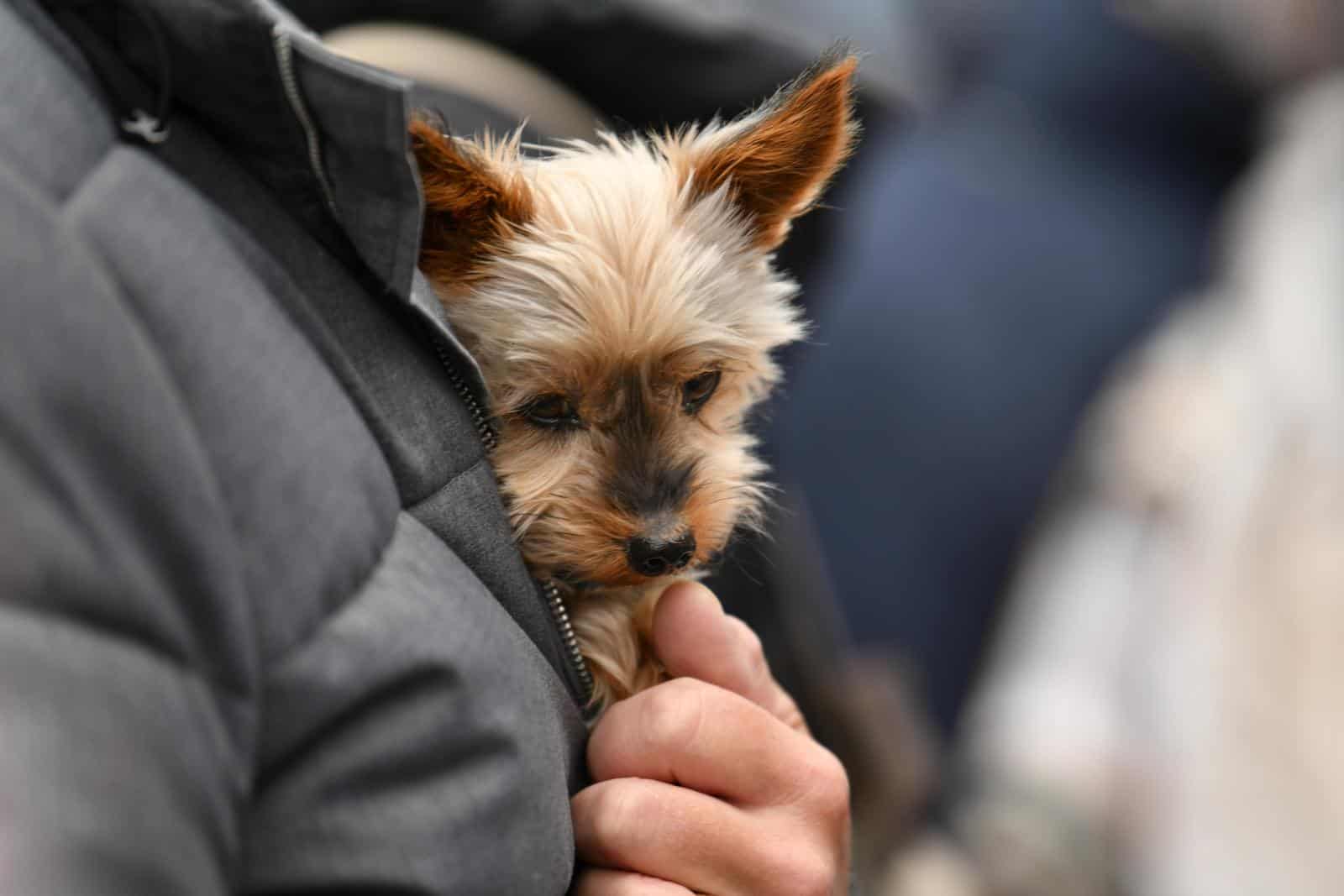
[1] American Kennel Club, French Bulldog Information.

Are French Bulldogs Aggressive? Discover Frenchie Facts

When Do French Bulldogs Calm Down?

When Do French Bulldogs Calm Down? Expert Insights and Tips

Discover when French Bulldogs typically calm down, explore age-related changes, and learn training tips and techniques to foster a serene and well-behaved Frenchie.

If you want an affectionate and irresistible companion, look no further than French Bulldogs! This breed is known for its unique appearance and lovable demeanor, making it a beloved choice among dog lovers.

However, as with any breed, it is vital to consider French Bulldogs’ energy levels and temperament before bringing one into your home. One common question many potential owners have is when do French Bulldogs calm down.

It is important to note that every dog is unique and may have different energy levels and temperaments. However, French Bulldogs generally reach full maturity and calmness around 2-3 years of age.

This means that while they may have a lot of energy and be quite playful as puppies, they will eventually settle down and become more relaxed as they age.

As with any breed, it is essential to consider potential health problems. French Bulldogs are a brachycephalic breed, which means they have a compressed skull and short snout.

This can lead to various health issues, including breathing difficulties and overheating. It is essential to remember this when considering a French Bulldog and ensure they receive proper care and attention to maintain their health and well-being.

French Bulldogs, like many small dog breeds, are known for their energetic and playful nature, especially during puppyhood and adolescence. They start to calm down and become less hyperactive as they reach adulthood.

So When Do French Bulldogs Calm Down?

On average, French Bulldogs begin to calm down around two years old. However, every dog is different, and the exact timing can vary depending on a range of factors, including individual temperament, lifestyle, level of physical activity, and overall health.

Please note that even adult French Bulldogs will require moderate exercise and mental stimulation to remain healthy and well-behaved. A routine of regular walks, playtime, and training sessions can help manage their energy levels and encourage good behavior.

It’s also crucial to continue socializing your French Bulldog throughout life, as this can impact its behavior and temperament.

When Do French Bulldogs Calm Down?
French Bulldog Puppy

Are French Bulldogs Hyper?

When it comes to the temperament of French Bulldogs, many potential Frenchie owners wonder if these compact, bat-eared dogs are known for hyperactive behavior. The truth is that French Bulldogs are generally recognized for their calm behavior rather than being overly hyper. However, like any breed, individual personalities can vary, and some Frenchies may display more energetic tendencies, especially during their puppy years or when they’re not receiving adequate physical and mental stimulation.

Understanding French Bulldogs

French Bulldogs are a unique breed known for their distinctive appearance and affectionate personalities. Examining their physical characteristics and temperament is essential to better understand this dog breed.

Physical Characteristics

French Bulldogs are small dogs, typically weighing between 16 and 28 pounds. They have a short, smooth coat that can come in various colors, including fawn, brindle, and white. One of the most distinctive physical features of French Bulldogs is their brachycephalic (short-muzzled) face, which may lead to health issues such as breathing difficulties and overheating.

Temperament

French Bulldogs are known for their affectionate and patient personalities. They are friendly dogs that enjoy being around people and other animals. However, it is essential to note that French Bulldogs can also be aggressive if they feel threatened or are not properly socialized.

As French Bulldogs age, they may become more prone to health issues related to their breathing and mobility. Owners must monitor their dog’s health and provide appropriate care.

Overall, French Bulldogs are a unique and beloved breed that requires special attention to their health and temperament.

French Bulldog Energy Level

French Bulldogs have a reputation for being a playful and active breed. However, their energy levels can vary depending on their age and upbringing. Understanding the energy levels of French Bulldogs can help owners provide the appropriate exercise and care for their furry friends.

Puppyhood

French Bulldogs are generally full of energy and enthusiasm during puppyhood. They are playful, curious, and love to explore their surroundings. Puppies require a lot of physical exercise and mental stimulation to keep them healthy and happy. Owners should provide them with plenty of opportunities to play, run, and socialize with other dogs.

Adult Age

As French Bulldog puppies grow older, their energy levels tend to decrease. They become more mellow and relaxed and may not require as much physical exercise as they did during puppyhood. However, regular exercise and mental stimulation are still essential to keeping them healthy and preventing destructive behavior.

French Bulldogs that do not receive enough exercise or mental stimulation can become hyperactive, bark excessively, or exhibit destructive behavior. Owners should provide them with physical activities such as walks, playtime, or running in a safe and enclosed area.

Providing positive reinforcement and discipline to prevent destructive behavior and encourage good behavior is also essential. Owners should set boundaries and provide appropriate toys and products to avoid tearing or chewing on furniture or other items.

In addition, French Bulldogs are sensitive and intelligent dogs that thrive on human interaction and positive reinforcement. Owners should provide a loving and supportive environment and avoid abusive or harsh training methods. Professional trainers can also assist with socializing and training mischievous or jealous French Bulldogs.

French Bulldogs can be active and playful during their puppyhood, but their energy levels tend to decrease as they grow older. Owners should provide regular exercise, mental stimulation, and positive reinforcement to keep them healthy and happy. With proper care and upbringing, French Bulldogs can be loyal and loving companions for humans.

French Bulldog
French Bulldog Pup at a Dog Show

Training and Socialization

French Bulldog puppies are known for their energetic and playful personalities but can also be prone to hyperactivity, anxiety, and aggression if not properly trained and socialized. Training and socialization are essential for helping Frenchies calm down and become well-behaved, happy, and healthy dogs.

Consistent training and daily walks ensure your French Bulldog grows into a well-behaved dog. These routines help expend any pent-up energy and reinforce good behavior, making them more amenable to calm periods at home. French Bulldog owners can greatly benefit from establishing a regular exercise schedule, which doesn’t need to be overly strenuous given the breed’s physical structure, to help manage any bursts of energy.

Furthermore, if you’re encountering challenges with training or managing your Frenchie’s energy levels, seeking professional help from a dog trainer can provide personalized strategies and support. With the right approach, French Bulldogs can be delightful companions, known more for their affectionate natures than for any hyperactivity.

Puppy Training

Puppy training is a crucial phase in the life of your new French Bulldog puppy, and understanding the right techniques can help mold your puppy into the smart dog they have the potential to be. For pet parents, one of the most important things to remember is that establishing good habits early is key to a well-behaved adult dog.

Implementing a consistent training schedule from the start ensures that your puppy knows what is expected of them, making the entire process a positive experience for both of you.

French Bulldogs, known for their intelligence and eagerness to please, respond exceptionally well to training techniques that involve positive reinforcement. This could include using puzzle toys, which engage their minds and reward them for their efforts, encouraging them to use their intelligence constructively.

Socialization training and introducing your puppy to various people, animals, and situations at the right time are equally important, typically before it reaches 16 weeks of age. This exposure ensures that it grows well-adjusted and confident, capable of handling new experiences without fear or aggression.

Creating a positive experience from training sessions is crucial for French Bulldog puppies, as it lays the groundwork for their learning and development. By incorporating fun, engaging methods and maintaining patience, pet parents can ensure their puppies learn effectively, setting the stage for a lifetime of good behavior.

Remember, puppy training aims to teach basic commands and foster a strong bond between you and your pet, making them a valued and well-behaved family member.

Obedience Training

Obedience training and professional trainer advice can be crucial for teaching French Bulldogs basic commands and manners, such as sit, stay, come, and leave. It helps them understand what is expected of them and how to behave in different situations. Positive reinforcement, such as lots of praise, treats, and toys, is an effective way to motivate Frenchies to learn and obey. However, being patient, consistent, and gentle is essential, as Frenchies can be sensitive and easily distracted.

Socializing

Socializing is crucial for helping French Bulldogs become comfortable and confident around people, animals, and environments. It involves exposing them to sights, sounds, smells, and textures early and rewarding them for calm and friendly behavior. Socializing can prevent aggression and separation anxiety and promote bonding, learning, and mental stimulation.

Positive Reinforcement

Positive reinforcement is a critical component of both obedience training and socializing. It involves rewarding desired behavior and ignoring or redirecting undesired behavior rather than punishing or scolding. Positive reinforcement can build trust, respect, and confidence between Frenchies and their owners and enhance their motivation, learning, and happiness.

Training and socialization are essential for helping French Bulldogs calm down and become well-behaved, happy, and healthy dogs. Bulldog owners should seek professional trainers’ help if they lack the patience or knowledge to train their Frenchie puppy.

Calming Down Hyperactive French Bulldogs

French Bulldogs are known for high energy levels, which can make them quite hyperactive and difficult to handle. However, with the right approach, it is possible to calm down these energetic pups and help them become more relaxed and well-behaved. Here are some tips on how to do just that.

Physical Exercise

Physical exercise is one of the most effective ways to calm a hyperactive French Bulldog. These dogs have a lot of energy to burn, and if they don’t get enough exercise, they can become restless and anxious. 

Taking your French Bulldog for a walk or run daily can help them release excess energy and feel more relaxed. Playing fetch or other games with them can also be a great way to provide physical exercise while bonding with your furry friend.

Mental Stimulation

In addition to moderate exercise, mental stimulation is essential for calming down hyperactive French Bulldogs. These dogs are intelligent, curious, and need mental stimulation to stay healthy and happy.

Providing toys that challenge their minds, such as puzzles or interactive toys, can be a great way to keep them mentally stimulated. Training sessions and obedience classes can also provide mental stimulation while helping your French Bulldog learn new skills and behaviors.

Routine

Establishing a routine can also help calm down hyperactive French Bulldogs. Dogs thrive on routine and structure. Establishing a regular daily routine can bring comfort and reduce anxiety among individuals. 

Establish a regular schedule for feeding, exercise, and playtime, and stick to it as much as possible. This can help your French Bulldog feel more settled and less likely to act out.

Tranquil Environment

Creating a tranquil environment for your French Bulldog can also help calm them down. These dogs can be sensitive to loud noises and chaotic environments, so providing a calm and quiet space for them to relax can be beneficial. 

Consider providing a comfortable bed or crate for your French Bulldog to retreat when they need downtime. Playing calming music or using aromatherapy can also help create a peaceful atmosphere.

Overall, calming down a hyperactive French Bulldog requires patience, consistency, and a willingness to provide physical and mental outlets for their energy. Following these tips can help your furry friend become a healthier, happier, and more well-behaved companion.

French Bulldog
French Bulldog

Final Thoughts

In conclusion, French Bulldogs typically begin to calm down as they transition out of their playful and energetic puppy phase, usually around 2 to 3 years old. However, it’s essential for pet parents to understand that each Frenchie is unique, and factors such as individual temperament, training, and the amount of daily physical and mental stimulation can influence when they settle into a more tranquil demeanor.

Consistent training, engaging in activities like puzzle toys, and ensuring your French Bulldog has a routine that includes regular exercise and socialization will greatly contribute to their overall calmness.

By investing time and effort into their development from an early age, owners can look forward to enjoying the company of a well-behaved and content French Bulldog as they mature.

Patience and understanding are key as these adorable companions gradually transition into their calmer, more composed selves, enriching your life with their affectionate and loyal nature.

Copyright CaninePals.Com. All Rights Reserved.

References and Further Reading:

[1] American Kennel Club, French Bulldog Information.

When Do French Bulldogs Calm Down?