
Disclaimer

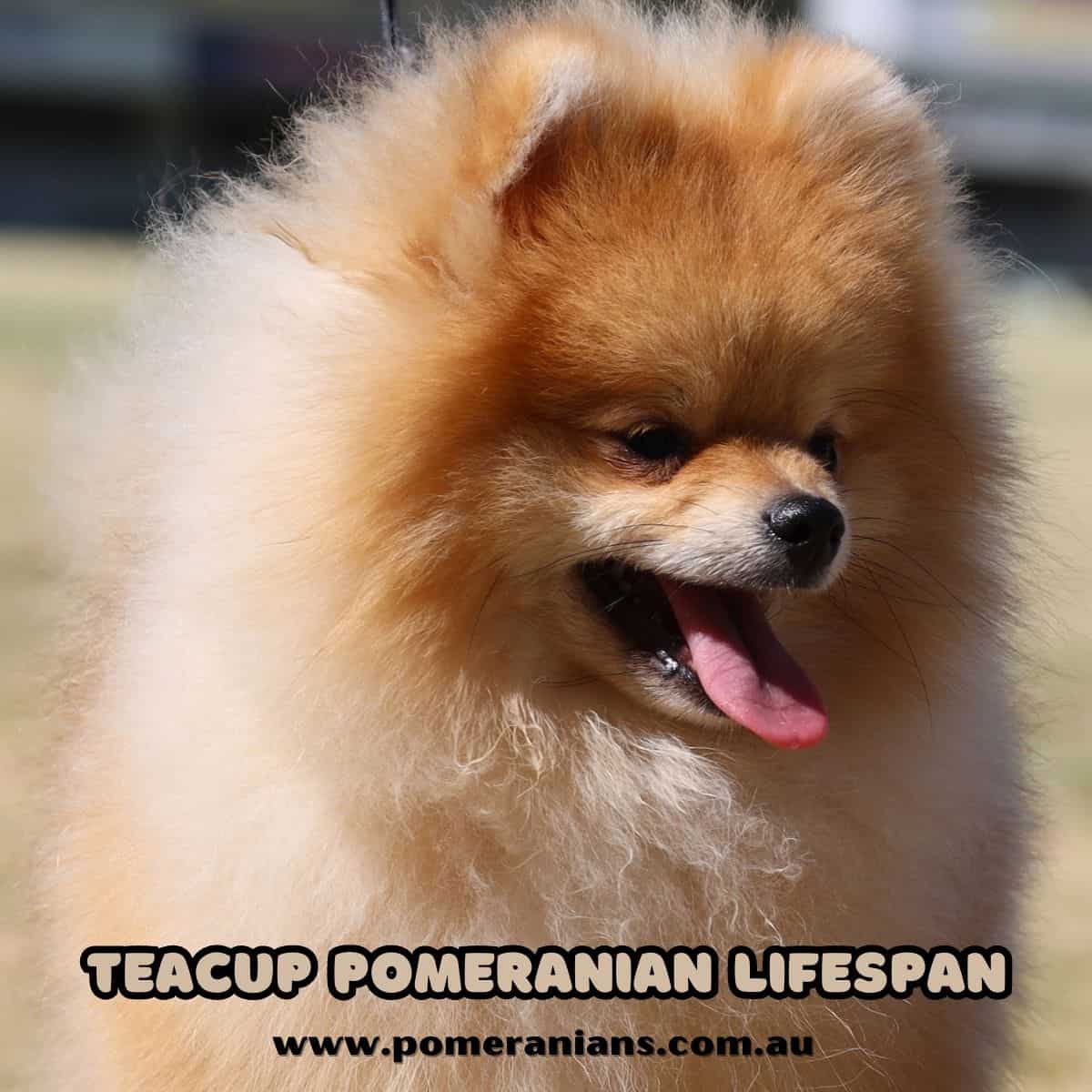
Teacup Pomeranian Lifespan

Teacup Pomeranian Lifespan: What You Need to Know

Are you charmed by the pint-sized cuteness of Teacup Pomeranians? If you consider bringing one of these adorable pups into your life, you may wonder about their lifespan. 

The good news is that Teacup Pomeranians live between 7 and 16 years with correct care. Genetics, health, and the care they receive affect how long your fluffy friend will be by your side. 

Remember these things as you prepare to welcome a Teacup Pomeranian into your home. When I first started researching Teacup Pomeranians, I was fascinated by their small size and adorable appearance.

However, as I delved deeper into the topic, I discovered some serious concerns regarding their lifespan.

While some teacup Pomeranians live up to 12-16 years, many have a much shorter lifespan of only 3-7 years. As a pet owner, it’s essential to understand the risks and challenges of owning a teacup Pomeranian.

These dogs are often bred smaller than the standard show Pomeranian, leading to various health problems such as heart defects, respiratory issues, and dental problems. Additionally, their small size makes them more susceptible to injuries and accidents, impacting their lifespan.

Despite these concerns, many still own Teacup Pomeranians due to their adorable appearance and affectionate personalities. As with any pet, it’s essential to research and make an informed decision based on the potential risks and benefits.

Teacup Pomeranians have specific needs, and meeting those needs is essential to ensure they’re healthy and happy. By learning about their requirements and providing proper care, you can help your furry friend live a long and enjoyable life.
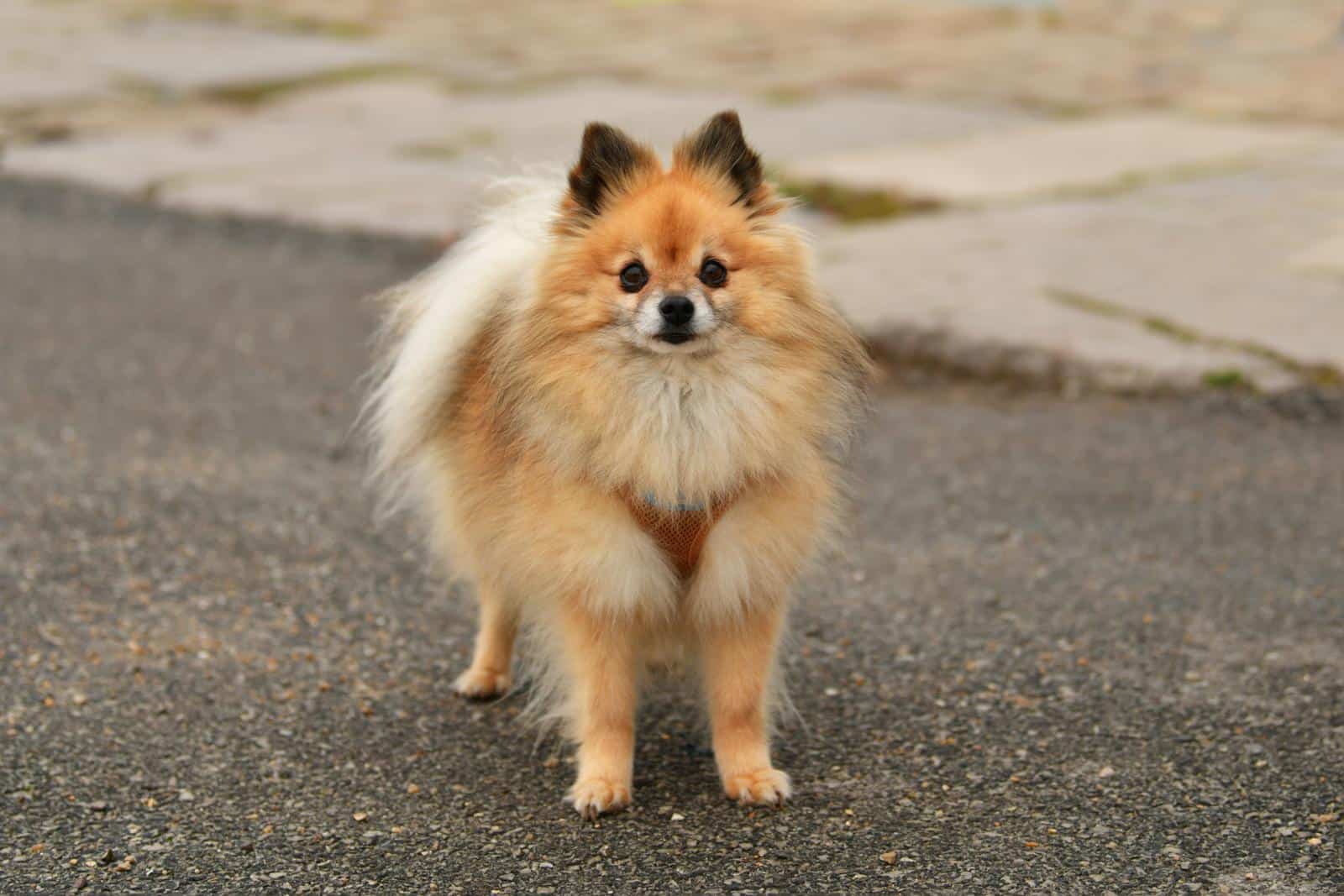
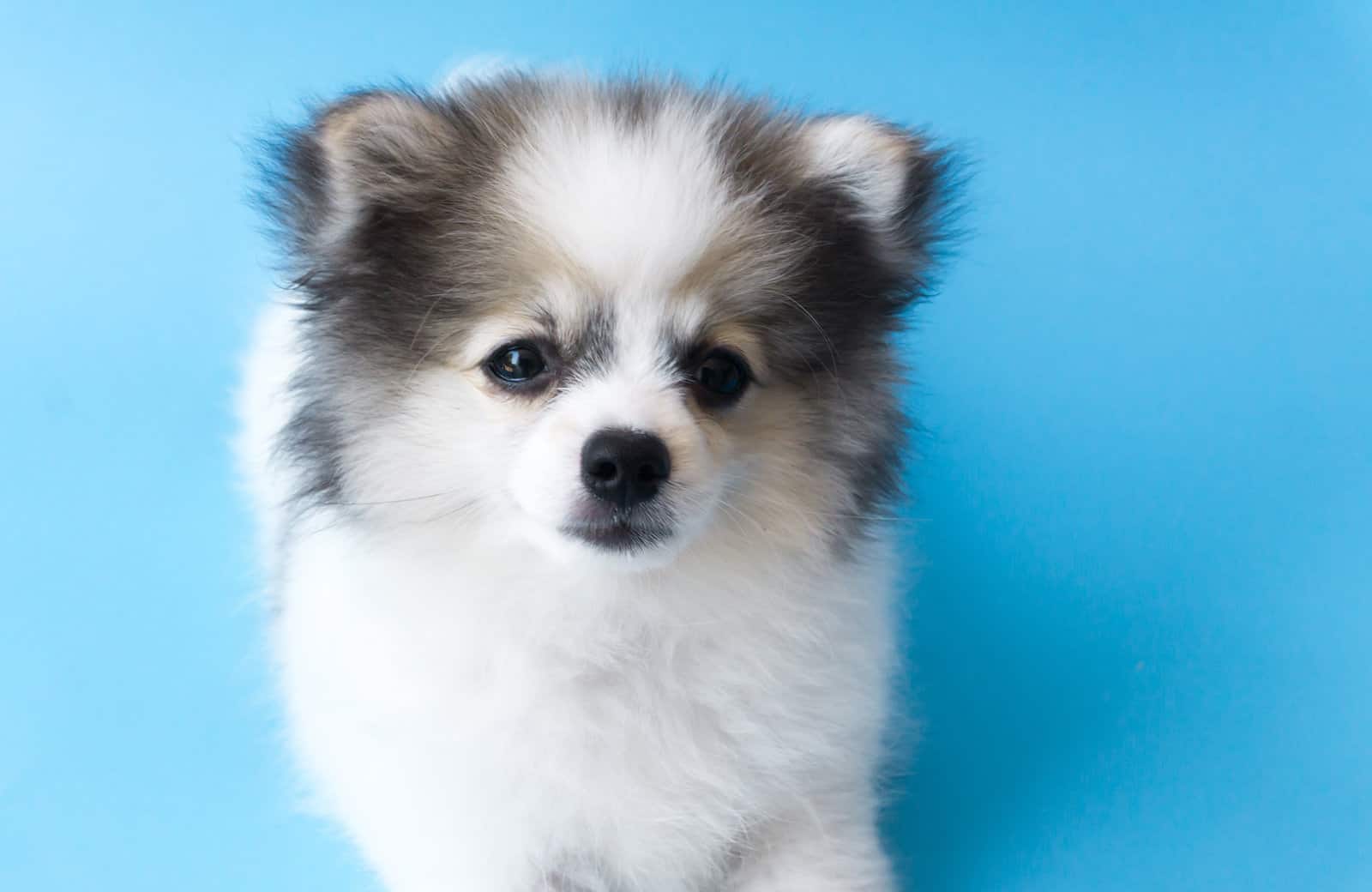
Pomeranian dog
Pomeranian dog

Frequently Asked Questions

What is the average lifespan of a Pomeranian?

The average lifespan of a Pomeranian is around 12 to 16 years. However, with proper care and attention, some Pomeranians have been known to live up to 18 years.

How Does the Lifespan of a Teacup Pomeranian Compare to a Regular Pomeranian?

Teacup Pomeranians are smaller than regular ones, so that they may have a shorter lifespan. On average, Teacup Pomeranians live for around 7 to 12 years.

What Factors Can Affect The Lifespan of a Teacup Pomeranian?

Several factors can affect the lifespan of a Teacup Pomeranian, including genetics, diet, exercise, and overall health. Proper care and attention, including regular vet check-ups, can help extend a Teacup Pomeranian’s lifespan.

Are Teacup Pomeranians Prone to any Specific Health Issues?

Teacup Pomeranians can be prone to several health issues, including dental problems, heart disease, and respiratory issues. It is essential to provide them with proper care and attention to prevent these health issues from occurring.

Are Teacup Pomeranians Healthy?

If you’re considering getting a Teacup Pomeranian, knowing these dogs may have health concerns like any other breed is essential. It’s worth noting that Teacup Pomeranians are likely to experience similar health issues to other Pomeranians.

Can Teacup Pomeranians be Easily Trained?

Teacup Pomeranians can be trained but may require more patience and consistency than regular-sized Pomeranians. Positive reinforcement training techniques can be effective in training teacup Pomeranians.

Do Teacup Poms Require Any Special Care or Attention?

Teacup Pomeranians require the same care and attention as regular-sized Pomeranians but may require more frequent meals due to their smaller size. A well-balanced diet, regular exercise, and proper grooming are essential for their health and happiness.

Teacup Pomeranian Temperament

The temperament of a Teacup Pomeranian, like any Pomeranian, can vary from dog to dog. Pomeranians are generally known for their spirited and lively personalities. They are often described as alert, intelligent, and confident little dogs.

It is crucial to note that the term “Teacup” is not recognized by official breed standards and is often used to describe tiny Pomeranians bred through selective breeding.

Various factors, including genetics, socialization, and individual personality, can still influence Teacup Pomeranians’ temperament. While some Teacup Pomeranians may exhibit the same characteristics as their larger counterparts, others may have unique traits due to their breeding history.

It’s crucial to obtain a puppy from a reputable Teacup Pomeranian breeder who prioritizes the health and well-being of their dogs. Unscrupulous Teacup Pomeranian breeders who prioritize extreme size over the dog’s health may inadvertently produce Pomeranians with temperament or health issues. It’s always recommended to do thorough research and seek out a responsible breeder who prioritizes the overall welfare of the breed.

Pomeranians, in general, are known to be lively, alert, and intelligent dogs. It’s essential to prioritize responsible breeding practices and ensure the health and well-being of any Pomeranian, regardless of size or label.
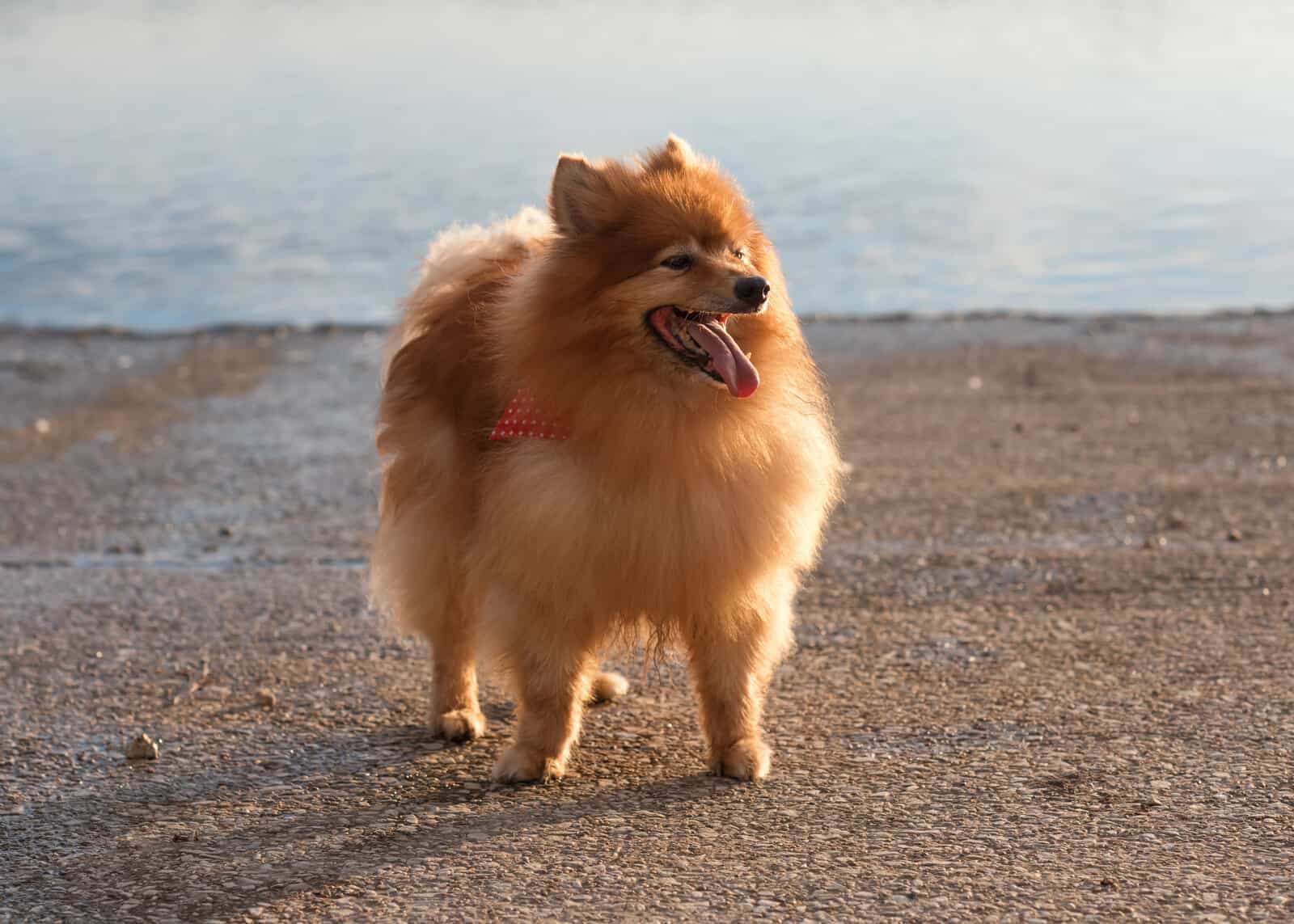
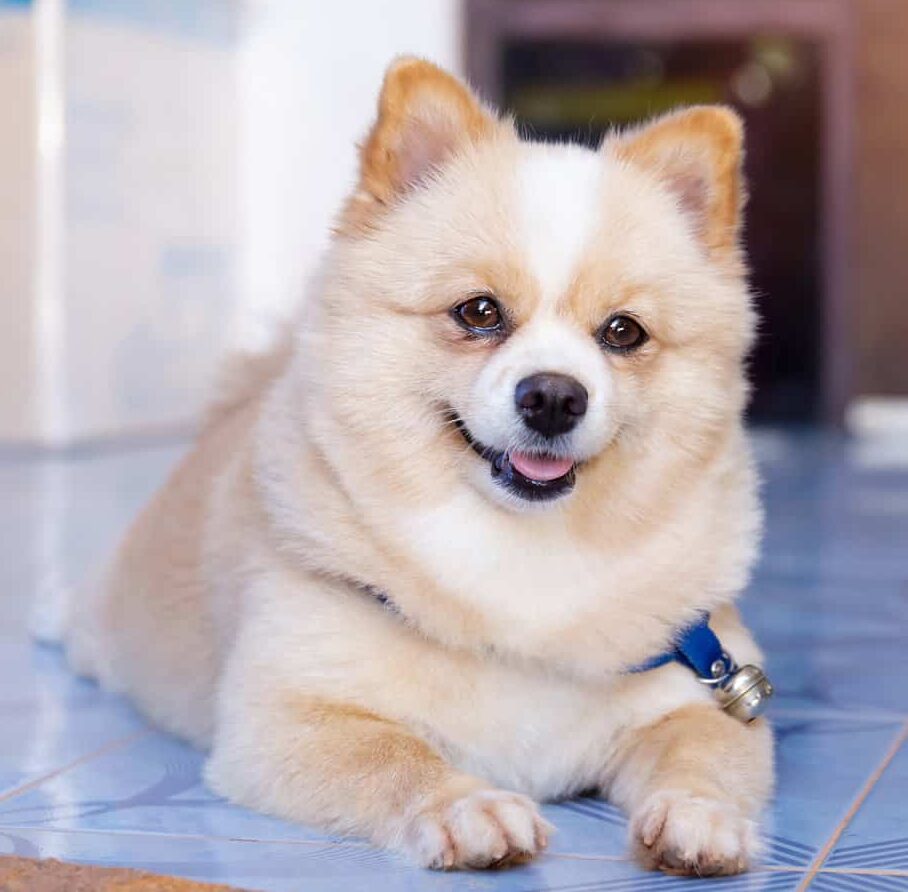
Pomeranian dog
Pomeranian dog

Teacup Pomeranian Lifespan

Overview

As a proud owner of a Teacup Pomeranian, I can attest that these little dogs are adorable and make great companions. However, one thing that every Teacup Pomeranian owner should be aware of is their lifespan. On average, a Teacup Pomeranian can live anywhere from 12 to 16 years, with many living several years beyond this number.

Factors That Affect Lifespan

After doing some research and consulting with my veterinarian, I have identified three main factors that can have a significant impact on the life expectancy of Teacup Pomeranians: genetics, health, and environment. Several factors can affect the lifespan of a Teacup Pomeranian, including their weight, health, and the amount of care and attention they receive.

  • Teacup Pomeranians are a small breed, weighing in at just 3-7 pounds, which means they are prone to health problems such as tracheal collapse and dental issues.
  • It is essential to provide them with regular check-ups and a healthy diet to ensure they stay healthy.
  • Teacup Pomeranians also have a double coat that requires regular grooming to prevent matting and shedding. This means they need a lot of care and attention, which can affect their lifespan if they are not correctly cared for. 
  • They are also a very active and loyal dog breed, which means they need moderate exercise, training, and socialization to stay healthy and happy.

Genetics

Another crucial factor that can affect the lifespan of a Teacup Pomeranian is genetics.  Some Teacup Pomeranians may be more prone to health problems or have a shorter lifespan due to their breeding.

Researching and finding reputable a Teacup Pomeranian breeder is essential to ensure that your Teacup Pomeranian has the best chance of a long and healthy life. Like all dog breeds, the lifespan of a Teacup Pomeranian is partly determined by genetics.

These dogs are generally healthy and can live up to 12-16 years, but some may have a shorter lifespan due to genetic factors. For instance, some Teacup Pomeranians might be bred from parents with health problems like tracheal collapse or Cushing’s disease.

Teacup Poms may have a shorter lifespan due to genetic factors. According to a study published in the Journal of Veterinary Medical Science, smaller dogs have a much longer lifespan than larger dogs.

Patellar luxation is a genetic disorder that affects the kneecap and is common in Pomeranians. The study found that the prevalence of patellar luxation in Pomeranians was 6.5%. This is an essential factor to consider when considering the genetics of teacup Pomeranians, as they are even smaller than regular Pomeranians and may be more prone to this disorder.

Another published study also found evidence of a genetic contribution to patellar luxation in Toy Poodle puppies. This suggests genetics also plays a role in this disorder’s development in Pomeranians.

In addition to patellar luxation, other genetic factors may contribute to teacup Pomeranians’ lifespan. A published study in the Journal of Small Animal Practice found that certain breeds, including Pomeranians, Dachshunds, and Miniature Schnauzers, have genes associated with lifespan extension.

Overall, genetics play a significant role in the lifespan of Teacup Pomeranians, just as they do in any dog breed. Responsible owners should be aware of the potential health issues that may arise due to genetics and take steps to ensure the health and well-being of their furry friend.
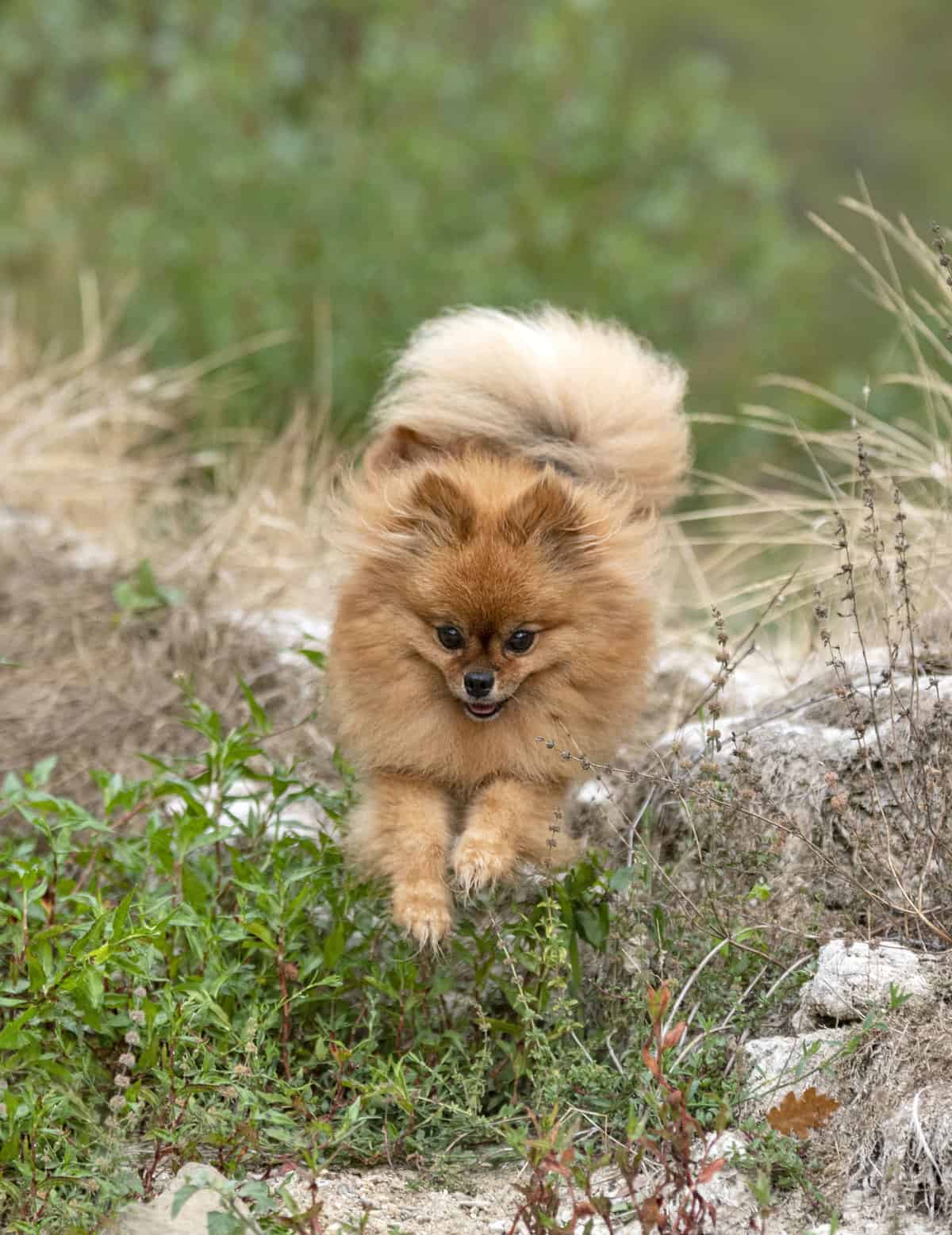
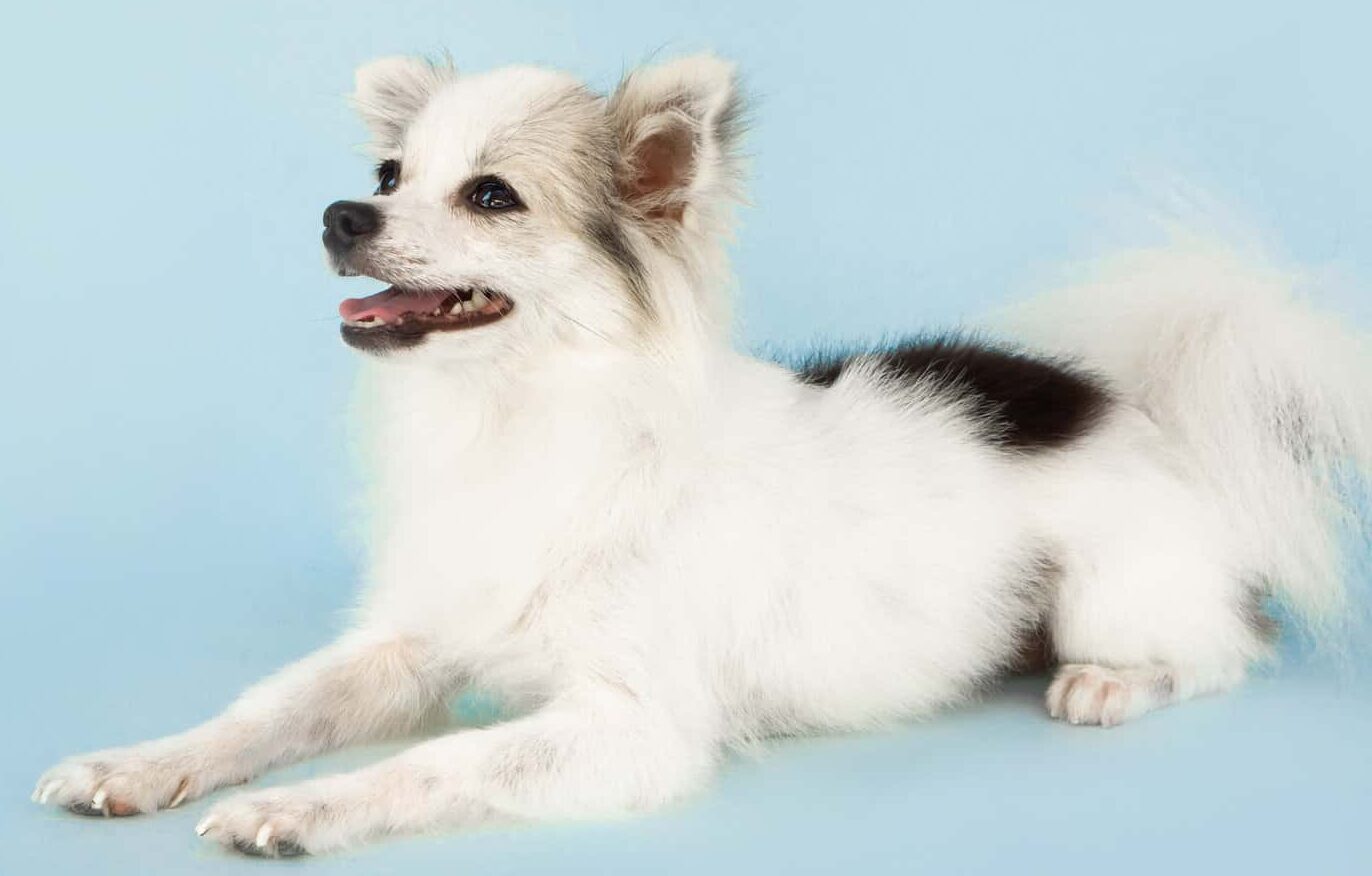
Pomeranian Dog
Pomeranian Dog

Health

The health of your Teacup Pomeranian is also a crucial factor that can affect its lifespan. Tiny dogs are prone to certain health problems like allergies, dental issues, and heart disease, which can all impact their longevity.

As a responsible owner, taking your Teacup Pomeranian for regular check-ups with the vet, keeping up with their vaccinations, and providing them with a moderate exercise routine and a healthy diet is essential. Teacup Pomeranians are prone to several health problems.

One of the most common issues is tracheal collapse, which occurs when the cartilage rings in the trachea weaken and collapse. This can lead to difficulty breathing, coughing, and even death.

It is essential to watch for signs of tracheal collapse, such as a honking cough, and take your Pomeranian to the vet immediately if you suspect this condition.

Another health issue that Pomeranians may face is allergies. They can be allergic to various things, such as food, pollen, or flea bites. Signs of allergies include scratching, licking, and chewing on their skin.

If you notice any of these symptoms, it is crucial to take your Pomeranian to the vet to determine the cause of the allergy and how to treat it.

Environment

The environment in which your Teacup Pomeranian lives also plays a role in their lifespan. These dogs are social creatures and thrive on attention and affection from their family.

A lack of socialization and attention can lead to severe anxiety and depression, which can harm their health and lifespan. Additionally, providing a safe and comfortable living environment, free from hazards and toxins, can help ensure a longer life for your Teacup Pomeranian.

The lifespan of a Teacup Pomeranian is affected by many factors, including genetics, health, and environment. As a loving owner, providing your Pomeranian with the care and attention they require to live a long and healthy life is essential.

By staying informed about the potential risks and taking preventative measures, you can ensure your Teacup Pomeranian lives a happy and fulfilling life by your side.
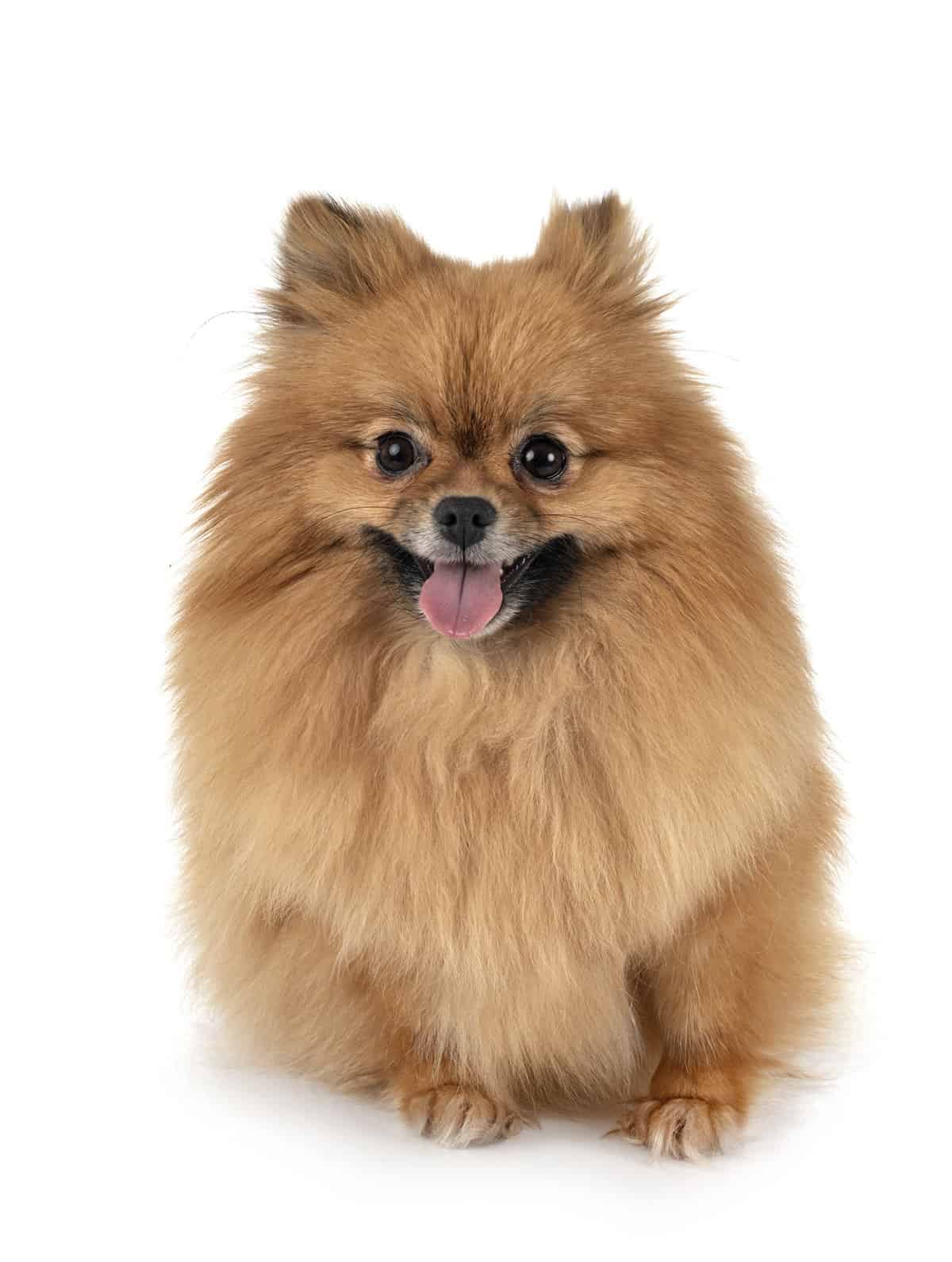
Pomeranian Dog
Pomeranian Dog

Easy Ways to Ensure Your Teacup Pomeranian Stays Healthy and Happy

Keeping your teacup Pomeranian healthy doesn’t have to be complicated. You can do some simple things as a dog owner to promote their well-being. From regular exercise to a nutritious diet, just a few tiny changes can make a big difference in your pup’s overall health:

  • Ensuring a healthy diet is crucial for their well-being. Opt for high-quality dog food that is specially formulated for their breed.
  • Regular exercise is also crucial for your Pomeranian’s health. Even though they are tiny dogs, they still need daily exercise to keep their muscles and joints healthy. Take your teacup dog for a short walk or play fetch in the backyard to keep them active.
  • Another preventive measure is to keep up with their grooming. Teacup Pomeranians have a thick coat that requires regular brushing to prevent matting and skin issues. Additionally, routine dental care can prevent tooth decay and gum disease.

Being aware of common health issues and taking preventive measures can help ensure your teacup Pomeranian lives long and healthy.

Environment

In this section, I will discuss the three aspects of the environment that affect a teacup Pomeranian’s health: diet, exercise, and grooming requirements.

Diet

As a teacup Pomeranian owner, I know how important it is to provide my furry friend with a healthy and balanced diet. A proper diet ensures a long and healthy life for your teacup Pomeranian.

Teacup Pomeranians have a 12-16 years lifespan, and proper nutrition can significantly affect their longevity.

Pomeranians are prone to dental problems as a breed, so choosing a diet that promotes good dental health is essential. I feed my teacup Pomeranian a well-balanced diet that includes high-quality proteins, healthy fats, and essential vitamins and minerals.

I avoid feeding my dog any table scraps or human food that could harm their health. When choosing a commercial dog food, I always look for brands that use high-quality ingredients and avoid fillers and artificial preservatives.

I also select a food appropriate for my dog’s age, size, and activity level. It’s important to note that overfeeding your teacup Pomeranian can lead to obesity, significantly impacting their health and lifespan.

I always make sure to measure my dog’s food and avoid overfeeding. In addition to a well-balanced diet, I ensure that my teacup Pomeranian has access to plenty of fresh water throughout the day.

Staying hydrated is essential for good health and can help prevent urinary tract problems in dogs. Overall, providing your teacup Pomeranian with a healthy and balanced diet is one of the best things you can do for their health and well-being. Choosing high-quality foods and avoiding overfeeding can help ensure your furry friend lives long and healthy.

Exercise

As a proud owner of a teacup Pomeranian, I know how important exercise is for their overall health and well-being. While these little pups are small, they still need regular exercise to help maintain a healthy weight, prevent health issues, and extend their lifespan.

I take my Teacup Pomeranian puppy on daily walks to burn off excess energy. As they are prone to obesity, it’s essential to monitor their food intake and exercise regularly to prevent weight gain. Regular exercise is essential for a teacup Pomeranian’s physical and mental well-being.

As a small breed, they don’t require much exercise but need daily walks and playtime to keep them active and engaged. I take my teacup Pomeranian for short walks around the neighborhood twice daily.

I also play with her indoors by throwing toys and playing hide-and-seek. It’s important to avoid overexerting them, as they can quickly become tired and overheated.

Grooming

Regular grooming is essential for the well-being of Teacup Pomeranians. Neglecting their grooming needs can harm their health and lifespan.

As a caring pet owner, it’s important to make brushing your pet’s coat a weekly, if not daily, habit. Not only does it help keep their fur clean and free of dust, dirt, and mud, but it also gets rid of pesky fleas, ticks, and burrs that may be hiding in the fur. 

Plus, brushing helps distribute natural oils that benefit their coat’s health. Try using a slicker brush and aim for at least two to three weekly brushings for best results. Your furry pal will thank you for the extra love and attention!
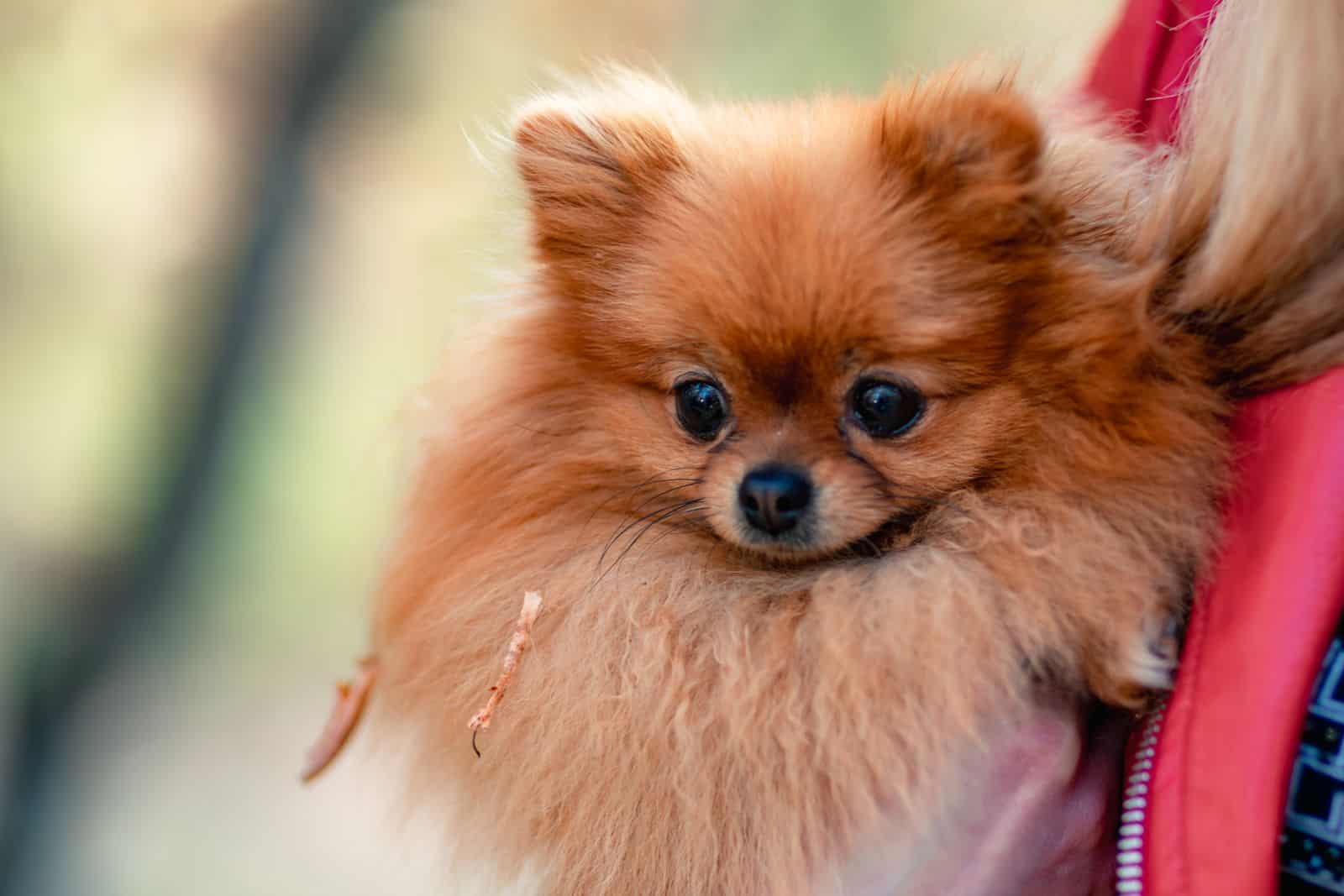
Tiny Pomeranian Dog
Teacup Pomeranian Dog

Are Teacup Pomeranians Healthy?

As with all dog breeds, Pomeranians are susceptible to various health issues that owners should be aware of. Pomeranians may experience various health issues that owners should be aware of. 

Some common ones to watch out for in Pomeranians:

  • Luxating patella, or a dislocated kneecap, may be a hereditary condition. 
  • Collapsing trachea can occur as a congenital disability or result from an accident, and it’s important to avoid using collars on Pomeranians due to their already-fragile trachea. 
  • Allergic reactions to food are also common among Pomeranians. 
  • They are also prone to skin problems such as alopecia or black skin disease.
  • Cushing’s Disease.
  • Hypothyroidism.
  • Pomeranian Reverse Sneezing.
  • May suffer from heart defects from birth.
  • Dental issues.

Final Thoughts on Teacup Pomeranian Puppies

If you’re a proud Teacup Pomeranian owner, you’ll probably know they’re trendy and adorable. Remember their life expectancy, around 12 to 16 years, to ensure your furry friend has a healthy and joyful life.

However, several factors, such as weight, health, care, and genetics, can influence this. Ensure you take excellent care of them, including giving them the appropriate care, attention, and nourishment to keep them around for as long as possible.

Copyright CaninePals.Com. All Rights Reserved.

References and Further Reading:

  1. Official Standard of the Pomeranian (AKC). American Kennel Club, 2011.
  2. Official English Kennel Club Pomeranian Breed Standard, 2017.
  3.  Kimbering Pomeranians “1891-1991”.
  4.  Denise Leo, The Pomeranian Handbook.
  5.  L.Ives, Show Pomeranians.
  6.  L.Ziegler Spirer & H.F. Spirer, This is the Pomeranian.
  7. FEDERATION CYNOLOGIQUE INTERNATIONALE (FCI) German Spitz, including Keeshond and Pomeranian Breed Standards. PDF file.
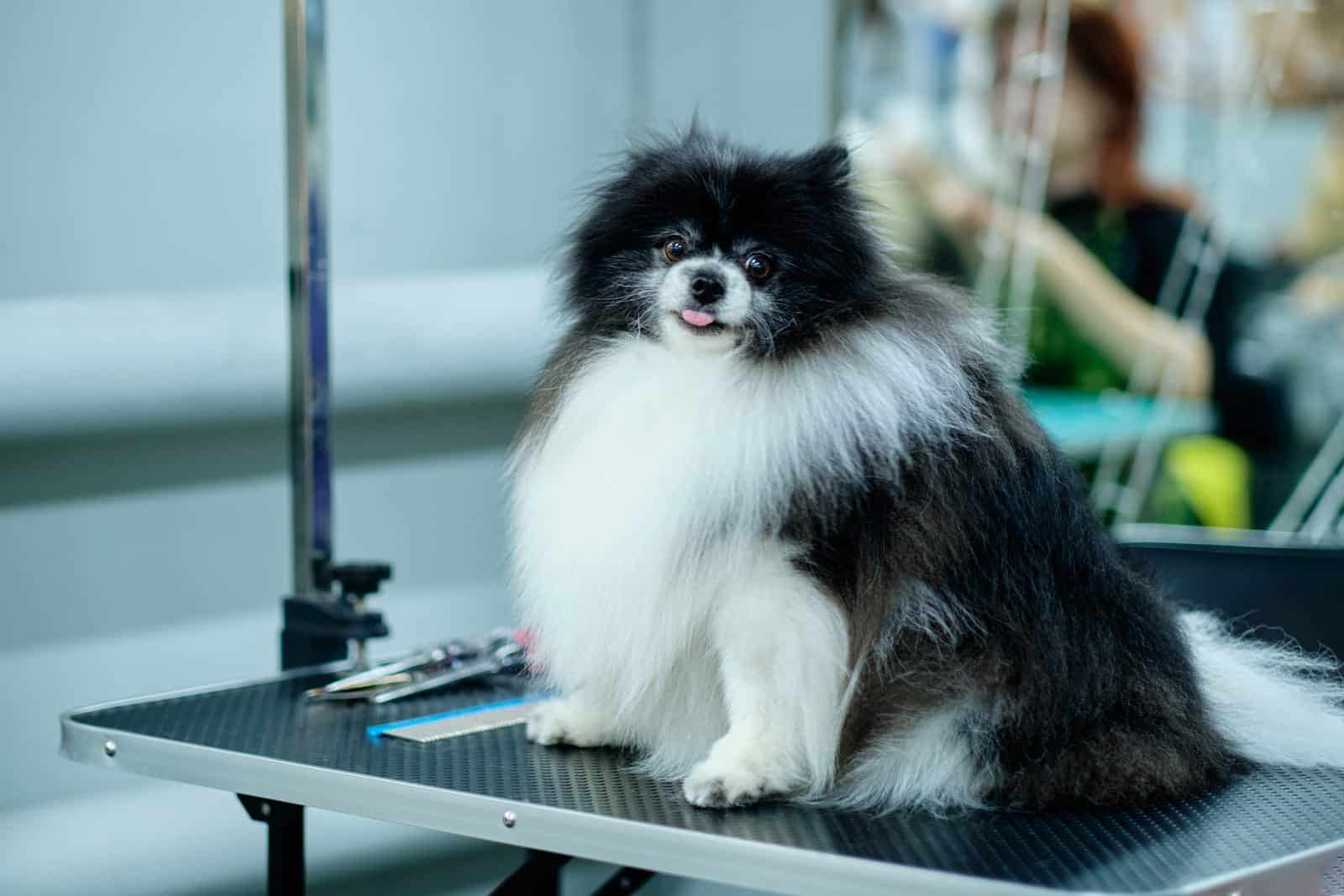
The Pomeranian Handbook by Denise Leo

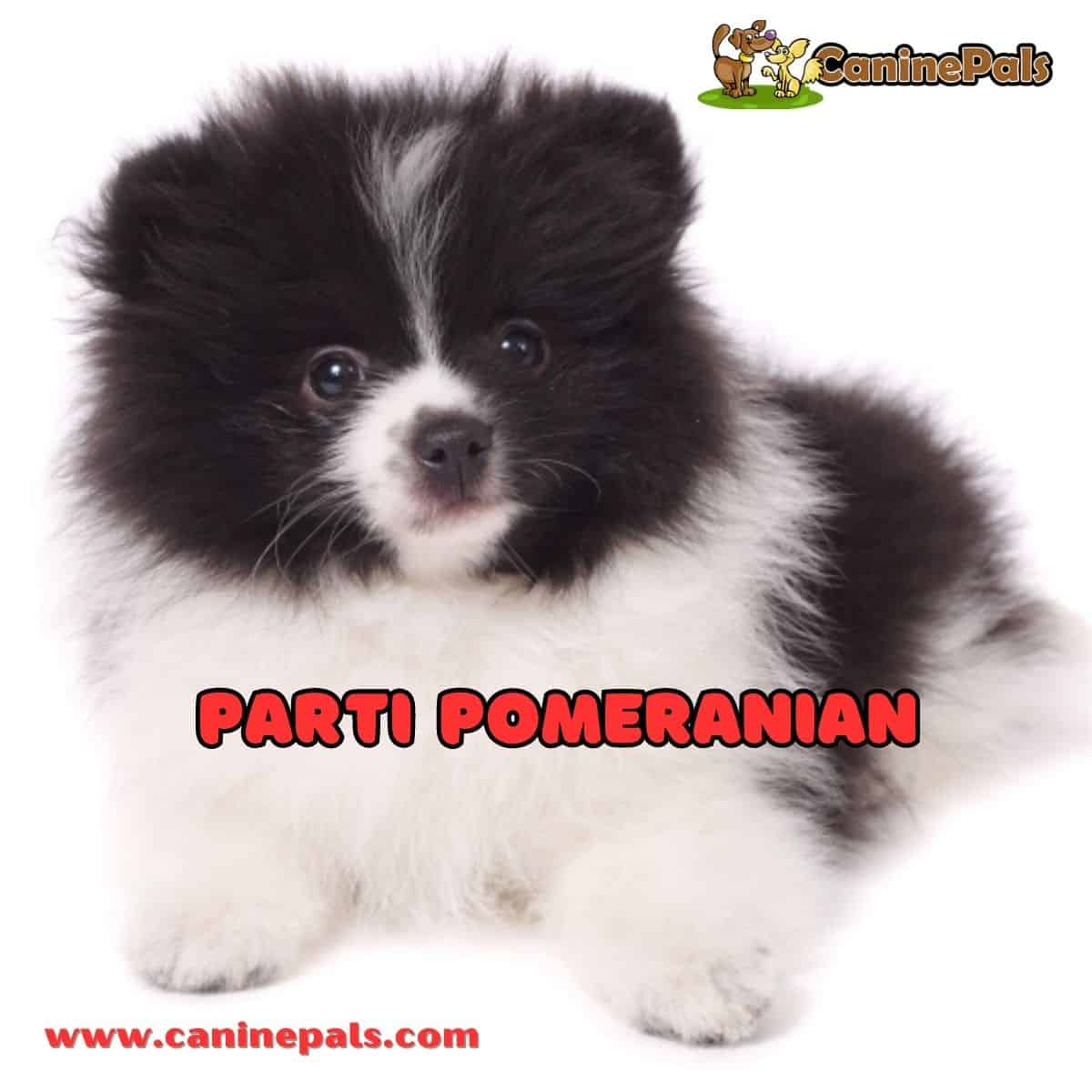
Parti Pomeranian Puppy

Parti Pomeranian: The Adorable Two-Toned Pup You Need in Your Life

As a proud owner of a Parti Pomeranian, I can attest that these dogs are adorable. Parti Pomeranians are a unique type of Pomeranian with a striking coat pattern and a white base coat with patches of any solid color. This pattern gives Parti Pomeranians a distinct, eye-catching appearance that will turn heads.

Parti Pomeranians have a fun-loving and affectionate personality that makes them great companions. These pups are intelligent little dogs that are super easy to train and love to learn new tricks.

Parti Pomeranians are also known for being very social and outgoing, making them great pets for families with children or other pets. For dog lovers wanting a loving and loyal companion, a Parti Pomeranian might be the perfect dog.

Parti Pomeranian Puppy


History and Origin

As a proud owner of a Parti Pomeranian, I have been curious about the history and origin of this adorable breed. The Pomeranian breed is named after the region of Pomerania, which is located in modern-day Germany and Poland.

This breed has a fascinating history, dating back to the 18th century. The Pomeranian breed was originally much larger than the small, toy-sized dogs we see today. Poms were bred as working dogs, used for herding and guarding livestock.

The Pomeranian is thought to have descended from the Spitz-type dogs that migrated to Pomeranian from Siberia. It wasn’t until the 19th century that the Pomeranian was popularized as a companion dog. Queen Victoria was a fan of Pomeranians and is credited with helping to reduce their size and create the smaller, more manageable dogs we know and love today.

In fact, Queen Victoria popularized the parti-colored Pomeranian, which features a white base coat with patches of other colors. Despite their diminutive size, Pomeranians have a big personality.

They are known for being lively, intelligent, and affectionate with their owners. They are also highly adaptable and are suitable for apartment living as long as they get plenty of exercise and attention.

The Pomeranian breed has a rich and fascinating history that spans centuries. From their origins as working dogs in Pomerania to their popularity as beloved companion animals, these little dogs have captured people’s hearts worldwide. And with their adorable looks and charming personalities, it’s easy to see why!


Physical Characteristics

These dogs are small and compact, weighing between 3 to 7 pounds and standing 8 to 11 inches tall. Their double coat is thick and fluffy, with a soft undercoat and a longer outer fur that can come in various colors, including orange, black, orange, brindle, lavender, and more.

One of the most distinctive features of a Parti Pomeranian is its white fur, distributed in patches on its body. Ideally, these patches should be symmetrical and have a clear white base color without excessive ticking.

A white blaze on their head is also preferred. A true Parti Pomeranian should have at least 50% white fur.

When it comes to their tails, Parti Pomeranians typically have a plumed tail that curls over their back. This tail is essential to their appearance and adds to their overall shape and cuteness.

It’s worth noting that some Parti Pomeranians may also have a merle coat pattern, a mottled effect that can appear in various colors.

While merle is not a standard color for Pomeranians, it can occur in some Parti Poms. Overall, the physical characteristics of a Parti Pomeranian make them an adorable and distinctive breed that is sure to turn heads wherever they go.

Parti Pomeranian
Parti Pomeranian

Temperament and Personality

I can attest to their excellent temperament and personality. These small dogs are energetic and love to play, but they are also very protective of their owners.

They are intelligent and make great pets for families or individuals. One of the best things about parti Pomeranians is their friendly personality.

They love people and enjoy being around their owners. They are affectionate and love to cuddle, making them great lap dogs.

They are also very social and enjoy meeting new people and other dogs. Despite their small size, parti Pomeranians have a lot of energy and require regular exercise.

Pomeranians love to run around and play, so it is essential to provide ample opportunities to do so. However, these dogs are also content to relax and curl up on the couch with their owners.

Parti Pomeranians are also very protective of their owners. The breed may be small, but they have big personalities and bark if they sense a threat.

This makes them excellent watchdogs and can provide a sense of security for their owners. In terms of intelligence, parti Pomeranians are very smart and can be easily trained.

They are quick learners and enjoy being challenged. Parti Poms respond well to positive reinforcement and love to please their owners.

Parti Pomeranians make great pets for anyone looking for a friendly, energetic, and protective companion. Their intelligence and trainability make them a joy to own, and their small size makes them perfect for apartment living or smaller homes.

Parti Pomeranian Puppy

Grooming and Health

Taking care of a Parti Pomeranian’s grooming and health is essential to ensure they live a happy and healthy life. As a proud owner of a Parti Pomeranian, I have learned a few things about grooming and health that I’d like to share.

Grooming

Parti Pomeranians have a thick double coat that requires regular grooming to maintain quality. I brush my Parti Pomeranian’s coat weekly to prevent matting and tangling.

Using a slicker brush and a comb helps to remove loose hair from the fur. I also pay attention to my Parti Pomeranian’s nails and trim them regularly to prevent them from getting too long.

I use a nail clipper designed for dogs to avoid injuring the quick. Additionally, I clean my Parti Pomeranian’s ears regularly to prevent infections.

Bathing a Parti Pomeranian should be done once a month during winter and more often during summer if the dog gets dirty.

I use a gentle dog shampoo and conditioner to maintain my Parti Pomeranian’s coat quality, and I also make sure to rinse thoroughly to avoid any skin irritation.

Health

Parti Pomeranians are generally healthy dogs with a life expectancy of 12 to 16 years. However, like all dog breeds, they are prone to specific health issues. 

Responsible owners should take their Parti Pomeranian for regular check-ups with a veterinarian to ensure their health is in good condition.

Some common health issues affecting Parti Pomeranians include luxating patella, tracheal collapse, and alopecia. It is essential to detect any health issues early to prevent them from becoming severe.

Parti Pomeranians are also known to be excessive barkers. Training and socialization can help reduce extreme barking behavior.

Additionally, Parti Pomeranians shed moderately, so regular grooming can help to minimize shedding. Taking care of a Parti Pomeranian’s grooming and health is crucial to ensure they live a happy and healthy life.

Regular grooming and check-ups with a veterinarian can help prevent health issues and keep your Parti Pomeranian in good condition.

Mismarked or Irish marked Parti Pomeranian

Parti Pomeranian Colors and Markings

Parti Pomeranians are unique and eye-catching due to their distinct coloring. They have a white base coat with patches of another color. The color patches can be any solid color or allowed pattern, including brindle, sable, and ticking. The white base coat must have a white blaze on the head, and ticking is undesirable.

There are several types of Parti Pomeranian markings:

  • Extreme piebald is a type of Parti Pomeranian with a primarily white coat and a few patches of color.
  • Piebald Pomeranians have a white base coat with large patches of color.
  • Irish mark Pomeranians have a colored base coat and white patches on the head, chest, or legs.

Parti Pomeranian Colors

Orange parti Pomeranians have a white base coat with orange patches, while chocolate parti Pomeranians have a white base coat with chocolate patches.

Cream parti Pomeranians have a white base coat with cream patches. Tri-colored Pomeranians have a white base coat with two other colors, usually black and tan or blue and tan.

Parti Pomeranians can have a variety of markings, including merle, a mottled pattern in the coat, and tan pattern, a combination of black or blue with the tan. Black and white parti Pomeranians have a white base coat with black patches, while blue and white parti Pomeranians have a white base coat with blue patches.

Parti Pomeranians come in various colors and markings, making them unique and sought-after. Whether you prefer extreme piebald or irish mark Parti pomeranian, there is a Parti Pomeranian for every taste.

Breeding and Show Standards

Breeding a parti Pomeranian requires careful planning and a good understanding of genetics. As a responsible breeder, I ensure that both parents are healthy.

Parents have DNA profiles done to help prevent genetic defects that might be passed on to their offspring. I also ensure the puppies are raised in a healthy and clean environment, with proper nutrition and socialization.

When showing a parti Pomeranian, adhering to the American Kennel Club (AKC) breed standard is essential. The breed standard describes the breed’s ideal characteristics, temperament, and appearance and guides judges in dog shows.

The AKC recognizes Parti Pomeranians and can compete in conformation shows. According to the AKC breed standard, a parti Pomeranian should be a white dog with the color distributed in fur patches over the body, and a white blaze is preferred.

The colored fur patches may be in any solid colors, but all the patches must be the same color. Symmetry of facial markings is desirable.

The AKC also sets standards for purebred dogs in general. To be considered a purebred, a dog must have a documented pedigree that traces back to its ancestors. The breeding program should focus on improving the breed and maintaining its health and characteristics rather than just producing puppies for profit.

Breeding and showing a parti Pomeranian requires a lot of dedication and knowledge. As a responsible breeder, I follow the AKC standards and strive to produce healthy and well-adjusted puppies that conform to the breed standard.

Unique Facts and Considerations

As a proud owner of a Parti Pomeranian, I have learned some unique facts and considerations about this breed that I would like to share with you.

One of the first things to consider when getting a Parti Pomeranian is its small size. These dogs are considered a toy breed and typically weigh between three and seven pounds. 

This makes Poms an excellent choice for apartment living or for those needing more space. However, it’s important to remember that their tiny size means they can be injured, so it’s important to supervise them around children and other pets.

Another interesting fact about Parti Poms is their origin. They were named after the Pomerania region, located in northern Europe.

Initially, these dogs were much larger and were used for herding sheep, and Poms were bred down in size to become the companion dogs we know and love today. It’s also important to note that some

Parti Poms can be deaf, which is more common in white, and it’s essential to have them tested for deafness if you suspect they may be having trouble hearing you. Parti Poms are known for their unique coat coloration, which features at least 50% white fur with pops of other colors.

Some different coat colors you may come across include lavender, blue, black, and orange. These dogs are sure to turn heads wherever they go!

Finally, it’s important to remember that Parti Pomeranians are not just pets; they are family additions. The breed thrives on attention and loves to be included in family activities.

Take them on walks and provide plenty of playtime to keep them happy and healthy. Overall, Parti Pomeranians are a wonderful breed that makes excellent companions.

With their unique coat coloration and friendly personalities, they are sure to steal your heart. Just remember to take their small size and potential deafness into consideration when bringing them into your home.

Parti Pomeranian
Parti Pomeranian

Frequently Asked Questions

Are Parti Pomeranians Rare?

Yes, Parti Pomeranians are considered rare compared to other Pomeranian colors, and this is because of the specific breeding required to produce the unique white and colored coat pattern.  However, their popularity has increased recently, making them more readily available from reputable breeders.

What is The Lifespan of a Parti Pomeranian?

The lifespan of a Parti Pomeranian is typically between 12 and 16 years, which is consistent with the average lifespan of Pomeranians in general. However, like all dogs, their lifespan can be affected by genetics, diet, exercise, and overall health.

Are Parti Pomeranians Purebred?

Yes, Parti Pomeranians are purebred, and the American Kennel Club (AKC) recognizes them as a legitimate Pomeranian color and breed standard. It is vital to ensure that any breeder claiming to sell purebred Parti Pomeranians is reputable and follows ethical breeding practices.

What Is The Rarest Pomeranian Color?

The rarest Pomeranian color is often considered lavender, a diluted version of the chocolate color. However, this can vary depending on the region and breeding practices. It is important to note that rarity does not necessarily indicate value or quality.

How Big Do Parti Pomeranians Get?

Parti Poms are small, typically weighing between 3 and 7 pounds and standing between 11 and 12 inches tall at the shoulder. However, like all Pomeranians, their size can vary depending on genetics and breeding. To ensure your Pomeranian will be within standard breed size, always purchase from a reputable preservation breeder who is actively involved in proving their dog in the showering.

Do Parti Pomeranians Shed a Lot?

Yes, Parti Poms, like all Pomeranians, shed a moderate amount throughout the year. Regular grooming and brushing can help reduce shedding and keep their coat healthy and shiny. It is essential to note that some Pomeranians may shed more than others depending on their coat type and genetics.

Parti Pomeranian Puppy

Final Thoughts

Parti Pomeranians are one of the most special breeds of dogs, and they make fantastic pets. These pups will surely charm every family member with their charming personalities, friendly dispositions, and intelligent minds.

Parti Poms can provide years of joy and companionship with proper care and exercise. So if you’re looking for a small dog with an enchanting personality that fits perfectly into your lifestyle, finding the right Parti Pomeranian is just a few clicks or phone calls away!

With the right owner by his side, your pup can be everything you dream of—a reliable companion who will fill your home with laughter and joy.

Copyright CaninePals.Com. All Rights Reserved.

References and Further Reading:

  1. Official Standard of the Pomeranian (AKC). American Kennel Club, 2011.
  2. Official English Kennel Club Pomeranian Breed Standard, 2017.
  3.  Kimbering Pomeranians “1891-1991”.
  4.  Denise Leo, The Pomeranian Handbook.
  5.  L.Ives, Show Pomeranians.
  6.  L.Ziegler Spirer & H.F. Spirer, This is the Pomeranian.
  7. FEDERATION CYNOLOGIQUE INTERNATIONALE (FCI) German Spitz, including Keeshond and Pomeranian Breed Standards. PDF file.
The Pomeranian Handbook by Denise Leo

Merle Pomeranian

Merle Pomeranian Dogs: Breed Facts and History

Want to learn more about the colors and patterns of Merle Pomeranians? Discover how their mottled coat pattern is caused by the Merle gene and the various color possibilities here with Canine Pals! As a dog lover, I’ve always been fascinated by the different dog breeds, especially small dogs and their unique characteristics.

One breed that has caught my attention recently is the Merle Pomeranian. These adorable dogs are known for their distinct coloring, which sets them apart from other Pomeranians.

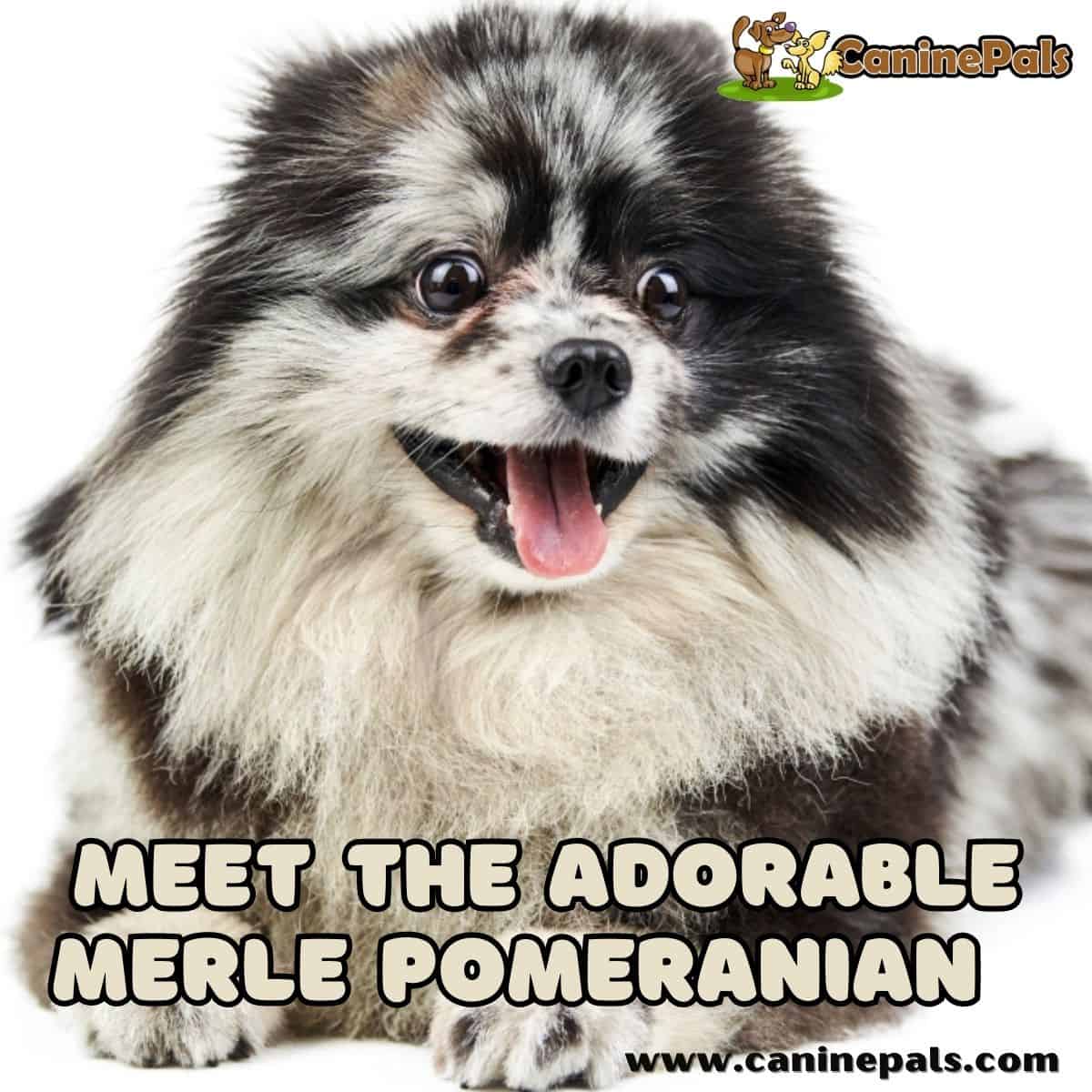
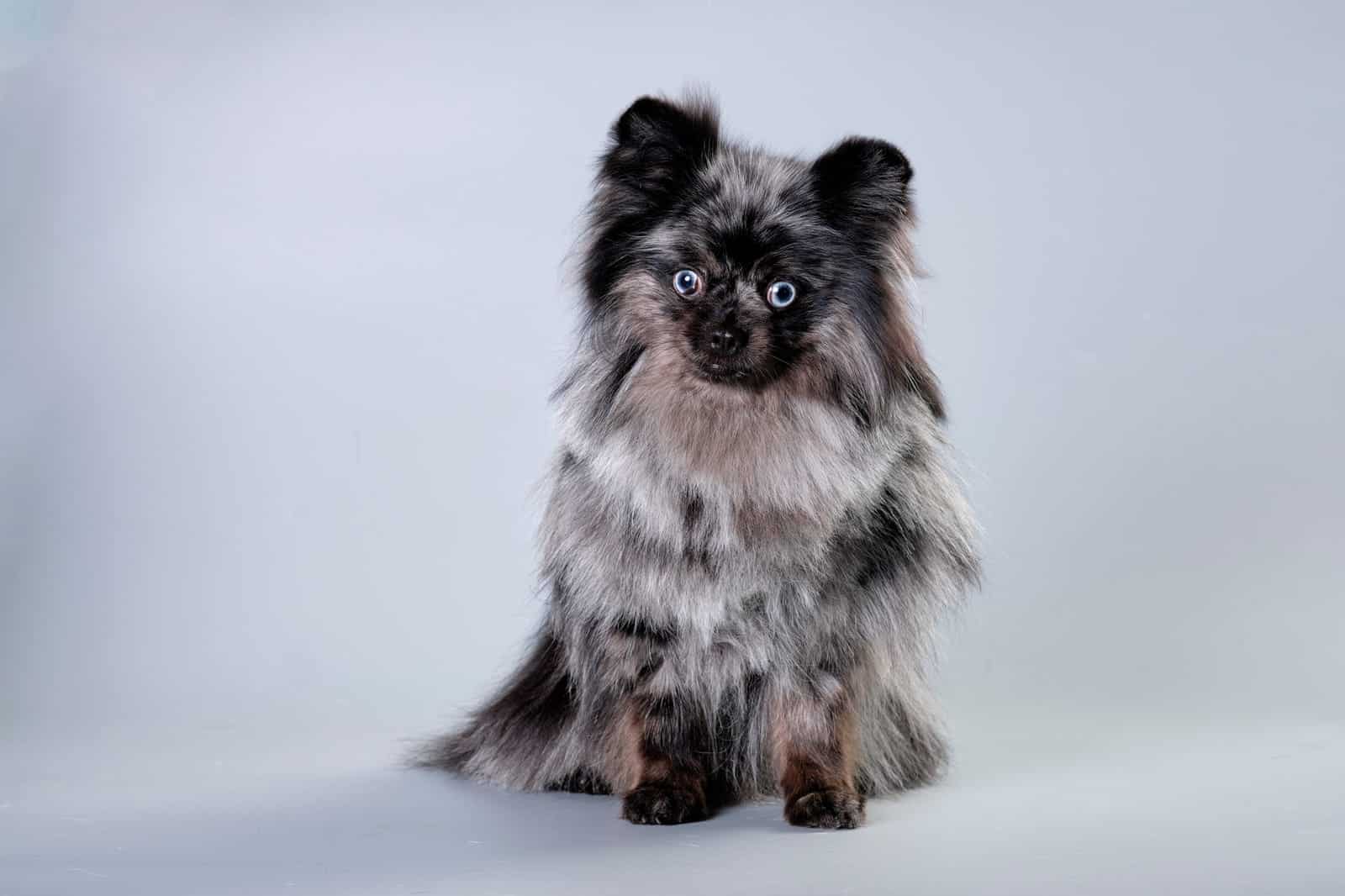
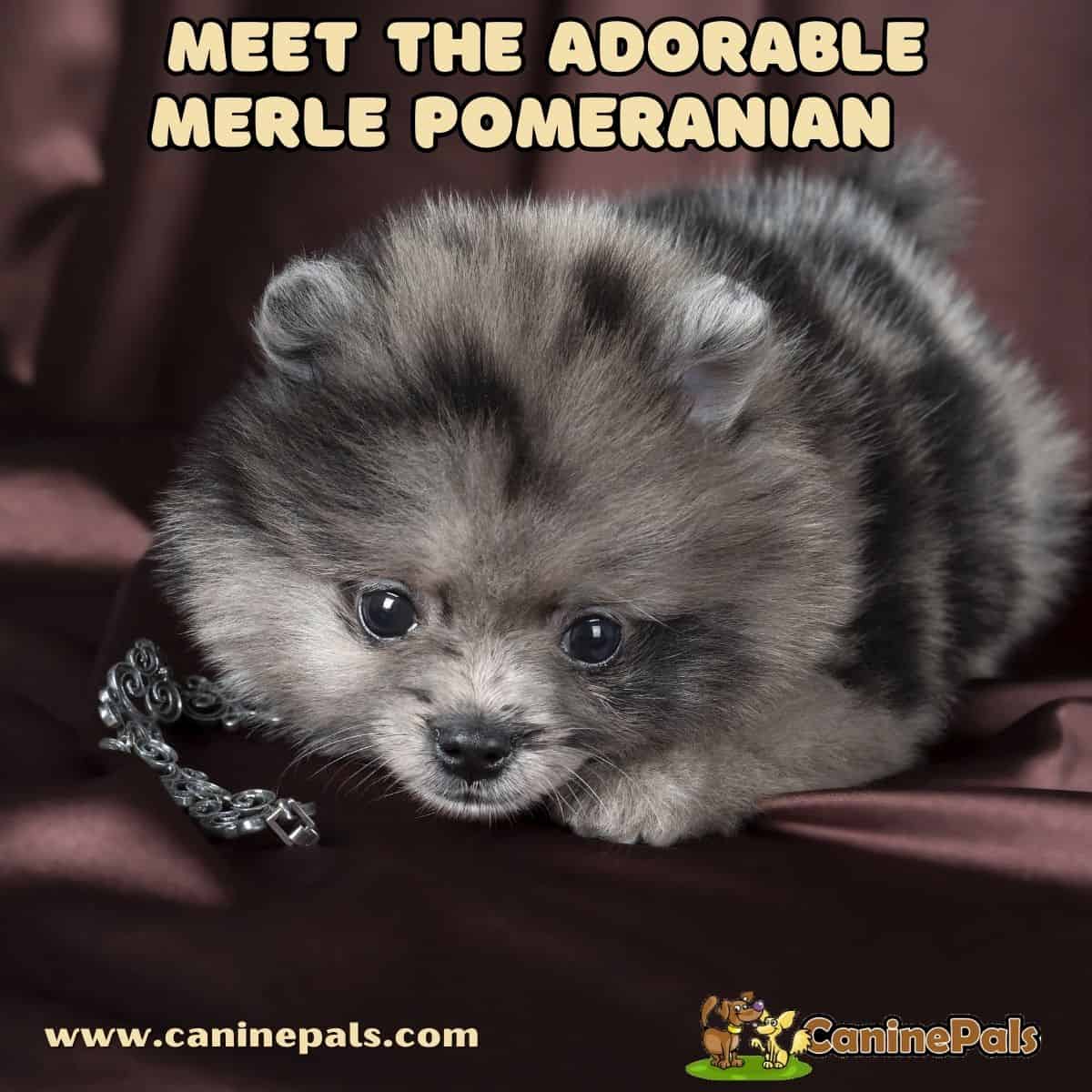
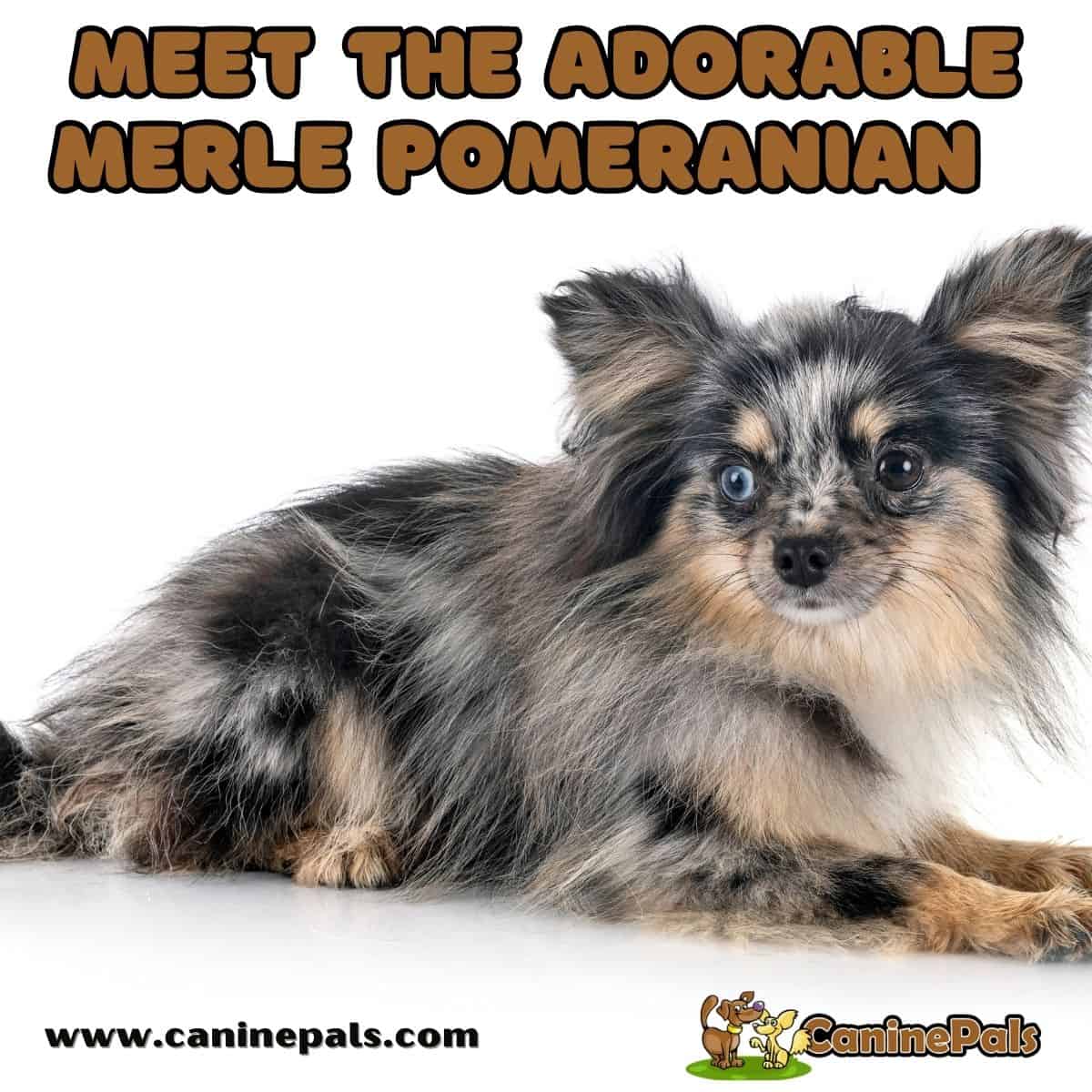
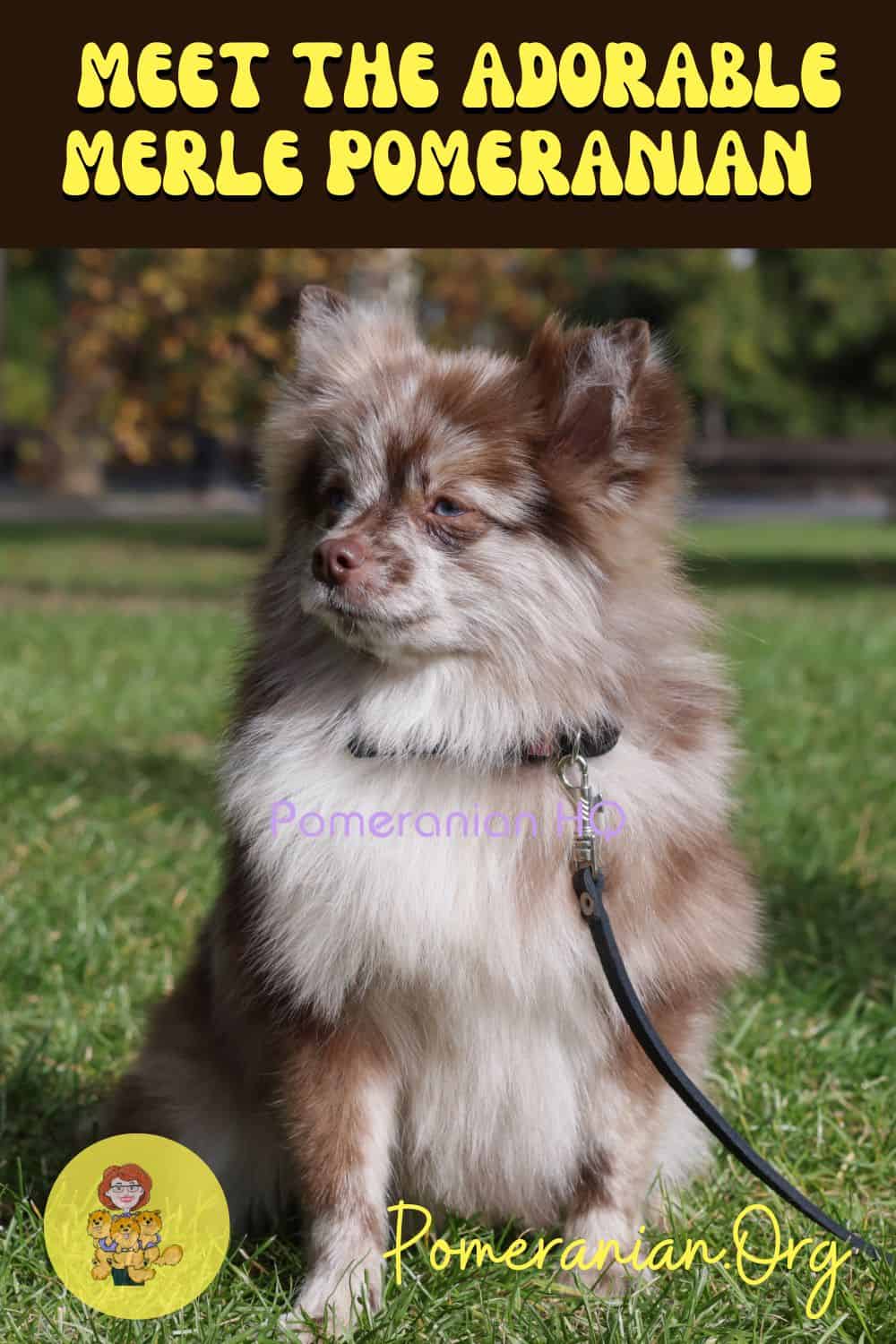
Merle Pomeranians have a mottled or speckled pattern on their coats, which can come in various colors, such as orange, red, brown, or black.

This coat color pattern is caused by the Merle gene, which modifies the color of the dog’s coat. However, it is essential to note that not all countries recognize Merle Pomeranians as an accepted color pattern, and breeding two Merle Pomeranians together can lead to health issues for the offspring.

Despite these concerns, Merle Pomeranians continues to be a popular dog breed among pet owners.

In this article, we’ll explore everything you need to know about Merle Pomeranians, from their history and origin to their temperament and care requirements. So, if you’re considering adding one of these adorable pups to your family, keep reading to learn more!

Merle Pomeranian
Merle Pomeranian

What is a Merle Pomeranian?

As a proud owner and breeder of show Pomeranians, I can tell you that these dogs are a unique and exciting addition to the Pomeranian breed. Merle is a coat color pattern that affects a Pomeranian’s coat, eyes, and nose, and it creates a mottled or speckled effect that is often described as “marbled” or “swirled.”

The Merle gene is known to be not naturally occurring in Pomeranians, and it is thought breeders may have introduced it from other breeds to produce Merle Pomeranians.

It’s important to note that breeding two Merle Pomeranians together can result in a double Merle, which can cause health issues such as blindness and deafness.

Therefore, responsible breeders will only breed a Merle parent with non-Merle Pomeranians. There are several types of Merle Pomeranian puppies, including blue merle Pomeranian, chocolate merle, orange merle, beaver merle, and many more.

Each type has its unique coloring and pattern. Blue merle Pomeranians, for example, have a grayish-blue base coat with black patches, while orange merle Pomeranians have a reddish-orange base coat with darker orange patches.

Merle Pomeranians can come in many colors and patterns, such as sables and brindles. Notably, not all Pomeranian breed standards recognize Merle Pomeranians as an accepted color pattern.

A Merle Pomeranian has a unique color pattern that affects the coat, eye color, and nose. Breeders must introduce the Merle gene from other breeds, and responsible breeding practices should be followed to avoid health issues. Merle Pomeranians come in various colors and patterns, including blue, orange, beaver, and chocolate.

The American Kennel Club Pomeranian Breed Standard lists blue eyes as a disqualification.

Disqualification – Eye(s) light blue, blue marbled, blue flecked.

Merle Pomeranian
Merle Pomeranian

Merle Pomeranian Coat Patterns

In this section, I discuss the various coat color patterns in a Merle Pomeranian.

Merle Pattern

The Merle pattern is the most well-known and popular coat pattern in Merle Pomeranians. This pattern is characterized by irregular blotches of color on a solid base color. 

The Merle coat pattern can come in various colors, including red, black, blue, and cream. The Merle coat color pattern is caused by a dominant gene that affects how the coat coloring is expressed.

Parti Pattern

The Parti pattern is another typical coat pattern in Pomeranians. A white base coat color with patches of another color characterizes this pattern. Parti-patterned Pomeranians can come in various colors, including orange, brown, and black. 

Parti-patterned Pomeranians can also have tan markings around their eyes, ears, chest, nose and paw pads. The parti male Pomeranians with tan markings are called tri-colored merle parti. Pomeranians may also have inherited the merle gene and have merl markings on their color patches. 

Solid Base Color with White Markings

Some Merle Pomeranians have a solid base color with white markings, e.g., a white toe, white leg, and white blaze. This type of coat pattern is usually referred to as mismarked. 

The white markings can appear on the chest, legs, and other body parts. Solid base color Pomeranians can come in various colors, including lavender, chocolate, and beaver.

Merle Pomeranians come in a variety of coat patterns that are truly unique and beautiful. Whether you prefer the Parti or solid merle color pattern, there is a Merle Pomeranian for everyone.

Just remember to be cautious when breeding Merle Pomeranians, as breeding two Merles together can result in health problems for the puppies.

Merle Pomeranian
Merle Pomeranian

Health Issues with Merle Pomeranians

As an experienced Pomeranian breeder of many decades, I am aware of the potential health issues that they may face. Some of the common health problems that Merle Pomeranians may experience:

Deafness and Blindness

Merle Pomeranians are prone to deafness and blindness, which the Merle gene can cause. The Merle gene can affect the development of the inner ear and the optic nerve, resulting in hearing and sight issues. It is essential to have your Merle Pomeranian’s hearing and sight checked regularly by a veterinarian to address any health issues promptly.

Microphthalmia

Microphthalmia is a condition where the eyes are abnormally small, which can result in vision problems. This condition is more common in Merle Pomeranians compared to other Pomeranians. Having your Merle Pomeranian’s eyes vet checked regularly is crucial to detect any issues early on.

Luxating Patella

A luxating patella is where the kneecap dislocates from its normal position, causing pain and discomfort. This condition is more common in smaller dog breeds, including Pomeranians. It is essential to keep your Merle Pomeranian at a healthy weight and to provide regular exercise to help prevent this condition.

Double-Merle Dogs

Double-merle dogs inherit two copies of the merle gene, one from each parent. Double-Merle dogs are at a higher risk of developing health issues, including deafness, blindness, and other eye abnormalities.

Merle Pomeranian breeders must avoid breeding two Merle Pomeranians together to prevent the risk of producing double-merle offspring.

As a responsible breeder or pet owner, it is vital to be aware of any potential health issues that Merle Pomeranians may face.

Regular veterinary check-ups, proper grooming, and a healthy diet and exercise routine can help prevent or manage these health issues.

History of Merle Pomeranians

I find it fascinating to learn about the history of different dog breeds; the Merle Pomeranian is no exception. Merle is not a naturally occurring pattern in the Pomeranian breed, so at some point, another breed was bred into the Pomeranian line to produce merle offspring. 

The Merle Pomeranian is not recognized in most breed standards other than the American Kennel Club Pomeranian breed standard.  Although it’s still being determined when exactly Merle Pomeranians started showing up, it has only been within the last few decades. 

The earliest records of Pomeranians in history date back to the Pomerania region, an area in northeast Europe that today makes up parts of Poland and Germany. This is where the ancestors of the Pomeranian were bred from larger Arctic sled dogs.

Over time, the Pomeranian breed became popular with royalty, including Queen Victoria. She owned a particularly small Pomeranian, which helped decrease the breed’s size by half during her life alone.

The smaller variety of Pomeranian became universally popular, and many royal owners have made the breed famous. Back in the 17th century, the Pomeranian colors and patterns were minimal.

“mostly of a pale yellow or cream colour, and lightest in the lower parts; some are white, a few black, and others, but very rarely, spotted.”
William Taplin’s “The Sportsman’s Cabinet.”

The history of Pomeranians is a fascinating one that spans centuries and continents. From their origins in Pomerania to their popularity with royalty and their recognition by the American Kennel Club, Merle Pomeranians have a rich and storied history that is worth learning about.

Today, the Merle Pomeranian is recognized by the American Kennel Club and is a beloved companion dog for many families. With their unique coat pattern and charming personalities, it’s no wonder that Merle Pomeranians continue to capture the hearts of dog lovers worldwide.

Merle Pomeranian
Merle Pomeranian

Frequently Asked Questions

Are Blue Merle Pomeranians Hard to Find?

In my experience, a blue merle Pomeranian puppy can be harder to find than other merle colors, and this is because blue Merle is a less common color and requires specific breeding to achieve. However, with some patience and persistence, finding a blue Merle Pomeranian from a reputable breeder is possible.

How Much Does a Chocolate Merle Pomeranian Cost?

Discovering the price of a tempting chocolate Merle Pomeranian fluctuates according to multiple factors, including the breeder, location, and demand. A chocolate Merle Pomeranian can cost anywhere from $2,000 to $5,000. It is vital to do your research and find a reputable breeder who prioritizes the health and well-being of their dogs.

What Makes a Merle Pomeranian Unique?

Merle Pomeranians are unique because of their distinct coat pattern. The merle pattern is characterized by a mottled or speckled appearance, with five to six colors splashed irregularly throughout the coat. This pattern can appear on any base color, such as black, chocolate, blue, or orange.

Can You Breed Two Merle Pomeranians Together?

Breeding two merle Pomeranians together can result in health concerns for the offspring. The merle gene is dominant, and breeding two merles together can produce puppies with a double merle gene. Double merles are more likely to have health issues like deafness, blindness, and skin problems.

What Are The Health Concerns for Merle Pomeranians?

Merle Pomeranians can be prone to several health concerns, such as deafness, blindness, and skin problems. Finding a reputable breeder who performs health testing on their dogs and prioritizes their and puppies’ health and well-being is vital.

Why Are Merle Pomeranians More Expensive Than Other Colors?

Merle Pomeranians are often more expensive than other colors because of their unique coat pattern and the specific breeding required to achieve it.

Additionally, reputable breeders who prioritize the health and well-being of their dogs may charge more for their puppies. It is crucial to research and find a transparent breeder about their pricing and breeding practices.

Does the Merle Pomeranian Make a Good Pet?

The merle Pomeranian stands out with its distinct and captivating appearance. But is it a suitable pet?

The shade of a dog’s fur doesn’t determine its temperament, so a merle Pomeranian has the same personality traits as other Pomeranians. They are lively, curious, and outgoing. Whether you’re up for an energetic walk or a cozy cuddle session on the sofa, a Pomeranian is always ready to accompany you.

Their luxuriant double coats demand meticulous maintenance. Brushing them regularly with a thick undercoat and a longer outer layer is essential. To maintain their coat’s health and appearance, Pomeranians should be brushed several times weekly using a brush that reaches their skin.

Considering the breed’s tendency for dental issues, regular teeth brushing should be a vital aspect of their grooming regimen.

Pomeranians are notably affectionate and thrive in family settings. They have a zest for life but don’t need excessive exercise. Quick strolls or playful games like tug-of-war are perfect activities to keep your Pomeranian active and happy.

Final Thoughts on Merle Pomeranian Dogs

If you’re a fan of Pomeranians and want to add a unique touch to your family, a Merle Pomeranian puppy is perfect for you. However, it’s important to note that this breed color is relatively new and only widely accepted in some countries except the United States.

Despite this, these delightful dogs are among the most popular breeds and love attention from their humans. While these tiny pups can range from $ 1,500 to $5,000+, conducting thorough research before adopting or purchasing is crucial.

Merle coloring and size are just a few features that could influence the price. Pomeranians possess playful and curious personalities and adore human company. Their affectionate nature makes them ideal for any family.

You’ll fall in love with these tiny pups and enjoy spending time cuddling and meeting their needs. So, a Merle Pomeranian puppy is an excellent choice if you’re looking for a loyal companion to bring joy and love to your home.

Copyright CaninePals.Com. All Rights Reserved.

References and Further Reading:

  1. Official Standard of the Pomeranian (AKC). American Kennel Club, 2011.
  2. Official English Kennel Club Pomeranian Breed Standard, 2017.
  3.  Kimbering Pomeranians “1891-1991”.
  4.  Denise Leo, The Pomeranian Handbook.
  5.  L.Ives, Show Pomeranians.
  6.  L.Ziegler Spirer & H.F. Spirer, This is the Pomeranian.
  7. FEDERATION CYNOLOGIQUE INTERNATIONALE (FCI) German Spitz, including Keeshond and Pomeranian Breed Standards. PDF file.
The Pomeranian Handbook by Denise Leo

Chocolate Merle Pomeranian
Chocolate Merle Pomeranian Puppy
Do Pomeranians Shed A Lot?

Pomeranian Shedding Guide: How to Deal with Pomeranian Shedding

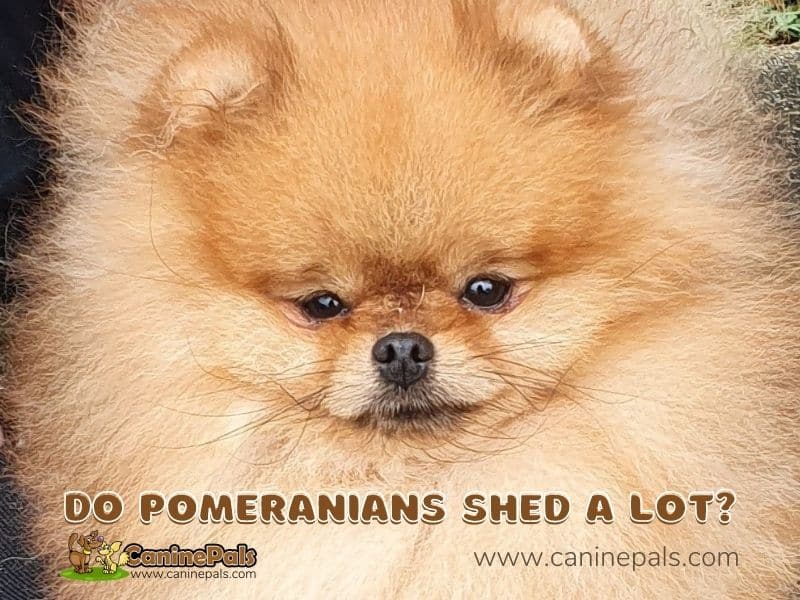
Pomeranian is a toy breed that stands out for its adorable looks and fluffy coat. They have a bold, curious, and alert nature. Being an interesting toy breed, Pomeranians have gained huge popularity worldwide.

If you’re going to share your house with a Pomeranian, you’ll need to deal with a little dog hair in your house. You might be wondering how much Pomeranian’s shed.

How Much Do Pomeranians Shed?

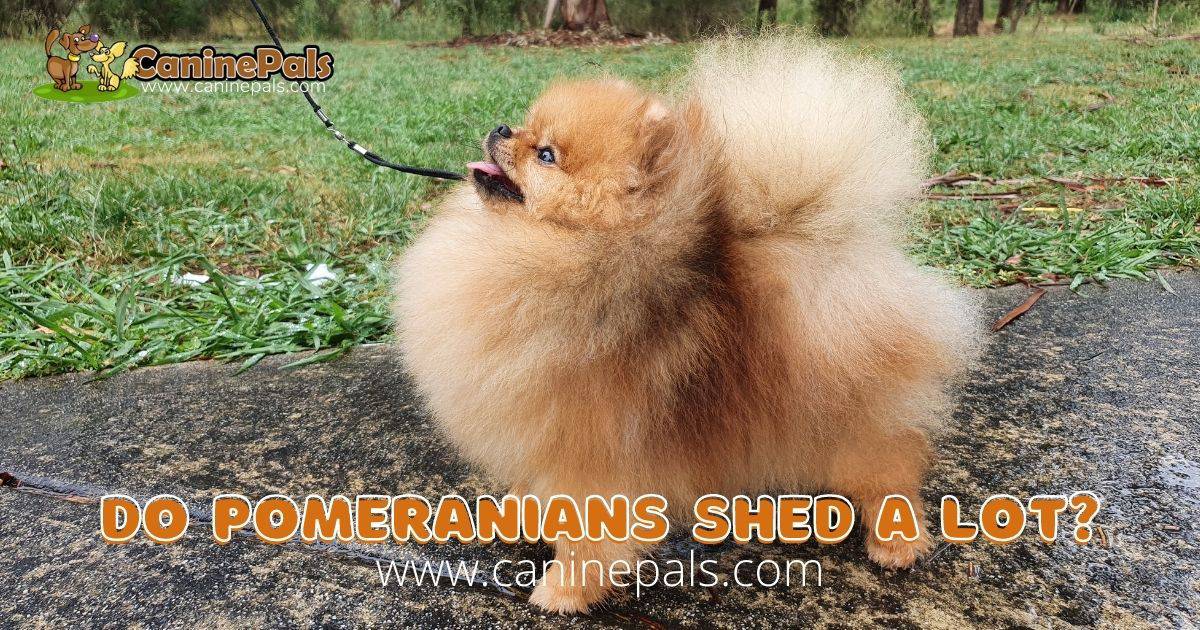
Pomeranians have a double coat consisting of a shorter undercoat and a longer topcoat. They are moderate shedders and don’t shed as much as other breeds. However, their shedding is still significant.

They shed heavily, especially during the Spring and Fall. This heavy shedding season lasts for 2-4 weeks. This shedding becomes excessive if your dog is not groomed regularly.

At What Age Do Pomeranians Start Shedding?

Shedding is natural, and all dogs experience a certain level of shedding. This is due to the essential growth and regeneration of hair in dogs. 

Is there a Pomeranian Puppy Shedding Stage?

 All Pomeranian puppies enter a phase of relatively fast transition where the puppy coat sheds off and is replaced by the elegant adult coat.  Young Pom puppies have a single coat that is very soft and short.

Pomeranian puppy shedding usually commences at 4-6 months. A Pomeranian puppy will get rid of the old puppy fur to develop the adult double-layered coat at this age.

So for a short period, fur may look very light and uneven. The adult Pom has a dense undercoat and an outer coat of longer guard hairs. Generally, by the 12 to 15-month mark, the adult coat in Pomeranians should be fully grown.

Do Pomeranians <a href=

Reasons Which Affect Pomeranian Shedding

Although this breed is a moderate shedder, sometimes shedding becomes a cause of concern. The abnormal heavy shedding in Poms can indicate an underlying health issue. Let’s have a look at the various reasons which affect Pomeranian shedding:

  • Change of season

Pomeranian’s natural hair growth cycle adapts to varied seasons. Pomeranians blow their coat twice a year. This heavy shedding is during weather changes, such as fall or spring. This heavy shedding season in Poms may last for 2-4 weeks.

  • Poor nutrition

Poor diet and nutrition is a major culprit in excessive shedding in Pomeranians. If Pomeranians are not given a healthy diet with complete nutrition, their coat appears unhealthy, and they might experience excessive shedding. 

  • Poor grooming

Pomeranians are not brush-and-go dogs. They need regular brushing, bathing, and grooming to keep their coats healthy. Poor grooming results in excessive shedding. If you are not brushing your Pom frequently enough or using incorrect brushes, this may damage their coat.

Too much or very little bathing can cause Pomeranians to shed their coats. Using the wrong shampoo can also contribute to Pomeranian shedding. 

  • Hormonal changes

Hormonal swings in female Pomeranians affect how your Pomeranian sheds, which you might be unable to control. Hormonal imbalance may happen due to pregnancy, recent spaying or neutering, or a female Pom entering heat. 

  • Stress

Excessive shedding in Pomeranians may be a sign of stress. Poms may get stressed by loud noises, environmental change, separation anxiety, or introducing new pets into your home.

  • Ticks and fleas

Fleas, ticks, or parasites may also result in noticeably high Pomeranian shedding. This makes their skin inflamed, itchy, and uncomfortable. If you observe that your Pomeranian’s shedding has become unusually heavy, it is time to take him for a check-up with a vet. 

How to Deal with Pomeranian Shedding

As a Pomeranian owner, you must understand that their coats will need routine maintenance and grooming to ensure the health of Pomeranian’s fur. Routine maintenance will help to remove loose and dead hair from your Pom’s double coat. Here is what you can do to manage Pomeranian Shedding:

Brushing

Daily brushing is essential to keep a Pomeranian’s shedding in check. This will help to remove dead hair and prevent undesirable mats or tangles. It will also save you from loose hair flying around your house.

Regular brushing will also make your Pomeranian coat look shinier and cleaner. Thoroughly brush your Pomeranian’s whole coat with the correct brush to remove all the dead hair gathered under the topcoat. You must brush your dog from the root of the hair/fur to its tip or end. 

Regular baths

Many people believe that regularly bathing your dog also helps control heavy shedding. This is a cost-efficient way to get rid of the dead hair. It is recommended to bathe your Pomeranian no more than twice a month. Over-bathing is not recommended for Pomeranians.

You may consider bathing more frequently when your Pomeranian blows his coat and goes through the shedding season. Try to always test the temperature of the water before putting your Pomeranian in. When bathing your pet, use a good quality and mild pH-balanced shampoo and conditioner. 

Healthy diet

Pomeranians should be fed a healthy balanced diet and high-quality dog food. You must ensure that your Pomeranian gets good nutrition with a balance of Protein and Essential Fatty Acids. Ensuring this food is appropriate for the Pomeranian’s weight and age range is also important.

This will keep your Pom’s coat in good condition.  If you observe a dull coat and abnormal shedding, try including fish oil and Omega 3 into your Pomeranian’s diet. These amazing supplements are great for a healthy coat. They promote stronger hair follicles and skin elasticity in Pomeranians.  

Tools to Reduce Pomeranian Shedding

You need the right grooming tools at home to help maintain your Pomeranian’s beautiful coat. Here’s a list of equipment and tools that can be used for grooming your Poms:

  • A medium-sized pin brush will lift up loose hair and remove debris from your Pomeranian’s coat.
  • Wire slicker brush for use on Pom puppies.
  • Grooming rake for removing loose and dead hair.
  • Grooming scissors for tidying up your Pomeranian’s coat.
  • You also need to invest in a dog hair vacuum cleaner. They are specifically created to collect pet hair.
  • Deshedding gloves will work great on Pom puppies. They let you have better control of what you are doing.
Do Pomeranians Shed A Lot?

Are Pomeranians Hypoallergenic?

Hypoallergenic dogs are more compatible with allergic people and are usually non-shedding breeds. Although no dog is truly hypoallergenic, some breeds tend to shed less and don’t cause many allergic reactions. 

Pomeranians are moderate-to-heavy shedders and are not considered hypoallergenic dogs. If you are allergic to dog hair, Pomeranians are not the right breed. 

Can I Shave My Pomeranian?

There is no need to shave your Pomeranian, and it’s NEVER recommended. Your Pomeranian’s beautiful coat is its natural insulating layer.

If you shave your Pomeranian, you are removing its natural protective layers, which can damage your adorable pet. Here are some reasons why you shouldn’t shave your Pomeranian:

  • Your Pomeranian won’t be able to regulate its body temperature
  • Your Pomeranian’s skin would be exposed to the sun’s harmful UV rays
  • Shaving puts your Pomeranian at a higher risk for heatstroke, or they may suffer sunburn
  • Shaving can cause your Pom’s hair to grow back improperly 
  • It may damage your Pom’s hair follicle and lead to permanent bald patches on your Pomeranian.

How to Keep Your Home Clean

If you own a Pomeranian, here are some tips to help you keep your house fur-free.

  • Vacuuming daily is one of the best ways to prevent Pomeranian hair from building up. Vacuuming also prevents the typical doggie odor from becoming too strong in your home.
  • Pomeranian’s hair sticks with blankets, pillows, and sheets. You should clean all your bedding at least once a week to reduce excessive hair build-up.
  • Regularly mop or sweep your floors before hair build-up. Search for a dog hair removal broom with scratch-proof rubber bristles.
  • Giving your Pomeranians their designated bed. This will reduce the problem of dog hair on your bedding and furniture.
  • Pomeranian owners might observe hair on tables and shelves. Dust these areas regularly to remove loose hair. 

Final Thoughts on Pomeranian Shedding

The Pomeranian is a small dog that stands out for its cute fluffy body. Poms combine a tiny body and a big personality. They seem unaware of their small size and are always eager for adventures. They are always eager to please their human companions.

These independent, bold dogs are playful but have minds of their own. They form solid bonds and make wonderful family companions.

Pomeranians have a moderate shedding potential. If you regularly brush and groom your Pom and offer them a healthy diet, you won’t notice a lot of stray hairs around. But, if you are intolerant of dog hair in your house, this breed is not for you. 

However, if you are not allergic to dog hair and are ready to keep up with the maintenance, Pomeranians make incredible pets for families.

Copyright CaninePals.Com. All Rights Reserved.

References and Further Reading:

  1. Official Standard of the Pomeranian (AKC). American Kennel Club, 2011.
  2. Official English Kennel Club Pomeranian Breed Standard, 2017.
  3.  Kimbering Pomeranians “1891-1991”.
  4.  Denise Leo, The Pomeranian Handbook.
  5.  L.Ives, Show Pomeranians.
  6.  L.Ziegler Spirer & H.F. Spirer, This is the Pomeranian.
  7. FEDERATION CYNOLOGIQUE INTERNATIONALE (FCI) German Spitz, including Keeshond and Pomeranian Breed Standards. PDF file.
The Pomeranian Handbook by Denise Leo

Pomeranian Shedding Guide: How to Deal with Pomeranian Shedding
Are Yorkies Good with Kids?

Are Yorkies Good with Kids? Here’s What You Need to Know.

Discover if Yorkies make good family pets with kids. Learn about their temperament, care needs, and tips for a harmonious home.

The Yorkshire Terrier, commonly known as the Yorkie, is a trendy small dog breed for its spunky and lively personality. This dog breed is also well known for its loving nature and loyalty, making it a great family companion. However, many wonder if Yorkies are good with kids, especially considering their small size.

Regarding Yorkies and kids, there are a few things to consider. First and foremost, it’s important to remember that every dog is an individual with its temperament and personality.

While some Yorkies may be great with small kids, others may not be as tolerant. Additionally, teaching small children how to interact with little dogs appropriately is essential to avoid potential issues.

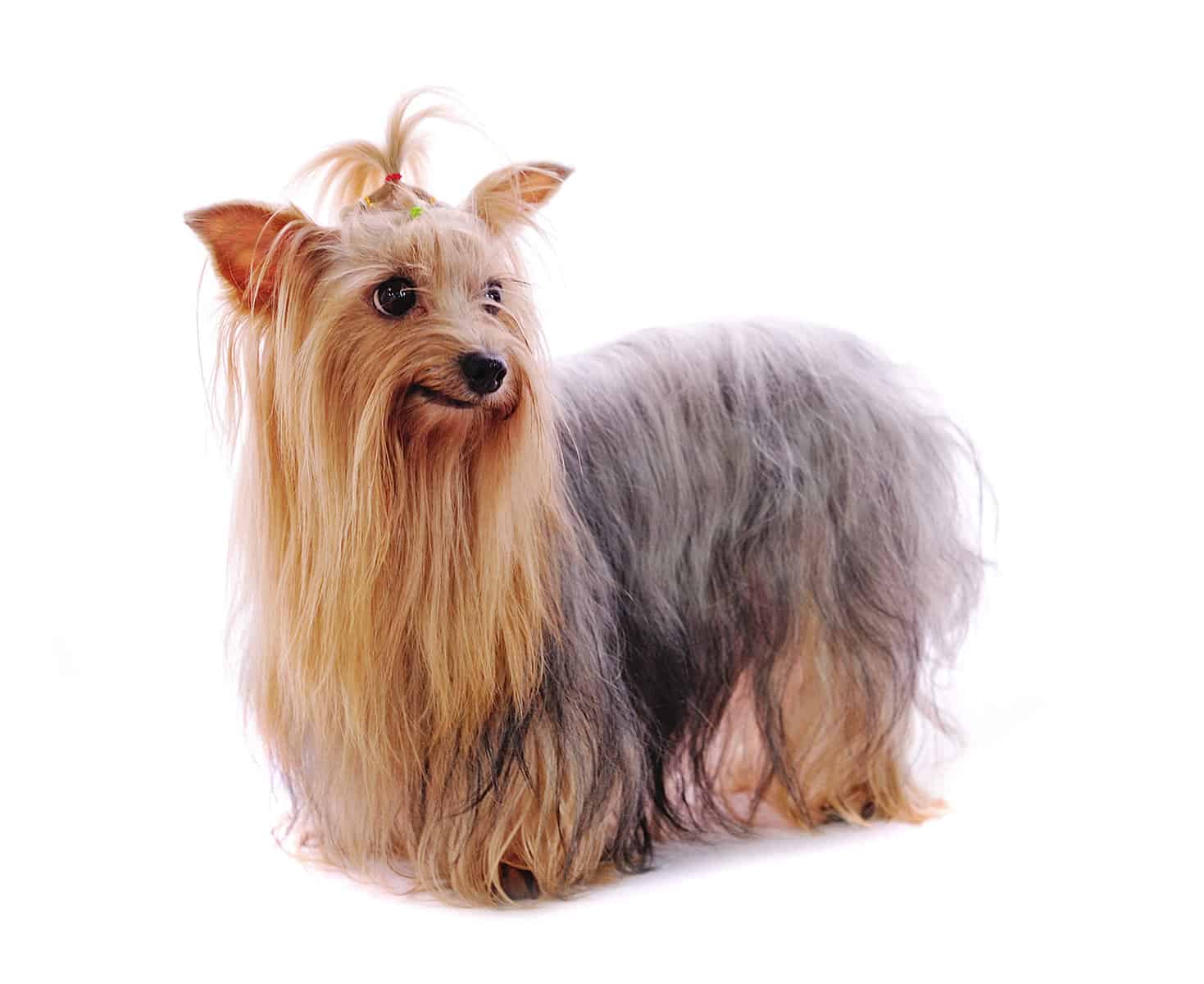
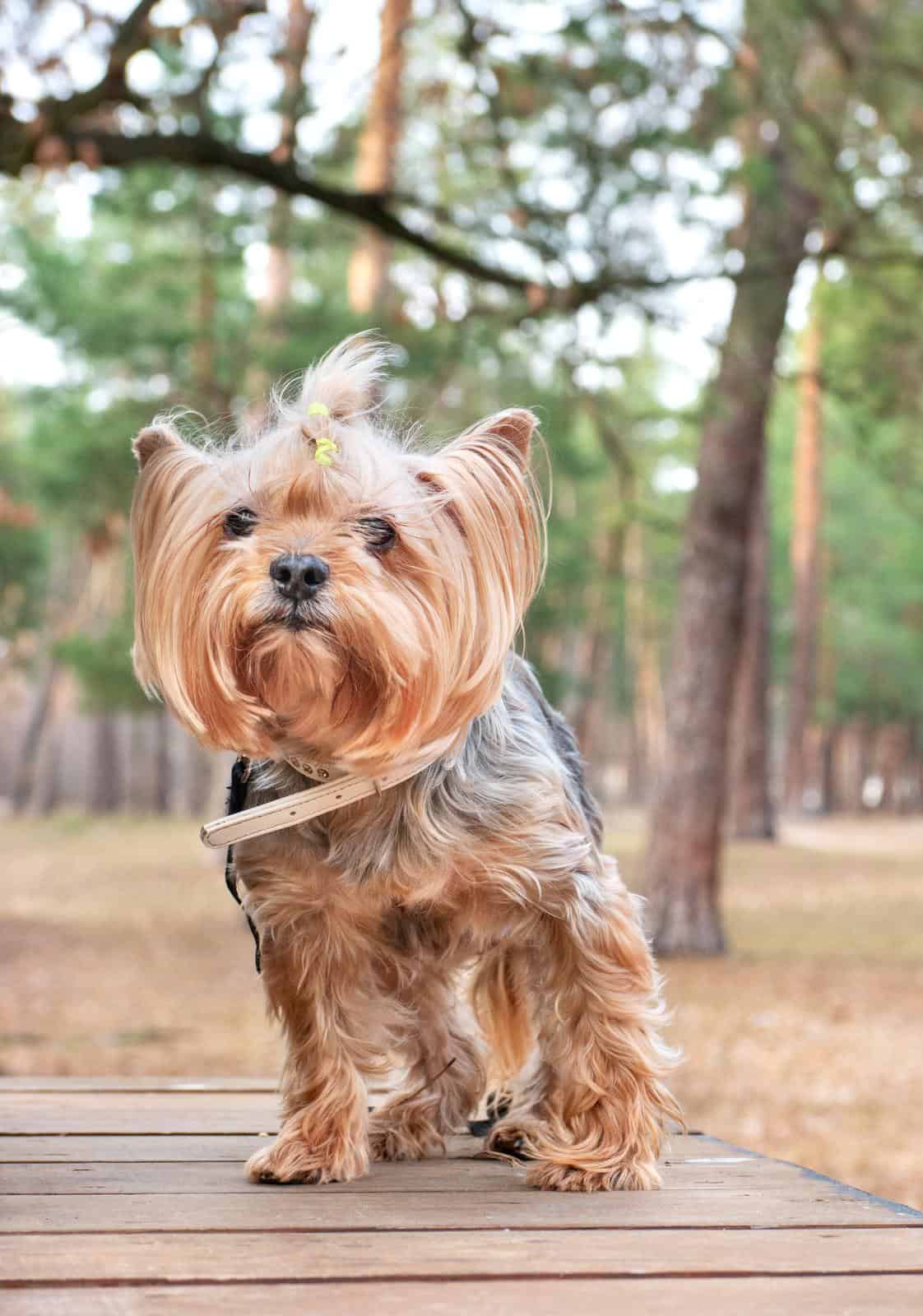
This article will explore whether Yorkies are good with kids and provide some tips for safely introducing them to each other. Are Yorkies Good with Kids? Yorkie Dog

Are Yorkies Good with Kids?

Are Yorkies a good pet for young kids? While they are small and delicate, there are certain things to consider before adding one to your family. Due to the risk of injury, it may be better for households with toddlers. However, a Yorkie can be a great addition to families with older kids.

Not only do they teach kids responsibility, but they also encourage them to stay active and enjoy the outdoors. A Yorkshire Terrier can make the perfect play partner, and even an only child can benefit from the companionship and special bond they create with their pet.

Caring for a Yorkie teaches Kids about respect, kindness, and unconditional love. This lesson can be applied in their daily lives and prepare them for crucial moments in the future. Plus, the bond between a kid and their dog can reduce tension, improve mood, and bring smiles to their faces every day. A Yorkie might be the perfect fit if you consider getting a dog for your family.

Yorkshire Terrier
Yorkshire Terrier

Are Yorkies Good with Babies?

Yorkie puppies and children can have excellent relationships. However, these small dogs are particularly vulnerable to rough play from toddlers and preschoolers, and it is crucial to proceed with caution.

Adult Yorkshire Terriers typically weigh at most 7 lbs, with some weighing only 5 lbs. This fragility can be challenging for young children to understand, and they may play too roughly with their new four-legged friend.

To avoid unwanted injuries, parents should teach their children to be gentle with Yorkies and also ensure that the Yorkie is appropriately trained to interact positively with them.

Don’t forget that Yorkshire Terriers, despite their size, are still terriers! They don’t have the friendliest temperament and can be aggressive if threatened. Make sure to supervise their interactions carefully.

Yorkshire Terriers can make excellent companions for children old enough to understand how to interact with them appropriately. They also teach children about pet care and responsibility, which require regular grooming.

So, if you’re considering adding a Yorkie to your family, remember their playful nature and follow these tips to ensure your children and a new furry friend have a safe and happy relationship.

Supervision and Boundaries

Supervision and boundaries are essential when it comes to Yorkies and children. They are small dogs and can easily be injured if handled roughly or dropped. 

Monitoring their interactions with children and teaching them how to handle and interact with them appropriately is vital. Yorkies also tend to bark excessively and may become anxious in certain situations, so providing them with a safe and calm living space is essential.

Yorkshire Terriers can make great family dogs and are generally good with children when properly socialized and trained. It is crucial to remember that they are a high-maintenance breed and require patience, responsibility, and careful handling. With the proper training and supervision, Yorkies can be excellent companions and watchdogs for families with older children.

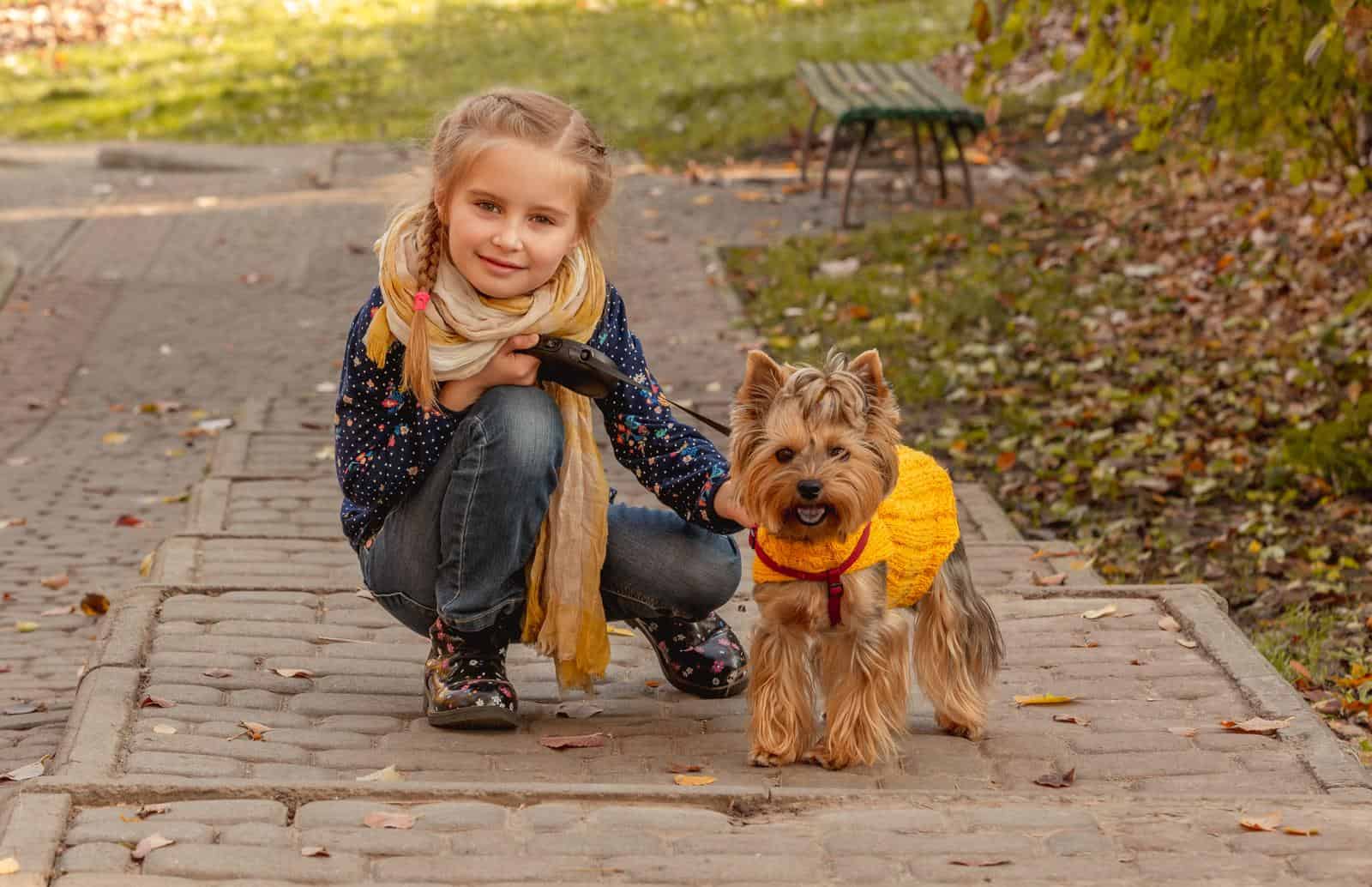
Yorkshire terrier puppy and little girl Girl with a Yorkshire Terrier

Nature and Temperament

Yorkshire Terriers, or Yorkies, are known for their energetic and playful nature. They are friendly and affectionate, making them wonderful companions for people of all ages. However, Yorkies can be territorial and nip or bite if they feel threatened or their personal space is invaded.

However, as with any dog breed, it’s essential to understand their nature and temperament before bringing them into a home with children. Yorkies are not typically aggressive or overly energetic but have a playful side. These dogs enjoy running around and playing with toys but can also be content lounging on the couch with their owners.

While generally friendly, they can become anxious or nip if they feel threatened or uncomfortable. Owing to their small size, Yorkies are fragile dogs. They are known for their gentle yet confident demeanor and can hold their own when playing with young kids.

However, it’s essential to supervise playtime to ensure the child and dog are safe. Yorkshire Terriers are well known for their loyalty and make excellent watchdogs. They are intelligent and alert and often bark to warn their owners about possible dangers. However, they can be standoffish with strangers and might require a period to become comfortable with unfamiliar individuals.

The American Kennel Club states that Yorkies are sweet, hypoallergenic, and affectionate dogs. This toy dog breed thrives on human companionship and loves to be near their owners. While they may have a stubborn streak, Yorkies typically exhibit ease of training and positively respond to reinforcement techniques.

Yorkshire Terriers can serve as excellent companions for families that have children. They are generally friendly, playful, and loving but can become anxious or nip if threatened. Supervising playtime and providing plenty of socialization is essential to ensure the dog and the child are safe and happy.

Socialization and Training

Socialization is a crucial aspect of raising a well-behaved and friendly Yorkie. It is vital for any dog breed, and tiny dogs like Yorkies, to be exposed to different situations, sounds, and people from a young age. This helps them develop the social skills to interact appropriately with humans and other animals.

Yorkshire Terriers are known for their friendly and outgoing temperament; proper socialization will help them maintain this trait. Introducing your Yorkie puppy to new people, animals, and situations will help them become more confident and less anxious. 

Supervising interactions between your Yorkie and children, especially younger ones, is also imperative to ensure the dog and child are safe. Training Training is another essential aspect of raising a well-behaved Yorkie. Yorkies are intelligent and eager to please, making them relatively easy to train.

However, this dog breed can also be stubborn, so it is vital to be consistent in your training methods. Yorkies can be trained to follow basic commands such as stay, sit, and come, as well as more advanced commands such as heel and fetch.

It is also essential to train your Yorkie to walk on a leash to prevent excessive barking and pulling when on walks. Separation anxiety can be a problem for some Yorkies, so it is vital to train them to be comfortable being left alone for short periods. Separation anxiety is usually prevented by increasing their time alone and providing them with toys and treats to keep them occupied.

In some cases, Yorkies may exhibit unwanted behaviors such as excessive barking or chewing. These behaviors can be addressed through training. Overall, training and socialization are essential responsibilities of owning a Yorkie.

You can raise a well-behaved and kid-friendly family dog with consistency and patience.

Supervision and Boundaries

Supervision is crucial when it comes to small children and Yorkies

. While Yorkies are generally friendly and affectionate, the breed is tiny and can easily be injured if mishandled. Supervising interactions between children and Yorkshire Terriers is essential to ensure the child and the dog are safe.

Parents should teach their children how to handle and interact with Yorkies correctly. This includes:

  • Not pulling on their tails or ears.
  • Not picking them up by their legs.
  • Not invading their personal space.

Yorkies are known to protect their personal space, so teaching children to respect their boundaries is essential.

Boundaries

Boundary setting is also essential for Yorkies and very young children. Yorkies can be prone to excessive barking, which can be overwhelming for young children.  It’s important to teach children to respect the dog’s need for quiet time and to avoid triggering excessive barking.

Parents should also establish boundaries regarding the Yorkie’s living space. Yorkies are small dogs and can quickly become overwhelmed in a chaotic environment. 

Establishing a designated living space for the Yorkie and teaching children to respect that space is essential. This can help prevent accidents and injuries.

Finally, it’s essential to establish boundaries regarding the Yorkie’s leash. Yorkies are tiny and can quickly become tangled or injured if not properly leashed. Parents must teach their children how to correctly walk the Yorkie to ensure the child and the dog are safe.

Overall, with proper supervision and boundaries, Yorkies can make great family dogs and be an excellent addition to any household with children.

Health Issues

Yorkies are prone to certain health problems, such as patellar luxation, portosystemic shunt (liver shunt), low blood sugar, and dental diseases like periodontal disease.

Yorkshire Terrier Puppy Yorkshire Terrier Puppy

Grooming a Yorkie’s Coat

Grooming a Yorkie’s coat is essential for maintaining its hypoallergenic status and unique coat beauty. Yorkies have a coat that is very much like human hair. Yorkie hair requires daily brushing to prevent tangles and keep its silky coat shiny.

Starting early, this routine helps manage the coat type and strengthens the bond between Yorkie parents and their pets. Regular grooming sessions ensure the Yorkie’s coat remains healthy and beautiful, showcasing the elegant appearance that this toy breed is famous for.

Summary: Are Yorkies Good With Kids?

Yorkies certainly are capable of being great companion animals for kids. Although their small size and independent nature may favor adults more, Yorkshire Terriers can make excellent additions to any family when given the proper training and socialization.

It’s also important to note that Yorkies need much love and attention. They must be taught how to interact with other people and animals; this is true if you have other pets.

Finally, although these beautiful dogs are intelligent and independent, they still require mental stimulation, lots of exercise, and playtime to remain happy and healthy.

Ultimately, whether or not a Yorkie would make a good fit for your family depends on the time you dedicate to your four-legged friend. You may need more patience than with some larger dogs, but it can be gratifying to own a Yorkshire Terrier!

Copyright Caninepals.Com. All Rights Reserved.

References and Further Reading:

[1] American Kennel Club, Yorkshire Terrier Information.

Are Yorkies Good with Kids?
Why Are Dachshunds So Long?

Why Are Dachshunds So Long? The Science Behind Their Unique Body Shape

Dachshunds are a unique dog breed well-known for their long bodies and short legs. This physical characteristic has often fascinated many people who wonder why dachshunds are so long in the first place. The answer lies in the breed’s history and purpose.

Dachshunds were originally bred in Germany in the 16th century to hunt badgers and other burrowing animals. Their long, flexible spines allowed them to navigate through narrow tunnels in pursuit of their prey easily.
Over time, breeders selectively bred dachshunds to have longer bodies and shorter legs, making them even more effective at their job.

Today, Dachshunds are still used for hunting but are popular pets worldwide. However, their unique physical characteristics can also lead to specific health issues, so owners need to be aware of these risks.

Why Are Dachshunds So Long?

Why Are Wiener Dogs So Long?

Dachshunds are known for their unique long and low body shape, which makes them stand out among other dog breeds. The reason why these dogs are so long is due to a genetic condition called chondrodysplasia. This condition affects the growth of bones and cartilage, resulting in shorter legs and a longer body.

Dachshunds were initially bred to track and hunt small, underground creatures. Such as rabbits, badgers, and foxes. Their long, flexible spine allowed them to navigate narrow tunnels to retrieve their prey and return it to their owners. This is why they are also known as “wiener dogs” or “sausage dogs.”

Selective breeding over time has also contributed to the Dachshund’s long body shape. Breeders have selected certain physical traits, including a longer body and shorter legs, to create the ideal hunting dog, resulting in the modern Dachshund we know today.

While the Dachshund’s long body may be cute and distinctive, it can also lead to health problems such as back issues. It is essential to ensure that Dachshunds maintain a healthy weight and receive proper exercise and care to prevent these issues.

Dachshunds are so long due to genetic factors and selective breeding for their original purpose as hunting dogs. Their long body shape is a defining characteristic of the breed, but taking care of their health is essential to prevent potential issues.

Physical Characteristics

Dachshunds are known for their unique physical characteristics, which make them stand out from other dog breeds. These characteristics include their long bodies, short legs, and distinctive coat and colors.

Body Shape

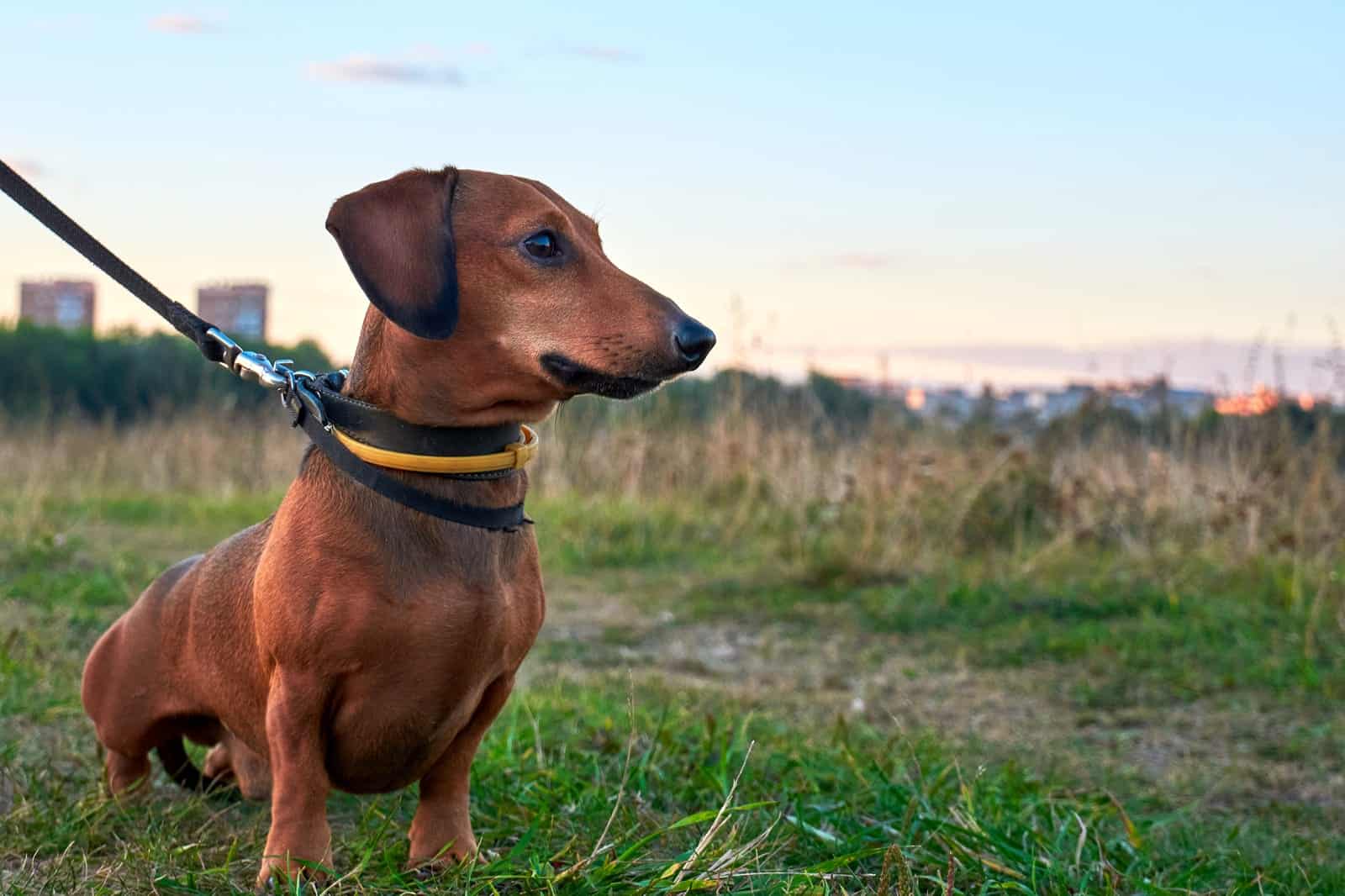
One of the most distinctive features of Dachshunds is their long bodies, which make them look almost stretched out. This body shape results from selective breeding, as dachshunds were initially bred to hunt burrowing animals like badgers and rabbits. Their long, flexible spines allowed them to wiggle in and out of narrow tunnels to retrieve their prey and return it to their owners.

Dachshunds are also known for their short legs, another adaptation for their hunting role. Their legs are strong and muscular, allowing them to dig and burrow quickly. However, this body shape can also lead to health problems, such as back issues and joint pain, so taking care when lifting or carrying Dachshunds is essential.

Coat and Colors

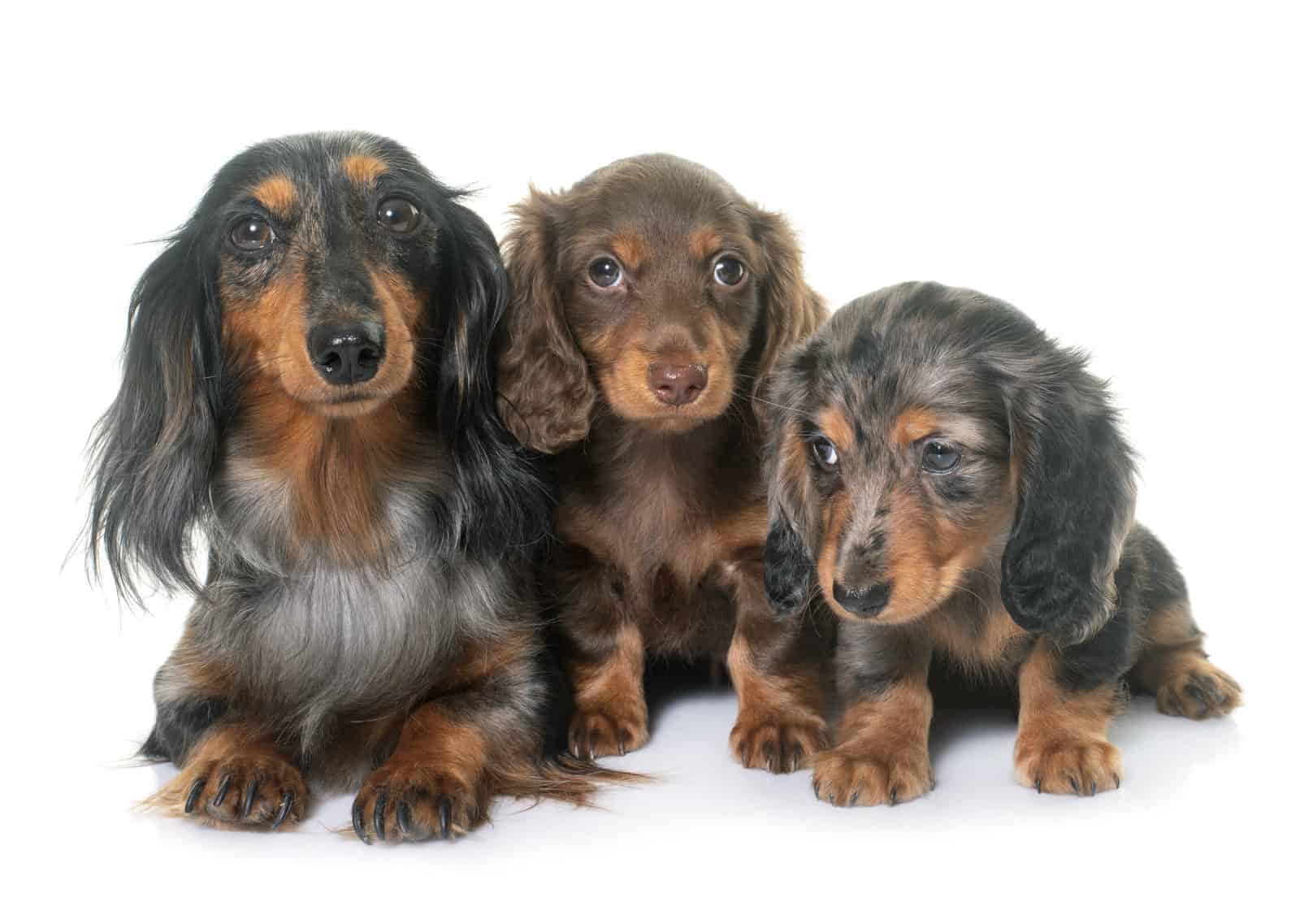
Dachshunds, or as people love to call them, Sausage Dogs, have distinctive coats in various colors and patterns and can have short, smooth, long, silky, or wire-haired coats. The most common colors are red, black, and tan, and chocolate and tan, but they can also come in dappled, brindle, and other patterns.

Grooming requirements for Dachshunds depend on their coat type. Smooth-coated Dachshunds require minimal grooming, while long-haired and wire-haired Dachshunds need more attention to keep their coats healthy and shiny. Regular brushing and bathing can keep their coats in excellent condition and reduce shedding.

Overall, the physical characteristics of Dachshunds make them a unique and beloved dog breed. Their long bodies and short legs may have been bred for a specific purpose, but they also make them stand out from other dogs. With correct care and attention, Dachshunds can live long, happy lives and bring much joy to their owners.

Three Dachshunds
Three Dachshunds

Hunting Origins

History

The Dachshund is a German breed that originated in the 17th century. They were bred specifically for hunting badgers, sometimes called “the badger dog.” The Dachshund’s long, narrow body was ideal for burrow hunting, where badgers and other small animals often make their homes.

Over time, the Dachshund became popular with hunters for their ability to track and chase other types of prey, such as rabbits and other burrowing animals. Their keen sense of smell made them excellent hunting dogs, and their small size made them ideal for hunting in tight spaces.

Hunting Techniques

Dachshunds were trained to hunt in a specific way. They were taught to follow a scent, using their powerful sense of smell to track their prey. 

Once they found the target, they would chase it into its den or burrow. The Dachshund’s long, narrow body allowed them to fit into tight spaces, using their powerful jaws to catch and kill their prey.

Dachshunds were also trained to work in packs, working together to flush out prey and corner it. This made them even more effective hunters, as they could work together to take down larger prey.

Overall, the Dachshund’s hunting origins have played a significant role in shaping the Dachshund breed. Their long, narrow bodies and powerful sense of smell make them excellent hunting dogs, and their ability to work in packs has made them effective at taking down larger prey. While they are no longer used as hunting dogs as much as they once were, their hunting instincts and abilities remain strong.

Health Risks

Dachshunds are known for their unique elongated body shape, which can lead to certain health risks. Dachshund owners must be aware of these risks and take steps to prevent them.

Intervertebral Disk Disease (IVDD)

One of the most common health risks associated with dachshunds is Intervertebral Disk Disease (IVDD). This back problem occurs when the disks between the vertebrae in the spine become compressed or herniated. Dachshunds are particularly prone to this condition due to their long spine and short legs.

IVDD can cause pain, paralysis, and in severe cases, even death. Dachshund owners need to take preventative measures to reduce the risk of IVDD, such as avoiding activities that put excessive strain on the back, maintaining a healthy weight, and providing proper support for the back when carrying or lifting the dog.

Dwarfism Trait

Dachshunds are also prone to a gene mutation that causes dwarfism, which can lead to several health issues. This condition can cause skeletal abnormalities, including short legs and a long body, which can stress the spine and joints.

Dwarfism can also lead to other health problems, such as respiratory, dental, and skin conditions. Dachshund owners should be aware of these risks and take steps to prevent or manage them, such as providing proper dental care and regular check-ups with a veterinarian.

Gum Disease

Dachshunds are also prone to gum disease, leading to tooth loss, infections, and other health problems. This is due to the shape of their jaw and teeth, making it challenging to keep them clean.

Dachshund owners should prevent gum disease by providing regular dental care, such as brushing their teeth and providing dental chews or toys. Regular check-ups with a veterinarian can also help to catch and treat gum disease early.

Arthritis

Finally, Dachshunds are prone to arthritis, which can cause pain, stiffness, and mobility issues. This is due to the stress that their long body shape puts on their joints over time.

Dachshund owners can help to prevent or manage arthritis by providing proper nutrition, maintaining a healthy weight, and providing regular exercise. A veterinarian may also recommend supplements and medications to help manage arthritis symptoms.

Dachshunds require special care due to their unique body shape and genetic predispositions. By being aware of these health risks and taking preventative measures, dachshund owners can help to ensure that their furry friends live long, healthy lives.

Personality and Training

Lively and Agile

Dachshunds are known for their lively and agile personalities, and they are full of energy and love to play. They are also very intelligent and quick learners, and these traits make them great family pets.

Selective Breeding

The long body of the Dachshund is a result of selective breeding. Originally bred as badger hunters, dachshunds needed to be able to dig into burrows and chase their prey. 

Over time, DOG breeders selectively bred Dachshunds with longer and longer bodies to improve their ability to hunt. Today, Dachshunds come in two sizes and three coat types: standard-size shorthair, long-haired, and wirehaired.

Training

Training a Dachshund requires patience and consistency. They can be stubborn sometimes, but they can be trained to do just about anything with the right approach. 

Positive reinforcement is essential to success when training a Dachshund. They respond well to treats and praise and love to please their owners.

Dachshunds have a powerful prey drive, so it’s essential to socialize them early on. They should be exposed to animals, different people, and different environments to help them develop into well-rounded dogs. 

They are also scent hounds, so interesting smells may easily distract them. Keeping them on a leash when walking or playing outside is essential.

Dachshunds are loving and loyal companions with a unique personalities and history. With correct training and socialization, they can make wonderful family pets.

Miniature Dachshund On A Walk

Conclusion

In conclusion, the reason why Dachshunds are so long is due to their breeding history. They were initially bred to hunt badgers, and their long, narrow bodies allowed them to fit into the narrow burrows of these animals.

This unique body shape was achieved through selective breeding that favored dogs with shorter legs and longer bodies.

Despite their unusual appearance, Dachshunds are a beloved breed with a loyal following. They are known for their intelligence and affectionate nature.

However, it’s important to note that their long bodies can make them more susceptible to specific health issues, such as back problems.

If you’re considering adding a Dachshund to your family, it’s essential to research and ensure you’re prepared to provide them with the care and attention they need. This includes regular exercise, a healthy diet, and regular visits to the vet.

Dachshunds are a unique and fascinating breed with a rich history and loyal following. Their unusual body shape may be the subject of curiosity and amusement. Still, it’s important to remember that they are, first and foremost, beloved pets that deserve our love and care.

Copyright CaninePals.Com. All Rights Reserved.

References and Further Reading:

[1] American Kennel Club, Dachshund Information.

Are Pomeranians Good with Kids?

Are Pomeranians Good with Kids? A Comprehensive Guide

Are you looking to create a joyful family atmosphere with both kids and a furry friend? The right dog breed makes all the difference. Discover if the Pomeranian is the right choice for your household. Get all the answers you need to make an informed decision.

As a Pomeranian owner, I understand the importance of finding a furry friend that is a good fit for your family. One question often arises when considering Pomeranians as a family pet is whether they are good with kids.

The answer is not a simple no or a yes, as it depends on various factors, such as the children’s age and behavior, the dog’s training and socialization, and overall compatibility. According to the expert team at Pomeranian Headquarters:

“Pomeranians can be great with children, but parents of young children should consider purchasing an older puppy.”

Pomeranians are known for their energetic and playful nature, which can make them fun companions for older kids. Pomeranians require a lot of maintenance, including daily brushing to prevent shedding, learning tricks to keep them mentally stimulated, and regular exercise to keep them healthy and happy.

Investigating the pros and cons and making an informed decision is essential when considering a Pomeranian as a family pet. While they can be loving and protective companions, they also require the proper training and positive relationship.

Pomeranians can make great therapy or guard dogs, just as they did for Queen Victoria in the 19th century. Ultimately, the decision to bring a Pomeranian into your family should be made with careful consideration and a commitment to providing a healthy and happy home for your furry friend.

Are Pomeranians Good with Kids?

Are Pomeranians Good With Kids? Learn The Facts

  • Pomeranians are known for being lively and friendly companions.
  • When considering a Pomeranian as a family pet, it’s essential to consider if they are good with kids.
  • Pomeranian size is vital for kids – they are small and fragile but can still be excellent pets.
  • Toddlers may not understand the respect a pet Pomeranian demands, which can potentially harm them.
  • Children require supervision during interactions with Pomeranian puppies, and young children may scare them.
  • It is unwise to leave small children alone with a Pomeranian, as the difference in size can lead to injuries.
  • All children under ten must sit on the floor while playing with or holding a Pomeranian puppy.
  • Pomeranians and small children can have beautiful relationships, but Pomeranians can react defensively if threatened.
  • Teaching children how to behave around dogs, in general, can reduce the risk of aggressive behavior from Pomeranians.
Pomeranians and Children

Pomeranians and Children: Why Pomeranians are NOT Good with Young Children

As a dog enthusiast, I have often been asked whether Pomeranians are good with kids. After researching and speaking with the expert team at Pomeranian Headquarters, I can confidently say that Pomeranians can be great family dogs.

Still, there are some critical factors to consider. Firstly, it’s important to note that Pomeranians are a small breed, which means they can be easily injured by young children who may not understand how to interact with them appropriately.

The Pomeranian Headquarters team warns that:

Because Pomeranian dogs are fragile, it’s not recommended that you get a baby puppy as a pet if young children are part of your family. Instead, consider an older Pomeranian puppy over six months, and show breeders sometimes have older puppies available for good homes.

When Children are taught how to interact with Pomeranians appropriately, the Pomeranian breed is known for their friendly and affectionate personalities, and they can be great at helping children develop their social skills. They are also playful and energetic, making them great playmates for kids.

It’s important to note that Pomeranian dogs can have some drawbacks regarding their interactions with young children. Pomeranians are not as tolerant of rough play or pulling on their tails or fur as other breeds may be, and they can become aggressive if they feel threatened or uncomfortable.

Supervising children when playing with Pomeranian dogs and teaching them how to interact with them appropriately is essential. Pomeranians can be great family dogs, but it’s essential to consider their small size and potential for injury when interacting with young children.

If you have children under ten, consider purchasing an older puppy. When older children are taught how to interact with Pomeranian puppies appropriately, Pomeranians can make great companions and playmates.

Best Dog for Toddlers

Are you looking for the perfect four-legged friend for your little one? Look no further for the right dog breed!

Not only can dogs be great companions for adults, but under supervision, they can also make excellent playmates for toddlers. It’s crucial to supervise your dog around babies and toddlers.

Some dogs may have difficulty recognizing that your child is a tiny human, so it’s essential to be vigilant. Keep your loved ones safe by being present during interactions between your dog and children.

So, what are the best dog breeds for families with toddlers? Keep reading to find out:

Good Dog Breeds For Families

  • Labrador Retriever: Known for their friendly and gentle nature, Labrador Retrievers are excellent family dogs. They are patient, loyal, and great with children.
  • Golden Retriever: Similar to Labradors, Golden Retrievers are friendly, intelligent, and great with kids. They have a calm and patient temperament, making them suitable for families.
  • Beagle: Beagles are small to medium-sized dogs that are friendly, curious, and good with children. They have a lot of energy and require regular exercise and mental stimulation.
  • Cavalier King Charles Spaniel: These small and affectionate dogs are known for their gentle and friendly nature. Cavaliers are great with kids and adapt well to various living environments.
  • Boxer: Boxers are playful and energetic dogs that form strong bonds with their families. They are generally good with children and can be protective, making them excellent family companions.
  • Bernese Mountain Dog: Despite their large size, Bernese Mountain Dogs are gentle giants. They are friendly, patient, and great with children. They require regular exercise and grooming.
  • Boston Terrier: Boston Terriers are small, friendly, family pets. They are known for their affectionate and playful nature and get along well with children.
  • Shetland Sheepdog: Shelties are intelligent and trainable dogs that are good with kids. They are loyal and energetic and excel in various dog sports and activities.
  • Soft-Coated Wheaten Terrier: Wheatens are medium-sized dogs with a friendly and affectionate temperament. They are good with children and can adapt well to family life.
  • Whippet: Whippets are gentle and quiet dogs well-suited for families. They have a calm and laid-back nature and are generally good with children.

Individual dog temperament can vary, so spending time with a specific breed or dog is essential to ensure it fits your family’s lifestyle and preferences.

Are Pomeranians Good Family Dogs?

As a dog lover, I understand the importance of finding the right furry friend for your family. Pomeranians are among the most popular small dog breeds, but are they good family dogs? According to the expert team at Pomeranian Headquarters:

Pomeranians are excellent family dogs for families with older children.

However, they can be a great addition to any family with proper care. Pomeranians are social dogs and enjoy being around people.

They have a lot of energy and love to play, making them an excellent choice for families with children. They also have a knack for learning tricks and can be a fun companion for older kids. It’s important to note that Pomeranians may not be the right fit for every family.

Additionally, Pomeranians require much attention and may become destructive or bark if left alone for long periods. They require regular grooming and attention but can be a fun and loyal companion for families with older children.

Are Pomeranians Good with Other Pets?

As a Pomeranian owner and enthusiast, I have found that Pomeranians are generally good with other pets, including cats and dogs. However, as with any pet, it is essential to introduce them properly and set boundaries to ensure everyone gets along and respects each other’s space.

According to the expert team at Pomeranian Headquarters:

“Pomeranians are generally fine with other pets and are known for their amiability.”

Male Pomeranians can often run and play together with little or no bickering. However, some Poms can be bossy and may attempt to chase strange dogs, regardless of size. Supervising your Pomeranian around other pets is essential until you are confident they will get along.

Is a Pomeranian a Good Dog?

As a dog lover and owner, Pomeranians are a great dog breed. They are energetic, loyal, and protective of their owners.

But are they good family dogs? One of the benefits of owning a Pomeranian is their empathetic nature.

They are great at sensing their owner’s emotions and are always there to offer comfort and support. However, they do require a lot of maintenance due to their furry coats. A Pomeranian may not be the best choice if you or a family member has allergies, and the breed is known to shed and can cause allergies to flare up.

However, a Pomeranian can make a great furry friend if allergies are not a concern. Pomeranians are generally healthy dogs that are great pets for families with older children or adults.

Regular brushing is necessary to keep their coats healthy and shiny. They are loyal, protective, and empathetic, making them excellent therapy dogs.

However, they may not be the best choice for families with small children or those people with allergies. Overall, Pomeranians are a great breed of dog that can make an excellent addition to many family situations.

Are Pomeranians Good With Kids?

Conclusion

From my experience breeding Pomeranians over many decades and after researching and analyzing the information available, I can confidently say that Pomeranians can make great family pets and are generally good with older kids.

However, it is essential to note that every dog is unique, and certain factors can affect how well a Pomeranian will get along with children.

According to the expert team at Pomeranian Headquarters: 

Supervising interactions between children and Pomeranians is crucial, especially for younger children who may not know how to handle a small dog properly. It is also vital to teach children how to approach and interact with dogs gently and respectfully.”

Additionally, it is recommended to socialize Pomeranians with kids from a young age to help them become comfortable and familiar with children. This can include exposing them to different age groups and behaviors of children in a controlled and safe environment.

Overall, while Pomeranians can be great with older kids, it is crucial to approach the relationship with caution and care. By following proper training and socialization techniques, Pomeranians can make wonderful family pets that bring joy and companionship to children and adults.

Copyright CaninePals.Com. All Rights Reserved.

References and Further Reading:

  1. Official Standard of the Pomeranian (AKC). American Kennel Club, 2011.
  2. Official English Kennel Club Pomeranian Breed Standard, 2017.
  3.  Kimbering Pomeranians “1891-1991”.
  4.  Denise Leo, The Pomeranian Handbook.
  5.  L.Ives, Show Pomeranians.
  6.  L.Ziegler Spirer & H.F. Spirer, This is the Pomeranian.
  7. FEDERATION CYNOLOGIQUE INTERNATIONALE (FCI) German Spitz, including Keeshond and Pomeranian Breed Standards. PDF file.
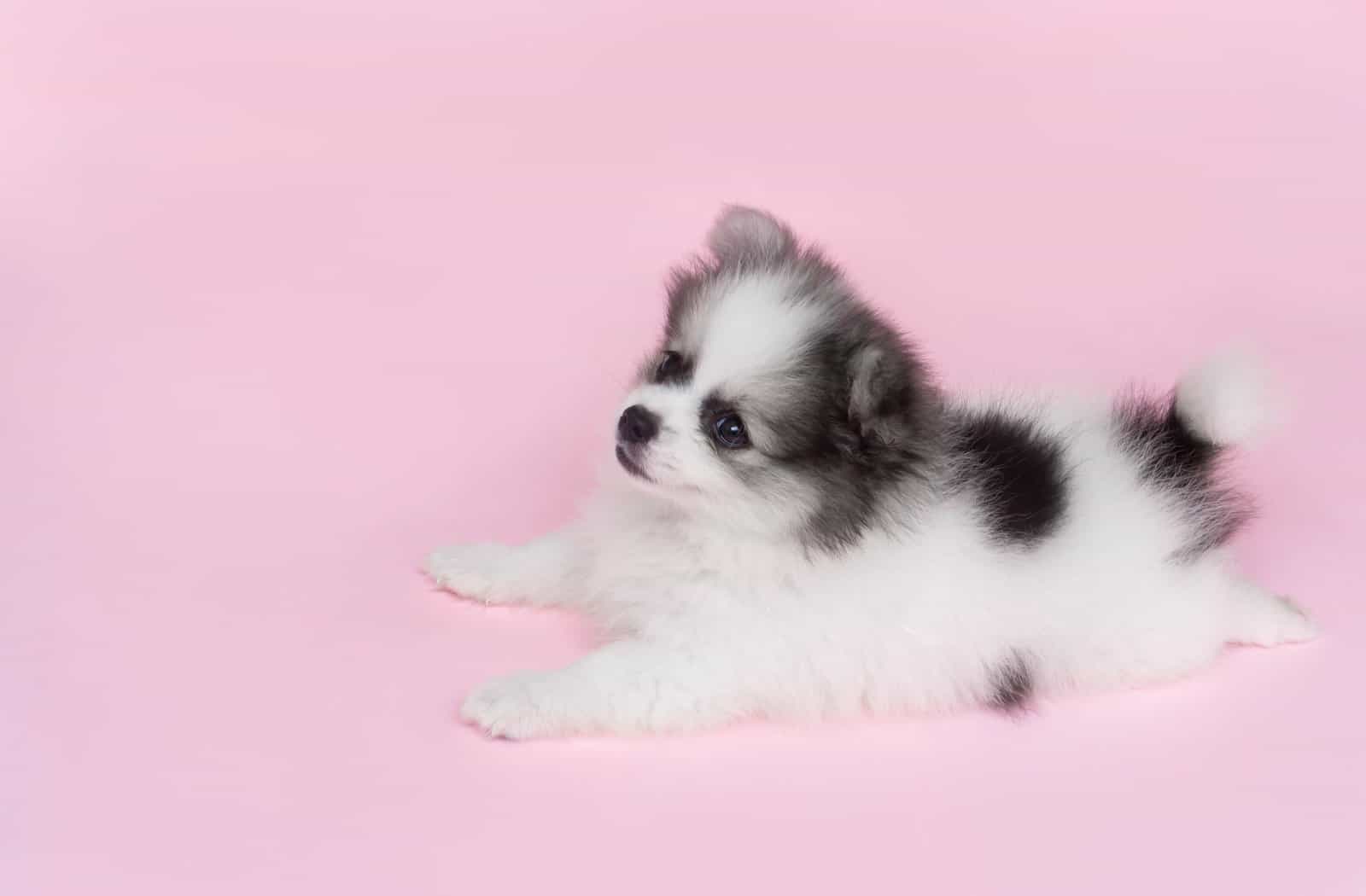
The Pomeranian Handbook by Denise Leo

Do Pomeranians Bark a Lot?

Digging Deeper: Do Pomeranians Bark a Lot?

Pomeranians are a small and fluffy dog breed that has become very popular. With their adorable appearance and friendly demeanor, it’s no wonder many people are drawn to them.

However, many potential owners wonder if Pomeranians bark a lot.

We consulted with experts who shared their advice on whether Pomeranians tend to bark excessively. Find out their insights on this common question!

Expert Advice: Do Pomeranians Bark Excessively?

According to breed expert and author of “The Pomeranian Handbook,” Denise Leo of Dochlaggie Pomeranians, Pomeranians are known to be vocal dogs. She explains:

“Pomeranians are a breed that likes to communicate with other dogs and their owners through barking. Some owners may see this as a negative trait; others appreciate that their Pomeranian is always willing to let them know their feelings.

Pomeranian Headquarters also notes that excessive barking can be a problem in this breed, especially if they are not adequately trained. However, the Pom Headquarters team also mentions that:

“Pomeranians can learn when it is appropriate to bark and when it’s not with the proper training and socialization. It’s important to note that dogs are different, and some Pomeranians may bark more than others.”
Do Pomeranians Bark a Lot?

Pomeranian Temperament and Barking

Pomeranian Personality

Pomeranians are known for their lively and outgoing personalities. According to Pomeranian expert Denise Leo of Dochlaggie Pomeranians, they are “intelligent, curious, and affectionate.” They are also fiercely loyal to their owners and strongly desire to please them. However, their small size and delicate nature make them easily frightened or overwhelmed.

Pomeranian Barking

One of the most common behavior challenges with Pomeranians is excessive barking. Pomeranian Headquarters states,

“Pomeranians are known to be vocal dogs, and they bark for various reasons. They may bark to demand attention, express excitement, or alert their owners to potential danger. Excessive barking can be a nuisance and indicate underlying anxiety or behavioral issues.”

To address Pomeranian barking, it is essential to understand the root cause. Denise Leo notes that:

“barking is a natural form of communication for dogs, but it can become problematic if it is excessive or inappropriate.

Some possible reasons for excessive barking in Pomeranians include:

  • Separation anxiety: Pomeranians may bark excessively when left alone or separated from their owners.
  • Attention-seeking behavior: Pomeranians may bark to demand attention or treats from their owners.
  • Fear or anxiety: Pomeranians may bark when they feel threatened or scared.
  • Lack of exercise or stimulation: Pomeranians may bark out of boredom or frustration.

It is vital to provide proper training and socialization to address Pomeranian barking. This may include teaching the “quiet” command, giving plenty of exercise and mental stimulation, and addressing underlying anxiety or behavioral issues. As Pomeranian Headquarters notes,

“With the right training and socialization, your Pom can learn when it’s appropriate to bark and when it isn’t.”

Why Do Pomeranians Bark?

Pomeranians are known for their excessive barking, which can be a nuisance to their owners and those around them. However, it is essential to understand why Pomeranians bark and how to address the issue.

Communication

One of the main reasons why Pomeranians bark is to communicate with their owners and other animals. According to Denise Leo of Dochlaggie Pomeranians,

“Pomeranians are a vocal breed and use barking to express their feelings. They may bark to get attention, express excitement, or warn of danger.”

Protection

Pomeranians were initially bred as sled dogs and used as watchdogs, so barking is natural when they perceive a threat. They may bark at strangers, other animals, sudden noises, or even unfamiliar objects. Pomeranian Headquarters notes:

 “Pomeranians have a solid protective instinct and will bark to alert their owners of perceived danger.”

Excitement

Pomeranians are energetic and playful dogs, and they may bark out of excitement during playtime or when greeting their owners. They may also bark when they hear familiar sounds, such as the doorbell or a car pulling into the driveway.

Boredom

Pomeranians are intelligent dogs that require mental stimulation. They may bark out of frustration when bored or not getting enough exercise. Pomeranian Headquarters advises that

 “if a Pomeranian is not getting enough attention or exercise, he may bark excessively to release pent-up energy.”

Separation Anxiety

Pomeranians are known for their attachment to their owners and may bark when left alone. This is a sign of separation anxiety, which can be addressed with training and socialization. Denise Leo recommends that:

“Pomeranians should be trained to be comfortable with alone time from a young age to prevent separation anxiety.”

Pomeranians bark for various reasons, including communication, protection, excitement, boredom, and separation anxiety. Owners must understand why their Pomeranian is barking and address the underlying issue. Pomeranians can learn to bark appropriately and be great companions with proper socialization and training.

Do Pomeranians Bark a Lot?

Training Your Pomeranian Not to Bark

Pomeranians are known to be vocal dogs, and excessive barking can be a problem for the dog and its owner. Fortunately, proper training can teach your Pomeranian not to bark excessively.

Socialization

Socialization is an essential aspect of training your Pomeranian not to bark. According to Denise Leo of Dochlaggie Pomeranians, 

“Socialization is key to having a well-behaved Pomeranian. By exposing your Pomeranian to different people, animals, and environments, you can help them become more comfortable and less likely to bark excessively.”

Positive Reinforcement

Positive reinforcement involves rewarding your Pomeranian for good behavior. When your Pomeranian is quiet, reward them with treats, praise, or playtime; this will help them learn that quiet is good.

Exercise

Exercise is essential for a healthy and happy Pomeranian. A tired and sleepy dog is less likely to bark excessively. Pomeranian Headquarters recommends,

Providing your Pomeranian with daily exercise will help him burn off energy and reduce his need to bark.

Attention

Pomeranians are social dogs and require attention from their owners. If your Pomeranian is barking excessively, it may be a sign that they are not receiving enough attention. Spend time playing with your Pomeranian, taking them for walks, and engaging in other activities they enjoy.

Solutions

If your Pomeranian continues to bark excessively despite your efforts to train them, there are several solutions you can try. One solution is to use a bark collar, which emits a harmless spray or sound when your Pomeranian barks.

Another solution is to consult a professional dog trainer who can provide additional guidance and support. Training your Pomeranian puppy not to bark excessively requires patience, consistency, and a willingness to try different methods.

By socializing your dog, using positive reinforcement, providing exercise and attention, and exploring solutions such as bark collars or professional training, you can help your Pomeranian puppy become a well-behaved and happy companion.

Pomeranians and Other Dogs

Pomeranians are known for their friendly and outgoing personalities, but how do they interact with other dogs? Things to remember when introducing your Pomeranian to other dogs.

Greeting Other Dogs

When meeting new dogs, Pomeranians may initially be hesitant or bark to show excitement. Supervising their interactions is essential to avoid becoming too aggressive or territorial. According to breed expert Denise Leo of Dochlaggie Pomeranians, 

“Pomeranians are generally friendly with other dogs but can be territorial and aggressive if they feel threatened. It is important to introduce them to new dogs slowly and in a controlled environment.”

Playing with Other Dogs

Pomeranians have a playful nature and enjoy interacting with other dogs. However, they may play rough or become possessive of toys or treats. Pomeranian Headquarters advises, 

“Supervision is key when Pomeranians are playing with other dogs. It is important to teach them to share toys and treats and to intervene if they become too rough or aggressive.”

It is also essential to remember that Pomeranians are a small breed and may be easily injured by larger dogs. Always supervise their interactions and ensure they play with dogs of a similar size and temperament.

Pomeranians can get along well with other dogs with proper socialization and training. Monitoring their interactions and intervening to ensure they remain safe and happy is vital.

Pomeranians and Cats

Pomeranians are known for their friendly and outgoing nature and can get along quite well with cats. However, it is vital to introduce them properly and give them time to adjust to each other. According to breed expert and author Denise Leo of Dochlaggie Pomeranians,

“Pomeranians can get along with cats if raised with them from a young age.”

This means that if a Pomeranian and a cat are introduced to each other when they are both young, they are more likely to form a bond and play together. However, if a Pomeranian and a cat are introduced to each other when they are older, they may also not get along.” Pomeranian Headquarters advises that,

“Supervising interactions between a Pomeranian and a cat is important until you are confident that they can play together safely.”

It is essential to note that not all Pomeranians will get along with cats. According to Pomeranian Headquarters,

“some Pomeranians have a high prey drive and may see cats as something to chase. In these cases, it is best to keep the Pomeranian and the cat separated.”

Pomeranians and cats usually get along well if introduced correctly and given time to adjust. Supervising their interactions is crucial, especially if they are not raised together from a young age.

Do Pomeranians Bark a Lot?

Pomeranians and Guests

Pomeranians are known for their friendly and outgoing nature but can also be very protective of their owners. When guests come to visit, Pomeranians may bark to alert their owners of the presence of strangers. However, not all barks are the same, and it’s essential to understand what your Pomeranian is trying to communicate.

Warning Barks

According to Pomeranian expert Denise Leo of Dochlaggie Pomeranians, 

“Pomeranians may bark to warn their owners when someone comes to the door. These warning barks may sound sharp and urgent, and they may be accompanied by growling or other signs of aggression.”

Taking their concerns seriously is essential if your Pomeranian is barking as a warning. Pomeranians are small dogs, and they may feel threatened by larger guests. Try to reassure your Pomeranian that everything is okay, but also be mindful of their concerns.

Excited Barks

Pomeranians are also known for their high energy levels, and they may bark out of excitement when guests visit. These barks may sound more playful and less urgent than warning barks, and jumping or other signs of excitement may accompany them. According to Pomeranian Headquarters, 

“Pomeranians may bark excitedly because they love attention and want to play with their guests. If your Pomeranian is barking out of excitement, giving them plenty of attention and playtime is important to help them burn off their energy.”

Loud Barks

Finally, some Pomeranians may bark more loudly than others. According to Pomeranian expert Denise Leo, 

“Pomeranians are known for their loud and piercing bark, which can be heard from a distance.”

If your Pomeranian is barking loudly, it’s essential to discover what your dog is trying to communicate. They may be trying to warn you of a potential threat, or they may be excited to see their guests.  Try to read your Pomeranian’s body language and respond accordingly.

Pomeranians may bark when guests visit, but not all barks are alike. By understanding the different barks and their meaning, you can better communicate with your Pomeranian and ensure they feel safe and comfortable around guests.

Pomeranians as Watchdogs

Pomeranians are known for their small size and cute appearance but are also excellent watchdogs. They are alert and protective of their owners, making them wonderful guard dogs. According to Denise Leo of Dochlaggie Pomeranians,

“Pomeranians are very protective of their families and make excellent watchdogs. They are vigilant little dogs and bark at anything that seems not right. This trait makes them an excellent alarm system for their owners.”

Despite their small size, Pomeranians have a loud and piercing bark that can be heard from a distance, making them an effective deterrent for potential intruders. Pomeranian Headquarters adds that

“Pomeranians are known to be fearless and will not hesitate to protect their owners, even if it means putting themselves in harm’s way.”

As watchdogs, Pomeranians are loyal and loving companions and provide a sense of security to their owners. Pomeranians are excellent watchdogs due to their protective nature, alertness, and loud bark. They make wonderful guard dogs and alarm systems for their owners.

Do Pomeranians Bark a Lot?

Pomeranian Health Problems and Barking

Pomeranians are generally healthy dogs, but like all breeds, they are prone to specific health problems. These health problems can affect their behavior, including their barking habits.  Denise Leo, a Pomeranian breeder and author, explains that,

 “Pomeranians are prone to dental issues, leading to pain and discomfort. This can cause a Pomeranian to bark excessively.”

Sick Pomeranians

When a Pomeranian is sick, it may bark more than usual, and this is because they are trying to communicate its discomfort or pain.  According to Pomeranian Headquarters,

 “If your Pomeranian is barking excessively and you notice any other symptoms such as lack of appetite, it’s essential to take them for a vet check to rule out any underlying health issues.”

Body Language

Pomeranians use their body language to communicate, and Pom barking is often a part of that communication. If a Pomeranian is barking and its tail is up, it may be excited or happy.  However, if their tail is down and they are barking, they may be anxious or scared. Understanding your Pomeranian’s body language can help you address any barking habits they may have.

Double Coat

Pomeranians have a very thick double coat that requires regular grooming. If their fur is not maintained correctly, it can lead to skin irritation and discomfort. This can cause a Pomeranian to bark excessively.  According to Denise Leo, 

“Pomeranians with matted or tangled hair may bark excessively due to discomfort.”

Pomeranian health problems can affect their barking habits. It’s essential to understand your Pomeranian’s body language and take them to the vet if you notice any changes in their behavior. Regular grooming can also help prevent skin irritation and discomfort that can cause excessive barking.

Do Pomeranians Bark a Lot?

Conclusion

In conclusion, Pomeranians are known to bark a lot, a common trait of most small dog breeds. According to breed expert and author Denise Leo of Dochlaggie Pomeranians,

“Pomeranians are very vocal and can bark excessively if not trained and socialized correctly. However, this does not mean they cannot make great pets with correct training and socialization.”

Pomeranians are used as therapy dogs, and their high-pitched barks and yapping can help alert their owners to potential danger or visitors. Pomeranians come in various colors, including white and black, and they are known for their small stature, playful nature, and affectionate personalities.

As lap dogs, Pomeranians are sensitive and thrive on attention from their owners. They are known for growling, licking, and using scent to communicate. However, they can also become scared or frustrated, leading to excessive barking. Training and socializing them early is essential to prevent this behavior. The American Kennel Club describes Pomeranians as

“lively, bold, and inquisitive,”

They make excellent companions for those who put in the time and effort to train and care for them properly. According to Pomeranian Headquarters,

“Pomeranians are a happy and friendly breed that loves to be around people and other pets.”

In summary, while Poms bark a lot, it is a common breed trait and can be managed with proper training and socialization. They are playful, affectionate and make excellent lap dogs. Denise Leo says,

With the right training, socialization, and love, Pomeranians can be wonderful pets for owners looking for a loyal and loving companion.

Copyright CaninePals.Com. All Rights Reserved. References and Further Reading:

  1. Official Standard of the Pomeranian (AKC). American Kennel Club, 2011.
  2. Official English Kennel Club Pomeranian Breed Standard, 2017.
  3.  Kimbering Pomeranians “1891-1991”.
  4.  Denise Leo, The Pomeranian Handbook.
  5.  L.Ives, Show Pomeranians.
  6.  L.Ziegler Spirer & H.F. Spirer, This is the Pomeranian.
  7. FEDERATION CYNOLOGIQUE INTERNATIONALE (FCI) German Spitz, including Keeshond and Pomeranian Breed Standards. PDF file.
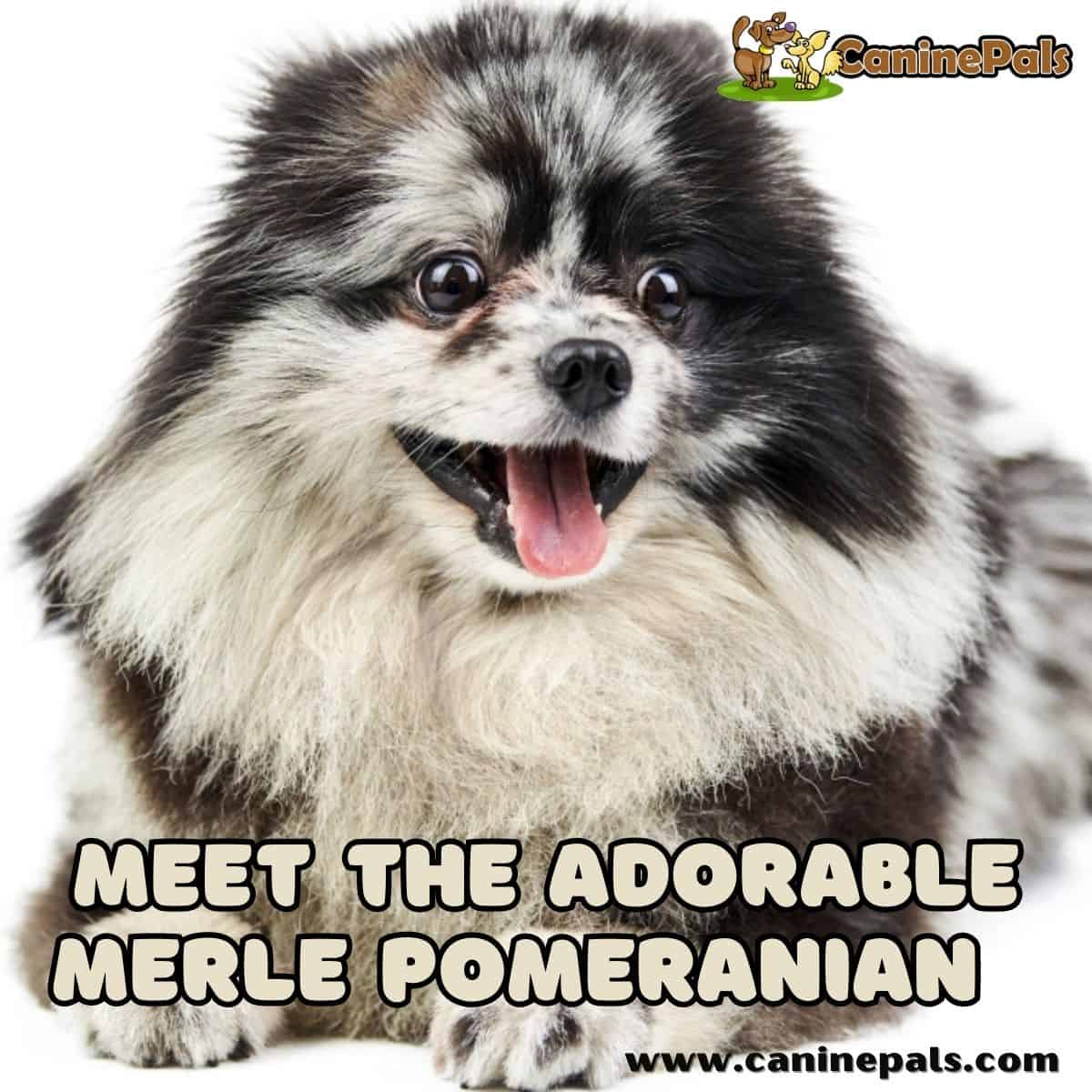
The Pomeranian Handbook by Denise Leo