
Disclaimer

Dalmatian vs Great Dane

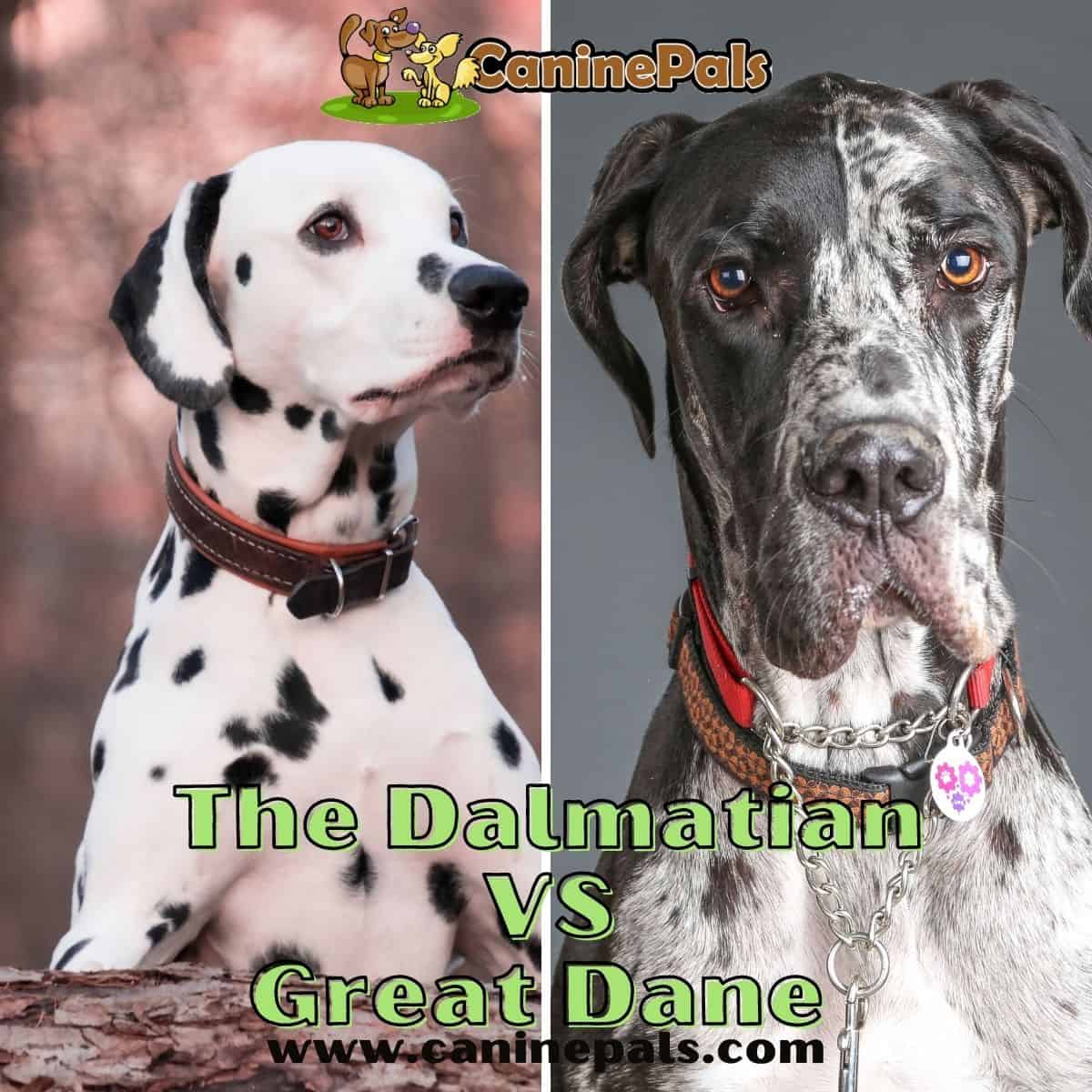
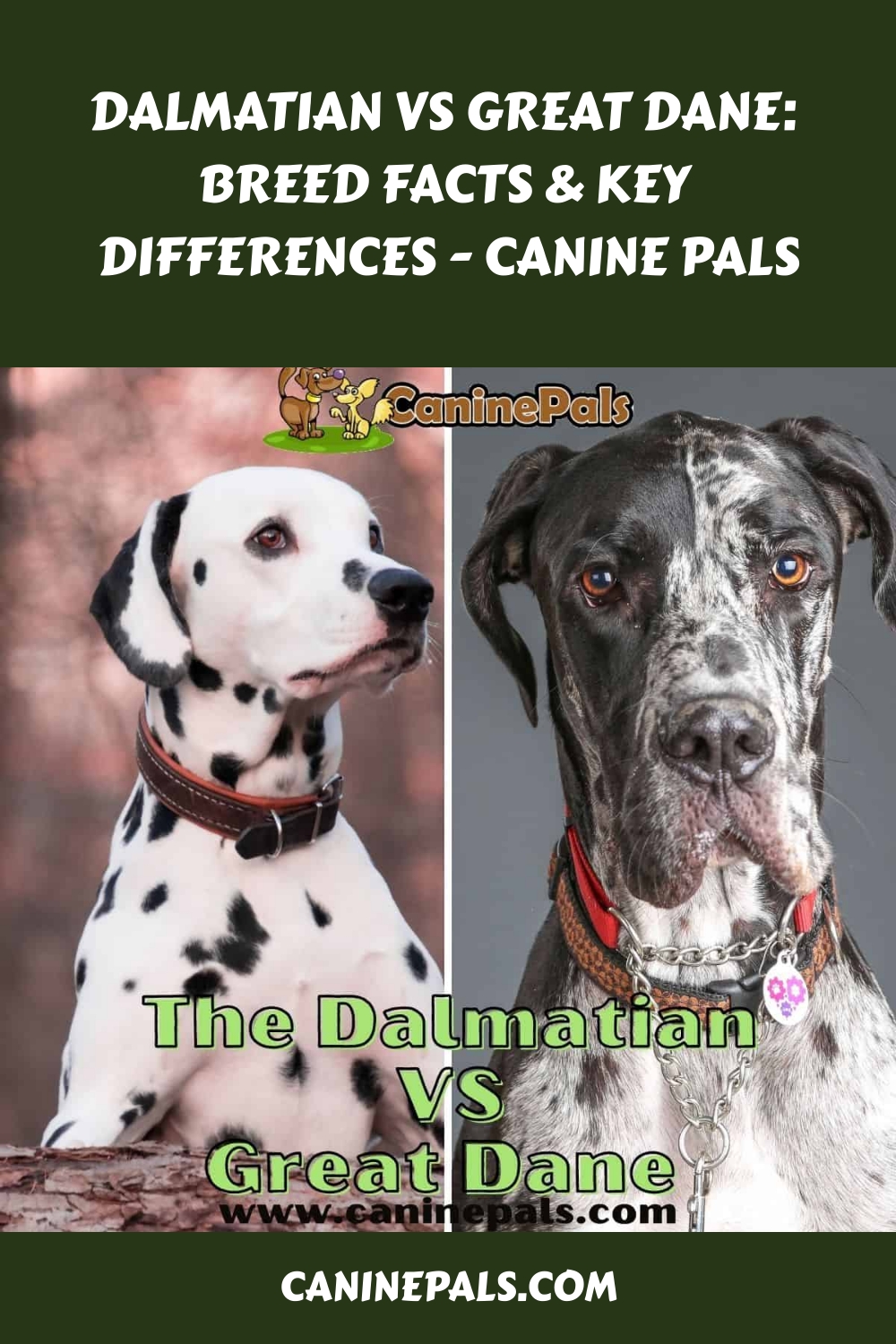
Dalmatian vs Great Dane: Breed Facts & Key Differences

It is no secret that dogs are among the most popular and endearing pets, and with good reason. They provide companionship, loyalty, and protection. But some breeds genuinely stand out from the crowd.

The Dalmatian and the Great Dane are two examples of these popular breeds. Both are great companions and can be trained to do just about anything. Are you wondering which one is the best dog for you?

Keep your eyeballs glued on the screen for a few minutes to evaluate the two dog breeds. The article, Dalmatian versus Great Dane, aims to help you decide which best suits your lifestyle.

Keep reading!
 Dalmatian vs Great Dane
Dalmatian vs Great Dane

The Difference Between Dalmatian And the Great Dane

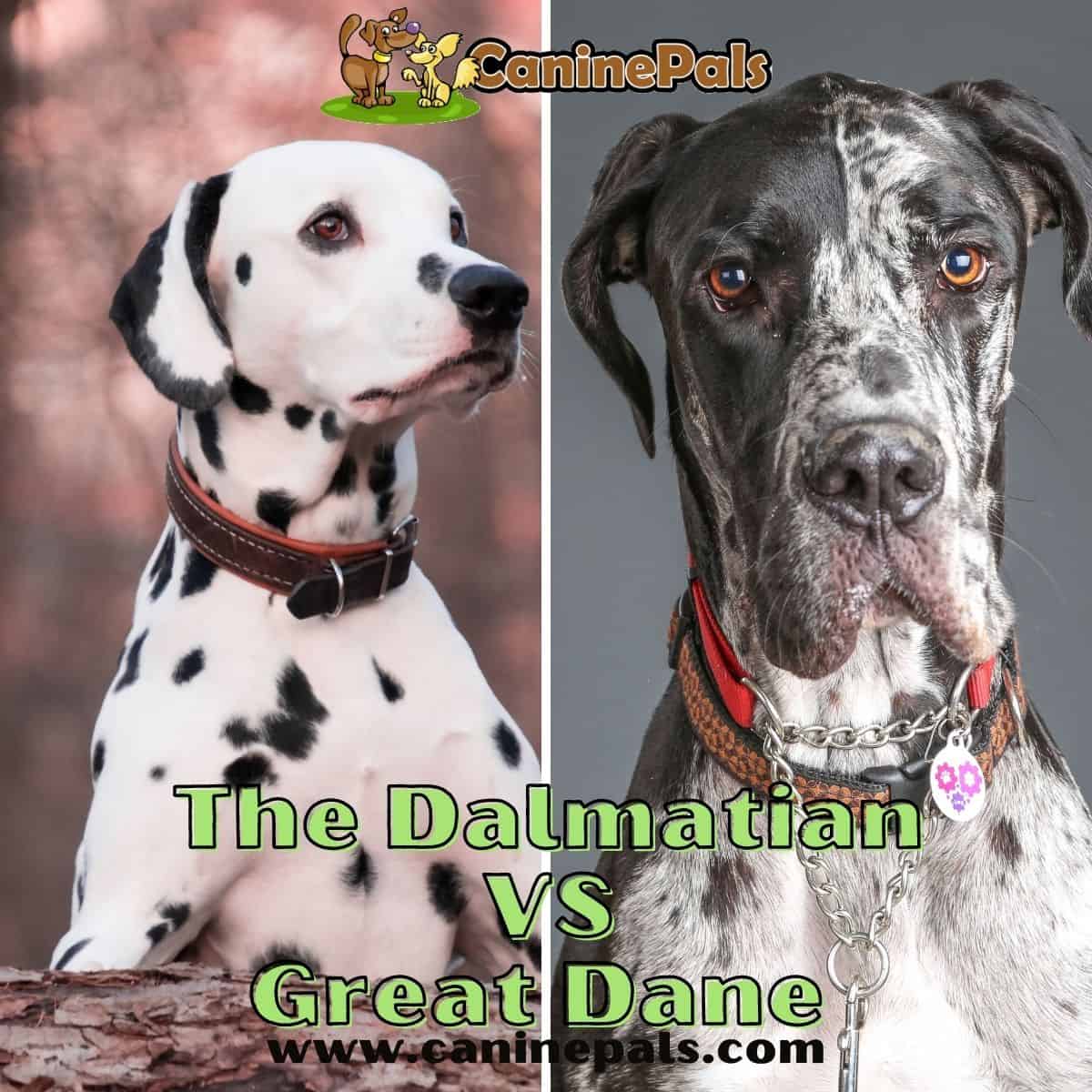
The Dalmatian and the Great Dane are two breeds of dogs that are often confused. Despite their similarities, however, the key differences between these breeds set them apart.

1.   Temperament

Generally, the two dogs are friendly and make up a good family dog. However, the temperament of these beautiful dogs depends on the person.

The Dalmatian breed is known for being energetic, playful, and friendly dogs. They are very social and love spending time with their families.

Additionally, they are known for having a high energy level, which can be controlled with proper training and socialization.

However, they tend to be stand-offish and apprehensive in front of strangers and can react aggressively in front of them. The Great Dane’s temperament is amazing.

On the other hand, Great Dane dogs are calm, gentle giants who enjoy spending time with their owners and surrounding pets in the house. They are not very playful, but they love to cuddle with their favorite human and give them lots of kisses!

Great Danes take time to hit maturity and are easily scared of strange faces. In addition, the presence of strangers makes them aloof, and they may use more protective instincts than usual.

2.   Intelligence

Both breeds are considered intelligent and competent. Dalmatians’ independent minds and ability to devise different ways to do a specific task make them intelligent breeds.

On the contrary, Great Danes are considered as smart as a three-year-old baby. They can understand different words and gestures and learn new tricks instantly.

3.   Housebreaking

You probably want a dog because it can protect your home from intruders or other threats. Dalmatians are known for being good watchdogs because of their higher intelligence and sense of smell. When trained properly, they make up great watchdogs.

Great Danes’ giant size keeps the intruders away from home, but they aren’t as good at this role. They bark at strangers when they come to the door, but they don’t tend to be very aggressive towards strangers unless they feel threatened by them, which isn’t always ideal if you live in a neighborhood where crime happens often.

4.   Training

Dalmatian dogs are much easier to train than the Great Dane breed. Dalmatians are highly intelligent and have a strong desire to please their master. Therefore, training a Dalmatian isn’t challenging if you use positive reinforcement methods like praise and treats.

This happy-go-lucky dog breed yearns to make his owner laugh with his silly actions. However, firm training is required because they have a stubborn streak and may not respond to requests if they don’t want to.

Like the Dalmatian breed, Great Dances are intelligent and pick up things easily. In addition, their love for humans and other animals makes them easy to train.

Starting the training as early as possible is recommended to avoid behavioral issues. Regular training sessions and sweet rewards can help the Great Dane overcome their aggressive attitude.

5.   Energy Level

Dalmatians are energetic dogs that require regular exercise to stay happy and healthy. If you aren’t able to take them for walks, play games with them every day, or give them enough exercise, they may become destructive or hyperactive, chew furniture, run around like crazy, or get into mischief.

On the contrary,  Great Danes are not energetic with moderate exercise needs. They can enjoy boisterous play sessions all day long if they are followed by a rest or nap time.

6.   Size and Weight of The Two Dogs

Dalmatians are medium-sized dog breeds. They can grow between 19 and 23 inches tall at the shoulder and weigh up to 40 to 60 lbs. Their average lifespan ranges between 10 and 13 years.

Dalmatians are sleek and smart and have a long, muscular body with a deep chest and broad skull. His ears are large and floppy, and he has a long, thin tail.

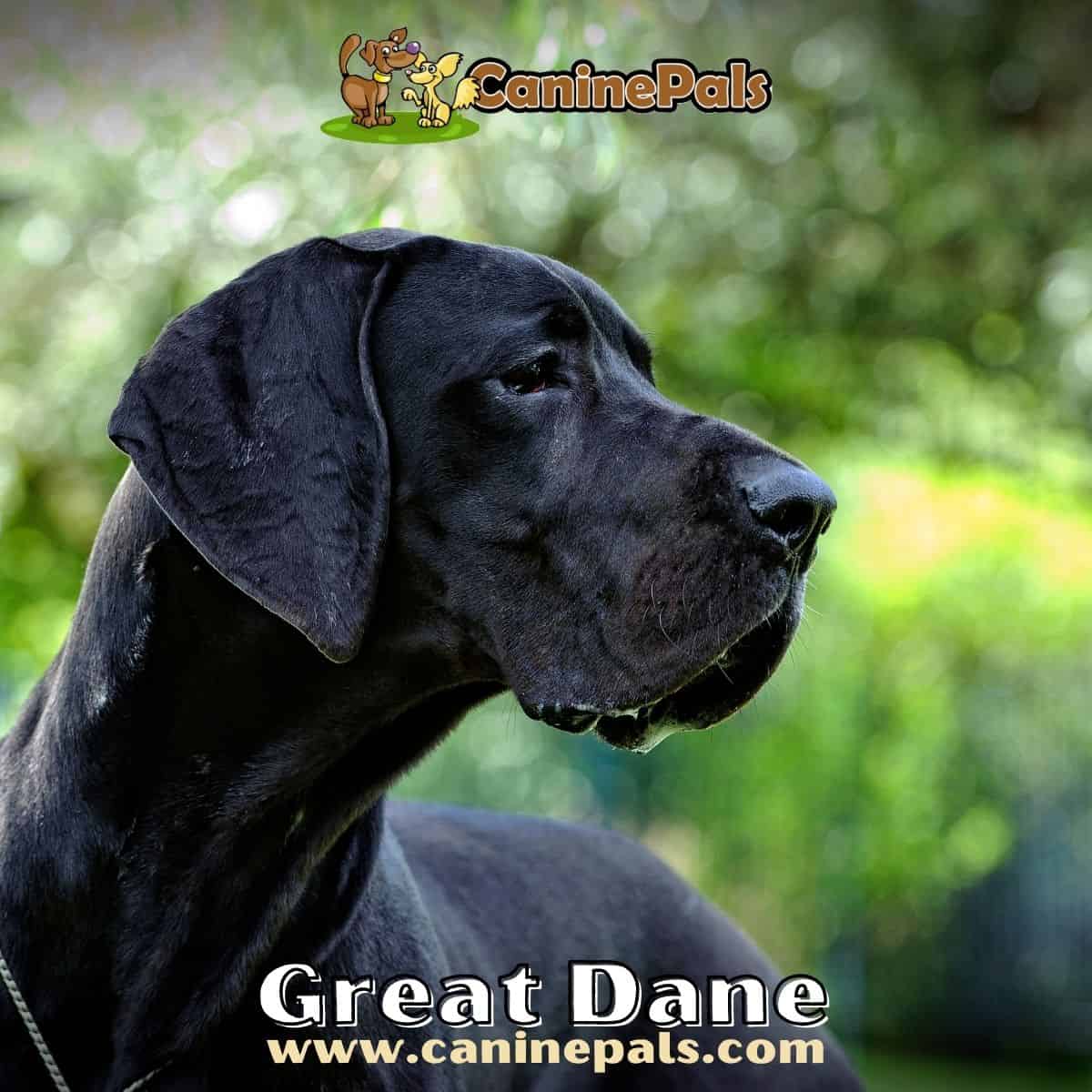
Great Danes are among the world’s giant dog breeds, reaching heights of 28 inches and weighing up to 175 lbs! Their average lifespan is eight years, but they can live up to 10 years.

Great Danes have a long, muscular body with a deep chest, large head, and long legs. They walk with a proud gait that shows off their athleticism.

7.   Coat Type

Dalmatians have short, smooth, shiny coats that are easy to groom. Their short hair is hypoallergenic and sheds little, making the breed ideal for those with allergies or sensitivity to dog fur.

While  Great Danes have a short, smooth coat but don’t fall under hypoallergenic dogs, they are moderate to heavy shedders and may not be good for sensitive people.

8.   Health Issues

Dalmatians are prone to multiple health issues, and most of them are genetics. The diseases commonly found in Dalmatians include;

  • Skin allergies
  • Hip dysplasia
  • Deafness
  • Urolithiasis
  • Cardiomyopathy

The diseases commonly found in the Great Dane breed include;

    • Bloat
    • Allergies
    • Hip dysplasia
    • Cardiomyopathy
    • Wobbler syndrome
    • Cataracts
    • Osteosarcoma
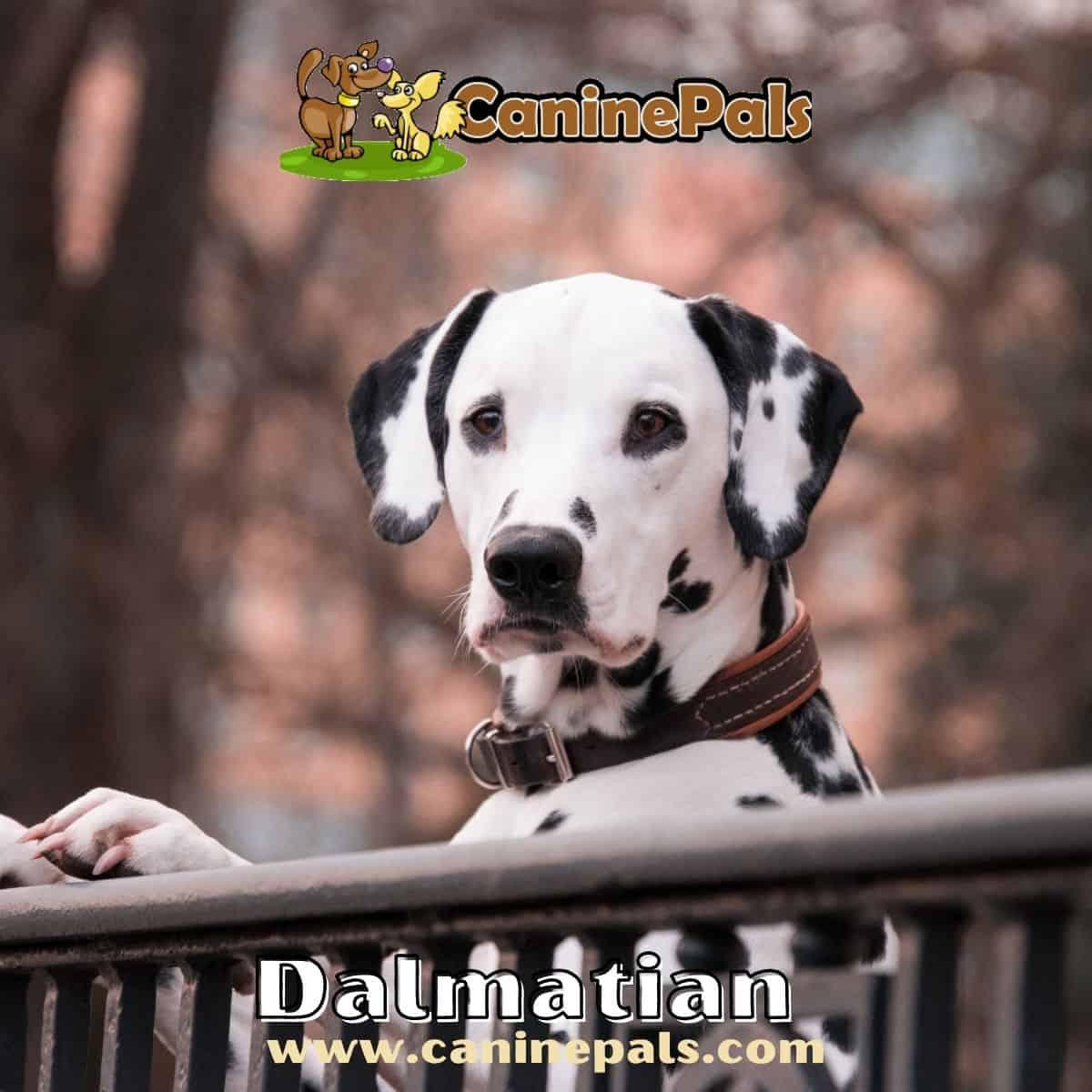
Dalmation
Dalmation

Great Dane Dalmation Mix

Loyal, smart, outgoing, watchful, and whatnot! The two purebreds, Great Danes and Dalmatians, are purposely crossbred to create a new breed known as the Great Dane Dalmatian Mix.

The new breed has all the fabulous attributes of the two purebreds. The Dalmatian mixed Great Dane puppy is a unique breed that has adopted the size of a Great Dane parent and the beautiful spot markings of Dal parents.

Despite being large, the cool breed doesn’t require excessive exercise, making them great house dogs.

Pros of Having A Great Dane Dalmatian Mix Pup as a Pet

Dogs are beautiful and majestic, with uncountable perks that make them perfect for the home. Like every other pet breed, Great Danes and Dalmatians have many benefits.

Below are some wow perks encouraging you to get one for yourself.

1.   Adequate Amount of Exercise

Unlike purebreds, Great Danes and Dalmatians require moderate exercise daily despite their large size. However, they don’t need intense workouts or exercise to keep them happy and healthy.

This means they can do well in apartments and smaller houses without a big yard or space to run around.

2.   No More Daily Maintenance

The Great Dal has a smooth, short coat. It requires moderate grooming and sheds little to none, which makes it ideal for people with allergies.

The pup needs to be brushed once or twice in 7 days and bathe, and your pup is all good-looking.

3.   Bundle of Love

This breed gets along with kids, neighbors, pets, and strangers. However, training them early is recommended to prevent destructive attitudes.

4.   No More Housebreaking

The Dalmatian mixed with the Great Dane has given birth to the perfect watchdog. The large size and high barking tendency keep the intruders far away from your sweet home.

5.   Effortless Training

Please give them a command and see them fulfilling it in the blink of an eye. The Great Dal mixed dog breed is intelligent and smart enough to catch your gestures and commands and make a move accordingly, which makes the training effortless.
Great Dane
Great Dane

Cons of Having A Great Dane Dalmatian Mix Pup As A Pet

No doubt, the perky perks of the Great Dane Dalmatian mix are an ace up the sleeves of many dog owners. However, a few features need to be considered before getting one.

1.   Newbie Owner? Not For You!

The unbeatable smartness of the Great Dal can become challenging for first-time dog owners. The regular training sessions and a handful of companionship require patience, for which most newbie owners aren’t mentally prepared.

2.   Not Suitable For Small Spaces

Your sweet little apartment may not be feasible for this large dog breed. Because of their giant size, Great Dales require enough space to roam around and relax.

3.   Can Turn into the Heart of Stone

The lively breed craves human attention and company. However, they can turn into hearts of stone, welcoming all the aggressive and harsh attitudes when left alone for longer.

So, if your job consumes your extra duty hours and requires frequent traveling, Great Dal isn’t the right option.

Great Dane and Dalmatian Colors

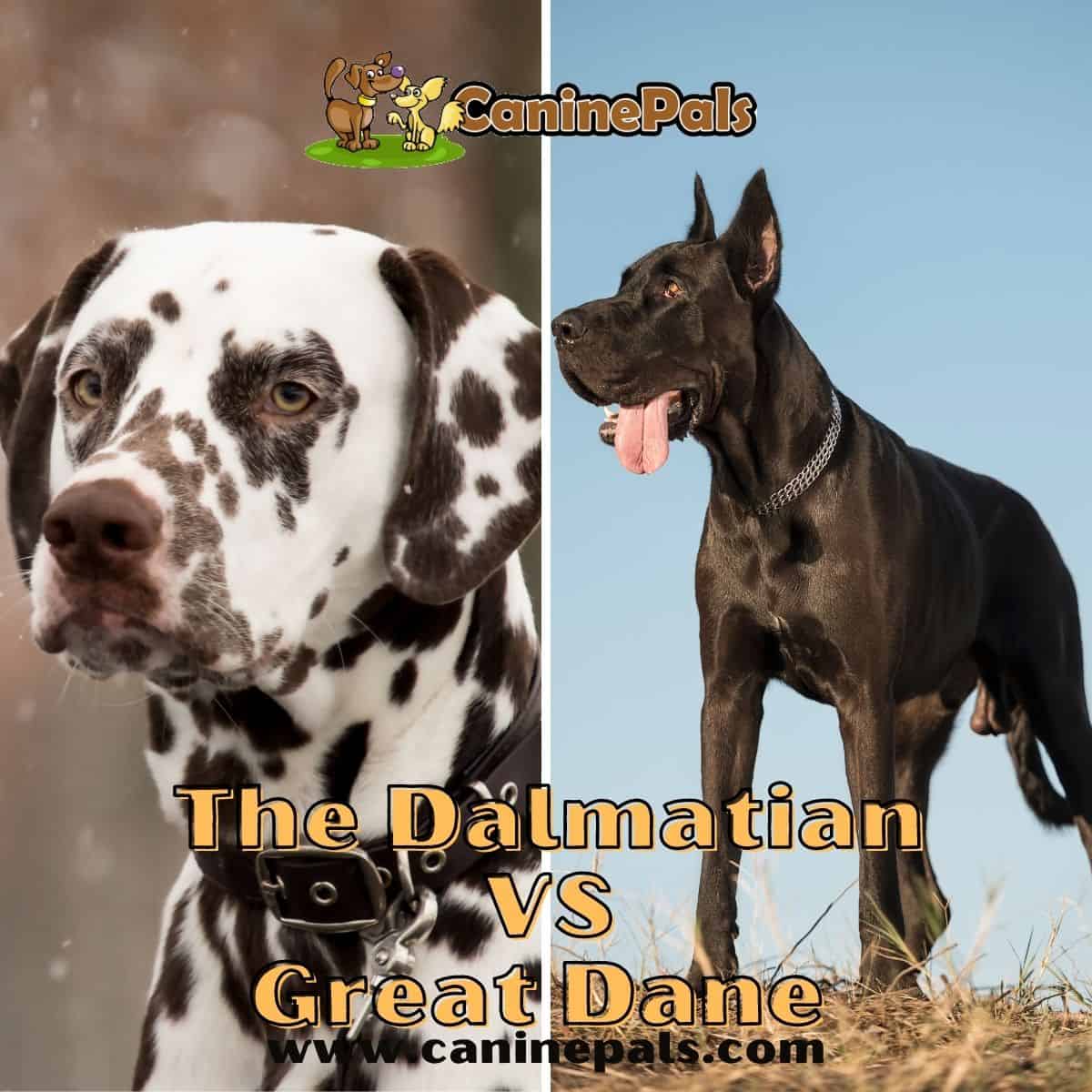
Dalmatians are found in beautiful liver and white and black and white color combinations. The light and dark spot hues make them endearing.

On the other hand, Great Danes are found in various colors, including black, brindle, fawn, mantle, blue, and harlequin. They may also have beautiful black-and-white marks on their bodies, putting cherries on their adorable bodies.

When the two purebreds are combined to make a hybrid dog breed, they adopt the temperament of the two purebreds, physical attributes, and color.

The Great Dane Dalmatian mix has a short, smooth, and shiny coat type, is found in amazing colors like Great Danes, and consists of prominent spots like Dalmatians.

Great Dane Dalmatian Mix Health Conditions

Large dog breeds are expected to have shorter life expectancy than others. The Great Dale has an average life expectancy of 8 to 13 years.

Like every dog breed and its parent breeds, Great Dals are prone to multiple health issues.

1.   Diabetes

Continuous or excessive sugar consumption may increase the sugar level in the body, resulting in diabetes. In addition, the higher sugar level increases the chances of organ damage leading to death.

The Great Dal breed is prone to diabetes, which can negatively affect its health. So, keep an eye on your pup and the diet it consumes.

If your pup shows symptoms like excessive thirst, weight loss, increased appetite, and increased urination, consult a vet.

2.   Orthopedic Disease

The orthopedic disease may be a cause of aging or increased weight.

If the dog consumes excessive food without adequate exercise, it may gain weight, eventually leading to orthopedic diseases.

Consult a veterinarian if your puppy is lethargic or has sore paws.

3.   Elbow and Hip Dysplasia

The elbow and hip dysplasia are common in large dogs. If your dog is reluctant to move, climb stairs, jump, or move slowly, he might be fighting with hip or elbow dysplasia.

Moreover, the clicking sound in joints and continuous pain and shamble symbolize hip and elbow dysplasia.

4.   Osteoarthritis

Several reasons, including hip dysplasia, elbow dysplasia, trauma, shoulder or knee dislocation, cruciate injury, and others can cause osteoarthritis.

If your dog shows symptoms like swollen joints, restlessness, whining, licking joints, or resistance to walking, jumping, or standing, consult a veterinarian.
 Dalmatian vs Great Dane
Dalmatian vs Great Dane

Final Words

Choosing between a Dalmatian and a Great Dane comes down to understanding the unique qualities each breed brings to a family. With their high energy levels and wanderlust potential, Dalmatians require a lot of exercise and thrive in environments where they can stay active.

Their intelligence and affectionate nature make them wonderful companions, especially for families with older children or individuals leading an active lifestyle. On the other hand, the Great Dane, known as the “Apollo of dogs” due to its impressive stature and gentle demeanor, demands attention due to its breed’s large size and need for consistent training from an early age.

Despite their intimidating personality, Great Danes are better described as gentle giants. They showcase great intelligence and an easy-going personality that can adapt well to families with young children.
.

Both breeds are purebred dogs, which highlights the importance of sourcing from reputable breeders to ensure a healthy and well-tempered new pet. Great Danes, often regarded as one of the best breeds for their affectionate nature towards family members, require a fair amount of space to accommodate their size. However, they are surprisingly good with novice owners due to their lower exercise needs than Dalmatians.

Dalmatians, with a slightly higher wanderlust potential, may serve better as watchdogs. However, both breeds exhibit traits that make them average watchdogs, with Great Danes potentially being the better guard dogs due to their sheer size.

Ultimately, the right breed depends on your lifestyle, the time you can dedicate to exercise and training, and whether you’re looking for a pet to grow with your family. Whether you lean towards the high-spirited Dalmatian or the majestic Great Dane, early socialization and training are crucial to fostering a well-adjusted and happy family member. Both these breeds can bring immense joy and companionship to pet parents, so choosing between them is a matter of personal preference and lifestyle compatibility.

Please note: while I do discuss health, care, and behavioral issues, you should never use this information as a replacement for advice from qualified veterinarians, diagnoses, or recommended treatment regimes. If you have any worries about your Dog’s health, your first contact should be your regular vet or, if you don’t yet have one, a vet that works locally. Never ignore or avoid treatment and advice from your vet because of a piece of information you have read on any website.

Copyright CaninePal.Com. All Rights Reserved.
Dalmatian vs Great Dane: Breed Facts & Key Differences
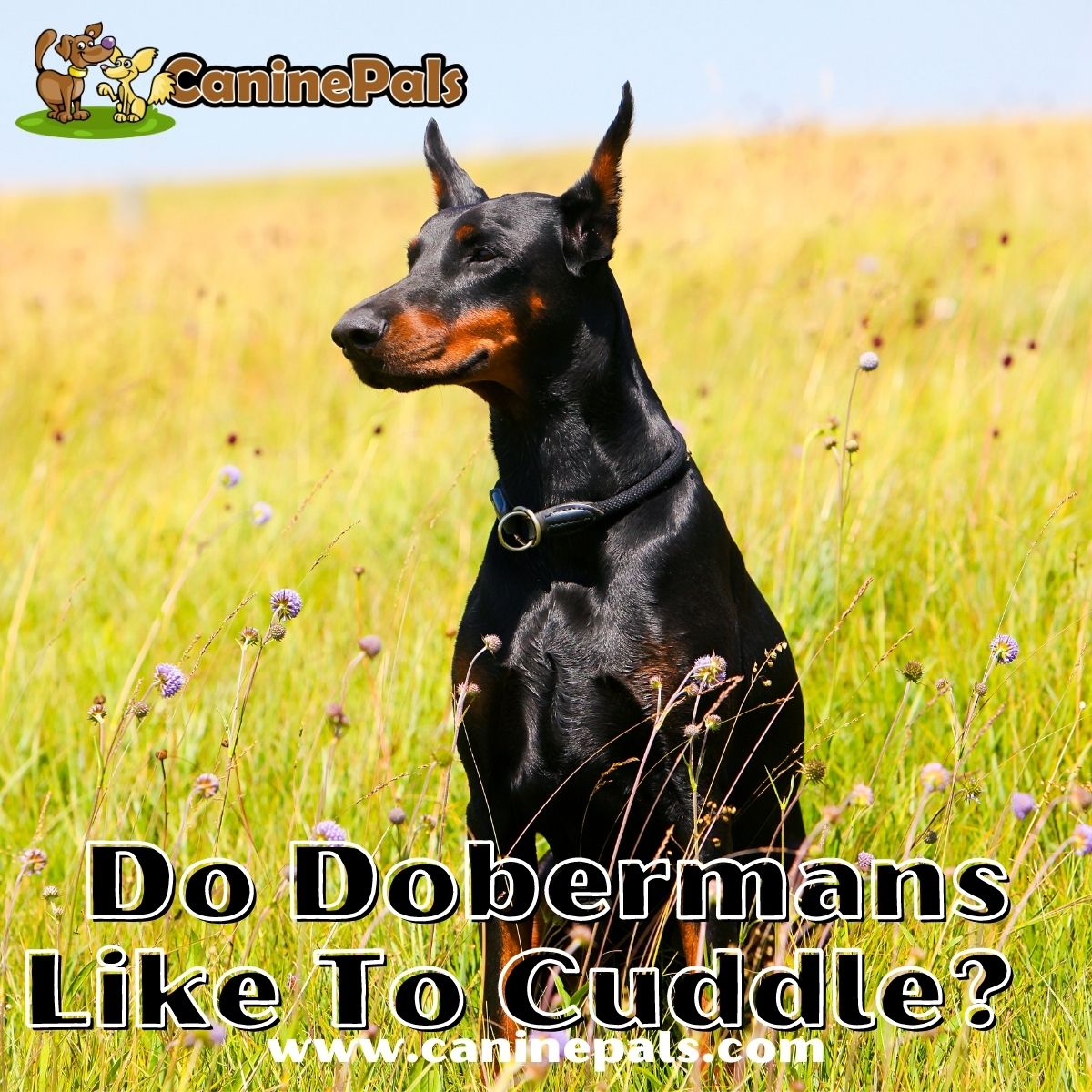
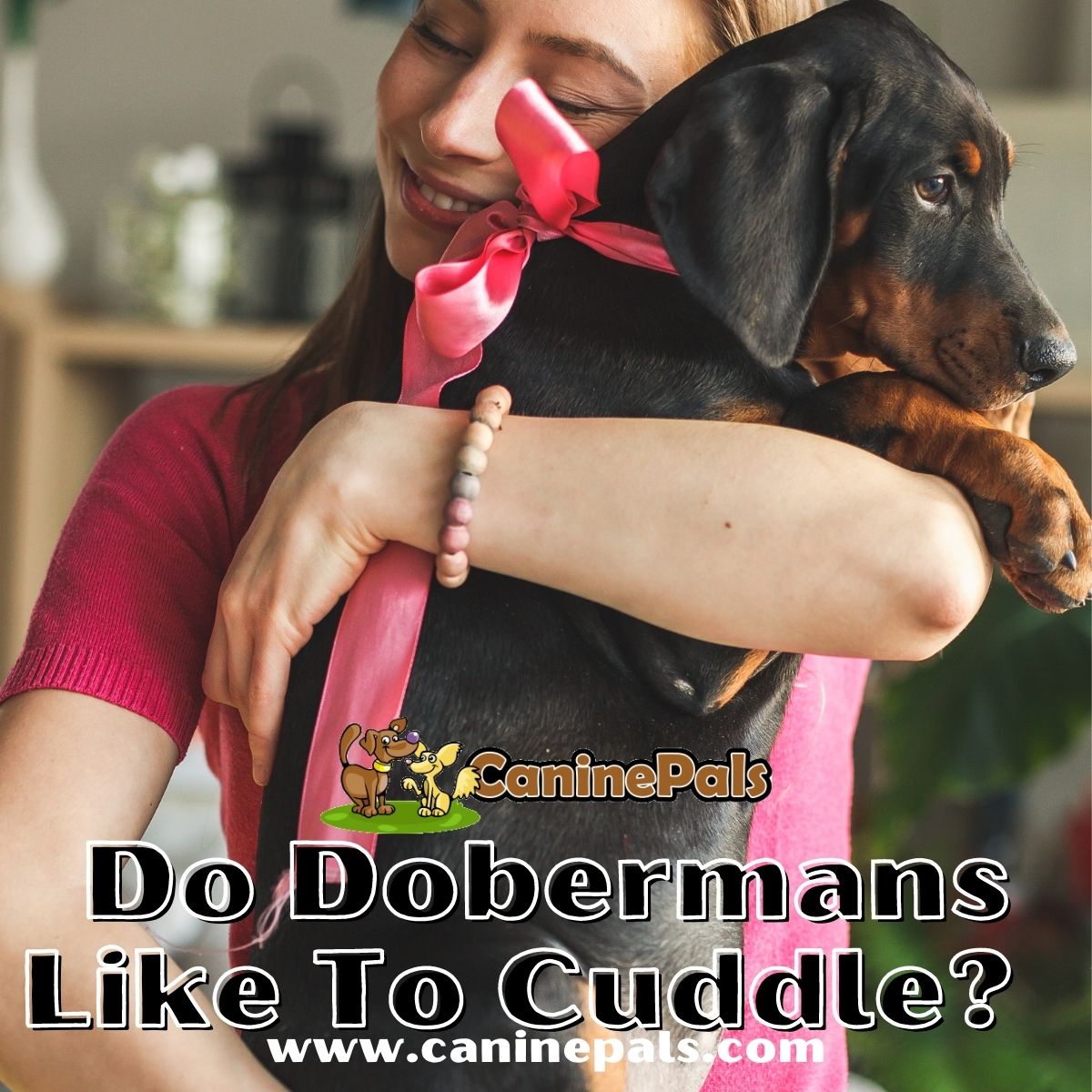
Do Dobermans Like To Cuddle?

Do Dobermans Like To Cuddle? Find Out How Affectionate This Breed Is

The Doberman is a lovely dog breed They show affection towards humans like no other of the dog breeds. But do Dobermans like to cuddle, is the Doberman a trustworthy breed and are Dobermans affectionate dogs? Give this article a read to know the answer.

In general, all the dogs like to cuddle with their owner, given how much attention and care they receive for being loyal. Now keeping the genetic trait in mind, the Doberman is a loving dog breed that loves to be around its caregiver. So if you are looking for a furry friend who’d be the best of huggers you have, then Doberman can be a good choice.

You must be thinking, do Dobermans like to cuddle is the breed affectionate? The answer is YES! But is the Doberman affectionate dog breed? What makes them want to cuddle? How much do Dobermans cuddle?

These questions will be answered if you follow this article until the end. And if you are fascinated by the people-oriented temperament of Doberman dogs, you are at the right place where you’ll read all about Dobermans!

How To Tell If Your Doberman Loves You?

Once a Doberman takes the sense of security from its surroundings, it’ll start showing love. A Doberman’s affection is reflected by its trait of being expressive. It shares a strong bond with its owner, especially children. They make eye contact, lick their face, lean into them, and rest on their laps.

Here is a list of the behaviors, some or all of which you may observe in your Doberman and tell it loves you.

Making Eye Contact With The Ears Back & Nose Forward, He Loves You!

A Doberman’s love can be assessed by the way it makes eye contact. When a Doberman loves you, it takes the ears slightly back, extends the neck, and puts its nose closer to you. Imagine all of these gestures with that lovely eye contact. You are going to love your Doberman for this!

Running Behind The Owner’s Legs

If a Doberman gets a sense of security in you, it’ll cling to you. Dobies, when frightened, tend to hide behind their owners’ legs. This behavior is more often seen in the young ones as their fearless traits are still under development in adolescence. Running through and behind your legs at the time of trouble shows the trust of your pooch in you.

Won’t Mind Getting Annoyed By You!

If a Doberman stays relaxed while you are annoying him, nothing can be more precious than it! A Doberman would allow you to play with its paws, nose, and lips, tug its ears, and cuddle up while you are on the television couch. This can only be done by the one a Doberman keeps special.

Love To Stay On Your Top While You Have Dreams

This is the most common way for Dobermans to show love to their owners. Your Doberman would love to sleep next to you or over you and vice versa only if he holds you, dear.

Dobermans are also judged by their sleeping styles. You are lucky to have your Dobby’s love if you have experienced your Doberman sleeping next to you again after putting him on the bed.

Often Climbs Up To Your Lap

Dobermans often tend to jump to your lap more randomly out of nowhere. Especially when you are busy doing stuff like taking a skype call, watching TV, or lying in bed. Your Dobby would love to rest on your lap no matter what you do, only if he loves you.

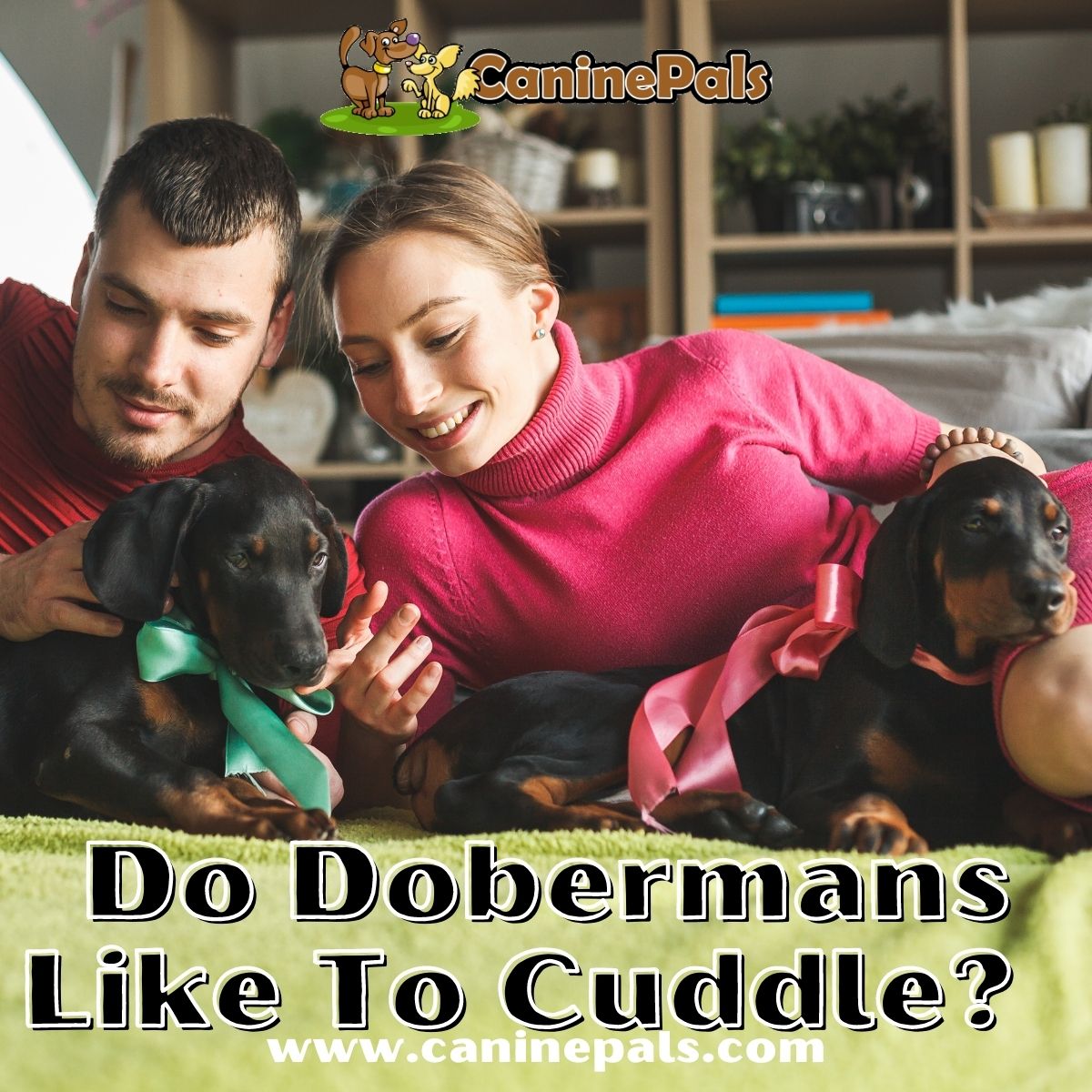
Do Dobermans Like To Cuddle?

Is the Doberman Affectionate Breed?

Doberman dogs are known to show love to their family. Not only that, they are people-friendly too. They enjoy being outdoors & adventures rather than staying still in the corner. They celebrate being around their loved ones by playing, staying active, and cuddling with them.

In general, Dobermans are affectionate enough to cuddle all the time. Some may get snuggly, and some love to cuddle when tired. As the loving nature of Dobermans makes us obvious about their socializing ability, it is also a point to ponder that we need to work on developing vital socializing skills of our Dobermans.

Why Do Dobermans Like To Cuddle?

Although they love to cuddle, sometimes they can be less cuddly. This is nothing but a reserved nature that can vary from dog to dog. If a Doberman is not cuddling up with you, it may show love by sleeping next to you or running around your legs. No matter if a Doberman is cuddling up with you or not, you can always make it do so by showing affection.

Dobermans can be depressed if the required love and affection are not given. Cuddling up with your dog promises sustained mental health for a pet dog. And the good news is, a Doberman always welcomes hugs once it recognizes its people.

Oxytocin is known to be a love hormone that increases with cuddling. It makes a pet and pet owner happy and reduces stress. So if you find that your Dobbie is suffering from depression (that happens less often), then make a habit of giving them regular hugs to feel loved. Because if cuddling up vanishes your dog’s stress, then why not?

Temperament Of Doberman Dogs

Dobermans make a great human companion. They are regarded as the guard dogs for tax collectors and are among the most common family dogs known all over the world. They are agile, strong, and super fast to compete with the horses. In addition, they are remarkably active to the extent that they quickly catch the rabbits and can track faster than a Bloodhound dog.

These energetic human companions are gentle and calm at the same time that they would allow a baby’s crawl over them. Owners trust them enough to keep them as a guard dog and guiding their kids across the paths. Along with being alert and obedient and sensitive, Dobermans like cleanliness around them.

How To Cuddle A Doberman The Right Way?

  • Step#1. Start by sitting next to the Doberman on the floor. Then, place one hand behind the dog’s head and gently pet it.
  • Step#2. With your other hand, lightly stroke the dog’s chest.
  • Step#3. Slowly lean in towards the dog, making sure not to startle it.
  • Step#4. Once close enough, wrap your arms around the dog’s body and give it a gentle hug.
  • Step#5. Hold the hug for a few seconds, then release and sit back next to the Doberman.
  • Step#6. Repeat these steps until the Doberman seems relaxed and comfortable with being cuddled.
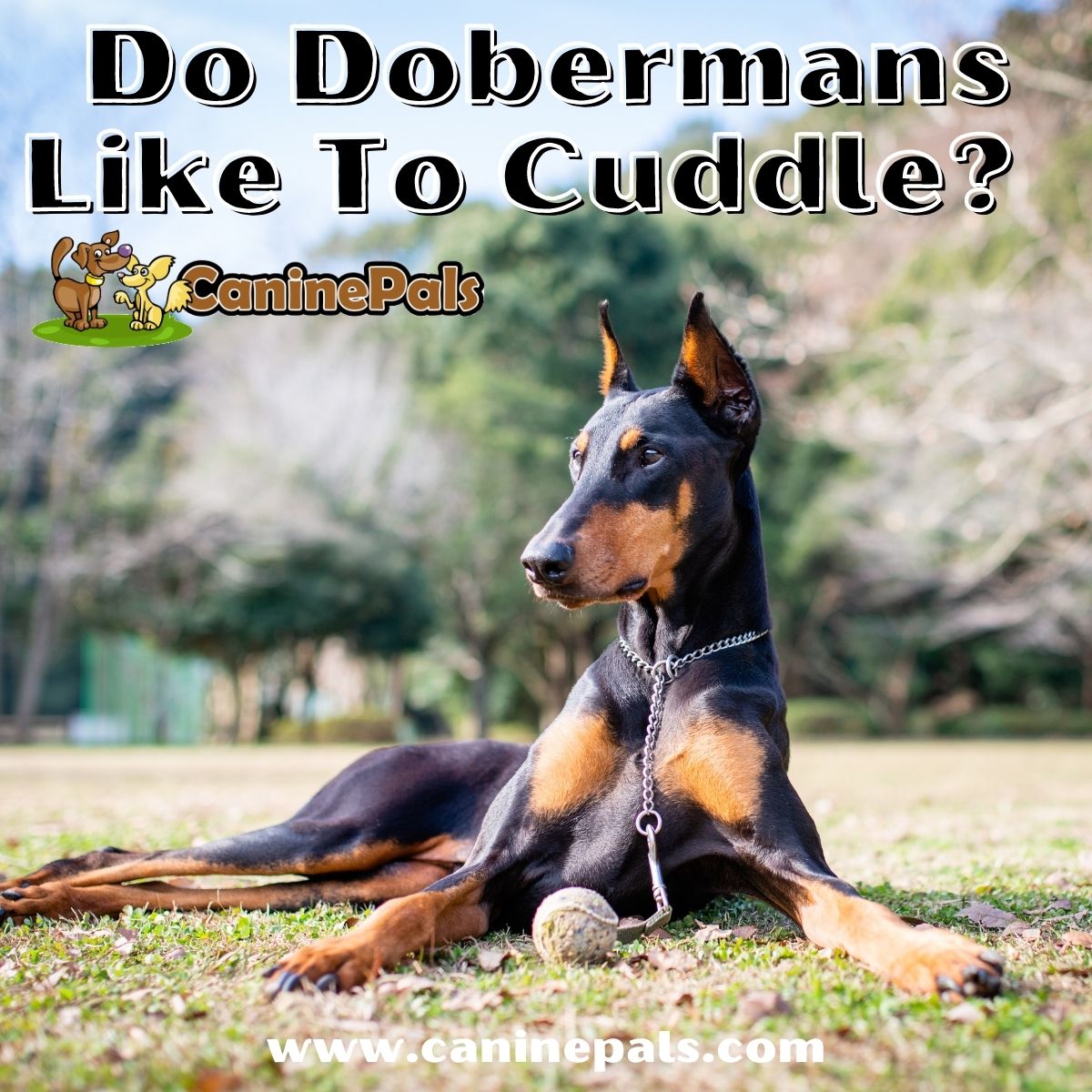
Doberman
Doberman

Benefits Of Cuddling Your Doberman

There are many benefits of cuddling your Doberman.

1. Forms a strong bond between you and your Doberman

Dobermans are known for being fiercely loyal and protective of their owners, but they can also be big softies when it comes to cuddling. So regular cuddles are a must if you’re looking to form a strong bond with your Doberman.

Cuddles will help your dog feel loved and secure, and it’s also a great way to show your affection. Dogs are highly social creatures and thrive on physical touch, so don’t be afraid to get cozy with your furry friend.

Make sure you do it on your dog’s terms to get the most out of cuddling. Let them come to you for cuddles when they’re feeling calm and relaxed, and avoid doing it when they’re stressed or excited.

When you cuddle, take care to support your dog’s head and back, so they feel comfortable and safe. And always be patient – some dogs take a little longer to get accustomed to cuddles.

2. It helps relieve stress and anxiety in your Doberman, and you

Cuddling can help relieve stress and anxiety in both you and your Doberman. It is a great way to show your dog how much you love them, and it can be a very calming activity for both of you. So if you’re feeling stressed or anxious, try cuddling your Doberman – it just might help make everything feel better.

3. Help to lower blood pressure and heart rate in both humans and dogs

Cuddling your Doberman can help to lower blood pressure and heart rate in both humans and dogs. This is because when you cuddle your Doberman, oxytocin is released into both of your bloodstreams. Oxytocin is sometimes called the “cuddle hormone” or the “love hormone” because it helps to create feelings of bonding, happiness, and relaxation.

Oxytocin has been shown to lower blood pressure and heart rate in both humans and dogs, so cuddling your Doberman is a great way to relax and de-stress. Plus, it’s just plain fun!

4. It can help to improve your Doberman’s immune system

Yes, cuddling your Doberman can help to improve your dog’s immune system. This is because when you cuddle your dog, you increase the levels of oxytocin in their body. Oxytocin is known as the “cuddle hormone,” and it has been shown to have numerous benefits for both humans and dogs, including – a boost in the immune system. Therefore, by cuddling your Doberman, you are increasing their happiness and helping them stay healthy.

5. It can increase levels of serotonin, the “happy hormone,” in your Doberman

Cuddling a Doberman can increase serotonin levels, the “happy hormone,” in your dog. Serotonin is a neurotransmitter that helps regulate mood and social behavior. It is thought to play a role in bonding between humans and dogs.

Are There Any Downsides To Cuddling With Your Doberman?

Though Dobermans are often perceived as aggressive dogs, they can actually be quite cuddly. In fact, many Doberman owners enjoy cuddling with their furry friends. However, there are a few downsides to cuddling with your Doberman.

For one, Dobermans are large dogs, weighing between 60 to 100 pounds. As a result, they can inadvertently hurt you when they move around while cuddling.

Additionally, Dobermans shed a lot of furs, so you may end up covered in hair after cuddling with your furry friend.

Last but not least, Dobermans can get quite drooly so you may end up with a wet spot on your clothing.

Many Doberman owners still enjoy cuddling with their furry friends despite these downsides. If you do choose to cuddle with your Doberman, be sure to do so on a soft surface such as a bed or couch to prevent getting hurt.

How Often Should You Engage In A Good Cuddle Session With Your Doberman?

Cuddling is a great way to show your Doberman love and affection. It can also be used as a way to bond with your Doberman and create a deeper connection. But how often should you cuddle with your Doberman?

There is no right or wrong answer regarding how often you should cuddle with your Doberman. It depends on what works for you and your Doberman. Some people like to cuddle with their Dobermans every day, while others may only do it a few times a week.

If you’re unsure how often you should be cuddling with your Doberman, start by doing it once a day. If that feels good for both of you, then stick with that. On the other hand, if you’re both enjoying it and want to do it more often, then go for it!

Doberman
Doberman

How To Make Your Dobermans Enjoy Cuddling

This is how you can make your Doberman enjoy cuddling with you more:

Socializing

Make your dog well-behaved by working on its socializing ability. It is always effective in making the dogs become expressive, friendly, and absorb their surroundings. Imagine if human interaction is removed from your life; what it’s going to look like? Similarly, pets also need to interact with other animals for their innate learning.

Ignoring this factor can make your Doberman stay overprotective of you all the time, be scared or aggressive to others, and may resist meeting strangers. Having outdoor rounds with your Doberman would enhance the loving trait of your Doberman.

Playing

Playing with your dog means investing your time in making a strong bond with your pooch. If Doberman sees you as your playmate every day, you would eventually become the favorite person for him to cuddle. You can make him feel safe and loved around you by tugging, playing fetch, and engaging him in the puzzles. A friendship develops when you actively participate with your dog in these activities.

Touching Them Gently

Stay tactile with your Doberman once you bring it home. Cuddling with your dog at the start of paw-parenthood would make him familiar soon. Give a gentle treatment to its ears, lips, and paws. This will train him to stay easy when these regions are being touched so that he may get prepared for a possible future illness. Other family members should also practice this to avoid making their pet clingy to only one member.

Who Should Keep Doberman As A Pet?

Doberman is an ideal pet for people looking for a loyal, loving, and protective companion. They are also great for families with children, as they are very gentle and patient with kids.

If you live in an apartment or a small yard, a Doberman will suffice. They’re actually a good addition since they don’t require much space to roam around. However, keep them busy in exercise activities and provide them full attention, or they can get a bit aggressive.

Do Dobermans Like To Cuddle?

Bottom Line

Dobermans love to stay around their loved ones and their pet owners, which is why they are the best huggers a man can have. Unfortunately, they can be dominant and overprotective towards their dog owner, which can be troublesome sometimes.

Dobermans are not naturally people-oriented dogs and not all dogs are suitable as family pets, but by working on socializing skills and proper training, you can make them love others too.

So if you have already brought a Doberman home, you should start building a mutual bond with him by simply cuddling with him every morning!

Copyright CaninePals.Com. All Rights Reserved.
References and Further Reading:

[1] American Kennel Club, Doberman Pinscher Information.


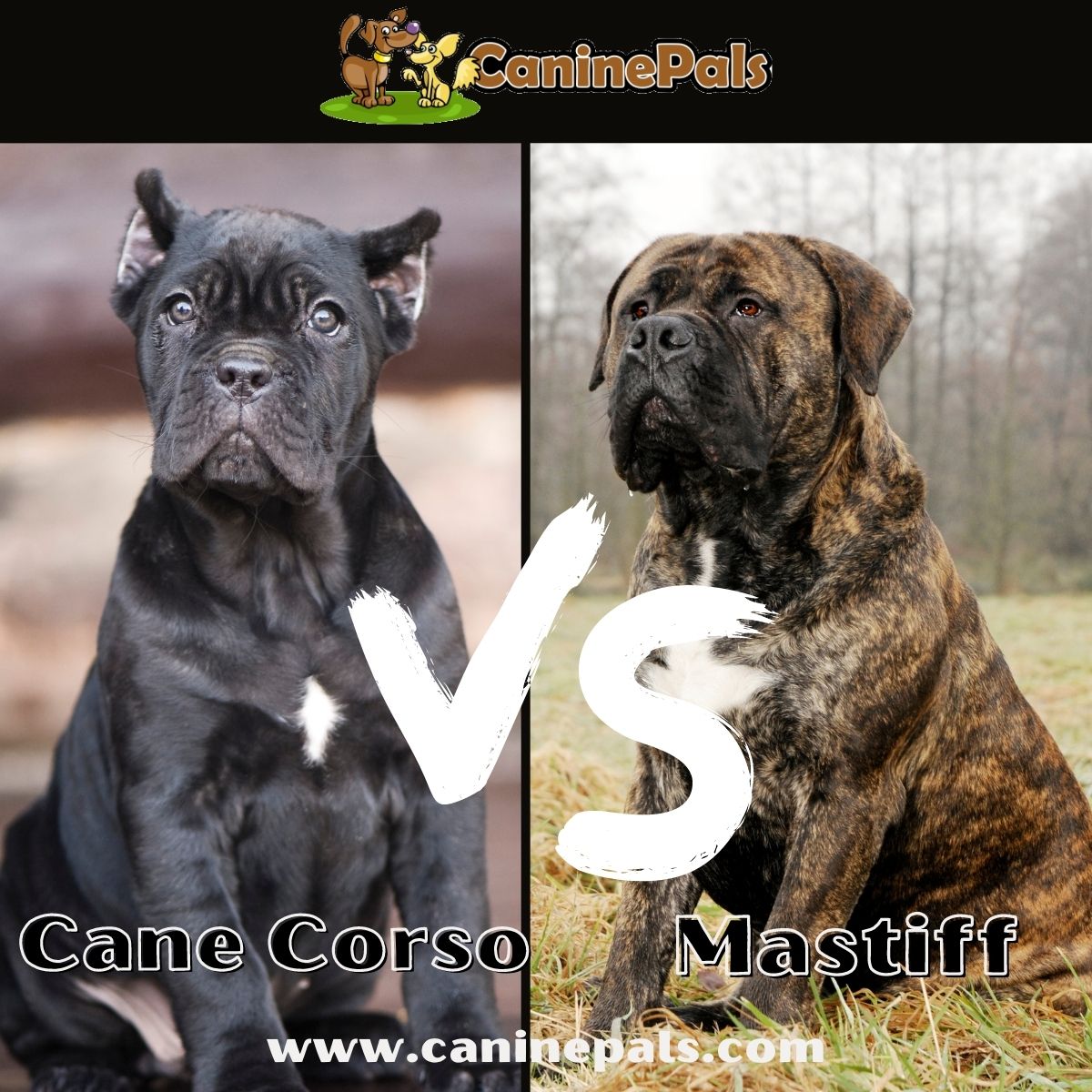
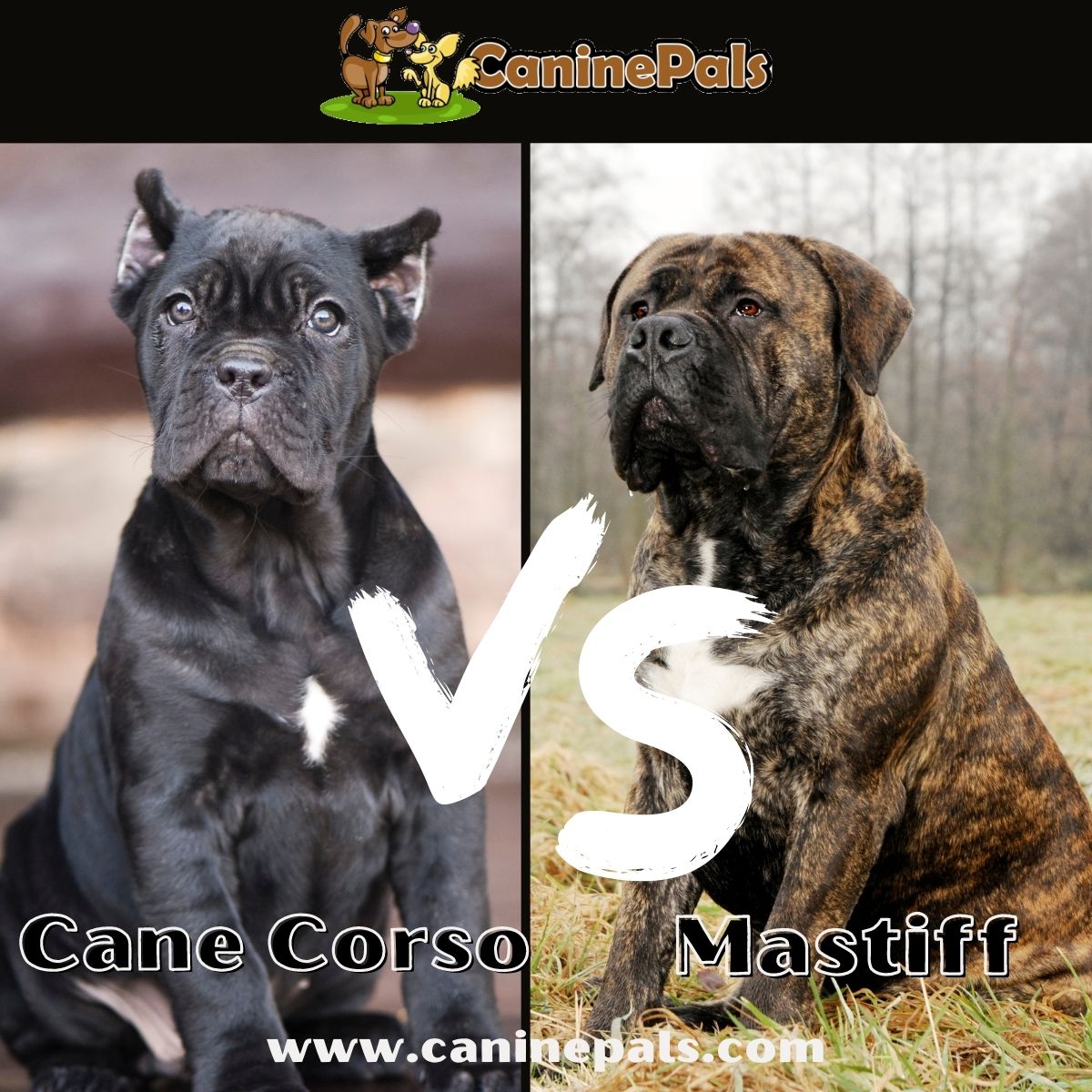
Cane Corso vs Mastiff

Cane Corso vs Mastiff – What Sets Them Apart?

Are you fascinated by massive dog breeds like Corsos and Mastiffs? Let’s do a Cane Corso vs. Mastiff to determine which dog breed can be your future pal.

Are you deciding between the English Mastiff and the Cane Corso as your next family pet or house guardian? The Cane Corso and the Mastiff are both comparable breeds with some distinctions. Both are working dogs as they were bred for the sake of guarding and protection.

Cane Corsos are much more athletic and agile than their Mastiff counterparts. They’re also more independent and headstrong, making them a bit more challenging to train. A Cane Corse is often referred to as an Italian Mastiff because it comes from Mastiff descent.

Therefore, they have many similarities in their physical activities and can be mistaken for the same breed. All in all, both breeds are incredibly loyal and loving and make wonderful family pets.

In this guide, we will go over all of the distinctions and similarities among the breeds and a few fascinating facts about them. But, first, let’s look into Cane Corso vs. Mastiff!

Cane Corso vs Mastiff

Breed History – Cane Corso Vs. Mastiff

Cane Corso

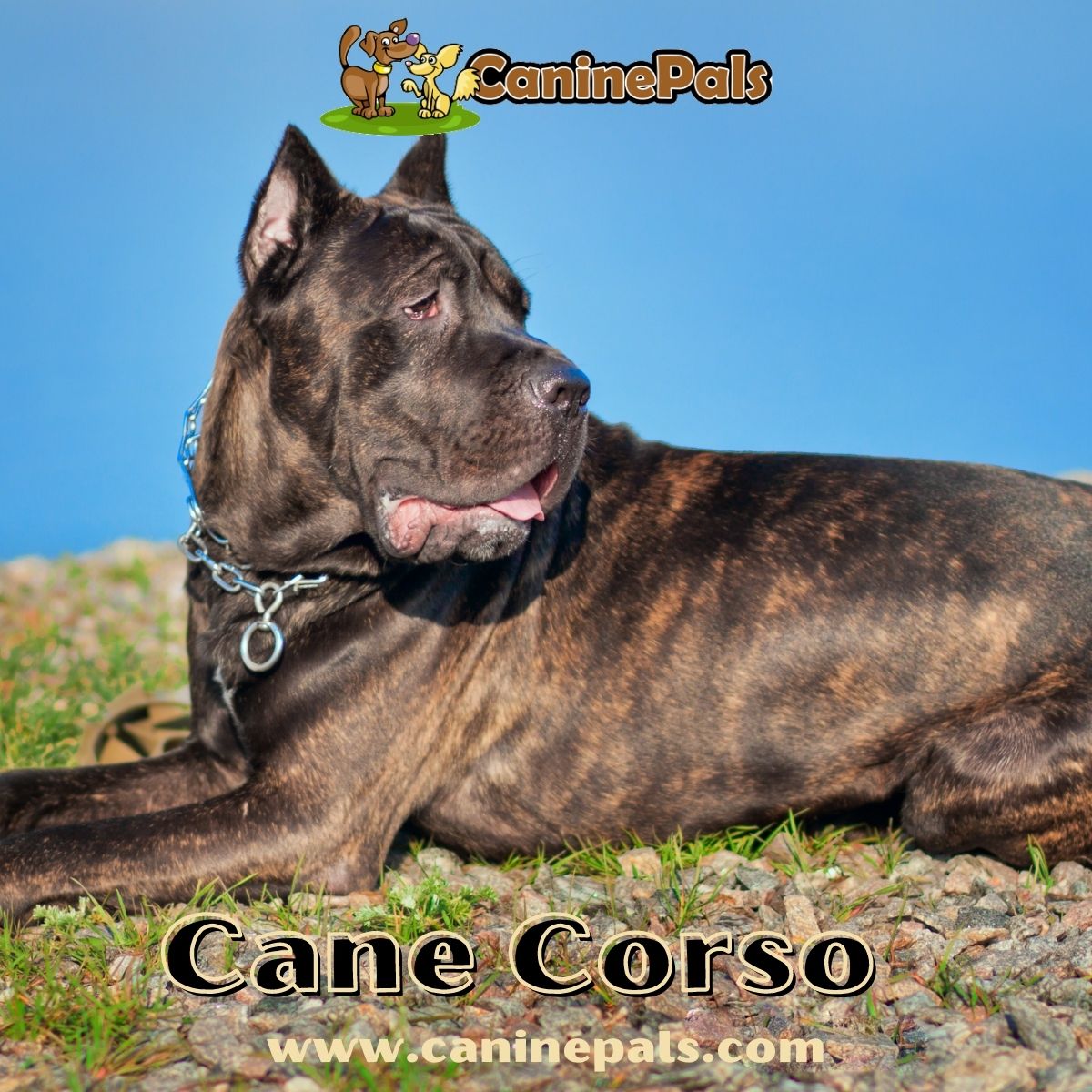
Cane Corsos are descendants of the huge Roman military dogs. They were kept as versatile farm dogs to herd sheep, drive animals, pull carts, and guard the land and family members. Cane Corsos had to hunt the wild bores to make their position permanent in the family.

Cane Corsos went short when the industrial revolution arrived, but some breeders in Italy could successfully save them by employing the Neopolitan Mastiff. The appearance of Corso in America was made in 1988 and immediately gained popularity since it resembled the American Pitbull Terrier.

Mastiff

The sweet and affectionate family pet – the Mastiff, has a history of meeting Romans and the British Isles. The Romans encountered the terrible hounds that guarded the British Isles during their invasion in 55 BC. They were the forefathers of the Mastiffs’. Julius Caesar was very impressed by them, so he transported them back to Rome and pitted them against the gladiators and other violent animals. That encounter shed blood spots, and the breeders came to know that the frightening characteristics of these Mastiffs’ forefathers are suppressed.

So the breed was perfected into the breed we all know today as the English Mastiff.

The English Mastiff is the largest dog breed known to man, referring to the fact that “Zorba” is the world’s biggest Mastiff dog who was weight in at 343 pounds. Mastiffs are often compared with Saint Bernard because of their enormous size.

Temperament – Cane Corso Vs Mastiff

Cane Corso

Cane Corsos are fighters by nature, so they are best suited for experienced dog owners who can stick to the training and exercise schedule. For keeping a Corso, you need to have lots of space at your home. People living in the apartments are not advised to keep a Corso.

A Cane Corso is an entertaining, active, and attention-grabbing dog. You’ll stay busy in training, socializing, and fulfilling the activity requirements of Corso as it’s a working dog that is meant for guarding. They are affectionate towards their family members, but their cordiality is limited to the house members to some extent. They are serious, sensitive, and devoted canines and would not welcome a new person entering the house. They often show hostility against strangers if not trained well.

However, the Corsos stay calm and confident if properly trained for socializing and will not upset other dogs,  outsiders, and other animals, reserving their rage for legitimate threats. Fortunately, their tremendous intelligence makes teaching simple.

Mastiff
Mastiff

Mastiff

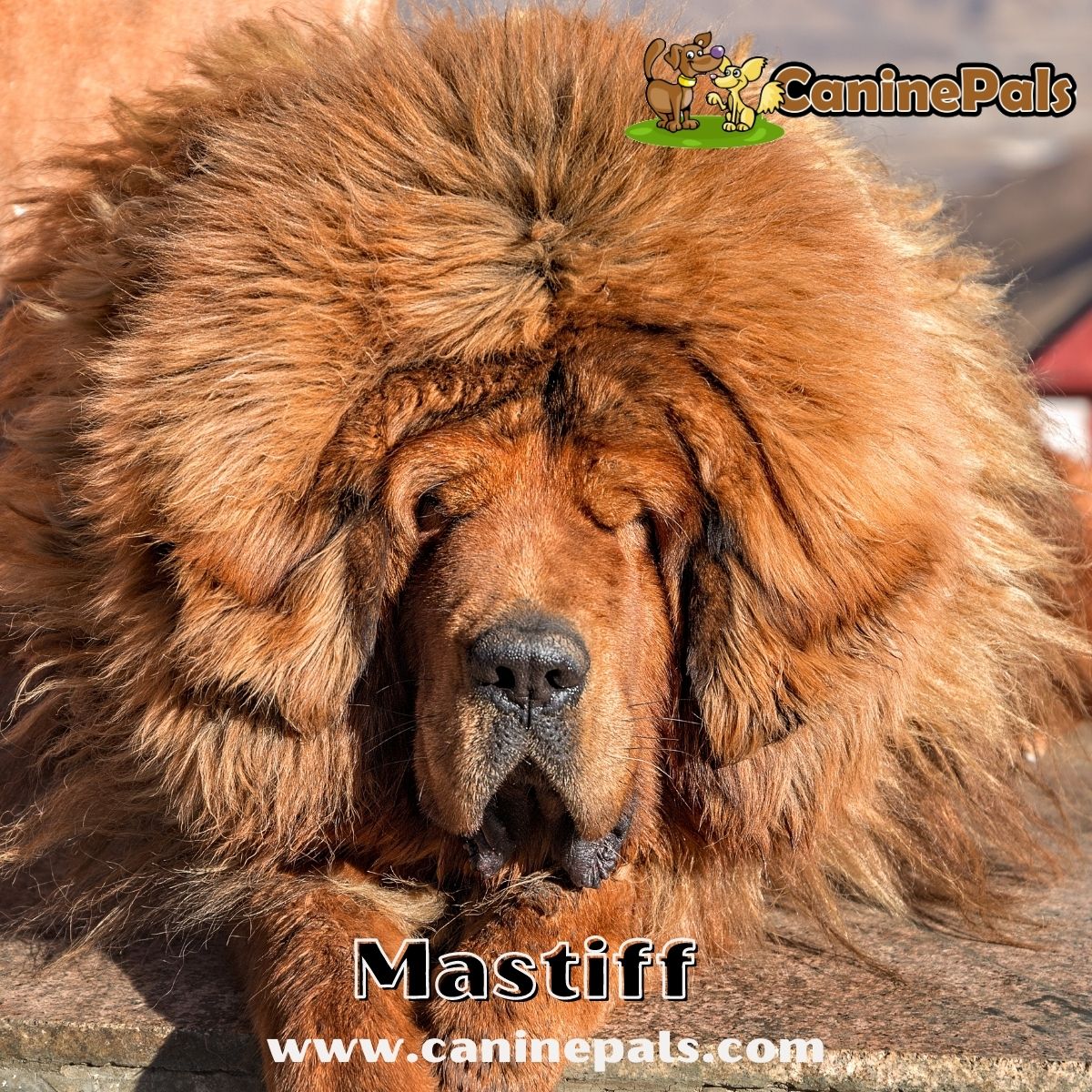
You can consider getting a Mastiff if you are experienced, physically strong, and not afraid of drooling. The temperament of a Mastiff is characterized as extremely loyal, courageous, and dauntless. While its large size and height may deter some prospective canine parents, this breed is super friendly and makes a wonderful family pet.

Fortunately, biting and aggression are not typical in this breed; you can socialize young children with a Mastiff who is early and consistently trained. You can also bring other pets like cats and small dogs home while keeping this giant-sized canine because of its friendly demeanor.

Because of their intrinsic intellect and drive to please their owner, Mastiffs keep a notable competence. A Mastiff may thrive on service as a quick learner, sharing their history with the battle fighters. Moreover, this massive pet is a slow learner and is best paired with low-key pet parents.

Lifespan And Weight

The lifespan of a Cane Corso is 10-12 years, while a mastiff is 6-12 years. While both breeds are large, the Mastiff is larger among both breeds and can weigh up to 110 kgs as an adult. On the other hand, a Corso weighs somewhere between 45-50 kgs only. That being said, a Mastiff can be twice as big as a Corso and has a more muscular build.

Color

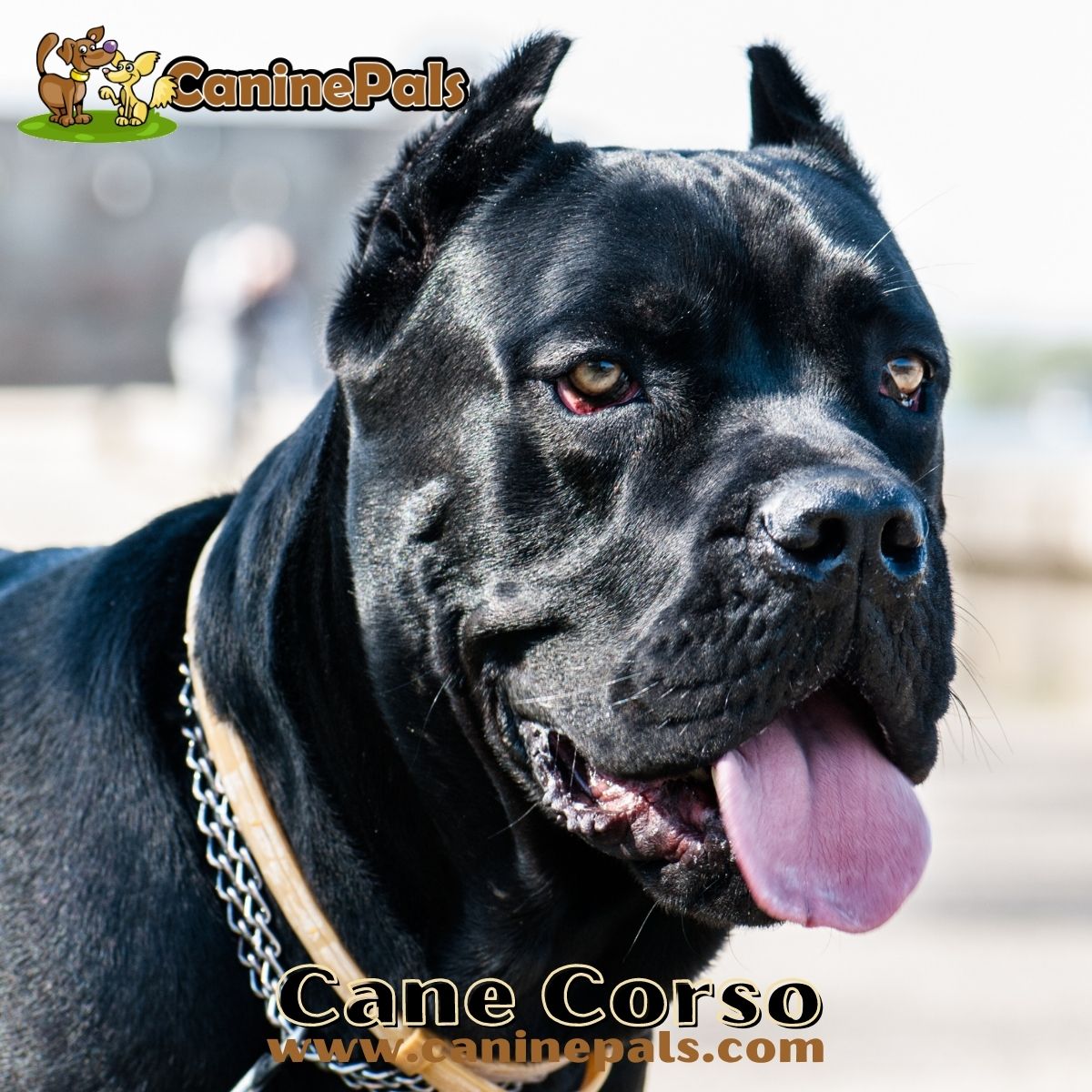
Mastiffs are typically a very solid color, while cane Corsos can be brindled or have more than one color. In addition, the colors of mastiffs can range from fawn to brindle, while the colors of cane Corsos can include black, blue, grey, brown, and red.

Both the dogs can have white markings; mastiffs usually have more white on their chests and toes. Additionally, Cane Corsos often have a “mask” of darker color around their eyes.

Who is More Energetic – Tibetan Mastiff Vs. Cane Corso?

The Tibetan mastiff is a large and powerful dog breed that originates from the mountainous regions of Tibet. They were originally bred as working dogs, and their immense size and strength made them ideal for guarding livestock and property. The cane Corso is a large Italian breed that was also originally bred for working purposes.

These dogs are known for their athletic build and their fearless nature. So, who is more energetic – the Tibetan mastiff or the cane Corso?

There is no definitive answer to this question, as all dogs are individuals with their own unique personalities. However, the cane Corso is likely to be more energetic than the Tibetan mastiff. This is because the cane Corso was initially bred for jobs that required a lot of physical activity, such as hunting and herding.

On the other hand, the Tibetan mastiff was bred more for guarding and protecting. Therefore, they may not have the same high energy levels as the cane Corso.

Who’s Bigger In Size? Cane Corso vs Tibetan Mastiff

When it comes to size, the Mastiff definitely has the Cane Corso beat. While both these breeds are considered large, the Cane Corso can grow to be up to 27 inches at the shoulder, while the Tibetan Mastiff can exceed 35 inches. But don’t let the Mastiff’s size intimidate you – this breed is actually known for being gentle and loving with their family.

Cane Corso
Cane Corso

Health Concerns – Tibetan Mastiff Vs. Cane Corso

Health-wise, both the Cane Corso and the Tibetan Mastiff are generally healthy breeds. However, a few health issues are more common in each breed. For example, the Cane Corso is more likely to suffer from hip dysplasia, while the Tibetan Mastiff is more prone to developing cancer.

Some more health issues cane Corso may suffer from includes:

  • Elbow dysplasia
  • Eye problems
  • Cardiomyopathy
  • Bloat

While a Tibetan Mastiff can suffer from:

  • Zinc Responsive Dermatosis
  • CHD
  • Elbow Dysplasia
  • Hip Dysplasia

Grooming – Tibetan Mastiff Vs. Cane Corso

When it comes to grooming, Cane Corso requires much more work. But the Tibetan Mastiff may be slightly easier to groom than the cane Corso.

Both breeds will need to be brushed regularly, but the Tibetan mastiff’s coat may be less prone to matting and tangling than the cane Corso’s coat. In addition, the Tibetan mastiff sheds moderately, while the Cane Corso sheds heavily.

So if you’re looking for a slightly easier-to-groom breed, the Tibetan mastiff may be better. But either way, you’ll need to be prepared to invest time and effort into regular grooming sessions.

Exercise Needs – Tibetan Mastiff Vs. Cane Corso

The exercise needs of a Mastiff are not very high. However, they do need some form of exercise to stay healthy and maintain their weight. A simple daily walk or run will suffice. Additionally, playing fetch or other forms of interactive playtime are great ways to keep your Mastiff active.

A Cane Corso will need at least an hour of exercise every day, though ideally, they should have closer to two hours. This can be in the form of walks, runs, or playtime in a secure area. Corsos are very strong dogs, so it’s vital that they get plenty of exercise to avoid destructive behavior. If possible, give your Cane Corso access to a yard where they can run and play freely.

Tibetan Mastiff
Tibetan Mastiff

Nutrition – Mastiff Vs Cane Corso

Tibetan Mastiffs are very large dogs, and as such, they require a lot of food. The average adult Tibetan Mastiff will need around 4 to 6 cups of food per day, split into two meals. Therefore, it is crucial to ensure that your Tibetan Mastiff has a high-quality diet designed specifically for large breed dogs. This will help to ensure that your dog stays healthy and doesn’t suffer from any joint or bone problems later in life.

A cane Corso’s diet should consist of high-quality dry dog food, meat, and vegetables. Puppies need more calories than adult dogs and may require two or three meals per day. Avoid feeding your cane Corso table scraps, which can lead to obesity and other health problems. Instead, keep fresh water available at all times. Your vet can help you create a tailored feeding plan for your dog.

Who Is Easier To Train? – Cane Corso Vs Tibetan Mastiff

The Cane Corso is typically easier to train than the Tibetan mastiff. However, both breeds require a lot of patience and consistency from their owners to achieve success.

A Cane Corso is generally more food-motivated than Tibetan mastiffs, which makes their training slightly easier. All you need to do is treat them with food upon successfully going through training each day.

However, both breeds are intelligent and can learn a variety of tricks and commands with proper training.

Ultimately, it is essential to choose a breed that best suits your own personality and lifestyle in order to ensure a successful training experience.

Friendliness – Cane Corso Vs. Tibetan Mastiff

It’s debatable to say which of the two breeds is more loyal and protective of their families because both dogs are well-socialized and blendable.

The Cane Corso is more athletic, while the Mastiff is more laid back. Both breeds require a lot of exercise and must be trained from a young age. However, remember that socialization is essential for both breeds to prevent aggression. So, keep them indulged in playful activities.

Coat Differences – Mastiff Vs. Cane Corso

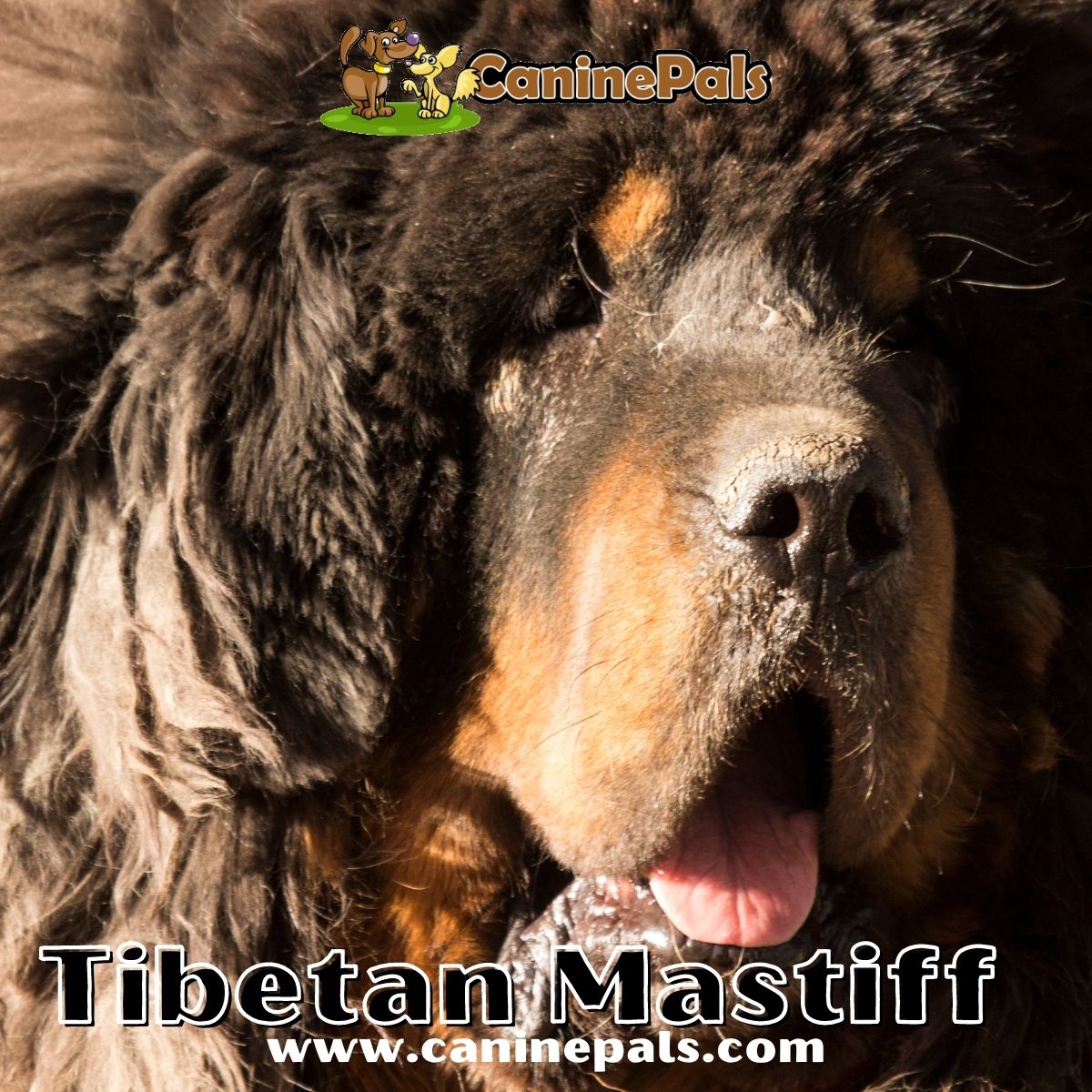
Tibetan Mastiff has a thick coat that is double layered. The outer layer is coarse, and the undercoat is dense. They do not have an undercoat. In contrast, Cane Corsos have a short, stiff coat that is easy to groom.

Shedding Differences – Cane Corso vs. Mastiff

Since mastiffs have a denser double undercoat, and a straight, long outer coat, they shed seasonally but heavily. Cane Corsos on the other hand, have a single-layer coat that is short, stiff, and dense. As a result, they are not heavy shedders, but they do lose some hair throughout the year.

What is a Tibetan Mastiff Cane Corso Mix?

A Tibetan Mastiff cane Corso mix is a cross between a Tibetan mastiff and an Italian Corso dog. These dogs are large, powerful, and loyal, making them great protectors. They require plenty of exercise and socialization, but they can make wonderful family pets.

Who’s Better – Cane Corso Or a Mastiff?

There is no clear consensus when it comes to who is the better breed between a cane Corso and a mastiff. Some people may prefer the cane Corso for its loyalty and protective nature, while others might lean more towards the mastiff for its dauntless and courageous personality.

Ultimately, the decision of which breed is better for you depends on what you are looking for in a dog and which traits you value most.

Cane Corso
Cane Corso

Conclusion

So these were the tidbits on the comparison between Mastiff Vs. Cane Corso, which we are sure will help you decide your well-matched family pet. The English Mastiff is edgy in size and serves well as a guard dog. Similarly, the Cane Corso also takes its duty very seriously when it comes to guarding.

If you’re a first-time dog owner, you are advised to start with a small and friendly dog before switching to a Cane Corso or a Mastiff. This is because they require training and care to behave as great human companions. Hence, once you get the experience of grooming and training dogs, you can be a happy Mastiff or Cane Corso owner. 

Copyright CaninePals.Com. All Rights Reserved. 
 

Cane Corso vs Mastiff – What Sets Them Apart?

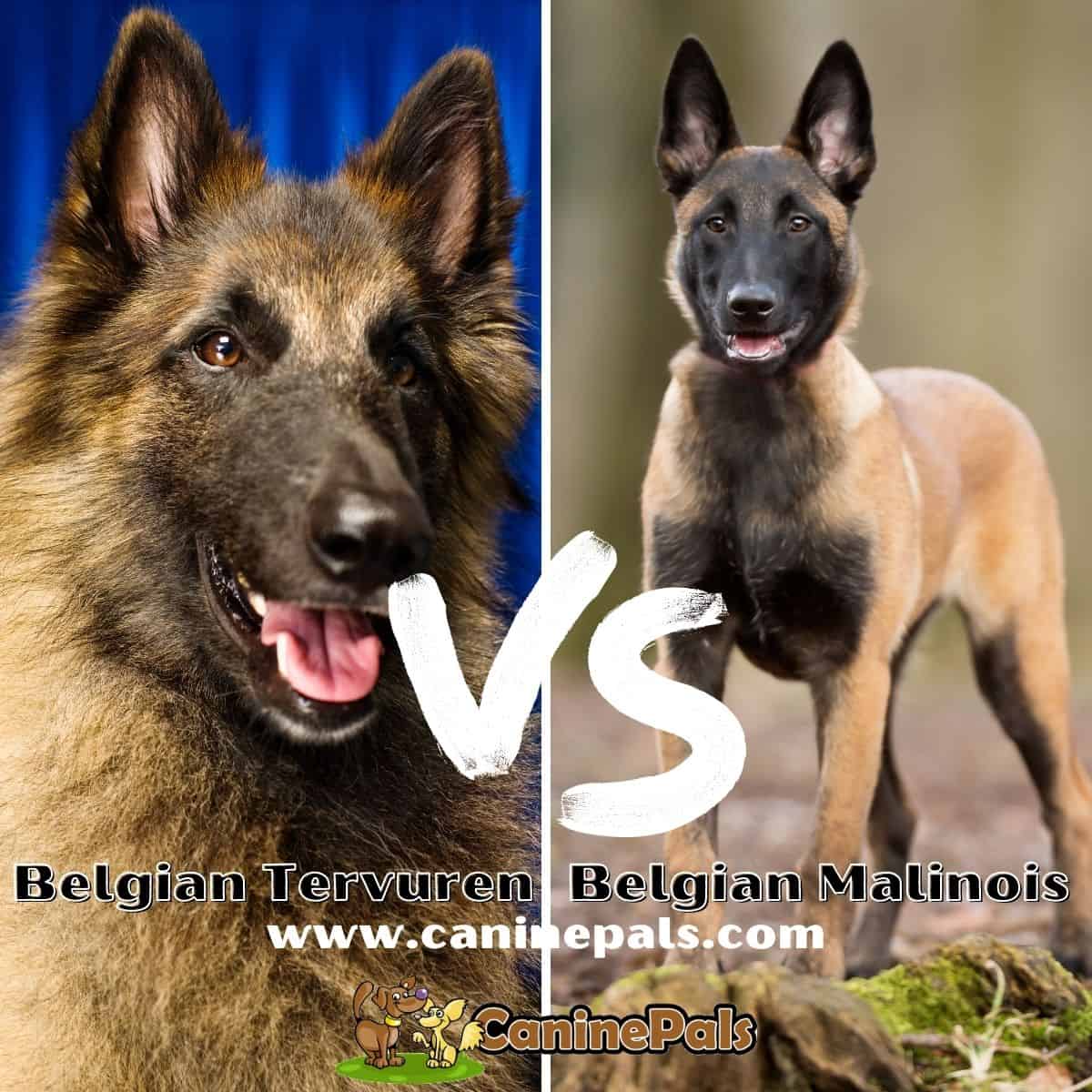
Belgian Tervuren vs Belgian Malinois

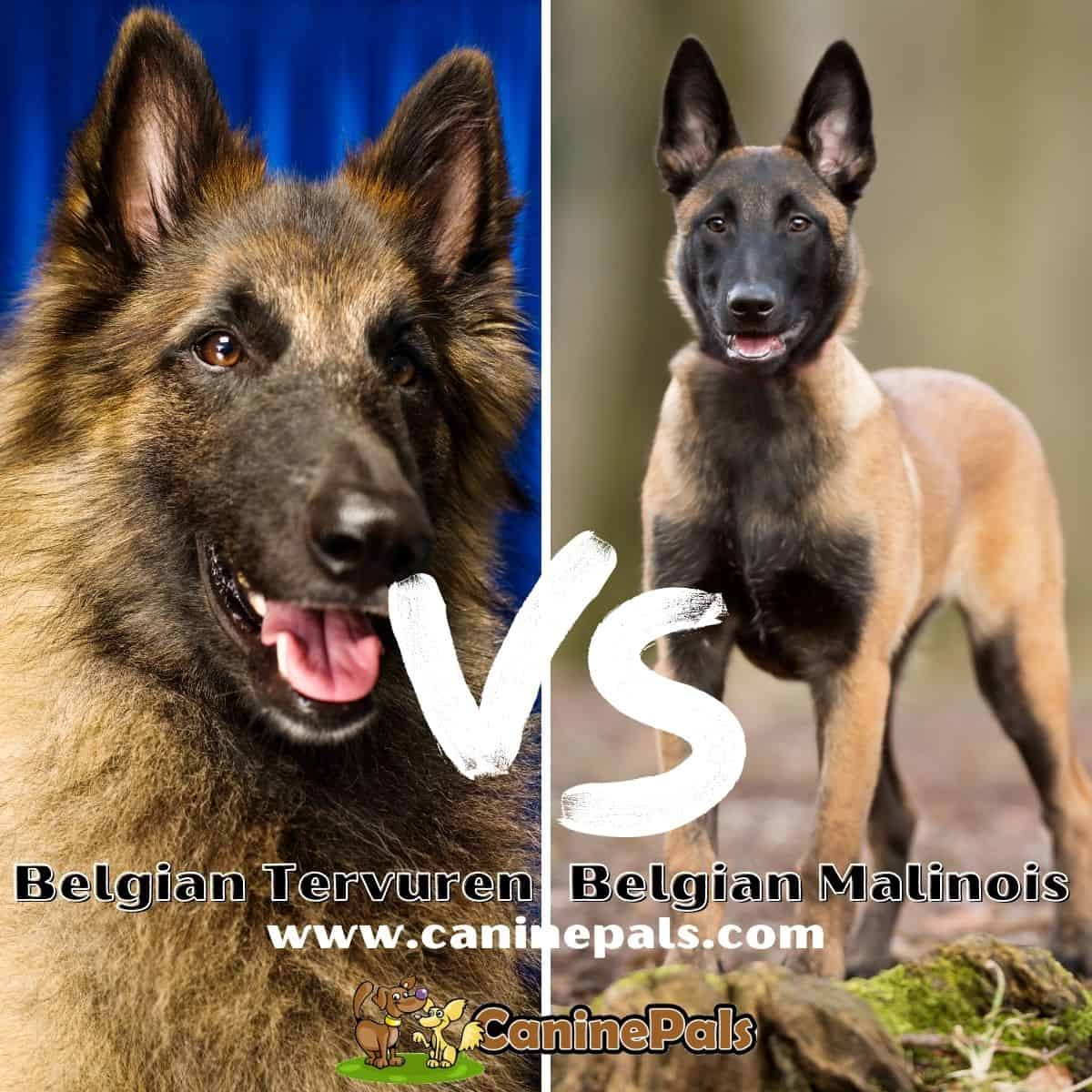
Belgian Tervuren vs Malinois: Key Differences and Similarities

The Belgian Tervuren and the Belgian Malinois are two prevalent breeds of dogs. Both breeds are known for their loyalty, intelligence, and trainability. While they may look similar at first glance, there are some significant differences between these breeds. In this article, we’ll take a closer look at the Belgian Tervuren vs Belgian Malinois, highlighting the key differences and similarities between these two popular breeds.

The Belgian Tervuren and Belgian Malinois are two of the most popular dog breeds in Belgium. Both breeds are known for their loyalty, intelligence, and protective nature. So, which breed is right for you? Read on to learn more about them.

Belgian Shepherd Dogs And Their Varieties

The Belgian Shepherd is a versatile herding dog that excels in many different roles. There are four recognized varieties of the breed: the Tervuren, Malinois, Groenendael, and Laekenois. All four varieties are similar in many ways, but there are also some key differences between them.

Since the Tervuren and Malinois are the more popular breeds among the four, this article will be focusing on Belgian Tervuren Vs Belgian Malinois.

Belgian Tervuren vs Belgian Malinois
Belgian Shepherd Dogs: Belgian Tervuren vs Belgian Malinois

The Belgian Tervuren

The Tervuren is the most popular of the four Belgian shepherd dogs varieties and is known for being an intelligent and versatile dog. It is often used in police and military work and in agility, obedience, and tracking trials.

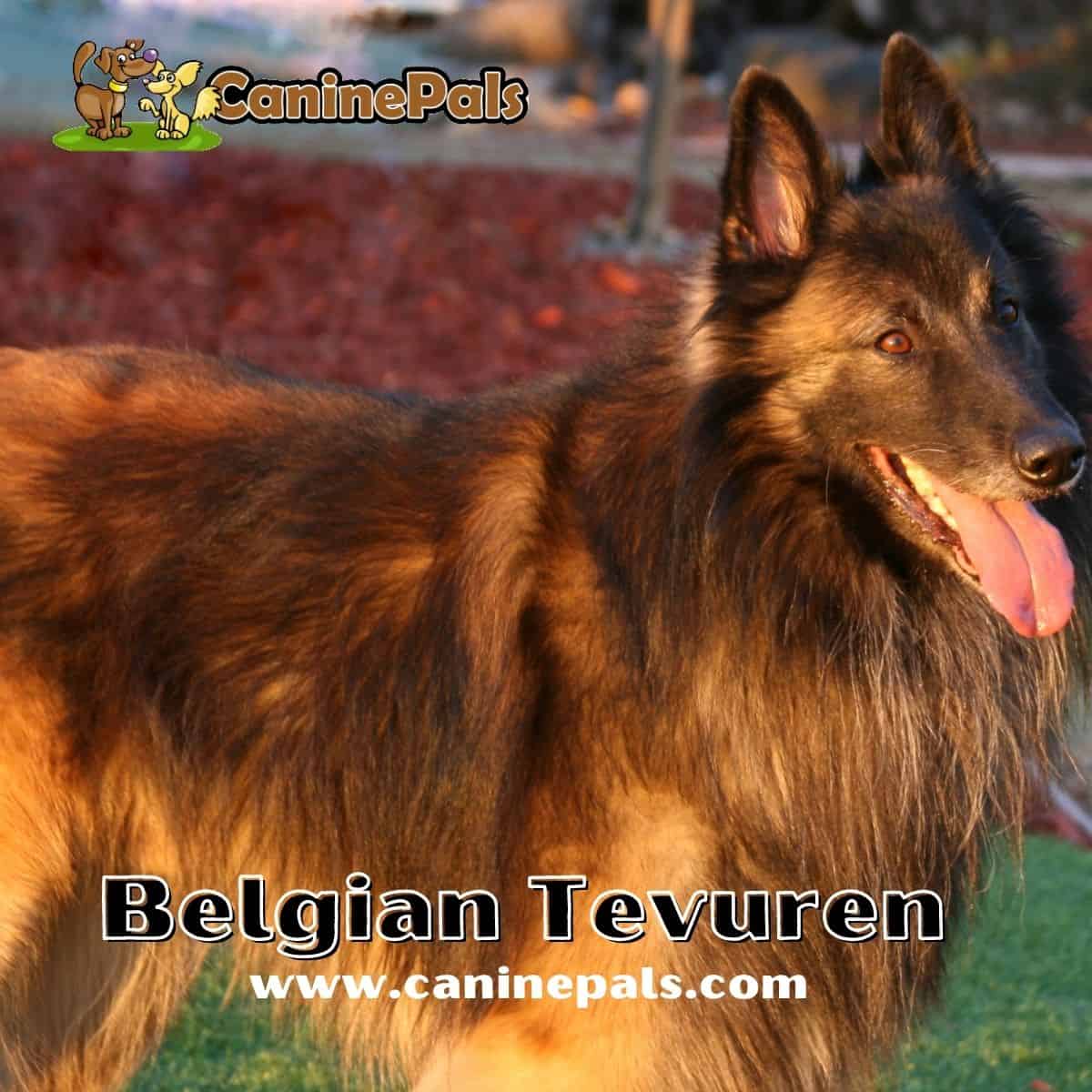
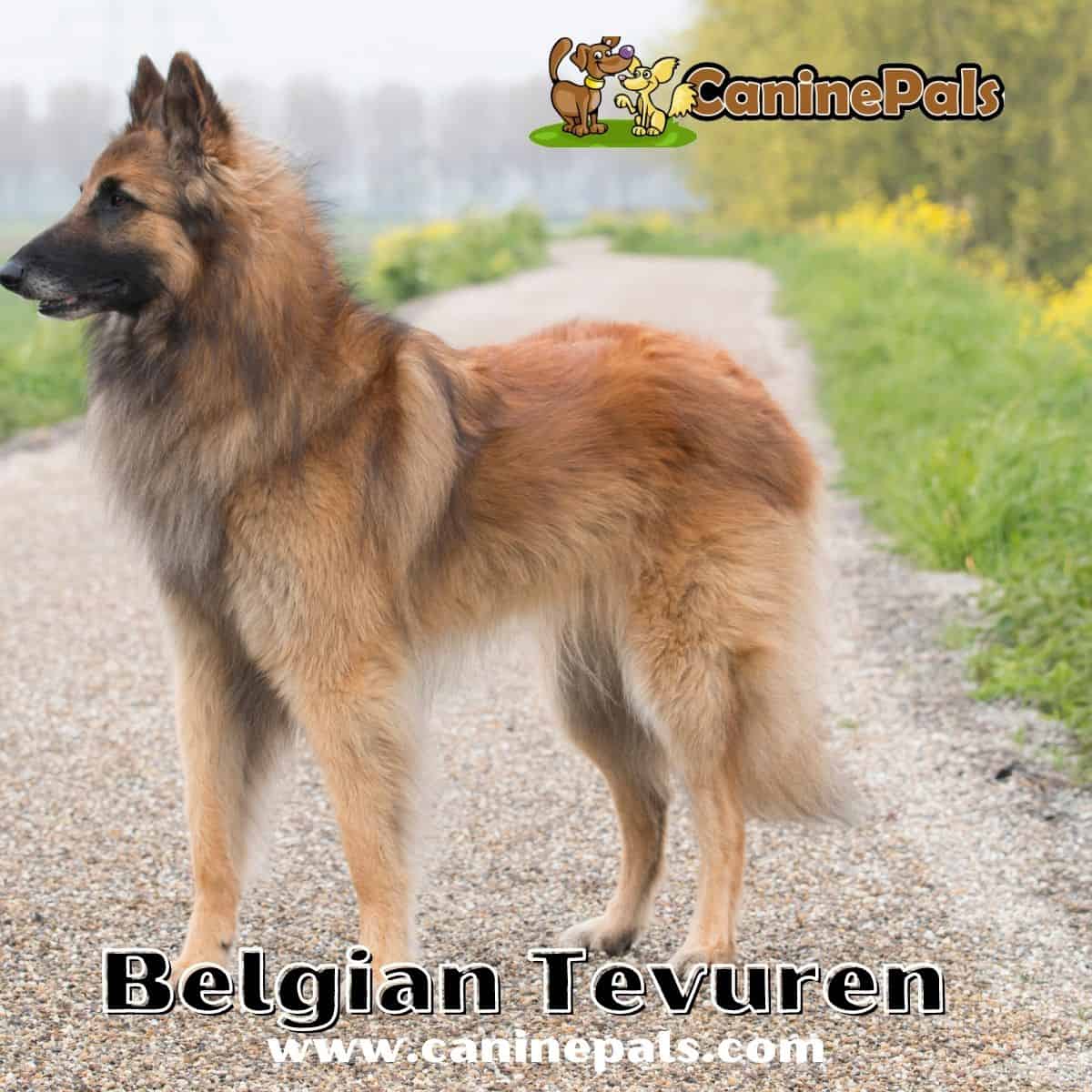
They’re muscular with longer necks and have square-shaped heads with erect ears. Their double-layered coat makes them look more prominent with a dense outer coat and a softer undercoat.

Tervuren comes in various colors, including black, fawn, mahogany, and brindle. The breed is intelligent, alert, and responsive to training.

The Belgian Tervuren is a large-sized dog, with males standing at 26 inches tall and females at 24 inches tall and weighing between 60-75 pounds. It has a thick double coat that is black with mahogany highlights. Being an active dog, Tervuren requires plenty of exercise and stimulation. If you are looking for a loyal and intelligent companion, Tervuren is the perfect dog.

The Belgian Malinois

Let’s talk about the other popular Belgian Shepherd now – The Malinois. They are larger than the Tervuren and are very active and energetic. They are also very intelligent but slightly difficult to train. The Malinois is often used as a working dog in police and military work, as well as search and rescue, herding, and obedience.

The breed standard lists the ideal height for a Belgian Malinois as 24-26 inches (61-66 cm) for males and 22-24 inches (56-61 cm) for females. In addition, males typically weigh between 65 and 75 pounds, while females usually weigh between 60 and 70 pounds.

Despite their many positive qualities, Belgian Malinois can also be quite stubborn and headstrong, so they require owners who are willing to put in the time and effort to train them properly.

History

The Belgian Tervuren

The Belgian Tervuren is a relatively new breed, having only been developed in the late 1800s. They were named after a village called Tervuren.

Belgian Tervuren dogs were originally bred as working dogs on farms and villages, but they quickly became popular as companion dogs and family pets. Today, Belgian Tervuren are still used as working dogs in many different capacities, but they are also widely loved as family pets.

The Belgian Malinois

The Belgian Malinois is a herding dog that originated in Belgium. The breed was originally used for guarding sheep and cattle. In recent years, the Belgian Malinois has become popular as a working dog in law enforcement and the military.

The Belgian Malinois is a relatively new breed in the United States. The first recorded Belgian Malinois in the United States was imported in 1911. This breed gained popularity in the 1960s when Belgian Malinois was used in movies and television shows.

Interestingly, the dog who played a vital role during Osama Bin Laden’s capture was a Belgian Malinois named Cairo.

Belgian Tervuren
Belgian Tervuren

Belgian Tervuren Vs Belgian Malinois – The Differences

Tervuren is one of two types of Belgian shepherds, the other being the Malinois. Both breeds are similar in many ways, but there are some key differences between them. Let’s get to know the two Belgian Shepherd varieties in detail.

Belgian Tervuren Vs Belgian Malinois – Color

The Belgian Malinois is a dog of many colors, while the Belgian Tervuren can be any shade of fawn to mahogany, with a black mask and black tips on the hair. The coat of a Malinois is short, straight, and harsh, while the Tervuren’s coat is long, dense, and slightly wavy with a thick undercoat.

When it comes to grooming, Malinois requires less maintenance compared to the Tervuren.

Belgian Tervuren Vs Belgian Malinois – Temperament

The Belgian Tervuren is a highly intelligent dog that is very easy to train. They are also very loyal and protective of their family.

In contrast, the Belgian Malinois is also a highly intelligent dog, but they can be more challenging to train. Since they are very active and energetic, you need to have a very active lifestyle to get them accustomed.

If you are looking for a dog that is easy to train and loyal, the Belgian Tervuren is a great choice.

However, if you want a dog that is active and energetic, the Belgian Malinois may be a better choice. Whichever breed you choose, make sure to do your research to know what you’re getting into.

Belgian Tervuren Vs Belgian Malinois – Grooming

The Malinois has a shorter coat than the Tervuren and is easy to groom. The Tervuren’s coat is longer and requires more brushing. Both breeds need to be trimmed around the feet and anus to prevent matting.

Speaking of shedding, the Malinois is an average shedder while the Tervuren sheds moderately. Neither breed is considered hypoallergenic.

The Malinois is an active Belgian shepherd breed that needs a lot of exercise. The Tervuren is also active, but not to the same extent as the Malinois. Both breeds are intelligent and easy to train. However, the Malinois is better suited for protection work, while the Tervuren excels at herding.

Belgian Tervuren
Belgian Tervuren

Belgian Tervuren Vs Belgian Malinois – Appearance

The Belgian Malinois is a large-sized Belgian shepherd dog that is very similar in appearance to the German Shepherd. The main difference between the two breeds is that the Belgian Malinois has a shorter coat and a more square-shaped head.

The Belgian Tervuren is also a large breed of dog originally bred in Belgium. The most notable difference between the Tervuren and the Malinois is that the Tervuren has a long, thick coat that can be either black or brown.

Both of these breeds are intelligent and loyal. Still, the Belgian Tervuren is more often used as a companion dog and is better suited for families with children since it is easier to train compared to the Malinois.

Belgian Tervuren Vs Belgian Malinois – Lifespan

Tervuren tends to live around 12 years, while Malinois has a lifespan of around 14 years. However, health, environment, and nutrition factors play a vital role in determining their lifespans.

Belgian Tervuren Vs Belgian Malinois – Health

Both of these breeds are generally healthy dogs when it comes to health. However, the Tervuren Belgian sheepdog is more prone to hip dysplasia than the Malinois. Furthermore, they can suffer from elbow dysplasia as well.

Both Belgian sheepdog dog breeds are also susceptible to eye problems such as progressive retinal atrophy and cataracts.

Overall, the Tervuren is a slightly healthier breed than the Malinois, but both breeds can live long and healthy lives with proper care.

Belgian Tervuren Vs Belgian Malinois – Which Breed Adapts More Easily?

The Tervuren is more versatile and can do well in various settings, including urban and rural areas. They are also generally more easygoing than the Malinois and can be better suited for families with children.

On the other hand, Malinois are a bit stubborn and aggressive. Getting him accustomed to an apartment or a small home can be challenging since it requires a bigger space to roam around and exercise.

All in all, both breeds require plenty of exercise and stimulation to stay happy and healthy.

Belgian Malinois
Belgian Malinois

Belgian Tervuren Vs Belgian Malinois – Who Is More Prone To Separation Anxiety?

Belgian Tervuren is more prone to separation anxiety than Belgian Malinois. This may be because the Belgian Tervuren are bred as working dogs and have a strong need for companionship and purpose.

Belgian Malinois, on the other hand, are bred as guard dogs and may be less likely to experience separation anxiety because they are more independent. Ultimately, it is up to the owner to provide structure and training to help their dog cope with separation anxiety.

Diet

Belgian Tervuren

The Belgian Tervuren is a very active dog breed that needs a lot of exercise. They are also very intelligent and need to be given tasks to keep them mentally stimulated. For these reasons, it is crucial to choose a diet that will give them the energy they need without being too high in calories.

There are a few things to consider when choosing a diet for your Belgian Tervuren. The first is the ratio of proteins, fats, and carbohydrates. Belgian Tervurens need a higher protein diet than most other dogs because they are very active. They also need a higher fat diet to keep their coat healthy.

The second thing to consider is the type of food. Belgian Tervurens do best on a diet of dry kibble or canned food. They can also eat raw meat, but it is vital to ensure that the meat is lean and free of any bones.

The third thing to consider is the amount of food. Belgian Tervurens need more food than most other dogs because of their high activity level. Therefore, it is essential to ensure that they get enough food, but not too much.

If you keep these things in mind, you will be able to choose a diet that is perfect for your Belgian Tervuren. Choose a food with the proper proteins, fats, and carbohydrates ratio.

Belgian Malinois

The Belgian Malinois is a high-energy dog breed that requires a lot of exercise. Therefore, a diet for Belgian Malinois should be designed to meet their high energy needs. The dietary need of Malinois is quite similar to Tervuren – protein, fats, and a carb-rich diet.

When choosing food for your Belgian Malinois, look for a formula that is high in protein and fat. This will help to keep them lean and muscular. Belgian Malinois are also prone to allergies, so make sure the food you choose is free of common allergens.

Similarities Between Belgian Tervuren and Belgian Malinois

Some of the similarities between Belgian Tervuren and Belgian Malinois include their need for physical activity, their intelligence, and their pride. Both breeds also require a lot of space to live in and do best when part of a family or group.

The food requirement of both breeds is almost the same. You need to divide their diet among protein, carbs, and fat-containing foods.

Lastly, both Tervuren and Malinois are affectionate and protective of those they love. While there are many similarities between these two breeds, there are also some essential differences that potential owners should be aware of.

Belgian Malinois
Belgian Malinois

FAQS

1. Belgian Tervuren Vs Belgian shepherd: Which is the better fit for you?

There are a few key things to consider when choosing between these two breeds. First, think about your lifestyle and whether or not you’ll have enough time to commit to regular grooming sessions. These breeds require significant amounts of brushing and combing, so if you’re not up for that, you may want to choose a different breed.

Secondly, consider your living situation. If you live in an apartment or other small space, a Belgian Tervuren may not be the best fit as they require a lot of exercise and space to run around. However, they would likely be very happy if you have a large backyard or access to a park or other open area.

On the other hand, Belgian Shepherds are a bit more versatile and can do well in both small and large spaces. So, take some time to consider your lifestyle and living situation before deciding.

2. What is the German shepherd Belgian Tervuren mix?

The German Shepherd Belgian Tervuren mix is a cross between the German Shepherd and the Belgian Tervuren. These two breeds are both known for their loyalty, intelligence, and working ability, so it’s no surprise that their offspring would inherit these qualities. This mix is an excellent choice for families looking for a protective yet loving companion.

3. What are the differences And Similarities between a German shepherd and a Belgian Tervuren?

When choosing a German Shepherd or a Belgian Tervuren, there are a few key things to keep in mind. Both breeds are intelligent, loyal, and protective, but they have distinct differences.

Differences – German Shepherd Vs Belgian Tervuren?

The most apparent difference between these two breeds is their size. German Shepherds are significantly larger than Belgian Tervurens, weighing in at an average of 75-95 pounds compared to the Tervuren’s 60-75 pound range. But size isn’t the only difference. German Shepherds are also known for their black and brown coats, while the Tervuren’s coat is a striking shade of mahogany.

Similarities – German Shepherd Vs Belgian Tervuren?

Despite their differences, these two breeds do have some things in common. Both are intelligent, loyal, and protective of their families. They are also versatile breeds that excel in various activities, from obedience and agility to herding and tracking.

If you’re still undecided about which breed is right for you, the best way to make a decision is to meet both breeds in person. Seeing them side-by-side will help you better understand which one is the perfect fit for your family.

Final Words on Belgian Shepherd Dog Breeds: Belgian Tervuren vs Malinois

The final verdict is that Belgian Tervuren is the better breed as they’re more pet friendly.

Furthermore, they are smarter, more trainable, and have a higher success rate when bonding with a family.

Belgian Malinois are also great dogs, but they tend to be more aggressive and less easy to train. And, they require a large space to live and roam freely. So, if you have a small apartment, then a malinois will have a hard time adjusting.

If you’re looking for a loyal, intelligent, friendly, and hardworking dog, then the Belgian Tervuren is your breed.

Copyright CaninePals.Com. All Rights Reserved.
References and Further Reading:

[1] American Kennel Club, Belgian Malinois Information.

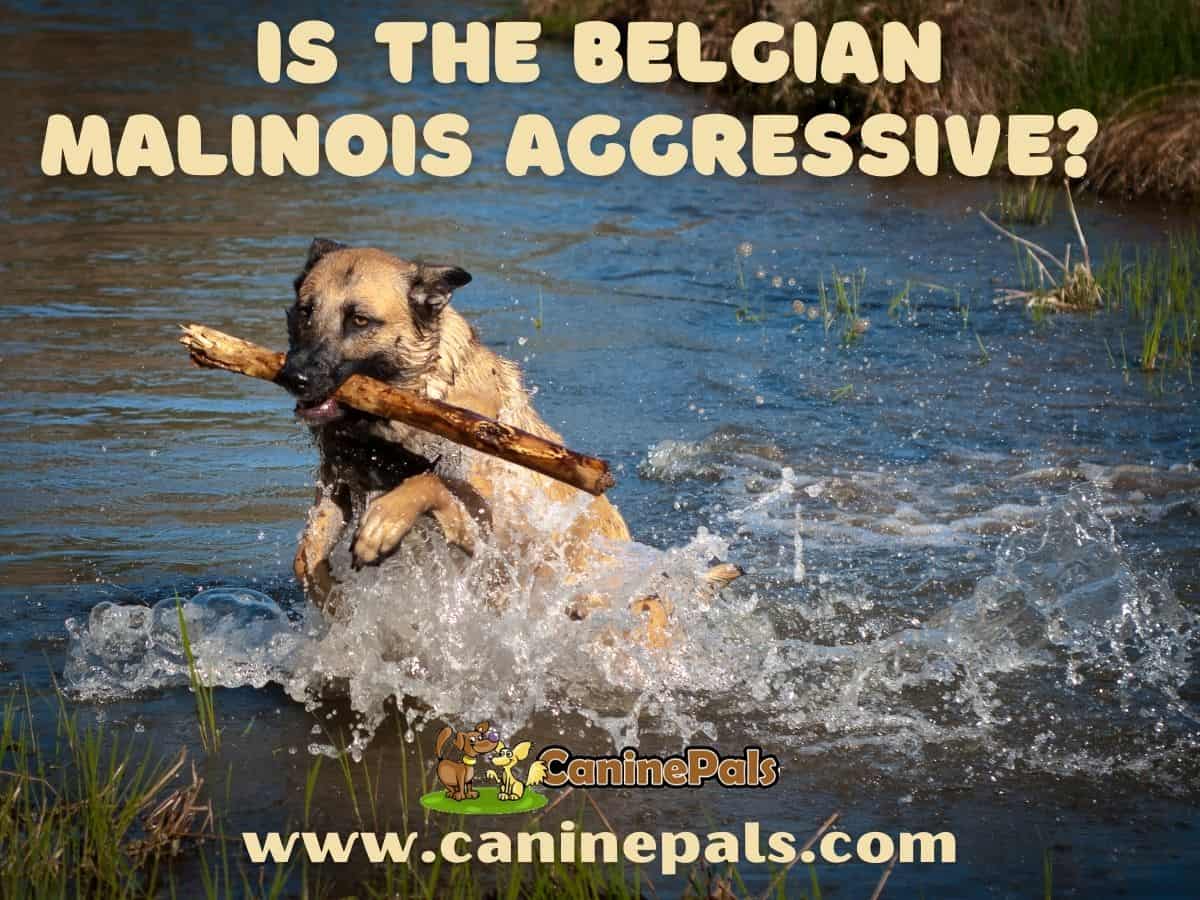
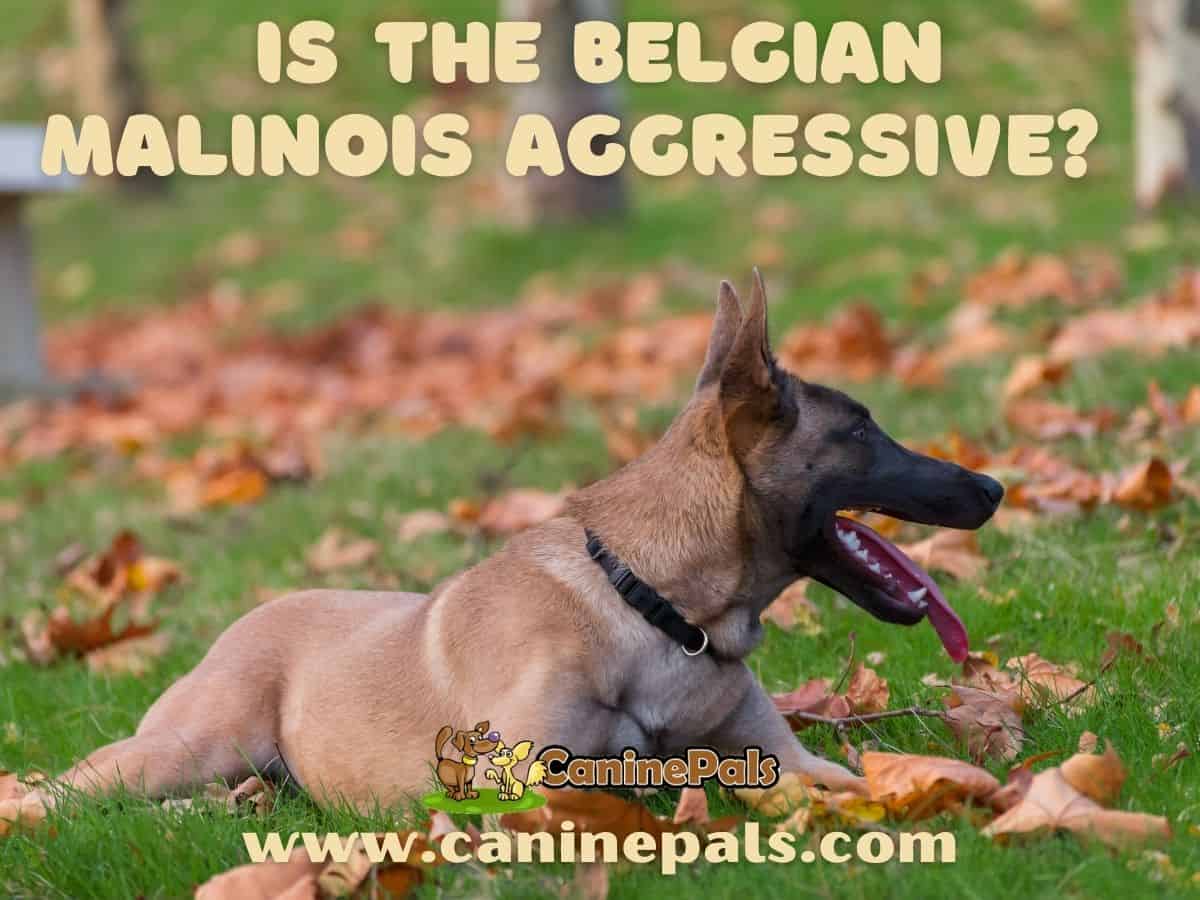
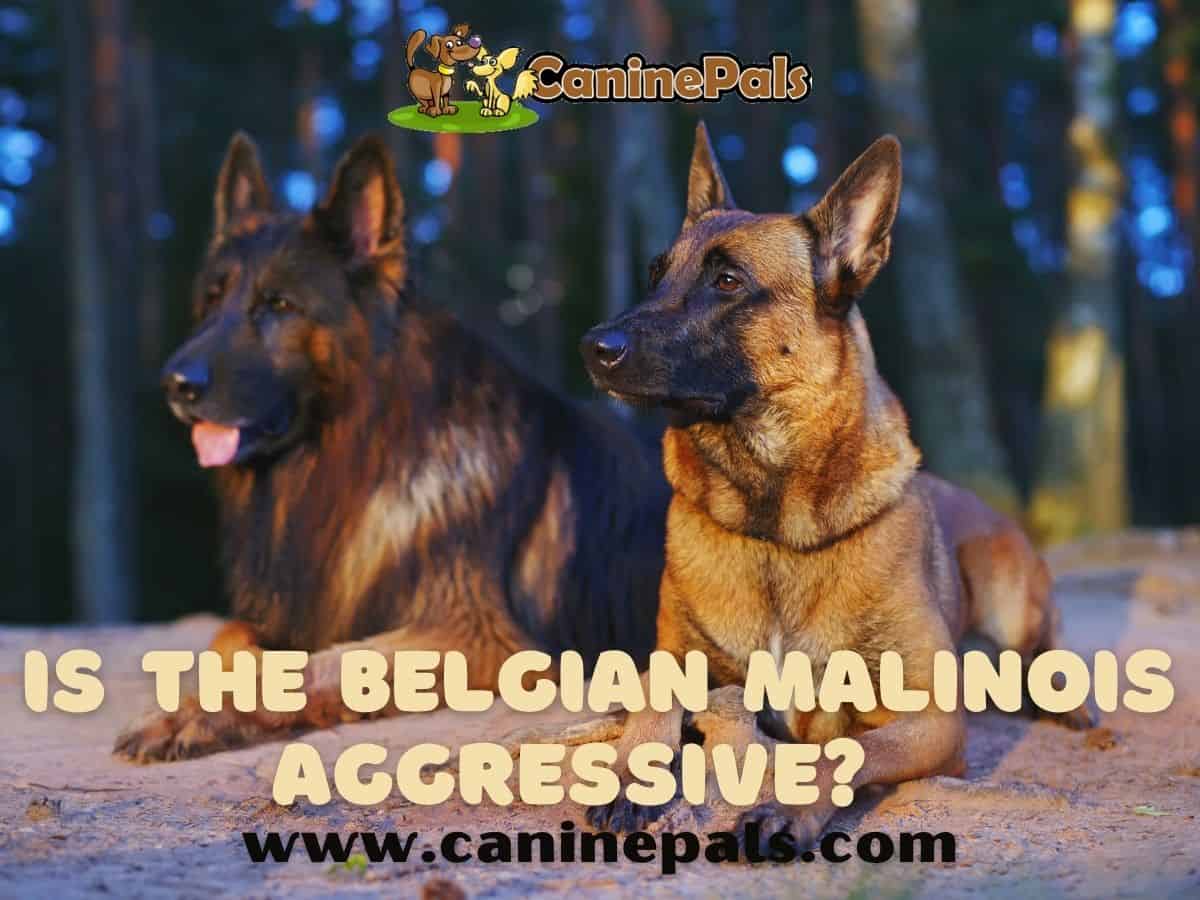
Is The Belgian Malinois Aggressive?

Is The Belgian Malinois Aggressive? Find Out The Facts

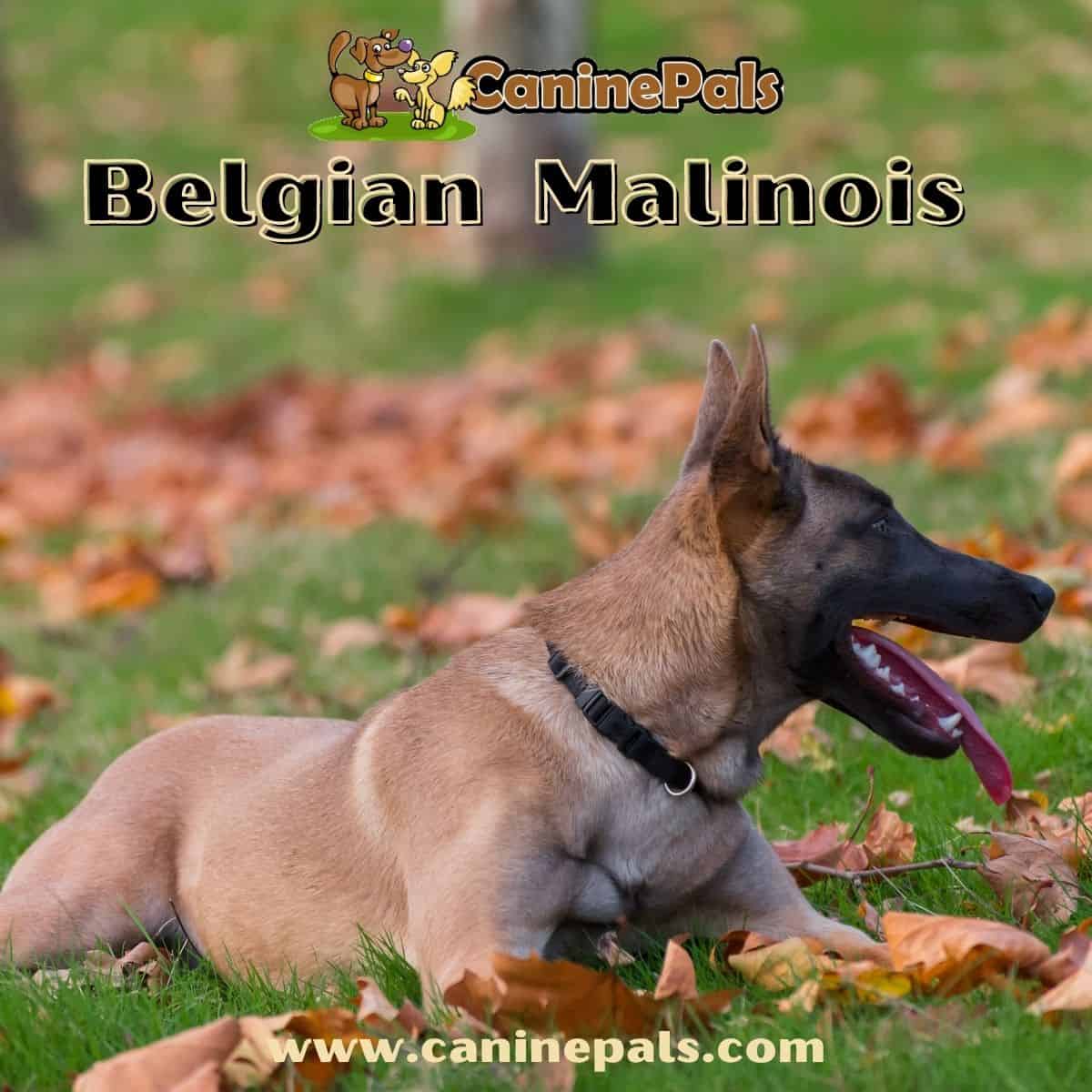
Is the Belgian Malinois dog aggressive or not? From their build to their needs, here’s a complete guide you need to see and learn about Belgian Malinois behavior and possible Malinois puppy aggression before buying one as a pet or a working companion.

When you are buying a dog, one of the most asked questions is regarding their aggression. People tend to avoid buying particularly aggressive dogs. So if you are planning to have this breed in your life, then you should know whether the is Belgian Malinois aggressive or not?

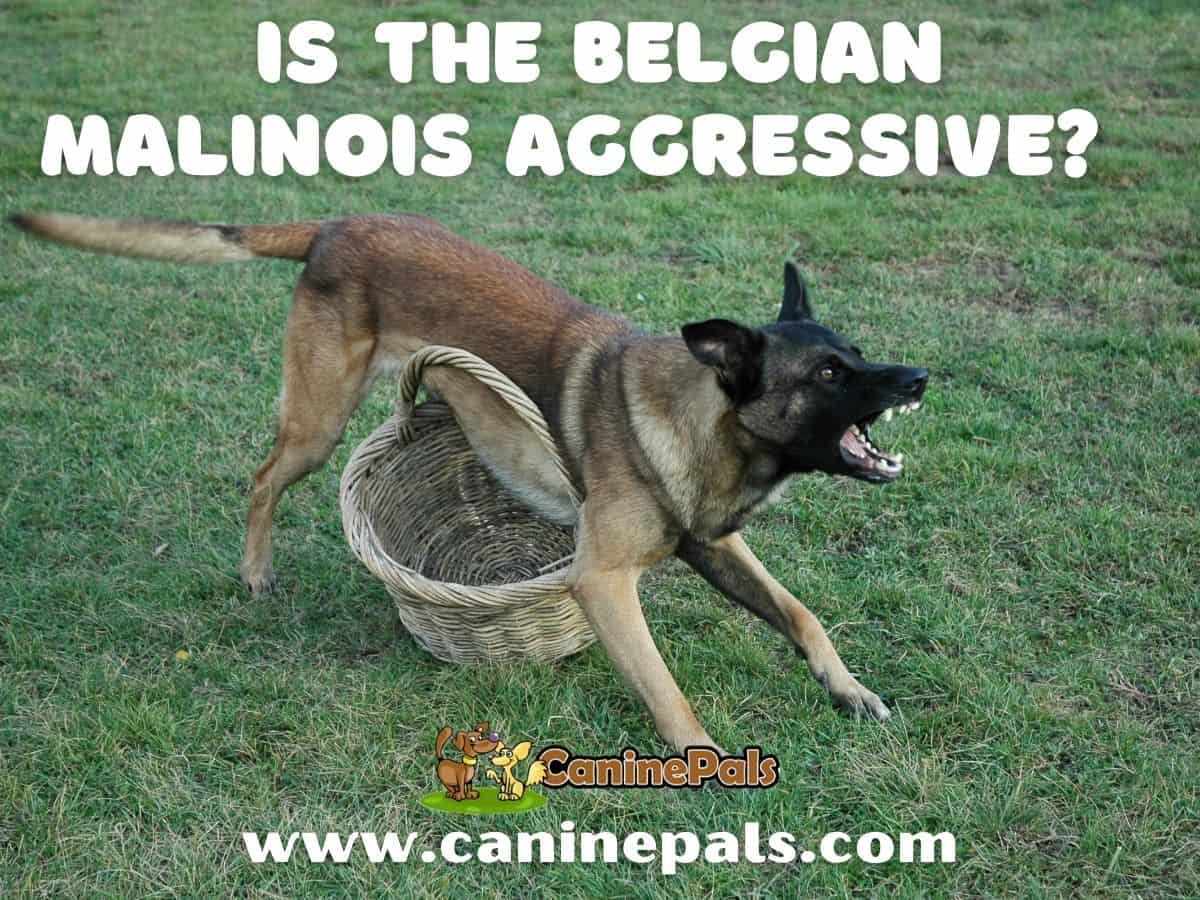
As initially bred as herding dogs, these Belgian Malinois dogs were meant to chase and defend their owner and their places; you would still find these aggressive traits in a Belgian Malinois. This breed doesn’t socialize much and needs the training to fix that they might growl and snap in fear or aggression when they see a stranger as they don’t like confronting unfamiliar faces.

Even with other dogs, they don’t get along instantly; you would have to take them to play dates a couple of times a week to make them welcome with other breeds.

Is The Belgian Malinois Aggressive?

Belgian Malinois Breed History

This German Shepherd-type looking dog is also known as the Belgian Shepherd Dog or Belgian Sheepdog. Just like its name Malinois originated from the Malines region in Belgium. Belgian herding dogs come in four different varieties, including Groenendael, Tervuren, Laekenois, and Belgian Malinois as one of them. Belgian Malinois earned fame as a separate breed in 1959.

The Belgian herding dog or Belgian Shepherd Dog breed dates back to the 18th century, 1891, to be exact. The breed was becoming obsolete at the end of the 19th century and was on the verge of getting extinct when Professor Adolphe Reul formed a club called Club de Chien Berger Belge to save this type of breed. Along with his team, Professor Adolphe worked extensively to preserve this breed by standardizing them into distinct ranges.

Belgian Malinois gained massive popularity when they accompanied the Belgian Army in World war 1 to find wounded soldiers who went missing during the warfare. Belgian Malinois are pretty famous among Army Personnel for assisting them during wartimes and capturing criminals during the attack. They are used by security forces of various countries as detection dogs or assistant dogs in departments like customs, police forces, military, and border guards.

Belgian Malinois is the dog who got wounded while chasing the ISIS leader when he exploded himself with a suicide bomb. This Malinois named Cannon was honored as a national hero for his bravery, and it gave a boost to the demand for this breed.

Belgian Malinois Behavior

They are high-energy, intelligent, and very active dogs. The Belgian Malinois dog is usually intelligent, has an athletic build, and is a very muscular dog breed. They can be great pets since they are very watchful, alert, and protective.

This dog breed is extremely energetic, and they are not given enough time to exercise and play. They might develop habits like separation anxiety, excessive barking, and chewing due to boredom.
Belgian Malinois were initially bred as herding dogs.

Their trainability and persistence made these dogs one of the finest to assist as police and military dogs. They tend to learn new skills very quickly; they are very eager to respond to their masters, which makes them suitable for rescue operations, bomb detection, and drug-sniffing.

Belgian Malinois Aggression

This breed is famous for its strong prey drive, making them aggressive and dangerous for other dogs, other pets, and young kids at home. They get really aggressive when they are not exercised which makes them not much suitable for a home environment where the owner works for long hours.

Is The Belgian Malinois Dangerous?

They are extremely playful and can’t do well in boredom. All these things play a key role in making a Belgian Malinois aggressive. Belgian Malinois aggression is something that makes it difficult to live with other animals, especially with non-canine animals. They should be kept separated by a fence from other animals to avoid any mishap. However, they can do well in the home as pets if trained properly.

Malinois Puppy Aggression

Puppy kindergarten and obedience training classes are great for Belgian Malinois as puppies. If they are not properly trained as puppies, then they can be dangerous and even aggressive towards humans and other dogs. They also don’t get along with strangers easily.

It’s imperative to make these puppies socialize from an early age. It would help them to welcome unfamiliar faces and dogs; this age is also the time when you would notice aggressive tendencies in this breed.

Is The Belgian Malinois Aggressive?

Belgian Malinois as Working Dogs

Belgian Malinois is generally considered the best dog breed as guard and protector and is primarily known as a proactive working dog. They are highly skilled dogs with a greater instinct which makes them the most celebrated police dogs in the world. Most of the security personnel around the world are keen to have Belgian Malinois onboard for rescue projects.

Can a Malinois be a Good Pet?

If this breed is given a suitable environment, they can be great family pets as they are known as protective dogs, loveable, devoted, and loyal. As we have discussed earlier, a Belgian Malinois temperament requires a committed training plan and strenuous exercises.

If they are not provided with these things at home, then they can get bored and will become very challenging to handle. Although they are one of the most desirable pets, first-time dog owners must know one thing: Malinois are intense dogs, and they need a lot of attention and care, so they are not recommended as family pets.

However, if they are trained well, they can be very playful and love taking part in family activities. They can assist you in any of the outdoor chores as they love playing and doing outside activities.

Living Space Requirements

If you are going to own a dog for the first time, then this breed is not suitable for you as they are pretty active dogs and want proper care to play and exercise. These exercises and training cannot be done in confined places like apartments, so they need open places with a play yard to live in a home environment.

Appearance

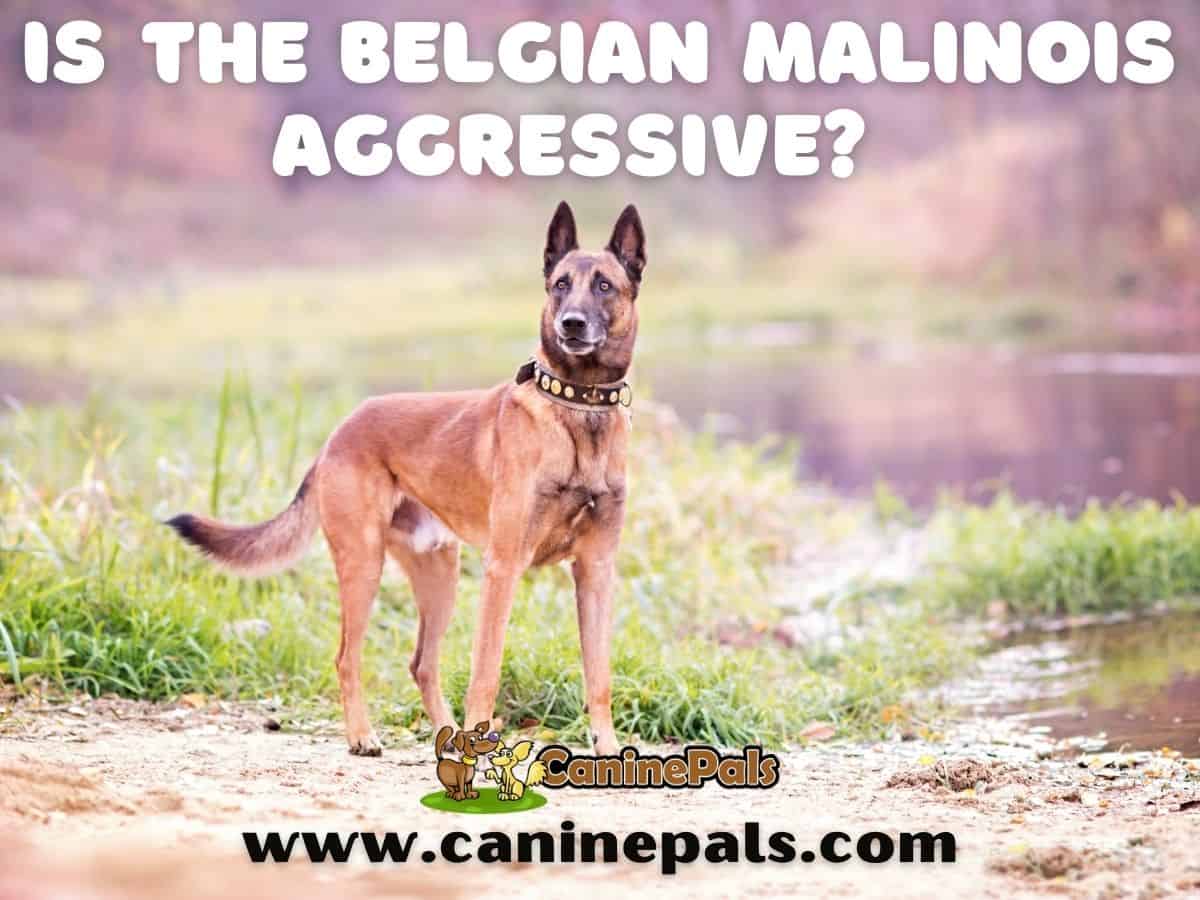
Belgian Malinois are mid-sized to large dogs with moderate weight. They are usually fawn to mahogany in color with a black overlay and face mask. They are square proportioned dogs with oval-shaped bones and powerful bodies, which give them an impressive stature.

This breed has double-coats with dense undercoats to resist the rainy climate of their origin country Belgium. They are sharp and are able to read the smallest of movements and facial expressions. A Belgian Malinois is a shedder; it sheds only twice a year but sheds heavily.

Is The Belgian Malinois Aggressive?

Height and Weight

These dogs are generally 22 to 26 inches tall, the male breed is 24 to 26 inches long, and females are 22 to 24 inches tall. A Belgian Malinois dog’s weight varies from 40 to 80 pounds in males and females, respectively, which makes them 18 to 27 kilograms.

How Long does a Belgian Malinois Live?

The Belgian Malinois lives a healthy and longer life compared to the other mid-sized dogs. They live an average life of 10 to 12 years. Some lucky and healthy ones may live a couple of more years.

Belgian Malinois Health

Malinois are usually healthy dogs, but like other dog breeds, they are also prone to some health issues. Following are the diseases that are common in this breed.

Progressive Retinal Atrophy:

This is a very common health condition in this breed in which the dogs lose the photoreceptors present in the back of the eyes, due to which they may face blindness. It is a degenerative eye disorder that happens due to aging and results in damaging central vision. The good part is that dogs have pretty strong other senses, which help them live a happy life even with blindness.

Sensitive to Anesthesia:

The most common health condition in Belgian Malinois is their sensitivity to anesthesia. They are very sensitive to anesthesia due to the muscle to fat ratio. The death rate in Malinois is on the higher side when the anesthesia is applied to them. So make your vet aware of his sensitivity before he opts for some surgery.

Is The Belgian Malinois Aggressive?

Elbow Dysplasia:

This is also a common health issue in mid-sized and large dog breeds. This is caused by the abnormal formation of the three bones that makes elbow joints in the dogs, which results in restlessness and severe pain. Your Malinois may lose movement due to pain if they are not suggested medication for pain reduction. However, this is a curable condition that can be cured by surgery.

Hip Dysplasia:

Just like most mid-sized dogs, Hip dysplasia is a common health condition in Malinois as well. It is a heritable condition; the dogs with hip dysplasia face constant discomfort, which results in lameness and excruciating pain. This is a condition when the thigh bone does not fit properly in the hip socket; this may also develop arthritis in the dogs as they age.

Obesity:

Obesity in Belgian Malinois is one significant health condition. The excessive weight gain in Malinois triggers more diseases in this breed like severe joint issues, digestive and metabolic disorders, heart diseases, and back pain. So as a caregiver, you are suggested not to give more than the diet which is appropriate for your Malinois. Maintaining discipline while feeding them is very important as it reduces the chance of becoming obese.

Is The Belgian Malinois Aggressive?

Care Tips for Belgian Malinois

The Belgian Malinois is usually a low-maintenance breed; it does not require much grooming. However, they should be bathed as frequently as once a week.

To maintain their healthy skin and coats, frequent brushing is also suggested, but during the shedding season, the brushing of a Malinois should be a daily ritual. As Malinois is a double-coated breed and has dense undercoats, it is recommended to brush them with a dryer to remove dirt and grime before taking them to bathe.

Nail trimming, ear cleaning, and proper nail care are also suggested for these dogs once a week for a healthy routine.

Maintaining healthy dental hygiene is also essential for this breed; they need to be brushed at least 2 to 3 times a week with canine toothpaste as human toothpaste can be harmful to them if they swallow it.

Malinois Puppy
Malinois Puppy

Cost of Belgian Malinois

This most desirable and extremely attractive dog is an expensive breed. An active Malinois can cost you as much as $3500 to $9000, as the purebred dog is usually worth more. It also depends on the availability of the breed in the vicinity.

A Belgian Malinois may cost more in the USA as compared to its native country Belgium. A puppy of this breed may cost you around $2500 to $3000.

The price of this dog depends completely on its lineage and training. However, the adult and fully trained Malinois can range up from a whopping $45000 to $65000 because these dogs are known as national heroes.

Is The Belgian Malinois Aggressive?

Summing Up

Belgian Malinois are beautiful herding dogs; they are extremely energetic and friendly if they are given proper socialization training at a young age. A properly socialized Belgian Malinois is a joy to own. They can be great pets also due to their brilliant watchdog skills and their loyalty and protectiveness.

However, if they are not trained well at an early age and introduced to different people, other dogs, and animals, then it can get difficult for you to keep this breed at home. You should only purchase a Malinois if you are one of those individuals who are experienced in dealing with such dogs who crave activities and can invest significant amounts of time in providing them with such exercises.

Copyright CaninePals.Com. All Rights Reserved.
References and Further Reading:

[1] American Kennel Club, Belgian Malinois Information.

Is The Curly Coated Retriever Hypoallergenic?

Find Out Is The Curly Coated Retriever Hypoallergenic?

Is the Curly-Coated Retriever Hypoallergenic? Do Curly-Coated Retrievers Shed? Find out the answers to your question on this top dog breed at CaninePals.com.

Planning to buy a Curly-Coated Retriever puppy as your pet? Here is some helpful information about this dog breed that will help you deal with him. From health conditions to the size, traits, and cost of this dog, here is everything you would want to learn about this amazing companion.

A life with a dog is the most pawsome, and pawsitive life one wants to live. A dog can be your great companion, confidant, and the most faithful animal on Earth.
Hypoallergenic dogs are the breeds that are less likely to provoke allergies in humans.

There is no such dog breed that is 100% hypoallergenic or allergen-free, but there are dogs that minimize the chances of allergic reaction. The dog breeds that don’t have hair and don’t shed are hypoallergenic dog breeds.

However, the most frequently asked question is, is the Curly Coated Retriever hypoallergenic? Well, not really. Curly Retrievers are not hypoallergenic as they do shed. Curly Coated Retrievers don’t shed much, but these Retrievers shed twice a year, which puts them on the list of breeds that stimulate allergies in humans.

The dogs that shed hairs are more likely to cause allergies as mostly allergens are protein particles found in canine saliva and dander of the dog. These particles stick to the dog’s hairs when he licks himself, and then it enters your household while it sheds.

Since Curly Retrievers have a short and single-layered coats and the dander that causes allergies is found in the coat or skin of this breed, it is termed hypoallergenic. So if you are someone who has allergic reactions to dogs, then this dog breed is not the one for you.

However, those who suffer from seasonal allergies can tolerate curly-coated retrievers in their household. They have a low incidence of stimulating allergic reactions due to less shedding, but they can’t be considered hypoallergenic.

Is The Curly Coated Retriever Hypoallergenic?

Do Curly Coated Retrievers Shed?

The Curly is a single coated dog breed with no undercoats; this makes it shed less dog hair than the dogs that have undercoats. Curly coat retrievers are known for having the most unusual coats, which shed moderately like twice a year.

Curly Coated Retriever’s Shedding:

Curly coated retrievers shedding is not as much as other dog breeds, but it does shed on average. Comparatively, the shedding usually occurs due to overabundance in the spring and fall seasons, but it can also happen anytime, depending on the dog’s health condition. Although retriever fur does not call for much grooming, if it does not get grooming in regular intervals, then shedding can do some real damage.

Curly Coated Retriever Temperament, Appearance And Traits:

Curly is a well-muscled dog breed that can be either in solid black or solid liver (described as reddish-brown) in color; it is also known by the names wavy coated and flat-coated retrievers.

A Curly Coat Retriever possess a coat of tight, crisp curls that help them repel water and thorn resistance, which prevent damage, unlike other sports that can’t escape such damages due to thin coats.

They are tireless dogs, which makes them work in all-weather from icy lakes to woods.

The look of its dense curls gives an impression that this breed would be difficult to care for, but in reality, they are very easy to care for, and they only require moderate grooming.

One of the most common traits of this retriever is it is very mouthy and loves to chew everything around, be it toys or clothes.

They have short and straight fur on their face. The fur on the curly-coated retriever’s body acts as a protective layer and helps the skin to avoid getting hurt from the sharp sticks and dangerous terrain.

This graceful breed of retrievers is known for their affection and gentleness with their loved ones, but with strangers, they can act aloof. As these retrievers don’t get along much with strangers easily, they can be great watchdogs.

Curlies are more gregarious then other dogs. They want to be independent and need more outdoor exercise.

Curly-Coated Retrievers are so energetic and playful that they need at least 40 minutes of exercise daily.

This breed can be very destructive due to boredom if they are not provided with enough new exercises because they get bored of repetitive training.

The Curly-Coated Retriever is a kind of canine that does not mind having other dogs around, but they do take time to get accustomed to sharing space with new dogs.

Although they are used in many countries as bird hunting companions, apart from their hunting ability, they can be a great companion for jogging and playing.

Is The Curly Coated Retriever Hypoallergenic?

Ways To Reduce The Allergic Impact Of Curly-Coated Retrievers:

Brush them daily: To avoid the impact of the allergic reaction, you have to keep your Retriever’s fur well-groomed; cleaning your pet regularly can definitely make a difference. Brushing the dog’s fur before they come inside the house can reduce the chances of getting allergic as brushing down will take off the allergy-causing particles in the dog’s fur.

Frequent bathing: Frequently bathing your retriever can certainly decrease the allergic reactions as the protein particles and dander in the dog’s body get washed out by bathing. Weekly wash for this breed is recommended; however, excess bathing can also cause skin issues in retrievers, so avoid giving them more showers than the suggested one.

Keep the home healthy: Healthy atmosphere at home can also play an essential part in making the place allergen-free. Consider changing the air filters at your home at regular intervals to decrease airborne allergens. Vacuuming the rugs and cleaning the tile or wood floor with a wet mop can also make the area clean from allergic substances.

The above ways can be beneficial for you to reduce the presence of allergens in your Curly-Coated Retriever’s fur, but it can never be gone for good. These things can only help the allergy sufferer to visit your house and enjoy the company of this beautiful and loving curly-coated retriever for the time being.

Personality:

Curly–Coated Retrievers are confident and alert with a balanced temper. They have an inherent poise and pride, making them shaky while settling with new people. One of the best things about this breed is that even a fully-grown dog tends to have a puppy kind of nature as they don’t get mature easily.

Curly-Coated Retrievers are considered very intelligent and good pickers, they respond well to training, but to keep their interest alive, you need to introduce new exercises.

Size:

A Curly Coated Retriever is a large-sized breed; a male breed is usually 25 to 27 inches tall with 80 to 100 pounds of weight; a femaleRetriever is a little less tall at 23 to 25 inches, and it weights within 65 to 85 pounds.

The Curly as Pets:

If you are thinking of buying a Curly as a pet, then you must know that they are lively and fun-loving dogs and can become a placid member of your family. A curly coated retriever can easily settle in a home environment as he is very loyal and affectionate with its owners.

He also doesn’t need a large den as far as the owners are with him, but he remains calm only when he has adequate exercise. One sensitive trait of these retrievers is that they become miserable when left alone.

Living Space:

Curly-Coated Retrievers are larger-than-life types of breeds that are extremely playful. They require a big area to play and enjoy with their owners. These dogs can’t live in apartments or confined places as they are energetic dogs, and they need a large dwelling with open yards for training and exercise.

Life Expectancy:

This tall breed is a healthy and active dog, the lifespan of a Curly Coated Retriever is usually 10 to 12 years, depending on the dog’s health condition.

Is The Curly Coated Retriever Hypoallergenic?

General Health Issues in Curly-coated Retrievers:

Hip and Elbow Dysplasia:

The first and foremost thing you do prior to having a pet is to check his health conditions. A Curly Coated Retriever can face a few common health conditions in his life. One of the most known among them is hip and elbow dysplasia.

Hip dysplasia is an abnormal hip socket formation that causes severe pain in dogs. This condition causes loss of movement, arthritis, and lameness in dogs. Similarly, the dog may experience lameness in elbow dysplasia also due to the abnormal formation in joints of the front legs.

Distichiasis and Entropion:

There are also several eye problems that are common in this breed. Curly-coated retrievers face some severe eye diseases like Distichiasis and Entropion that they inherit or develop over time.

Distichiasis is caused by the hair growth inside the eyelid, while Entropion is a defect in which the eyelid rolls inwards, which results in eyelashes rubbing the cornea; these are excruciatingly painful conditions that can lead to blindness if not treated in the first hand.

Cancer:

Curly Coated Retrievers are more susceptible to certain types of cancers that they may develop at an early age, such as Hemangiosarcoma, Lymphoma, and Osteosarcoma. The most common cancer that affects this breed the most is Hemangiosarcoma. This tumor is a type of bleeding that usually forms in the spleen but affects other organs.

Curly Coated Retrievers are more prone to Lymphoma than any other dog. This type of cancer produces abnormal white blood cells in the body that are called lymphocytes. Since the white blood cells travel in almost all parts of the body, this cancer can be found almost anywhere. Some of the symptoms of Lymphoma are shortness of breathing, weight loss, and swollen glands.

One of the most affected organs of a dog’s body is the bones. Diseases related to bones are very recurrent in dogs; they dislocate, break and fracture their bones every now and then. Osteosarcoma is one such type of tumor that affects bones; this tumor commonly afflicts middle-aged dogs and causes lameness and extreme leg pain.

Moreover, the Curly is prone to the normal bacterial and viral infections that most dogs get, such as rabies, parvo, and distemper. Pattern baldness is also a common heritable condition in Curly-coated retrievers.

However, all of these illnesses are curable and can be treatable or removed by proper medication and surgeries. Whenever you notice any sort of abnormal symptom in your pet, you need to immediately seek veterinary help.

Cost:

Curly-Coated Retrievers have a purebred heritage and are usually considered high-energy dogs. These features make them unique, and they are not among the common pets that you can easily get. Since these dogs make great pets, this Retriever pup will cost you around $1000 to $1500, which is quite modest compared to this breed’s abilities.

Their prices may vary depending on their age; an older puppy would definitely be less costly as compared to the younger ones.

Breed History:

Learning some little history about your pet or hunting companion is always interesting. The curly coated retriever’s breed was first found in England in 18 century; their traces can’t be found before that in history. They are the descendants of two now-extinct breeds, Retrieving Setter and English Water Spaniel. This breed garnered popularity in England’s first dog show in 1860 for its unique and elegant look.

These active dogs earned a place as cherished members of British sportsmen in the 19th century. During this period, the curly-coated retrievers remained in high demand among the hunters for their steady disposition and tender mouth. Hunters greatly admired Curlies and exported them to Australia, the USA, and New Zealand to accompany them.

Popularly known as one of the oldest and the tallest recognized retriever breeds, these curly-coated retrievers are called wickedly smart gundogs and peerless swimmers in the sports group that comprises four types of dogs. These super active retrievers are best in competing in the dog sports like flyball, obedience, field trials, and agility.

The Curly-Coated Retriever is among the oldest of retrievers although it’s unclear of his origins. Some think his ancestors included the Poodle, the Setter, the Newfoundland, and the English Water Spaniel. He’s agile and strong and a sturdy work dog. He can retrieve game in the iciest waters or the heaviest cover.

He’s perseverant and courageous and was popular among English gamekeepers. He can hunt equally well on land and water. His coat’s color can be liver or black. It has crisp, tight, small, water-resistant curls. He has boundless energy and is very reliable. He’s willing to please and is a great companion. He needs regular exercise. His coat only needs occasional bathing. His height is 23 – 27 inches.

Conclusion:

After mentioning all the good points about this specific dog breed, I would like to conclude that if you are looking for a hypoallergenic dog breed, then don’t opt for getting a Curly-Coated Retriever onboard; they are not the ones.

Although these unique-looking adorable dogs do look like the ones that are hypoallergenic, they still shed their fur. This gregarious dog can be a great companion, but it’s not the perfect breed to have for those who have an allergy sufferer in the house.

Copyright CaninePals. All Rights Reserved.
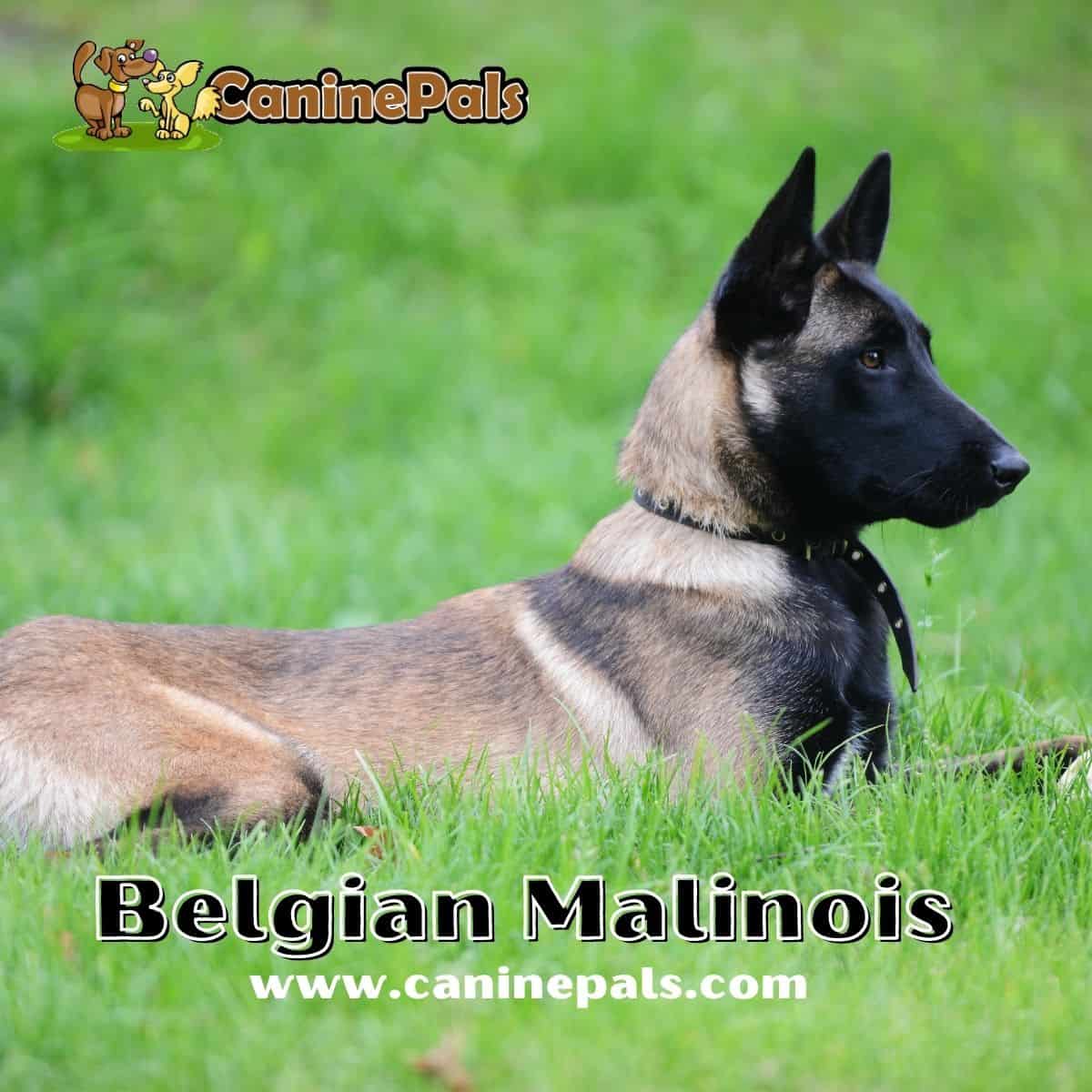
References and Further Reading:
American Kennel Club Curly Coated Retriever Information

Lowchen Dog Price Explained

Lowchen Dog Price: Why Are Little Lion Dogs Expensive?

Are you considering owning a Lowchen and would like to know its price? They’re so rare that Lowchen dogs are among the most expensive dog breeds in the world.

The starting price of a Lowchen begins at $4000 and can go up to $8000.

While their companionship is priceless, there are tangible costs associated with bringing home a new Lowchen dog or puppy. We have learned what affects Lowchen’s price and want to share it with you.

Lowchen Dog Breed Information

The Lowchen originated in the Pre-Renaissance period in the Mediterranean or Germany more than 400 years ago. He was groomed to look like a little lion dog (his name means “little lion” in German or French, called the le petit chien lion) and used as a comforter and foot warmer by the ladies in the court. The exposed skin helped to stop infestation and matting.

He’s a lively, positive, outgoing dog and is a great companion because he’s also quite affectionate. He can be any color or combination of colors. He performs well in the agility and obedience trials.

The Löwchen does not naturally look like a little lion dog. Careful trimming achieves the appearance of a lion dog.

He’s trimmed by clipping his hindquarters very close to his skin, leaving his forequarters natural, leaving the hair on the ankles, and clipping the tail except for a plume on his base. He needs daily exercise.

He needs brushing once a week to prevent matting, and his coat must be trimmed every two months. Owing to the way his coat is trimmed, this dog breed is often called the lion dog. He’s 12 – 14 inches in height.

Lowchens are small dogs, very slightly longer than they’re tall. They are one of the rarest dog breeds and have been recognized as a breed since the Renaissance. Lowchens were on the verge of extinction during the early 1970s, when were only 65 left in the world. Lowchens are incredibly intelligent dogs among the world’s rarest dog breeds.

The Lowchens’ hair is long, dense, and soft to the touch. They are active, friendly, loving, and playful dogs. They are willing to please, responsive to commands, and devoted to their family. 

Lowchen Dog Price
Lowchen Dog Price

How Much Does Lowchen Cost?

Generally, the Lowchen puppy price from a reputable breeder will range between $4,000 and $8,000.

But in terms of the necessities, you can expect the cost of a dog or puppy to start at a minimum of $500 in the first year and continue to cost a little less each year following. Adopting or fostering is an option if you can’t afford to buy a new puppy.

Reputable, high-quality breeders tend to be on the upper end of the price spectrum. You may get a Lowchen at a lower price from unethical backyard breeders, but it is never recommended.

Other factors that can influence Lowchen puppy price include:

  • Gender
  • Coat color
  • Overall appearance
  • Breeder reputation 
  • Demand for puppies 
  • Kennel Club registered or not
  • Champion bloodline 
  • Breeder’s years of breeding 
  • Purpose of buying (pet, show, or breeding)

What is included in the price also depends on country laws and the breeder himself. Ultimately, it also depends on where you live, shop, and what kind of food and squeaky toys you decide to spring for.

Basic Cost of Owning a Lowchen Dog or Puppy 

While it’s true that there is an investment involved with Lowchen dog care, it’s best to understand the details of dog care expenses.  

Types of expensesYearly estimate 
Food$120 to 500
Food and water bowls$10 to 50
Treats and chews$50 to $200
Collar and leash$20 to $50
Dog bed and crate$50 to $200
Toys$25 to $50
Vaccine and routine care$100 to 350
Flea/tick prevention$40 to 200

The first year with your new Lowchen dog can cost twice the typical annual cost of subsequent years, so be prepared.

Lowchen Dog Price: The Extras

Any new dog or puppy will come with substantial expenses. Beyond the basics, some additional Lowchen puppy costs may pop up. Some are just for fun and puppy wags but others are necessary medical care. Either way, if you can spare some cash, it may help with the ones listed below.

  • Emergency veterinary care: Routine veterinary care is a huge part of keeping your Lowchen healthy. Any dog may develop health issues or need treatment for unexpected illnesses that could run you anywhere from a few hundred dollars to more than $1000.  
  • Professional grooming: A basic wash, nail trim and teeth-cleaning will run you considerably less. However, serious professional grooming could cost up to $500 a year for a Lowchen. Between the cost of grooming tools and visits to the groomer, you can plan on spending anywhere from $30 to $500 a year.
  • Spaying/ neutering: When the time comes to have your Lowchen puppy spayed or neutered, expect to spend anywhere from $150 to $700.
  • Training: If your new Lowchen puppy needs help with socialization or behavior, it may need some training. The range of training cost varies depending on where you live and how many classes you take. $250 a year should cover several beginner classes but many trainers offer low-cost training, too. 
  • Boarding and dog sitting: There are places where you can’t bring along your pet. If you will be leaving your Lowchen at home, it could cost $15–50 per day for pet sitting or boarding.
  • Dog walking: Depending on your lifestyle, you may need to factor in the expense of a dog walker. The cost of a dog walker can average $20 per walk. For one $20 walk once a day for every weekday of the month, you can expect to pay about $400 per month for dog walking.
  • Toys, treats, collars, and other accessories: The cost of dog accessories depends on you, with prices varying depending on tastes and budgets. Bedding costs can also vary depending on the brand, size, and materials used.

All of these items can add up quickly. So, ensure you estimate anywhere from $500 – $2000 or more for the first year of owning a Lowchen.

The best way to stay prepared is to save extra money, if possible. With some planning, you can defray any unexpected health costs. Pet insurance is one way to manage the unexpected veterinary cost of a Lowchen.

Lowchen Puppy Dog
Lowchen Puppy Dog

Female and Male Lowchen Price Differences

There is not much substantial difference between male and female Lowchens. Many breeders will sell their puppies for the same price, irrespective of gender. 

Female Lowchens typically cost more than males because there is more demand for females. The higher cost is due to females being more desirable, often for breeding purposes.

However, there are different medical costs for both genders. The young female Lowchen can experience menstruation and is required to get spayed.

How Long do Lowchen Dogs Live For?

Lowchen dogs have an average lifespan of 12-15 years. This can only be achieved with proper care and nutrition.

Regular vet checkups are also important to help them reach their life expectancy. Lowchens are generally healthy, but like all breeds, they’re prone to certain health conditions.

In case of any problems, remember that the sooner you seek medical attention, the better the outcome will be for your Lowchen.

Lowchen Dog Price
Lowchen Dog Price

What to Look for in a Purebred Lowchen Puppy?

Here is  how to find healthy puppies and what you should look for in a purebred Lowchen puppy:

  • Look for a responsible breeder: Always go for a responsible breeder who follows good breeding practices. They take special care in breeding their dogs for good health and temperament. This will increase your chances of ending up with a happy, healthy Lowchen that lives for a long time. Avoid puppy mills and support a reputable breeder.
  • Contract of sale

The breeder should give you a contract of sale or purchase agreement.

  • Lowchen Parents

There is no better way to see how your Lowchen will grow up than by looking at its parents. The breeder should allow you to see the puppy with its parents and the rest of the litter. It will help you to know your Lowchen’s temperament, size, and appearance.

  • Vet Records

Ask the breeder to provide you with the Lowchen puppy’s vet records, including vaccination cards. Health records can help you determine if the puppy or its parents have any hereditary diseases.

  • Documentation

Verify all paperwork for the Lowchen puppy. Also, ask for the Kennel Club Registration paperwork for the registered puppy.

  • Microchipping

The breeder should provide the microchip transfer paperwork with the microchip number on it.

What to Do if You Lose your Lowchen?

Don’t delay if your Lowchen dog has gone missing and doesn’t have an identification tag, don’t delay. You can take the following steps to help bring your Lowchen home to safety: 

  • Search your neighborhood and let people know your Lowchen is missing. Ask neighbors if they have seen your pet.
  • Check where your Lowchen could have become trapped, like in basements or garages.
  • Check with your local shelters every day.
  • Call all animal control agencies in your surrounding area.
  • Use your Lowchen’s photo to make “lost pet” signs and put them up in your neighborhood.
  • If your Lowchen has a microchip, alert your microchip company so that your Lowchen can be flagged as lost.

Act fast! Don’t waste days hoping your Lowchen dog will come home. The sooner you begin your search, the better the odds of finding your pet.

Lowchen Dog Price Explained

Final Thoughts on Lowchen Dog Price

Owning a Lowchen brings great joy despite the cost of looking after your pet throughout its lifetime. It is always important pet lovers do their research before owning a Lowchen. You need to budget for ongoing expenses apart from the initial price.

Lowchen puppies are wonderful companion dogs who will get along happily with other pets.

If the costs fit your budget and you’re ready to welcome your new best friend, you can start planning to bring home a Lion dog. Just remember to add a line item for tail wags and wet-nosed kisses.

Having a Lowchen dog for a family pet can be expensive, though! Before you bring home a new addition to your household, it’s smart to make sure you can afford one.

I hope you enjoyed reading this blog! Did you find it helpful? Feel free to share your thoughts and questions. We would be happy to hear from you!

Copyright CaninePals.Com. All Rights Reserved.
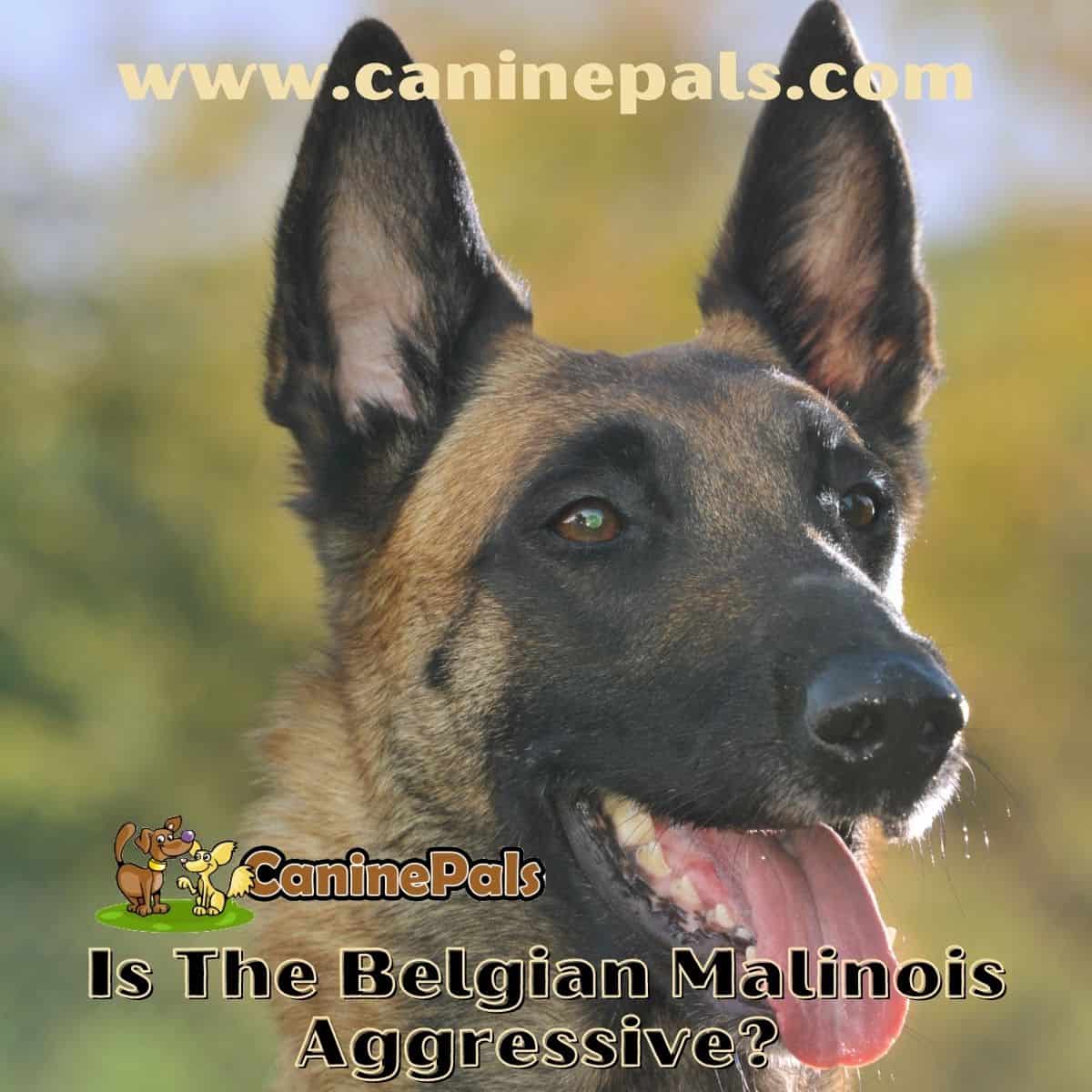
Lowchen Dog Price
Lowchen Dog Price
Finnish Lapphund Colors

Finnish Lapphund Colors – Everything You Need to Know

Do you find the Finnish Lapphund colors fascinating? How one can resist the wonderous soft coat and attractive colors of this herding dog breed. Let’s explore how Finnish Lapphunds vary in terms of their coat color and patterns.

Finnish Lapphund breeds are known for their powerful herding instinct. They are calm, friendly, affectionate, intelligent, focused on work, and good at working in rescue groups and shelters. Their habitat makes them great survivors of extremely cold climates. A key to keeping them happy is to take them for walks.

Their origin is from Lapland, which is on the north side of Finland, where they were kept for the herding purpose of reindeer by the “Sami” nomads. To date, Finnish Lapphunds are being used to herd livestock in farms and in shelters because of their exceptional obedient attitude and agility.

If you are okay keeping a dog with a profuse coat whose grooming won’t bother you, a Finnish Lapphund is for you! They have a long and coarse outer coat that covers an undercoat that is dense and soft. The skin has a vast range of colors, from the tones of white and red to brown and black.

Coat Colour combinations like black and tan are also found in the Finnish Lapphunds. Their size varies from 19 inches in males and 17 inches in females. A male or a female Lapphund can weigh from 33 to 53 pounds.

This article is all about the Finnish Lapphund colors, their temperament, and habitat. Give it a read if you are interested in bringing a Lapphund dog home.

Finnish Lapphund Colors

Temperament Of The Finnish Lapphunds

Finnish Lapphunds are smart, naturally submissive, and love pleasing their owners. In addition, they are great companions for children due to their likely feature of sharing high energy with them. Lapphunds are the most famous breeds of Finland and have also gained fame all over the U.S.

The major reason for their fame is that they have inherited genes with exceptionally herding abilities. They herd sheep, cows, and other livestock and stubborn animal-like reindeer who have hooves. They are super quick, dauntless, and agile with an impressive startle reflex, and they use all of these traits in herding a reindeer if they get stimulated.

They tend to bark more than a usual pet. This personality trait of Lapphunds can be challenging at times, especially when you bring a new Lappy home. They bark a lot to control the herd. However, if observed from another perspective, their barking nature makes them excellent watchdogs.

You need to train your Lapphund for when not to bark, such as if there is an arrival of the guest or when they are alone in the room. They are often referred to as the thinking breed as they are strong-willed, great athletes, dexterous, good at tracking.

Finnish Lapphunds share phenotypic similarities with the Samoyeds, Siberian Huskies, and Australian Shepherds, but their breed is entirely a distinctive one. They are courageous, tend to stay in packs, and can survive extreme temperatures. In addition, their obedience and adaptability make it easier to train them and adopt them as affectionate family members.

Finnish Lapphund Colors

Coat Color, And Patterns Of A Finnish Lapphund

Patterns

Nature has given this dog breed a great color scheme. Out of the wide variety of their coat color and patterns, Finnish Lapphunds’ patterns are identified as:

Brindle – Brindle patterns refer to the dominant inheritance of stripes on the coat. This pattern is seen in the sable dogs.

Saddles – Dominantly tan or a brown dog with black patterns over the sides and back like a German Shepherd.

Irish Spotting – Dominantly white with marking of another color (maybe black or brown) that specifically covers the lower limbs, back, neck, and chest. The coat color dominantly makes the dog white Finnish Lapphund.

Finnish Lapphund Colors

Finnish Lapphunds have an array of coat colors, out of which black and tan are the typical ones. The manifestation of coat colors depends upon the genetics of a breed, given the dominant and the recessive colour genes. Finnish Lapphunds can either have a black, brown, lilac, or blue coat  as the base coat color over which you’ll see an array of colors that distinguishes them.

Based on whether they have inherited a recessive colour or one with genetic dominance, Finnish Lapphunds can be:

  • Sable
  • Wolf sable
  • Tanpoint (most common)
  • Solid Colored
  • Domino
  • Dilute (Rare)

Black & Tan Point Lapphunds

They are referred to as Black & Tan or Black & Cream. Black & Cream Lapphunds have a paler point. These coat color patterns are most commonly seen in this breed. Lapphund puppies may not show these markings and are not recognizable as tanpoint. Their color eventually emerges with age.

Brown & Tan Point Lapphunds

Brown & Tan Lapphunds are the counterparts of black & tan. Shading and markings vary from brown to orange to deep chocolate shades.

Black Wolf Sable

They have dominant tan point markings, and they come in variations of black, brown, and cream, having gray hair shafts giving them a wolf-like appearance and often referred to as Finnish Lapphund gray. The wolf sable coat color is also known as “Agouti.” Their shades may vary from black to pale silver with combinations of paler, deep copper, and cream-colored legs. The face is quite dark with small markings over it.

Brown Wolf Sable

The wolf sable is challenging to be recognized as adults from the brown points. They are similar to wolves, but their dominant brown color distinguishes them from the wolves. Their color is mottled with shades on their hair shaft, mostly on the head region. Unlike the tan points, the brown wolf sable puppies are more recognizable.

Black Sable

Sables are named to represent multiple colored hair shafts of Lapphunds. Black sables specifically have hair shafts with black tips, and they are differentiated from “Creams” by this feature. But the blacktip fades away and turns into gold as the puppy ages and becomes an adult. The blacktip only stays around the ruff and tail. The nose pigment in black sables stays retained, which is a recognizable feature of black sables.

Brown Sable

Unlike a black wolf sable, they have a brown base without black tips on the hair shaft. Instead, their hair shaft has a brown tip that fades away in adulthood. This makes it difficult to distinguish between an adult black sable and a brown sable. Pigments of the nose, eyes, rims, feet, and lips remain the prominent distinguishing features.

Solid Black

Finnish Lapphund colors black and brown in solid are called the recessive ones. Sable, tanpoint, and wolf sable have the recessive genes of black. These dogs do not contain any markings on their legs and face and are dominantly black. Puppies can be recognized with fully solid color throughout the body with darker spectacles around the eyes.

Solid Brown

Solid brown Finnish Lappies are similar to solid black ones and differentiate as their brown shade varies from light tones to deeper chocolate shades and hence called brown Finnish Lapphund dogs.

Domino Black

Domino Lapphunds are rare. They are born with a striking mask, deep eyebrows, and a white stripe on the face that fades away in adulthood. Domino black is a miscellaneous color of Lapphunds that varies from silver, gray, and copper all over the coat.

Domino Brown

This is a scarce color and pattern found in the Finnish Lapphunds. They are paler than brown tan points and are born with a complete mast and prominent eyebrows like the black dominos. However, they do not have any black pigments and do not possess a copper shade in their hair shaft like the black dominos.

Black Factored Cream

It’s a pigment that hides all colors and patterns on a Lapphund. Only Irish sightings or white markings are visible. It is therefore often referred to as a covering. The black factored cream Lapphund dogs may look white or deep apricot in color. They always have a faded snow nose as a distinguishable feature.

Brown Factored Cream

They differ from the black factored cream Lapphunds in the pigment of the nose, lips, paw pads, and eye rims. These regions possess brown pigment instead of black. It is difficult to distinguish between the black factored and brown factored cream Lapphunds due to similar features of faded colored noses.

Blue With Dilute Brown

The recessive gene that dilutes (fades) the black pigment into the silver shade is called the dilute gene. Such dogs are referred to as blue, who are rare Lapphunds. Blue with dilute brown Lapphunds who have short coats are vulnerable to developing certain types of skin conditions.

​Lilac With Dilute Brown

They have a similar dilute (fading) gene as the blue ones. The difference is that they affect genetically brown dogs instead of black ones. It’s a pale silvery fawn shade, and two recessive genes are involved in creating this phenotype. Lilacs with dilute browns are very rare Lapphunds who dog enthusiasts can luckily see.

Coat

Finnish Lapphunds have straight, soft, and sometimes wavy coats on the outside and smooth and dense inner coats. They come with fluffy fringes on the backside of their legs, under the abdomen, and tail. Their dense coat keeps them vitally secured in the extreme cold climate of their native region, which is Finland.

Due to their thick and dense coats, they are heavy shedders. Shedding in a Finnish Lapphund can be handled by brushing it daily and paying attention to its grooming on a weekly basis.

Their super soft fur needs your extra attention, like daily brushing and frequent baths over a month. Brushing their thick coat regularly keeps them matt. Matting is prevalent between legs and behind the ears, where there is more dense hair.

Finnish Lapphund Colors

Interesting Facts About Finnish Lapphunds

  • Finnish Lapphunds date back to 7000 B.C, when the semi-nomadic tribe raised them in Lapland. This points to their origin from Russia and Finland. Lapphunds have anciently been used as the herders of reindeers and evolved to be great family dogs and rescue dogs.
  • They like to bark when they are herding! Even when they are in the comfort of home, they bark at times such as when the guests show up, when they are tired, or alone in a room. This can be overcome by training and attention.
  • They are very agile and highly energetic due to their herding nature. They can escape from a tall fence and jump over the heights, even humans. This makes them hard to confine and increases the need for supervision.
  • Male Lapphunds have large and muscular bodies as compared to females, which means male Finnish Lapphunds are physically stronger than females. Males have denser coats and hence need more frequent grooming.
  • Finnish Lapphunds inherit a wide variety of coat colors from solid black to lilac and blue and various patterns. Some make them similar to the wolves (due to gray hair shaft), and some make them look like German Shepherds.

Finnish Lapphund Breed History

The Finnish Lapphund used to help the Sami, a tribe of nomadic people in Lapland (northern part of Sweden, Finland and part of Russia.) Over the centuries the Sami developed a more sedentary lifestyle and started keeping herds of reindeer. The dogs changed from hunting to herding dogs. After the introduction of the snowmobile, the dogs were used less often but they still have a powerful herding instinct.

This dog is alert, agile and noisy when he works. When he’s at peace with his family, he’s friendly, submissive and calm. His coat is profuse and thick, protecting him from the harsh cold climates of the north. However, it also means he can’t handle the heat well. His coat’s colour can be wolf sable (black), sable(black), sable (brown), wolf sable (brown), brown with tanpoint, blonde or black with tanpoint( often called black and cream), domino ( black), domino ( brown), cream ( black factored),  lilac, blue,  solid black and may have some markings.

He sheds only in season but it can be managed with regular brushing. He needs exercise each day.

Do Finnish Lapphunds Make Good Family Dogs?

This dog breed is affectionate, and can make friends easily, and loves to be around their family members; they make a great family companion. You only need to pay more attention to their exercise, training, and grooming. They may accidentally hit their tail and jump over children due to their herding nature.

However, a Finnish Lapphund puppy growing up with proper training never becomes an aggressive adult. Lapphunds can easily make friends and go easy with other dogs and cats. However, taking them for long walks from the very beginning pulls well-behaved personalities out of them.

Finnish Lapphund Colors Conclusion

Lappies are reindeer herders of the north arctic circle possessing a super empathetic and friendly nature. These Nordic dogs are hard not to adore with their spitz face, sensual coat, curly tail, short head, and smirky expressions; these Nordic dogs are hard not to adore. With fast galloping speed, they’ll make great submissive partners.

Their trait of obeying the commands and performing good companionship makes them vulnerable to getting anxious when left alone. Although they bark and shed a lot, their pricked ears always remain alert for their owner’s command. So you can keep them for herding purposes or as a family dog, too, as this breed is a remarkable human companion!

Copyright CaninePals.Com. All Rights Reserved.
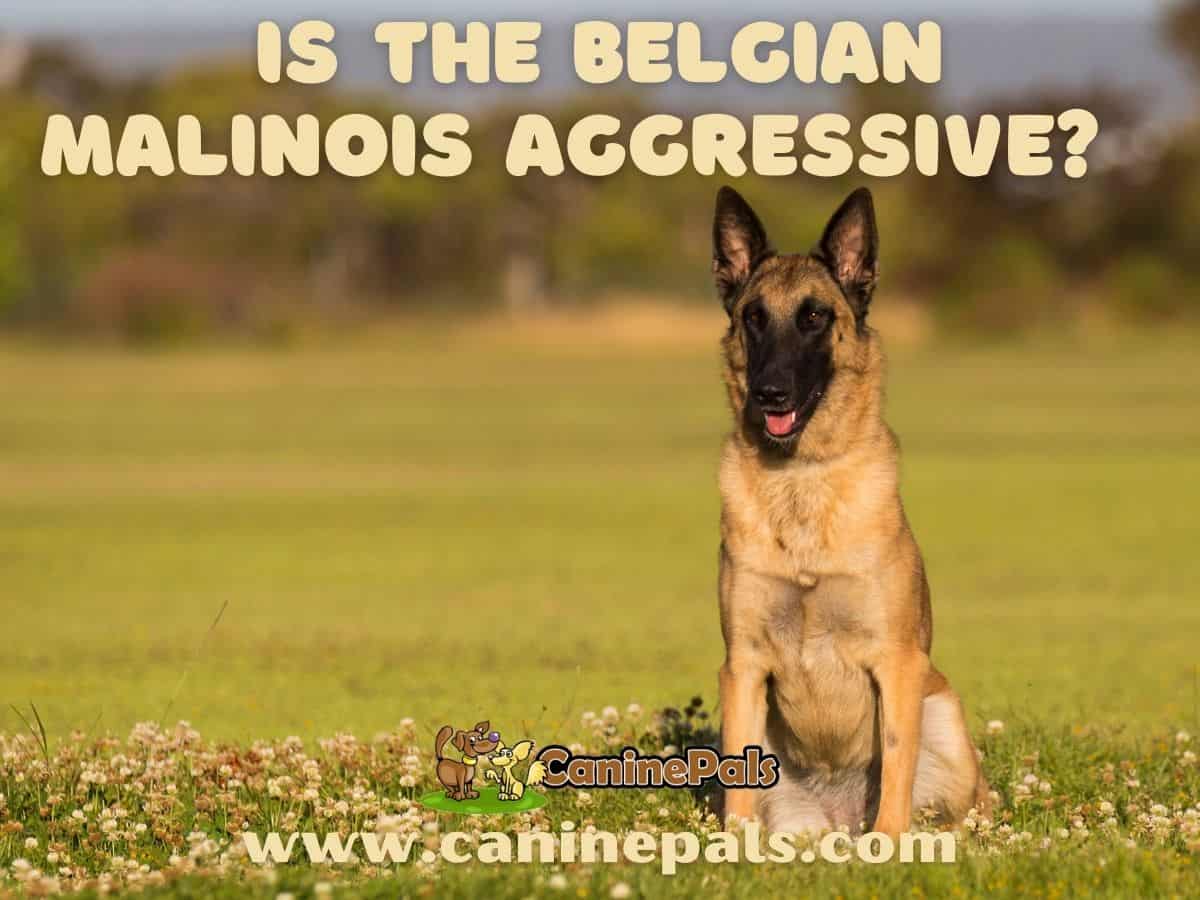
Finnish Lapphund

Finnish Lapphund
Finnish Lapphund