
Disclaimer

Sheltie Weight

The Complete Guide to Sheltie Weight

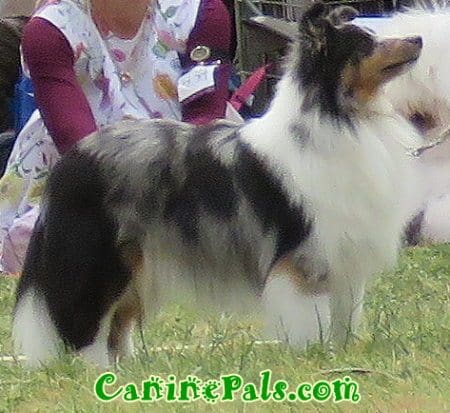
The Shetland Sheepdog is also known as a Sheltie. It comes from the rugged Shetland Islands in Scotland and is commonly bred as a hard-working sheepdog with a strong herding instinct. For this reason, it is a very active dog that needs a lot of exercise. Other traits include intelligence and the ability to be highly trained.

It’s important to keep the weight of your Sheltie in check as many of these dogs can be overweight and as a breed, shelties generally love food.

The average ideal Sheltie weight is around 20 pounds. The Shetland Sheepdog stands between 13 and 16 inches tall at the shoulders.  If your Sheltie is overweight, get your vet to check for any causes such as thyroid, food, or other issues.

How Much Should a Sheltie Dog Weigh?

Shelties are one of the most popular dog breeds in America. They are intelligent, energetic, loving, and loyal. Because of these qualities, they can be a great pet for any family. However, it is important to know the ideal weight for a Sheltie if you’re looking to adopt or purchase one.

The ideal Shetland Sheepdog average weight is between 15-30 pounds. The best way to determine this is by using an online dog weight calculator. These calculators are usually accurate even when used on mixed breeds because they take into account both height and weight when calculating an animal’s healthy weight range.

In order to be sure that the weight of your Sheltie is ideal, you need to consider the size. As this can vary a lot within different dogs within the breed, you need to check how tall your Shetland is. If your adult Sheltie puppy is short it should weigh less than another that is taller.

So, first, measure the height of your dog in inches. Once you have measured this, take a look at the chart on this page, which plots average weight according to the height of a typical Sheltie. If your dog has an ideal weight it should fall on the blue line. This weight chart is a good rough guide.

According to the weight chart mentioned, the ideal weight of a Sheltie ranges from 20 pounds for a 13-inch tall dog to approximately 30 pounds for a 16 inch tall adult Sheltie puppy, Some dogs may be outside these weight limits but could still be OK if they have a heavier bone structure.
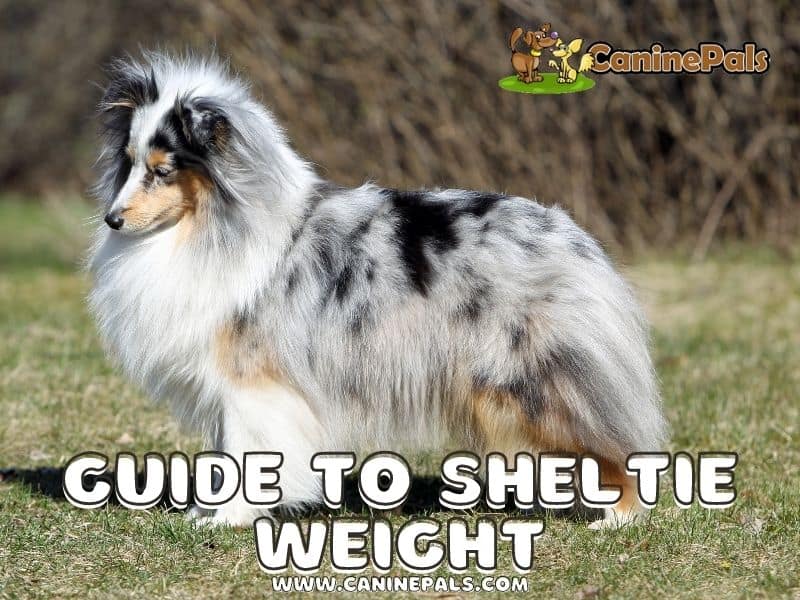
Guide to Sheltie Weight

What Are The Healthiest Foods for a Sheltie Diet?

Shetland Sheepdogs are a working dog breed and they need to eat food that will help them maintain their energy levels and stamina. This food needs to provide all the basic nutrients your dog needs to be healthy.

A diet for a Shetland Sheepdog needs to include foods that contain enough fats and carbohydrates. Proteins should be lean and sources of calcium, such as fish, should be given often. Dogs need more than just meat in their diet.

A Shetland Sheepdog’s basic food requirements are as follows: 25-30% protein, 65-70% carbohydrates, less than 2% fat, with 10-12% calcium and phosphorus with the exception of those who have special medical conditions or those who are pregnant or nursing puppies.

If your Sheltie does gain weight, then a quick check, (see below for how to do this), can reveal if your dog needs to eat less food.

It is equally important to feed your dog enough so that your dog is healthy and full of energy.

Be sure to divide up the food you give your dog into two or three meals per day, as this promotes a healthier eating habit and prevents weight gain.

Dry food, if based on high protein sources such as beef or fish works well and is a healthy source of nutrition for your dog.

Healthy ways to lower calorie intake but still maintain healthy nourishment include feeding the dog cooked vegetables. These dogs love them and they introduce fiber into the diet which leads to better gut health and digestion. Another good food for weight loss is canned pumpkin. This has been tried and tested by many Sheltie owners.

How to Get Your Shetland Sheepdog Into Shape With The Right Training & Dog Food?

One of the most popular dog breeds, the Shetland Sheepdog is a smart and friendly companion.  But they can be high energy and need the training to live in a house. What better way for this dog to be its best self than with proper nutrition and training?

All dogs need proper nutrition and exercise in order to lead happy lives. They will need more of both as they age, but even puppies can benefit from good food and regular walks. To keep your Sheltie at its best, it’s important to consider its dietary needs as well as its activity level when feeding it.
Guide to Sheltie Weight

Shetland Sheepdog Diet Tips

Here are a few useful tips from owners on SheltieForums.com to help your Sheltie lose and maintain a healthy level of weight:

  • Adding green beans to their dog food. The green beans will quickly satisfy your dog’s appetite, whilst avoiding any extra calories.
  • Be tough because these dogs can melt your heart with a desperate and cute look as if to say, I am starving, please feed me. You have to try to resist for your dog’s sake. Otherwise, you could be killing it with kindness!
  • Give treats and snacks sparingly and make sure they are healthy ones. One owner on SheltieForums.com claims that treats are one of the major causes of Shelties being overweight and once you give a treat they will soon ask for more!
  • Long walks rather than running or a sudden burst of exercise because can cause damage to your dog’s joints if he or she is overweight.
  • There are some lower-calorie dog foods that can be tried such as Diet Metabolic Weight Management Dry Dog Food, often recommended by vets. It can be prescribed for your overweight Sheltie so do speak with your vet.
  • Rather than guessing how much food to give or by just using a scoop and giving roughly the right quantity, measure by weighing the food first. This way you will give the correct amount every time.

How Do You Know If Your Sheltie is Overweight?

Some signs that your dog may be overweight are trouble breathing, difficulty standing up, or difficulty walking or running long distances.

When you take your Sheltie for a walk, does he sometimes stop and pant as if he is tired? If you see any of this in your dog, this is a clear sign that there is a problem. One reason why this might be happening is that your dog is overweight. Obviously, if it is very hot you can put this down to the weather, but otherwise, your Sheltie should be active and energetic, not showing signs of tiredness.

How do you know if your Sheltie is overweight? There are a number of things that you can look for to determine the weight of your dog. The most obvious sign that your dog may be overweight is looking at how thick their waist is. It should be proportionate to their height and it should not be more than halfway up their rib cage.

If you notice an unusual amount of hair on your Sheltie’s back, this could also indicate that they are carrying weight there from being overweight. Also, if they have a thick coating of hair on their tail and legs, this can indicate a problem with weight as well.

Another way you can check if your Sheltie is overweight is by examining the dog’s ribcage. You should be able to feel the ribs a little and there should be a clearly defined chest. The Sheltie should have an athletic shape so if you find your dog has no defined shape, then it is probably overweight. You should also examine the dog’s waistline because there shouldn’t be much fat around it if they are at a healthy weight level.

According to an owner on Reddit, the best way to check if your Sheltie is overweight is to look at the dog from above and notice if your dog has a clear waistline. One recommendation for doing this more easily is to do this when your dog’s fur is wet.
Guide to Sheltie Weight

What is the Shetland Sheepdog Average Weight?

The average weight for a Shetland Sheepdog is around 20 pounds.

What Are The Major Causes of Excessive Weight in Shelties?

Excessive weight should not be ignored as it can lead to other health problems such as diabetes, arthritis, and bone dislocation, among others. Therefore it should be taken seriously and the owners should consult their vet for advice on how to lose or maintain their dog’s weight in a healthy way.

Certain genetic conditions can cause them to store fat and gain weight. The other two causes are overfeeding and lack of exercise.

The typical Shetland Sheepdog is a small dog that has a high metabolism and needs to eat often. It is natural for them to be overweight if they are not eating the right food or eating too much food.

Some other common reasons for excessive weight in Shelties are allergies, thyroid issues, and genetics. If your dog is allergic to certain foods then it may be overweight because it cannot digest the food properly. If your dog has an underactive or overactive thyroid gland then there may be an issue with its metabolism which could make it obese or thin respectively.

Thyroid issues can slow down your dog’s metabolism which can contribute to or cause a gain in weight. Thyroid problems often develop with age and so this is something you need to be aware of and check your dog for. If in any doubt, your vet can get a thyroid test done on your Sheltie.

One of the most common causes of weight gain in Shelties is the laziness of owners! It requires some effort to give your dog the exercise it needs each and every day no matter what the weather outside. In the long run, this will lead to a healthier and fitter dog that will not have weight issues.
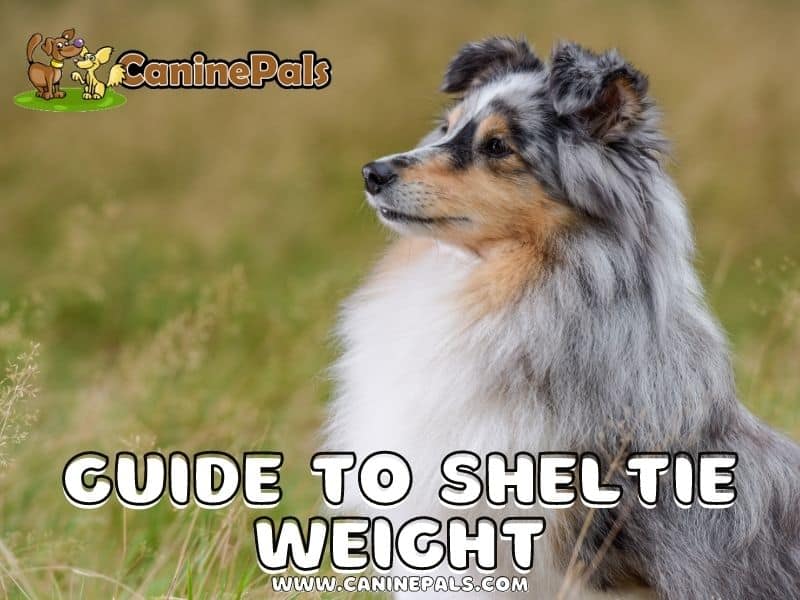
Guide to Sheltie Weight

Problems that Excessive Weight Can Cause in Shetland Sheepdogs

Obesity is a common problem in Shelties because they are so energetic herding dogs and like to eat. It requires a careful owner to limit the amount of food that your dog consumes each day.

One reason why weight problems including obesity should be taken seriously is that excessive weight can place strain on joints, causing problems for the animal. Obesity can also make digestion worse and possibly may cause back pain issues and even heart problems (Patt Veterinary Hospital). It is necessary to go get advice from your vet if you suspect your dog has any of these problems or might be obese. Don’t wait, it’s not fair on your dog.

Other problems for an overweight Sheltie include the increased risk of developing diabetes or Bladder Cancer. These two health risks are serious and are major reasons to regularly check the weight of your dog.

Temporary obesity has its risks too, so early action to correct any excessive weight gain in your Sheltie is very important. If your dog suffers from obesity for even a short time, this can negatively affect the kidneys and cause physical problems such as skin issues and ligament problems. Longer-term obesity can cause Arthritis, which will give your dog a much more unpleasant life.

So, at the earliest sign of any weight problems, be sure to take your Sheltie for a check-up and discuss your concerns with your vet.

Conclusion

The average Sheltie weight varies based on the individual dog. The average weight of a shetland sheepdog is around 20 pounds. Consult your veterinarian for advice if you’re concerned that your dog may have gained too much or lost too little weight. To learn more about caring for your dog, we invite you to explore our blog posts related to other common topics such as grooming and training.

Copyright CaninePals.com. All Rights Reserved.

References and Further Reading:

[1] American Kennel Club, Shetland Sheepdog Information.
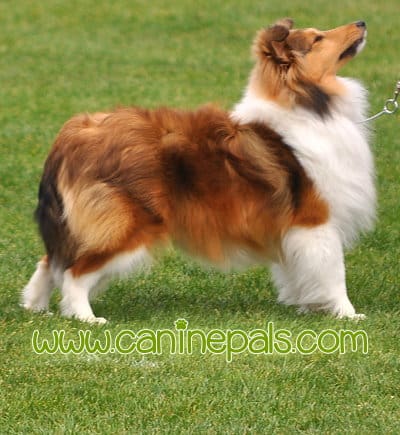
Shetland Sheepdog
Shetland Sheepdog
Shetland Sheepdog
Shetland Sheepdog
What is the Life Expectancy of a Great Dane?

What is the Life Expectancy of a Great Dane?

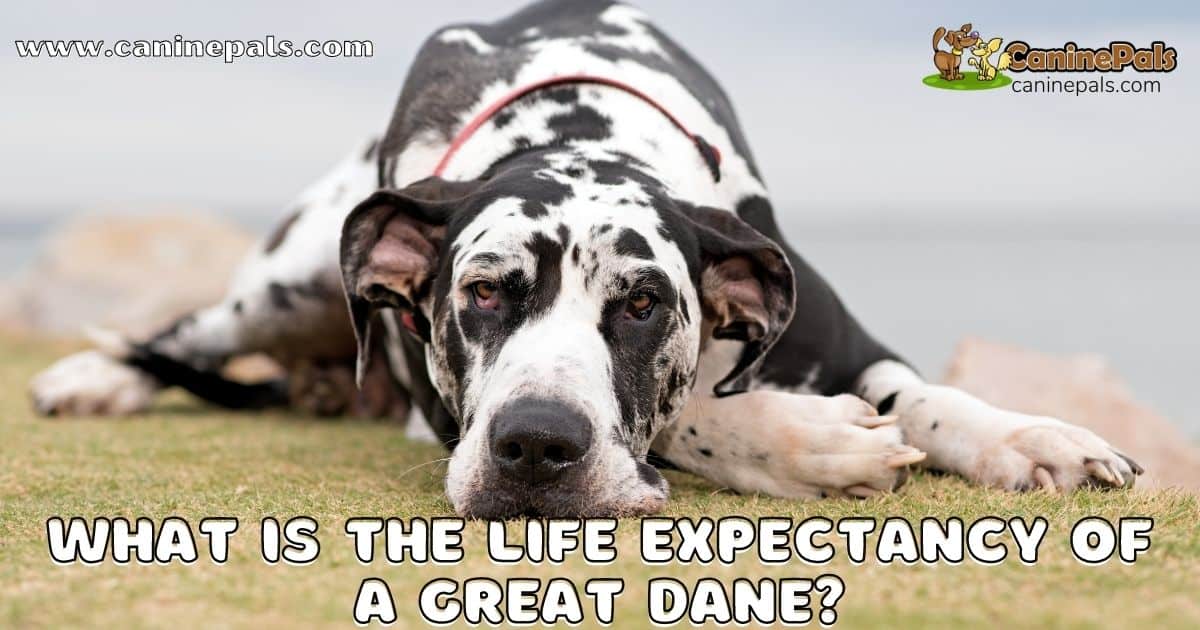
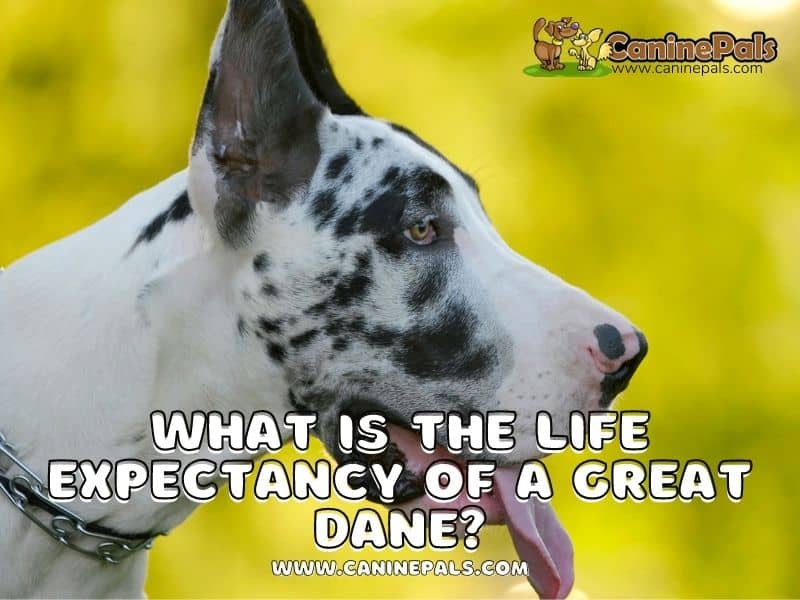
Great Danes are frequently referred to as “gentle giants.” This is because they are huge dogs, but their temperament is very gentle and loving.

In the 1800s, when Great Danes were in fashion, they were a prized pet for the wealthy and royals. However, one sad fact is that the lifespan of a Great Dane is relatively short compared to other dog breeds. We’ll take a look at why a little later in this article.

The Great Dane has a lifespan of 8-10 years on average. One reason why their lifespan is short is that they suffer from health problems such as Cancer, Gastric Dilation (Bloat), and heart disease. Take your dog to the vet for regular health checks, and check it eats and digests its food properly.

Why is a Great Dane’s Lifespan so Short?

A Great Dane’s lifespan is relatively short compared to other dog breeds. The breed suffers from many hereditary diseases that are less common in other smaller breeds.

There are a number of other theories that try to explain why a Great Dane’s life expectancy is so short. Dog experts believe that because Great Danes are so large, their organs grow at a rate that doesn’t match the pace of their body growth. As their organs grow, they can put too much pressure on their heart and other vital organs, causing them to fail sooner than later.

In any case, this dog was bred as a hunting dog, so the focus was not on the Great Dane’s lifespan. Perhaps this original breeding is connected to this shorter lifespan.

Another reason for this shorter lifespan is probably genetic; they have a genetic mutation that affects the cells involved in DNA repair and replication (Fox et al., 2008). This mutation has accumulated in the breed over time, and it is impossible to change it without breeding the trait in all dogs (Lorenz & Georgi, 2017).

What is the Life Expectancy of a Great Dane?

What are the Most Common Health Problems That Shorten the Life Expectancy of Great Danes?

An enlarged heart is one of the most common diseases affecting Great Danes. This disease is called Dilated Cardiomyopathy (or DCM), a form of heart failure. As the dog gets older, the heart muscles work less efficiently, and the heart weakens.

Some of the symptoms to look out for include:

  • coughing after exercise
  • breathing problems
  • falling over after exerting themselves

The good news is that if caught early enough by your vet, medicines can be given to the dog to enable it to live longer. So, get your Great Dane checked out if you see any of the symptoms.

Other health problems that may shorten the average life expectancy of a Great Dane include Cancer, particularly bone Cancer, which can be a common problem in these dogs. Look out for swollen joints that give your dog some pain. Chemotherapy may be an option to help extend your dog’s life expectancy if it has Bone Cancer.

Various other types of Cancer can shorten your Great Dane’s happy life. Be sure to check for lumps on your dog and get them checked out by your vet. Here are some symptoms to look out for if you think your dog may have Cancer:

  • diarrhea
  • being sick
  • lumps or growths on the dog’s body
  • sudden weight loss

Quick action and a checkup can let your vet treat your dog and prolong a Great Dane’s life span.

Another major health problem that affects Great Danes is a cranial cruciate ligament tear. This happens when the dog’s front or hind leg puts too much pressure on the knee, eventually tearing the ligament.

This is often misdiagnosed as an injury to the bone because it will cause inflammation on the joint, which can mimic other injuries to bones. This can limit the exercise that the dog gets and shorten the length of the dog’s lifespan.

Great Danes are much more likely to get certain health problems than other dog breeds. This is because the Great Dane’s size and weight puts much more pressure on their joints and bones, which can cause pain and irritation.

What is the Life Expectancy of a Great Dane?
Great Dane Mother and Puppies.

Great Dane Health Issues

The following list includes some of the most common health problems that affect Great Danes:

– Hip Dysplasia: Hip dysplasia is a genetic disease that can cause inflammation in the ball and socket area of the hip joint. It often affects young dogs as they age, but it may also occur due to injury or obesity.

– Dislocated Joints: Great Danes’ large size causes their joints to dislocate more frequently than smaller dogs. This occurs when they are jumping or twisting due to their weight distribution.

A Great Dane needs a lot of exercise to maintain a healthy weight. They can be prone to stomach torsion, glaucoma, cataracts, hip dysplasia, and deafness.

One point to note about giving your Great Dane exercise is that you shouldn’t take your dog on excessive walks or hikes before it is two years old. You may risk damaging its joints before they fully develop. A dog with bad joints will probably have a shorter lifespan.

Glaucoma is a painful eye condition that can lead to blindness if not treated. It is more common in Great Danes than other dog breeds because the breed is predisposed to this condition. Cataracts are another condition that can affect a Great Dane’s eyesight but is less common than glaucoma.

Hip dysplasia causes pain and arthritis in the hip joint, as well as stiffness in the hind legs, which can lead to lameness and difficulty walking. All these disorders can not only make your dog’s life less pleasant, but they can also shorten it.

What do Most Great Danes Die of?

As we have said, it’s not uncommon for Great Danes to have cancer, heart disease, or stomach torsion. What are the most common causes of death among these big dogs?

Bloat is the number one killer, according to the American Kennel Club. This illness is caused by gas in the stomach, which, if not treated, can cause a twisting in the stomach muscles, disturb the dog’s digestion, and restrict blood flow to the heart.

This can lead to multiple complications that can radically shorten your Great Dane’s lifespan. If this occurs, your dog will most likely need medical attention and possibly surgery to help treat the problem. The most common cause of Bloat in Great Danes is eating too fast and swallowing too much gas.

Unfortunately, this health issue is passed from one generation to the next, so an owner needs to be aware of the problem and take action quickly if the dog exhibits any of the common symptoms.

Any number of factors, including genetics, environmental factors, radiation exposure, and chemical exposure can cause cancer. Cancer can also be hereditary, so if your dog’s parents both had cancer or your dog’s parents are closely related to the same dog who has had cancer, then it may be worth seeing a vet about screening for the disease.

What Is The Average Great Dane’s Lifespan?

The Great Dane’s lifespan is only about 8-10 years. This is considerably shorter than other dog breeds, which usually live for 10 to 13 years and, in some cases, even 15 years.

As a former dog owner, I have experienced the death of two dogs, and this is an extremely sad event in anyone’s life. I was lucky enough to own a Cocker Spaniel, who lived for 13 years, and a Labrador Retriever, who lived for 16 years. They both seemed to be relatively short periods because we, as humans, live much longer.

What is the Life Expectancy of a Great Dane?
Great Dane

Great Dane Versus Other Dogs’ Life Expectancy

On average, a Great Dane can live 7 to 10 years. But a Dachshund, a Maltese, and a Chihuahua can live more than 20 years, a German Shepherd 15 years, and a Beagle 13 years. Why is there such a difference in average life expectancy for these dog breeds?

Many factors affect the average life expectancy of a dog breed. The most obvious one is the Great Dane’s overall health. Another issue is size. The bigger the dog, the shorter his life expectancy will be. This is generally the rule. Bigger dogs, like the Great Dane, live for a shorter time because larger dogs age faster than many small-breed canines.

Another factor that affects longevity is genetics. Some dog breeds have been bred to have specific qualities, which sometimes creates health problems, while others are more well-known for their vitality and healthiness. There’s nothing that can be done about this.

Because many Great Danes can face problems that can become fatal, it is a good idea to check the medical history and background of the puppy and its parents when purchasing a puppy to ensure that you are buying a healthy and well-bred dog.

This will not remove the risks of the breed but may give you peace of mind and ensure that you will enjoy as many years as possible with your new prized pet.

How Can You Help Your Great Dane Live Longer?

Many factors can determine how long a Great Dane lives. For example, the dog’s gender and diet will influence its lifespan. However, there are several things an owner can do to give their dog a healthy life and a longer life span.

The best thing you can do to keep your Great Dane healthy for as long as possible is to ensure they have a healthy diet. Please pay attention to what they eat and drink, not let them get too cold or hot, and give them lots of daily exercise.

One thing you can do is take them for regular walks. The more exercise they get, the healthier their heart will be, leading to longer life. This is because exercise improves blood flow and reduces the risk of heart disease.

Another thing you can do is feed them healthy food. This means avoiding foods with too much fat since they contribute to weight gain and obesity, which leads to an increased risk of diabetes and high blood pressure. You should also consider giving them a chew bone or other chew toy to keep their jaws strong and reduce the risk of dental problems like periodontal disease, which can also lead to death if not treated in time.

Prevent Your Dog From  Developing Bloat

To help prevent Bloat, the best practice is to feed your dog smaller portions and spread them throughout the day rather than give them one or two larger meals they may wolf down. This should reduce any potential problems with gas or digestion and avoid emergency surgery.

Another good idea to slow down the eating of your Great Dane is to use one of the special dog bowls made for this purpose such as a JASGOOD slow feed dog bowl. This is a great way to reduce gas from fast eating.

Great Danes Live Longer With Correct Care

Another important thing to consider if you want to extend your dog’s life expectancy is to try as far as possible to keep your dog happy, and this includes giving it proper care, love, attention, and exercise. Help reduce many issues, treat your Great Dane as one of the family, and take care of your valuable pet, as his years are usually more limited than other dogs.

Did you realize that brushing your dog’s teeth can actually prevent disease and help your Great Dane live a longer and healthier life? According to the Animal Health Center, cleaning your Great Dane’s teeth can prevent dental disease from affecting the liver, kidneys, heart, and joints, all weak points in this breed’s body.

If the disease takes hold in any of these areas, the results can be serious for your dog. So clean your dog’s teeth daily to help it stay healthier and live longer. 

what is the life expectancy of a great dane
Great Dane

About the Great Dane

The Great Dane is believed to have appeared on Egyptian monuments dating back to 3000 B.C. His written description was first found in 1121 B.C. in Chinese literature. His ancestors included the old English Mastiff and Irish Wolfhound, which the German people developed to hunt boar. When he wasn’t needed for hunting, he became a good companion and guard dog of family estates.

He’s sometimes called a “gentle giant” or “the king of dogs.” He’s strong and big but has an energetic, friendly personality. His coat colors can be blue, harlequin, black, fawn, brindle, and mantle. He needs to be supervised when he’s around small children. He needs daily walks. His short coat doesn’t require much grooming. He stands at least 30 inches high.

Final Thoughts on the Life Expectancy of a Great Dane 

The average lifespan for a Great Dane dog is 8-10 years. However, the life expectancy of this large dog breed varies depending on its health and many other factors, such as the environment and genetics.

Unfortunately, great Danes, one of the largest dog breeds, have shorter lifespans than many other breeds. The average lifespan of a Great Dane underscores the reality that giant dogs often lead shorter lives, a fact that is particularly true for large breeds and purebred dogs.

Despite their majestic appearance and gentle nature, these loving giants are prone to heart diseases and other health issues contributing to their short lifespan. However, owners must focus on the most important things they can offer these dogs: a proper diet, adequate care, and a loving environment.

Owners can significantly impact Great Dane’s quality of life by providing high-quality dog food for large-breed dogs, ensuring regular veterinary check-ups, and creating a strong bond through daily interaction.

Although their time with us may be brief in dog years, the memories and affection shared with these gentle giants can leave a lasting impression on adults and young children, teaching them about love, loss, and the special role pets play in our lives.

Please note: while I do discuss health, care, and behavioral issues, you should never use this information as a replacement for advice from qualified veterinarians, diagnoses, or recommended treatment regimes. If you have any worries about the health of your Pomeranian, your first contact should be your regular vet or, if you don’t yet have one, a vet that works locally. Never ignore or avoid treatment and advice from your vet because of a piece of information you have read on any website.

Copyright CaninePals.Com. All Rights Reserved.
References and Further Reading:

[1] American Kennel Club, Great Dane Information.

What is the Life Expectancy of a Great Dane?
St. Bernard Colors

Complete St. Bernard Colors in Detail Explained

Saint Bernards are a beautiful dog that was originally bred as a rescue dog breed to help people in the Swiss Alps. They have been around for centuries and were originally bred as rescue dogs to save people from avalanches and snowstorms.

This dog breed was created in the 1800s by crossing English Mastiffs with Saint Bernard farm dogs from the region. The breed has been adopted around the world, and has been referred to as “the gentle giant” or “the Alpine rescuer.” This is due to their coat’s natural insulation that has helped them stay warmer while searching for lost travelers in the snow.

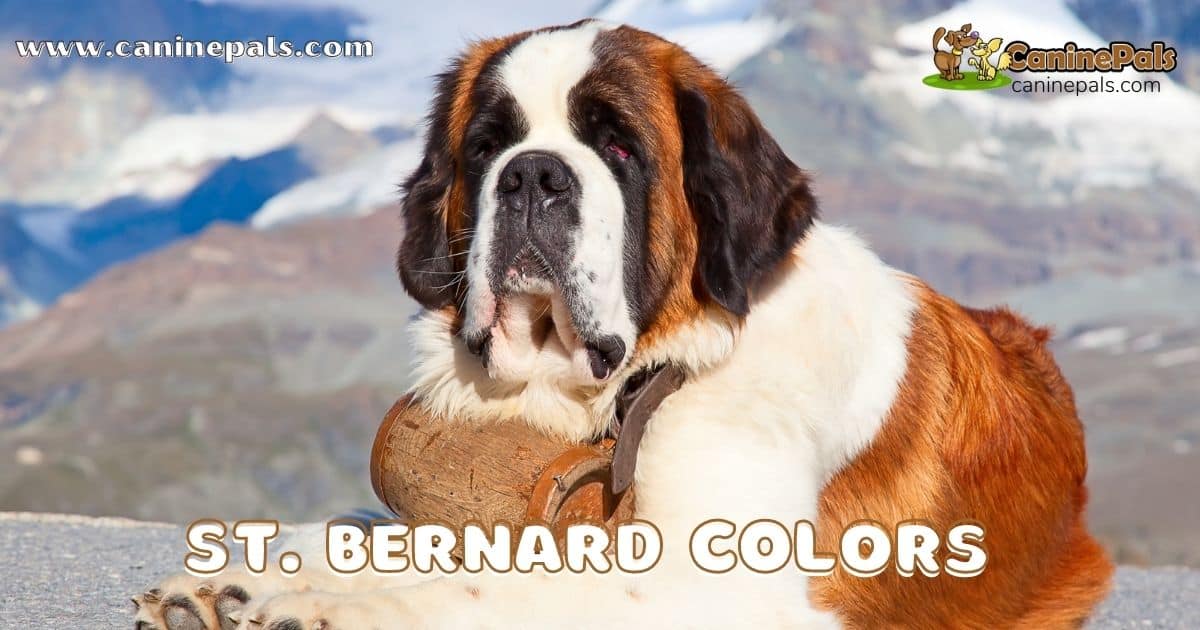
The colors of the St. Bernard were important right from the start, as they needed to be easily seen in snow conditions. This is why the main colors are contrasting ones of shades of brown and white. Not all St. Bernards live in the snow, now but these colors have remained in the standard of the breed.

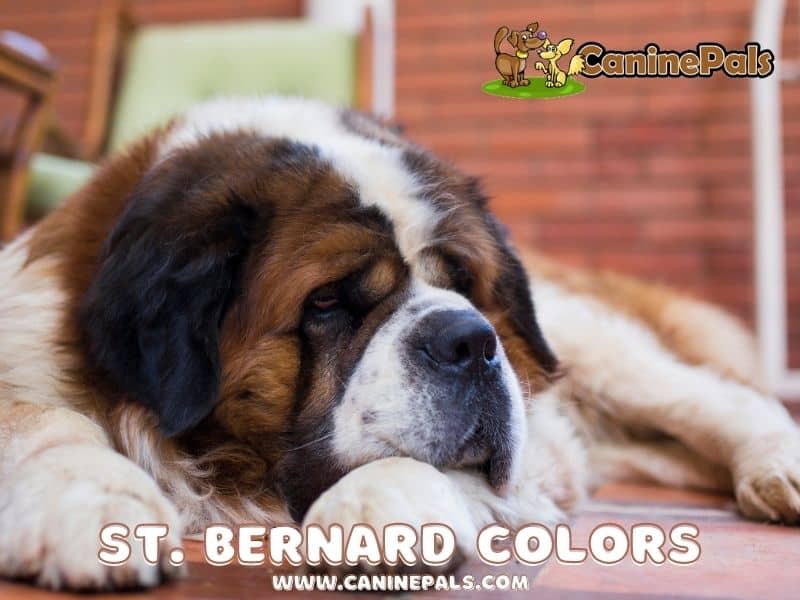
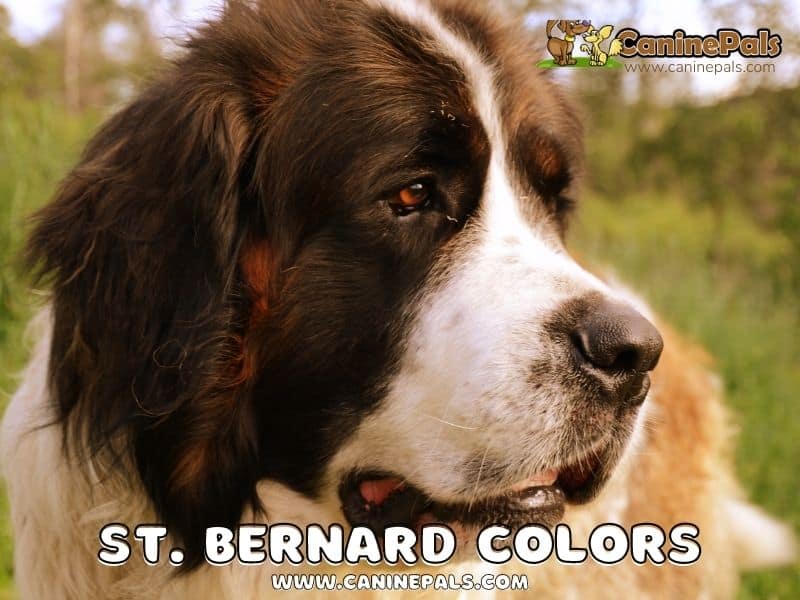
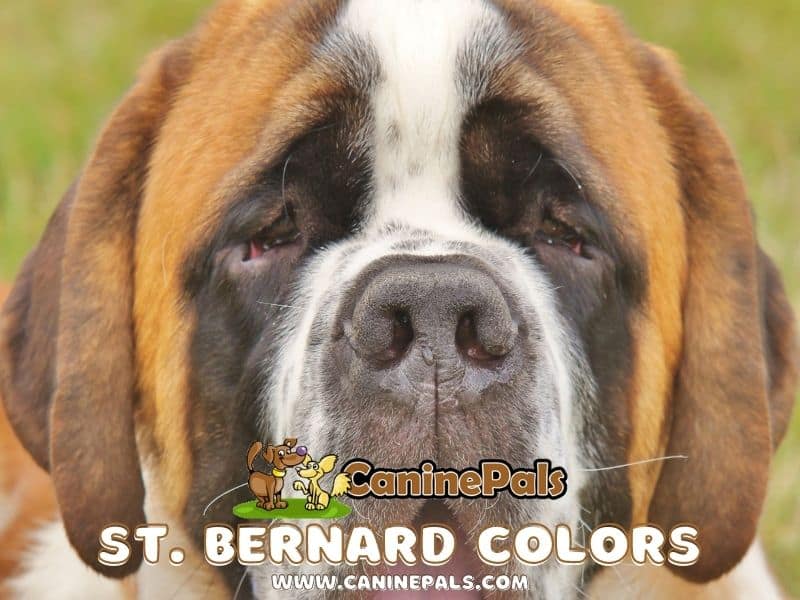
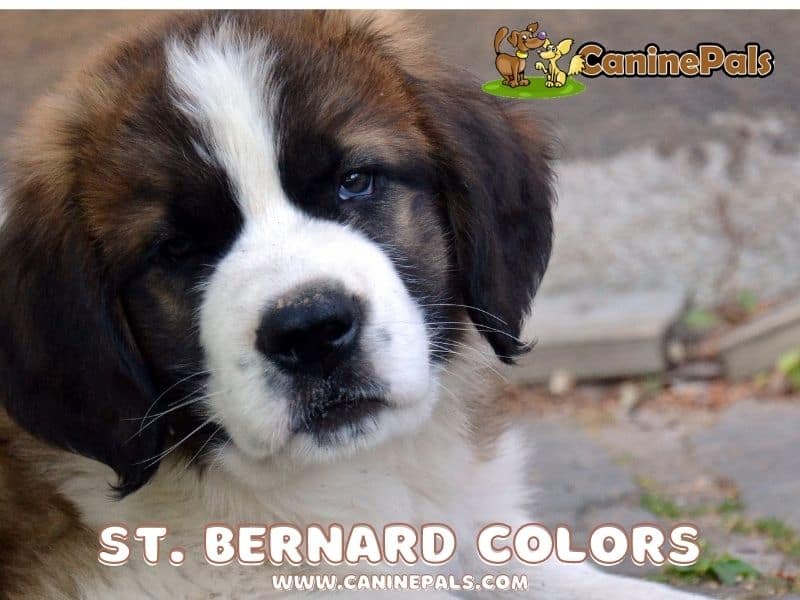
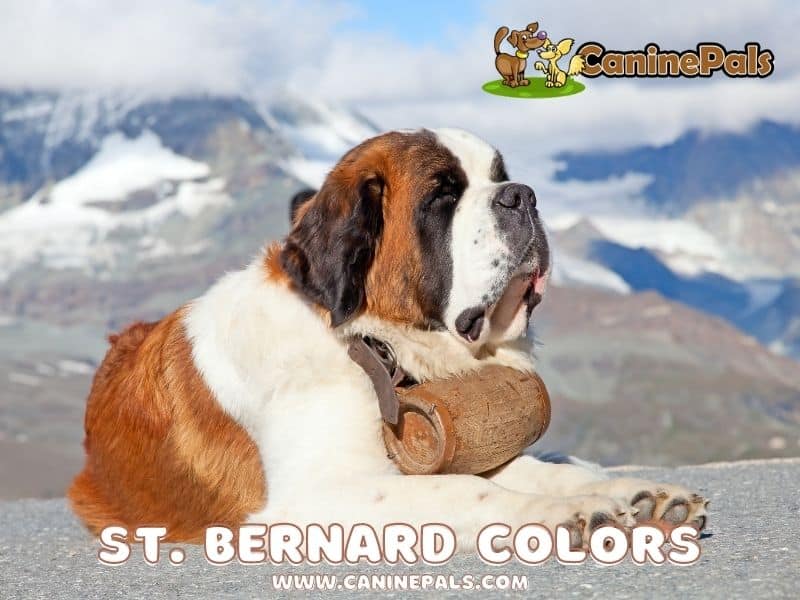
Saint Bernards do come in a variety of colors, including black, white, and shades of brown, including reddish-brown, orange, or even gold. Many Saint Bernards have two shades mixed with white, in other words, they actually have three different colors and this usually includes white. Typically, when most people picture the typical St. Bernard, they will think in most cases, of the brown and white coat.

What Colors Do Saint Bernards Come In?

As with most dog breeds, there are many different varieties of St. Bernard colors; however, the most common color of the Saint Bernard is usually brown with patches of white on its chest and face. These white patches are not always the exact same shape on each dog and this is one way that each dog is unique and how the owner can identify his dog from others with the same color.

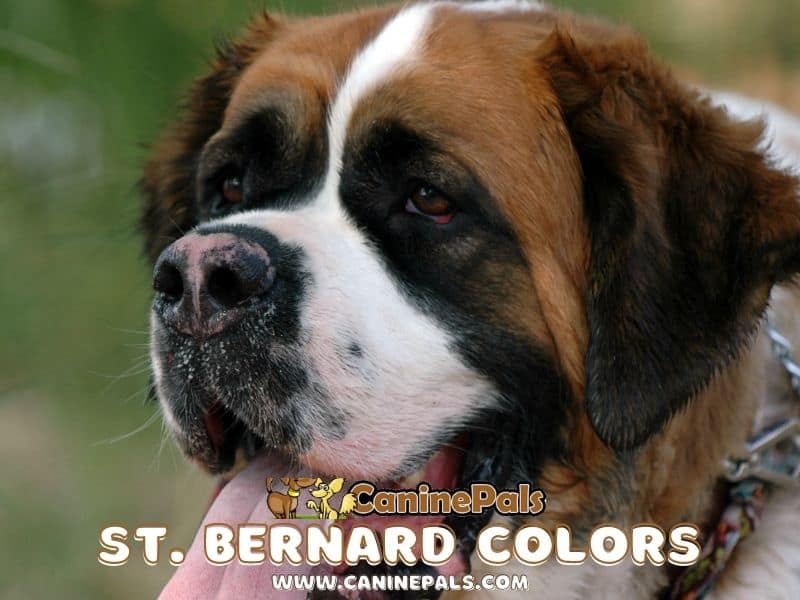
The most popular color combinations for a Saint Bernard include black, brown, and white, in other words, most St. Bernards are tri-color dogs which gives them a unique look. They can also be black with white markings or any variation of this pattern such as tan markings on their chest and legs, or snowflake-tipped paws.

Another interesting color is Apricot. Apricot is also known as fawn, a coat with a peach-colored hue that typically fades into cream on the ears and muzzle. It is essentially a shade of orange and white. St. Bernard’s colors include different shades of orange, tan, and gold.

St. Bernard Colors
St. Bernard Colors

One reason why there are shades of orange, tan, and gold in addition to the standard colors is that in some St. Bernards a pigment called phaeomelanin causes the changed color. The color depends on the amount of this pigment present in the animal.

With orange and white Saint Bernard colors, white always covers more of the dog’s body than the orange. The same is true for reddish-brown colored dogs. White predominates.

One other important fact to mention about the St. Bernard colors is that they are described with the base color first and then the second color of patches on the body. This means that if the St. Bernard color is described as white and brown, then the majority of the dog’s coat will be white with smaller brown patches. Any dog described as brown and white, will be different, with most of the dog brown and having some smaller white patches.

Because of the above, there are many different variations of breed standard Saint Bernard colors for these dogs.

The St. Bernard often has a black patch resembling a mask like Zorro over its eyes. This is quite a desired feature and very typical. Brownish-yellow and white dogs also have a black masks. This is a very unique characteristic of the Saint Bernard.

Amongst all these variations in St. Bernard breed colors is the splash pattern, or piebald as it is sometimes called. What this means is that the dog has a main color of, say, reddish-brown and then odd, irregular splashes of white which can be found anywhere on the dog.

However, these splashes are found on the standard areas of the dog where white appears such as the tail, stomach, and feet. Each dog of this type will have unique shaped and differently sized patches of white on its body in these areas.

St. Bernard Colors
St. Bernard Colors

Non- Standard St. Bernard Colors

There are several other colors that are not considered standard and therefore not recognized by the Fédération Cynologique Internationale, Saint Bernard Club, the Bernard Club of America, the National Breed Club, or the top Kennel Clubs.

One of these variations is any single color or solid color Saint Bernard. This is quite uncommon for Saint Bernards, but why is it undesirable? The only good reason seems to be that the influential kennels and breeders label this as non-standard and don’t allow it to be a valid color of the breed and so it becomes less valuable and less prized. It also becomes less common because they are not bred in any numbers, and certainly not intentionally.

There is also talk from owners that these single colors also suffer from more disease and health issues, but this is not actually proved.

In the same way, Saint Bernard colors lacking any white markings appears to be unpopular, and according to breeders and top kennels, not recognized as a standard or valued color for the breed.

Again, black and white dogs are not accepted Saint Bernard dog colors and are only the result of inbreeding to avoid any of the pigment that causes orange, red or brown to color the fur. Most breeders and kennels would have nothing to do with breeding this variety of color, as it is deemed non-standard.

White Saint Bernard Dogs

Finally, there are all white solid color Saint Bernards who are albinos and normally have health problems. Because of this, they are usually not bred due to ethical reasons. Who would willingly breed an unhealthy dog?

Which Part of the Saint Bernard is Normally White?

White is one of the most common of the Saint Bernard dog colors, and where it is present it is always on the stomach, the chest, the end of the tail, and the feet. A white area on the nape of the Saint Bernard’s neck is also a desirable feature.

Because of the distinct and contrasting markings of the Saint Bernard dog , they are said to look similar to a priest, with his white vest and collar. Some also say that the purpose of the black mask on its face is to protect it from the glare of the sun as it reflects off the snow where the dog usually lives.

St. Bernard Colors
St. Bernard Colors

What are the Most Popular Saint Bernard Colors?

Many people wonder which color of the St Bernard dog is the most popular. It turns out that the most prized color is actually white with brown patches.

This is because in olden times when people were hunting these dogs, they wanted to make sure that they would be easily spotted. This made sense because if they were hunting in a snowstorm or another situation where visibility was low, then it would be very hard to spot a light brown dog against the snowy background.

A study by Cornell University found that people prefer darker-colored dogs because they are associated with fewer health problems.

Subjects in the study were shown pictures of three different colors of St Bernard dogs and asked to rank them. The results showed that black, dark brown, and dark gray St Bernards were ranked higher than light brown, light gray, and white ones.

What Are the Rarest Saint Bernard Colors?

This section is about the rarest colors of the Saint Bernard dog. Some of the rarest colors are Fawn, Black, Blue, and White.

The rarest color of a dog discovered so far is the blue Saint Bernard dog. The other rare colors are black and white. In the UK, the rarest color of St. Bernard is black because there are less than 10 black-coloredSaintBernards registered there.

Many sources about the most expensive color of the Saint Bernard dog will tell you that the most costly color of these dogs is gold. Also, mahogany and white, brownish-yellow, and grizzle are very expensive Saint Bernard colors. In the US, these colors can cost thousands of dollars.

Another rare and expensive color is described as brindle, which resembles the stripes of a tiger. This effect happens because of two different colors appearing in a pattern of stripes, the two colors are not distinctly separated so it is quite a subtle effect.

St. Bernard Colors
Saint Bernard Colors

AKC and FCI Saint Bernard Breed Standard Colors 

AKC Standard Colors

FCI Breed Standard Colors

Brindle & White

White with clear Red patches

Brown & White

Brownish-Yellow

Mahogany & White

Brindle Reddish-Brown

Orange & White

Broken Reddish-Brown mantle

Red & White

Rust & White

White & Brown

White & Orange

White & Red

What Effect Does Saint Bernard Colors Have on the Dog?

Scientists at Cambridge University’s Dog Cognition Centre also concluded that the color of a dog’s coat had a direct impact on its behavior, such as how obedient it could be or how sociable it was.

It is believed by many that the possible colors of a St. Bernard dog may determine its personality or health.

This could be supported by research carried out on Labradors by the University of Sydney, which connected the color of the dog to certain diseases of the skin and ear, and to the length of time the dog lived. This suggests that for some dogs color may have an impact on health and lifespan, perhaps the Saint Bernard could be the same.

There is no evidence that the coat color of a Saint Bernard dog affects their personality or temperament. However, many owners would disagree. Dogs with white coats are said to be more likely to be polite and not pester people too much, whereas dogs with brown coats were more aggressive and were more likely to get into fights.

If you try to find out whether the coat color of a Saint Bernard actually changes either the behavior or health of the dog, you’ll probably find that most experts will tell you that no, it doesn’t make any difference. However, as we have seen, there is some evidence that suggests that dog owners do not feel this way. This is not hard research of course, but it is worthy of consideration.

Also, despite the lack of hard evidence and research, the kennel clubs and breeders claim that the undesirable colors also carry health risks and that is the reason for declaring them as untypical of the breed.

It is, however, a fact that albino dogs do have more health problems and are affected by different diseases. One of these problems is deafness.

St. Bernard Colors
Saint Bernard Colors

Do St. Bernard Puppies Change Color Later?

The short answer to this is yes, a Saint Bernard puppy may change color. However, the change in color will be quite subtle and not make a huge difference to the appearance of the grown dog. For example, very red Saint puppies may change their color to mahogany. The reason why this happens is simple, it is due to the change in pigment as the dog grows older.

Saint Bernard’s Health

Don’t forget that an adult dog that gets a lot of sunshine or that has health issues can change its color also. This is also often down to poor nutrition. Making sure your dog gets Omega oils, eats some fish from time to time, and has a healthy and balanced diet will ensure a healthy coat that maintains its color and shine. It will also make for a happier dog.

Saint Bernard Colors

Saint Bernard Grooming Tips

So, now that you know all about the many different Saint Bernard dog colors that are available, I hope you will do your best to look after your dog and maintain its shiny coat if and when you get one. If you want to keep your dog’s color looking as good as it can, you will need to pay attention to grooming and cleaning the fur.

Grooming your Saint Bernard may seem like a daunting task, but it’s actually quite simple with these helpful tips.

It’s important to start the process of regularly grooming from a young age with Saint Bernard puppies. Brush the thick coat of your Saint Bernard puppy several times a week to keep the coat looking good. Fur should be combed out and pushed back so that you can see their hairline clearly; this will keep them looking clean-cut all day long! If he has longer fur on his legs or neck area, then use an anti-static brush. From time to time you should also use a good quality shampoo to clean the coat of your dog.

Shampooing once every six weeks is also recommended for maximum shine – make sure its sensitive skin-friendly shampoo and apply diluted conditioner after washing.

This will help to remove dirt and bring out the full color of the dog hair so that it looks really good. Your dog will thank you for this attention, although with such a big and muscular dog it may sometimes be a struggle to give your dog a bath or thorough brushing. Don’t neglect this.

St. Bernard Colors
St. Bernard Colors

St. Bernard Colors Final Thoughts

The Saint Bernard is a big, friendly dog who’s also very gentle with children and other animals. They have been used as rescue dogs by mountain climbers. Saint Bernards come in many colors.

All dogs have specific needs depending on dog breed and size, so it’s essential to know if your new pup has any special requirements before you adopt them.

Copyright CaninePals.Com. All Rights Reserved.
References and Further Reading:

[1] American Kennel Club, Saint Bernard Information.

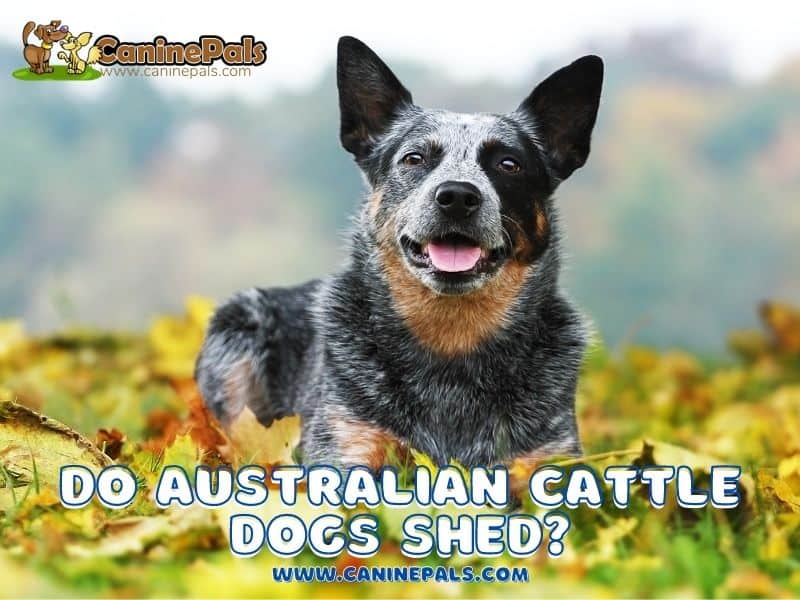
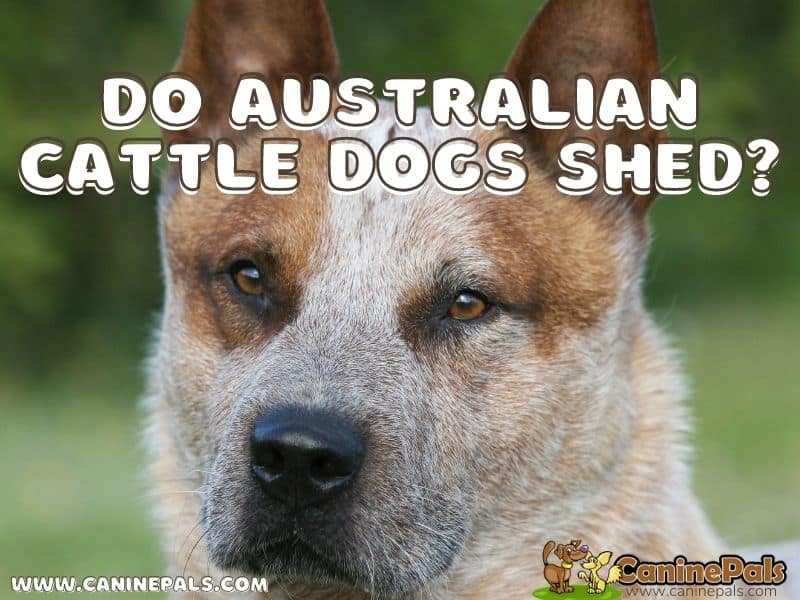
Do Australian Cattle Dogs Shed?

Do Australian Cattle Dogs Shed?

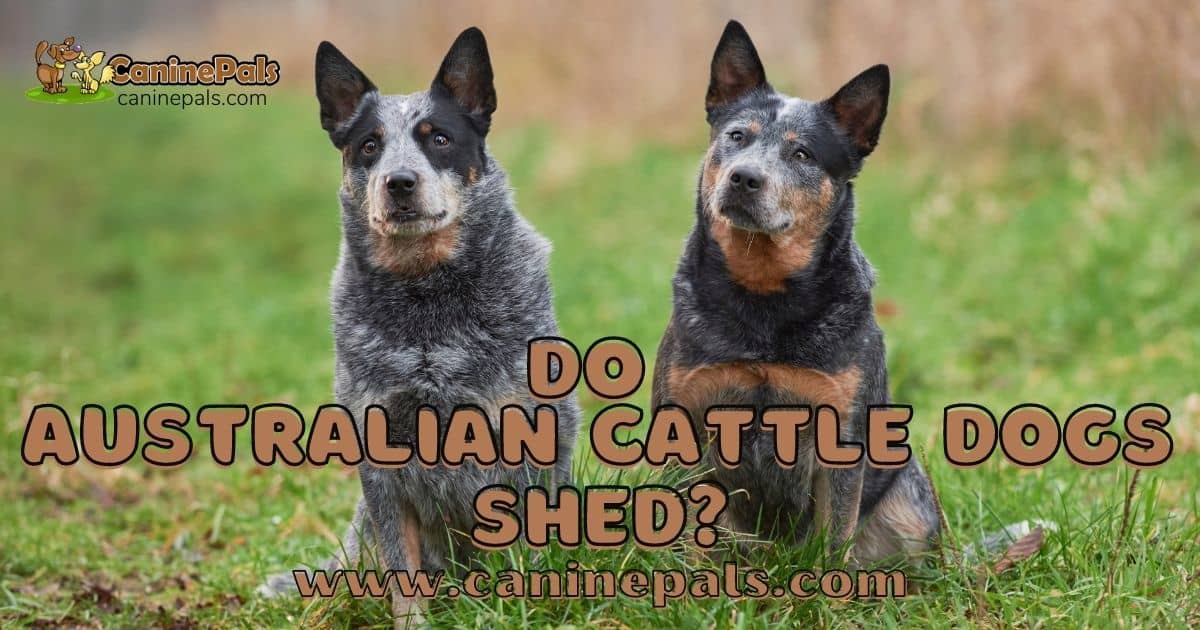
Aussie Cattle dogs are great pets. They shed often, but the hair is relatively easy to clean up. However, like any dog, the hairs they shed can cause allergies.

Aussie Cattle Dogs are known to be very intelligent, athletic, and friendly. They also rank as one of the smartest dog breeds in the world. The Australian cattle dog is a high-energy, working breed that needs plenty of exercise and mental stimulation. They are originally bred to herd cattle and are often used to handle wild cattle. So they are an especially skilled breed of herding dog.

Australian Cattle Dogs are working dogs and are also called Blue Heelers and the Queensland Heeler. They need to be able to work in all kinds of conditions, which means they need to shed their coat in the summer and grow it back in the winter.

However, Australian Cattle Dog owners will tell you that their fur is relatively easy to manage. They don’t shed a lot and they don’t cause a mess inside your home.

One of the factors that make a dog a good match for a family with children is how much hair it sheds. Aussie Cattle Dogs are known for being good family pets because they shed normally.

When Do Australian Cattle Dogs Shed?

It is important to know that all dogs, including all purebred dogs can shed hair and skin cells all year round, but they typically only blow their coats twice a year. This is usually in the Spring and Fall.

Australian cattle dogs shed all year-round, not just during the spring season like other breeds. This makes them more prone to dander than your typical dog, so they’ll need more frequent brushing sessions to keep up with the shedding process.

Do Australian Cattle Dogs Shed?

How Much Do Australian Cattle Dogs Shed Compared to other Breeds of Dog?

Hair that is shed by the Australian Cattle Dog is usually found on clothing, furniture, and carpets.

Australian Cattle Dogs are moderate shedders. They will need to be groomed regularly to avoid matting and tangles.

An Australian Cattle Dog can lose up to 1.5 pounds of hair per week, which is significantly more than other breeds of dog. They have a double coat so they need to be groomed at least twice a week.

Blue Heelers sheds significantly less than other breeds of dogs, such as German Shepherds and Poodles. It’s not just hair that can trigger allergies, but also dander from dead skin cells that build up on the dog’s coat from scratching or licking their fur. The Blue Heeler’s level of shedding means there is less dander and fewer skin cells to spread around your home and trigger allergies in those with sensitive skin.

Here is a list of different dog breeds with estimates of average shedding per year in pounds. The exact amounts can vary so much that you shouldn’t place too much importance on the exact numbers, but for comparison purposes, this is useful to know.

Many people are not aware of the fact that the average dog sheds a lot of hair every day. They can shed around 125 to 250 grams of hair per day. In some dog breeds, this can be as much as half a pound a day.

On average a Labrador sheds about 70 pounds of hair each year (amcny.org). The German Shepherd Dog sheds an average of 100 pounds of hair each year.

The average Cocker Spaniel sheds 80-200 pounds of hair per year which comes out to about 3-7 pounds a month.

An average Collie sheds 17 pounds of hair per year, with a range from 0 to 24 pounds.

St. Bernard dogs shed about 60 pounds of hair per year.

Again, these figures are not exact they are estimates from many sources including vets, owners, and discussions online.

So, how much does an Australian Cattle dog shed compared to a Labrador, German Shepherd, or Cocker Spaniel?

If, as has been said above, the Australian Cattle Dog sheds about 1.5 pounds of hair per week, it is similar to other moderately shedding dogs such as the Saint Bernard or the Labrador, so I would estimate it to be somewhere around 75 pounds per year.

Do Australian Cattle Dogs Shed?

What is the Best Anti-Shedding Dog Brush for an Australian Cattle Dog?

The Australian Cattle Dog has a thick, curly, and wiry coat that can grow quite long. It’s important to have the right brush type to be able to manage this type of coat and prevent problems with shedding.

There are several types of brushes for different purposes. For instance, you will want to use a slicker brush for smoothing and shaping the coat and a stiffer brush for removing undercoats and loose hairs.

If you look after your dog’s coat, it is likely to shed less on your furniture, carpets, and you. Loose hair is also less likely to cause allergy problems for your family.

Australian Cattle Dogs are an energetic breed that sheds a lot throughout the year. They also have short hair that is often dry and tangled because of their high energy levels.

The best dog brush for this breed should be able to tackle all these problems with ease, giving your little buddy a shiny coat and keeping them looking great.

A great choice of brush for Australian Cattle Dogs might be something like the KONG ZoomGroom Pet Brush. It has rubber fingertips, which can penetrate deep into your dog’s undercoat and make sure they don’t get irritated by brushing harshly. Remember that causing irritation while brushing can cause skin problems for your pet that may increase shedding. So be gentle!

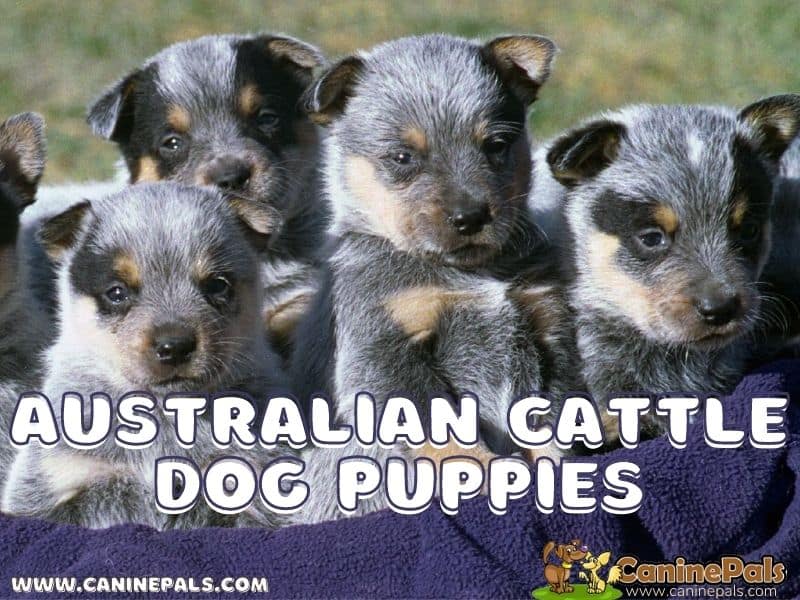
Australian Cattle Dog Puppies

How Often Should I Brush My Australian Cattle Dog?

Cattle Dogs are the perfect dog for anyone who wants a low-shedding, easy-to-groom pet. Their wiry coat does not shed much and will not mat. They also do not require frequent bathing or brushing like other breeds.

Aussie Cattle Dogs are a medium-shedding breed. You can expect to brush through a Cattle Dog once a week normally, and daily while shedding.

Australian Cattle Dogs are relatively easy to groom because of their short coat. They need to be brushed at least two times a week to keep the coat clean. It’s also important to keep an eye out for matting which can occur on the back end of the body.

Cleaning your dog is one of the most important things you can do for them, but there are many different ways to go about it. Pick the right brush for your Australian Cattle Dog will be a big factor in how often you need to clean them.

There are different brushes available that are designed for specific types of coats and fur types, so be sure to choose wisely as brushing does have an effect on the amount that your dog sheds.

Australian Cattle Dogs have medium-length hair with a straight texture. This means they’ll require less maintenance than other breeds with longer or curlier hair. The coat may not need brushing more than twice a week, but it depends on how much dirt has collected on the hair during this time frame.

Brushing will also help distribute natural oil throughout their coat and prevent matting between the curls of their coat. The flow of natural oils and reduction in the dirt that may be against the skin will reduce skin irritation resulting in less shedding.

There are many factors that will influence how much your dog may shed its hair. Hair length, age, season, and health are just a few of the many considerations that should be made before determining whether your dog is shedding abnormally.

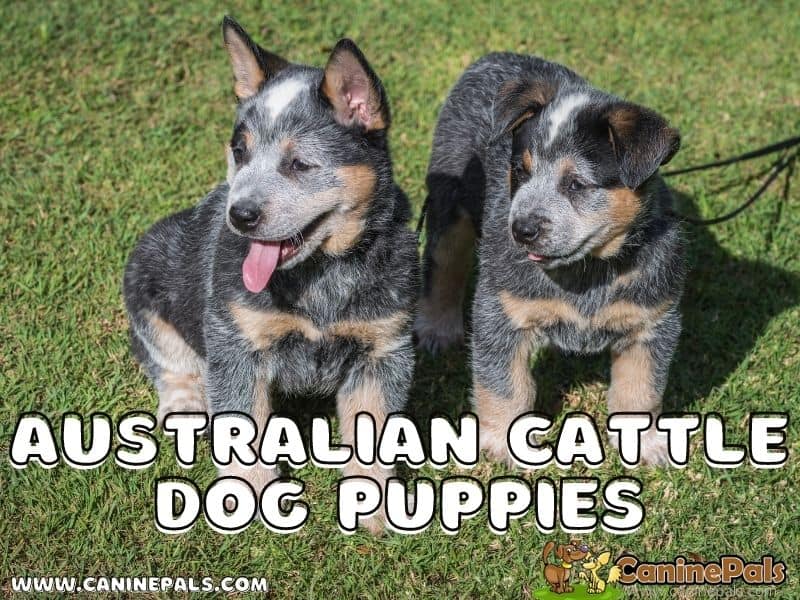
Australian Cattle Dog Puppies

Brushing Your Blue Heeler

Brushing a healthy Australian Cattle Dog regularly should limit the amount of hair left on furniture, clothes, and other surfaces in your home. This is important because the hair of your dog can cause allergic reactions and kids can be particularly sensitive to this.

The frequency of brushing may change depending on your dog’s skin condition. If they have sensitive skin or allergies, they may require more frequent brushing to prevent skin irritation or painful hairballs. During this period they will shed more than normal. seek advice from your vet if you think your dog is shedding too much hair. It can be a sign of illness and you need to check that.

Brushing your Australian Cattle Dog will remove dead hair and undercoat before it falls off onto your furniture or floor. As a result, if you brush your Australian Cattle Dog regularly, you can greatly reduce the amount of hair that sheds on surfaces in the house.

Plus, brushing your Australian Cattle Dog regularly can offer other benefits too! Your dog will not only look better with all the dead hair removed but also feel better with less hair to itch against their skin.

Brushing a dog’s fur is a great way to help them stay clean and healthy. It also helps with shedding, since brushing bristles the fur, keeping it tied together so it doesn’t fall out. Dogs with short coats require daily brushing while dogs with long coats may need brushing every few days or every week.

Australian Cattle Dogs require brushing with a firm bristle brush at least once or twice a week in order to reduce shedding and prevent matting of their coats. This will help the Australian Cattle Dogs maintain their beautiful appearance and cut down on high maintenance grooming needs.

Please remember that how you brush your dog can also reduce the amount of hair that it sheds. Make sure to brush your dog in the opposite direction of the fur to help unclog hairballs and prevent shedding. This is the most efficient way to remove loose hairs and allow much-needed air to reach your dog’s skin.

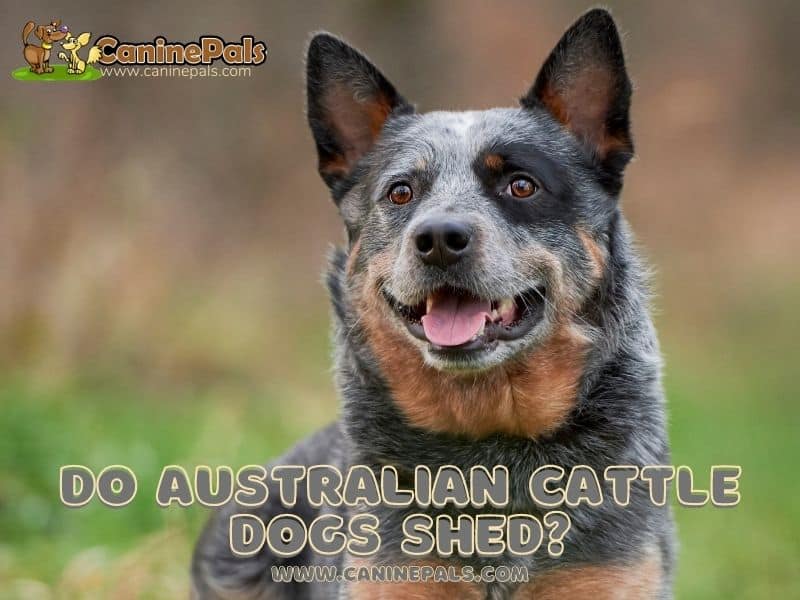
Do Australian Cattle Dogs Shed?

Health Issues and Shedding

As has already been mentioned health issues such as skin irritation can cause extra shedding in all breeds of dog and the Australian Cattle dog is no exception. In particular, a dog needs to get the nutrients and vitamins it needs from its food in order to have a healthy and shiny coat that stays that way. Ensure any dog food fed is high quality.

Any deficiency in essential oils or nutritional problems can cause shedding, so get advice if you think this might be the case with your dog.

When you groom your dog, you should take the opportunity to check to see if your dog’s skin shows any signs of irritation or red patches which could be increasing the amount it sheds or causing it discomfort. If you are unsure, seek the advice of your vet.

If you do go to your vet, and if there is a nutritional problem or deficiency, your vet will probably give you advice to give your pet some form of supplements containing Omega 3 and 6 oils, Vitamins C, A, D, B, and other minerals such as iron or selenium which may help restore your dog to better health and a corresponding improvement in the health of its coat. This can really help with the reduction of excessive shedding.

The Shedding Process

Hair shedding is a natural part of the hair growth cycle. The shedding process can also be triggered by hormones, stress, illness, shedding seasons, and the growth of new hair. Most dogs shed in spring and fall seasons when seasons change, however, the Australian Cattle dog is said by some owners to shed a lot and to never stop shedding.

With some care and thought, and a lot of love, you can keep your Australian Cattle dog happy and healthy and avoid any shedding issues. It just takes a bit of daily care.

Shedding cannot be avoided and is something natural and necessary for every dog as part of its body cycle. Now you know exactly how much you can expect your Australian Cattle Dog to shed and what to do if you think it is shedding too much.

Your dog was bred to work hard and efficiently and is a strong and reliable dog. As a pet in the modern environment, this creature can reward you with years of friendship, loyalty, and love. Don’t let the hairs get in the way!

Do Australian Cattle Dogs Shed?

About the Australian Cattle Dog

The Australian Cattle Dog is the ultimate cattle herder and can do it all day. He’s strong, agile, and courageous and these attributes enable him to control cattle in open spaces and confined spaces as well.

Even stubborn cows can’t get the best of this dog. He can be red or blue and can be speckled or mottled and may also have other marks.

The Australian Cattle Dog used to be known as the Australian or Blue Heeler and in the 1800s was originally a mix of a Dingo, Collie, Kelpie, and a Dalmatian. The Blue Heeler is a close relative of the Stumpy Tail Cattle Dog.

He loves big, open spaces. He’s full of energy and bonds easily with his family. He’s very intelligent and needs work to do to keep him happy. His short coat only needs occasional brushing and bathing. He stands 17-20 inches high.

Final Thoughts

The Blue Heeler is one of the most popular breeds in Australia, and it’s no surprise that Australian Cattle Dogs are a favorite for many dog owners. They are prized as working dogs and companions alike.

Australian Cattle Dogs are well-known for their short, dense coats. They shed lightly year-round but are known for heavy seasonal shedding.

This dog breed is agile and athletic but sheds like nobody’s business during the shedding season. The Australian Cattle Dog is a dog breed that requires very little grooming.

Copyright CaninePals.Com. All Rights Reserved.
References and Further Reading:

[1] American Kennel Club, Australian Cattle Dog Information.
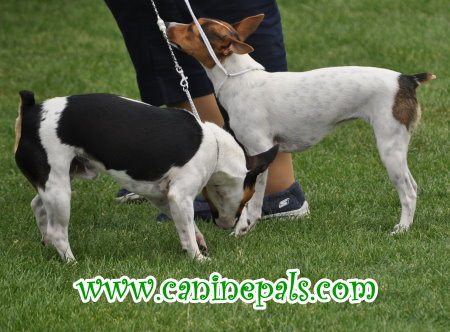
 

Russian Toy Terrier Dog

Complete Russian Toy Terrier Breed Information

This post is about the Russian Toy Terrier, a small dog with an adorable face. This breed of terrier was developed in Russia, and its most common color is black and tan. If you’re considering getting this type of dog for yourself or your family, then check out these interesting facts about them.

History of Russian Toy Terrier Dogs

The Russian Toy (aka the Russian Toy Terrier), also known as the Russkiy Toy Terrier Dog is a small dog breed that was originally bred from the English Toy Terrier (aka the Manchester Terrier). This breed has two types, a long coat, and a short smooth coat.

Originally the long-coated dog was called the Moscow Long Haired Toy Terrier. The short smooth coat dog was called the Russian Toy Terrier. In 1988, both dogs were combined and became the Russian Toy Terrier. In 2006, the “terrier” word was dropped because this dog was officially listed in Belgium’s International Federation of Kennel Clubs.

This Russian toy dog breed came close to being wiped out twice. The first time was during the 1920s during the Communism era because he has strong ties to the aristocracy. The second time was because of the influx of foreign breeds once the Iron Curtain fell.

Russkiy Toy Dog Breed Information

Let’s have a look at some vital stats of the Russian Toy Terrier:

Stats Description
Dog Breed Group Miscellaneous
Purpose Companionship
AKC Breed Popularity Not known
Average Height 8 to 11 inches tall at the shoulder
Weight Range up to 6 pounds
Temperament  Intelligent and eager to please. 
Energy Level Moderate
Features Temperament difference between the two coat types. The smooth coats have a more terrier like attitude to life.
Life Expectancy 12 to 14+ years

Breed Characteristics of Russian Toy Terriers

A small, elegant dog that is lively and active. These dogs have a keen intelligence with their aloofness towards strangers but are neither coward nor aggressive.
A perfect companion for your day-to-day activities.

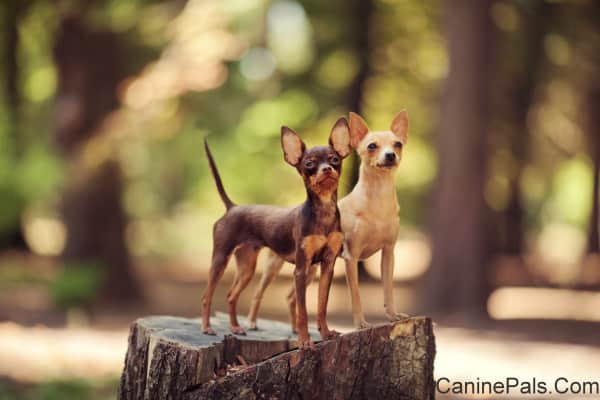
The Russian Toy is one of the world’s smallest dog breeds and measures 20-28 cm and weighs 1-3 kgs. Its distinctive small head has triangle ears and large eyes. In the countries that have banned docking, this dog’s tail is curved like a sickle.

A Russian Toy Terrier is a square dog; it has an equal height from withers to the point at the hip. The head is small compared to the body. It has an alert and attentive expression with dark eyes. Ears are big, thin, and set high. They’re also erect with a wider base tapering down to a triangular shape.

Black and tan dogs have black noses. Chocolate noses are preferred for chocolate dogs. Red Sable dogs have black noses. Blue and Tan dogs have dark grey noses. Red Brown dogs are known for having dark brown noses.

Russian Toy Terrier Dog

Both varieties of this dog can be crossed so one litter may have long and smooth-coated puppies. There have been times when two dogs with smooth coats have been bred and a Russian toy terrier’s long hair offspring is born from that unity. This only happens if the long hair gene is part of their pedigrees. However, the reverse hasn’t been known to occur.

Russian Toy Colors

The Russian Toy has four main colors: solid red of differing shades, brown and tan, blue and tan, or black and tan. The red color includes red sable (red with an overlay of brown) and sable (red but the hair tips are black (overlay).

Russkiy Toy Terrier Coat

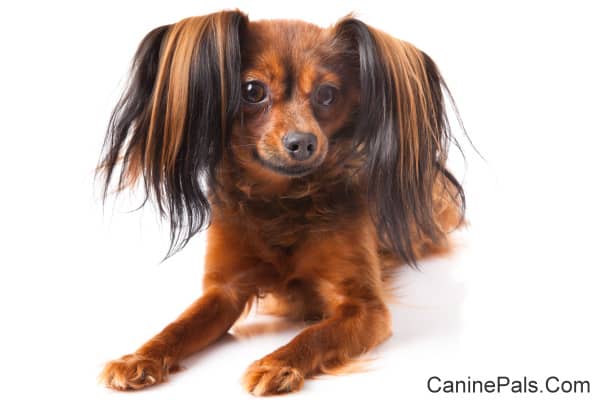
There are two types of coat types in this dog breed, smooth-coated and long-haired. A smooth coat dog has short, close-lying hair that is shiny and without an undercoat.

Long-coated dogs have bodies covered with medium-length hair that is either straight or wavy. The hair on the head and front of the limbs are short and close-lying. There will be distinct feathering on the rear side of the limbs. The feet are covered with long silky hair, which completely hides the nails. Long-coated dogs have ears that are covered with thick, long hair.

How much your Russian Toy’s coat grows can be influenced by diet, genetics, age, hormones, and even the climate where he lives. Puppies usually lose most of their coat when they’re between the ages of 5 and 12 months of age. The full coat may not exist until the dog is aged between 2 and 3 years old.

The females can lose most of their coat once their season has passed. Therefore, an intact female’s coat won’t be as much as a spayed female or that of a male.

Russian Toy Terrier Health Problems

Russian toy terrier dog
Russian Toy Terrier Dog

A vet is often needed if “baby/puppy teeth” have to be removed. If this isn’t done (generally under an anesthetic) both baby and adult teeth will try to occupy the same jaw socket. This can cause gingivitis, tar deposits, periodontitis, and tooth decay. These problems can lead to teeth being lost prematurely.

Russian Toys can easily have fractured bones because they’re so small and somewhat delicate. They can suffer from patella luxation, where the knee cap slides out of place when the knee bends because the groove that’s supposed to hold it firmly in position isn’t deep enough. Patella luxation can be a genetic and/or environmental problem.

Collar/Leash Issues

The tracheas and necks of smaller dogs are far more fragile than larger, more sturdy dogs. The ideal way to take him for a walk is by using a leash that gets attached to a harness (not a collar).

Never leave a harness or collar on him while he’s at home. It’s common for one or the other to get caught on different things in the home that can yank him by the neck, potentially causing a great deal of harm.

Russian Toy Terrier Temperament

The Russkiy Toy Terrier is an energetic and loyal breed of dog. They are known for their kindness, intelligence, loyalty to family members, or the owner’s command.

This small dog has a cheerful, active temperament and can become very attached to his family, regardless of the ages of each family member. He’s very reserved around strangers and demonstrates powerful loyalty to his owners. Originally he was bred as a watchdog and rat dog. The watchdog trait is still quite distinct and, although he’s small, he can be very vocal and protective if danger to his family is perceived.

The Russian Toy Terrier dog is ideal for people living in smaller spaces because of its size and temperament. He’s good-natured and great with families, including young children. However, as with all breeds, do your homework before taking one home to meet the family.

When you consider the attitudes of these dogs, you’ll find the Smooth Coats tend to be a little more like a terrier, as compared to the Long Coats. However, both types have very big personalities.

Russian Toy Terrier life Expectancy

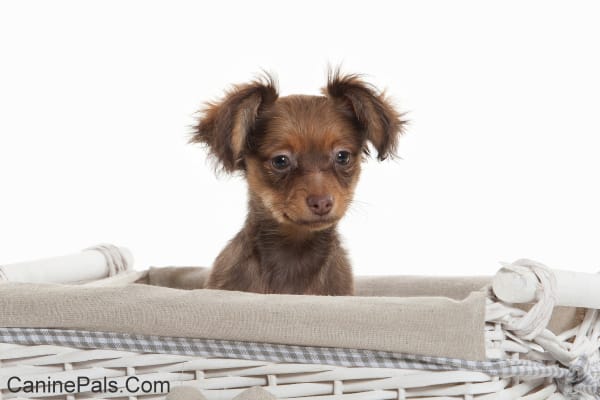
Russian Toy Terrier Puppy

A Russian Toy has a life expectancy of about 10 to 12 years, but it is not unheard of for some of these dogs to reach their late teens.

Russkiy Toy Terrier Training

The RTCA (Russian Toy Terrier Club of America) strongly recommends that you get your puppy involved in socialization as early as possible. This should help your Russian Toy puppy become a valued, well-behaved part of the local community.

Many kennel clubs that accept all breeds, vets, and community centers provide kindergarten classes for puppies and numerous stages of obedience training. All owners of Russian Toy dogs are encouraged to train their dogs to become the best possible dogs possible.

Final Thoughts

A Russian Toy Terrier is a small, yet sturdy dog with an outgoing personality. They are playful and love to be around their family members as much as possible. However, they can also be stubborn at times so it’s important not to use harsh training methods on this breed of terrier. If you’re considering adopting one of these dogs or already own one, here are some things that owners need to know about the Russian Toy Terrier in order for them to live happily ever after!

Copyright CaninePals.Com. All Rights Reserved.

References and Further Reading:
Russian Toy Breed Standard (AKC). American Kennel Club, Effective June 27, 2018. PDF 
Russian Toy Terrier Club of America

Tenterfield Terrier

Complete Tenterfield Terrier Dog Information

This article is for all pet owners and families interested in learning more about Tenterfield Terrier Dogs. We will answer questions such as what they look like, how big they grow to be, their personality traits, and if they make a good family dog.

These little dogs have an outgoing personality that makes them great with children but can also get into mischief when too much alone. So if you’re looking for a doggie friend to add to your family, this might be the perfect breed!

In What Country Did Tenterfield Terriers Originate?

The Tenterfield Terrier originated in England and developed in Australia and was at one stage also called the Miniature Fox Terrier or the Mini Fox Terrier. The full origin of this dog isn’t fully known.

The Tenterfield Terrier’s origins are from the Old English White Terrier. Another school of thought is that during the development of this dog breed, the smallest puppies from Fox Terrier litters were crossed with other small breed dogs.

In the late 1800s, the Tenterfield dog was a definite part of rural Australian life. By the 1920s, he was also a popular dog breed for families in the suburbs too.

The name – “Tenterfield” is a town in New South Wales, and was incorrectly thought to be the birthplace of this breed. However, the truth is that the town is just one of many places where this dog lived.

The town has a different significance to Australians as the owner of its saddlery was the grandfather of the entertainer, Peter Allen. He wrote the “Tenterfield Saddler” about his grandfather who also happened to own quite a few small types of terriers.

The dog was named “Tenterfield” in the 1990s by Don Burke, a popular TV personality of the time. The name was accepted as a renaming of a Miniature Fox Terrier.

What Does a Tenterfield Terrier Look Like?

As for the dog itself, his coat is fine and short and he’s a square, well-balanced dog breed. Most of these dogs are predominately white and have tan, liver, or black markings.

The measurements of wither to the ground and wither to the rear should always be equal. The length of the head and neck must balance with the whole dog. The tail is usually docked as it makes a balanced appearance for dogs. A medium-sized head. Apple domed heads are considered highly undesirable.

Eyes are not large but slightly oval in shape. They should be as dark as possible with pigmented eye rims and a keen expression. Light-colored eyes or walled-eyes are discouraged.

The v-shaped ears are set high on the outer edge of the skull with tips that point slightly forward. They’re not wide or large at base, relatively medium in size, and should be roughly equal to the width between them. The ear’s texture is thin (not thick).

A Tenterfield’s strong-jawed mouth has full dentition and scissor bite. Lips should be tight-fitting, pigmented, and a wry mouth should receive heavy penalties in the show ring.

The neck is strong and clean, allowing the dog to carry their head proudly. The shoulders are well sloped back without being too heavily muscled.

Forelegs are of strong, round bone in keeping with the size of the dog. When viewed from any angle, they should be straight and have sufficient length to provide a balance between its frame.

The body is compact and short with a level topline, strong without slackness, and powerful loins. The chest does not drop below the elbow.

A Tenterfield’s pasterns should be parallel when viewed from the rear and vertical when viewed from the side. This dog’s hocks are well let down, and the stifle is well bent. The feet are small and compact, with moderately arched toes.

A docked tail is preferred with a high set and erect when alert but not carried over the back. Sometimes, however, it can be a natural bobtail that occurs in this breed on rare occasions.

Recognition

  • ACR = American Canine Registry
  • ANKC = Australian National Kennel Club
  • APRI = American Pet Registry, Inc.
  • DRA = Dog Registry of America, Inc

Group:  Terrier

How Big Do Tenterfield Terriers Grow?

He’s usually 25 – 30 cm and the Tenterfield terrier weight is proportional to his height.

How Long Do Tenterfield Terriers Live?

The life expectancy of this dog is 14-15 years.

Tenterfield Terrier What’s Good About “em”

Tenterfield Terrier
Tenterfield Terrier

The Tenterfield Terrier is an agile, active, strong, versatile working terrier. He’s confident, bright, happy, and keen to learn. He’s very loyal to his owner. He’s independent, clever, fearless, highly intelligent and bold, and has an alert facial expression.

Tenterfield Terrier Health Problems

As a dog breed, the Tenterfield Terrier is a typically healthy animal. However, this dog breed is sometimes prone to facing patella luxation and hypothyroidism issues.

How to Train a Tenterfield Terrier

Tenterfield Terriers

Tenterfield terrier training is similar to most terrier dogs, you need to be patient when training him. He’ll respond the way you expect if you use methods of positive reinforcement. Hitting and yelling will get you nowhere.

The Tenterfield Terrier responds well to training that rewards correct behavior and ignores incorrect behaviors.

Tenterfield Terriers are known for their ability to learn quickly. Still, they require a patient trainer who can reinforce the desired action while ignoring subsequent steps or mistakes to master what is being taught.

Tenterfield Terrier Temperament

The Tenterfield dog is very friendly and loves to curl up in your lap while you’re sitting in your favorite chair. However, he’ll be noisy and may be destructive if he’s bored. He gets along well with children. He can’t be trusted with other pets including guinea pigs and mice. He has a strong terrier “chase and kill” instinct.

Exercise Requirements

The Tenterfield Terrier needs to be kept occupied as much as possible. He needs daily walking or jogging. He’s ideal in fly-ball competitions and agility trials. He needs to burn off his energy so he’ll settle down when you want to relax.

These dogs are fairly active indoors, but they will do best with a place to run. They’re great apartment pups as long as you take them out for walks or let them play at the park every day!

Do Tenterfield Terriers Bark?

All small dog breeds are inclined to be “yappy” unless trained to behave otherwise. The Tenterfield Terrier is no exception.

Tenterfield Terrier Grooming Requirements

Tenterfield Terrier
Tenterfield Terrier

Grooming is easy for this pet or even for a show dog of this breed. Brush his short-haired, smooth coat regularly with a firm bristle brush. Wash him fortnightly in the warmer periods and monthly in the cooler weather. Use a chamois or towel to rub his coat so it shines.

Do Tenterfield Terriers Shed Hair?

All smooth-coated dog breeds shed coats on a daily basis. This shedding can be controlled by regular grooming to remove dead hairs before they are shed. Most Tenterfield terrier breeders will provide grooming instructions on how to handle shedding.

Final Thoughts On Tenterfield Terriers

A small, intelligent dog who doesn’t need a huge home to live in. He loves families and family life. He gets along with children of all ages. The Tenterfield Terrier has a lot of loving to give and he only asks to be loved in return.

I hope you’ve learned about Tenterfield Terriers. Whether you are looking for an intelligent and active companion dog that is also good with children or want a breed that can be left in your yard without too much trouble, these terriers may be just what you need!

If not, feel free to explore some other breeds on our website. I know there is another perfect pup out there waiting for their forever home – don’t give up until you find them!

Copyright CaninePals.Com. All Rights Reserved.
References and Further Reading:
ANKC Tenterfield Terrier Breed Standard
Tenterfield Terrier Club
The National Tenterfield Terrier Council (Australia)

Tenterfield dog
Tenterfield dog


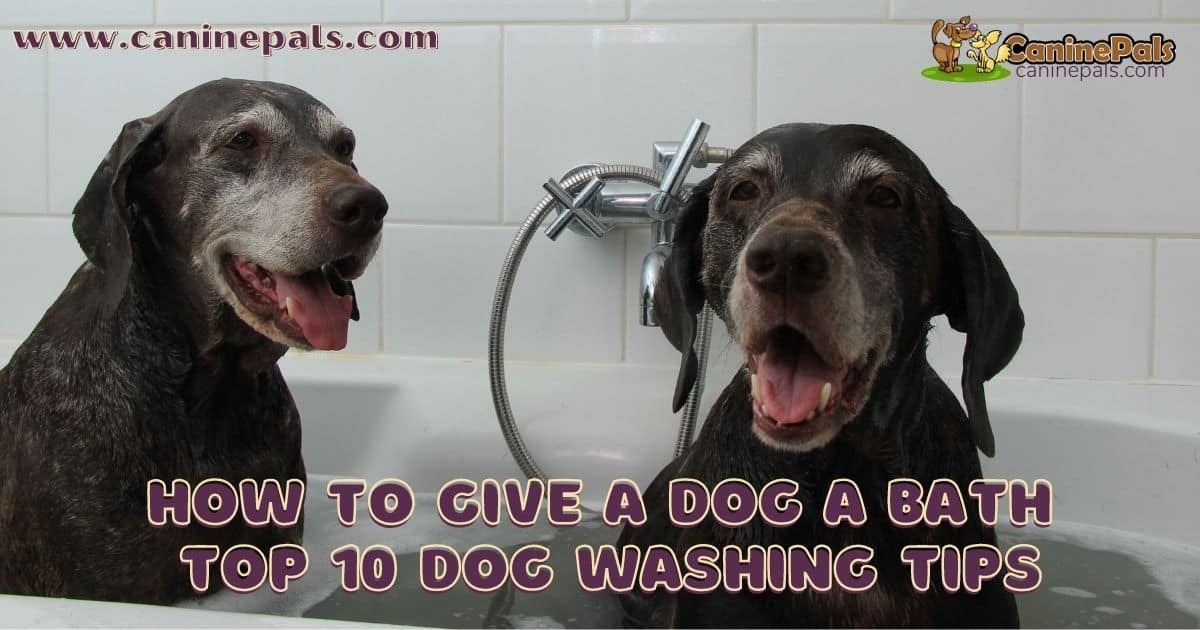
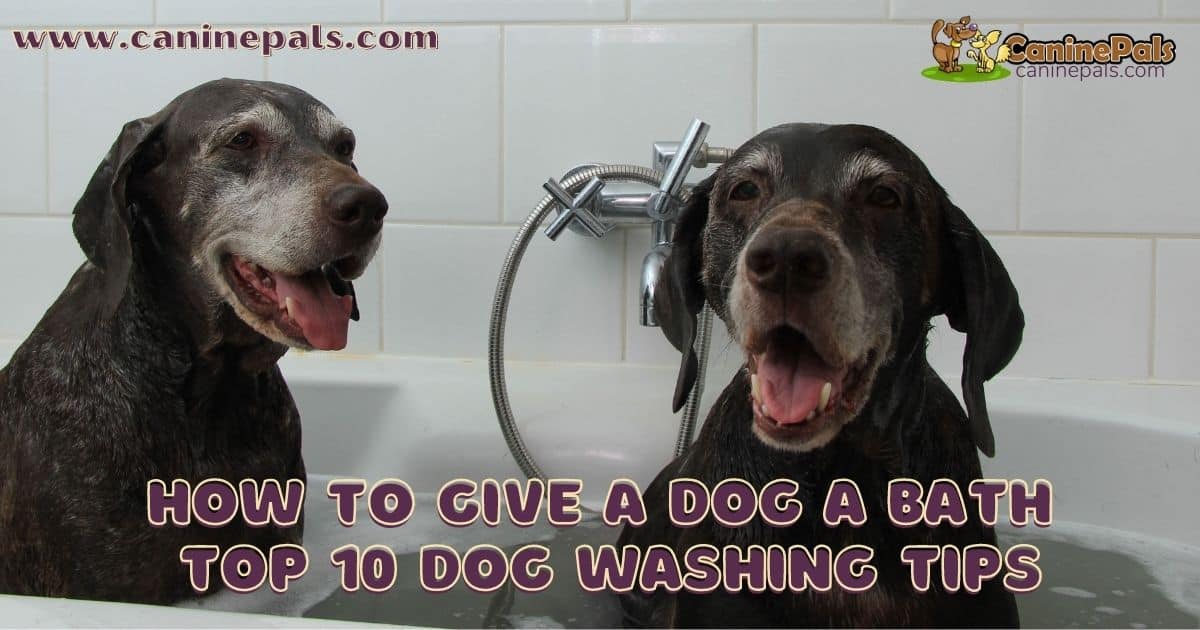
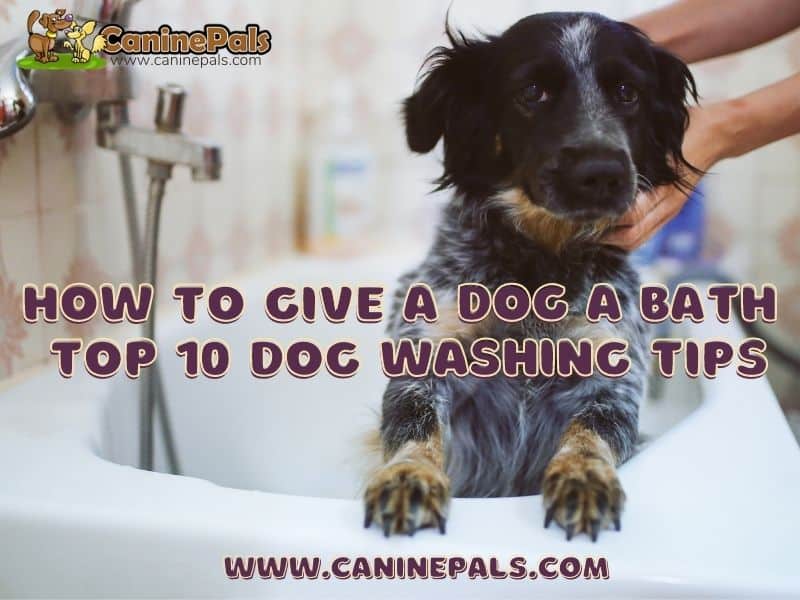
How to Give a Dog a Bath: Top 10 Dog Washing Tips

How to Give a Dog a Bath: Top 10 Dog Washing Tips

It is time to give your dog a bath, but you are not sure how to do it.

You have heard of some horror stories where the dog has been almost drowned by the owner, and others where they didn’t get all the soap out from their fur. This blog post will teach you how to bathe your pet without any trouble.

The way you wash your dog will chiefly be decided by his particular breed. But one thing is certain, you will need to wash him.

Giving a dog a bath is not as easy as you might think. It’s important to understand the best way to give your pet a good scrubbing, and what products can be used safely on them. To help make this process easier for all of us, we’ve compiled some tips that will ensure both you and your pup have an enjoyable experience in the tub.

There are two aspects to washing your dog; how to wash your dog and how often you wash your dog. You’ll learn about bathing frequency and the best products for different hair types. I hope this helps.

How Frequently Should you Wash your Dog?

How often should I wash my dog? This answer depends largely on their coat type.

Dogs with short coats only need bathing once or twice per year whereas dogs with long hair may require more frequent washing if they are prone to shedding or getting dirty faster than most other breeds.

The short answer is “not too often.” A dog’s coat has natural oils that protect it, keep it silky and soft and prevent it from getting damaged or becoming brittle. If you wash him every week, these oils will soon be washed away as well.

How often do you have to wash your dog depends on whether your dog lives inside and sleeps on bed or the lounge. You should wash your dog if he’s smelly or very dirty. How often you wash your dog will depend on what he does during an average day and whether he’s an inside or outside dog.

If he has long hair, he’ll need a bath more often because his hair can become matted or tangled. The time of year can also affect dog bath frequency requirements.

How to Give a Dog a Bath: Top 10 Dog Washing Tips

 7 Step Dog Washing Procedure

Many people have a difficult time getting dogs clean and smelling fresh. This is because they don’t know the proper technique. It helps to get them in the right place, use products designed for this task. The real fun begins when the right products are ready and you have chosen a suitable location.

Dog washing starts with:

  1. You’ll want to gather all the items you need and place them in an easy to reach location prior to letting your dog know that bath time is coming up.
  2. Mixing shampoo with water will make lather spread easier. Add the shampoo to a full bowl of water and you’ll see how it works better.
  3. Coax or lure your dog into the tub with treats, and he’ll be more inclined to enjoy bath time. The key is getting dogs in a positive mood before they even get wet. One way that’s easy – treat them like royalty until you’re ready for their next move.
  4. Thoroughly wetting your dog’s coat. It is important to use lukewarm water that has been pre-warmed in order for this step to be effective, so make sure there’s hot and cold running water available too! Wet their entire body until it becomes clear they’re soaking up as much of the warm liquid as possible without showing any signs of discomfort or fear.
  5. When it comes time to wash your dog, there are two considerations: the first is getting rid of all his dirt and that second deep-cleaning. So for every shampoo you use on him, make sure he gets a double dose! The first go round should focus primarily on binding up any dust or grime still stuck in his coat; while the second ensures you’re really scrubbing away at those stubborn oils left behind.
  6. Conditioner is a great way to make your dog’s coat shiny and healthy. Just apply it, leave on for five minutes or so, then rinse the conditioner away.
  7. Rinse your dog until no more soap remains in its fur. Make sure all of the soapy residue is removed from their skin too. If you don’t remove all the shampoo, this could irritate the dog’s skin.

How to Wash a Dog’s Face

  • Is your furry friend tearing up from the shampoo you were using? It’s common for dogs to have a sensitivity around their eyes and nose. Take this into consideration by purchasing tear-free shampoos that are designed specifically with these sensitive areas in mind.
  • How to wash a dog’s face? This is one of the trickiest parts about bathing your pup. You don’t want them getting soap or water in their sensitive areas like ears, nose and eyes so save this for after they’re all done. Use a damp cloth with warm water to clean up around those delicate parts before you start on more difficult tasks like washing their back or chest fur.
  • To ensure a thorough clean, use two cloths to wash your dog’s head and face. One should be soapy water-dipped while the other is clear water dipped. Gently but thoroughly scrub off any dirt or grime then rinse with the second cloth before moving on to an area that has not yet been cleaned.

How to Give a Dog a Bath Who Hates Water

If you have a dog, he will probably always be somewhat apprehensive about bath time. To make them more receptive to the experience of taking baths in the future, try giving your pooch lots of attention and encouraging words while bathing him – this should help create positive associations for next time.

  • Start bathing your puppy when they are young to encourage them to enjoy the bath. Start today by teaching your pup that a bath is just another fun activity with their family, not something dreaded or avoided at all costs.
  • For most dogs, the worst part about bathing in a tub or sink is being unsteady on slippery surfaces. To keep this from happening to your pup you can buy specialized nonslip mats that are designed for use with water and soap residue.
  • Did you know that there are easy ways to make bath time more enjoyable for your pup? One way is by smearing peanut butter or baby food on the tub or shower door. Your dog will lick it off while you bathe them and they won’t even focus on how wet their fur gets.
  • Don’t use the faucet or showerhead . Noisy water can be really frightening for some dogs, and if your pup hates baths it could just be because they’re scared of all the noise.
  • A dog’s bath can be a scary experience. So, before you put your pup in the tub, make sure to test the water temperature with them.
  • Dogs can smell a lot better than humans, so it’s important to use gentle shampoo and mild-smelling soap.
  • Fortunately there’s hope for pups who hate baths. With some patience and lots of yummy treats can change a dog’s response to baths. Over time, you’ll be able to condition your furry friend into thinking that baths are nothing more than a fun experience. To start off with this process it’s important to reward them heavily when they step near the bathtub – even if their paws never touch water. Once they’re comfortable approaching the tub without being scared or anxious about entering it (or getting wet), feel free to begin rewarding them just as much once inside too in case there was any hesitation whatsoever on first stepping foot in the bathing area. Next up is turning on some running water so while we wait until our four-legged pal becomes accustomed enough with everything.
  • Bathing your dog can be quite a hassle, especially if he fights you during the process. Schedule a bath for your pup only when you have plenty of free time to do things right and with patience.

How to Dry Your Dog

Always towel-dry your pup as best you can before moving on to the next step. A dog specific hairdryer or a human one in medium setting is perfect for this job, but if need be air drying them works too. Brushing their fur after every 10 minutes will help prevent mats from forming.

How to Give a Dog a Bath: Top 10 Dog Washing Tips

Top 10 Dog Washing Tips:

  1. Make it enjoyable and start as young as possible. Then your dog will get used to the water and being washed.
  2. Choose where you’re going to wash him. This will vary, according to the time of year and the breed. A small dog or puppy can be washed in a tub or sink. A big dog needs to be washed in a bathtub. If the weather is warm, you can use the hose.
  3. The bottom of the tub needs a rubber mat to stop the dog from sliding all around the place. He’ll feel more secure as well.
  4. Before you start the washing process, get everything you need and lay it all out. Towels, shampoo, a bucket and anything else you want. Never turn your back on your wet dog unless you’re keen to chase him.
  5. Only use lukewarm water and shampoo specially formulated for dogs. Choose a tearless shampoo if available.
  6. Don’t get soap or water in your pet’s ears and eyes and wash his head last so it’s not wet for long. This will reduce his urge to shake himself dry.
  7. Rinse him well. Dogs often feel itchy after they have been washed. This is usually caused by not rinsing all the shampoo off or because you have washed him too often.
  8. When it’s winter, keep your pet inside until he’s 100% dry. You can use a dryer set on ‘cool,’ not hot (or it may burn him) can help to dry him faster.
  9. Dogs love shaking themselves dry. It starts with his head so if you hold your dog’s head still, there won’t be much shaking. Put a towel over him as soon as you’re done will help stop him from coating the walls and furniture with water. If you don’t want him to shake at all, train him to only shake when commanded to do so. That will need some patience.
  10. After the wash, tell him to stay/sit. If he wants to shake, guide him into the sit position and command him to stay/sit and then you get out of his way. Then tell him he can shake. Praise him for doing so and then he’ll eventually only shake when allowed to do it.

NOTE: Bathing is a great time to check for rough areas and lumps on his skin. If you find anything unusual, talk to your vet. A well-groomed dog is a healthy, happy dog.

Conclusion

That’s everything you need to know about giving your dog a bath. We hope this article has been helpful for those who are looking to improve their pet-care skills.

If there is anything we missed, please let us know in the comments section below and we will do our best to address it.

In addition, if you have any other questions or concerns related to dogs in general (not just bathing), feel free to email. Thank you so much for taking the time out of your day to read this blog post on how often should I wash my dog?

Copyright CaninePals.Com. All Rights Reserved


How to Find a Good Dog Breeder Online

Tips on How to Find a Good Dog Breeder Online

Picking a good dog breeder to buy your new pup from can be tricky. There are many things you need to consider, and it’s hard because everyone has their own opinion on what is best for the breed they’re passionate about breeding themselves. Here are some tips that will help narrow down your search on how to choose a good dog breeder.

How to Find a Good Dog Breeder 

A good way to find a dog breeder online is by using the AKC website. This site will have extensive lists of breeders near your location and they are categorized according to region, state, or country as well as alphabetically in order starting with A-Z. 

The American Kennel Club can be used to help you identify local dog breeders who specialize in one specific type of canine friend (such as golden retrievers). Just enter either “breed” or “state/country,” followed by the name of what kind of puppy you want into any search engine like Google Search.

How to Find a Good Dog Breeder Online

When searching for a good dog breeder, there are some things to look out for. First and foremost is the health of the breed in general as well as that individual animal’s lineage.

A reputable breeder will be able to provide records going back generations, even if they have only been breeding dogs for five years or less!

Additionally, make sure you meet at least one member from every generation so you can get an idea of their temperament before investing your time and money on any particular pup who may not suit your needs whatsoever.

It would be unfortunate spend all this precious energy just finding out later down the line with regretful tears when we could’ve avoided these very same feelings altogether by being more selective during our puppy and breeder search process up-front.

Raising a dog is an incredible responsibility, but it can also be one of the most rewarding things you’ll ever do. However, many people who are looking to buy or adopt their first pet often don’t know where to begin when considering how they will find good breeders online for puppies that have been responsibly bred and raised in loving homes with high standards for health care from birth.

Here’s some advice on what steps should happen before buying–or adopting!–a pup!

How to Find a Good Dog Breeder Online

Important Questions to Ask Breeders When Buying a Puppy

  • Do you provide a health guarantee?
  • What is the average life expectancy of your breed, and what are some common hereditary diseases associated with this type of dog.
  • Can I see photos or video footage from past litters?
  • Do you house train puppies before sending them home so that my process will be easier on both me and the puppy when it arrives at its new forever family’s doorstep?
  • At what age are the puppies are available to leave for their new homes?
  • Are the puppies Kennel Club Registered?
  • Are the Puppies microchipped?
  • Have the puppies been vet checked and vaccinated?
  • May I see the parents of this litter?
  • Have the pup’s parents been DNA profiled and most importantly health tested?

Visiting Your Puppy at the Breeder’s Home or Kennel

Visit the breeder and ask to view the parents  and if they won’t permit this, regard it as suspicious. Any reputable breeder will understand your need to check them out thoroughly before they will entrust their dog.

They’ll also want to know everything about you to see if you’re a good fit for them and the style they use. It’s also demonstrating an active interest in how the dogs will be cared for once they have done their work. Ask lots of questions and negative answers are as important as positive ones.

Warning Signals:

If the breeder doesn’t want you to visit.

If they sell the puppy before letting you seeing it.

  • If you don’t get full access to their kennel.
  • If your senses are screaming badly after your visit.

These signs tell you the breeder isn’t for you.

Viewing the Mother Dog and Her Pups

You should be able to meet the mother of the puppies at the kennel.  This is crucial. If possible, also ask to see the father. If that’s not possible, ask why. He may be owned by a different breeder and was only used as a stud. Artificial insemination may have been used. These are legitimate reasons not to see the “father.”

Reputable breeders will have official pedigree information that covers the puppy’s lineage, including name and registration numbers for parents, grandparents and even great-grandparents.

Cautionary Indications:

The mother isn’t on the premises and/or the pedigree information isn’t available to see. This would only be the case with a disreputable breeder. These points are definite deal breakers.

 Ask to View Health and Vet Records

 Some purebred dogs will inherit medical problems. Reputable breeders will have ways to reduce or eliminate such problems so you need to see the medical history and clearance for both male and female dogs.

If the male isn’t there, there should still be records of his health on the premises.

Check the vet records as well. Breeders will make sure parents have their health cleared before breeding. Puppies should never be sold without their shots and a vet check-up.

Warning Signals:

  • Health records aren’t available or they’ll be sent to you along with the registration certificate.
  • The breeder says the breed has no health issues.
  • The breeder claims you must take the puppy to the vet after the purchase and pay for it.

The bill of sale legally protects you. The breeder must date and sign it. It has to say the dog is a purebred and must have the breeder’s name, your name, the dog’s id, verification that you’ll be given registration papers and the cost of the dog, including all related fees. Never pay for a dog without having this information on the bill of sale.

Cautionary Indications:

The breeder asks for some or all of the money up front and says the bill of sale will be sent to you. NEVER accept that.

How to Find a Good Dog Breeder Online

Puppy Must have a Written Guarantee

Anybody buying a purebred dog should receive one that’s both mentally and physically healthy. However, there may be unforeseen genetic problems that can skip five generations and then appear in the next one.

A guarantee will cover compensation if such a problem were to occur, not a statement that such a problem will never happen. Reputable breeders won’t hesitate to give a written, detailed guarantee and will always uphold the agreements.

Don’t buy a dog without such an agreement and read it thoroughly so you understand it before your purchase. No agreement means no sale.

Warning Signals:

  • The breeders says he will send you the agreement along with the registration papers.
  • He says he can’t guarantee the dog’s health. (It’s true that he can’t guarantee health but he CAN guarantee the dog is free from known genetic problems.)

The Puppy Must Be Uniquely and Permanently Identified

The law states that a purebred dog must be identified before sale so it can be registered with an international kennel club. The breeder must cover these costs.

You can have a tattoo or a microchip transponder. The tattoo must be easy to read with your naked eyes. To read microchips, a scanner is needed, which a breeder would have. He has to scan the chip to confirm the identification number matches the one on the bill of sale. If this isn’t possible, he must have a vet’s certificate confirming the chip is present in the dog.

Cautionary Indications:

The breeder tells you the identifying process is your responsibility. He says the microchip is in the dog but can’t scan it or give you a vet’s certificate. NEVER buy a dog under these circumstances.

Confirm the Kennel Club Registration Status of the Puppy

This is law under the Animal Act. A breeder has six months from the sale date to register a dog and give the new owner the papers. The parents and litter must also be registered.

Any reputable breeder will do this willingly. If there are doubts, ask for the Certificate of Registration of Litter that he was given by the Kennel Club. The cost is only $25 but the breeder must pay this fee.

The Kennel Club takes about 10 days to do the processing. Then the breeder sends you the certificate. You don’t have the financial responsibility for any of this. It’s all up to the breeder to cover the costs here.

Warning Signals: 

  • The breeder tells you to fill out and send in the registration papers and the fee.
  • The breeder gives you one price with papers and another price without papers.

Check if the Breeder is a Member of a Kennel Club 

Most breeders will be members of a Kennel Club. Some breeders will have been members for many years. Members must follow all rules and regulations so if your breeder IS a member, the chances are high that he’s reputable. They will display a membership certificate in their premises as well. If the breeder is not a member, you should ask them why.

Cautionary Indications:

  • The breeder says there’s no advantage in being a member.
  • He says he was a member but quit.
  • Members only pay 50% on registration fees and have other benefits so you need to learn why he isn’t a member. He may have a good or a bad reason. Contact the Kennel Club if you have any questions or doubts.

Final Thoughts

When you are looking for a new purebred dog, using the Internet to find a good breeder is an excellent idea. You can use online resources to search for your perfect pup in need of adoption or rescue organizations that may have dogs available near you. For those who prefer purchasing their next furry family member from a breeder, there are also many websites and social media groups dedicated just for this purpose.

Copyright CaninePals.Com. All Rights Reserved.

References and Further Reading:

[1] American Kennel Club.