

Disclaimer

Puppy Facts for New Owners

Be the Best Owner Ever: Puppy Facts for New Owners

Welcoming a new puppy into your home is an exciting time filled with joy, anticipation, and a bit of nervousness, especially for first-time dog owners. As you prepare for your puppy’s arrival, understanding their needs and what to expect in the early days becomes crucial.

This guide on “Puppy Facts for New Owners” is designed to equip pet parents with essential insights into navigating the initial phase of dog ownership.

From figuring out the first things to do when your new pet crosses the threshold to recognizing the most important thing about integrating them as family members, we’ll cover what you need to know to ensure a smooth transition for you and your puppy.

Whether you’re curious about different dog breeds or seeking advice on effectively meeting your puppy’s needs, you’re in the right place. Let’s dive into the wonderful world of puppies, ensuring you’re well-prepared to introduce your furry friend to their new life as joyfully and stress-freely as possible.

Puppy Facts for New Owners

New Puppy Do’s and Don’ts

Puppy facts for new owners include the information that a puppy is just like a new human baby; they must be taught their boundaries. Here are some ideas and the best puppy advice to help you and your new puppy learn the ropes.

Bringing a New Puppy Home

How does picking up a new puppy for the first time feel? It’s exciting, nerve-wracking, and joyful all at once. If you are bringing your new puppy home, a lot of preparation needs to be done before the big journey begins. To make sure everything goes smoothly, here are some tips on how to bring home a new puppy:

  • Picking a weekend to pick up your new puppy will make settling in at home easier and give you more opportunities to play with them.
  • Get your home puppy-ready: Prepare everything you need when that furry bundle of joy arrives.
  • A simple way to make your new puppy’s journey home more comfortable is to give them something that smells like their mother and siblings. The breeder will likely have a blanket, but if not, you can ask about borrowing one from the bedding they’ve used with your pup.
  • Take a small bottle of water from the breeder: If you’re looking for an easy way to prevent any puppy’s digestive woes, take home some of the breeder’s water.
  • Ask the breeder for a small sample of the food your puppy has been eating at the breeder’s home.
  •  First, decide where in the car the puppy will sit for safety and comfort during the long ride home. If it’s too stressful or dangerous to have the puppy on your lap while driving (or if no one can join you), ensure they have a comfortable place, such as a crate or carrier secured to the passenger seat. Prepare for this emotional roller coaster called “bringing home” by deciding where your dog should go when traveling in the car.
  • Make sure you stop for frequent breaks when driving back with your new pup, or else it will be very smelly and uncomfortable in the car. Stop at gas stations or rest stops so they can get out of their crate if necessary and hopefully relieve themselves before continuing on their journey back to what we call “home.”
  • Prepare for accidents: If it’s a long journey back home, pack paper towels and line the puppy’s crate with puppy pads. Also, have an enzyme cleaner ready in case of smelly accidents.

Tips For New Puppy Owners
Puppies

How to Prepare for New Puppy

Here’s a Few Items That I Recommend Purchasing Before Bringing a New Puppy Home:

  • A crate lined with a vet bed or absorbable, washable blankets is also great for traveling or when your dog needs privacy.
  • A playpen or exercise pen. Connected to the crate (place a puppy pad at the furthest end of the crate) so that the dog has his own space inside.
  • Baby gates.
  • Poop bags
  • Puppy training pads.
  • Dog food and water bowls.
  • Purchase the correct puppy food. A high-quality food.
  • Washable bedding and a suitable-sized puppy bed.
  • There are plenty of safe chew, puzzle-type, and soft, squeaky animal-shaped toys.
  • Pet insurance.

 Puppy Facts for New Owners: The First Week

There’s a lot of adjustment to go through in those first seven days. You’ll want to learn all you can about how puppies develop and what they need so that you’re prepared for anything. Puppies will have accidents more often than fully trained dogs; this is normal during their early weeks because they haven’t yet learned bladder control. Be patient but consistent while training your pup.

Your new puppy must adapt to:

  • Adjusting to their new home.
  • Being away from their mother and littermates.
  • Drinking and eating from a different bowl.
  • There are lots of new smells that smell suspiciously like home but are probably unfamiliar.
  • New people and maybe even other pets.

Your pup needs plenty of love and care to adjust properly. Puppies are just like human babies. They need a lot of attention and love to stay healthy and happy, so don’t overwhelm them with too many physical or mental tasks at once.

New Puppy Owner Guide: the First Week

  • Overnight, your puppy’s sleep patterns are likely to change drastically. It’s normal for them not to sleep through the night in their first week at home as they adjust to living with a litter of other animals and people. Additionally, animals have trouble adjusting if they don’t get enough sleep because other external stimuli keep them awake at night, like kids playing outside or traffic noises; however, once again, everything should settle down after some time spent together.
  • Help your puppy know where to go to the toilet by providing a designated area. For example, you may want an outdoor space or a special pad dedicated to another part of their home away from their crate. To get a puppy toilet trained, create and follow a good schedule that includes bedtime and wake-ups, feeding, playtime with the pup, or some gentle exercise to keep them tired at all times. A potty break should be included in every hour of awake time so they can learn as quickly as possible.
  • Your adorable puppy will be fun, but you should prepare for the inevitable—chewing and destroying things.
  • Make sure to take your new puppy for a checkup with the vet. I recommend that all pet owners make an appointment at their nearest veterinarian clinic when they get a new pup to schedule vaccinations and other treatments and familiarize themselves with any preexisting conditions or health issues so that these can be dealt with immediately.

Things to Know About Puppies

New puppies are cute and cuddly, but they also have a lot going on in a short time. They need food for energy and shelter from the elements so that their new immune system can get strong enough to fend off disease. Puppies also must learn how important socialization is early on in life: it’s necessary so that dogs don’t grow up not trusting humans or other animals around them.

What Not to Do With a New Puppy

Here’s a list of what not to do with your new puppy:

  • Don’t let your new puppy sleep in your bed on the first night unless this will be the pup’s permanent sleeping place.
  • Ensure the puppy eats the correct amount of food and has access to water 24/7.
  • Never feed a puppy any food from fast food restaurants.
  • Ensure the puppy gets enough sleep.
  • Do not over-exercise a young puppy.
  • Do not take a puppy to a dog park. The puppy could catch a disease or even be hurt by a larger dog.
  • Resist the temptation to show the puppy to friends and neighbors. Other than seeing the vet for the first checkup, the puppy should stay home until its course of vaccinations is complete.

Important Puppy Care Tips

  • Regular Visits to the Vet: Every dog needs an annual physical and a vaccination schedule, just like people. However, dogs age faster than people, so visiting a good veterinarian every six months is better. Regular vet visits may help your vet notice problems that can indicate disease or sickness.
  • Crate Training & Potty Training: For new puppy owners, crate and potty training are fundamental to raising a well-behaved dog. Crate training offers your puppy a secure and comfortable personal area, helping them learn to cope with anxiety and appreciate alone time. It also plays an important role in preventing indoor accidents, ensuring a smoother housebreaking process. Simultaneously, potty training, often facilitated by puppy training pads, helps establish a clear routine and designated area for bathroom breaks. These pads can be a valuable tool in teaching your puppy where it is acceptable to relieve themselves, especially before they’ve learned to hold it until they’re outside. Starting these training techniques early benefits your puppy’s emotional and physical growth and enhances the connection between you and your puppy.
  • Dog Training: Training your new puppy with positive reinforcement ensures good behavior and enhances their social skills and mental stimulation. Puppy classes are an excellent start, teaching crucial commands like heel, sit, stay, and come, which could be life-saving. These classes offer a blend of reward-based training—using treats and praise to encourage good behavior—and opportunities for young puppies to interact, developing their social abilities. This foundation of positive reinforcement and socialization sets the stage for a well-mannered dog, welcome in any setting.
  • Feeding: If you give your dog the best quality food possible, he’ll stay healthy and active for a long time. Stingy and buying the cheapest food may save money in the short term, but that choice could cost much more. Dogs with diabetes and/or obesity can be very costly in terms of vet bills and other care.
  • Neuter your pet: It would be best if you had your dog neutered. The only exception to this rule is if he’s a first-class member of his specific breed. Neutering your beloved dog when he’s six months old can prevent him from contracting many common dog cancers.
  • Grooming: Like people, dogs feel wonderful after being groomed. Give his coat a regular brush, even if it’s short. His nails should be properly trimmed regularly so he can walk easily. You could brush his teeth with a specifically designed toothpaste and toothbrush to avoid dental issues.

Puppy Facts for New Owners Conclusion

Raising a new puppy can be daunting but makes for some adorable moments.  When you get home from work, your pup first jumps on you to say hello, and there’s no way not to smile.

A lot has been written about what makes dogs happy—walks outdoors, treats for doing tricks, or just because they should have the occasional snack since it’s not good for them all day without any breaks—but many other things make our four-legged friends genuinely content, too! Did you know that playing games like tug-of-war helps build trust between owners and their canines?

Finally, but certainly not least, give your new furry friend much attention and love. If you play it smart by following all the tips in this article, you will enjoy each other for many years.

Please note: while I do discuss health, care, and behavioral issues, you should never use this information as a replacement for advice from qualified veterinarians, diagnoses, or recommended treatment regimes. If you have any worries about your Dog’s health, your first contact should be your regular vet or, if you don’t yet have one, a vet that works locally. Never ignore or avoid treatment and advice from your vet because of a piece of information you have read on any website.

Copyright CaninePals.Com. All Rights Reserved.

 Puppy Facts for New Owners
Puppy Facts for New Owners
How To Choose A Dog Groomer

Top Tips: How To Choose A Dog Groomer

Picking a dog groomer is an important decision. In order to find the best groomer, you should first think about what your budget is and where you live. You can also ask friends or neighbors for recommendations. Once you have narrowed down to who might be good options, it’s time to do some research on them.

If you own a pet, then pet grooming is a crucial part of that ownership. Most owners don’t want the hassle of grooming their dog themselves because it’s either too difficult or too time-consuming. It’s messy and if it’s not done properly, it can cause harm to your pet.

A dog’s physical appearance is important because it reflects its overall health, which becomes more difficult to maintain if not cared for properly – especially when they have long fur that requires brushing on a regular basis. The needs vary from small breeds who just need trimmed nails (which you should do every three months) up to large dogs who require baths as well.

Although having your dog groomed by a professional might be expensive, it’s well worth it because your pet will look and feel good and that will make him happy and you’ll also be happy and have good peace of mind. However, there are some poor groomers out there who, although properly trained, don’t do the best job and there have been cases where dogs have been mistreated or hurt as a result.

Your dog groomer should be kind, trustworthy, and have experience handling dogs. Follow these tips for finding the best person to groom your pup.

To find qualified good dog groomers today just takes some simple internet research. There is no need to drive around town looking for one: all you have to do is visit their website or look online on sites like Facebook for reviews left by people that actually use them regularly.

How to Find a Good Dog Groomer

  1. The first place you want to look is on the internet. Type in “finding a dog groomer” and it will bring up all sorts of businesses that perform this service near your area, along with their contact information if they have one available. Sometimes there’s also reviews for these companies too.  The next step would be checking out any website or Facebook page that may exist from them as well. Finally, go visit whichever company best suits what you’re looking for by having an open mind about where/who might offer what type of services needed because sometimes people only hear about certain places but others are more suited based on personal experience.
  2. The next time you’re at the vet’s office, ask for a recommendation from them. They may know of reputable groomers in your area and if not they can recommend someone who works out of their clinic.
  3. If you meet someone with a similar breed as yours and their dog looks nicely groomed, ask which groomer they use.
  4. Ask you breeder who they recommend.
  5. Dog grooming associations can be a great resource for finding the perfect groomer. These websites are usually well-organized and have many useful features including “Find A Groomer” search function that will help you locate an ideal match in your area.

Finding Good Dog Grooming Professionals

There are lots of professional dog groomers available so you have to find the one you trust that’s right for both you and your beloved pet.

First you need to work out what you need from a groomer. Do you need a mobile groomer or one with their own salon?

Find out what services the dog groomer offers:

  • Does the dog groomer offer a mobile service or pick-up and delivery?
  • Do they collect your dog from you and return him when he’s done?
  • Have they been professionally trained and how experienced are they?
  • Do they do bathing, drying and brushing?
  • Do they clean ears, clean teeth?
  • Is nail clipping provided as part of the service?
  • Do they specialize in small or big dogs?
  • Are they experienced in handling show dogs?
  • Do they offer discounts for two or more dogs?
  • Does the dog’s size affect the price?

Questions Owners Should Ask Dog Groomers

  • What credentials do the groomers have?
  • What is the price for their services? Do they have a list of prices, with specifics about what each service includes and how much it costs?
  • Do they have experience grooming breeds like yours? Do their staff members know how to groom your breed of dog properly, or are you just taking a risk each time with an unfamiliar company’s service.
  • Ask if they have before and after photos to show you of dogs similar to yours.
  • Will your dog be left unattended on a grooming table?
  • Will trainees be grooming on your dog?
  • Will your pets always have the same person to groom them?
  • Do you have insurance to cover my dog in case of an emergency or an accident?
  • What would you do in an emergency?
  • Ask them for references.
  • Do they have a waiting list?

If a groomer is heavily booked, that’s a strong indicator that he’s trustworthy, reliable and is good at what he does.

Seek advice from other owners. You may be able to get recommendations.

Do More Research on the Potential Dog Groomer

Once you have narrowed down who might be good options, it’s time to do some research on them! Look up reviews online and see if they have any complaints filed against them. If there are complaints, pay attention to how honest the company is in their response. If they seem defensive or refuse to take responsibility, that may not be a company that will treat your pet well during grooming sessions. It’s worth spending some time researching this process before selecting your pup’s groomer.

How To Choose A Dog Groomer

Visit the Salon Before Making a Grooming Appointment

Before you schedule your grooming appointment, it is important to visit the salon first. The groomer will be happy to show and chat with you about their space before they take on a new client. Meet all of their staff and get an idea for how they operate. A good dog groomer will make sure that your visit is enjoyable while also making it clear what grooming package would be best suited for your needs.

Dog Grooming at the Grooming Salon

The grooming visit is supposed to be enjoyable and safe for both the pet owner and their pup. Do you think your dog will handle being sent into an unfamiliar environment for grooming sessions?

How can you ensure your dog has a positive experience at the groomer’s?

The right dog groomer should be able to meet any physical or behavioral needs while still achieving an attractive haircut.

When it comes to dog grooming, many people prefer a regular salon experience while others like the convenience and comfort of their homes. The question is which option would be better for your pup?

How Often Should Your Dog Visit the Dog Groomer?

There are many benefits of grooming – not only does a professional trim help keep the hair in good condition and prevent matting so no matter how long their coat is they always have a healthy feel.

Grooming also helps get rid of any excess dander or dirt that may be stuck deep within fur which keeps allergens at bay for those with sensitivities. It can even make them smell better too.

Dogs don’t need to be bathed every time they’re trimmed but seeing an expert once per month will really give him shiny coats and reduce shedding while making sure all his potential mats are taken care of before anything becomes unmanageable.

What Would You Like Your Dog Groomer To Do?

Here are some things that a dog grooming service might be able to provide: nail trimming, ear cleaning and plucking, sanitizing baths for dogs of all sizes. They might also offer special services such as brushing teeth or clipping hair around the eyes.

How To Choose A Dog Groomer

How to Keep Your Dog Groomer Happy

The relationship you have with your dog groomer is very important, for it’s a bond that leaves much-loved dogs in their care. Here are some tips to ensure they’re happy and keep them around:

Give as many specifics as possible about what you expect of the finished groom. Provide a photo if possible.

You know how we all want our dogs to look at their best? But sometimes, it’s just not possible. In cases of extreme matting where the groomer can’t do anything for you dog without causing distress, they’ll recommend a short trim this time around and maybe even schedule another appointment in the future as well as educating customers on home grooming maintenance.

  • Be punctual. The dog groomer is not running a dog crèche.
  • Dogs must go to the potty place before any grooming appointment. Your pet will be much more comfortable and cooperative with their groomer if he or she is already empty from using his/her bathroom spot beforehand.
  • Make sure to let your groomer know the dietary requirements of your dog so they can easily plan out a healthy menu. If you want them to use certain treats, be sure and bring those with you.
  • Give your groomer a heads up if you think there’s something wrong with your dog that might affect their grooming.
  • Feel confident in your furry friend’s health by scheduling regular appointments for preventative treatments and keeping an eye out for signs of fleas. It is not a good idea to take a flea infested pooch to any groomer.
  • Never take a female dog in season to a dog groomer.
  • Tell them that you don’t know how to groom your dog, but would like to learn how to maintain the dog’s coat between salon visits.
  • Ask them if they have any tips on where to buy dog grooming products from a trustworthy source?
  • Ask the groomer for advice on which grooming products to use on your dog between grooming sessions.

Check Your Dog After a Visit to The Dog Groomer

When you visit a groomer for the first session, carefully check your dog afterwards. Most pets will be a bit shaken but if your dog is very nervous or shy when he gets home, he may have been harmed.

Look for razor burns, scratches or cuts. See if there are red rashes. Check the nails as some professionals have split nails or cut off dew claws accidentally whilst trimming.

If you believe that the groomer has mistreated your pet, the first step is to talk to that groomer. Show them the problem and ask for an explanation.

If that doesn’t satisfy you, you have two choices. You can report them to the organisation that gave them the licence. They can advise you on how to what else you can do. You can call Consumer Affairs. This will be advertised publicly so other people will see your complaint and may decide not to use that groomer without further questions.

A licence to be a dog groomer is like a licence to be a cosmetologist. There are certain standards that must be followed. If the groomer hasn’t complied, they can be placed on probation or lose that licence.

If it’s a severe case of mistreatment, you can call the police and/or animal control and report them. As with every registered business, there are black lists and your groomer can be put on such a list if a problem was proved to be true.

As with hairdressers and mechanics, you may need to try several groomers before finding the ideal one for your needs. Some aren’t qualified to do certain things. Make your choice wisely and report problems you discover.

Final Thoughts on How To Choose a Dog Groomer

Grooming is designed to make sure the pet is healthy, both from a physical and emotional viewpoint. Your dog must be groomed so he looks good and maintains skin health. Correct grooming will ensure this is the case.

When you do find the right groomer for your needs, stick with them. Your dog’s safety is worth more than money. It’s peace of mind and also the mental and physical comfort of your pet that’s at stake. You can spread the word and tell others that he or she is a great groomer.

Copyright CaninePals.Com. All Rights Reserved


Do Cavalier King Charles Spaniels Shed

Do Cavalier King Charles Spaniels Shed?

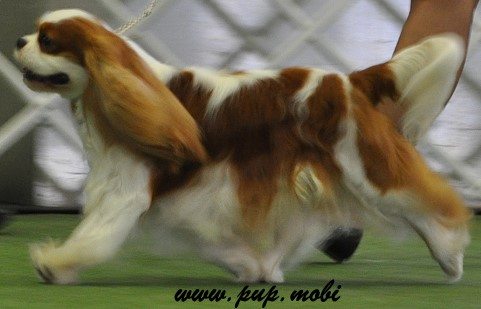
Affectionate, gentle, and graceful, Cavalier King Charles Spaniel is blessed with a medium-length, wavy and silky coat. The dog owners who fall in instantaneous love with this dog often seem to enquire: do Cavalier King Charles Spaniels shed? Well, this article is going to answer all the queries regarding Cavalier King Charles Spaniel shedding.

The Cavalier King Charles Spaniel is the largest of the toy dog breeds. Cute, kind, sporty, and soft – this dog makes people fall in love with it in an instant. Cavalier King Charles Spaniel is a lively and agile dog.

Because of the length of its coat, many people are worried about the shedding of its coat in indoor spaces. Let us find out in this article all about Cavalier King Charles Spaniel shedding.

Do Cavalier King Charles Spaniels Shed Much Hair?

Cavalier King Charles Spaniel is one of the loveliest toy breeds. Affectionate in character, loving, and sporty in nature – Cavalier King Charles Spaniel has the cutest puppy dog eyes and the sweetest expressions that make you adore this cute little canine.

Adding to their beauty is a silky coat that looks elegant to the eyes and soft to touch. The Cavalier King Charles Spaniel has been blessed with one of the most stunning and prettiest coats that looks sublime on this cute little canine.

The coat of Cavalier King Charles Spaniel has a medium length and wavy look. But what concerns most dog owners is the Cavalier King Charles Spaniel shedding info. After adoring and deciding to own this puppy, most prospective owners will ask about Cavalier King Charles Spaniel shedding.

The answer to the question ” do Cavaliers shed?” 

The Cavalier King Charles Spaniel is known to be a moderate shedder. However, some dogs of this breed shed more than other dogs. The good thing is that even though this dog is a moderate shedder, it is not at all difficult to groom this dog.

With moderate shedding and easy grooming, it is easy to keep the house clean and free of shed dog hair. There is no particular Cavalier King Charles Spaniel shedding season as they shed all around the year.

Cavalier King Charles Spaniel Shedding Info

Cavalier King Charles Spaniel is a toy breed with a medium-length coat. It is a moderate shedder. However, you don’t have to feel intimidated by the coat shedding of this dog as it is certainly not a heavy shedder. The shedding of this dog is always in manageable proportions.

Luckily, Cavalier King Charles Spaniel has a single coat. With a single coat, the amount of shedding is already reduced. The dogs that cause the real shedding problem are those with a double coat. It can be a real pain to clean around once the shedding is everywhere. With the single coat of Cavalier King Charles Spaniel, the cleaning around becomes easy.

If you are thinking of owning a dog that is lighthearted, sporty, loving, and cute all at the same time, you can certainly go for Cavalier King Charles Spaniel. This dog is a complete package of good looks, best temperament, and compactness. But you must be prepared for the minimum cleaning that is required after owning a Cavalier King Charles Spaniel.

If you subscribe to owning a Cavalier King Charles Spaniel, we also have good news for you. It is that being tiny in size, these dogs don’t have a coat on their bodies. Besides, a single coat can be easily groomed.

Cavalier King Charles Spaniels are the perfect dog for any lifestyle. These cute, loving, and obedient dogs will make your life so much more enjoyable!

Do Cavalier King Charles Spaniels Shed
Do Cavalier King Charles Spaniels Shed?

Dealing with Cavalier King Charles Spaniel  Shedding in the Home

You can occasionally observe the hair around the house if you own a Cavalier King Charles Spaniel. There is a difference in the amount of shedding for each dog. Some dogs shed more while others shed less.

Some dog owners also report that it is less frequent for them to see Cavalier hair on the bed once they cuddle with their dog. Others report that there is some hair that these dogs shed on the bed while cuddling.

Now, let us take a look at what it is like owning a Cavalier King Charles Spaniel in the house. We are taking notes from those owners who had the experience of owning a Cavalier King Charles Spaniel.

●       Shedding on the Floor

Cavalier dogs shedding on the floor is minimum. If you have a tiled floor, you can easily locate the shedding. It is also easy to clean the shedding on a tiled floor. However, if you have a carpet, the shedding is rarely apparent on that. It takes a few days before you can notice Cavalier shedding on the carpet.

You can use a vacuum cleaner to clean the carpet every few days. A vacuum cleaner is handy and it takes no time to clean the dog shedding off a carpet.

●       Hair Clinging to Clothes

It is quite common that hair clings to your clothes if you own a Cavalier King Charles Spaniel. Cavalier is a loving breed, and you can expect it would snuggle and cuddle with you. During that, it is natural that a few strands of Cavalier hair might get attached to your clothes.

Also, it depends on the kind of fabric that you are wearing. Some fabrics attract more hair than others. And it is a real pain to remove this hair from the dress after you are ready to leave home for the office.

A pro tip is that try not to get close to your dog before you are leaving for work in the morning.

●       Hair on the Hand while Cuddling

If you are scared that your Cavalier King Charles Spaniel would be shedding whenever you are going to cuddle him, then take a break. It is never going to shed while you are cuddling him. In fact, no hair would attach to your hand. It is very unlikely that you have a hand full of dog hair after patting your dog.

However, if you are patting your dog with a wet hand, then you might attract the shedding. But even in that case, it is a few hairs that attach to your hand.

●       Shedding in the Living Room

Shedding can be found in the living room on the couch, curtains, and other stuff that can attract shedding. It is not uncommon that you would find dog hair in your living room. But you would get accustomed to having hair once you take the pet to your home.

In the case of Cavalier King Charles Spaniel, the amount of shedding found in the living room is less. You would definitely find the shedding but it would never be excessive. However, it is really difficult to clean these fabrics once hairs attach to them. It is because of the nature of their fabrics.

●       Shedding on your Skin

You are really going to attract the shedding if you have a sweaty body. Hairs attach to the skin if it is moist. On dry skin, it is less likely that you are going to attract any shedding.

Shedding can be avoided if you take care of the proper grooming requirements of your dog. Brushing your dog would help you get rid of the shedding. Also, some Cavalier King Charles Spaniel has so little shedding that it takes days until you will find it around.

Do Cavalier King Charles Spaniels Shed?

Cavalier King Charles Spaniel Shedding Season

Cavalier King Charles Spaniel sheds, particularly in two seasons. Spring and Fall are the two seasons when the Cavalier sheds. However, that is not all. There are other questions as well.

Do Cavaliers shed all year? The answer to this question is: Yes, some Cavaliers do shed all year. Where the shedding season is limited to Spring and Fall only, Cavaliers shed because of the presence of artificial light all around the year.

How to Deal with Shedding in the House

The best way to keep your house clean is by using a vacuum cleaner. A powerful vacuum cleaner would pick up all the shedding from the floor. You can choose to use different attachments for vacuuming the couch and the curtains. Invest in a good vacuum cleaner that can easily pick up pet hair.

Alternatively, you can buy rugs and throw them around the house. Rugs act as sponges and they attract all the shedding. But you would need to occasionally clean those rugs, So, it is preferable to buy washable ones.

How to Reduce Cavalier King Charles Spaniel Shedding

The Cavalier King Charles Spaniel does not shed heavily. However, there are a few tips that should be followed to ensure that your dog shedding is kept minimum. Try the following technique to reduce the amount of shedding of Cavalier King Charles Spaniel.

       Regular Grooming 

Regular grooming of the coat ensures that the shedding is minimum. It takes a few minutes to brush the coat of the Cavalier King Charles Spaniel. It is tiny and gets brushed easily.

Brushing the coat removes all the loose hair and cleans the coat. You can collect all the shedding. Groom the coat at least twice or thrice a week to get the shedding removed.

You can use a wire slicker brush or any other brush that gets the job done. Make sure it is a dog grooming brush. Brushing the coat also distributes natural oils in the coat that keep the coat strong and healthy thereby reducing the amount of shedding.

●       Maintaining a Healthy Diet

Maintain a healthy diet for your Cavalier King Charles Spaniel. A healthy diet would ensure the overall health of your dog. Additionally, a healthy diet would nourish and strengthen the coat. Make sure that your dog is eating enough meat.

Meat from chicken, pork, beef, and fish sources provide strength and health to the coat. Additionally, they contain Omega-3 fatty acids that are essential for coat texture.

●       Add Flex oils or Olive Oil to the Dog Food

Use Flex oils or Olive oils in dog food. These oils are a great source of Omega-3 fatty acids. The omega-3 fatty acid is particularly essential for the strength, texture, and health of the coat. A healthy coat would ensure less shedding.

If you want to adopt a Cavalier, here are some tips that will help reduce your allergies to pet hair:

  • Keeping your house free of dust and allergens, especially fabrics that can collect dust is very important. Fabric furniture is particularly susceptible because it can hold the dust and dander that causes allergic reactions over time. Vacuum and dust every day.
  • Purchase a HEPA vacuum cleaner and use it often.
  • Investing in a HEPA filter would be an excellent choice. A high-efficiency particulate air (HEPA) filter can severely reduce allergens.
  • By establishing a no-dog zone in your house, usually the bedroom, you won’t risk dander disrupting a good night’s sleep and have an escape if allergies act up.
  • Results of a published study in the Journal of Animal Science, washing your dog every week can reduce its dander by up to 84%. The researchers collected samples from dogs with different coat types, and after only one wash, they saw considerable reductions in allergy reactions.
  • There are special dog shampoos that can reduce dander, which is especially useful for dogs with allergies.
  • If you’re suffering from allergies, go to a specialist and have them diagnose the root of your problems. There may be an effective medical remedy that will help ease some of your symptoms.

Conclusion

Cavalier King Charles Spaniel is a lovely dog that is affectionate, friendly, and loving. The dog has a medium-length coat that is silky and wavy. With a single coat, the Cavalier King Charles Spaniel moderately sheds.

The Cavalier King Charles Spaniel shedding season is Spring and Fall. But due to the presence of artificial light all around the year, this dog if kept inside will shed throughout the year.

The shedding is not excessive so as to cause great difficulty in cleaning. Cavalier King Charles Spaniel shedding is minimum. Some dogs might shed more but many shed minimum.

If you want a true companion to love you, calm you and cheer you up with his cute looks and loving gestures, go for the Cavalier King Charles Spaniel. However, be prepared for a moderate shedding that would require additional cleaning.

Cavalier King Charles Spaniels are the perfect dog for homes with kids and/or other pets. If you have an active family or want something low maintenance then this is your pup!

Copyright CaninePals.Com. All Rights Reserved.
References and Further Reading:

[1] American Kennel Club, Cavalier King Charles Spaniel Dog Breed Information.

Cavalier King Charles Spaniel Dog
Cavalier King Charles Spaniel
Do Basset Hounds Shed a Lot?

Do Basset Hounds Shed a Lot? Basset Hound Shedding Explained

First of all, do Basset Hounds shed a lot?  The answer here is YES. But don’t let this deter you from owning one if you’re looking for a furry friend.

There are many other benefits to having a Basset Hound as your pet including they can be trained easily, they are very loyal and loving dogs, and the list goes on!

Read on to find out more about Basset Hound shedding and how to prevent Basset Hound shedding problems:

1. Do Basset Hounds Shed a Lot of Hair?

You may have heard that Basset Hounds shed a lot of hair, but they do not shed nearly as much as some other breeds. Here on this page, we’ll look at how a Basset Hound compares to other dogs in terms of shedding hair and how to look after them to minimize any problems with shedding.

Basset Hounds do generally shed a lot of hair. They are ranked into the category of “moderate to heavy shedding” by the American Kennel Club, which means they will shed about double the amount that other dogs will shed.

Basset Hounds do shed, but not as much as many other breeds. Basset Hounds are known to be one of the most high-shedding breeds in the world. They have a very short coat that does shed but they produce much less dander than other dogs which leads to fewer allergic reactions for people with pet allergies.

Do Basset Hounds Shed a Lot?

How Much Does a Basset Hound Shed Compared to Other Dogs?

They shed significantly more than other dogs and are not considered to be hypoallergenic.

2. Excessive Hair from Basset Hounds

There are many different types of dogs that have problems shedding hair. One such problem is excessive hair from Basset Hounds. This is a condition that is very common and is still something that needs to be addressed by all owners.

The dog breed’s thick skin should be soothed with lotion or mineral oil if it becomes dry or irritated because of the short hair.

3. Good Grooming for Your Basset Hound

Grooming your Basset Hound will reduce the amount that they shed and is a relatively easy task. It can be done on a weekly basis and won’t take up much of your time. However, the more often you groom them, the better it is for their health and appearance. Dogs with long hair will require grooming more often than those with short hair, but they are generally easier to brush and groom.

Brush your Basset Hound on a table or in an open area to give you enough room to work with them without bumping into anything. It’s best if they are standing up straight but sitting is also okay as long as they are comfortable while you’re brushing them. Be sure to use natural bristle brushes and not plastic bristles- natural bristle brushes will hurt less than plastic ones and most importantly do a better job.

4. Frequently Asked Questions About Brushing a Basset Hound’s Coat

This section will answer common questions about brushing a Basset Hound’s coat.

For the most part, brushing a basset hound is an easy task. These dogs have a very low shedding rate and they typically don’t need to be brushed more than once or twice per week.

Here are 4 quick tips for brushing your Basset Hound’s coat that will help you maintain it in good condition:

  1.  Brush your dog’s coat from head to tail – starting near his back legs and ending near his front legs.
  2.  Use short strokes that are about 8 inches long.
  3. Make sure to brush all of the hair on the dog’s body thoroughly by using different motions when brushing each section of his body.
  4. Brush the stomach area last because this area collects oils from his skin.

What is the Best Brush for Brushing a Basset Hound’s Coat?

Brushing this type of dog’s coat is not difficult because their coats are short. That being said, they do shed a lot and need to be brushed regularly with metal slickers or natural bristle brushes – which can help reduce Basset Hound shedding.

It might seem like the Basset Hound has an easygoing life when you think about it; brushing its coat isn’t all that hard and they don’t require much exercise either. But there’s one thing we should remember: these dogs will always (ALWAYS!) leave behind hair on clothing items in your home as well as furniture so make sure to brush them often for best results!

5. Health Concerns That May Cause Shedding Problems for Basset Hounds

Bassets need their coats to be brushed several times a week to prevent the dog from itching and developing skin conditions.

As with all breeds of dogs, basset hounds require regular grooming to maintain their coats and keep them healthy. It’s important that you use a de-shedding tool like the FURminator or B-Air Pro.

The FURminator is an excellent choice because it removes loose hair from deep within your basset’s undercoat while gently massaging away dead skin cells, which promotes healthy skin and coat conditions. This will make it less like that your Basset will suffer from hair loss.

6. How to Keep a Basset Hound From Shedding?

Dog shedding is a natural process that happens when the old hair falls off and the new hair comes in. Some breeds of dogs shed more than others, and some dogs are born with a coat that keeps them from shedding such as the Chinese Crested dog.

Some simple techniques to prevent excess shedding include frequent brushing or combing, using a conditioner or moisturizing shampoo on your dog’s coat, and purchasing pet brushes designed to remove loose hairs. You can also bathe your pet more often, but be sure to use the right kind of shampoo while taking care not to over-dry their skin by bathing too often.

Almost all dog breeds shed to some extent which is why it is important to keep them groomed. If not, the excess hair will collect in the home causing allergies and a bad smell.

You can use a FURminator for your Basset Hound. This is a brush that pulls loose hairs from your pup’s undercoat without damaging the top coat of fur. Another way to reduce shedding is by giving them baths with oatmeal shampoo several times a week. You can also brush your dog right after it has been bathed since this will help remove any loose hairs before they fall onto their coat again.

Do Basset Hounds Shed a Lot?

What Causes a Dog to Shed Hair?

A dog sheds hair for a variety of different reasons. The most common is due to a change in season, as this can affect the dog’s skin, which in turn affects the hair follicles.

Dogs may also shed because of stress or diet changes. However, it is important to note that dogs with allergies are more prone to shedding than those without allergies.

You may not know it, but your dog sheds a lot of hair. If you brush your dog every day, you will notice a pile of hair in the brush afterward. You might see some hairs around the house or in the yard.

Dogs shed naturally because their hair is constantly growing and they are always shedding some of it to make room for new growth.

If My Basset Hound is Healthy Will it Shed Less?

The short answer is no. There are many factors that come into play when it comes to shedding, not just your Basset Hound’s health.

Basset hounds are a low-shedding dog breed. Their coats are coarse and curly, which prevents hair from coming off as easily. Shedding is also related to the owner’s grooming habits and genetics.

Will the Hairs From a Basset Hound Cause Problems?

There is no need to worry about the hair from a Basset Hound getting into your family’s food because if you brush your dog often, you will remove all the loose hair prior to it shedding. If you do happen to notice some hairs in your home, just vacuum them up.

Does Basset Hound Shedding Hair Cause Allergies?

The short answer is yes.

When they shed, it often goes straight to the ground without being blown away or swept up like with other breeds. This means that there’s more hair out and about for our four-legged friends, but also for those who are allergic to hair. Losing as much as half a pound of hair each day can create a lot of mess in our homes and give rise to allergies in people who are sensitive.

The solution to Basset Hound shedding is regular brushing sessions.

Do Basset Hounds Shed a Lot?

Can Basset Hound Shedding Hair Cause Problems for Other Dogs?

Some people think that the hairs from a Basset Hound will cause problems when they are around other dogs. But the truth is that the hairs of a Basset Hound are low allergen and they won’t cause any problems for other dogs.

This is because the hairs from a Basset Hound are low dander which means it won’t irritate a dog’s skin. On top of this, they also produce fewer secretions in their skin, so you won’t have to worry about them rubbing themselves on furniture or carpets.

Is My Dog Shedding or Losing Hair?

Some of the most common reasons for hair loss in dogs are a change in normal seasonal shedding, diet, stress, parasites, allergies, and many others.

Dogs are known for their thick coats and shedding hair. A dog will usually have a lot of shedding hairs when it is changing its coat. Some of the more common reasons for losing hair are due to changes in diet, stress, parasites, and allergies, or general malaise.

Dogs can experience different shedding patterns depending on their breed, age, and the climate of the place they live in. For example, some breeds will have a heavy seasonal shedding period twice a year.

Many factors can cause dogs to lose hair and this includes stress, skin diseases, or high-energy levels. If your dog is experiencing excessive hair loss for no apparent reason, consult with your veterinarian for proper diagnosis and treatment.

How Can I Stop My Dog’s Hair From Falling Out?

If the shedding is seasonal, the best thing owners can do is to develop the habit of regular grooming seasons to remove the dead hair before it gets a chance to shed.

There are many factors that can cause a dog to lose hair. Stress, an infection, or a reaction to food could be the reason your dog is losing hair.

It’s important to consult with your veterinarian if you notice your dog has lost hair or is going bald. They will be able to tell you what’s causing the problem and give you advice on how to fix it.

If it turns out that the issue is related to diet, then they may recommend changing what your pup is eating or adding supplements. If it’s an infection then they might suggest antibiotics that will treat any bacteria causing the problem.

Comparison: How Much Hair Do Different Dogs Shed?

There are three factors that determine how much hair a dog breed will shed they are the type of coat, the coat length, and the texture of the dog’s hair. We will take a quick look at these to determine how the basset Hound fits into this overall picture.

The Number of Coats

The number of coats a dog has determines the level of shedding. The more coats, the higher the level of shedding.

There are two types of coats, single and double. Examples of single coats are Maltese, French Bulldog, King Charles Spaniel. Examples of double coats are Pomeranian, German Shepherd, Rottweiler, or Husky. A Basset Hound has a single coat which means it sheds more or less daily.

Length of Coat

Dogs have short, long, hairless, and combination coats. An example of each type is Jack Russell, Collie, Chinese Crested, and Dachshund. A Basset Hound has a short coat so again it sheds more than many double-coated dog breeds.

Texture of Coat

Smooth, heavy, wiry, corded, and fleecy are the different textures of hair. A Basset Hound has a smooth coat which means more shedding.

When you are looking for a dog, it is important to understand if you are comfortable with a high-shedding dog or not. If you want a low-shedding dog, it is best to choose one that has double coats. Smooth-coated dogs are usually heavy shedders. Owners need to be aware that Basset Hound shedding is moderate to high.

Basset Hound Shedding Conclusion

When it comes to shedding, the Basset Hound is a moderate to heavy shedder. In fact, they’re considered above average in this department. Fortunately, they are known to produce less dander. This means that if you have allergies or are sensitive to dog fur, the Basset Hound may be just what you need!

Copyright CaninePals.Com. All Rights Reserved.
References and Further Reading:

[1] American Kennel Club, Basset Hound Information.

15 Common Dog Grooming Mistakes and How to Avoid Them

15 Common Dog Grooming Mistakes and How to Avoid Them

This article will teach you the common dog grooming mistakes that many people make, as well as share tips on how to avoid these pitfalls. 

Grooming your dog is a necessary task, but it’s also easy to make mistakes. It can be difficult to know how often you should bathe your dog and what type of shampoo or conditioner to use. If you’re struggling with grooming, then this blog post will help you out.

Grooming is a key element in the overall care of your pet. It makes a major impact on your choice of the dog breed you own. Regardless of the breed, you choose to take home, you’ll need to ensure he’s regularly groomed and bathed so he’s as healthy, comfortable, and visually appealing as possible.

In an ideal world, it’s best to leave grooming to the dog grooming professionals. However, it’s tempting to do it yourself because it can work out cheaper to do so. Grooming is a way you can bond with your pet. It can be very rewarding for both you and your pet, as long as you follow all the advice your vet or groomer gives you and that you feel comfortable doing it yourself.

It’s ideal if you can get a professional groomer for the job. However, you can do it for yourself if you buy a good quality pair of clippers. Most pet shops sell this type of product. In the long run, you’ll save heaps of money.

15 Common Dog Grooming Mistakes and How to Avoid Them

Tips to Help you Avoid Dog Grooming Mistakes

There are many types of coats in the dog kingdom: long hair, short hair, double coats, and coats that don’t shed. Each type needs some unique grooming techniques but there are other grooming elements common to all dogs.

The Top 15 Dog Grooming Mistakes to Avoid

1. Failing To Brush Dog’s Coat Before Bathing

Every dog needs a regular brush as it gets rid of the surface dirt on the coat. It spreads the dog’s natural oil over his skin and helps stop the hair from becoming tangled. Brushing lets your feel your dog’s whole body and is an ideal method for checking for sores, bumps, and lumps that may need to be treated.

You should begin brushing your puppy when he’s very young so he becomes used to that activity. Reward the puppy with yummy treats while he sits quietly and patiently. At first, you should only do it for about two minutes and slowly increase the amount of time you spend brushing your pet.

Boxers, Staffordshire Terriers, and other dogs with smooth, short coats have a nickname of ‘wash’n’wear’ dogs as it’s very easy to look after their coats. A rubber brush should go against the lie of the fur generally is all you need. One tip here is that it’s wise to use a chamois cloth and rub it over your dog’s coat. This action polishes it and makes the coat shiny.

If your dog has a long coat and a protective undercoat, he’ll need to be brushed thoroughly every other day. If this doesn’t happen, his hair will become matted and very uncomfortable. To remove all loose hair, use a wire slicker brush. Use a wide-toothed comb to gently eliminate all the tangles and mats in your dog’s coat. It’s also vital that you trim the hair growing between his toes.

Dogs such as Bichon Frise, Schnauzers, and Poodles have a type of hair that continuously keeps growing, like wool, but it never sheds. Because of this, they’re ideal pets for those with allergies. However, they still need bathing regularly and their coats should be trimmed every 6-8 weeks using a decent clipper.

2. Failure to Train Your Dog

If you wish to groom your dog without causing him any harm, anxiety, or a complete mess, you must put in a lot of effort into training your dog so he’s comfortable whenever he is being groomed. To do this properly, it’s imperative that training him should begin when he’s as young as possible.

Part of this training involves ensuring he’s comfortable when he’s touched on his body, tail. paws, legs, head, and face, and that he’s used to hearing buzzing and other types of grooming tools.

He should also be comfortable with other people who touch him because you might hire a groomer down the track and you won’t like your dog to be afraid and, perhaps, nip him.

If you have adopted your dog when he’s older, it’s still essential to make him comfortable with all aspects of dog grooming at home. You have to create an environment that’s free from stress and ensure you give him lots of rewards and praise while you’re washing him and brushing his fur and teeth.

Be extremely patient and create a positive experience. Your dog could easily be nervous the first few times but persist with it. This will make your dog less anxious, preventing grooming a miserable time for you and your dog.

3. Washing Your Dog’s Inner Ears

Many people are under the impression that their dogs’ ears ought to be cleaned from time to time. However, this is not true! As a matter of fact, cleaning your dog’s inner ear can do more harm than good.

If your pup seems to have an ear issue, you should probably go see the vet. You’ll want them to check out how bad it is and determine what kind of treatment they need in order for their ears to be as healthy as possible.

4. Not Rinsing Your Dog Thoroughly

Whether you’re bathing your pup or just giving them a quick water spritz, it’s important to make sure that all the shampoo is off of their coat. If not rinsing thoroughly enough can lead to irritated and dry skin which will need extra attention at bath time as well as an increased chance for infections in those tender spots on their body.

Not rinsing their coat thoroughly can lead to things like the dreaded hot spots or worse yet itchiness and scratching which will drive any pup mad as they try so hard to scratch themselves raw because of an uncontrollable urge from the skin irritation.

5. Failure to Brush A Wet Dog

Apart from brushing him prior to a wash, it’s vital that you brush him after the wash. This makes brushing afterwards an easier, less painful process. Bathing him loosens even more hair. These hairs will become tangled in his coat if not brushed out. This is yet another reason for brushing him before and after his bath.

6. Lack of Grooming Consistency

Even though your schedule doesn’t say it’s time to cut his fur, bathe him and give him a complete grooming session, that’s no reason to avoid basic duties such as brushing his coat.

Some owners don’t groom their dog at a specific time of the year or might go for a couple of weeks without the urge to trim or bathe their dog. However, it’s essential to maintain the grooming routine so he’ll feel less stressed and won’t forget what grooming feels like when you return to regular dog grooming.

7. Not Being Thorough

Brushing your dog’s back is easy. However, a lot of owners forget there’s also an entire dog body connected to his back that will need your attention as well. Parasites and pests love infesting these other body parts including the face, belly, neck, ears, armpits, and tail. Looking for these areas on your dog’s body, as well as getting rid of mats and tangles won’t merely help them look fantastic, but it also maintains their good health.

8. Dog Grooming in Winter

Many owners are concerned about cutting their dog’s hair in the Wintertime, that their dogs will feel the cold. So, they don’t cut their dogs’ hair. They also ignore the other grooming tasks.

This often means their dogs have severe matting prior to warmer months and the only way to remedy the problem at this point is to do a short shave on their dog’s coat, the opposite of an owner’s goal in Winter. The extra length of the dog’s fur won’t keep him stay much warmer in Winter.

Keep up with his regular grooming: bathing and brushing, and trim his coat, too. This avoids tangled, matted fur and his natural coat will keep him warm. There’s no need for a full shave, but maintaining his coat is essential.

9. I Cut My Dog While Grooming

You must be very careful because a single slip when shaving a dog with clippers can cause your dog pain and harm. Damaging the dog’s skin with clippers is known as razor burn on dogs.  This isn’t just a physical injury. It’s also an emotional injury. It takes ages to build trust with your pet, to begin with, and if you hurt him, that trust can quickly evaporate, leaving your pet wary of you from then on.

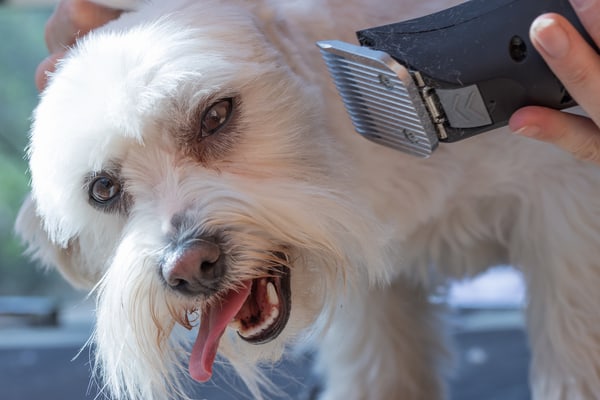
Shaving a Dog with Clippers

The first mistake you can make is shaving too close to the skin. Clippers may leave a horrible razor burn that may later cause an infection. If you do accidentally cause such a burn whilst shaving a dog with clippers, immediately stop and apply first aid. Clean the wound and then apply some anti-bacteria salve. Give your pet lots of hugs and apologize for causing such pain and say that it was just an accident.

Although your pet may not understand the actual words, he’ll understand your tone and will react to you in the way you intend. Emotional pain can be as bad as physical pain. Keep your eye on the wound and if it starts oozing pus or turns red, take him to the vet straight away. If he licks or tries to scratch his wound, use a plastic protective collar because you don’t want him aggravating it while it’s trying to heal.

10. Shaving Your Dog For Summer

Shaving your dog for summer can be a dangerous and painful process. The sun heats up the blades of the razor, which could cause burns if touched by sensitive skin on their muzzle or ears. And because dogs have fur that grows in different directions, it’s not always easy to keep them from getting nicked when shaving certain areas like under the tail.

It’s important for double-coated spitz dog breed owners to be aware of the risk that shaving can cause problems. Double coated dogs like the Pomeranian are at higher risk for a variety of issues related to grooming, including hair loss after being shaved in an effort to stay cool during the summer months. Owners should avoid severe fur trimming on these breeds and opt instead for keeping them cooler with plenty of water and shade throughout the day.

15 Common Dog Grooming Mistakes and How to Avoid Them

11. Using Dull Clippers

You should never use dull clippers on dogs, and if you do the cut will be uneven. There are other issues as well that can arise from using a dull blade of any variety like infection or unnecessary discomfort for your dog when clipping is done too close to the skin’s surface. If you want to avoid these pitfalls make sure all blades are sharp before starting with grooming.

Don’t jump into nail clipping head first. First, you need to check that your clippers are sharp. They need to be replaced regularly. Dull nail clippers will crush your dog’s nails instead of properly cutting them, potentially making them slip and causing injuries.

Another mistake that you, as a novice groomer, can make is getting shampoo or other similar chemicals in your pet’s eyes. Whether it’s your fault or perhaps your pet moved his head at the wrong time, soap can easily splash. This can make your pet’s eyes sting and cause him to relate pet grooming with that unpleasant experience from then on. Again, trust is lost unnecessarily.

Wash his eyes with water or a saline solution and then dab them with a soft sterile cloth. Comfort your pet by hugging and patting him to take his attention off his eyes.

Give him a treat or grab his favorite toy. Hold the toy so he can see it and move it back and forth. Watch his eyes for any signs that they’re irritated as the eyes follow the toy up and down, back and forth.

13. Not Restraining Your Pet While Grooming

One mistake that may prove fatal is leaving your pet loose or unrestrained while you’re trying to groom him. Cats hate baths, as do some dogs, and they’ll try to escape at any opportunity. Your pet might try to escape while you’re grooming him.

He may run out into the road and get hit by a car or be attacked by another animal. Ensure you use a dog grooming restraint.

Preferably a leash and perhaps he needs a dog grooming head restraint such as a muzzle as well. This protects both him and you. If washing him outside, do it in a fenced area so he’s not tempted to run away.

14. Using the Wrong Equipment and Not Cutting Precisely and Slowly

Proper trimming of a dog’s nails is an enormous challenge for the majority of dog owners. This is an important reason for ensuring your dog is comfortable having his paws handled properly while training.

Learn the right way to spot the nails quick. If your dog’s nails are light in color, you’ll likely see the quick as a pink circle around each nail. If your dog’s nails are dark, the quick might be visible as a black circle when you cut into the nail.

Make sure you take your time and avoid cutting into the quick because it will cause pain and bleeding. If you don’t know how to do it, ask your vet or an experienced groomer to help you.

15. Letting Your Dog Go Outside Right After Grooming

Most dogs will go crazy after their bath, even if they have been fully dried. The first thing they want to do is run around and roll in things, such as the grass, mud, dirt, etc.

While there are numerous reasons for them wanting to do this, it’s critical that your dog be kept inside after being groomed. If not, he’ll run around outside and when he comes in again, you’ll need to wash everything off him and groom him once more.

Let your dog run around inside for a while until he loses the urge to go outside.

Final Thoughts Dog Grooming Mistakes to Avoid

The conclusion of this article of the list of the most common dog grooming mistakes and how to avoid them. In order to help you keep your pup looking his or her best, I compiled this list of some of the most common mistakes that people make when they are trying to groom their pet dog at home.

These tips will be sure to save you from any unwanted hairballs in the future! Let me know if there are other questions about these topics that need more clarification before putting our advice into practice with your furry friend. We’re happy to answer all your queries and provide helpful solutions for keeping your puppy well-groomed.

Copyright CaninePals.Com. All Rights Reserved.

Tips on Dog Grooming


Why Buy a Purebred Dog

Why Buy a Purebred Dog and are Are Purebred Dogs Better?

People often ask why buy a purebred dog? It’s hard to resist the long list of benefits that purebred dogs offer. They are typically healthier, have fewer hereditary defects, and are more likely to be obedient. However, while these perks are great for families with children or people with allergies, they’re not always necessary if you’re on a budget.

Dogs come in many sizes, colors, and shapes, but the most popular breeds are purebred. There are over 150 different recognized dog breeds, with more being created all the time.

Purebred dogs can be found throughout the world. They have been bred for centuries to produce a variety of traits depending on what humans want in their dogs: hunting skills, herding abilities, loyalty, intelligence, and physical size.

However, the decision to buy a purebred is not an easy one because it requires careful consideration of your needs and understanding of how much you’re willing to spend on a pet. This article will discuss some of the pros and cons of buying a purebred dog so that you can make the right decision when purchasing the right pet dog.

Man has bred different breed strains of dogs with certain needed instincts and/or abilities as well as desired characteristics. This practice has gone on for thousands of years.

When you breed purebred dogs, they’re true to type and offspring have predictable instincts and appearance and are milder in their temperament. There are lots of great benefits when you own a purebred dog.

The Truth About Purebred Dogs

Purebred dogs are the result of many years of highly selective breeding. All breeds of dogs have a particular purpose and you can ask for the paperwork that clearly explains their heritage and history.

When purchasing a purebred puppy, you’ll know exactly what you’re getting in terms of characteristics, size, temperament, and appearance. Purebred dogs provide a sense of security, knowing that you’re getting the best possible animal. 

When you think about buying a purebred dog, you need to think about what you want in a dog. Then you reduce your options to those that obviously match your interests and lifestyle. For example, is the dog good with children? Will you have enough time to exercise him regularly, groom him, and keep him clean?

Are Purebred Dogs Better?

The question of whether purebred dogs are better than mixed breeds is a highly debated topic. Some breeders believe that the dog’s purity has an effect on his temperament, health, and vigor while others assert that mixed-breeds are healthier because they have more genetic diversity in their gene pool, which may lead to stronger immune systems against disease.

There does not seem to be any hard evidence either way as far as animal welfare goes but many people do take into consideration things like how long a particular breed takes for training or what type of coat it will grow when wondering if one would want this specific breeder over another.

Some people advocate for purebred dogs over mixed breeds. They argue that a dog’s breed reflects their genetic heritage and makes them more likely to be healthier, better behaved, or less prone to disease than mixed-breed animals.

However, others suggest the breeding of specific types in order to create uniformity has led some breeds into situations where they face extinction as well as health issues like hip dysplasia from being bred too frequently with close relatives.

Why Buy a Purebred Dog

Common Myths about Purebred Dogs

Breeders of purebred dogs invest loads of time and money to guarantee the dog is healthy. Meticulous records are kept that contain relevant information regarding each dog’s pedigree. Lots of breeders use artificial insemination from dogs that are purebred to guarantee that bloodlines remain varied and strong.

Do Purebred Dogs Have Better Temperaments?

Purebreds are predictable in many ways including having a quieter and reliable temperament. A crossbred dog is unpredictable in many ways so you never know what you’ll get.
Reputable breeders have their dogs regularly checked by the vet to ensure no health problems are present.

Reputable breeders only use dogs with a mellow temperament when breeding dogs. Purebreds are as playful and loving as crossbreeds but it’s easier to find a purebred with a more predictable energy level that you can fit into your existing lifestyle without too many modifications.

Why Buy a Purebred Dog?

Purebred Dogs Health Issues

Crossbreds can have a rollercoaster ride of bad behavioral traits, medical problems and are more prone to inherited diseases. They cause a genetic lottery of unknown results.

This means they can’t be screened for all health issues. Vets carry out rigorous tests on purebred dogs and ensure that all dogs to be mated as purebreds have perfect health.

What Sort of Dog do you Think of When Hearing the Word – “Purebred?”

Is it a Poodle with a big clip? Perhaps it’s a hairless Chinese Crested Dog? These cute dogs are wonderful pets BUT are also show dogs. Other purebred dogs include German Shepherds, Border Collies, Jack Russell Terriers, Rottweilers, and Golden Retrievers.

Are Any Purebred Hypoallergenic Dogs?

No dogs can be classified as “hypoallergenic or non-allergenic.” Dogs that don’t shed hair much rarely affect allergies as the dog is much less likely to leave his hair and/or saliva all around the house. Anyone can be allergic to one or more different things.

Cross-bred puppies may or may not become low-shedding adult dogs but you can’t guarantee it because cross-bred dogs don’t breed true. A litter of puppies that are crossbred can consist of some shedders and other non-shedders. Every puppy from a litter from a recognized breed will have the exact same coat.

What are Low Shedding Dog Breeds?

Dogs that are considered low shedding breeds offer less of a chance for an allergy sufferer to experience symptoms. But it’s best to do some research on the breed you’re interested in before buying, and spend time with them so as not to regret your decision later!

Breathing freely is the first step towards finding your new best friend. If you have allergies, it’s important to find a breed that has low shedding and doesn’t trigger reactions for those with sensitivities. The following list includes some breeds worth considering- but remember that all dogs shed! So be sure to spend time around any dog before making the purchase so you can see if he’ll work in your home or not:

However, the side effects of allergies can vary greatly so it’s best if you can spend some of your time with a breed that you’re thinking of buying BEFORE making the purchase. Then you’ll see if you can handle being around him. Do this as often as is necessary to eventually find the ideal dog for you.

Some of the low shedding dog breeds:
Afghan Hound.
• Miniature Schnauzer.
Irish Water Spaniel.
• Toy, Miniature, and Standard Poodles.
West Highland White Terrier.
Yorkshire Terrier.
• Australian Silky Terrier.
Bichon Frise.
Cairn Terrier.
Portuguese Water Dog.
• Schnauzer.
Chinese Crested Dog.
• Giant Schnauzer.
Airedale Terrier.
Dandie Dinmont Terrier.
Kerry Blue Terrier.
Soft Coated Wheaten Terrier.
• Lagotto.
• Bedlington Terrier.

Even though these breeds don’t shed much fur, you must still groom them regularly. And brush out the knots. The continuously growing coats need to be clipped a couple of times each year.

Why Buy a Purebred Dog
Why Buy a Purebred Dog?

About Preservation Dog Breeders

Good breeders can offer you answers to your questions and also share their knowledge and experiences. This gives you background on the dog and further information about his characteristics. It’s wise to make your purchase from a registered, reputable breeder.

You’ll be given his history and you should be able to see one or both parents and/or other members of his family.

American Kennel Club breeders have the experience needed to look after puppies and provide sufficient nurturing and care in the early stages of his life. Do it all properly and your puppy will remain healthy and it reduces the possibility of him becoming a nuisance as an adult.

Breeders will teach you how to train your dog, how to feed him, and how to care for his overall good health. As your puppy grows, you can ring the breeder if you need more advice.

The more support you have, the easier it makes life for you and your new little bundle of furry joy to have a good life together.

If you own a registered dog who’s purebred, you can get involved in various organized activities and events. This gives you and your dog some social interaction with other people who obviously share similar interests. Your dog may make new friends as well.

Registered reputable breeders are strictly bound by a Code of Practice and Ethics that covers everything to do with ownership of dogs and the responsibilities of breeders.

Do Not Buy a Dog From a Puppy Mill

If you’re looking for a new puppy, please know that some puppy mills are bad news. Some are very sad places where dogs have been living in cages their whole lives.

Avoid the risk of buying a puppy mill dog. These dogs may not have been cared for properly and could develop health problems that will make them difficult to adopt out or keep as an owner themselves, so be sure you’re looking to purchase from reputable breeders who correctly care for their dogs.

Final Thoughts: Why Buy a Purebred Dog

The choice of buying a new family member should come down to what will make you most happy as well as how much time and money you want to spend on caring for your pup over its lifetime.

If these are things that matter to you, then consider going with a purebred puppy instead of adopting from an animal shelter.

Purchasing a purebred dog is the best option for many reasons. In this blog post, we’ve gone over why you should buy a purebred dog and what you need to know before doing so. If you have more questions about dogs, please don’t hesitate to contact us!

By reading this article, we hope that your decision will be easier when it comes time to purchase a pup of your own.

Copyright CaninePals.Com. All Rights Reserved.

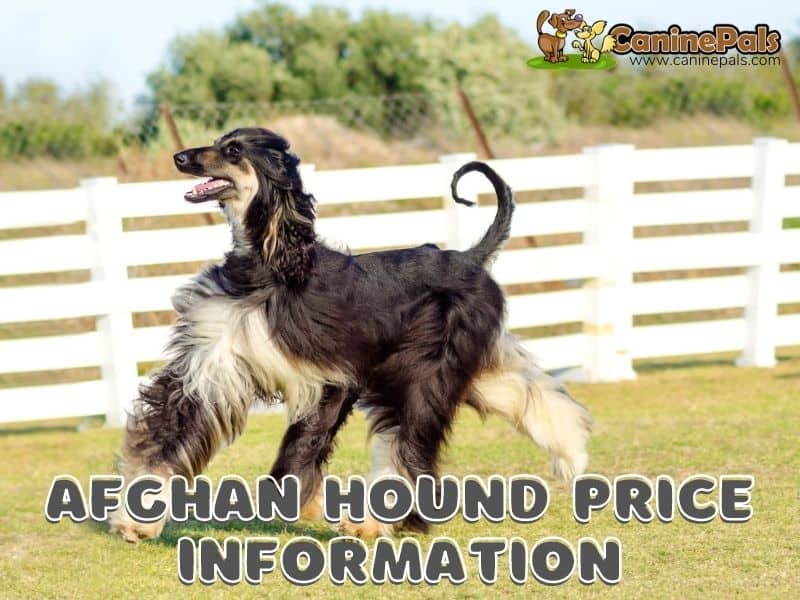
Afghan Hound Price Information

Complete Afghan Hound Price Information

The Afghan Hound price can vary but essentially this dog breed is not a cheap dog. On this page, we’ll look at the average price that these dogs sell for, as well as maintenance costs and we’ll try to answer the question “is the Afghan Hound worth the price?”

Before we get started though, did you know that Picasso loved the Afghan Hound and featured one in his painting “Femme au Chien”? This painting was sold by Sotheby’s in 2019 for almost 55 million dollars making this Afghan Hound the most expensive dog ever!

You don’t need to pay such a high price though, as this breed of dog is available at a much more reasonable price.

The Afghan Hound price you pay will vary according to where you buy the dog. In the USA, the price varies from 2000 to 4500 dollars from a breeder, whereas in the UK you would pay around 2000 pounds for a KC registered puppy.

The prices above are just quick estimates and the price you pay for your Afghan Hound may be higher or lower. We’ll look at why the price varies, what you can expect to pay, and help you decide if the high price of an Afghan Hound is justified.

Hopefully, after reading this page you’ll know whether this particular breed of dog, loved by so many, is worth the initial cost.

The Afghan Hound-One of the Top Dog Breeds

The Afghan Hound is one of the most popular dog breeds in the United States. but why exactly?

It is an ancient breed with a long and noble history.

The history of the Afghan Hound began more than 3,000 years ago when they were first bred by the nomadic tribes that roamed Afghanistan from time to time. The various tribes bred them for many qualities including guarding livestock and hunting gazelle, which they were very successful at.

The Afghans were originally used as hunting dogs during the height of their popularity, but now they serve primarily as household pets with a variety of exceptional talents including agility and tracking competitions. These qualities add to the Afghan Hound’s value and hence the price asked for the breed.

Let’s take a look at what it takes to own one of these beautiful dogs!

The Afghan Hound has a sweet disposition and makes for an excellent pet for children or anyone who wants a loving companion. It does not thrive living outside, so it should be kept indoors, but this breed does best when given plenty of space to roam. Afghans are not typically suited to apartment living.

An Afghan Hound is a long-haired breed of hunting dog that originated in Afghanistan and is sometimes mistakenly called an “Afghan Greyhound.” The breed has a life expectancy of 12 to 14 years.

How Much is an Afghan Hound?

UK      

USA

Average breeders  

300-2000 pounds* 

Average breeders  

$2000-4500* 

Top quality breeders

2000-6500 pounds

Top quality breeders

$3000-10,000 

*the higher price is for puppies and dogs with Kennel Club registration.

What is the Average Afghan Hound Price?

The average Afghan Hound cost ranges from $1,500 to $3,000. It will depend on the breeder, location, type, and age of the dog.

Although Afghan hounds are often used as show dogs or pets, they were originally primarily bred by shepherds to control and herd their flocks.

For these reasons and more, the price tag on an Afghan hound is no joke. However, if the price is a problem for you and you still want to buy this breed of dog, one good way to do this is to consider adopting one from a shelter. Adoption in the US can cost as little as $500 which is a very low price to pay for rescuing a dog and giving it a loving home.

Another advantage of getting your Afghan from a shelter is that it will have been desexed, had its health checked and it will have been given its shots, so that reduces the cost and worry of acquiring your new dog.

Afghan Hound Price Information

Is the Afghan Dog Price High Compared to Other Breeds of Dog?

The Afghan Hound dog price is high compared to other breeds of dog. However, it is not the most expensive breed of dog and it is not the cheapest either.

The Afghan Hound cost is around $1,500- $4,500 in the United States and Canada. This price can vary depending on the breeder or where you purchase your pup from. Meanwhile, a purebred Golden Retriever can cost up to $2,200-$3,000 depending on its quality and pedigree.

The Afghan Hound price is quite high compared to other breeds of dog. According to PrudentPet.com, this breed is the tenth most expensive in terms of price. Of the ten breeds mentioned on the website, the most expensive was the Samoyed, a Siberian dog that is as rare as it is loveable. The Samoyed has a price approximately double that of the Afghan Hound.

On the other hand, there are much cheaper dogs than an Afghan Hound, such as a Boston Terrier, whose price is around 800-1200 dollars, less than half of the cost of an Afghan.

However, the price of the dog is not the only concern as any dog owner knows that other costs such as grooming, vet bills, and food can also add to the cost of owning and keeping a dog. When buying an Afghan Hound, therefore, it is also very important to consider these other costs.

What are the Maintenance Costs of an Afghan Hound?

The Afghan Hound is a large dog breed with an impressive coat. The silky and long hair needs careful brushing, bathing, and conditioning to keep it healthy.

There are many factors to consider when figuring out how much you will spend on maintaining your dog’s coat. The most important factors are the frequency of brushing, the length of time between grooming sessions, and the quality of shampoo and conditioner that you need to buy for your dog.

All pets require regular grooming in order to keep their coats clean and healthy but this is another cost not included in routine veterinary fees as most groomers will charge by session instead of per visit so it’s important to research what works best for your furry friend.

It’s well worth the investment to protect your pet with preventative care. Other costs include food, worming medication, and flea-and-tick products for both prevention and treatment of infestations—all of which can quickly add up over time. Vet visits are also a necessary expense that may come more often than you think if you have an accident-prone pup.

Afghan Hound Puppies

Why are the Prices of Dogs so High?

The price of a dog is determined by factors such as its breed, age, size, and training.

The prices of dogs vary significantly from country to country. For example in the United States, the average cost ranges from $500 for a mixed breed puppy to over $10,000 for a championship show dog. The same breeds in Australia are going for anywhere between $1,400 to over $7000.

A number of factors come into play when determining the price of a purebred dog.

Purebred dogs are more expensive than mixed breeds because they are less likely to have genetic defects, which can lead to costly veterinary bills. This is why breeders charge higher prices for purebreds, and also why pet stores charge more for them.

The main reason is that if you want a certain type of dog with a specific set of characteristics, such as a Labrador Retriever with blue eyes, then you need to buy from a breeder who produces those types of dogs only. If you want any other type of dog, like a Retriever mix or Labradoodle, then the breeder would have too many variations in their breeding stock.

Why Does an Afghan Hound Cost so Much?

As one of the most expensive dog breeds, Afghan Hounds are prized possessions. They’re also highly intelligent and sensitive.

A high-end Afghan Hound can cost up to $10,000 in some cases. This is partly because this breed is not always available on the open market and requires a lot of work to find.

These dogs are also in high demand with families who want them as a companion. The dog’s intelligence and sensitivity make them the desired pet for many families that have children or people with disabilities.

Afghan Hound Puppies

Afghan Hound Puppy Cost

The Afghan Hound puppy cost is anywhere between £300 and £2000 in the U.K. A Kennel Club-registered pedigree puppy is quite expensive and may cost well over £1000. Being a high-maintenance breed, the Afghan Hound requires daily combing and professional grooming.

Is the Afghan Hound Worth the Price?

The Afghan Hound is a beautiful dog with a rich history that can make any family feel like royalty. Afghans are gentle, loyal, and playful companions who are always happy to see you. They love to be near their owners and dislike being left alone for long periods of time. Afghans have a high energy level and will need regular exercise.

When you buy a pedigree dog, such as an Afghan Hound, you are buying so much more than a dog, you are paying for many years of friendship and loyalty, the history and qualities of the dog breed, and much more besides!

We also shouldn’t forget that your Afghan Hound will have a personality all of its own and become as unique as any person. Anyone who has had a dog as a pet before should understand this.

If you consider all these aspects of the price of your dog, I hope you can understand that you are also investing in yourself because the dog as well as being a companion will become a member of your family and will earn your love.

In short, yes an Afghan Hound is worth the price, in fact, they are quite priceless!

The Afghan Hound’s Appearance and Personality

The Afghan Hound breed is characterized by its striking features, such as a long, silky coat and the distinctive spots on its fur. They are bold yet gentle dogs that are both affectionate and loyal to their owners. They are very elegant dogs!

The Afghan Hound is a super friendly and affectionate dog that will hang out with you all day. It’s not surprising that this breed is the National Dog of Afghanistan.

The Afghan Hound is a very intelligent and energetic companion. They’re also very gentle with children and strangers. This breed needs plenty of exercise to stay happy, either through walks or playing in the yard. They are natural hunters, so they’ll need training to avoid any accidents in the house.

Afghan Hound Price Information

Afghan Hound Dog Breed Information

The Afghan hound is also one of the most ancient breeds in existence. Originating in Afghanistan, some historians believe that Hyrcanian shepherds first domesticated these dogs over 3,000 years ago.

The Afghan Hound originated in Afghanistan and neighboring areas in the 19th century. Two different types evolved; one from the northern area and the other from the south and western areas. In WW2, this breed disappeared from the Western world entirely. Today’s Afghan Hounds date back as far as 1920 when a group was taken to Scotland.

The Afghan Hound comes in many colors and is a great hunting dog. He has an air of aloofness and dignity and the texture of his silky, thick hair is very fine, a type often found in animals that live in high altitudes.

He’s also an excellent show dog. He needs regular grooming due to his coat and must have regular walks. He will range in height from 25-27 inches at his shoulders and will weigh 50-60 pounds.

Health Issues that Affect the Afghan Hound

All breeds of dogs suffer from health issues, which of course add to the cost of keeping your pet and this might be something to consider before deciding to buy your chosen breed.

The Afghan Hound is a breed of dog that has been known to be at risk for health issues. These are the main health issues that affect them:

  • Eye Issues: This can include eye ulcers, corneal dystrophy, and cataracts. These are all caused by excessive environmental factors such as UV light and other toxins that can lead to these conditions.
  • Patella Luxation: The Afghan Hound is prone to this because they have a narrow cranial base and short femur bones leading to instability of their kneecaps.
  • Lung Disease: This can be caused by a number of things such as inhaling dust from the ground, eating toxic plants, or inhaling viral-laden prey. There are no specific treatments for this disease so it is just monitored

Where to Find an Afghan Hound for Sale

The Afghan Hound is an uncommon breed, so locating one can be difficult. There are a few different avenues to explore in order to find the perfect pup for you and your family. Breeders often have puppies that fit into any of five price ranges – from $1000 USD up through as much as $4500!

Larger dogs like this require time, patience, and general care (especially while they’re still young) but will repay these investments with their loveable personality over the years. If money isn’t such a big deal then it would behoove you to go look online where prices range widely depending on what type of dog breeder or seller you happen upon.

Preservation breeders are always the best option for high-quality, healthy, and well-cared-for puppies.

Final Thoughts on Afghan Hound Dog Price

If you’ve been struggling to find a dog breed that fits your lifestyle and personality, check out the Afghan Hound. This ancient breed has the perfect temperament for families with children as well as retirees looking for an energetic companion.

With their unique look, they are also great at capturing attention in public settings like parties or weddings if you want more than just another Golden Retriever!

Check out our post on how much does it cost to buy an Afghan hound before deciding whether this is the right type of dog for your family.

Copyright CaninePals.Com. All Rights Reserved.
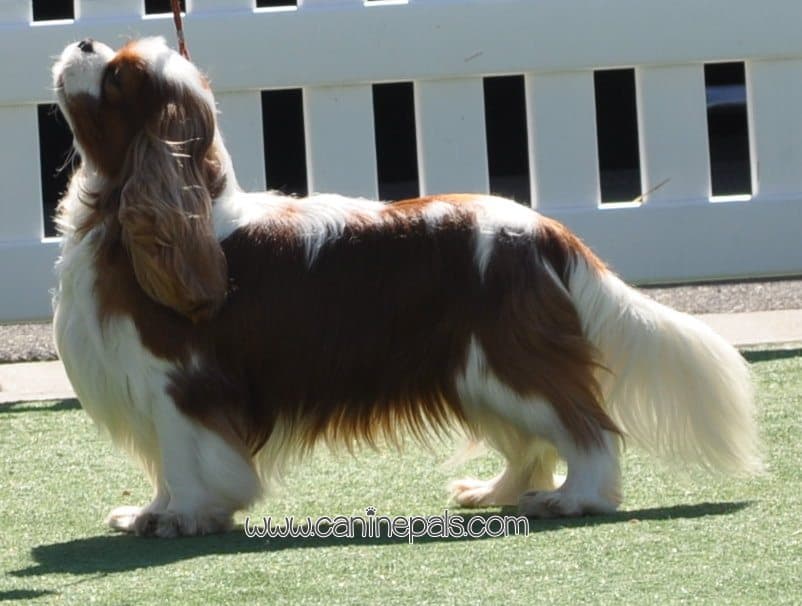
References and Further Reading:

[1] American Kennel Club, Afghan Hound Information.

shih tzu pros and cons

Shih Tzu Pros And Cons Owners Need To Know

The Shih Tzu is a popular breed among many dog-lovers worldwide, but before you bring one home, do your research and consider how this might fit into your lifestyle. Here are some Shih Tzu pros and cons we feel would be good for anyone considering bringing  them home.

Shih Tzu Pros And Cons Explained

The Shih Tzu is the perfect companion for your daily life. These small, social furry companions don’t mind going out with you and enjoying a good time! However, they do require frequent grooming to keep their luxurious coat in top condition.

Shih Tzu loves getting attention from people around him, whether it be at home or on an outing with new friends; these cuddly companions just want some playtime too. Surprisingly, the average size is about 10 pounds. However, Shih Tzu can grow up to 11 inches or as short as eight inches when fully grown and mature.

Shih Tzu Pros

Shih Tzu Cons

Excellent companions

Requires lots of grooming

Adaptable to small homes

Can be difficult to potty train

Less exercise needs.

Shih Tzu can be stubborn

Gentle with children and other pets

Moderate health issues

Low shedding dogs

Can easily gain excess weight

Pros of Shih Tzu

Here are some Shih Tzu benefits:

Excellent Companions

The Shih Tzu is perfect for families, providing a friend to love and befriend everyone in the household. While you may find a Shih Tzu in every single family situation, the breed is especially good for those who are looking for a companion. These dogs can provide companionship and love to anyone of any age or background that needs it most, making them ideal pets.

The Shih Tzu is a breed that loves to provide comfort and peace when its human companion needs it the most. The Shih Tzu can be seen as the perfect pet for those in stressful situations since they love nothing more than making their owners feel at ease with them.

That’s why It is no surprise that these pups are one of the most popular breeds for senior citizens. The calm, affectionate nature and playful temperament make them a perfect companion. They’re also ideal among families with older children who want to have some company on their walks around the block.

Adaptable to Small Homes

The Shih Tzu is the best choice for people who live in condominiums or apartments. They enjoy staying close to you and will be content with just a little attention every day, so they won’t break your peace of mind when it’s time to rest.

The world is a much quieter place when you have an intelligent, well-trained dog. You won’t hear that endless barking from them even if there are times where you might be away for work or doing shopping around town.

For some dogs, being left alone for too long can cause high levels of social anxiety. This is why it’s important to spend plenty of time with your pup before planning on a breed that likes company more than others.

If you are looking for something more than just a cute face dog, then the Shih Tzu is an excellent choice. This small dog breed typically has better manners and will rarely yap at your guests as some other toy breeds might do.

Less Exercise Needs

The Shih Tzu is the perfect option for those who need a smaller and less active dog. They are not very demanding when it comes to outdoor exercise, which makes them great companions for people with busy schedules or otherwise unable to be as active each day.

Shih Tzus are great pets with minimal needs, but they still need a whole lot of attention. They’re not called “little lions” for nothing. A balcony might be enough to keep them happy and healthy, as it gives the dog some room to roam around outside while also providing you an easy-to-clean.

Shih Tzus have an innate need for physical activity, which means if you can’t take them out there, they will want lots more opportunities and require different types than simple walks to stay mentally stimulated and physically engaged indoors.

They need a variety of toys available inside your house and outside in the yard so they can get their energy out!

Gentle with Other Pets

Shih Tzus are known to be a headstrong breed. They have been bred for centuries as companions and guard dogs, so it is not surprising that when they think they are in charge and there can’t be any compromising or changing of plans

Shih Tzus have a particular kindness that is uncommon in other breeds of dogs. They are not prone to fighting or being aggressive, and they will usually stay out of any tension between pets who might otherwise be four times their size. Even if you have cats around your house, your pup prefers playing with the cat over picking a fight with them.

They Are Not Trouble Makers

Shih Tzus are the perfect choice for those who don’t want to deal with a lot of trouble. They eagerly keep their home clean and love nothing more than being around people. They love to curl up on the couch with you after a long day and be near your side at all times (unless they’re napping).

Even if there is the occasional temptation to be slow in obeying a command, you’ll find that most Shih Tzus are easy to forgive because of their so much love for just about everyone.

Shih Tzus are small and have a regal look about them. They may be picky sometimes, but they always know their own mind when it comes to what pleases or displeases them most.

When you look at their size, they may not seem very strong. But don’t let that fool you because Shih Tzu is actually surprisingly sturdy and can be stronger than many people expect when looking into the dog’s overall build.

Shih Tzu Pros And Cons

Less Shedding in The House

If you are not a fan of having to clean up dog hair at home, then the Shih Tzu is one breed that can help. These small dogs have long coats, which, if trimmed, will reduce shedding and keep your house cleaner for longer periods of time.

Shih Tzu’s are much smaller dogs that people who suffer from pet allergies might want to consider. They’re also known for their low shedding rate, so they can be perfect companions even though it won’t do anything against the fact that these cute little guys will still cause your eyesight to water up when he sheds more hair in one day than most other bigger breeds would during an entire year.

They shed less because they are smaller. You can control how much of their fur is lost with regular grooming work and brushing, but you will still want to use a sticky roller on your clothes since it’s usual for them to get some hair all over the place!

Polite with Strangers

While Shih Tzu dogs have been popular, they are not the best guard dog in the world. They have a natural kindness that prevents them from being aggressive towards strangers or other animals.

While it is true that many people assume Shih Tzus make good guard dogs due to their aggressiveness and tenacious nature, these breeds do not possess both qualities at once; therefore making them less than perfect for this role.

Shih Tzus bark joyfully at any strangers who dare approach your home–but this might be because these dogs enjoy showing off how good guard dogs they are. They bark and wag their tail when they sense someone unfamiliar but with a happy disposition instead of malice or fear.

They will often greet you with an excited bark or two before they trot up to say hello; their tails always seem to be waving about from side to side no matter what mood they’re feeling – which is usually quite jovial.

Good for New Owners

The Shih Tzu is an excellent family pet for those who have little or no experience with dogs. Its small size and playful nature make it perfect in a new environment where there are kids, other pets, and people around all the time. It has been said that “Kids love them.”

Easily Adjust in New Places

Shih Tzus are easy to please and love being taken care of. They will quickly adapt your routines without much effort at all, making them perfect for families with busy lives.

No matter how many pets or children you have in your home, these pups will adjust easily to the new environment. They are not too big and can be a little tricky for those inexperienced, but they’re perfect for those who need an animal that is too heavy to carry around.

Housebreaking these dogs can be tricky, but patience also aids with housebreaking as these dogs learn best when you’re consistent about what behaviors are appropriate inside or outside the home. If there’s an occasional accident, simply clean up accidents promptly and provide plenty of love while praising good behavior once again just afterward, so they remember why their actions were rewarded.

Lower Blood Pressure

Here’s a secret you probably didn’t know about your Shih Tzu they can lower blood pressure. According to a study conducted by the University of Minnesota, people who live stressful lives are much more likely to develop high blood pressure than those living less stressful lifestyles. Having pets in your home can help alleviate some stress and reduce blood pressure levels by up 10%.

Shih Tzu Pros And Cons

Cons of Shih Tzu

Require Extra Grooming

The Shih Tzu is a breed of small dogs known for their long fluffy hair. They need to be brushed daily; otherwise, they get matted and tangled. Obviously, no one wants that. But in the end, it’s worth it because when you take time out every day to brush them, your life becomes much more pleasant with all those sweet little kisses from such an adorable pup.

Some grooming work can be reduced by keeping the bangs of hair away from their face and cutting it a little shorter. This will not eliminate your need to groom them entirely but may make things easier for you.

If you are not a fan of traditional brushing, the best way to keep your pup’s fur soft and manageable is by using a de-shedding glove. You can pet their coat while removing the excess hair all day long.

Difficult to Housetrain

If you want to own a Shih Tzu, then it’s important that you know how hard they can be when dealing with housetraining. Their small size and natural instincts make them difficult for some owners to potty train.

Shih Tzus are like other small breeds-they typically have smaller bladders than larger dog breeds do and hence take more frequent trips outdoors in order not to soil indoors.

Getting Shih Tzus to the point where they recognize when their bladder is full can be challenging for some owners. But there are ways around this. For one, you could always train your dog with pee pads or an indoor potty and then gradually adjust them outside over time.

Shihtzus come out with their own set of stubborn habits that may make it hard for some people to get through at all. But don’t worry trainers will teach them how to be more disciplined by being persistent enough with different methods such as use positive reinforcement or treat rewards if they’re really struggling. The process of training Shih Tzu is much more difficult than training other small dogs.

Shedding can Cause Allergies

Some people say that Shih Tzus are not hypoallergenic, but they never mention the shedding. The truth is that every breed of dog will shed at some point. This can cause issues for people who have allergies due to their fur being constantly in close contact with allergy triggers, including pollen and dust mites. These particles build upon one’s skin and make us sneeze.

Shih Tzu pups have a double coat, and each follicle has a life cycle of its own.  Eventually, this can lead the tiny hairs to stick all over your floor or end up in your carpet fibers, where they’re less noticeable than on hardwood floors.

Shih Tzu has a long hair coat that can get tangled and matted. Dogs with short coats are easier to brush, but if you decide to keep the Shih Tzu’s fur at its natural length, it is best to clip them. So the outer layer of their fur doesn’t get caught in their undercoat hairs.

shih tzu pros and cons

Shih Tzu Behavior Problems

Shih Tzu has a generally very sweet nature, but sometimes they can be stubborn. They also have the potential to become manipulative with time, like some other dogs.

They are the pack leader! It’s up to you as a parent or guardian to be absolutely consistent about what you say. If they don’t know where their boundaries are, it can lead them into bad habits that will have lasting negative consequences for years.

Shih Tzu loves the food, and they can do anything in order to get the food they love. You can use the food to lure them for training. But sometimes, Shih Tzu only obeys commands when there are treats around, which can be problematic.

Shih Tzu Health Issues

The shape of the Shih Tzu’s face creates some unfortunate considerations that prospective owners will need to take into consideration before adding them as part of their family. With these little dogs having such distinct physical characteristics, it makes sense that there are certain things we should look at closely in order to keep them healthy and happy.

One of the habits that you need to change should be to stop smoking around your pet. They are more susceptible than humans with a much weaker immune system and compromised respiratory tract, which means that even small irritants can cause major damage over time.

To cut down on the number of visits to your vet, you’ll need to keep an eye out for freshly-cut grass and pollen. If Fido does not mind his manners in these areas, then it can be difficult to protect them from these problems.

They need us to help them stay cool during the hot and humid months of the year by providing plenty of indoor activities for their active little bodies. The dog can be at risk of overheating due to intense heat, so we must give them ways to feel better.

Potential Shih Tzu Health Problems Include:

  • PRA or Progressive Retinal Atrophy
  • Entropion
  • Patellar Luxation
  • Fold Dermatitis
  • Distichiasis and Ectopic Cilia
  • Intervertebral Disk Disease
  • Stenotic Nares
  • Hernias
  • Proptosis

Pros and Cons of Shih Tzu Conclusion

Shih Tzu dogs are small, funny-looking little things that might make you laugh when they’re running around. But there is more to these canine creatures than their silly appearance and high energy level. In fact, the pros outweigh the cons so much that it may be difficult for some people not to fall head over heels with them.

If you are considering adopting one of these adorable furballs but aren’t sure if this would be a good fit for your lifestyle or home, then this blog can help you. Our explanation of pros and cons of owning a Shih Tzu gives you all the facts. We have explored both sides of owning a Shih Tzu dog because we want you to have all the information before making any decisions.

There’s no need to rush into anything; you deserve time to think about what type of dog you want.

Copyright CaninePals.Com. All Rights Reserved.
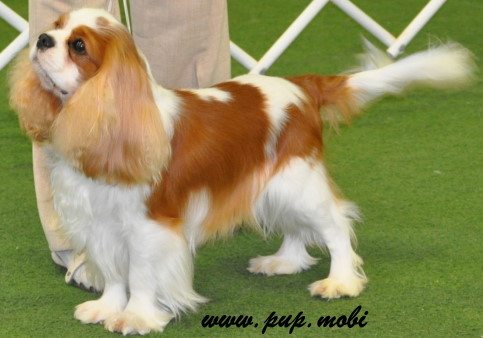
References and Further Reading:

[1] American Kennel Club, Shih Tzu Information.
[2]
National Institutes of Health