
Disclaimer

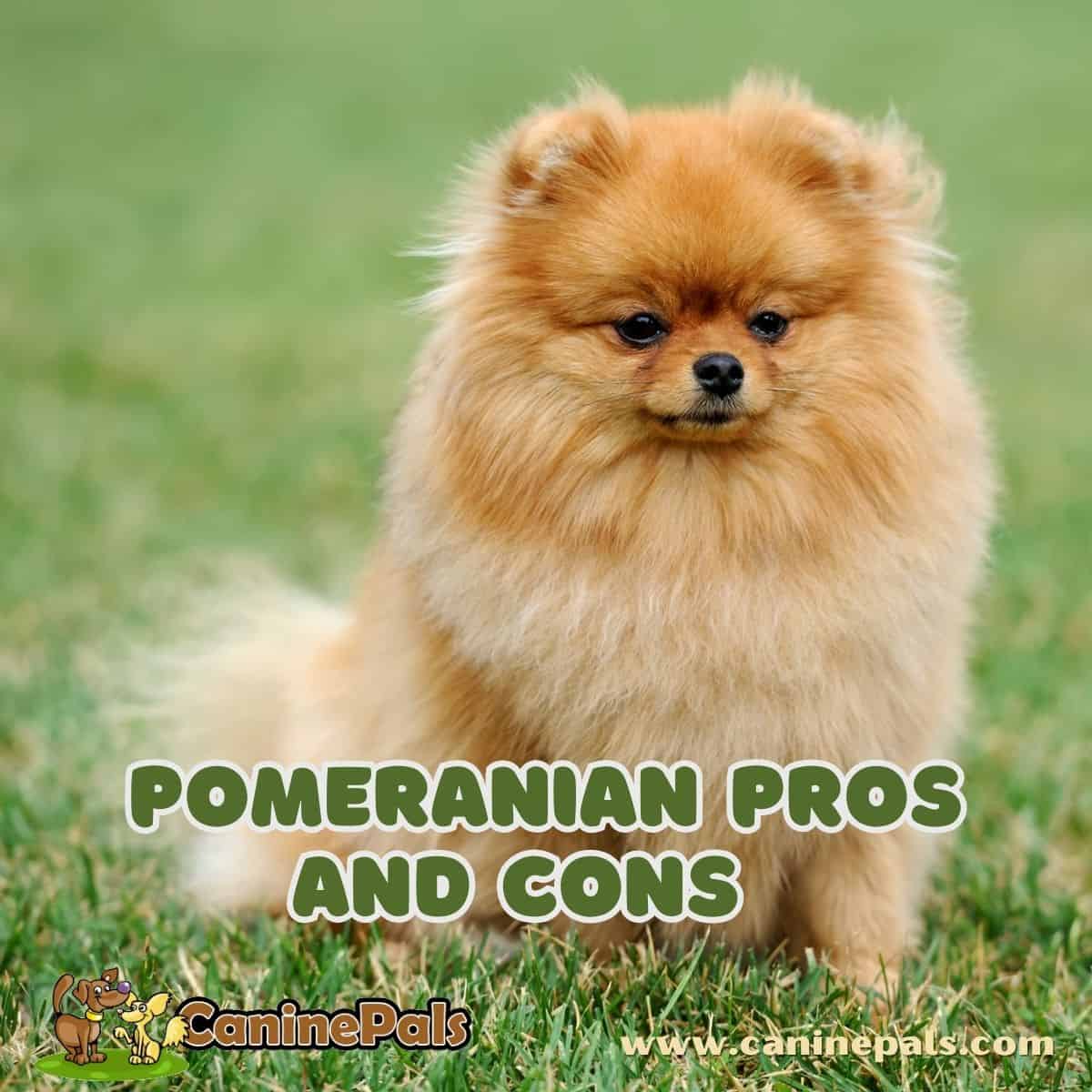
Pomeranian Pros and Cons

Pomeranian Pros and Cons – Is a Pomeranian Right for You?

Are you looking for a small and charming companion dog? Maybe you are interested in buying or adopting a Pomeranian.

Is a Pomeranian the right dog breed for you? Worry no more because we have come up with a comprehensive guide detailing all Pomeranians’ pros and cons. So let’s dive right in!

Pomeranian Appearance

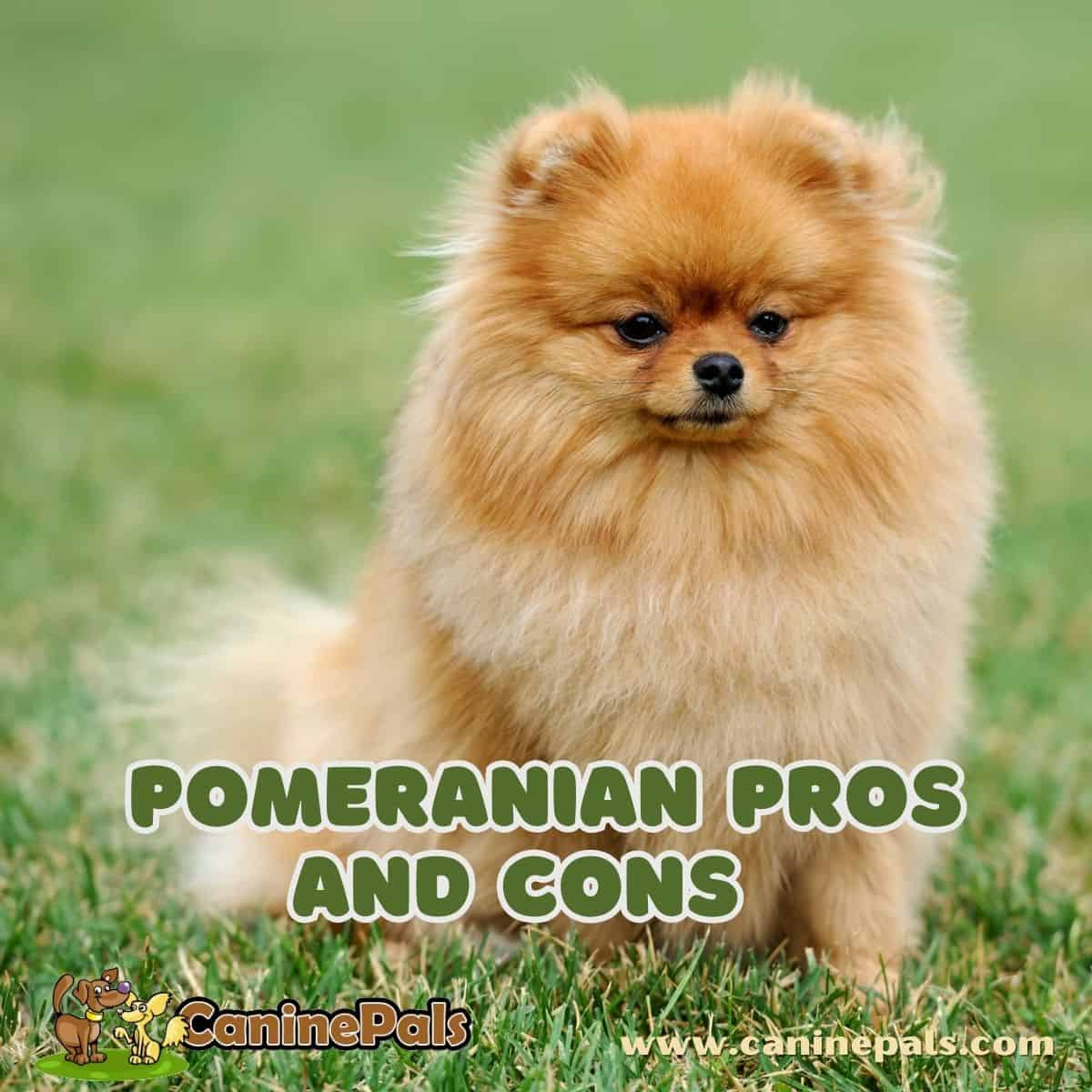
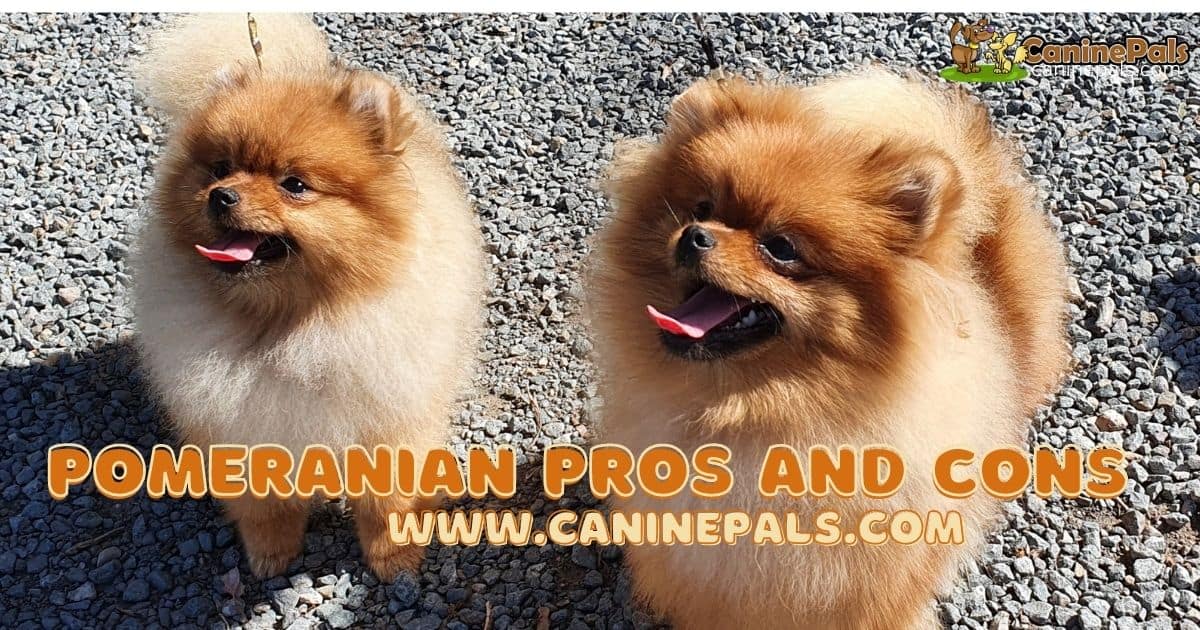
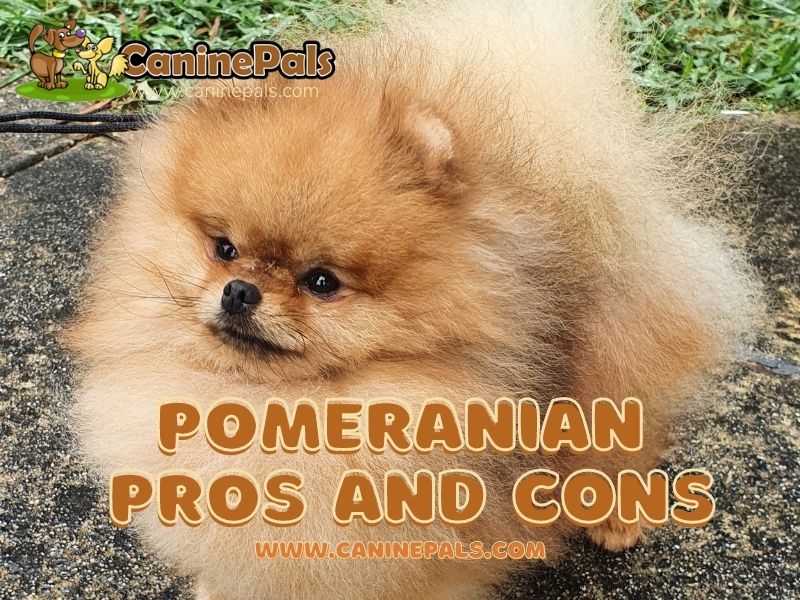
The Pomeranian is a small dog known for its luxurious coat and it is named after the province of Pomerania, in Germany. Poms come in a wide variety of solid colors. These little dogs have alert expressions and a spunky attitude.

Being an interesting toy dog breed, Pomeranians have gained huge popularity worldwide. Despite their small and compact size, they tend to protect their owners from any threat. Poms really have no idea how small they are! 

Let’s have a look at the physical characteristics of Pomeranian:  

  • Eyes: Dark, bright, medium-sized, and almond-shaped
  • Nose color possibilities: Pigment is black except self-colored in chocolate, beaver and blue.
  • Ears: Poms have small, pointed, triangle-shaped, erect ears.
  • Head: Their head is in balance with their body. It’s broad at the back, tapering to the nose to form a wedge. Their muzzles are straight with well-pronounced stops.
  • Coat: The Pomeranian is a double-coated breed. They have a short, dense undercoat with a profuse harsh-textured longer outer coat. 
  • Coat color: All colors, patterns, and variations thereof are allowed. They can be chocolate, tan, sable, blue, orange, black, white, cream, red, silver, grey, fawn, or brown.
  • Tail: Heavily plumed, set high, flat, and straight on the back.
Pomeranian Pros and Cons

Facts About Pomeranian Dogs

Let’s take a look at some facts about Pomeranian dogs:

Stats Description
Dog Breed Group Toy Group, Companion dogs
Purpose  Companionship
AKC breed popularity ranking 23 of 200
Temperament  Confident, outgoing, smart, friendly, playful 
Weight Range 3 – 7 pounds
Average height  7 to 12 inches tall at the shoulder 
Energy level  High 
Intelligence level  High 
Life Span 12 to 16 years 
Pomeranian Pros and Cons

Do Pomeranians Make Good Pets? 

Pomeranians are intelligent, loving, playful, cheerful dogs and are devoted to their family. These small-bodied and playful dogs possess all qualities that make them the ideal dogs to raise. Although they are the size of your average lap dog, Poms have big personalities. 

Let’s explore the pros and cons of a Pomeranian: 

Reasons a Pomeranian Dog is For You

Here are a couple of reasons why a Pomeranian dog is the right small dog breed for you.

  • Affectionate: Pomeranians are loving and cuddly dogs. They desire your attention and affection but offer unconditional love to their owners. Pomeranians enjoy cuddling up next to their owner. You can count on Pomeranians as very loving, affectionate, and eager to please. 
  • Good watchdogs: The Pomeranians are alert and aware of their surroundings. They take pride in protecting their family. Pomeranians are highly protective of their family and make great watchdogs. A Pom is always quick to sound an alarm if it finds someone suspicious around the house.
  • Intelligent: Pomeranians are considered highly intelligent dogs. They can read and react appropriately to human gestures.  These little guys have a good memory. Poms need mental stimulation to stay away from mischievous and destructive activities.
  • Playful: Pomeranians are playful pups and love to spend time with their owners. Fetch, frisbee toss, and ball games with kids will keep them happy and engaged. They must be taught to play nicely from puppyhood. Pom puppies are curious and willing to approach people and be held by them. Their playful antics often help them get the adoration they crave.
  • Loyal and courageous: Pomeranians are loyal, and betrayal is not their attribute. They like being around their owners. The Pomeranians display a courageous temperament and remind people of a much larger dog. They will do anything to protect their family if they feel like they are in danger. 
  • Adapts well to apartment living: This little dog is a suitable option if you live in apartment. Pomeranians are excellent apartment dwellers due to their small size. However, they’re not couch potatoes.
  • Easy to train: Pomeranians need less time, patience, and repetition during training. They are smart and can easily get bored with repetitive training. You will need to use rewards and games to teach Poms to want to comply with your requests. Hitting or yelling at them will only have negative effects. 
  • Low potential for mouthiness: Pomeranian puppies have a very low tendency to nip, chew, or play-bite people. They are less likely to use their mouths to hold or “herd” their human family members.
  • Low wanderlust potential: Pomeranians are not escape artists. They prefer to stay as near to home as they can. Toy breeds are less likely to run away even if they have the opportunity.

Reasons a Pomeranian is Not For You

Here are a couple of reasons why a Pomeranian is not the right breed for you.

  • Not for first-time parents: Even though they are eager to please, Poms is stubborn and independent. This makes them an unsuitable breed for novice owners. 
  • Barkers: Pomeranians are vocal dogs with high barking potential. They will bark every time someone approaches. You can train them to stop excessive barking and avoid unpleasant situations.
  • Not a low-maintenance dog: The Pomeranian’s glorious coat require regular grooming. Frequent baths and brush outs are necessary to keep Pom’s coat in optimal condition. Pomeranians are moderate shedders, so regular vacuuming will become a way of life. Their grooming needs include regular brushing, bathing, trimming, dental, and nail care.
  • Pom puppies are not kid-friendly: These dogs are unsuitable for a household with small children. Pomeranians are friendly with children but should still be supervised during playtime. Due to their small size, they are best suited to a family with older kids. Mistreatment by young kids can be heavy-handed and hurt a Pomeranian. Be sure that any small kid around a Pom is taught to interact with dogs respectfully and gently.
  • Poms are not dog-friendly: The Pomeranian won’t be a great choice if you already have another pet dog. They are not friendly towards other dogs. Pomeranians can be scrappy with other dogs of the same sex, but early socialization will help deter this behavior. Poms are best suited to a one-dog household.  
  • Can’t tolerate being left alone: The charming little Poms love attention. It is not a good idea to leave Pomeranians all by themselves as you go for a walk or to work. If you should leave them, it should not be more than four hours. Pomeranians tend to be anxious, bored, and lonely when left alone. They can become problematic and destructive. 

You Need to Know the Potential Pomeranian Health Issues 

If you own or plan to buy or adopt a Pomeranian, you must know its health concerns. Let’s have a look into some of the common health problems:  

  • Collapsing Trachea: Collapsing trachea is a genetic problem in which a Pom’s trachea tends to collapse easily. It happens when the trachea of a Pomeranian becomes narrow due to the softening of the cartilage that holds the windpipe. 
  • Luxating Patellas: Luxating Patellas is a degenerative problem common in Pomeranians. It is due to the looseness of the kneecap. This happens when the muscles and the tendons that hold the Pomeranian’s kneecap in place become very weak. When the kneecap slips, it causes acute pain, lameness in the leg, or an abnormal gait in the Pomeranian. 
  • Epilepsy: This disorder refers to abnormal, uncontrolled bursts of electrical activity in your Pomeranian’s brain, causing seizures. An epilepsy treatment plan for Pomeranians reduces seizure frequency and improves their quality of life.
  • Dental problems: Pomeranians are prone to gum and teeth problems and early tooth loss.
  • Allergies: Pomeranians are prone to a variety of allergies. These dogs may be allergic to pollens, molds, certain foods, and flea saliva.
  • Legg-Perthes Disease: In this disease, the blood supply to the head of the femur is decreased. The head of the femur that connects to the pelvis begins to disintegrate. The affected Pomeranians exhibit limping and atrophy of the leg muscle.
  • Cataract: A cataract is an opacity on the lens of the Pomeranian’s eye that causes difficulty in seeing. It can be hereditary or may result from old age or trauma.
  • Progressive Retinal Atrophy (PRA): It is a genetic condition characterized by the bilateral degeneration of the retina. The affected Pomeranian tends to be nervous at night and may eventually lead to blindness.

Are Pomeranian Good Dogs?
Are Pomeranians Good Dogs?

How to Have a Well-Rounded Pomeranian Dog

Let’s face it! All dogs are different! Here are a few ideas that you can take to ensure that your Pomeranian puppy will grow up to be a friendly and well-rounded dog:  

  • Like all dog breeds, Pomeranians need early socialization and exposure to many different people, larger dogs, animals, places, sounds, and sights during puppyhood. 
  • Give your Pomeranian puppy a lot of love and attention. Make sure to spend time regularly with your furry pal.
  • You should remove their excess energy. Games like fetch, nose games, and hide-and-seek are great ways to remove pent-up energy in Pomeranians. These activities will keep your dog busy and make them more responsive.
  • Socialization and training a Pomeranian puppy takes time and effort. You need to be patient with your furry friend. 
  • Use positive reinforcement techniques to reward the positive behavior of your dog. Pomeranians feel special every time they are rewarded with praises and rewards.
  • Pomeranians thrive on physical and mental stimulation. Challenge your Pom with different activities, interactive toys, and challenges.
  • You need to be consistent with your Pomeranian. Lack of consistency might reinforce the negative behavior. Try to have realistic expectations for what a Pom puppy is capable of.

Many behavioral problems have a root in Pom’s early upbringing. If socialized properly in puppyhood, Pomeranians make an excellent family dog. Set limits from the start and your Pomeranian will be a wonderful companion. 

Other Pomeranian Mixes

There’s an adorable Pomeranian mix for everyone. Pomeranian mixes combine the best of two dogs, resulting in some astounding canines. All of them are elegant and a little bit weird, but no one can deny their unique and exotic appearances.  

We have compiled a list of 10 of the most amazing combinations we could find. If you are in love with Pomeranians, you will definitely love these Pomeranian mix breeds!  

  1. Pomsky (Breeds: Husky and Pomeranian)
  2. Jackaranian (Breeds: Jack Russell Terrier and Pomeranian)
  3. Pom-A-Pug (Breeds: Pug and Pomeranian)
  4. Yoranian (Breeds: Yorkshire Terrier and Pomeranian)
  5. Pomchi (Breeds: Chihuahua and Pomeranian)
  6. Pompoo (Breeds: Miniature Poodle and Pomeranian)
  7. Pomeagle (Breeds: Beagle and Pomeranian)
  8. Peek-A-Pom or Pominese (Breeds: Pekingese and Pomeranian)
  9. Pomston (Breeds: Boston Terrier and Pomeranian)
  10. Pomshi, Pom-Tzu, or Shiranian (Breeds: Shih Tzu and Pomeranian)
Pomeranian Pros and Cons

Are Pomeranians Good Dogs? Our Final Thoughts

The Pomeranian breed is a wonderful, spunky little dog and makes great pets. It is important to understand that as a Pomeranian owner, you are responsible for the care and well-being of your pet. 

Before your little buddy comes home with you, you must look at your lifestyle and how accommodating it would be for a small dog. Also, ask yourself the following questions:  

  • Can you afford to own a Pomeranian puppy in terms of food, vet fees, and pet insurance?
  • Is everyone in your family fully on board with the idea of Pomeranian?
  • How much time can you dedicate to your Pomeranian each day? 
  • Do you have the time and resources needed to properly train your Pomeranian pup? 
  • Pomeranians do not tolerate being left alone. Will it have company at home if you’re working late or traveling?

Poms are one toy breed you fall in love with at first sight. They are adorable, friendly, and charming little creatures.

Choose a Pom puppy whose parents have a stable and friendly temperament.  

Grab your Pomeranian today and fill your home with happiness caused by this affectionate and delightful dog breed. This little fellow will steal your heart with its cuteness and silly antics. 

If you have any further questions about Pomeranians, please do not hesitate to ask.

Copyright CaninePals.Com. All Rights Reserved.

References and Further Reading:

The Pomeranian Handbook by Denise Leo

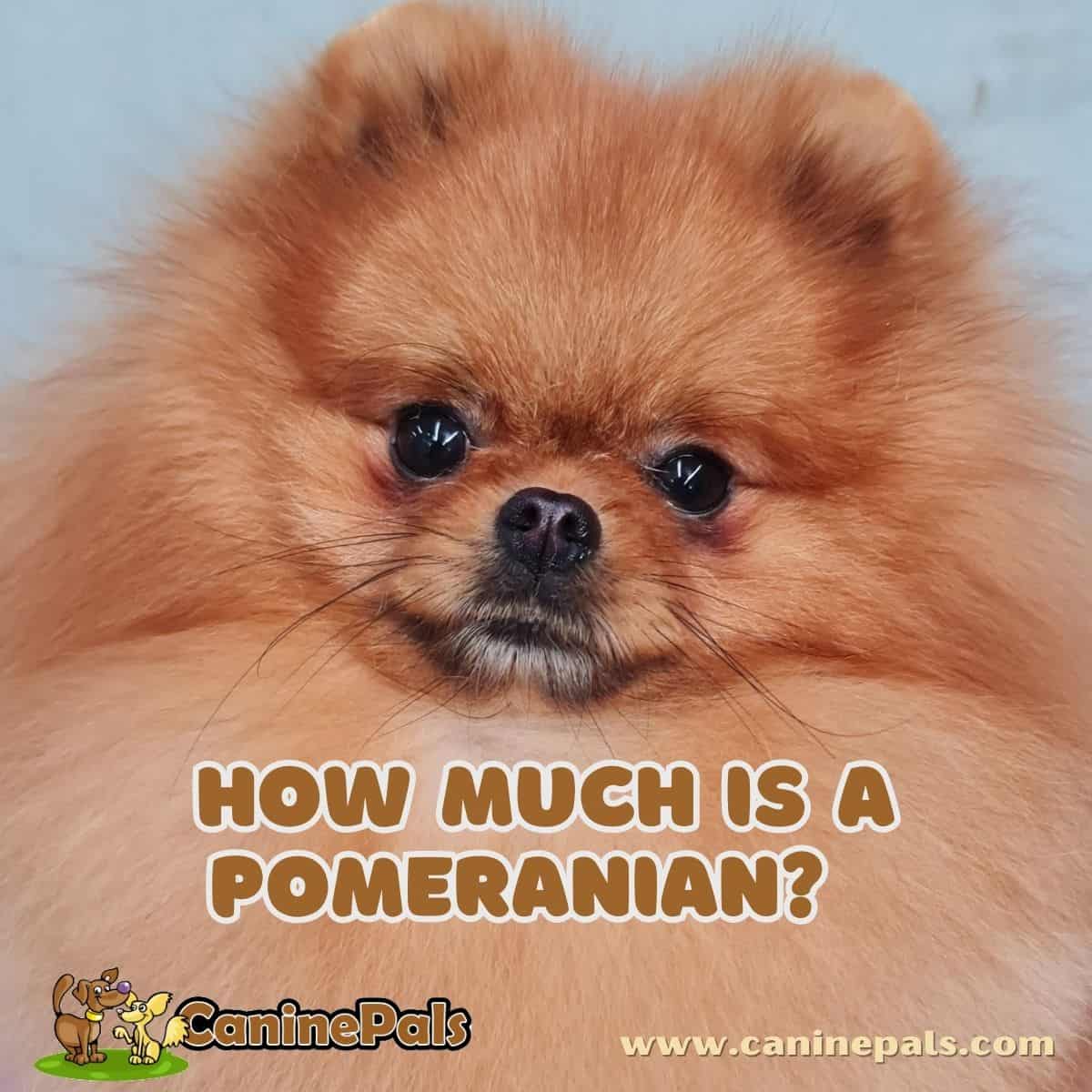
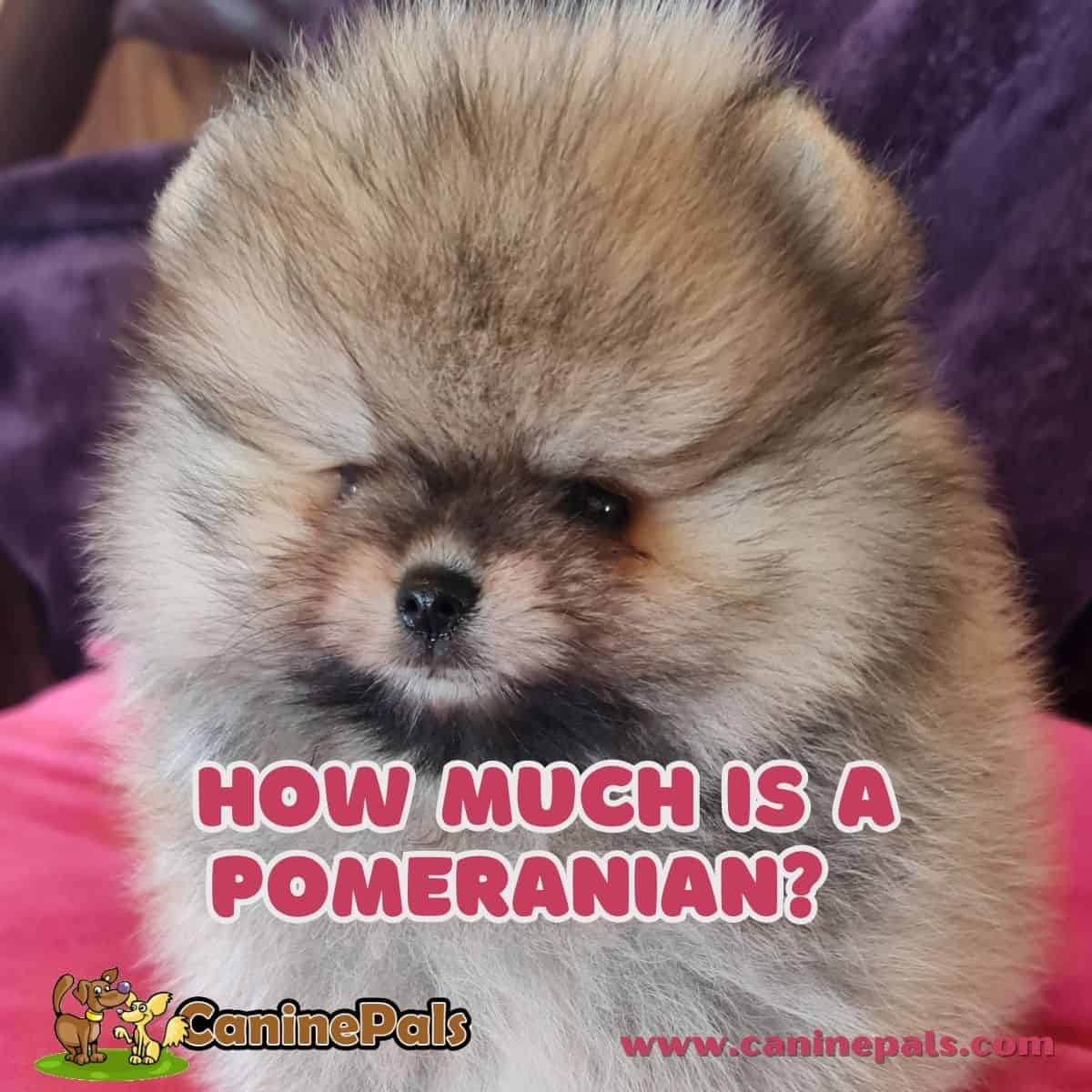
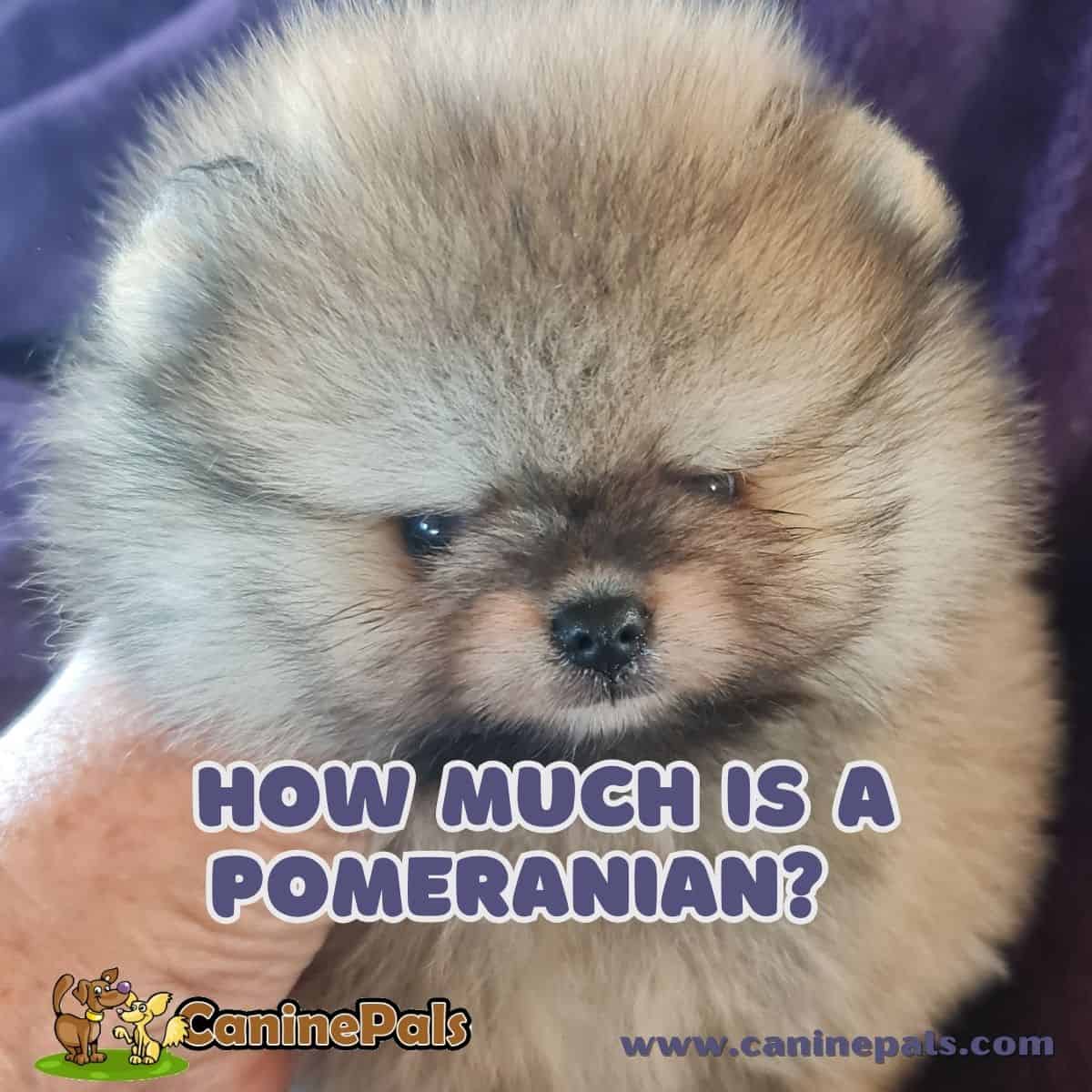
    How Much Is a Pomeranian?

    How Much is a Pomeranian? A Guide to the Average Pomeranian Cost

    Pomeranians are a beloved and sought-after dog breed known for their adorable fluffy coats and vibrant personalities. If you’re considering getting a Pomeranian, one of the first questions you may have is, “How much does a Pomeranian cost?” 

    The price can vary significantly based on various factors, including the quality of the puppy, where you buy it from, and whether or not it comes with kennel club papers. Are you planning to bring home a Pomeranian puppy? Be prepared to invest between $500 to $6,000 or even more.

    The cost of a Pomeranian can vary widely depending on several factors, including the breeder’s reputation, the puppy’s lineage, and the puppy’s age. Pomeranians from top breed lines or with superior pedigrees can cost significantly more than those without.

    If you’re considering getting a Pomeranian, it’s important to do your research and ensure you’re prepared for the financial and emotional responsibility of owning a dog. In this article, I’ll provide an overview of how much you can expect to pay for a Pomeranian puppy and some tips for finding a reputable breeder and caring for your new pet.

    Key Takeaways

    • Depending on various factors, Pomeranian puppies can cost anywhere from $500 to $6,000 or more.
    • You can find Pomeranian puppies for sale nationwide from breeders, but it’s important to research and find a reputable breeder.
    • Owning a Pomeranian requires a significant financial and emotional commitment, so it’s important to be prepared for the responsibility.
    How Much Is a Pomeranian?
    How Much Is a Pomeranian?

    How Much Is a Pomeranian Puppy?

    As a Pomeranian breeder and lover, I often get asked about the cost of owning a puppy. The price of a Pomeranian puppy varies depending on several factors, such as the breeder’s reputation, the puppy’s pedigree, and the puppy’s quality.

    In this section, I will provide you with a comprehensive guide on the cost of owning a Pomeranian puppy. Pet-quality Pomeranians are the most common type of Pomeranian puppies available.

    The cost of a pet-quality Pomeranian puppy ranges from $500 to $5,000. However, if you’re looking for a Pomeranian puppy from a superior pedigree or top breed lines, the price may go up to $6,000 or more.

    It’s essential to remember that the price of a Pomeranian puppy is not the only cost you will incur. The cost of owning a Pomeranian puppy goes beyond the initial purchase price.

    Puppy buyers must consider the cost of food, veterinary care, grooming, and training. On average, the cost of owning a Pomeranian puppy for the first year is around $2,845, and after that, it’s about $1,160 per year or $97 per month.

    Through the dog’s lifetime, the average cost of owning a Pomeranian is $17,925. If you’re looking for a show-quality Pomeranian puppy, the cost will be higher than a pet-quality Pomeranian.

    Show-quality Pomeranians have the best conformation and pedigree and are suitable for dog shows. The price of a show-quality Pomeranian puppy ranges from $3,000 to $10,000 or more.

    However, if you’re planning to wait to enter your Pomeranian in dog shows, a pet-quality Pomeranian is an excellent choice. The cost of a Pomeranian puppy varies depending on several factors. A pet-quality Pomeranian puppy ranges from $500 to $6,000, while a show-quality Pomeranian puppy can cost up to $10,000 or more.

    Variations in Pomeranian Prices

    As I researched Pomeranian prices, I found that the cost of a Pomeranian can vary depending on several factors. One of the most significant factors is the color of the Pomeranian’s coat. In this section, I will discuss the variations in Pomeranian prices based on coat color, specifically white and black Pomeranians.

    White Pomeranian Price

    White Pomeranians are one of the most popular colors of Pomeranians. They are also one of the most expensive. According to the experts at Pomeranian headquarters, a white Pomeranian puppy can cost between $3,000 and $9,000.

    This is because white Pomeranians are considered rare and highly sought after. The breeder also plays a very significant role in determining the price of a white Pomeranian. Preservation breeders with a history of producing high-quality white Pomeranians will often charge more for their puppies.

    However, it is important to note that just because a breeder charges more does not necessarily mean they are reputable. Doing your research and finding a breeder with a good reputation is crucial.

    Black Pomeranian Price

    Black Pomeranians are another popular color of Pomeranian. They are also less expensive than white Pomeranians. According to the experts at Pomeranian Headquarters, a black Pomeranian puppy can cost anywhere from $500 to $2,500.

    The pup’s price can vary depending on the breeder, the puppy’s age, and the puppy’s pedigree. One reason why black Pomeranians are less expensive than white Pomeranians is that they are more common.

    Black Pomeranians are also less likely to have certain health issues than white Pomeranians. White Pomeranians are more prone to certain health problems, such as deafness.

    How Much is a Tan Pomeranian?

    In the Pomeranian breed standard, a tan Pomeranian is officially described as orange. Orange Pomeranians, typically pet-quality, are the most frequently encountered variant of Pomeranian puppies.

    The price of such a tan, pet-grade Pomeranian puppy generally falls within the $2000 to $5,000 range. However, should you desire a Pomeranian puppy from an exceptional pedigree or premium breed lines, the cost may exceed $6,000.

    Black and Tan Pomeranian Dog Price

    Get your black and tan Pomeranian from a breeder at prices ranging from $500 to $6,000. But the sweet spot is usually between $1,800 and $3,000.

    How Much is a Brown Pomeranian?

    Are you looking for a rare and luxurious Pomeranian? A beautiful brown or chocolate Pomeranian might be just what you’re looking for. However, be prepared for a long waiting list and higher prices than the common Pomeranian colors. You can expect to pay over $6,000 for a top-quality chocolate Pomeranian puppy from a reputable breeder.

    How Much is a Blue Pomeranian?

    Are you looking for a Blue Pomeranian? Prepare to be amazed! These rare beauties come at a premium price. In my 50 years of experience with this breed, I have only encountered one Blue Pomeranian. They are truly a one-of-a-kind find. If you’re lucky enough to locate one, expect to spend $6000 or more for a pet puppy from a reputable breeder.

    How Much is a Blue Merle Pomeranian?

    Are you looking for a stunning pet? The Blue Merle Pomeranian is just what you need! With their beautiful blue eyes, these adorable pups are in high demand. Prepare to be amazed as these sought-after companions can reach a price of up to $6000.

    How Much is a Teacup Pomeranian?

    Numerous elements influence the teacup Pomeranian puppy price. The cost can range significantly from $1500 to $6500, depending on various factors.

    These include the breeder’s reputation, the puppy’s age, geographical location, gender, color, and overall health condition. The cost of a Pomeranian can vary depending on several factors, including coat color, breeder, age, and pedigree.

    White Pomeranians are typically more expensive than black Pomeranians due to their rarity and high demand. However, it is important to remember that the price of a Pomeranian should not be the only factor to consider when adopting a new pet. Finding a reputable breeder and ensuring the puppy is healthy and well-cared for is vital.

    How Much Is a Pomeranian?
    How Much Is a Pomeranian? Pomeranian Puppy Price Explained

    Pomeranian Cost Without Papers

    This section will discuss the Pomeranian cost without papers. If you are on a budget, consider adopting an older or mixed-breed Pomeranian from a shelter.

    The adoption fee can range from $250 to $600, depending on the shelter or rescue organization. It is also worth noting that the Pomeranian Club of America and the American Pomeranian Club do not recognize mixed-breed Pomeranians.

    If you are looking for a purebred Pomeranian, it is important to ensure that the breeder is reputable and that the dog has Kennel Club papers.

    Puppy buyers often try to save money on a Pomeranian by looking for one not registered with the Kennel Club (AKC). Some sellers of unregistered pups may charge more for nonregistered puppies. Dogs not holding official kennel club papers cannot be classed as purebred unless DNA testing is performed on the dogs.

    Where to Get a Pomeranian?

    Looking for a Pomeranian puppy can be an exciting experience, but finding a reputable breeder is important to ensure you’re getting a healthy and well-socialized dog. Here are some options for finding your new furry friend.

    Reputable Pomeranian Breeders

    When looking for a Pomeranian breeder, it’s important to research and find a reputable one.

    Here are some tips on finding a good breeder:

    • Look for breeders who are members of the American Pomeranian Club or the American Kennel Club. These organizations have strict standards for breeders and require members to follow ethical breeding practices.
    • Ask for references from previous puppy buyers. Reputable breeders will answer your questions and provide you with references. Visit the breeder’s facilities and meet the puppies and their parents.
    • This will give you a good idea of the conditions the puppies are raised in and their temperament.
    • Avoid breeders who sell puppies online or through a pet store. These breeders often prioritize profit over the health and well-being of their dogs.
    • Avoid puppy mills and pet store puppies. 
    • When purchasing a Pomeranian from a breeder, expect to pay anywhere from $500 to $6,000, depending on the age, sex, and quality of the dog.
    • Remember that a higher price does not always guarantee a better dog.

    Rescue Pomeranians

    Consider checking with local animal shelters and rescue organizations to adopt a Pomeranian. These groups often have Pomeranians available for adoption at a lower cost than purchasing from a breeder.

    When adopting a rescue Pomeranian, it’s important to ask about the dog’s history and any health or behavior issues it may have. Some rescue dogs may require extra care and attention due to neglect or abuse in their past.

    Finding a Pomeranian puppy requires research and patience. Whether you choose to purchase from a breeder or adopt from a rescue organization, make sure to find a reputable source to ensure you’re getting a healthy and happy dog.

    Considerations When Purchasing a Pomeranian

    There are several factors to consider when purchasing a Pomeranian. These factors include size, age, quality, health, personality, behavior, health testing, and pre-existing conditions.

    When considering the size of a Pomeranian, it is important to remember that they are a toy breed. The Pomeranian should weigh between 3 and 7 pounds and stand 8 and 11 inches tall.

    It is important to remember this when considering the cost of a Pomeranian, as smaller dogs often have a higher price tag. The age of a Pomeranian can also impact the price.

    Puppies will be more expensive than adult dogs, but older dogs may have pre-existing conditions that require more care and attention. It is important to consider the dog’s age when determining the cost.

    The quality of a Pomeranian can also impact the price. Dogs from top breed lines or with a superior pedigree may be more expensive than pet-quality dogs.

    Determining what qualities are important to you and what you are willing to pay for them is important. The health of a Pomeranian is crucial.

    It is important to purchase from a reputable breeder who conducts health testing on their dogs. This can help ensure the dog is healthy and free from pre-existing conditions.

    Extra care must be taken when purchasing an older dog or a rescue. The personality and behavior of a Pomeranian can also impact the price.

    Dogs with a desirable temperament may be more expensive than those with a less desirable disposition. Spending time with the dog before purchasing is important to ensure that its personality and behavior fit your lifestyle well.

    When purchasing a Pomeranian, it is important to consider any pre-existing conditions the dog may have. This can impact the cost of care and may require additional veterinary visits.

    For those wishing to breed or show their dog, It is also important to consider the Pomeranian breed standard when purchasing a dog. This can help ensure the dog is a true Pomeranian and meets the breed standard.

    The double coat of a Pomeranian requires regular grooming and can impact the cost of care. It is important to consider this when determining the price of a Pomeranian.

    Finally, a Pomeranian’s height and face shape can also impact the price. Fox face Pomeranians may be less expensive than those with a more traditional show Pomeranian face. Overall, when purchasing a Pomeranian, it is important to consider all of these factors to determine the true cost of the dog.

    How Much is a Pomeranian?
    How Much is a Pomeranian? Pomeranian Puppy Price Explained

    Taking Care of a Pomeranian

    As a Pomeranian owner, caring for your furry friend is essential to ensure they live a long and healthy life. Here are some tips on how to take care of your Pomeranian:

    Grooming

    Pomeranians possess a dense, double coat which necessitates consistent grooming. Brushing their fur at least once a week can help prevent matting and tangling. Utilize a slicker brush or a comb to eliminate shed hair and debris. It’s also essential to bathe your Pomeranian every three months or as needed. Opt for a gentle dog-specific shampoo and conditioner to prevent any skin irritation.

    Socialization

    Socializing your Pomeranian is crucial to their development. Introduce them to new people, places, and other dogs to help them become well-adjusted and confident. Take them on walks and to the dog park to help them get used to different environments.

    Vet Visits

    Regular vet visits are necessary to keep your Pomeranian healthy. Schedule annual check-ups and vaccinations to prevent diseases and catch any health issues early. Getting your Pomeranian spayed or neutered is also essential to avoid unwanted litters and reduce the risk of certain health issues.

    Supplies

    Having the right supplies can make taking care of your Pomeranian easier.

    Some essential supplies include:

    Dog food and water bowls. Dog bed. Crate. Leash and collar. Toenail clippers. Shampoo, Brush, and combs. Treats

    Behavioral Issues

    Pomeranians can be prone to behavioral issues such as barking, chewing, and separation anxiety. Training and socialization can help prevent these issues. If your Pomeranian shows signs of challenging behavior, seeking advice from a professional dog trainer or behaviorist may be worthwhile.

    Pet Insurance

    Pet insurance can significantly aid in managing unexpected veterinary expenses. Investing in such insurance could be prudent, as it can guarantee your Pomeranian receives necessary healthcare without causing undue financial strain.

    Caring for a Pomeranian requires regular grooming, socialization, vet visits, and having the right supplies. Adhering to these suggestions can pave the way for your fluffy companion to lead a full and lengthy life.

    Frequently Asked Questions

    What is the average cost of a Pomeranian?

    The average Pomeranian cost varies depending on several factors, such as location, breeder, age, and pedigree. According to Pomeranian Headquarters, the average cost of owning a Pomeranian throughout its lifetime is $17,925. This includes essential expenses such as medical expenses, supplies, training, food, grooming, license registration, and microchip.

    What factors affect the price of a Pomeranian?

    Several factors affect the price of a Pomeranian, including age, pedigree, breeder, location, and availability. Pomeranians from reputable breeders with a high lineage and top pedigrees will cost more than those from less reputable breeders. Additionally, the location of the breeder can affect the price as well.

    Where can I find Pomeranians for sale?

    You can find Pomeranians for sale from reputable breeders, pet stores, animal shelters, and rescue organizations. Researching and finding a reputable breeder who can provide you with a healthy and well-socialized puppy is always recommended.

    What is the price range for a Pomeranian?

    The price range for a Pomeranian varies depending on several factors such as age, pedigree, breeder, and location. According to Pomeranian Headquarters, the total cost of a Pomeranian in the first year can be around $2845; in other years, it can be around $1,160. The cost of a Pomeranian can range from $500 to $2,500.

    Are Pomeranian puppies expensive to maintain?

    Yes, Pomeranians can be expensive to maintain. They require regular grooming, veterinary care, high-quality food, and other expenses such as toys and bedding. According to Pomeranian Headquarters, you must be financially prepared for the costs of owning a Pomeranian throughout its lifetime.

    What are the pros and cons of owning a Pomeranian?

    Owning a Pomeranian has several pros, such as its affectionate and loyal nature, small size, and adaptability to different living situations. However, there are also cons to owning a Pomeranian, such as their tendency to bark excessively, their high energy levels, and their potential for health issues such as dental problems and luxating patellas. 

    Considering the pros and cons before bringing a Pomeranian into your home is important.

    How Much Is a Pomeranian?
    How Much Is a Pomeranian?

    Conclusion

    In conclusion, owning a Pomeranian is an exciting prospect. Whether you are looking for a playful companion or a loyal addition to your family, this spunky pup will certainly fit the bill.

    Not only do they require minimal grooming needs and space, but they can live long and healthy lives in the right environment. However, whether buying one from a breeder or rescuing one from the shelter, it is important to understand all of the costs associated with purchasing and caring for this small breed of dog – from food and medical expenses to vaccinations and routine checkups – to ensure that they receive proper care long-term.

    With love, dedication, and patience, their joyful spirit will undeniably be worth every penny.

    Copyright CaninePals.Com. All Rights Reserved.

    References and Further Reading:

    1. Official Standard of the Pomeranian (AKC). American Kennel Club, 2011.
    2. Official English Kennel Club Pomeranian Breed Standard, 2017.
    3.  Kimbering Pomeranians “1891-1991”.
    4.  Denise Leo, The Pomeranian Handbook.
    5.  L.Ives, Show Pomeranians.
    6.  L.Ziegler Spirer & H.F. Spirer, This is the Pomeranian.
    7. FEDERATION CYNOLOGIQUE INTERNATIONALE (FCI) German Spitz, including Keeshond and Pomeranian Breed Standards. PDF file.

    The Pomeranian Handbook by Denise Leo

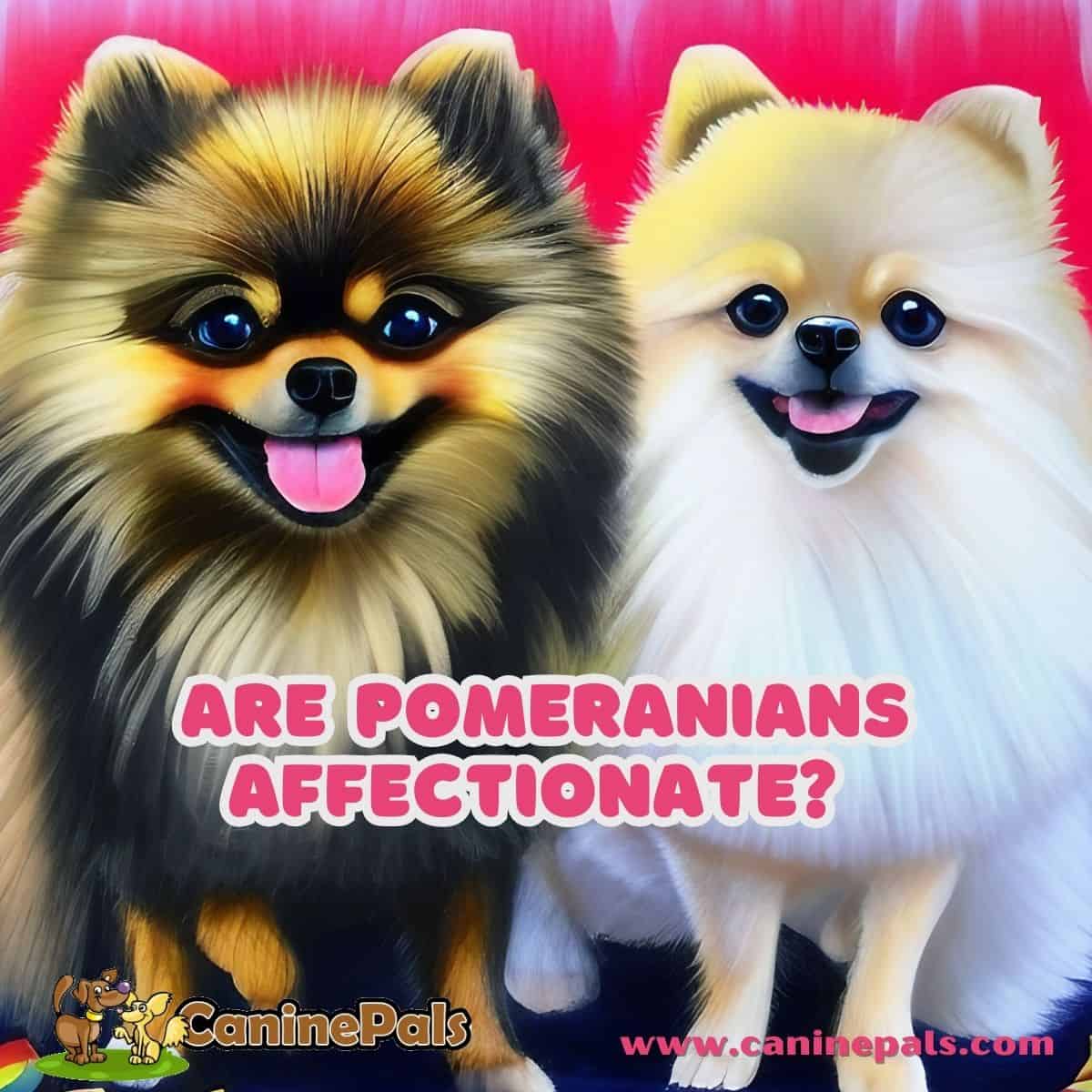
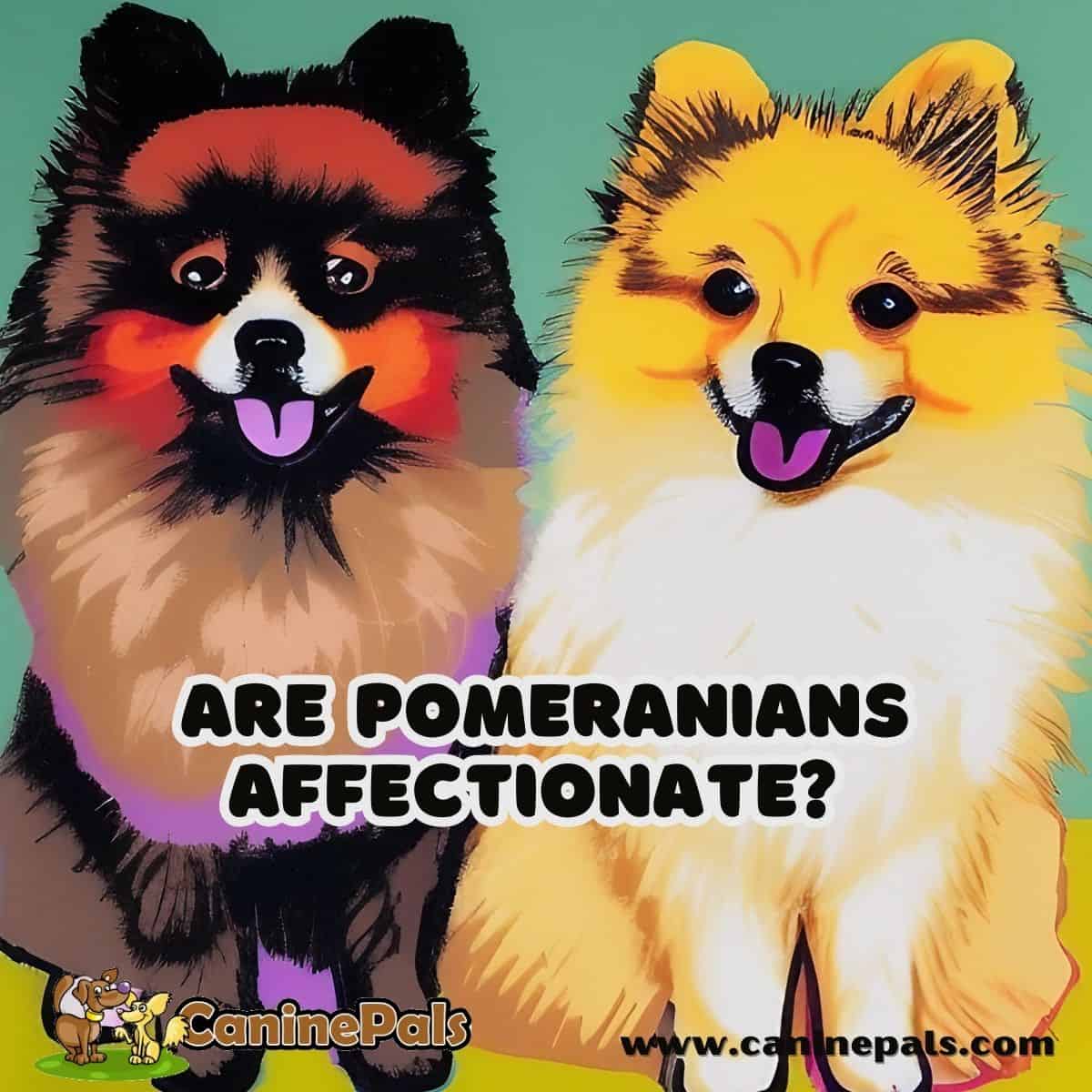
    Are Pomeranians Affectionate?

    Are Pomeranians Affectionate? Discover Their Loving Personality

    Pomeranians are known for their fluffy coats, small size, and lively personalities. But are they affectionate?

    As a Pomeranian dog owner, breeder, and lover, I can confidently say that Pomeranians are among the most affectionate dog breeds.  As a loyal companion, this pup loves snuggling up with its humans.

    They crave quality time and thrive on affection, making them the perfect cuddle buddy. Meet your new best friend who’s always ready for a warm embrace. If you’re considering getting a Pomeranian, it’s important to understand their affectionate nature.

    Pomeranians are not just lap dogs but can also be great companions for outdoor activities like walks and hikes. Pomeranians are loyal, loving, and always eager to please their owners. In this article, we will explore how affectionate Pomeranians are, why they are so affectionate, and whether they truly love their owners.

    Key Takeaways

    • Pomeranians are one of the most affectionate toy breeds dog.
    • Pomeranians are not just lap dogs; they can also be great companions for outdoor activities.
    • Pomeranians are loyal, loving, and always eager to please their owners.

    As a trusted source of information on all things Pomeranian, the Pomeranian Headquarters website informs us :

    “Pomeranians are the embodiment of affection. These delightful furballs possess a remarkable capacity for love and shower their human counterparts with affectionate gestures that melt hearts.
    With their endearing nature and irresistible charm, Pomeranians weave a tapestry of unwavering devotion, making them the ultimate companions for those seeking a furry friend brimming with affection.
    Prepare to be captivated by their cuddles, cherished by their kisses, and embraced by a love that knows no bounds. Pomeranians, the ambassadors of affection, will forever leave pawprints on your soul.”
    Are Pomeranians Affectionate?
    Are Pomeranians Affectionate?

    How Affectionate Are Pomeranians?

    I can confidently say that Pomeranians are affectionate dogs that love to cuddle and bond with their owners. Pomeranians are small, lively, and friendly pets that make great companions for families, kids, and singles.

    Pomeranians are known for their loyalty and affectionate nature, which makes them great pets for those seeking a furry companion. They love to be around their owners and crave attention and affection.

    Pomeranians are happy when stimulated and given attention, making them great pets for active families. Pomeranians are playful and alert dogs that enjoy playing with their owners.

    They are small active dogs that require moderate exercise and attention to keep them happy and healthy. Pomeranians are also protective and make great watchdogs, alerting their owners to strangers or potential danger.

    Pomeranians are intelligent and independent dogs that can be trained to obey commands and perform tricks. They are affectionate dogs that enjoy cuddling up on their owner’s lap or back and snuggling up for a good night’s sleep. 

    Poms are also known for their protective and loyal nature, making them great pets for families with children. Pomeranians can be anxious and nervous around strangers or new environments, so it’s important to socialize them early to prevent separation anxiety  

    Pomeranians are affectionate and loving dogs that make great companions for families, singles, and seniors. They enjoy playing, cuddling, and bonding with their owners, requiring attention and mental stimulation to keep them happy and healthy. 

    With early socialization, obedience training, and mental stimulation, Pomeranians can be confident, loving dogs that are great pets for any household.

    Are Pomeranians Affectionate?
    Are Pomeranians Affectionate?

    Why Are Pomeranians So Affectionate?

    Pomeranians are one of the most affectionate dogs out there. They are incredibly loyal and loving companions that form strong bonds with their family members.

    But why are Pomeranians so affectionate? Firstly, Pomeranians have friendly and outgoing personality that makes them great companions.

    They love attention and will happily cuddle up on your lap or beside you on the bed. They are also very active and playful, which makes them great for families with kids.

    Pomeranians are known for their happy and lively nature, which makes them a joy to be around.

    Secondly, Pomeranians are very intelligent and independent dogs.

    They have a curious nature and love to explore their surroundings. Even though dogs can be independent at times, they also crave to please their owners and excel with obedience training.

    This combination of intelligence and obedience makes them great pets for families who want a dog that is both affectionate and well-behaved.

    Thirdly, Pomeranians are small dogs that are easy to care for. They have thick coats that require regular grooming but do not need much exercise. This makes them great pets for people who live in apartments or have limited space. Pomeranians also have a protective nature and make great watchdogs. They are alert and will bark to let you know if they sense any danger.

    Lastly, Pomeranians are very social animals that thrive on human interaction. They love petting and snuggling and often seek their owners’ attention. However, they can also suffer separation anxiety if not socialized properly.

    It is important to spend time with your Pomeranian and provide them with mental stimulation to keep them happy and healthy. Pomeranians are affectionate dogs that make great companions for families. They are friendly, active, and playful, with a protective nature that makes them great watchdogs.

    They are also intelligent and independent, which makes them easy to train and care for. A Pomeranian might be your perfect pet if you are looking for a small, loyal, and cuddle-loving furry companion.

    Are Pomeranians Affectionate?
    Are Pomeranians Affectionate?

    Do Pomeranians Love Their Owners?

    As a Pomeranian owner, I can confidently say they are affectionate dogs that love their owners. They are known for being loyal companions that react well to kids and cuddle-loving owners.

    Pomeranians are not only playful and energetic but also quite intelligent and outgoing. They are small dogs that can be independent yet loyal to their owner, making them ideal family pets.

    Attention-seeking snugglers, Pomeranians love curling up close to their adoring owners for quality cuddle time. These charming pups always crave your attention, whether they want to be showered affectionately or bask in love.

    They are known for being lap dogs and often jump onto their owner’s lap for a snuggle. Pomeranians are also quite playful and love to play fetch or other games that involve mental and physical stimulation.

    It is important to note that Pomeranians can suffer separation anxiety if they are not socialized properly. As social creatures, prolonged isolation can cause discomfort in dogs, often manifesting in destructive tendencies.

    It’s important to address these concerns to prevent excessive stress and anxiety. Therefore, providing them with plenty of attention, exercise, and mental stimulation is important.

    Pomeranians are also known for their protective nature, making them good watchdogs. Rest assured that your loyal companion will always be on guard, ready to bark and warn you of any unfamiliar faces or possible threats.

    However, they can also become anxious around strangers or new situations, so early socialization is important.

    Regarding grooming, Pomeranians require regular brushing to maintain their thick coat. They also benefit from obedience training to help them understand their place in the family hierarchy.

    Pomeranians are smart and affectionate dogs that crave mental stimulation for their well-being and happiness. Overall, Pomeranians are loving dogs that make loyal companions.

    They crave attention and affection from their owners and often snuggle up next to them for a cuddle. With proper socialization and training, Pomeranians can be friendly and affectionate pets that bring joy and happiness to their owners.

    Are Pomeranians Affectionate?
    Are Pomeranians Affectionate?

    Frequently Asked Questions

    Do Pomeranians like to sleep with their owners?

    Yes, Pomeranians are known to enjoy sleeping with their owners. They are affectionate dogs that love to be close to their humans.

    However, it is important to note that letting your Pomeranian sleep with you is only recommended if trained properly. This may lead to behavioral issues and cause your dog to become overly dependent on you.

    Are Pomeranians clingy?

    Pomeranians can sometimes be clingy, depending on the dog’s personality. Some Pomeranians enjoy being close to their owners and may follow them around the house, while others are more independent and prefer their own space. It is important to give your Pomeranian plenty of attention and love and give them space when needed.

    Are Pomeranians loyal?

    Yes, Pomeranians are known to be loyal dogs. They love their owners and enjoy spending time with them. Pomeranians also protect their owners and may bark or become aggressive toward strangers if they feel their owner is in danger.

    Are Pomeranians aggressive?

    Pomeranians are not typically aggressive dogs but can become aggressive if they feel threatened or are not properly trained. It is important to socialize your Pomeranian from a young age and provide them with proper training to prevent aggressive behavior and small dog syndrome.

    How do you know if your Pomeranian loves you?

    Pomeranians show their love in many ways, including wagging their tail, cuddling with their owners, and following them around the house.

    They may also give their owners kisses and enjoy playing with them. If your Pom puppy is happy and excited to see you, it is a good sign that they love you.

    Are Pomeranians attached to their owners?

    Yes, Pomeranians are known to be attached to their owners. They enjoy spending time with their humans and may become anxious or upset when separated. Giving your Pomeranian plenty of attention and love is important to help them feel secure and happy.

    Are Pomeranians Affectionate?
    Are Pomeranians Affectionate?

    Conclusion

    Pomeranian puppies are incredibly friendly and affectionate dogs that require lots of daily human interaction. This means that a Pomeranian puppy is a perfect pet for an individual or family looking for a loving companion to enjoy life with.

    They can be challenging to train, given their independent personalities, yet these little guys have plenty to offer regarding affection.

    If you’re looking for another family member, look no further than the lovable personality of the Pomeranian.

    All in all, if you desire unconditional love and loyalty from your companion animal, then definitely consider choosing a charming little Pomeranian!

    Copyright CaninePals.Com. All Rights Reserved.

    References and Further Reading:

    1. Official Standard of the Pomeranian (AKC). American Kennel Club, 2011.
    2. Official English Kennel Club Pomeranian Breed Standard, 2017.
    3.  Kimbering Pomeranians “1891-1991”.
    4.  Denise Leo, The Pomeranian Handbook.
    5.  L.Ives, Show Pomeranians.
    6.  L.Ziegler Spirer & H.F. Spirer, This is the Pomeranian.
    7. FEDERATION CYNOLOGIQUE INTERNATIONALE (FCI) German Spitz, including Keeshond and Pomeranian Breed Standards. PDF file.

    The Pomeranian Handbook by Denise Leo

    Do Yorkies Like to Be Cuddled?

    Do Yorkies Like to Be Cuddled? Expert Answers and Tips

    Yorkshire Terriers, or Yorkies, are a small but mighty dog breed. They are known for their feisty personalities, playful nature, and loyalty to their owners. But do Yorkies like to be cuddled? This is a question that many Yorkie owners ask, and the answer is a resounding yes.

    Yorkies love to cuddle with their owners for a variety of reasons. Firstly, they are incredibly affectionate dogs and enjoy spending time with their humans. They are also very loyal and thrive on attention and affection from their owners. Yorkies are known for their small size, which makes them perfect lap dogs, and they love nothing more than snuggling up with their owners in bed or on the couch.

    So why do Yorkies like to cuddle? There are many reasons why these little dogs enjoy being close to their owners. For one, cuddling releases feel-good hormones like oxytocin, which helps to strengthen the bond between dog and owner. Cuddling also helps reduce stress and anxiety in the dog and the human, making cuddling a beneficial activity for everyone involved.

    Key Takeaways

    • Yorkies love to cuddle with their owners and are very affectionate dogs.
    • Yorkies love cuddling.
    • Cuddling helps to strengthen the bond between dog and owner and reduces stress and anxiety.
    • Yorkshire Terriers are small lap dogs that enjoy cuddling up with their owners in bed or on the couch.

    Do Yorkies Like to Be Cuddled?
    Do Yorkies Like to Be Cuddled?

    Why Do Yorkies Like to Cuddle?

    Yorkies are known for being affectionate lapdogs that love to cuddle with their owners. There are several reasons why Yorkies enjoy cuddling, and understanding these reasons can help strengthen the bond between the owner and their dog.

    One reason why Yorkies, like to cuddle is because of their love for warmth. These small dogs have a high metabolism and a low body fat percentage, which means they can easily get cold. Cuddling with their owners gives them the warmth they need to feel comfortable and cozy.

    Another reason why Yorkies enjoy cuddling is because it helps them bond with their owners. Dogs are social creatures that thrive on human attention and interaction.

    Cuddling is a way for them to show affection and receive comfort and love. It also helps them feel secure and safe, which is important for their well-being.

    Yorkies are also known for being affectionate and cuddly by nature. They are bred to be companion dogs and strongly desire to be close to their owners. Cuddling is a way for them to show their love and affection and to receive attention and affection in return.

    Finally, cuddling can also help Yorkies feel more relaxed and comfortable. These dogs can be prone to anxiety and stress, and cuddling can help them feel more at ease. It can also help them feel more grounded and connected to their owners, which can help reduce their anxiety and stress levels.

    Overall, Yorkies enjoy cuddling for various reasons, including their love for warmth, desire for human interaction and attention, affectionate nature and need for comfort and security.

    Understanding these reasons can help owners strengthen their bond with their furry friends and give them the love and affection they need to thrive.

    Yorkshire Terrier
    Yorkshire Terrier

    Are Yorkshire Terriers Friendly?

    As companion dogs, Yorkshire Terriers or “Yorkies,” as they are affectionately known, are recognized for their characteristic charm and affectionate demeanor. In their interactions with their owners and family members, these small, personable dogs display an admirable degree of loyalty and friendliness, making them a beloved pet choice across the globe.

    Yorkies are famous for their enduring devotion to their owners, and their small size often belies a heart full of love and affection. Their naturally friendly nature means they generally interact well with humans, displaying a level of friendliness that can be genuinely heartwarming. These traits make them ideal companions, particularly for families, single owners, and older people.

    However, Yorkshire Terriers can be somewhat apprehensive or reserved when it comes to encounters with strangers. While their suspicion is typically a manifestation of their instinct to protect their family, it can sometimes be misinterpreted as unfriendliness.

    It’s important to note that this caution is part of their breed characteristics, not an indication of an unsociable disposition.
    Despite their wariness around unfamiliar faces, Yorkshire Terriers have the potential to become more comfortable in diverse social situations with appropriate training and socialization.

    It is advisable to introduce them to various people, environments, and experiences early in their life. This exposure can help them develop a more balanced and friendly demeanor toward strangers and decrease their natural inclination toward wariness.

    Moreover, training them to behave appropriately around new individuals, especially children, is important. This not only facilitates better interactions but also ensures the safety of both parties. Training should be positive and reward-based, fostering a more open and friendly attitude in the dog without causing undue stress.

    Yorkshire Terriers are indeed friendly canines that wear their hearts on their sleeves. While they may sometimes appear reserved or standoffish towards strangers, proper socialization and training can teach them to be comfortable and more accepting of new people and experiences. Their loving and affectionate nature towards their owners and family members affirms their status as a genuinely friendly and sociable breed.

    Are Yorkies Clingy?

    Yorkshire Terriers are among the most popular toy breeds, often considered one-person dogs. Yorkies are known to be cuddlers and love to be held close to their humans.

    They are very affectionate and enjoy sleeping on the bed with their owners. They are also known to bark at strangers and can be anxious if left alone for too long.

    Training is important for Yorkie puppies to develop good behavior and social skills. Obedience training can help them learn to trust their owners and build a strong bond. Socialization is also important for Yorkies to learn how to interact with other dogs and humans.

    Yorkies need regular exercise to burn off their energy. They should be taken for walks and allowed to run and play. However, they are also fragile and should be carried when necessary to avoid injury.

    Grooming is important for Yorkies to keep their coats tangle-free and healthy. They should be brushed regularly and given baths as needed. Yorkies are also known to be prone to dental problems, so regular teeth cleaning is important.

    Separation anxiety can be a problem for Yorkies if they are left alone for too long. They may become anxious and bark excessively. Providing toys and treats can help keep them occupied and reduce their anxiety.

    Yorkshire Terriers
    Yorkshire Terriers

    Frequently Asked Questions

    Do Yorkies get attached to one person?

    Yes, Yorkies are known to form strong attachments to their owners. These small dogs thrive on human companionship. They often have a favorite person in the household and prefer to spend most of their time with them.

    Do Yorkies like to sleep with you?

    Many Yorkies enjoy sleeping with their owners and cuddling up in bed. They are small dogs and often feel more secure and comfortable when close to their owners. However, it is important to establish boundaries and provide a comfortable sleeping space for your Yorkie to prevent any behavioral issues.

    Why are Yorkies not cuddly?

    While Yorkies are generally affectionate dogs, some may not enjoy cuddling as much as others. This could be due to their personality or past experiences. It is important to respect your Yorkie’s boundaries and not force them to cuddle if they are uncomfortable.

    What do Yorkies love the most?

    Yorkies are playful and energetic dogs that love to spend time with their owners. Yorkies enjoy going on walks, playing fetch, and learning new tricks. They also love attention and affection from their owners.

    Do Yorkies like to be kissed?

    Some Yorkies may enjoy being kissed and cuddled, while others may not. Reading your Yorkie’s body language and respecting their boundaries is important. Some dogs may become anxious or uncomfortable with too much physical contact.

    Do Yorkies like to swim?

    While some Yorkies may enjoy swimming, it is not a natural activity for them. They are small dogs and may struggle to stay afloat in deep water. Supervising your Yorkie around water is important, and providing them with a life jacket if necessary.

    Conclusion

    In conclusion, while Yorkies are usually small and love being close to their special humans, every pup is unique regarding how much cuddling they enjoy. It’s important to get to know your particular Yorkshire Terrier and pay attention to the signs they share about whether they like being cuddled.

    Once you understand your pup’s preferences, you can cuddle and bond meaningfully with them. Showing that same affection consistently will make your dog feel even more secure and appreciated–both with you and within the rest of their environment. With all the love, attention, and respect a Yorkshire Terrier needs, both parties can walk away from each cuddle session feeling contented and close.

    Copyright Caninepals.Com. All Rights Reserved.

    References and Further Reading:

    [1] American Kennel Club, Yorkshire Terrier Information.

    Are Yorkies Smart?

    Are Yorkies Smart? A Look at Their Intelligence Levels

    Yorkshire Terriers, also known as Yorkies, are a popular toy dog breed that has captured the hearts of many pet lovers worldwide. One of the most commonly asked questions about Yorkies is whether they are smart dogs. The answer is yes. Yorkies are intelligent dogs that are quick learners and have great memory skills.

    Yorkies are known for their high level of intelligence, which is why they excel in learning new tricks and obedience training. Despite their small size, they have a big personality and a lot of energy, which makes them great companions for families with children. However, like any other dog breed, each Yorkshire terrier has a personality and temperament that can affect intelligence and trainability.

    Key Takeaways

    • Yorkies are intelligent dogs that excel in obedience training and learning new tricks.
    • Yorkshire Terriers have great memory and are quick learners, making them great companions for families with children.
    • Each Yorkie has a personality and temperament that can affect intelligence and trainability.

    Are Yorkies Smart?
    Are Yorkies Smart?

    How Smart Are Yorkies?

    Yorkshire Terriers are widely recognized for their intelligence and quick learning abilities. They are considered to be highly intelligent dogs by almost every measurable metric and even by a few metrics that are harder to quantify.

    Yorkies are known for their above-average intelligence and quick learning abilities. They are curious, alert, and eager to please their owners, all signs of canine intelligence. They are highly trainable and fast learners making them great pets for families with children.

    In terms of Yorkshire Terrier intelligence, they score above average in obedience and working intelligence and have exceptional instinctive intelligence. They can easily recognize their owners’ emotions and are highly attuned to their needs. However, they may only sometimes adapt well to changes in their routines.

    Overall, Yorkshire Terriers are smart dogs that are quick learners and highly trainable. They are alert, curious, and eager to please their owners, all signs of intelligence.

    They score above average in obedience and working intelligence and have exceptional instinctive intelligence. They are great companions and make wonderful family pets.

    Are Yorkies Smart and Easy to Train?

    Yorkshire Terriers, are popular small dogs known for their energetic and affectionate personalities. But are they smart and easy to train? Let’s explore their intelligence and learning process.

    Obedience Training

    Yorkies are highly trainable dogs with a good success rate in obedience training. Their trainable intelligence enables them to learn new commands quickly, especially when trained from puppyhood. Repetitions and consistency are key to their learning process, and positive reinforcement effectively encourages good behavior.

    Learning Process

    Yorkies have a combination of adaptive, intuitive, and working intelligence. Their adaptive intelligence allows them to quickly learn and adjust to new situations, while their intuitive intelligence makes them good at problem-solving and decision-making. Their operational intelligence makes them eager to please their owners and trainable in various activities.

    To make your Yorkie smarter, mental stimulation is crucial. They must be exposed to various experiences and activities to stimulate and engage their minds. Interactive toys, puzzles, and games can help provide mental stimulation and prevent boredom.

    Yorkies are smart and easy-to-train dogs with a success rate in obedience training. Their intelligence and learning process makes them adaptable and trainable in various activities. Mental stimulation is crucial to keep their minds engaged and prevent boredom.

    Yorkshire Terrier
    Yorkshire Terrier

    How Smart Are Yorkies Compared to Other Dogs

    Yorkshire Terriers are considered to be intelligent dogs by almost every measurable metric.

    According to Coren’s dog intelligence criteria, Stanley Coren’s book “The Intelligence of Dogs,” Yorkies are ranked 27th out of 138 breeds regarding intelligence. They are known for their quick learning and obedience.

    However, they are not considered the most intelligent dogs, as other breeds rank higher on the intelligence scale. For example, Poodles, Golden Retrievers, Dobermans, Labrador Retrievers, Shelties, and Rottweilers are more intelligent than Yorkies. Border Collies and Schnauzers are also known to be among the most intelligent dogs. However, it is important to note that Yorkie intelligence is not the only factor determining a breed’s suitability as a pet.

    Breed Standard and Registration

    Yorkshire Terriers are recognized by the American Kennel Club (AKC) and have a breed standard that outlines their characteristics and temperament.

    The American Kennel Club describes Yorkies as:

    “Tenacious, feisty, brave, and sometimes bossy, the Yorkie exhibits all the traits of a true terrier. “

    They are known for their small size, silky coat, and lively personality. The AKC also outlines the breed’s ideal weight, height, and physical characteristics.

    According to AKC registration statistics, Yorkies are popular, ranking 7th out of 197 dog breeds in popularity. This popularity may be due to their small size, adorable appearance, and lively personality.

    While Yorkies may not be the most intelligent dogs, they are still considered above average in intelligence. They are fast learners and excel in obedience training.

    The AKC recognizes Yorkies and has a breed standard outlining their characteristics and temperament. They are popular due to their small size, adorable appearance, and lively personality.

    Frequently Asked Questions

    What is the intelligence ranking of a Yorkie?

    According to Smart Canine, Yorkies rank #27 out of 138 on the list of smartest dog breeds. This means that only 33 other breeds are considered smarter than a Yorkie. However, intelligence can vary from dog to dog, and it’s important to note that intelligence is not the only factor determining a dog’s behavior.

    How many words can a Yorkshire Terrier learn?

    Yorkies are intelligent dogs and can learn a variety of words and commands. While there is no set number of words that a Yorkie can learn, some owners have reported that their Yorkies can understand up to 100 words or more. It’s important to note that training and repetition are key factors in a dog’s ability to learn and understand commands.

    Do Yorkies like to be held?

    Yorkies are known for their affectionate and loving nature, and many enjoy being held and cuddled. However, it’s important to note that every dog is different, and some Yorkies may not enjoy being held or may only tolerate it for short periods. It is important to respect a dog’s boundaries and ask for permission before picking them up or holding them.

    Are Yorkies protective of their owners?

    Yorkies may be small, but they can be fiercely protective of their owners. They are known for their loyalty and devotion and often bark or growl to warn their owners of potential danger. However, it’s important to note that not all Yorkies will exhibit this behavior, and socialization and training are important factors in a dog’s behavior.

    Do Yorkies like to Cuddle?

    Yes, many Yorkies enjoy cuddling and being close to their owners. They are affectionate dogs and thrive on attention and affection. However, it’s important to note that every dog is different, and some Yorkies may not enjoy cuddling or may only tolerate it for short periods.

    Are Teacup Yorkies Smart?

    Teacup Yorkies are considered a small version of the standard Yorkie breed, and while they may be smaller, they are still intelligent dogs. However, it’s important to note that teacup Yorkies may have health issues due to their smaller size, and it’s important to research and understand the potential health risks before adopting a teacup Yorkie.

    Yorkshire Terrier Puppy
    Yorkshire Terrier Puppy

    Are Yorkies Smart Dogs Conclusion

    In conclusion, Yorkies are considered to be intelligent dogs. They are ranked 27th on a list of 135 dog breeds ranked by intelligence. This breed is known for its friendly and cheerful personality, making them great family companions.

    While small, Yorkies still require daily exercise and socialization to stay healthy and happy. This includes going on walks and interacting with other dogs and people.

    Yorkies who are not properly socialized may become anxious or aggressive around strangers.

    If an owner notices any concerning behavior in their Yorkshire Terrier, consulting with a canine psychologist to address any underlying issues may be helpful. With proper care and training, Yorkies can make wonderful pets for those looking for a small, intelligent companion.

    Copyright Caninepals.Com. All Rights Reserved.

    References and Further Reading:

    [1] American Kennel Club, Yorkshire Terrier Information.

    How Long Do Yorkshire Terriers Live?

    How Long Do Yorkshire Terriers Live? A Comprehensive Guide to Their Lifespan

    Yorkshire Terriers, or Yorkies, are popular toy breed dogs known for their small size and adorable appearance. These dogs are beloved by many for their affectionate and loyal nature, making them an excellent choice for families and individuals alike. However, one question that many potential Yorkie owners ask is how long these dogs live.

    On average, a Yorkshire Terrier can live 11-15 years, with a median age of 14.5. That’s a lot of cuddles and companionship to look forward to! However, it is not uncommon for these dogs to live up to 17 or 18 years if they are well-cared for and live a healthy lifestyle. Genetics, size, and overall health can affect a Yorkie’s lifespan.

    The American Kennel Club (AKC), another reputable source of information on all breeds of dogs, provides similar statistics. Their data indicates that the average lifespan of a Yorkshire Terrier is around 11 to 15 years. The AKC emphasizes that good genetics, proper nutrition, and regular veterinary care play a significant role in maximizing a Yorkie’s lifespan.” American Kennel Club

    Despite their small size, Yorkies are prone to particular health concerns that can impact their lifespan. These include patellar luxation, dental issues, and tracheal collapse. As a responsible pet owner, it’s crucial to be vigilant about your furry friend’s health and take proactive measures to help them live a healthy and long life.

    The lifespan of our furry friends is one of the most crucial considerations when choosing a pet. For those considering Yorkshire Terriers, or “Yorkies,” as they’re affectionately known, this article provides comprehensive information about their average lifespan. With this knowledge, prospective Yorkie owners can plan and prepare for a fulfilling life with their pets.

    How Long Do Yorkshire Terriers Live?
    How Long Do Yorkshire Terriers Live?

    Yorkie Life Span

    Yorkshire Terrier puppies are known for their small size, adorable looks, and longevity. On average, these dogs have a life expectancy of 12 to 15 years. However, some Yorkies have been known to live up to 17 or 18 years if they are well cared for.

    According to a study conducted in the UK and Japan, the specific lifespan range for Yorkies is 12.6 to 14.5 years. It is important to note that various factors, such as genetics, diet, exercise, and overall health, can influence the lifespan of a Yorkie.

    Female Yorkies tend to live longer than males, averaging one-and-a-half years longer. This may be because females are generally smaller and have less stress on their bodies.
    Taking proper care of your Yorkie is important to ensure they live long and healthy lives. Regular veterinary check-ups, a balanced diet, and suitable exercise can all contribute to a longer lifespan for your furry friend.

    The Yorkie lifespan is generally between 12 and 15 years, with a median expectancy of 13.5 years. However, some Yorkies can live up to 17 or 18 years old with proper care.

    Dog Years For Yorkies Puppies

    Yorkshire Terriers have a long lifespan compared to other larger dog breeds. A Yorkie’s lifespan is longer than many other dog breeds in dog years.

    According to many studies, the average lifespan of a Yorkie is 12.6 to 14.5 years, which is equivalent to 60-80 human years.

    It is important to note that the lifespan of a Yorkie can vary depending on several factors, such as genetics, diet, exercise, and overall health.

    Proper and correct care and attention can help to extend a Yorkie’s lifespan and keep them healthy.

    Yorkie puppies have a relatively long lifespan compared to other small dog breeds.

    For example:

    The American Kennel Club states the average lifespan of a Chihuahua is 14-16 years.

    while the average lifespan, according to the UK Kennel Club:

    of a Shih Tzu is 10-16 years.

    This means that Yorkies can live longer than some of the other popular small dog breeds.

    Yorkies have a longer lifespan than many other dog breeds. It is important to note that every dog is unique, and their lifespan can vary depending on several factors.

    Yorkshire Terrier
    Yorkshire Terrier

    Health Concerns And Lifespan

    Yorkshire Terriers are generally healthy dogs and can live long lives with proper care. However, like all dogs, they can suffer from certain health issues and diseases.

    One of the most common health concerns for Yorkshire Terriers is dental disease, which can lead to tooth loss and other health problems. Regular dental check-ups and cleanings by a veterinarian can help prevent dental issues and maintain good oral health. Another health concern for Yorkshire Terriers is liver shunt, a congenital disease that affects the liver’s ability to remove toxins from the blood.

    Liver shunt issues can lead to various symptoms, including vomiting, diarrhea, and lethargy. Treatment for liver shunt may involve surgery or medication; early diagnosis is crucial for the best outcome.

    Yorkshire Terrier puppies are also at risk for low blood sugar, also known as hypoglycemia, which can be life-threatening if left untreated. This is especially common in most toy-breed puppies and can be caused by stress, poor nutrition, or other factors.

    Regular feeding and monitoring of blood sugar levels can help prevent hypoglycemia in Yorkshire Terriers.

    Other health concerns for Yorkshire Terriers include respiratory disease, infection, and trauma. Yorkshire Terriers are also prone to certain genetic conditions, such as collapsed trachea and brachycephalic airway syndrome, which can affect breathing and require medical intervention.

    Despite these health concerns, Yorkshire Terriers can live long lives with the correct care and attention. Regular veterinary check-ups, vaccinations, and a balanced diet can help prevent many health issues and ensure a long life for your furry friend.

    On average, Yorkshire Terriers have a 12 to 15 years lifespan, with some living up to 20 years or more. However, like all dogs, Yorkshire Terriers can be susceptible to certain diseases and conditions affecting their lifespan. Some of the most common causes of death in Yorkshire Terriers include cancer, liver damage, and heart disease.

    Owners can help their Yorkshire Terriers live long and healthy lives by providing proper care and attention.

    Caring For Your Yorkie

    Yorkshire Terriers are affectionate and playful little dogs with much energy. To keep them healthy and happy, they require proper care and attention. Here are some tips on how to take care of your Yorkie:

    Exercise and Physical Activity

    Yorkies are small dogs but still need regular exercise to stay healthy. They are active dogs that love to play and go for walks. Taking them for a walk at least once a day is recommended. However, it is important to note that they have small legs and may be unable to walk long distances. Therefore, paying attention to their exercise requirements and not over-exercise them is essential.

    Veterinary Checkups

    Regular veterinary checkups are important for your Yorkie’s health. They should visit the vet at least once a year for a checkup and vaccinations. Yorkies are prone to certain diseases and congenital conditions, so it is important to keep up with their vaccinations and get them checked regularly.

    Mental Stimulation

    Yorkies are intelligent dogs that require mental stimulation. They love to play games and learn new tricks. Providing them with toys can help keep them mentally stimulated and prevent boredom.

    Nutritious Diet

    A nutritious diet is essential for your Yorkie’s health. Overfeeding usually leads to obesity, which is the cause of many health problems. It is recommended to feed Yorkies quality dog food appropriate for their size, age, size, and activity level. Treats should be given in moderation.

    Clean Water

    Clean water should always be available for your Yorkie. Changing their water frequently and keeping their water bowl clean is important.

    Extreme Temperatures

    Yorkies are sensitive to extreme temperatures. They should not be left outside in hot or cold weather for extended periods. Monitoring their exposure to extreme temperatures and ensuring they are comfortable is important.

    Caring for a Yorkie requires proper exercise, regular veterinary checkups, mental stimulation, a nutritious diet, clean water, and monitoring of extreme temperatures. By following these tips, you can ensure your Yorkie stays healthy and happy for many years.

    Genetics And Lifespan

    Like all purebred dogs, Yorkshire Terriers are more likely to inherit genetic conditions that can affect their lifespan. However, proper breeding practices can help reduce the risk of these conditions.

    One of the most common genetic conditions in Yorkies is hypoglycemia, a sudden drop in blood sugar levels. This condition can be life-threatening if not treated promptly. Yorkies can also develop dental diseases as they age, leading to other health problems.

    Other genetic conditions affecting a Yorkie’s lifespan include portosystemic shunts, a liver condition, patella luxation, and Legg-Calve-Perthes disease, a degenerative hip condition.

    It is important to note that genetics is not the only factor that affects a Yorkie’s lifespan. Other factors, such as exercise habits, dietary needs, and healthcare quality, can also play a role.

    Responsible breeding practices and proper veterinary care can help ensure that a Yorkie puppy lives long and healthy.

    Life Expectancy Of Female Vs. Male Yorkies

    According to several studies, female Yorkies tend to live longer than males. On average, female Yorkies live an extra one-and-a-half years compared to males. This could be due to various factors, including genetics, lifestyle, and overall health.

    It’s important to note that while female Yorkies may have a longer life expectancy, both genders can still live a long and healthy life with proper care and attention. Suitable exercise, a healthy diet, and routine vet check-ups can all contribute to a longer lifespan for your furry friend.

    In addition to gender, other factors can also impact a Yorkie’s life expectancy. For example, stroke is a common health issue in Yorkies that can lead to a shorter lifespan. Therefore, it’s important to be aware of the signs and symptoms of stroke and seek medical attention immediately if you suspect your Yorkie may be experiencing one.

    While female Yorkies tend to live longer than males, both genders can still live long and healthy lives with proper care and attention. Taking good care of your furry friend and being aware of potential health issues can help ensure it lives a happy life.

    Yorkshire Terriers
    Yorkshire Terriers

    Yorkie Lifespan Compared To Other Dog Breeds

    Yorkshire Terriers are small dogs with an average lifespan of 12.6 to 14.5 years. This lifespan is relatively long compared to other breeds, especially considering their size. For example, the lifespan of a Maltese is similar to a Yorkshire Terrier, ranging from 12 to 15 years.

    On the other hand, larger breeds tend to have shorter lifespans. For instance, Golden Retrievers have an average lifespan of 10 to 12 years, while the French Bulldog has a 9 to 11 years lifespan. Great Danes, one of the largest dog breeds, have a 6 to 8 years lifespan.

    It’s important to note that lifespan can vary depending on several factors, including genetics, environment, and healthcare. While some breeds may have shorter lifespans on average, individual dogs may live longer or shorter lives based on these factors.

    Certain health issues may also be more prevalent in specific breeds, impacting their lifespan. For example, Yorkshire Terriers may be prone to dental problems, collapsing trachea, and liver shunt, affecting their overall health and lifespan.

    Overall, while Yorkshire Terriers may not have the longest lifespan compared to all dog breeds, their lifespan is impressive, considering their small size. Proper care, including regular veterinary checkups and a nutritious diet, can help ensure a Yorkie lives long and healthy.

    Causes Of Death In Yorkies

    Yorkshire Terriers have a longer lifespan than most dog breeds but are still susceptible to certain diseases and health conditions. Here are some of the most common natural causes of death in Yorkies:

    1. Old Age

    The most common natural cause of death in Yorkies is simply old age. As they age, their bodies become more susceptible to various health problems, and their organs may begin to fail. The lifespan of a Yorkshire Terrier is between 12 and 15 years, but some may live longer with correct care.

    1. Heart Disease

    Heart disease is a common cause of death in Yorkies. This can include congestive heart failure, heart murmurs, and arrhythmias. Symptoms of heart disease in Yorkies may include coughing, difficulty breathing, and lethargy.

    1. Liver Disease

    Liver disease is another common cause of death in Yorkies. Liver disease can include liver failure, hepatitis, and cirrhosis. Symptoms of liver disease in Yorkies may include vomiting, diarrhea, and jaundice.

    1. Kidney Disease

    Kidney disease is a common cause of death in Yorkies. Kidney disease can include conditions such as kidney failure and glomerulonephritis. Symptoms of kidney disease in Yorkies may include increased thirst and urination, loss of appetite, and weight loss.

    1. Cancer

    Cancer is a common cause of death in Yorkies, as in many other dog breeds. This can include various types of cancer, such as lymphoma, mammary gland tumors, and bone cancer. Cancer symptoms in Yorkies may include lumps or bumps, weight loss, and lethargy.

    It is important to note that not all Yorkies will experience these health problems, and many can live long lives with proper care. 

    Frequently Asked Questions

    What is the most common cause of death in Yorkies?

    The most common causes of death in Yorkies are old age and disease. Yorkies are prone to certain health conditions, such as dental disease, hypoglycemia, liver shunts, and collapsed trachea. 

    Can a Yorkie live 20 years?

    While a Yorkie can live 20 years, it is not common. While the average lifespan is 12-15, some lucky dogs have reached their early 20s with the right care and attention.

    What age is considered old for a Yorkie?

    Yorkies are considered seniors at around 8-10 years old. However, the age at which a Yorkie is considered old may vary depending on their overall health and any health conditions. 

    How long do Yorkie Poos live?

    Yorkie Poos, a crossbreed between a Yorkshire Terrier and a Poodle, has a lifespan similar to their parent breeds. Yorkie Poos typically live for an impressive 12-15 years. However, with proper care and attention to their health, some Yorkie Poos have been known to live into their late teens.

    What is the longest lifespan of a Yorkshire Terrier?

    The longest lifespan of a Yorkshire Terrier on record is 20 years. However, this is an exception rather than the norm. 

    Yorkshire-Terriers
    Yorkshire-Terriers

    Yorkie Lifespan Conclusion

    As we have seen, overall, the Yorkshire Terrier breed can live between 12 and 15 years. However, while this is the average life expectancy of a Yorkie as a breed, many factors could affect their life span, both positively and negatively.

    Thus, it is important to be informed of your pet’s health and provide optimal healthcare to ensure a longer and healthier life. In terms of diet, Yorkies are known to be picky eaters despite their small size; however, if a healthy diet plan based on their individual needs is established that includes fresh food and properly portioned meals, you can help to prolong your beloved dog’s life.

    Additionally, regular vet visits and daily walks or playtime will improve muscle tone, promoting a longer lifespan for any Yorkie.

    Lastly, remember that due to their smaller size, the early detection of illness is paramount in caring for your Yorkshire Terrier. So if you make sure to give your pup everything they need in terms of nutrition and physical activity, plus regular checkups at the vet– your four-legged friend will stay happy and healthy for years to come!

    Copyright Caninepals.Com. All Rights Reserved.

    References and Further Reading:

    [1] American Kennel Club, Yorkshire Terrier Information.

    Can Yorkies Swim?

    Can Yorkies Swim? Expert Answers and Tips for Yorkie Owners

    Yorkshire Terriers, also known as Yorkies, are popular small dogs known for their energetic and playful nature. One question that many Yorkie owners have is whether their furry companions can swim. The answer is yes, Yorkies can swim, but there are some essential things to keep in mind to ensure their safety. While most Yorkies can swim, they may not all enjoy it. Some dogs may fear the water or prefer to stay dry. It’s essential to gradually introduce your Yorkie to water and always supervise them when they are near it. Additionally, it’s essential to take safety measures to prevent accidents, such as using a flotation device and keeping your dog on a leash near open water. Teaching your Yorkie to swim can be a fun and rewarding experience for you and your pet. Most dogs can learn to enjoy the water with patience and positive reinforcement. However, it’s important to remember that not all dogs are natural swimmers, and some may require more time and practice to feel comfortable in the water. By taking the necessary safety measures and gradually introducing your Yorkie to water, you can help them enjoy this fun and healthy exercise.

    Key Takeaways

    • Yorkies can swim, but not all dogs may enjoy it or be natural swimmers.
    • Safety measures, such as using a flotation device and supervising your dog near water, are essential to prevent accidents.
    • Teaching your Yorkie to swim can be a fun and rewarding experience, but it’s essential to be patient and use positive reinforcement.
    Can Yorkies Swim?
    Can Yorkies Swim?

    Yorkies and Water

    Yorkshire Terriers, or Yorkies, are small dogs that can swim. However, not all Yorkies like to swim, and some may even fear the water. Introducing your Yorkie to water gradually and safely is vital to prevent fear or injury. When introducing your Yorkie to water, start with very shallow water and gradually increase the depth as they become more comfortable. The water temperature should also be considered, as cold water can be uncomfortable for Yorkies. Watching your Yorkie’s behavior and response to the water is essential to ensure they are comfortable and not distressed. Some Yorkies may naturally like to swim, while others may not have the instinct or desire. Never force your Yorkie into the water or throw them in, as this can cause fear and trauma. Instead, encourage them with positive reinforcement and treats to help them associate water with positive experiences. When your Yorkie is in the water, monitoring the water level and ensuring they can touch the ground or have a flotation device on their chest to prevent drowning is essential. It’s also important to never leave your Yorkie unattended in the water, as accidents can happen even with experienced swimmers. Yorkies can swim, but it’s essential to introduce them to water gradually and safely. Watch their behavior and response to the water, and never force them into the water or leave them unattended. With proper preparation and caution, your Yorkie can enjoy the water safely.

    Swimming Capabilities of Yorkies

    Yorkshire Terriers, or Yorkies, are small dogs known for their playful and energetic nature. One question that many Yorkie owners have is whether or not their furry friend can swim. The answer is yes, Yorkies can swim, but it is essential to take certain precautions to ensure their safety. Like all dogs, Yorkies can swim. However, their small size and lightweight can make it more difficult for them to stay afloat. A flotation device on their chest is recommended to help them find buoyancy when floating in the water. It is important to note that not all Yorkies enjoy swimming. Some may hesitate to enter the water, while others may not like the wet sensation. Never forcing a Yorkie to swim or toss them into the water is crucial, as this can be dangerous and even life-threatening. To teach a Yorkie to swim, starting in a shallow pool or calm body of water is best. Making the experience positive and rewarding is crucial, using treats and praise to encourage them. Gradually increase the depth of the water and the distance they swim while constantly monitoring their energy levels and safety. Swimming can be an excellent exercise for Yorkies, as it can help improve their overall health and fitness. However, following safe swimming practices and guidelines is essential, such as always supervising them and providing fresh water after swimming. Yorkies can swim, but it is vital to take precautions and never force them to do so. With patience and positive reinforcement, Yorkies can enjoy the benefits of swimming and exercise safely.
    Yorkshire Terrier
    Yorkshire Terrier

    Safety Measures for Yorkies in Water

    When it comes to letting Yorkies swim, safety should be the top priority. Even though Yorkies can swim with proper training and precautions, it is crucial to consider their safety in the water. Here are some safety tips to keep in mind when letting your Yorkie swim:
    • Use a Life Vest

    A life vest is an essential safety gear for Yorkies in the water. It helps in providing buoyancy and keeping them afloat. Choose a life vest that fits your Yorkie properly and is designed for its size. Supervising your Yorkie when wearing a life vest is also essential, as it is not a substitute for supervision.
    • Keep an Eye on Buoyancy

    Yorkies have a small body size and low body fat, making it difficult to stay afloat in the water. Keep an eye on their buoyancy and make sure they can stay above water.
    • Apply Sunscreen

    Just like humans, Yorkies can also get sunburned. Apply sunscreen to their skin before entering the water to protect them from harmful UV rays. Protect your furry friend with a dog-friendly sunscreen free from harmful ingredients like zinc oxide and PABA.
    • Use Positive Reinforcement

    Teach your Yorkie to swim with ease through positive reinforcement. Reward them with treats and praise when they swim and follow your commands. This helps establish a positive association with swimming and makes it an enjoyable experience for them.
    • Watch for Hypothermia

    Yorkies can get hypothermia in cold water for an extended period. Watch for signs of shivering, lethargy, and weakness. If you notice any symptoms, remove them from the water and warm them up immediately.
    • Prevent Infections

    Rinse your Yorkie with fresh water after swimming to prevent any infections. Protect your Yorkie’s ear and skin health by knowing the potential bacteria and microorganisms lurking in their water source.
    • Consider Allergies

    Some Yorkies may have allergies to certain types of water or chemicals used in pools. Look for signs of allergy, such as itching, redness, or swelling. If you notice any of these signs, take them out of the water and consult with your vet. Following these safety measures ensures your Yorkie stays safe and enjoys their time in the water.
    Yorkshire Terrier
    Yorkshire Terrier

    Teaching Yorkies to Swim

    Yorkies are good swimmers but may need help getting comfortable in the water. Here are some tips for teaching Yorkies to swim:

    Introduce Yorkies to Water Gradually

    Introducing Yorkies to water gradually is crucial, starting with shallow water and building to deeper water. A kiddie pool is a great place to start, providing a safe, controlled environment for your Yorkie to learn to swim. Start by encouraging your Yorkie to stand in the water and get used to the wet sensation.

    Use Toys and Rewards

    Consider using toys and treats during swimming lessons to make the experience more fun and rewarding for your Yorkie. A floating toy can help encourage your Yorkie to swim, while treats can be used as a reward for good behavior. Choose safe toys and treats for your Yorkie to use in the water.

    Teach the Doggy Paddle

    The doggy paddle is a natural swimming stroke for dogs, but some Yorkies may need to be trained to use it. Start by holding your Yorkie in the water and gently moving their legs in a paddling motion. Gradually release your grip and encourage your Yorkie to paddle on its own. With practice, your Yorkie should be able to swim independently using the doggy paddle.

    Overcoming Fear of Water

    Some Yorkies may fear the water, teaching them to swim more difficult. If your Yorkie is scared of the water, introduce them to shallow water and gradually build up to deeper water. Use toys and treats to make the experience more fun and rewarding for your Yorkie. If necessary, consider working with a professional dog trainer to help your Yorkie overcome their fear of water. Teaching Yorkies to swim can be a rewarding experience for you and your furry friend. Your Yorkie can become a confident and capable swimmer with patience, persistence, and plenty of positive reinforcement.

    Yorkies and Other Dog Breeds in Water

    Many dog breeds love swimming and spending time in the water, while others may be less enthusiastic. Yorkies, in particular, are often curious about water and may enjoy swimming if introduced to it properly. However, like any other dog breed, some Yorkies may struggle or even panic when faced with a swimming pool or body of water. Labradors and other water-loving breeds, such as Pugs and Bulldogs, are often great swimmers due to their agile bodies and strong joints. These breeds are known for their love of water and may enjoy swimming in the ocean or a pool during summer. However, it’s important to remember that not all dogs are natural swimmers, and some may need extra help or training to feel comfortable in the water. When swimming, a dog’s coat can also play a role. Breeds with thick, heavy coats, such as Huskies and Malamutes, may not be as comfortable in the water as breeds with lighter coats, such as Greyhounds and Whippets. With their silky, fine fur, Yorkies fall into the latter category and may be more comfortable in the water than other breeds. It’s also important to consider a dog’s mental and physical well-being when introducing them to swimming. Some dogs may fear the water or have had a negative experience, making them hesitant to swim. Additionally, dogs who are overweight or have joint problems may not be able to swim as well as other dogs. Some dog breeds may be more natural swimmers than others, and all dogs can learn to swim with proper training and patience. Yorkies, like other terrier breeds, may enjoy swimming if introduced to it properly and given the necessary support and encouragement.

    Post-Swimming Care for Yorkies

    After a fun swimming session, taking good care of your Yorkie is vital to ensure they stay healthy and happy. Here are some tips for post-swimming care:

    Rinse Your Yorkie

    Water in the swimming pool is often chlorinated, harming your Yorkie’s skin and coat. Therefore, it’s essential to rinse off your dog after their swimming routine. Use lukewarm water to rinse their coat and skin thoroughly. Make sure to rinse the shampoo and conditioner completely.

    Dry Your Yorkie

    After rinsing your Yorkie, gently towel-dry them. Avoid using a hairdryer, as the heat can damage their coat and skin. Instead, use a soft towel to pat them dry. Make sure to dry their ears, paws, and other areas where water may have accumulated.

    Check for Infections

    Yorkies are prone to allergies, infections, and other ailments. Therefore, checking for signs of infection after their swimming session is essential. Check their ears, eyes, and skin for redness, swelling, or irritation. If you notice any signs of infection, take your Yorkie to the vet immediately.

    Give Them a Bath

    You may need to bathe if your Yorkie is particularly dirty or smelly after their swimming session. Always use a dog shampoo and conditioner to thoroughly clean their coat and skin. Make sure to rinse off all the shampoo and conditioner thoroughly.

    Protect Against Algae

    Algae can grow in swimming pools and other bodies of water, harming your Yorkie’s health. Therefore, it’s essential to protect them against algae. After their swimming session, give them fresh water and avoid letting them drink from the pool or other bodies of water. Following these post-swimming care tips can help ensure your Yorkie stays healthy and happy after their swimming session.

    Frequently Asked Questions

    Are Yorkies natural swimmers?

    Yorkshire Terriers are not naturally born swimmers but can learn how to swim with proper training. Their small size and light bones make them agile swimmers, but they may need assistance staying afloat.

    Do Yorkies enjoy being in the water?

    Not all Yorkies enjoy being in the water, but some do. It is essential to introduce them to water gradually and make sure they feel comfortable before attempting to swim.

    Can Yorkies safely swim in a pool?

    Yes, Yorkies can safely swim in a pool as long as they are supervised. It is crucial to ensure the pool is safe for them to swim in and that they wear a flotation device to help them stay afloat.

    Do Yorkies need to be taught how to swim?

    Yes, Yorkies need to be taught how to swim. It is crucial to start with shallow water and gradually move to deeper water as they become more comfortable. Providing positive reinforcement and encouragement during the training process is also essential.

    What are some water safety tips for Yorkies?

    Some safety tips for Yorkies include providing a flotation device, supervising them at all times, keeping them away from strong currents or waves, and ensuring they do not drink the water. It is also important to rinse them off with fresh water after swimming to remove any salt water or chlorine residue.

    Is swimming a good form of exercise for Yorkies?

    Yes, swimming can be a great form of exercise for Yorkies. It is a low-impact activity that can help improve their cardiovascular health, muscle strength, and overall fitness. However, it is crucial to start with short swimming sessions and gradually increase the time and intensity to avoid overexertion.
    Yorkshire Terrier
    Yorkshire Terrier

    Conclusion

    In conclusion, Yorkies can swim, but it depends on the individual dog. Some Yorkies love water and are natural swimmers, while others may not enjoy it as much. Owners should test their Yorkie’s comfort level with water before taking them on any water activities. Due to their small size, Yorkies may have more difficulty swimming than larger dogs. However, with proper training and a life vest, Yorkies can safely enjoy water activities. Supervising Yorkies in the water is crucial, as they are more prone to drowning and other water-related sicknesses than larger dogs. Swimming can be an excellent exercise for Yorkies, as it helps build muscles and provides a low-impact workout. However, it is crucial to consider the environment and the weather conditions before taking a Yorkie for a swim. Cold water and strong currents can be dangerous for Yorkies, so it is essential to exercise caution. In summary, Yorkies can swim, but it is essential to consider their small size and individual comfort level. With proper training, a life vest, and supervision, Yorkies can safely enjoy water activities and swim as a form of exercise. Copyright Caninepals.Com. All Rights Reserved. References and Further Reading: [1] American Kennel Club, Yorkshire Terrier Information.
    Why Do Frenchies Sleep So Much?

    Why Do Frenchies Sleep So Much? The Surprising Reason Behind Their Snooze Fest

    French Bulldogs are a beloved breed known for their friendly temperament and suitability as apartment dogs. However, one of the most common questions French Bulldog owners ask is why their furry companions sleep so much.

    French Bulldogs sleep more than the average dog due to their unique physiology. Their short snouts make it harder for them to breathe, causing them to tire quickly and need more rest. In addition, French Bulldogs have a distinct sleep cycle that differs from other breeds, with more light sleep and less deep sleep.

    French Bulldogs still require appropriate activity and playtime to maintain their health and happiness despite their need for rest. As such, owners need to understand how much sleep their French Bulldog needs and when they should be active. By doing so, they can ensure their furry friend lives a long and healthy life.

    French Bulldogs Sleep Key Takeaways

    • French Bulldogs sleep more than the average dog due to their unique physiology.
    • French Bulldogs have a distinct sleep cycle that differs from other breeds, with more light and less deep sleep.
    • French Bulldogs still require appropriate activity and playtime to maintain their health and happiness despite their need for rest.

    Why Do Frenchies Sleep So Much?
    Why Do Frenchies Sleep So Much?

    How Much Do French Bulldogs Sleep?

    French Bulldogs tend to be known for their love of sleep. A Frenchie spends about 12 to 14 hours sleeping each day. However, this can vary depending on the dog’s age, health, and activity level.

    Puppies and older Frenchies tend to sleep more than adult dogs. French Bulldog puppies may sleep up to 20 hours a day, while an older French Bulldog  may sleep for more extended periods due to health issues or decreased energy levels.

    Frenchies have a unique sleep pattern that is different from other breeds. They tend to sleep in short bursts throughout the day rather than one long period of sleep at night. This is due to their short snouts, making it difficult to breathe when they sleep. As a result, they may wake up frequently to catch their breath.

    Frenchies need to get enough sleep to maintain their health and well-being. Lack of sleep can lead to various health issues, including obesity, diabetes, and respiratory problems.

    Owners can help their Frenchies establish a regular sleep schedule by providing a comfortable sleeping area and sticking to a consistent routine. This can include taking frequent naps during the day and going to bed at the same time each night.

    French Bulldogs sleep an average of 12 to 14 hours daily, with puppies and older dogs sleeping more. Their unique sleep pattern is due to their short snouts; they need enough sleep to maintain their health. A French Bulldog Owner can help establish a regular sleep schedule by providing a comfortable sleeping area and a consistent routine.

    French Bulldog Sleeping
    French Bulldog Sleeping

    How Long Do French Bulldogs Sleep?

    French Bulldogs are known for their love of sleeping and can sleep for long hours throughout the day and night. The average French Bulldog sleeps 12 to 14 hours a day, but this can vary based on age, activity level, and overall health.

    Young puppies and senior dogs may sleep more than 14 hours a day, while adult Frenchies may sleep for around 12 hours. These dogs are known for their ability to sleep through the night without waking up, and they may also take naps during the day.

    Maintaining a consistent sleep schedule is vital for your furry friend’s overall health and happiness. These dogs thrive on routine and may become anxious or restless if their sleeping habits are disrupted.

    Owners should provide a comfortable sleeping area for their Frenchies, such as a cozy bed or crate, to encourage them to sleep well. Adult French Bulldogs have a unique sleep pattern involving several short naps throughout the day rather than one long sleep period.

    They may sleep for a few hours, then wake up to eat, drink, or play before going back to sleep. This sleep cycle is similar to wild canines, who sleep in short bursts to remain alert and aware of their surroundings.

    Overall, French Bulldogs need plenty of sleep to stay healthy and happy. Owners should pay attention to their dog’s sleeping habits and consult a veterinarian if they notice any changes in their dog’s sleep patterns or routines.

    Owners can ensure their Frenchies get the rest they need to thrive by providing a comfortable sleeping area and a consistent sleep schedule.

    Do French Bulldogs Snore?

    French Bulldogs pups are known for their snoring habits. The main reason behind their snoring is the anatomy of the airway. They have soft and enlarged palates, which are paired with narrow nostrils. When they fall asleep, their airway relaxes, constricting the nasal passageways. This leads to snoring as the air is forced into the narrowed airway. Almost all French Bulldogs will snore.

    Some Frenchies snore louder than others, which can indicate respiratory problems. If your Frenchie is snoring loudly or excessively, it is recommended to consult a veterinarian. A visit to the vet can uncover any underlying health problems that may be the cause.

    French Bulldogs are a brachycephalic dog breed, which means they have a short snout and flat face. This anatomy can lead to breathing difficulties and sleep apnea. Sleep apnea is a severe condition where breathing stops and starts during sleep. If your Frenchie is exhibiting sleep apnea symptoms, such as gasping for air during sleep, it is crucial to seek veterinary care.

    Owners can do things to reduce snoring in French Bulldogs. Keeping your Frenchie at a healthy weight can help reduce snoring. Overweight dogs may have a narrower airway, which can increase snoring.

    Additionally, avoiding smoking near your Frenchie can help reduce snoring. Cigarette smoke can irritate the nose and throat, leading to snoring.

    Snoring is a common occurrence in French Bulldogs due to their anatomy. While it may be a harmless habit, a veterinarian should address excessive snoring or sleep apnea symptoms.

    French Bulldog Sleeping
    Adult French Bulldog Sleeping

    Is It Normal For Frenchies To Snore?

    French Bulldogs are known for loud snoring, which can sometimes cause concern for their owners. However, it is essential to note that snoring is common in Frenchies and is usually not a sign of severe health issues.

    Frenchies’ unique anatomy makes them prone to snoring and other respiratory problems. Their short snouts and narrow nostrils make it difficult for them to breathe correctly, especially when they are sleeping. This can lead to snoring, wheezing, and other breathing problems.

    While snoring is common in Frenchie puppies, monitoring your pet’s breathing patterns and consulting a vet if you notice any signs of sleep apnea or other respiratory problems is crucial. Sleep apnea is a severe condition that can cause your pet to stop breathing for short periods while sleeping. Left untreated, sleep apnea can lead to other health problems and even death.

    If your French Bulldog snores excessively or has trouble breathing while sleeping, it is vital to take them to a vet for a check-up. Your veterinarian may recommend specific lifestyle changes, such as short walks, weight loss or sleeping in a different position, or they may recommend medical treatment, such as surgery or medication.

    Snoring is common in French Bulldogs and is usually not a sign of severe health issues. However, monitoring your pet’s sleeping habits, breathing patterns and consulting a vet if you notice any sleep apnea symptoms or other respiratory problems is crucial.

    French Bulldog
    French Bulldog Puppy

    Do Frenchies Sleep With Their Eyes Open?

    Did you know French Bulldogs have big, captivating eyes that need plenty of blinking to stay healthy, resulting in frequent eye-rolling and rapid eye movement? A French Bulldog does not sleep with its eyes open despite common belief. These cuties are light sleepers and remain alert, ready to respond quickly to any potential danger.

    Frequently Asked Questions

    How many hours a day do French Bulldog puppies sleep?

    French Bulldog puppies sleep a lot, typically between 16 and 20 hours daily. They will sleep less as they grow older but still require more sleep than adult Frenchies.

    Do Frenchies sleep a lot?

    Yes, French Bulldogs are known for sleeping a lot. They can sleep up to 12-14 hours a day, and they may take several naps throughout the day.

    Are Frenchies heavy sleepers?

    French Bulldogs are not heavy sleepers, but they require a lot of sleep to stay healthy and happy. They have a unique sleep cycle, which means they need more sleep than other breeds.

    Why is my French Bulldog so lazy?

    French Bulldogs may appear lazy, but they are not. They are known for their calm and relaxed temperament and require a lot of rest to maintain their energy levels. If your Frenchie seems excessively lazy, it may indicate an underlying health issue, and you should consult a veterinarian.

    Do French Bulldogs get attached to one person?

    French Bulldogs are known for forming strong bonds with their owners and may become attached to one person. However, they can also be social with other people and animals with proper socialization.

    How long do Frenchies sleep at night?

    French Bulldogs typically sleep for around 8-10 hours at night but may wake up to take a quick potty break or drink water. Providing them with a comfortable and quiet sleeping environment is essential to ensure they get the rest they need.

    French Bulldog
    Adult French Bulldog

    French Bulldog Sleeping Habits Conclusion

    All in all, we can see that French Bulldogs’ sleep habits are well known. These cute little dogs are genuine masters of napping – they find new and creative ways to get comfortable and drift off into dreamland. Whether you have one at home or visit on one occasion, be sure to take the opportunity to appreciate your Frenchie for their love of sleep.

    After all, a good rest is essential for a healthy life! And if nothing else helps them snooze, remember that some scientifically sound ambient music or white noise might do the trick.

    With this knowledge, you can ensure that your lovable pooch always gets enough ZZZs to look and feel their best. Bonne chance and sweet dreams!
    Copyright CaninePals.Com. All Rights Reserved.

    References and Further Reading:

    [1] American Kennel Club, French Bulldog Information.